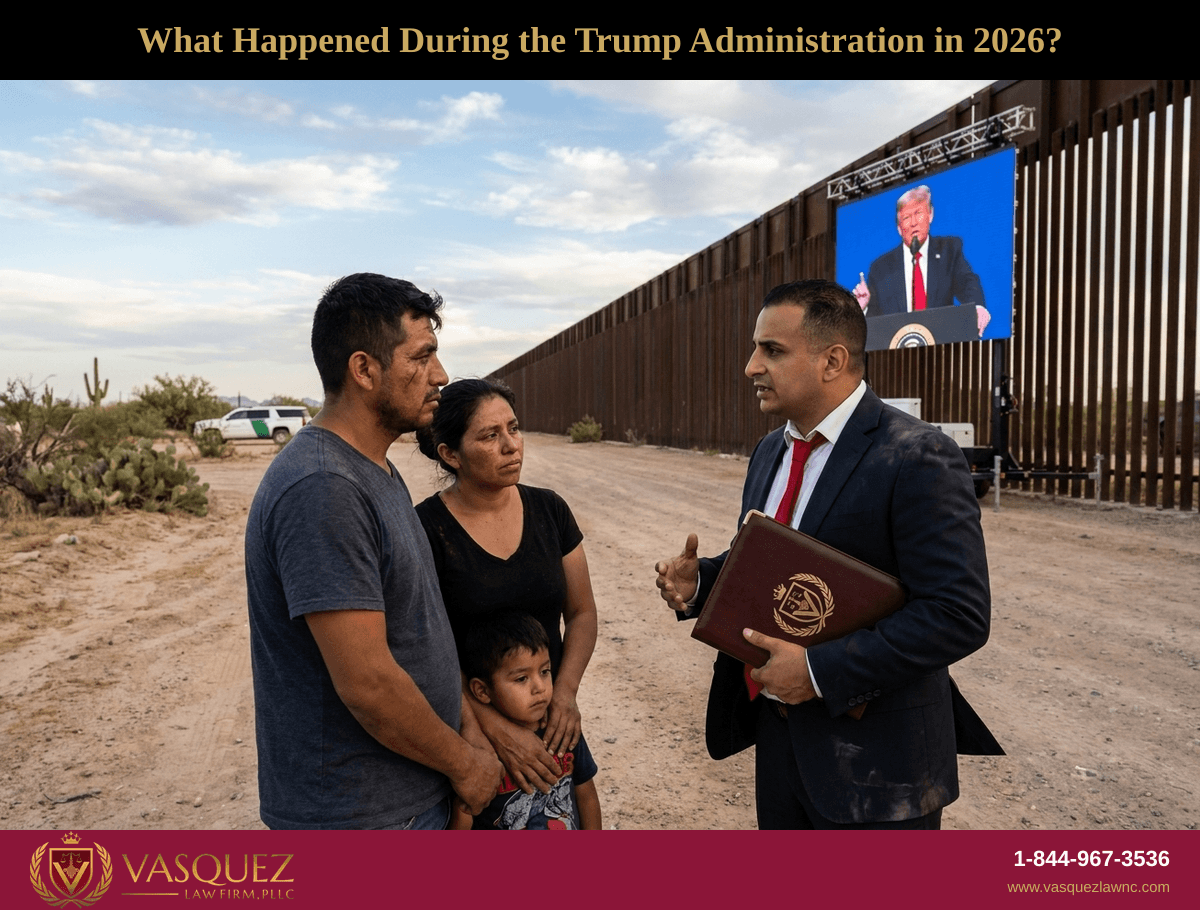
What Happened During the Trump Administration in 2026?
Explore key actions of the Trump administration affecting immigration in 2026. Learn your rights and options with Vasquez Law's free consultation.
Published on July 4, 2026· Updated August 6, 2026
Have questions? Talk to an attorney - free evaluation.
Call 1-844-967-3536Worried how the latest immigration news affects you?
Get a free, confidential case review with an immigration attorney - know exactly where you stand.
What Happened During the Trump Administration in 2026?
The Trump administration changed U.S. immigration rules a lot. These changes still affect people in 2026. This article looks at important staff changes, Cabinet roles, and legal changes that affect migrants in Orlando, North Carolina, and across the country. Knowing about these changes can help Dreamers and other immigrants handle immigration problems in North Carolina and Florida. Vasquez Law Firm offers bilingual legal help to guide you through your options after the Trump years.
Need help with your case? Our experienced lawyers are ready to fight for you. Se Habla Español.
Or call us now: 1-844-967-3536
Quick Answer
The Trump administration changed immigration rules and enforcement. These changes still affect migrants in 2026. Immigrants in Orlando and North Carolina face problems from these past rules. Dreamers affected by DACA changes should talk to experienced lawyers for legal help.
- Changes to enforcement priorities shaped detention rules.
- Staff and Cabinet choices showed strict immigration views.
- DACA recipients faced uncertain futures under Trump rules.
- Legal fights still affect immigration cases nationwide.
- Vasquez Law Firm offers bilingual help in North Carolina and Florida.
Understanding the Trump Administration
The Trump administration lasted from January 2017 to January 2021. It made big changes to immigration enforcement and rules. Important people like former Attorney General Jeff Sessions worked to tighten immigration controls. Cabinet members focused on border security. In 2026, knowing these past changes is important for anyone affected by immigration law in Orlando, Florida, and North Carolina.
One of the hallmark features of the administration was its focus on "zero tolerance" policies at the border, which led to increased prosecutions for illegal entry and the controversial family separation policy. These policies created a ripple effect throughout the immigration system, influencing how cases are processed in courts and detention centers nationwide. For example, many families in North Carolina and Florida experienced long delays in reunification due to these policies.
Additionally, the administration’s approach to immigration reform was characterized by an emphasis on building physical barriers, such as the border wall, as well as increasing funding for agencies like ICE and CBP (Customs and Border Protection). This focus has continued to impact resource allocation and enforcement priorities as of 2026, affecting the day-to-day experiences of immigrants and legal practitioners in states like Florida and North Carolina.
Trump Administration Staff 2026
The administration's staff, including Cabinet members like former Secretary of Homeland Security Kirstjen Nielsen and other officials, set strict immigration policies. Even though the administration ended in 2021, their actions and appointments still affect immigration rules in 2026. This especially affects immigration court backlogs, detention rules, and bond hearings.
For example, the appointment of Jeff Sessions as Attorney General marked a shift toward aggressive immigration enforcement, including expanded criteria for detention and deportation. These policies contributed to a significant increase in immigration court cases, creating backlogs that remain unresolved in 2026. Immigrants in Orlando and Raleigh often face longer wait times for court dates due to this legacy.
Moreover, staff at the Department of Homeland Security under the Trump administration implemented new directives that prioritized arresting not only recent border crossers but also long-term residents with minor offenses. This broad enforcement approach resulted in numerous deportations and contributed to an atmosphere of uncertainty within immigrant communities. The continued enforcement patterns in 2026 reflect these earlier staffing decisions.
Trump Administration Cabinet
The Cabinet focused a lot on controlling immigration. This affected agencies like ICE (Immigration and Customs Enforcement) and USCIS (U.S. Citizenship and Immigration Services). These Cabinet priorities pushed for stricter deportation rules. They also tried to end Deferred Action for Childhood Arrivals (DACA). Courts stopped these attempts, which affects Dreamers today.
For instance, former DHS Secretary Elaine Duke and others in leadership roles emphasized expanding ICE operations nationwide. This meant increased raids and detentions in states like North Carolina and Florida, which still impact immigrant communities in these areas today. The Cabinet's policies also influenced the tightening of asylum eligibility requirements, making it harder for individuals to seek refuge legally.
Additionally, Cabinet members collaborated on executive orders that reshaped immigration pathways, including reducing refugee admissions to historic lows. These reductions have ongoing consequences for families seeking resettlement. The legacy of these policies continues to shape the priorities of immigration agencies and affects how cases are handled in courts across the country.
Trump Administration Timeline
Important events during the Trump presidency included travel bans, family separation policies, and more immigration detention. The timeline from 2017 to January 2021 set up rules that still matter for immigration cases across the U.S. in 2026.
For example, the initial travel ban in 2017 targeted several Muslim-majority countries, creating confusion and legal challenges that reverberated for years. Many individuals from affected countries faced prolonged uncertainty about their immigration status, especially those residing in Florida and North Carolina with ties to these countries.
In 2018, the family separation policy sparked nationwide protests and legal battles. Families separated at the border faced traumatic experiences, and reunification efforts continued well beyond the administration's end. These events led to policy reforms aimed at preventing similar separations, but the legacy remains visible in ongoing immigration court cases involving families today.
Key Immigration Policies Under Trump
The administration made policies that changed immigration enforcement a lot. These include stopping efforts to end DACA in courts, increasing immigration detention, and limiting some visa programs. Immigrants in Orlando, Florida, and North Carolina should know how these rules still affect case processing and enforcement.
One significant policy was the expansion of "public charge" rules, which made it harder for immigrants who used public benefits to obtain green cards or visas. This policy created confusion and fear among immigrant communities in North Carolina and Florida, discouraging some from accessing essential services. Although some restrictions have been rolled back, the effects linger in immigration adjudications.
The administration also implemented the Migrant Protection Protocols (MPP), requiring asylum seekers to remain in Mexico while their U.S. cases proceeded. This policy delayed relief for many families and created backlogs that persist in immigration courts. Individuals from Orlando and Raleigh navigating asylum claims still face challenges related to these earlier policies.
DACA and Dreamer Policies
Even though there were attempts to end DACA, many Dreamers kept protections because of court rulings. In 2026, USCIS still processes DACA renewals. Processing times range from 14 to 22 months (USCIS Form I-821D). This backlog shows the lasting effect of Trump-era attempts to end the program. It also creates uncertainty for DACA recipients in North Carolina and Florida.
Practical examples include Dreamers who have faced delays in renewal approvals, which can impact their ability to work or study legally. For instance, a DACA recipient in Orlando might experience a gap in employment authorization if their renewal is delayed, which can have financial and legal consequences. Legal representation is crucial to navigate these complexities.
Furthermore, the administration’s efforts to rescind DACA fueled numerous lawsuits that shaped the current legal landscape. The ongoing litigation means that Dreamers must remain vigilant about policy changes and court rulings. In North Carolina and Florida, community organizations and law firms like Vasquez Law Firm provide critical support to help Dreamers understand their rights and options.
Visa and Travel Restrictions
The Trump administration issued travel bans on several countries. This affected lawful immigration and refugee admissions. Business immigration applicants face changes related to H-1B visa limits and processing problems. This especially affects virtual consultations for clients in Orlando and Raleigh.
For example, the H-1B visa program faced stricter scrutiny and additional documentation requirements, leading to higher denial rates and longer processing times. Employers in Florida and North Carolina hiring foreign workers often encountered delays, complicating workforce planning. Virtual consultations became essential to adapt to these challenges.
Additionally, travel bans impacted students, tourists, and business travelers from affected countries, disrupting plans and creating uncertainty. Many individuals had to reschedule or cancel trips, affecting educational institutions and businesses in Orlando and Raleigh. Even in 2026, remnants of these restrictions influence visa adjudications and travel policies.
Enforcement and Detention Policies
There were more immigration arrests and detentions during Trump's years. A recent federal court ruled that the Trump administration could not hold migrants for more than 90 days without bond hearings. This affects ongoing cases in North Carolina and Florida.
Practically, this means that migrants in detention centers in these states cannot be held indefinitely without access to bond hearings, improving their chances to seek release while awaiting court proceedings. For example, a detained immigrant in Raleigh may now have the right to request a bond hearing after 90 days, providing an opportunity for release under certain conditions.
Moreover, the administration’s emphasis on broadening enforcement priorities to include individuals with minor offenses led to increased detentions, straining local resources and courts. The 2026 rulings help balance enforcement with due process rights, but navigating these procedures requires experienced legal counsel familiar with evolving case law in Florida and North Carolina.
How the Administration Affected Dreamers
Dreamers are undocumented immigrants who came to the U.S. as children. They qualify for DACA protection. They faced uncertainty because of policy changes and legal fights. In 2026, Dreamers in Orlando and Raleigh should know their rights. They should also know how ongoing legal updates affect their status and renewal options.
Many Dreamers experienced emotional and financial stress due to the administration’s attempts to end DACA, leading to uncertainty about their ability to work, study, or remain in the country legally. This instability affected not only individuals but also families and communities in Florida and North Carolina, where many Dreamers reside.
Community support networks and legal advocacy groups have played a key role in assisting Dreamers through these challenges. In 2026, staying informed about policy changes and court rulings remains essential for Dreamers to protect their status and access benefits. For example, legal clinics in Orlando often provide workshops on renewal applications and rights awareness.
DACA Renewal Process in 2026
People who want to renew DACA face USCIS delays. Processing takes about 14 to 22 months (see USCIS processing times at USCIS.gov). Preparing early and getting legal help can improve chances for timely renewals.
It is highly recommended that Dreamers begin their renewal process at least six months before expiration to avoid gaps in protection and work authorization. For example, a Dreamer in Raleigh should consult an immigration attorney to ensure all paperwork is complete and submitted correctly, minimizing the risk of delays or denials.
Additionally, legal representatives can help gather necessary supporting documents and respond to Requests for Evidence (RFEs) from USCIS, which commonly cause further delays. Vasquez Law Firm offers bilingual assistance to guide applicants through these steps, helping to reduce stress and uncertainty during the renewal process.
Legal Challenges for Dreamers
Trump administration actions caused legal uncertainty. Court rulings, including preliminary orders stopping DACA rescission, help protect Dreamers. But they need careful legal plans to keep their status.
For instance, ongoing litigation continues to shape DACA's legal status. Dreamers must stay updated on court decisions that might impact renewals or initial applications. Failure to do so may result in missed opportunities or risks to their protected status.
Legal challenges also affect related benefits like employment authorization and travel permits. Dreamers in Florida and North Carolina are advised to work closely with qualified attorneys to understand their options, especially if they face requests for additional evidence or changes in USCIS guidance.
Impact on Families and Communities
Changes in enforcement and bond hearing rules affected immigrant families' stability. Recent court decisions stopped indefinite detention without bond hearings. This gives some relief in 2026 but requires knowing updated procedures.
For example, families separated by detention policies often faced financial hardship and emotional trauma. The ability to request bond hearings within 90 days helps reduce prolonged separations and allows families to reunite sooner, improving community cohesion in places like Orlando and Raleigh.
Community organizations have stepped up to provide resources, legal support, and advocacy to affected families. Their work remains vital in 2026 as immigrants navigate the complex aftermath of these policies. Understanding updated enforcement priorities and legal rights is essential for maintaining family unity and community stability.
Immigration Changes Timeline and What to Expect
From 2017 to 2021, many immigration reforms happened. Some policies still apply or have changed. They affect ongoing cases in 2026.
- 2017: Travel bans started, restricting entry from several countries.
- 2018: Family separations at borders caused national legal protests.
- 2019: More immigration detentions and ICE raids.
- 2020: Courts blocked full ending of DACA, keeping protections.
- 2021: Administration ended; some policies reversed, others stayed.
- 2026: Legal and administrative processes influenced by Trump-era policies continue.
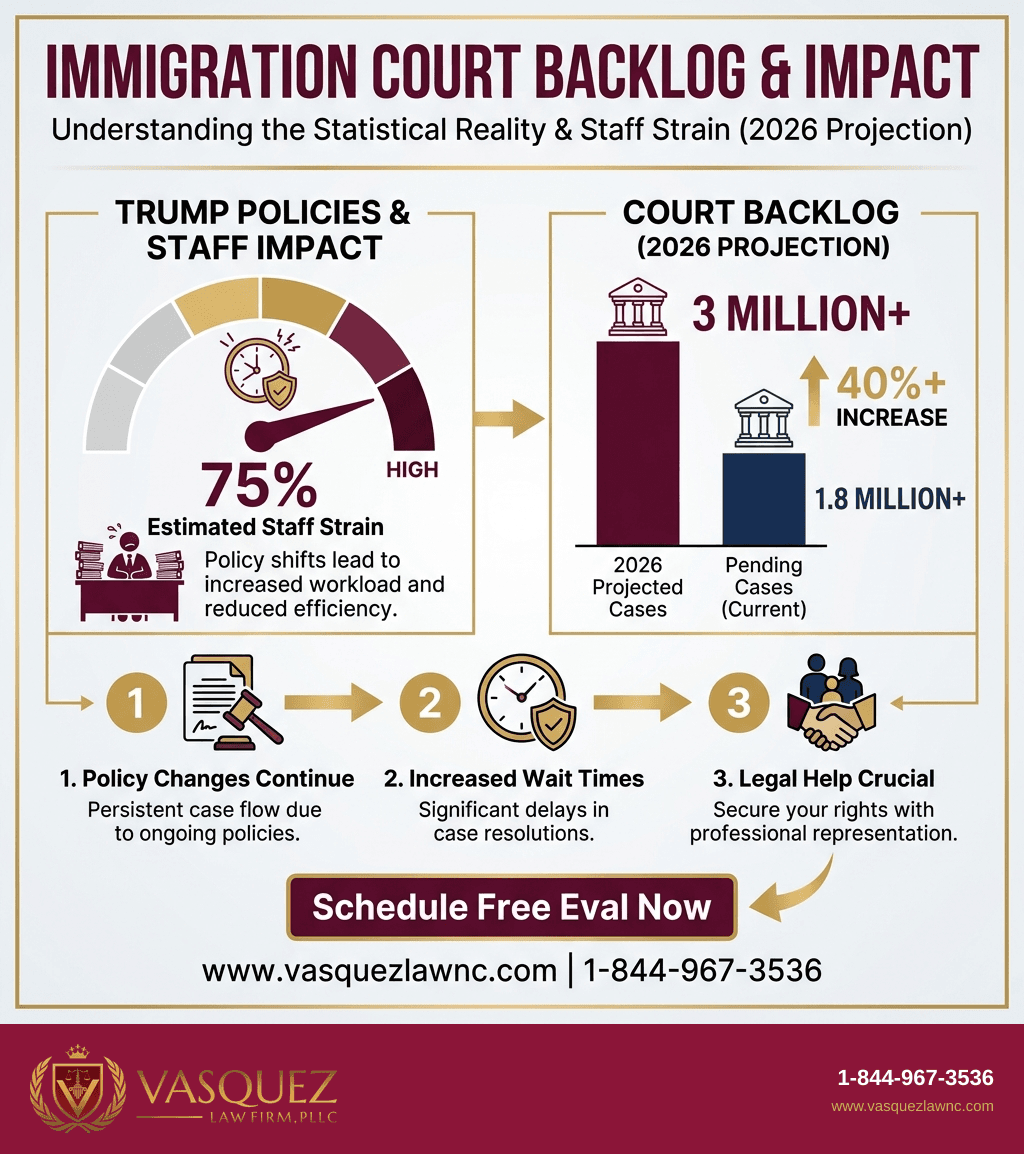
Looking ahead, immigrants and advocates expect continued litigation and policy adjustments as courts and new administrations address unresolved issues. For example, the backlog of immigration cases stemming from the Trump years remains a challenge, causing delays in case resolutions and impacting families and businesses.
Practitioners in North Carolina and Florida anticipate further clarifications on enforcement priorities and processing standards. Staying informed through reliable legal sources and consulting experienced attorneys like those at Vasquez Law Firm can help individuals and families navigate these evolving landscapes effectively.
Frequently Asked Questions about Trump Administration
Who were key staff members during the Trump administration in 2026?
While the administration ended in 2021, key staff such as former DHS Secretary Kirstjen Nielsen and Attorney General Jeff Sessions shaped enforcement policies that continue to impact immigration in 2026. Their legacy affects immigration courts and bond hearing procedures, notably in Florida and North Carolina. For example, policies introduced under their leadership expanded detention and deportation priorities, influencing current case backlogs and enforcement strategies.
How did Trump’s immigration policies affect Dreamers?
Trump’s attempts to rescind DACA created uncertainty for Dreamers. Though courts blocked some actions, processing delays persist. Dreamers in Orlando and Raleigh must stay informed about renewal timelines and legal protections as of 2026. For instance, many have experienced delays in receiving work permits, affecting employment opportunities. Continuous legal support is crucial to navigate these challenges and maintain protected status.
What is the Trump administration’s timeline in terms of immigration policy?
Between 2017 and 2021, the administration implemented travel bans, increased detention, and tightened enforcement. Many policies still influence immigration law today, notably the handling of bond hearings and DACA renewal processes. These changes led to increased immigration court backlogs and restrictions on asylum seekers, with lasting effects on migrants in states like Florida and North Carolina.
Does the Trump administration still affect immigration status in 2026?
Yes, many policies remain in effect or influence current immigration procedures, such as detention limits and court practices. Immigrants in Florida and North Carolina still face challenges shaped by this administration's legacy. For example, enforcement priorities set during that time continue to affect who is detained or prioritized for deportation, impacting community stability and individual cases.
What happened with bond hearings under the Trump administration?
The administration favored detention policies that limited bond hearings. In 2026, courts have ruled migrants cannot be held beyond 90 days without bond hearings, changing practices notably in North Carolina and Florida. This ruling provides detainees with greater access to due process and potential release, alleviating some of the hardships caused by earlier indefinite detention practices.
Are visa programs like H-1B still affected by Trump policies?
Yes. Trump-era visa restrictions and increased scrutiny continue to affect H-1B and other work-based visa applicants, especially with ongoing USCIS processing delays impacting clients in virtual business immigration consultations. Employers in Florida and North Carolina often face challenges hiring foreign talent due to these extended processing times and stricter eligibility criteria.
How can Vasquez Law Firm help with immigration issues related to Trump policies?
Our attorneys in Raleigh, NC and Orlando, FL provide bilingual legal support to address issues such as DACA renewals, bond hearings, and visa challenges, helping clients navigate complex post-Trump immigration policies. We offer personalized guidance to help you understand your rights and options, prepare applications correctly, and respond to government requests efficiently, increasing your chances of a positive outcome.
Where can I learn about current processing times and procedures?
USCIS provides up-to-date information on processing times for forms like I-821D for DACA. Visit USCIS Processing Times for official data important for planning. Staying informed about these timelines helps applicants avoid gaps in protection and ensures timely submissions of renewal requests.
About Vasquez Law Firm
At Vasquez Law Firm, we mix care with strong representation. Our motto "Yo Peleo" (I Fight) shows our promise to stand up for your rights.
- Bilingual Support: Se Habla Espaol Spanish-speaking lawyers and staff available
- Service Areas: North Carolina, Florida, and immigration services across the country
- Experience: Over 30 years helping clients with complex legal issues
- Results: Thousands of successful cases in many practice areas
Attorney Trust and Experience
William J. Vásquez joined the North Carolina State Bar in 2011. He is also admitted to the U.S. Courts of Appeals for the 4th, 5th, and 11th Circuits. Florida cases at the firm are handled by Florida Bar lawyer Harold Estrada-Rodriguez (FL Bar No. 1041171). The firm has offered focused legal help since 2011, giving personal attention to each client's case.
Our team's extensive experience includes handling complex immigration cases affected by shifting policies, such as those from the Trump administration. We understand the nuances of both federal and state immigration law and have successfully helped many clients in Florida and North Carolina overcome challenges like DACA renewals, bond hearings, and visa limitations.
Clients benefit from our bilingual support and personalized approach, ensuring that language barriers do not impede access to justice. Whether you need help with family-based immigration, deportation defense, or business immigration, Vasquez Law Firm is committed to fighting for your rights every step of the way.
Don't wait to get the help you deserve. Call us now for quick assistance. Se Habla Espaol.
Sources and References
- U.S. Citizenship and Immigration Services
- Executive Office for Immigration Review
- Legal Information Institute
Take the first step toward justice today. Our team is ready to help.
Start Your Free Evaluation Now
Call us: 1-844-967-3536
Se Habla Espaol - We are here to help you.
If you need legal assistance, learn more about speak with an immigration lawyer, or call us at 1-844-967-3536 for a free evaluation.

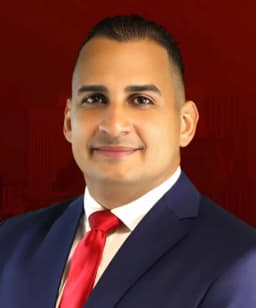
William Vasquez
Founder & CEO, Vasquez Law Firm, PLLC
William Vasquez is the founder and CEO of Vasquez Law Firm, PLLC, a results-driven firm specializing in immigration, criminal defense, personal injury, and workers' compensation. A U.S. Air Force veteran and recipient of the Joint Service Achievement Medal, William is dedicated to fiercely fighting for his clients' rights.
Related Legal Services
Need legal help? Learn more about speak with an immigration lawyer, or contact us for a free evaluation.
You can also visit our North Carolina immigration practice for more information.