Montgomery County Sheriff’s Office: Key Facts You Need in 2026
Learn about the Montgomery County Sheriff’s Office in 2026 and your rights. Get expert guidance from Vasquez Law Firm. Contact us for a free evaluation.
Published on June 21, 2026
Talk to an immigration attorney
Free call. A clear plan for your case.
Free & confidential · Se habla espanol · 24/7

Have questions? Talk to an attorney - free evaluation.
Call 1-844-967-3536Worried how the latest immigration news affects you?
Schedule a confidential case review with an immigration attorney - know exactly where you stand.
USCIS Case Status
Check your USCIS case status
Enter your receipt number and get the official status. Free, no registration.
Montgomery County Sheriff’s Office: Key Facts You Need in 2026
The Montgomery County Sheriff’s Office plays a crucial role in local law enforcement, including inmate management, warrant searches, and public safety enforcement. In 2026, residents in Orlando and broader jurisdictions need to understand how this office functions, especially Dreamers facing immigration challenges. This guide explains essential facts, procedures, and rights concerning the Sheriff’s Office, coordinated federal immigration enforcement, and legal protections available through Vasquez Law Firm’s immigration services.
Need help with your case? Our experienced attorneys are ready to fight for you. Se Habla Español.
Or call us now: 1-844-967-3536
Quick Answer
The Montgomery County Sheriff’s Office is responsible for enforcing laws, managing inmates, and conducting warrant searches within its districts. They also work with federal agencies like ICE to enforce immigration laws. Understanding their duties and your rights is key to protecting yourself, especially in Orlando where immigration enforcement is active.
- Handles warrants and arrests
- Manages inmate visitation and facility security
- Coordinates with ICE for immigration detentions
- Offers online tools for warrant and inmate lookup
- Legal counsel is essential if detained for immigration
Understanding Montgomery County Sheriff’s Office
In Montgomery County, the Sheriff’s Office serves multiple roles including law enforcement, supervising jails, and investigating crimes. It maintains public safety across various districts by responding to calls, enforcing court orders, and handling warrants. Their inmate visitation policies ensure regulated contact while maintaining security. The office’s service teamwork and accountability respect standards foster public trust. In 2026, coordination with ICE has heightened attention due to immigration-related detentions affecting communities in Orlando and nearby areas.
Beyond traditional law enforcement, the Sheriff’s Office also engages in community outreach programs aimed at building stronger relationships with residents. These initiatives include neighborhood watch collaborations and youth engagement projects designed to deter crime through education and positive interaction. By fostering community trust, the office works proactively to address safety concerns before they escalate.
Additionally, the Sheriff's Office continuously updates its training protocols to equip deputies with skills to handle complex situations, including mental health crises and domestic disputes. Emphasizing de-escalation techniques and cultural sensitivity, the office aims to reduce unnecessary use of force and improve outcomes during law enforcement interactions. This approach is especially important in diverse communities like Montgomery County.
District Lookup and Service Areas
The Sheriff’s Office divides Montgomery County into several districts. Residents can use the district lookup feature to find local law enforcement contacts or verify inmate information. This organized structure enhances response times and accountability throughout the county’s precincts.
For example, if a resident in District 3 needs to report a suspicious activity, they can quickly identify the specific deputies assigned to that area through the district lookup tool. This enables faster communication and more targeted responses. Similarly, family members seeking information about an inmate can use district-based search functions to obtain accurate and timely updates.
Moreover, each district has specialized units tailored to the unique needs of its community. Rural districts may have units focusing on agricultural crimes or wildlife issues, while urban districts might emphasize gang prevention and drug enforcement. Understanding which district you belong to can help you access the most relevant resources and support.
Role in Immigration Enforcement
While the Montgomery County Sheriff’s Office primarily handles local law enforcement, it often cooperates with ICE to enforce immigration detainers. This means that individuals held on state charges may have their immigration status checked or be transferred to federal custody. This cooperation requires proper procedure to avoid wrongful detentions, as seen in recent 2026 challenges where detainees were improperly sent to ICE.
In practice, this cooperation involves sharing booking information and detention status with ICE agents who may place detainers on individuals suspected of violating immigration laws. However, local policies sometimes limit the extent of this collaboration to protect community trust and reduce fear among immigrant populations. For instance, some sheriff’s offices adopt a "sanctuary" approach, restricting ICE access unless certain criteria are met.
It is important to note that the legal landscape around immigration enforcement is constantly evolving. Recent court rulings and state-level legislation can impact how local law enforcement interacts with federal immigration authorities. Residents should stay informed about current policies and seek legal counsel if they believe their rights have been violated during detention or transfer processes.
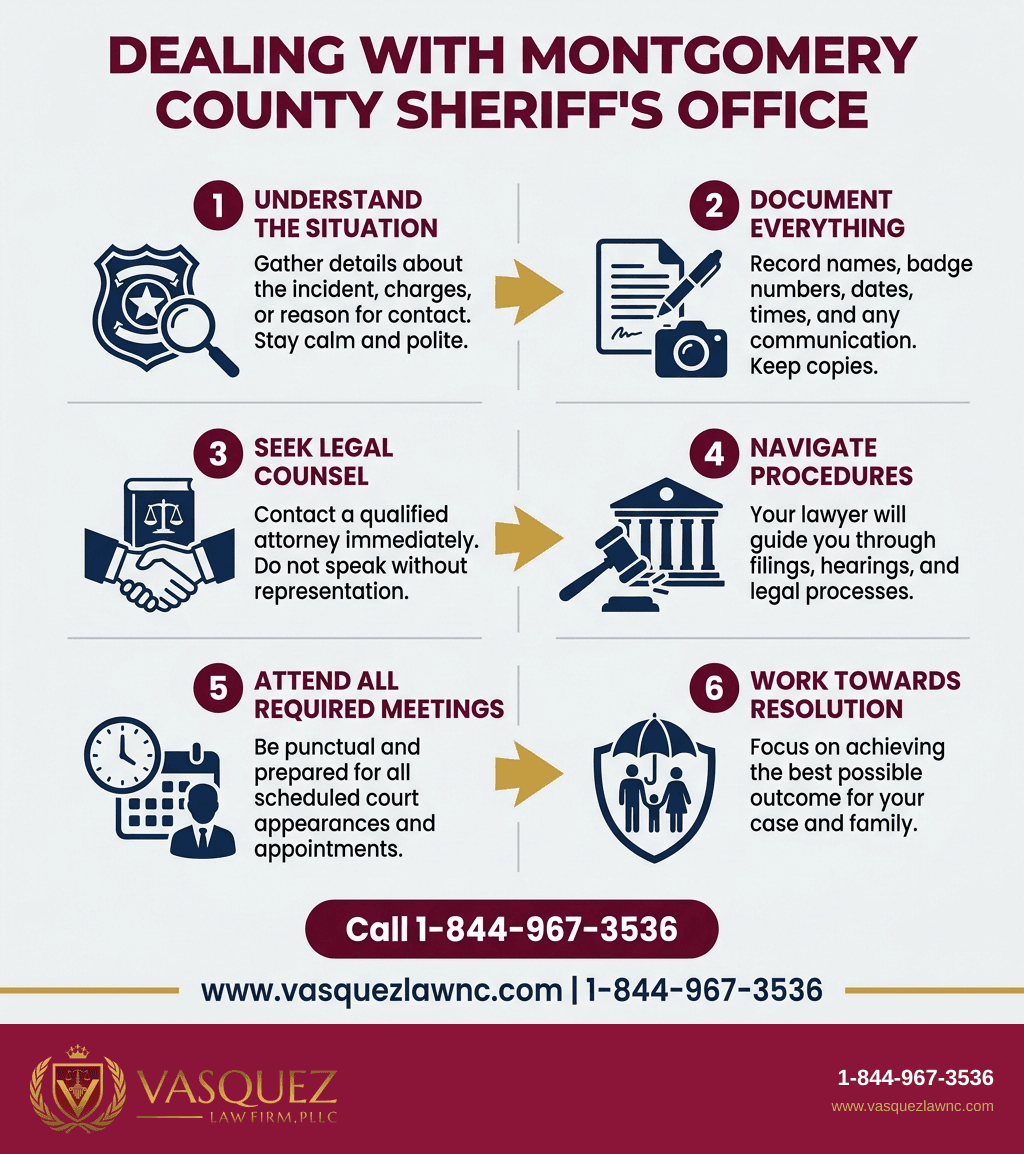
Key Steps to Take if Involved with the Sheriff's Office
Being involved with the Montgomery County Sheriff’s Office, whether through arrest or warrant searches, requires careful action, especially for immigrants and Dreamers. Knowing the right steps can protect your legal status and personal rights.
Step 1: Understand Your Rights
You have the right to remain silent and to request an attorney. Do not consent to searches without a warrant. If detained, clearly state you want an immigration lawyer and contact your family or trusted people promptly.
For example, if approached by deputies or officers, calmly inform them that you do not consent to any searches and that you wish to speak with an attorney before answering questions. This can prevent self-incrimination and protect you from potential violations of your rights. It is also advisable to memorize or carry a card with key rights statements in your native language to communicate effectively during stressful situations.
In addition, understanding your rights includes knowing when to ask for medical attention if needed and being aware of the conditions of your detention. If you feel your rights are being infringed upon, document the incident as soon as possible or inform your attorney to take appropriate action.
Step 2: Use Online Resources for Warrant and Inmate Searches
Before any encounter, verify if a warrant exists via Montgomery County’s online warrant search tools. This allows time to seek legal advice and prepare your defense or resolve issues without surprises.
For instance, if you suspect that a warrant might be outstanding against you or a family member, using the online district lookup or warrant search portal can provide immediate information. This proactive approach can help avoid unexpected arrests and enable you to address the warrant through legal channels such as turning yourself in or negotiating bail.
Furthermore, these tools assist attorneys and family members in tracking the status of inmates, ensuring timely visits or legal consultations. Staying informed through official online platforms prevents reliance on rumors or misinformation, which can complicate legal proceedings.
Step 3: Keep Records During Visitation and Detention
Follow inmate visitation policies strictly. Always carry required IDs and schedule visits within allowed times. Document interactions with officers carefully in case of future disputes or legal needs.
For example, during visits, take note of any unusual behavior by staff or changes in the inmate’s condition. If possible, keep a written record of conversations and incidents. This documentation can be vital if allegations of mistreatment or rights violations arise later.
In addition, maintaining communication records and visitation logs can support legal claims or assist attorneys in building a defense. Families should familiarize themselves with the rules regarding permitted items, dress codes, and conduct during visits to ensure smooth access and avoid unnecessary confrontation.
Common Mistakes to Avoid
- Ignoring warrants or failing to verify their existence before encounters. Fix: regularly use district lookup tools and consult attorneys early.
- Consenting to searches without understanding legal implications. Fix: insist on warrants and stay silent until you have representation.
- Not informing family or trusted contacts when detained, which limits support. Fix: establish a plan to notify someone immediately.
- Visiting inmates without following strict guidelines, leading to denied access. Fix: confirm visitation hours and bring correct documentation.
- Failing to challenge improper ICE detentions promptly. Fix: seek legal counsel specialized in immigration law immediately.
If you only remember one thing: Know your rights and seek professional legal help if interacting with any law enforcement or immigration agency.
Another common mistake is underestimating the importance of early legal representation. Waiting too long to contact an attorney can result in missed deadlines for hearings or appeals, which can severely impact your case. Always prioritize timely communication with legal professionals.
Additionally, some individuals mistakenly believe that refusing to cooperate with law enforcement entirely will resolve issues. While it is your right to remain silent, completely avoiding engagement without legal advice can create confusion or escalate suspicion. Seek guidance on how best to navigate these interactions.
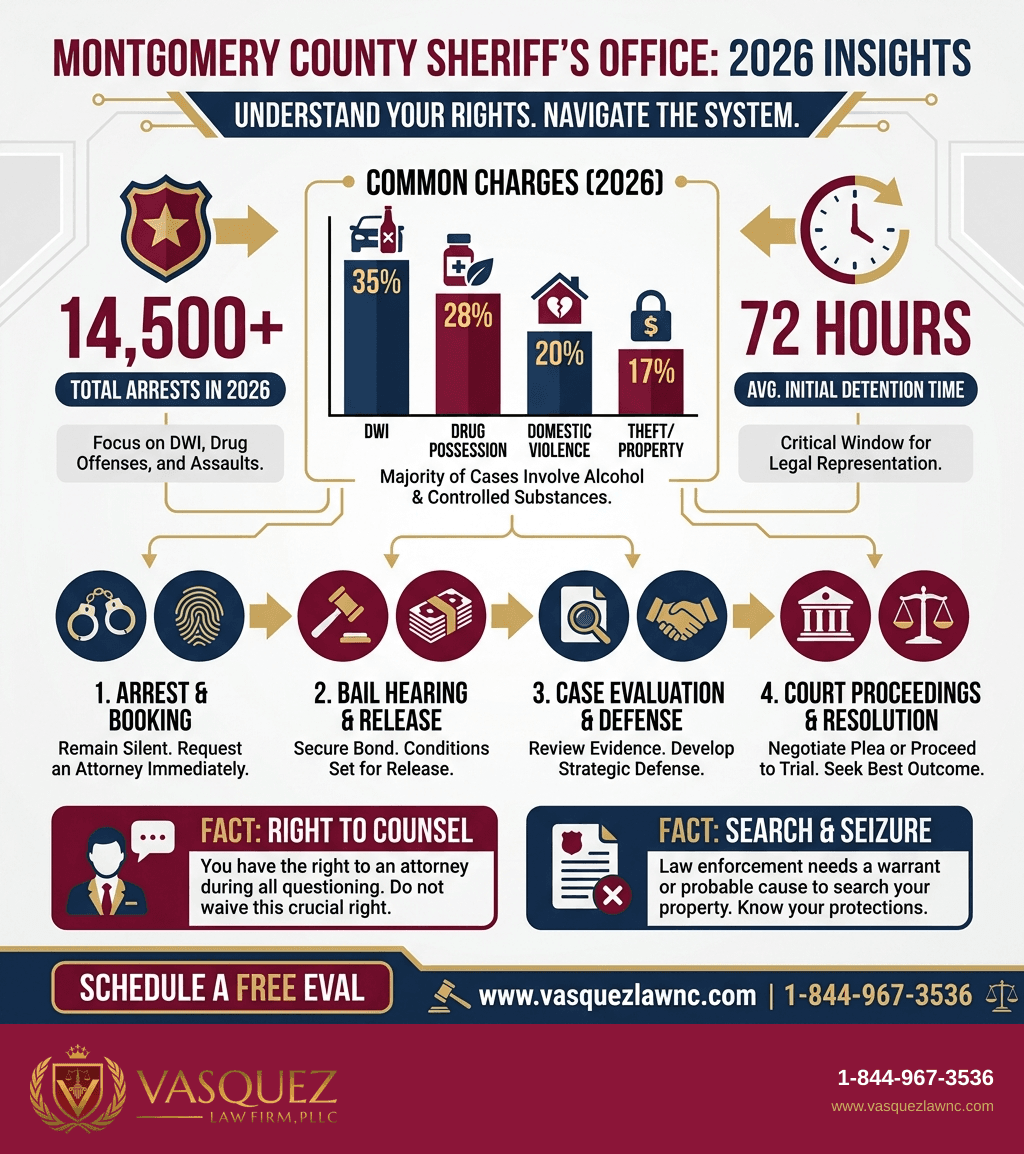
Timeline and What to Expect
- Arrest or warrant issued: Immediate law enforcement contact and possible detention.
- Booking and processing: Identification, photographing, and official records created; may include ICE detainer review.
- Detention period: You may await hearings or release depending on charges and immigration matters.
- Legal representation: Seeking an immigration attorney early can affect outcomes positively.
- Possible transfer: If ICE detainer applies, transfer to a federal detention center may occur.
During the booking process, detainees will undergo fingerprinting and medical screening. It is essential to disclose any medical conditions or medications to avoid health complications while in custody. Also, be aware that phone calls and visitation rights may be limited during initial processing.
Following detention, individuals typically appear before a judge for a bond hearing or arraignment. This hearing determines whether the detainee can be released pending trial or immigration proceedings. Having legal counsel present during this stage can improve chances of favorable outcomes.
If an ICE detainer is placed, the timeline may extend as federal immigration authorities review the case for potential removal actions. The Sheriff's Office will coordinate the transfer, but detainees and their attorneys should monitor transfer dates and prepare for immigration court proceedings accordingly.
Frequently Asked Questions
What is the Montgomery County Sheriff’s Office responsible for?
The Montgomery County Sheriff’s Office handles law enforcement duties including crime prevention, inmate management, warrant enforcement, and public safety. They also coordinate with federal agencies like ICE for immigration-related matters. This office plays a vital role in maintaining order within Montgomery County districts, ensuring community safety, and supporting judicial processes through effective jail and warrant management.
How can I perform an inmate or warrant search with the Sheriff's Office?
Montgomery County provides an online district lookup tool where you can search for inmates or outstanding warrants. This service helps individuals verify the status of persons detained or wanted by law enforcement. Staying informed about warrants can prevent surprises and allow timely legal action. Access to accurate information through official channels also helps families coordinate visits and legal support efficiently.
What should I know about inmate visitation policies?
Inmate visitation at Montgomery County Sheriff's Office follows strict guidelines to ensure safety and order. Visitation schedules, approved visitor lists, and identification requirements are enforced. Knowing these rules helps families maintain contact with detained loved ones and avoid visitation denials. Visitors should also be aware of prohibited items and dress codes to ensure smooth visits without disruptions.
Can the Montgomery County Sheriff’s Office detain someone for ICE?
Yes. The Sheriff’s Office can detain individuals based on immigration detainers filed by ICE. However, recent 2026 developments emphasize the need for proper procedures. Incorrect or improper detention can lead to legal challenges and may affect immigration status. The office must comply with legal standards to avoid wrongful detentions, and detainees have the right to contest their transfer to ICE custody.
What rights do detainees have if improperly sent to ICE?
Detainees wrongly sent to ICE have rights to challenge their removal. Legal representation is crucial. Recent incidents show that improper transfers violate procedural safeguards and may be grounds for immigration relief or lawsuits to protect affected individuals. Prompt legal action can result in bond hearings, stays of removal, or even dismissal of charges based on due process violations.
How does Montgomery County Sheriff’s Office coordinate with federal immigration authorities?
The Sheriff’s Office cooperates with ICE and other federal agencies through shared information and detentions. Coordination is subject to legal limits and local policies. This relationship impacts immigration enforcement, especially in cases with criminal charges or outstanding warrants. Policies may vary over time, so individuals should stay informed and seek legal advice regarding how such cooperation affects their rights.
What should Dreamers in Orlando know about interactions with local sheriff’s offices?
Dreamers should understand that local law enforcement, including sheriff’s offices, might coordinate with federal immigration but often follow policies limiting questioning on immigration status. Knowing your rights and having access to legal counsel is essential to avoid unintended consequences. It is advisable to carry identification and legal documents and to remain calm and respectful while asserting your rights if detained.
How can Vasquez Law Firm assist with immigration issues involving law enforcement?
Vasquez Law Firm provides expert advice and representation for immigrants facing detention, deportation, or questioning by law enforcement. Our team helps clients understand their rights, navigate complex immigration procedures, and fight for relief, especially for North Carolina and Florida residents. We offer bilingual support and personalized strategies to protect clients’ status and achieve the best possible outcomes.
About Vasquez Law Firm
At Vasquez Law Firm, we combine compassion with aggressive representation. Our motto "Yo Peleo®" (I Fight) reflects our commitment to standing up for your rights.
- Bilingual Support: Se Habla Español — Spanish-speaking attorneys and staff available
- Service Areas: North Carolina, Florida, and nationwide immigration services
- Experience: Over 30 years helping clients navigate complex legal matters
- Results: Thousands of successful cases across multiple practice areas
Attorney Trust and Experience
William J. Vásquez is admitted to the North Carolina State Bar (2011) and to the U.S. Courts of Appeals for the 4th, 5th, 6th, and 11th Circuits. Florida-jurisdiction matters at the firm are handled by Florida Bar attorney Alekssandra Lopez. The firm has provided dedicated legal representation since 2011, with personalized attention to each client's case.
Our attorneys regularly participate in continuing legal education to stay current with immigration law changes and local enforcement policies. This ensures that clients receive the most effective and informed representation possible. We are committed to transparency and client communication, providing clear guidance every step of the way.
We also engage in community outreach to educate immigrant populations about their rights and the legal resources available. By empowering clients with knowledge, we help prevent unnecessary detentions and promote fair treatment under the law.
Don't wait to get the help you deserve. Call us now for immediate assistance.
Se Habla Español
Sources and References
- U.S. Citizenship and Immigration Services
- Executive Office for Immigration Review
- Legal Information Institute
Take the first step toward justice today. Our team is standing by to help.
Start Your Free Evaluation Now
Call us: 1-844-967-3536
Se Habla Español - Estamos aquí para ayudarle.
If you need legal assistance, learn more about how our immigration attorneys can help, or call us at 1-844-967-3536 for a free evaluation.


William Vasquez
Founder & CEO, Vasquez Law Firm, PLLC
William Vasquez is the founder and CEO of Vasquez Law Firm, PLLC, a results-driven firm specializing in immigration, criminal defense, personal injury, and workers' compensation. A U.S. Air Force veteran and recipient of the Joint Service Achievement Medal, William is dedicated to fiercely fighting for his clients' rights.
Related Legal Services
Need legal help? Learn more about how our immigration attorneys can help, or contact us for a free evaluation.
You can also visit our North Carolina immigration practice for more information.