How ICE Detention Centers Operate and Affect You in 2026
Learn how ICE detention centers function in 2026 and what this means for detainees in North Carolina and Orlando. Contact Vasquez Law for help.
Published on June 20, 2026
Talk to an immigration attorney
Free call. A clear plan for your case.
Free & confidential · Se habla espanol · 24/7
Have questions? Talk to an attorney - free evaluation.
Call 1-844-967-3536Worried how the latest immigration news affects you?
Schedule a confidential case review with an immigration attorney - know exactly where you stand.
USCIS Case Status
Check your USCIS case status
Enter your receipt number and get the official status. Free, no registration.
How ICE Detention Centers Operate and Affect You in 2026
ICE detention centers hold thousands of immigrants annually for immigration proceedings. In 2026, understanding how these centers work near Orlando, FL, and North Carolina is critical for detainees and their families. This article covers what ICE detention centers are, who is detained, how long people stay, detainees' legal rights and protections, and what to expect at every stage of detention. Knowing this information helps immigrant communities exercise their rights and connect with experienced legal help.
Need help with your case? Our experienced attorneys are ready to fight for you. Se Habla Español.
Or call us now: 1-844-967-3536
Quick Answer
ICE detention centers are facilities where the Department of Homeland Security holds immigrants in custody during immigration proceedings. Detainees can stay from days to months, depending on their case. Centers near Orlando, FL, and in North Carolina include government-run and privately operated facilities. Knowing your rights, using resources like the ICE Detainee Locator, and getting legal help promptly are essential for protecting yourself in detention.
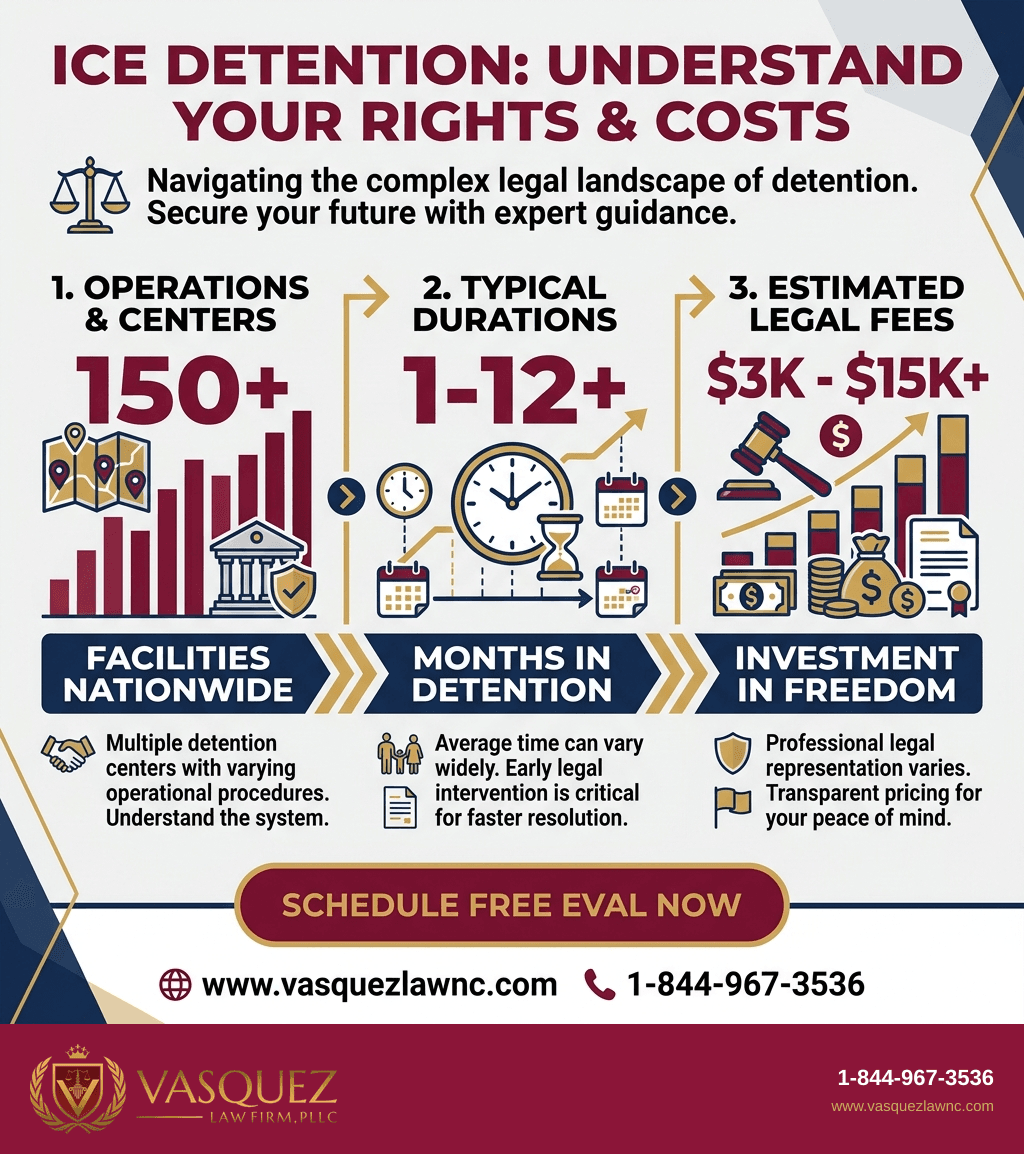
- There are about 130 ICE detention centers nationwide as of 2026.
- ICE detention centers hold people suspected of immigration violations.
- Detention durations vary widely, from a few days up to months or longer.
- Use the ICE Detainee Locator online to find detainee information.
- Many centers near Orlando, FL, serve Southeast detainees.
- Know your detention rights and seek legal counsel quickly.
Understanding ICE Detention Centers
In 2026, ICE detention centers remain the primary locations where the Department of Homeland Security holds immigrants pending removal or immigration court hearings. There are approximately 130 detention centers distributed across the United States. Facilities vary from government-run to privately operated centers under contract with ICE. Around Orlando, FL, several detention centers serve the Southeast region, including the Krome Service Processing Center and the Broward Transitional Center nearby. North Carolina hosts detention facilities such as the Stewart Detention Center, which cater to detainees in that jurisdiction.
ICE Detention Center Types
- Service Processing Centers: Run directly by ICE, used for initial processing and short-term detention.
- Contract Detention Facilities: Privately owned centers housing detainees longer-term under ICE contracts.
- Local Jails Holding ICE Detainees: Municipal or county jails sometimes hold detainees for ICE temporarily.
Who Is Detained in ICE Centers?
ICE detains people suspected of violating immigration laws, including undocumented immigrants, those with final orders of removal, or individuals arrested during enforcement operations. ICE may also detain asylum seekers during their case processing. Importantly, ICE cannot legally detain U.S. citizens; however, cases of mistaken identity occur and detained citizens must seek immediate legal representation.
Using the ICE Detainee Locator
The ICE Detainee Locator tool, accessible on the official Department of Homeland Security website, helps families and attorneys find detained individuals. By entering identifying information, users can obtain facility locations and custody status. This tool is crucial for families in Orlando and North Carolina tracking loved ones and planning legal support.
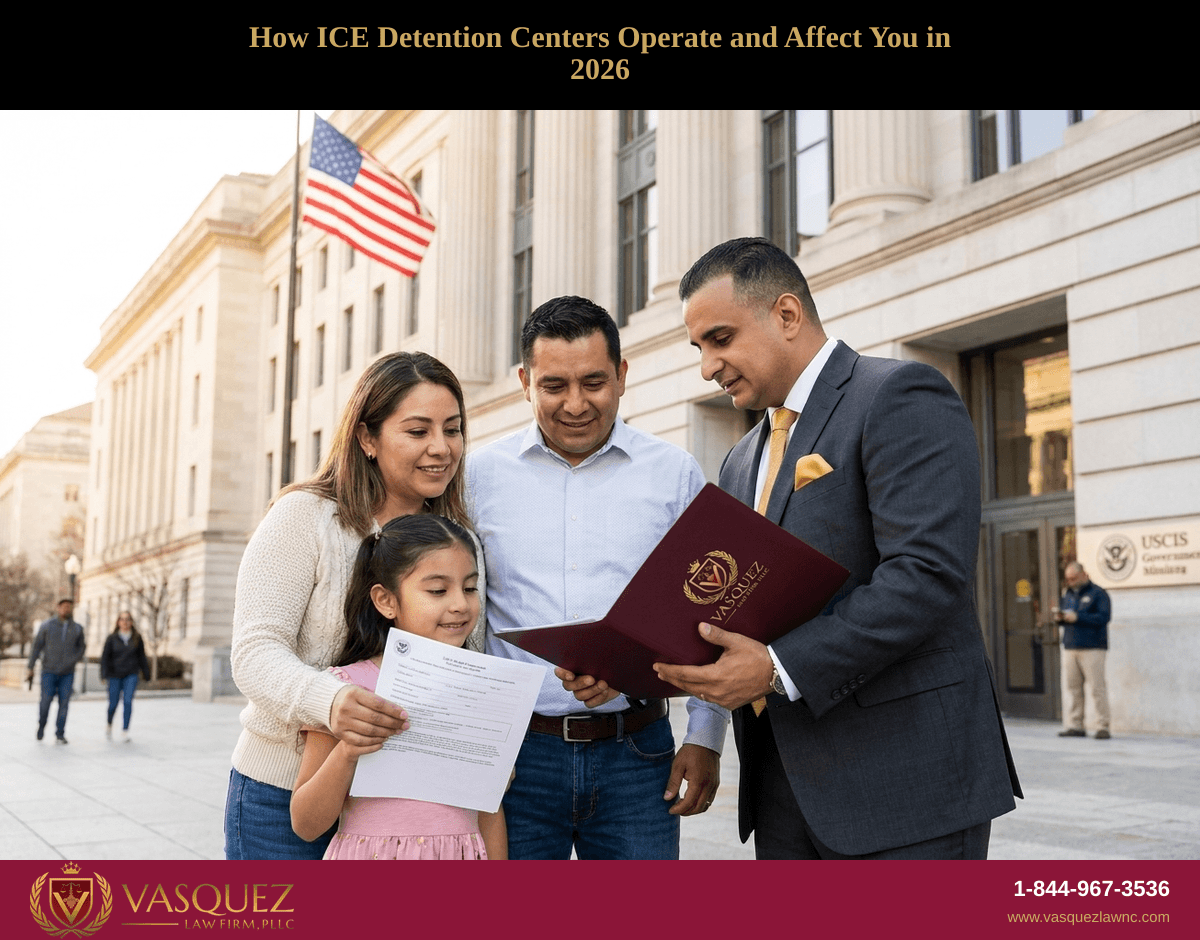
Step-by-Step Guide: What to Do if You Are Detained
- Stay Calm and Do Not Resist: If taken into custody, remain polite and do not argue or resist physically.
- Request a Lawyer: Clearly state your desire to speak with an attorney. You have the right to legal counsel, though ICE does not provide one.
- Provide Limited Information: Give only basic personal details; avoid answering questions about your immigration history without a lawyer.
- Use the ICE Detainee Locator: Inform family or your attorney to use this tool to find out where you are held.
- Proof of Identity and Status: If possible, ensure your documents or contact for your legal representative are accessible.
- Attend All Immigration Hearings: Failure to appear can result in removal orders issued in your absence.
- Request Bond Hearing: If eligible, apply for bond to secure release while your case proceeds.
- Keep Family and Attorney Updated: Communication is key for defense and emotional support.
Documents and Evidence Checklist for Detainees
- Government-issued photo identification (passport, state ID, driver’s license)
- Immigration paperwork, including notices of appointments and court orders
- Contact information of your immigration attorney or legal representative
- Evidence of ties to the community (lease agreements, employment records, school enrollment)
- Documents to support asylum or relief applications (medical reports, affidavits)
- Phone numbers for family or trusted contacts
- Any previous bond or release order documentation
Timeline: What to Expect in Detention
- Day 1-3: Initial processing and medical screening. Detention records created.
- Day 15-30: Master calendar hearing schedules. This is the first court date where you appear.
- Day 30+: Bond hearing may be requested if eligible, to seek release.
- Several Months: Individual hearings evaluating removal or relief claims.
- 6 Months to 1 Year or More: Final adjudication or appeals can take this long, depending on case complexity and court backlogs.
Costs and Fees Related to ICE Detention Cases
- Legal Fees: Immigration attorneys typically charge fees based on case type, ranging from $1,500 to $7,000 or more.
- Bond Costs: To post bond, detainees need funds ranging generally from $1,500 to $10,000.
- Filing Fees: Government fees for applications or appeals (e.g., Form I-485) vary and can exceed several hundred dollars.
- Additional Expenses: Costs for medical exams, translations, or expert testimony may apply.
- Free Case Evaluations: Many law firms, including Vasquez Law Firm, offer free case evaluations to determine potential costs and legal options.
Common Mistakes Detainees Make and How to Avoid Them
- Mistake: Talking to ICE agents without a lawyer present.
Fix: Always request legal representation before answering questions. - Mistake: Missing court dates.
Fix: Keep close track of hearing dates, notify your attorney immediately if you cannot attend. - Mistake: Providing false or inconsistent information.
Fix: Be honest and consistent in all legal documents and interviews. - Mistake: Not informing family or attorneys of detention location.
Fix: Use the ICE Detainee Locator and share your location promptly. - Mistake: Assuming detention is permanent.
Fix: Understand bond and relief options; legal help can often secure release. - Mistake: Losing hope or not seeking help quickly.
Fix: Contact experienced immigration attorneys immediately. - Mistake: Ignoring mental health needs.
Fix: Seek support services available inside detention centers when possible.
If you only remember one thing: Always request a lawyer and keep all communication documented.
Jurisdiction Notes for North Carolina and Orlando, Florida
North Carolina Notes
North Carolina detainees may be held in local jails under ICE contracts or transferred to detention centers in neighboring states. The firm’s Raleigh, NC office handles cases involving detainees in North Carolina, providing state-specific legal resources and navigating local immigration court systems. Access to community bail funds and advocacy groups varies by county.
Florida Notes
Florida, particularly near Orlando, hosts several key ICE detention centers that receive detainees from across the Southeast. Vasquez Law Firm’s Orlando, FL office focuses on local policies, detention conditions, and representation at immigration court in Florida. Families often rely on the ICE Detainee Locator to track loved ones here.
Nationwide Concepts
ICE detention is governed federally under 8 U.S.C. and regulations at 8 C.F.R., applying across all states. Practices such as detention length, bond eligibility, and detainee rights are federally mandated but can vary based on facility and court backlogs. Nationwide, there are ongoing legal challenges on detention conditions and policies affecting detainees' treatment and release.
When to Call an Immigration Lawyer Immediately
- You have been detained by ICE or received a notice of detention
- You are unsure if you have a legal right to bond or release
- You have received a notice for an immigration court hearing
- You or a family member needs help using the ICE Detainee Locator
- You fear mistaken detention as a U.S. citizen
- You need to assemble documents or evidence for your immigration case
- You have questions about asylum or relief eligibility
- You received a final removal order or deportation notice
- You want to file an appeal or reopen a removal proceeding
- You require guidance on detention center conditions or complaints
About Vasquez Law Firm
At Vasquez Law Firm, we combine compassion with aggressive representation. Our motto "Yo Peleo®" (I Fight) reflects our commitment to standing up for your rights. We assist detained immigrants in North Carolina and Orlando, Florida, ensuring they understand their legal options and get a strong defense.
- Bilingual Support: Se Habla Español — Spanish-speaking attorneys and staff available
- Service Areas: North Carolina, Florida, and nationwide immigration services
- Experience: Over 30 years helping clients navigate complex legal matters
- Results: Thousands of successful cases across multiple practice areas
Attorney Trust and Experience
William J. Vasquez is admitted to the North Carolina State Bar, with 15 years of immigration law practice. His deep knowledge of federal immigration detention law and courtroom experience helps clients in detention receive timely, effective defense. Our attorneys regularly work with families and detainees to preserve rights and explore every available remedy.
Don't wait to get the help you deserve. Call us now for immediate assistance.
Se Habla Español
Frequently Asked Questions
How long do people stay in ICE detention centers?
Detention durations vary by case and facility. Some detainees may stay just a few days while others remain months or over a year depending on court backlogs and legal complexities. According to USCIS and EOIR data, average stays range from 30 to over 180 days, but some cases last longer. Immediate legal help can shorten detention time by seeking bond or case resolution.
What is an ICE detention center?
An ICE detention center is a facility where U.S. Immigration and Customs Enforcement holds immigrants suspected of immigration violations during removal or processing. These centers can be government-run or privately operated under contract. They provide housing, security, and medical care to detainees while immigration cases are pending under immigration law governed by 8 U.S.C. §§ 1101 et seq.
Where are ICE detainees being held?
Detainees are held nationwide at approximately 130 centers, including locations near Orlando, FL, and throughout North Carolina. Many centers are privately owned but operate under ICE contracts. Local jails may also temporarily hold detainees. Using the ICE Detainee Locator tool helps identify detainee locations at any time.
Can ICE legally detain a U.S. citizen?
No, ICE cannot legally detain U.S. citizens. However, mistaken identity or paperwork errors occasionally lead to wrongful detention. Citizens detained by ICE should immediately request legal assistance to verify status and pursue release. If this occurs in North Carolina or Orlando, contact a local immigration lawyer promptly.
Are ICE detention centers privately owned?
Many ICE detention centers are privately owned and operated under contract with ICE. This model has raised concerns about detention conditions and accountability. Facilities near Orlando, such as Broward Transitional Center, are examples of privately run centers. Some service processing centers are government operated directly by ICE.
What rights do people have while in ICE detention?
Detainees have rights to medical care, legal counsel, visits, religious freedom, and safety. They may request bond hearings if eligible and apply for immigration relief. However, rights can be limited compared to criminal detention. Knowing your rights and how to assert them is critical for detainees and their families.
How can I find someone detained by ICE near Orlando or North Carolina?
You can use the ICE Detainee Locator online by entering the detainee's name and country of birth. This tool provides custody status and detention center information. Families should keep contact details updated and communicate with attorneys to stay informed.
What happens if someone misses an immigration court date while detained?
Missing a court date can lead to a removal order issued in absentia, making it harder to reopen the case. Detainees must attend all hearings or have a legal representative file motions explaining absences. Prompt legal help is required to avoid this serious consequence.
Sources and References
- U.S. Citizenship and Immigration Services
- Executive Office for Immigration Review
- Legal Information Institute
Take the first step toward justice today. Our team is standing by to help.
Start Your Free Evaluation Now
Call us: 1-844-967-3536
Se Habla Español - Estamos aquí para ayudarle.
If you need legal assistance, learn more about learn about our immigration practice, or call us at 1-844-967-3536 for a free evaluation.


William Vasquez
Founder & CEO, Vasquez Law Firm, PLLC
William Vasquez is the founder and CEO of Vasquez Law Firm, PLLC, a results-driven firm specializing in immigration, criminal defense, personal injury, and workers' compensation. A U.S. Air Force veteran and recipient of the Joint Service Achievement Medal, William is dedicated to fiercely fighting for his clients' rights.
Related Legal Services
Need legal help? Learn more about learn about our immigration practice, or contact us for a free evaluation.
You can also visit NC immigration legal help for more information.