How Asylum Works in Orlando: What You Should Know in 2026
Wondering how asylum works in Orlando? Learn who qualifies, required steps, and timeline for asylum immigration cases. Contact Vasquez Law for a free consultation.
Published on June 15, 2026
Talk to an immigration attorney
Free call. A clear plan for your case.
Free & confidential · Se habla espanol · 24/7
Have questions? Talk to an attorney - free evaluation.
Call 1-844-967-3536Worried how the latest immigration news affects you?
Schedule a confidential case review with an immigration attorney - know exactly where you stand.
USCIS Case Status
Check your USCIS case status
Enter your receipt number and get the official status. Free, no registration.
How Asylum Works in Orlando: What You Should Know in 2026
Asylum is a protection granted to people in Orlando and across the U.S. who face persecution in their home countries. In 2026, understanding the asylum process, deadlines, and requirements is critical for those seeking safety. This guide explains asylum basics, types, and what to expect from asylum immigration in America.
Need help with your case? Our experienced attorneys are ready to fight for you. Se Habla Español.
Or call us now: 1-844-967-3536
Quick Answer
Asylum lets people fleeing persecution in their home country live legally in the U.S. Applicants must often file Form I-589 within one year of arrival, prove credible fear, and attend interviews or court hearings. It offers protection from deportation and work authorization for qualifying individuals.
- File asylum within one year of arrival unless exempt
- Two types: affirmative and defensive asylum
- Requires proof of persecution or well-founded fear
- May include medical or mental asylum evaluations
- Interviews with USCIS or hearings in immigration court
What Asylum Means Exactly
Imagine fleeing your country because your life is at risk due to your political beliefs or ethnicity. Asylum provides a legal shield for people like you. It means the U.S. government recognizes you cannot safely return to your home country because you would face persecution based on protected grounds like race or religion.
Asylum differs from refugee status in that asylum seekers apply while already in the U.S. or at a border, while refugees are recognized before entering. Understanding exactly what asylum means helps you know your rights under U.S. law.
Under 8 U.S.C. § 1158, asylum applicants must show they qualify under these legal protections. The process and protections include work authorization and a path to permanent residency.
Types of Asylum You Can Apply For
There are two main types of asylum applications: affirmative asylum and defensive asylum. Affirmative asylum is for those not in removal proceedings and involves submitting Form I-589 to USCIS for an interview. Defensive asylum is a defense against removal while in immigration court.
Affirmative asylum applicants must file within one year of their U.S. arrival, barring certain exceptions like changed circumstances. This filing window is strictly enforced.
Defensive asylum allows applicants to present their case before an immigration judge if the government tries to deport them. The judge decides if they meet asylum requirements. This option is often used after a denial of affirmative asylum or if the person is detained.
Affirmative Asylum Process
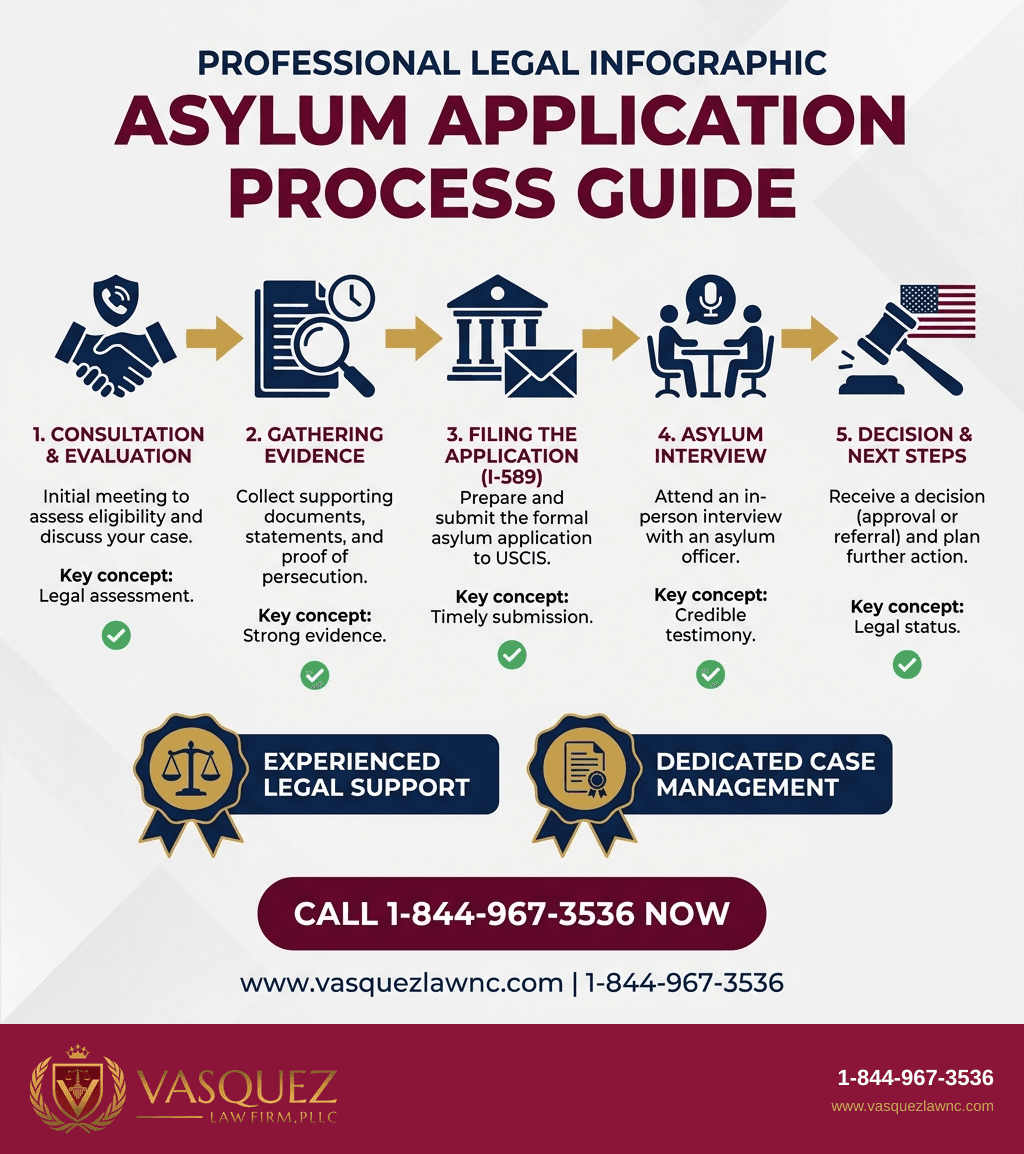
- Submit Form I-589 to USCIS
- Attend asylum interview with an asylum officer
- USCIS approves or refers to immigration court
Defensive Asylum Process
- Receive Notice to Appear in immigration court
- Present asylum claim as defense in hearing
- Immigration judge approves or denies asylum
- Appeal available if denied
Mental and Medical Asylum Considerations
Applicants who suffered torture or trauma often require asylum medical and mental health evaluations to support their claims. Medical evidence can help demonstrate the credibility and severity of persecution.
Step-by-Step: How to File for Asylum
- Determine eligibility. Confirm you have experienced or fear persecution for protected reasons.
- Prepare Form I-589. Complete and gather supporting evidence such as affidavits, country condition reports, and medical records.
- File on time. Typically within one year of arrival in the U.S. Exceptions apply but must be documented.
- Attend USCIS interview. Answer questions about your claim and provide evidence.
- Wait for decision. USCIS may approve or refer your case to immigration court.
- If in removal proceedings, prepare for court hearing. Work with an attorney to present your defensive asylum case effectively.
- Apply for work authorization. After 150 days of pending asylum application, you can request permission to work.
- After one year of asylum status, apply for permanent residency. This path can lead to a green card and later citizenship.
Common Mistakes to Avoid in Asylum Cases
- Missing the one-year filing deadline. This is a common reason asylum claims are denied. Seek legal help immediately if late.
- Not presenting credible, consistent testimony. Contradictory statements harm your case.
- Failing to submit sufficient evidence. Lack of country reports, personal documents, or affidavits can weaken claims.
- Ignoring mental health and medical evidence. Documentation of trauma enhances credibility.
- Attempting to handle legal filings without a lawyer. Immigration law is complex and errors can be costly.
- Not attending interviews or hearings. Missing appointments may lead to denial or deportation.
- Omitting information about criminal history. This can later invalidate your asylum status.
- Applying too late after arrival without valid exceptions. USCIS rarely waives the filing deadline.
If you only remember one thing: File your asylum claim on time and get help from an experienced immigration lawyer in Orlando or Raleigh.
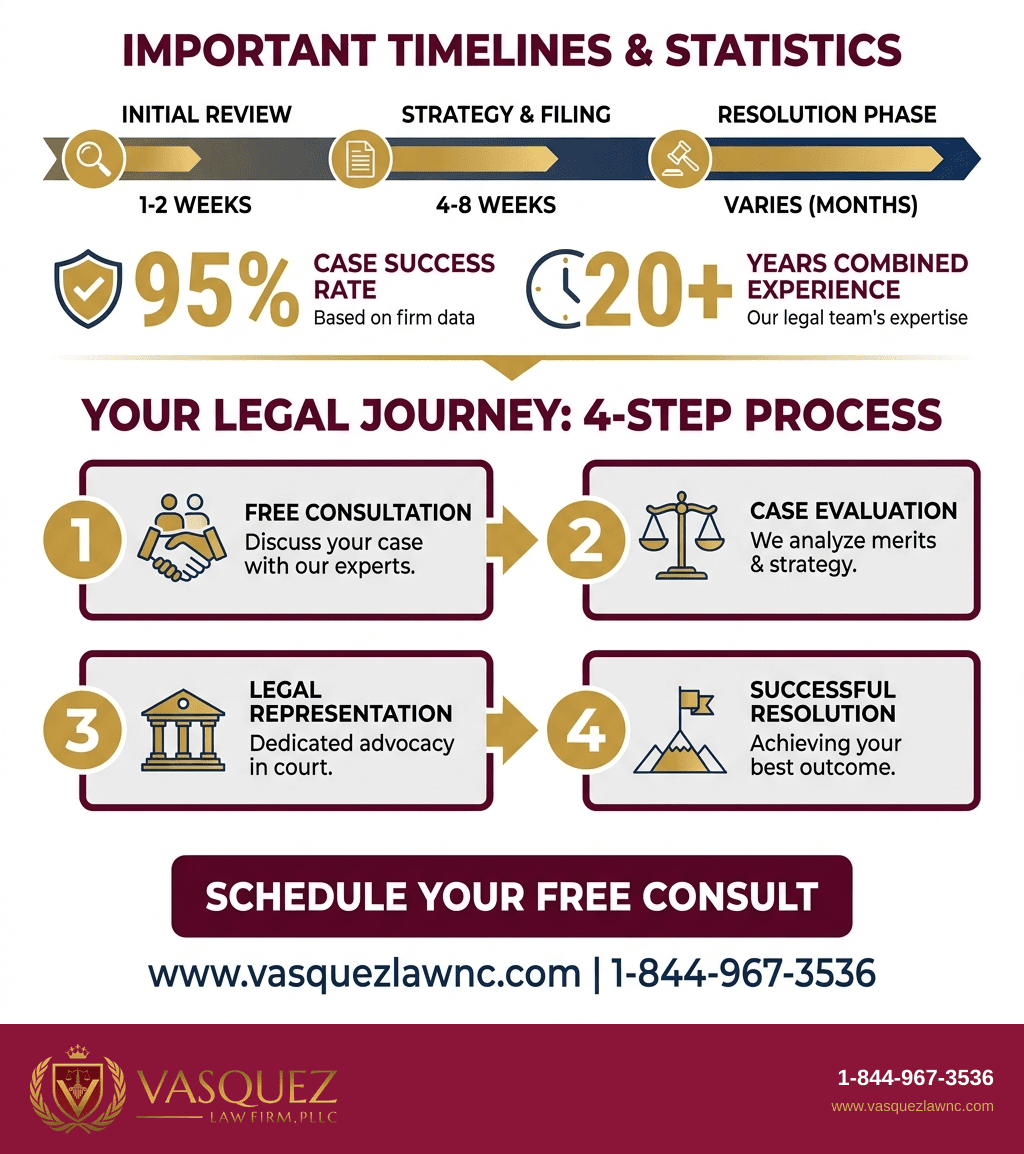
Timeline and What to Expect
- Within 1 Year: File Form I-589 with USCIS.
- 3 to 6 Months: Attend asylum interview with USCIS officer if applying affirmatively.
- 3 to 12 Months After Interview: Receive USCIS decision. If denied or referred, case goes to immigration court.
- Several Months to Years: Immigration court hearings may take longer depending on court backlogs.
- 150 Days After Filing: Eligible to apply for work authorization.
- 1 Year After Grant: Apply for lawful permanent resident status.
USCIS processing times for Form I-589 vary by field office but typically range from 6 to 12 months.USCIS Processing Times.
Costs and Fees: What Affects Your Case
- Filing Fees: There is no government fee to file Form I-589 for asylum.
- Legal Fees: Attorney fees vary widely depending on case complexity and experience.
- Medical Exams: Optional but recommended; costs depend on provider.
- Translation Services: Required for documents not in English.
- Miscellaneous Costs: Travel expenses, document procurement, and notary fees.
Legal representation costs are often the largest expense and can affect case quality and success odds. Vasquez Law Firm offers free evaluations to discuss your options.
NC, FL, and Nationwide Notes on Asylum
North Carolina Notes
In North Carolina, asylum seekers can access legal resources through local nonprofits and courts in Raleigh or Charlotte. USCIS offices in regional hubs process affirmative asylum claims. Detained applicants may face immigration court hearings in nearby jurisdictions.
Florida Notes
Orlando is a major gateway for asylum seekers entering through Florida. USCIS holds interviews in local offices, while immigration courts hold hearings in Miami or Tampa. The Vasquez Law Firm office in Orlando helps clients navigate local asylum procedures with bilingual support.
Nationwide Concepts (General Only, Rules Vary)
Asylum law is federally governed under INA and USCIS guidelines. Applicants must meet consistent eligibility standards, but processing times and interview locations differ by region. Defensive asylum cases are heard in immigration courts nationwide, under EOIR jurisdiction.
When to Call an Asylum Lawyer Now
- If you have been in the U.S. less than one year and are considering asylum.
- If you missed the one-year filing deadline and need an exception reviewed.
- If USCIS refused your asylum claim and referred you to immigration court.
- If you are detained or facing removal proceedings.
- If you have complex issues like criminal history or prior deportations.
- If you need help gathering evidence or preparing for interviews.
- If English is a barrier and you need bilingual legal help in Orlando.
- If you want to apply for work authorization during the asylum process.
About Vasquez Law Firm
At Vasquez Law Firm, we combine compassion with aggressive representation. Our motto "Yo Peleo®" (I Fight) reflects our commitment to standing up for your rights.
- Bilingual Support: Se Habla Español — Spanish-speaking attorneys and staff available
- Service Areas: North Carolina, Florida, and nationwide immigration services
- Experience: Over 30 years helping clients navigate complex legal matters
- Results: Thousands of successful cases across multiple practice areas
Attorney Trust and Experience
William J. Vásquez is admitted to the North Carolina State Bar (2011) and to the U.S. Courts of Appeals for the 4th, 5th, and 11th Circuits. Florida-jurisdiction matters at the firm are handled by Florida Bar attorney Harold Estrada-Rodriguez (FL Bar No. 1041171). The firm has provided dedicated legal representation since 2011, with personalized attention to each client's case.
Don't wait to get the help you deserve. Call us now for immediate assistance.
Se Habla Español
Frequently Asked Questions
What exactly does asylum mean?
Asylum protects people in the U.S. who face persecution based on race, religion, nationality, political opinion, or social group membership. It allows them to avoid deportation and live legally. This protection is for those who cannot return safely to their home country.
What are the two types of asylum?
Affirmative asylum is filed before any removal charges and involves USCIS processing. Defensive asylum is used as a defense during deportation hearings in immigration court. Both require credible fear and proof of persecution.
Who qualifies for asylum in the United States?
Those who experience past persecution or have a credible fear of future persecution due to specific protected grounds qualify. Applicants must provide evidence and usually must file within one year of arrival, with certain exceptions.
How does claiming asylum work?
File Form I-589 with USCIS within one year if applying affirmatively. Attend interviews and hearings. If denied or in removal proceedings, present a defensive asylum claim to an immigration judge. Approval provides protection from deportation and may lead to a green card.
What is defensive asylum in immigration court?
Defensive asylum is a defense against deportation where you ask the immigration court for protection. It involves presenting evidence and testimony during a hearing. The judge decides whether you qualify based on persecution risk.
Can Americans seek asylum in other countries?
Usually, U.S. citizens cannot seek asylum elsewhere, as persecution grounds typically do not apply to them. Rare exceptions exist but depend on the laws of the other country and specific risks.
What are common reasons asylum is denied?
Missing deadlines, insufficient or inconsistent evidence, criminal background issues, and failure to attend hearings. Working with a knowledgeable attorney can reduce these risks.
What medical exams are needed for asylum?
Medical exams are not always required but can support claims of persecution, especially documenting trauma or torture. Mental health evaluations are sometimes critical evidence in asylum medical assessments.
Sources and References
- U.S. Citizenship and Immigration Services (USCIS)
- Executive Office for Immigration Review
- Legal Information Institute
Take the first step toward justice today. Our team is standing by to help. Se Habla Español.
Start Your Free Evaluation Now
Call us: 1-844-967-3536
Se Habla Español - Estamos aquí para ayudarle.
If you need legal assistance, learn more about immigration case consultation, or call us at 1-844-967-3536 for a free evaluation.

William Vasquez
Founder & CEO, Vasquez Law Firm, PLLC
William Vasquez is the founder and CEO of Vasquez Law Firm, PLLC, a results-driven firm specializing in immigration, criminal defense, personal injury, and workers' compensation. A U.S. Air Force veteran and recipient of the Joint Service Achievement Medal, William is dedicated to fiercely fighting for his clients' rights.
Related Legal Services
Need legal help? Learn more about immigration case consultation, or contact us for a free evaluation.
You can also visit immigration legal services throughout NC for more information.