What to Expect From Trump Deportations in 2026
Understand Trump deportations and how they could affect you or your family in 2026. Protect your rights. Contact Vasquez Law for a free consultation.
Published on March 6, 2026
Talk to an immigration attorney
Free call. A clear plan for your case.
Free & confidential · Se habla espanol · 24/7

Have questions? Talk to an attorney - free evaluation.
Call 1-844-967-3536Check your case status now
Look up your immigration case below, then talk to an attorney about what it means — free.
Questions about your result?
Talk to an attorney about your case — free, no obligation.
What to Expect From Trump Deportations in 2026
The prospect of increased Trump deportations is a significant concern for many immigrants and their families across North Carolina, Florida, and nationwide as of 2026. Understanding the potential changes in immigration policy and enforcement is crucial for anyone who may be affected. This guide provides an overview of what could happen under a new administration, focusing on enforcement priorities, legal defenses, and how individuals can prepare to protect their rights. At Vasquez Law Firm, we are committed to helping our community navigate these complex and often frightening challenges.
Need help with your case? Our experienced attorneys are ready to fight for you. Se Habla Español.
Schedule Your Free Case Evaluation
Or call us now: 1-844-967-3536
Quick Answer
Trump deportations in 2026 could involve a significant increase in enforcement, expanded criteria for removal, and potentially new detention strategies. Individuals may face expedited removal, increased ICE presence, and challenges to asylum claims. Preparing involves understanding your rights, securing legal counsel, and organizing crucial documents.
- Increased enforcement and detention.
- Expanded grounds for removal.
- Focus on undocumented immigrants, including those with minor offenses.
- Potential changes to asylum and DACA policies.
- Importance of legal representation and knowing your rights.
- Preparation through document organization and emergency plans.
Understanding Trump Deportations and Policies
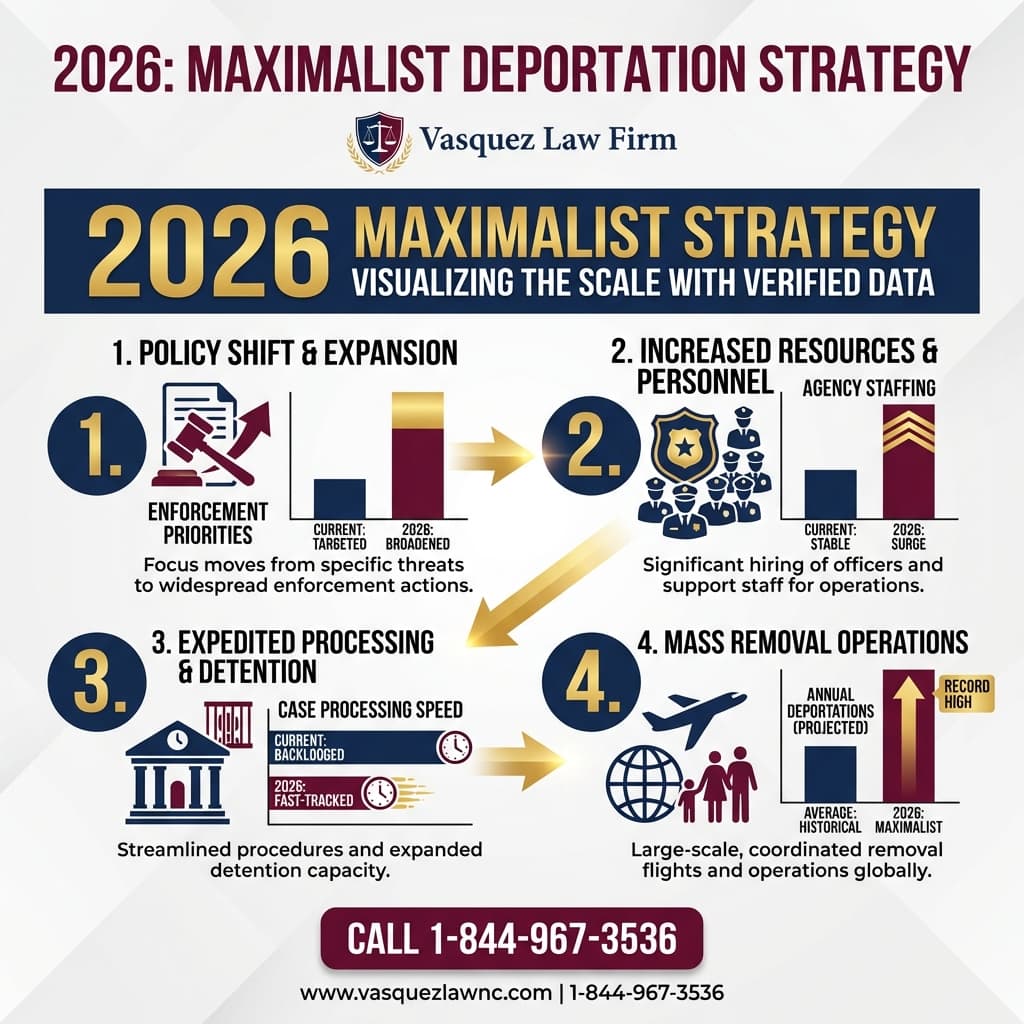
The term "Trump deportations" refers to the immigration enforcement policies and practices that were characteristic of the previous administration and could potentially be reinstated or intensified in 2026. These policies often prioritized the removal of undocumented immigrants, including those with minor criminal offenses or even just civil immigration violations. The approach historically involved a broad application of enforcement, moving beyond individuals deemed a serious threat to public safety.
A key aspect of these policies was the expansion of expedited removal, which allows immigration officers to deport certain non-citizens without a hearing before an immigration judge. This can significantly reduce due process protections for affected individuals. Furthermore, there was an emphasis on increasing the number of immigration judges and detention facilities to process and house more individuals for deportation.
Under a potential new administration, we could see a return to these strategies, possibly with new technologies and resources. This includes increased funding for Immigration and Customs Enforcement (ICE) and Customs and Border Protection (CBP), alongside directives to broaden the scope of who is considered a priority for deportation. These shifts demand vigilance and proactive preparation from immigrant communities in Smithfield, across North Carolina, Florida, and the entire nation.
The goal is to not only remove individuals but to also deter future undocumented immigration through strict enforcement. This often leads to increased fear and uncertainty within immigrant communities, making it even more vital to understand the legal landscape and available protections. Vasquez Law Firm is dedicated to providing clarity and strong advocacy during such times.
Who Is at Risk for Deportation in 2026?
Under a stricter enforcement regime, the categories of individuals at risk for deportation can expand significantly. While those with serious criminal convictions are always a priority, a renewed focus on Trump deportations could mean that even individuals with minor infractions or simply those who are undocumented, regardless of their community ties, become targets. This includes individuals who have overstayed their visas, entered without inspection, or even those with long-standing residency who have committed minor offenses.
For example, a person with a traffic ticket or a misdemeanor charge that might typically be overlooked could find themselves in deportation proceedings. Additionally, individuals who have received Notices to Appear (NTAs) but never attended their court hearings, or those with previous deportation orders, could be high on the enforcement list. The net could also widen to include those who previously held temporary protected status (TPS) or DACA, depending on policy changes.
Another group at risk are those who have applied for benefits but were denied, or whose applications revealed a ground of inadmissibility. The aggressive pursuit of these cases can lead to unexpected encounters with immigration authorities. It is crucial for anyone in these situations to seek legal counsel immediately to assess their specific risks and explore potential defenses or forms of relief. Understanding your rights during an ICE encounter is paramount.
Even legal permanent residents (green card holders) can be at risk if they commit certain crimes, particularly aggravated felonies, or if there were issues with their initial admission to the U.S. It is a common misconception that a green card offers absolute protection from deportation. Consulting with an immigration attorney can help clarify individual vulnerabilities and strengthen your legal standing in 2026.
Key Steps to Prepare for Stricter Enforcement
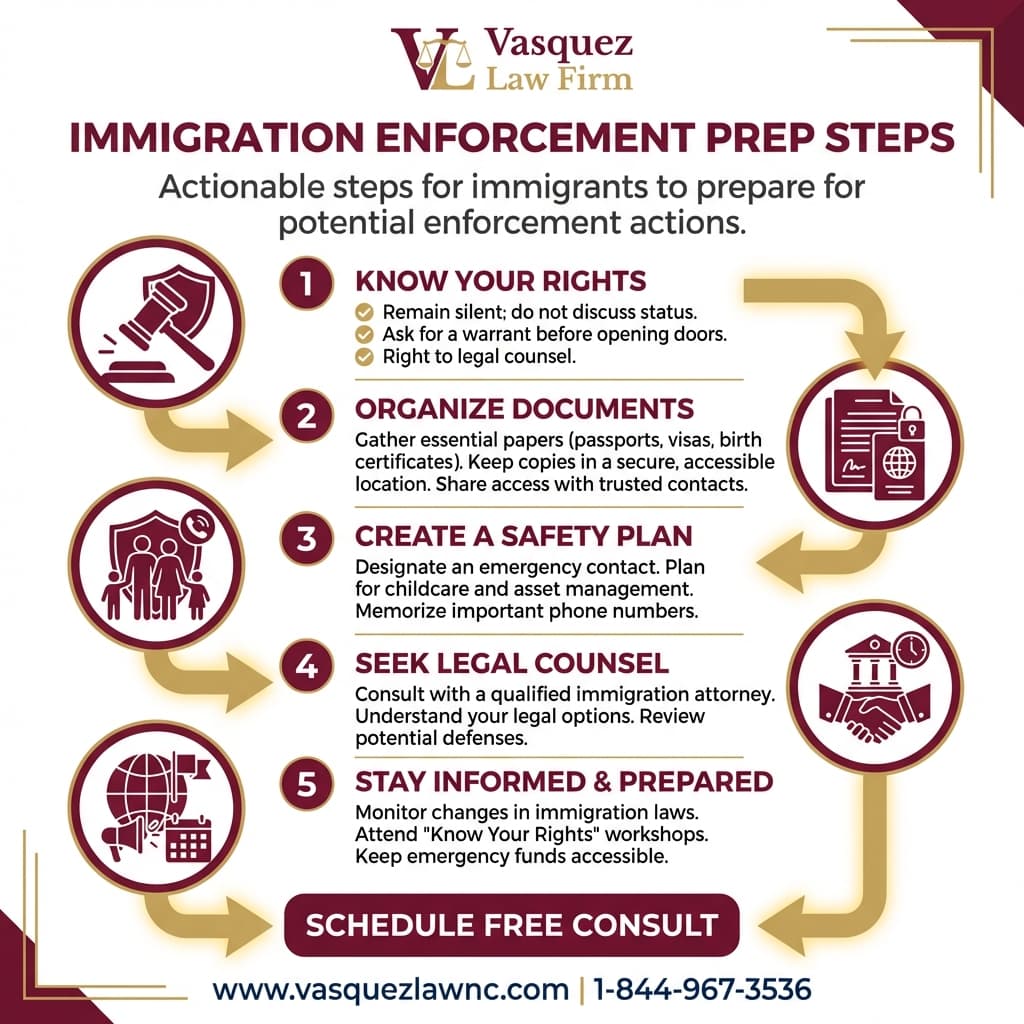
Preparing for potential changes in immigration enforcement is essential for individuals and families. The first step involves being informed about your rights, regardless of your immigration status. This includes the right to remain silent, the right to refuse a search without a warrant, and the right to speak with an attorney. Memorizing these rights can be crucial during an encounter with immigration officials.
- Consult an Immigration Attorney: Schedule a confidential consultation with an experienced immigration lawyer. They can assess your specific situation, identify potential risks, and help you develop a personalized defense strategy. This is the most important step for any individual potentially affected by Trump deportations.
- Gather Important Documents: Collect and organize all vital documents, including passports, birth certificates, marriage certificates, previous immigration applications, and any court documents. Keep these in a secure, accessible location, and ensure trusted family members know where they are.
- Develop a Family Emergency Plan: Create a plan for your family in case you are detained or deported. This should include arrangements for childcare, financial access, and a designated person to contact your attorney. Discuss this plan with all family members, especially children.
- Know Your Rights: Understand your constitutional rights, particularly the Fifth Amendment (right to remain silent) and Fourth Amendment (protection against unreasonable searches and seizures). Do not sign anything without consulting an attorney.
- Avoid Public Confrontations: While asserting your rights is important, avoid arguing or physically resisting immigration officers. Such actions can lead to criminal charges and complicate your immigration case.
- Stay Informed: Follow reliable news sources and legal updates regarding immigration policy changes. Vasquez Law Firm regularly provides updates on critical developments that could impact our clients.
Documents and Evidence Checklist
Having your documents in order is a critical defense against deportation. A well-organized file can save precious time and provide necessary evidence to your attorney and the courts. This checklist helps ensure you have the essentials:
- Proof of Identity: Passport, national ID from your home country, birth certificate.
- Immigration Records: I-94 arrival/departure record, visa stamps, previous immigration petitions (I-130, I-485, etc.), asylum application records, DACA documents.
- Proof of Residency/Ties to the U.S.: Utility bills, lease agreements, property deeds, tax returns, employment records, school records for children, bank statements.
- Family Documents: Marriage certificates, birth certificates of U.S. citizen children, medical records.
- Criminal Records (if any): Court disposition documents for any arrests or convictions, even minor ones.
- Witness Statements/Affidavits: Letters from employers, community leaders, or family members attesting to your good character and contributions.
- Financial Records: Proof of income, assets, and any financial hardships.
Keep physical copies in a fireproof safe and digital copies on a secure, encrypted drive. Share access with a trusted individual who is not at risk of deportation.
Don't face your legal challenges alone. Our team is here to help you every step of the way.
Call today: 1-844-967-3536 | Se Habla Español
Legal Defenses and Relief from Deportation
Even in the face of heightened enforcement, various legal defenses and forms of relief from deportation may be available. An experienced immigration attorney can help determine which options apply to your specific case. These options can be complex and require a deep understanding of U.S. immigration law, including provisions outlined in the Immigration and Nationality Act (INA).
Common forms of relief include:
- Cancellation of Removal: This is available for certain non-permanent residents who have been in the U.S. for at least 10 years, have good moral character, and can demonstrate that their deportation would cause exceptional and extremely unusual hardship to a qualifying U.S. citizen or LPR spouse, parent, or child.
- Asylum and Withholding of Removal: If you fear persecution in your home country based on race, religion, nationality, political opinion, or membership in a particular social group, you may be eligible for asylum. Recent Supreme Court asylum rulings have impacted eligibility, making legal guidance even more vital.
- Adjustment of Status: If you are eligible for a green card through a family petition or employment, you may be able to adjust your status while in the U.S., avoiding the need to leave the country. This requires a valid basis for adjustment and no bars to eligibility. (See 8 U.S.C. § 1255).
- Waivers of Inadmissibility: In some cases, certain grounds of inadmissibility (like past immigration violations or minor criminal offenses) can be waived, allowing an individual to remain in the U.S. or re-enter legally.
- Voluntary Departure: While not a defense, voluntary departure allows an individual to leave the U.S. at their own expense within a specified timeframe, avoiding a formal deportation order which carries significant future immigration consequences.
- Prosecutorial Discretion: In certain circumstances, ICE attorneys may agree to close or pause a deportation case based on humanitarian factors or other considerations. This is not a right but a discretionary decision by the government.
The availability and success of these defenses depend heavily on the specifics of your case, including your immigration history, family ties, and any criminal record. Working with a skilled attorney is crucial to present the strongest possible case and explore every available avenue for relief.
Timeline: What to Expect in Deportation Proceedings
Deportation proceedings can be lengthy and emotionally taxing. Understanding the general timeline can help manage expectations:
- Initial Encounter/Arrest: This can happen during a routine traffic stop, at a workplace raid, or at a border crossing. ICE or CBP agents may issue a Notice to Appear (NTA).
- Detention: Many individuals are detained after arrest. The length of detention varies, and bond hearings may be available to secure release.
- Master Calendar Hearing: This is the first appearance before an Immigration Judge, where charges are explained, and a plea is entered.
- Individual Hearing: If relief from removal is sought, an Individual Hearing is scheduled where evidence is presented, and witnesses may testify. This can take months or even years to schedule due to court backlogs.
- Decision by Immigration Judge: The judge issues a decision. If ordered deported, you typically have the right to appeal.
- Appeals Process: Appeals go to the Board of Immigration Appeals (BIA), and sometimes further to federal circuit courts. This can add significant time to the process.
- Final Order of Removal and Deportation: If all appeals are exhausted or waived, a final order of removal is issued, leading to deportation.
The entire process, from initial encounter to final deportation, can span several years, particularly with appeals. Throughout this time, legal representation is critical to navigate the complex procedural requirements and deadlines.
NC, FL, and Nationwide Immigration Notes for 2026
While U.S. immigration law is federal, enforcement priorities and local dynamics can vary. In 2026, a shift in federal policy regarding Trump deportations would impact all states, including North Carolina and Florida.
North Carolina Impact
North Carolina has a significant immigrant population, particularly in agricultural and construction sectors. Increased federal enforcement could lead to more ICE operations in cities like Smithfield, Raleigh, and Charlotte. Local law enforcement cooperation with ICE through programs like 287(g) agreements could also intensify, leading to more individuals being transferred from local jails to immigration detention. Understanding local resources and legal aid in North Carolina will be crucial.
Florida Impact
Florida, with its large and diverse immigrant communities and extensive coastline, is often at the forefront of immigration policy changes. Potential Trump deportations could see a surge in border enforcement, as well as increased targeting of undocumented workers in industries like tourism and agriculture. Florida's existing state laws regarding immigration may also interact with federal policies, creating a complex legal environment for immigrants. Awareness of recent Supreme Court rulings affecting ICE is important.
Nationwide Enforcement Trends
Nationwide, the focus could expand to include: increased use of E-Verify, expanded detention capacity, and potentially new legislative efforts to curb legal immigration pathways. The overall goal would be to reduce the undocumented population through a combination of deterrence and aggressive removal. This highlights the importance of national advocacy and legal support systems for all immigrants in 2026.
When to Call an Immigration Lawyer Now
The urgency to consult an immigration attorney cannot be overstated, especially with potential changes to Trump deportations looming in 2026. Delays can severely jeopardize your case and limit your options. You should contact a lawyer immediately if any of the following apply to you:
- You or a family member has been arrested or detained by ICE or local law enforcement.
- You have received a Notice to Appear (NTA) in immigration court.
- ICE agents have visited your home or workplace.
- You have a previous deportation order or have been ordered to leave the U.S.
- You are a legal permanent resident who has been charged with a crime, even a minor one.
- You have a pending immigration application and fear it might be denied or lead to removal proceedings.
- You are undocumented and concerned about your status, or you have overstayed a visa.
- You are considering applying for asylum or other forms of relief.
- You are a DACA recipient worried about the future of the program.
- You need help creating a family emergency plan.
If you only remember one thing: Do not speak to immigration officials or sign any documents without first consulting an attorney. Your right to legal counsel is one of your most powerful protections.
About Vasquez Law Firm
At Vasquez Law Firm, we combine compassion with aggressive representation. Our motto "Yo Peleo" (I Fight) reflects our commitment to standing up for your rights and fighting tirelessly for justice. We understand the fear and uncertainty that immigration challenges can bring, especially with the potential for increased Trump deportations.
- Bilingual Support: Se Habla Español - our team is fully bilingual, ensuring clear communication and understanding throughout your legal journey.
- Service Areas: We proudly serve clients across North Carolina, Florida, and provide comprehensive immigration services nationwide.
- Experience: With over 15 years of dedicated legal experience, Attorney Vasquez has a proven track record of helping clients navigate complex legal matters and achieve favorable outcomes.
- Results: We have successfully handled thousands of cases across multiple practice areas, from immigration to personal injury and criminal defense.
Attorney Trust and Experience
Attorney Vasquez holds a Juris Doctor degree and is admitted to practice in both the North Carolina State Bar and Florida Bar. With over 15 years of dedicated legal experience, he has built a reputation for providing personalized attention and achieving favorable outcomes for his clients. His commitment to the immigrant community in Smithfield and beyond is unwavering. We are here to provide the knowledgeable and empathetic representation you deserve.
Need immigration help? Our immigration attorneys can review your case.
Ready to take the next step? Contact Vasquez Law Firm today for a free, confidential consultation. We're committed to fighting for your rights and achieving the best possible outcome for your case.
Start Your Free Case Evaluation Now
Call us: 1-844-967-3536
Se Habla Español - Estamos aquí para ayudarle.
Frequently Asked Questions
How many immigrants have been deported in 2026?
Specific deportation numbers for 2026 are not yet fully compiled, as data is typically released by the Department of Homeland Security (DHS) and the Executive Office for Immigration Review (EOIR) annually. However, under a renewed enforcement focus, the numbers could see a significant increase compared to previous years. Official reports provide the most accurate figures once available from government sources like ICE and CBP.
Are people with green cards going to be deported?
While green card holders (Legal Permanent Residents) have more protections than undocumented immigrants, they can still face deportation under certain circumstances. This typically occurs if they commit specific crimes, particularly aggravated felonies, or if there were issues with their initial admission to the U.S. It is crucial for LPRs to consult an attorney if they face criminal charges or have questions about their status.
Can ICE detain a U.S. citizen?
No, ICE cannot legally detain a U.S. citizen. However, mistakes do happen, and individuals who are U.S. citizens or have valid legal status can sometimes be mistakenly detained due to identity confusion or lack of proper documentation. If this occurs, it is vital to assert your citizenship and request to speak with an attorney immediately. Providing proof of citizenship, if safe to do so, is also important.
What is the difference between removal and deportation?
In current U.S. immigration law, the terms "removal" and "deportation" are often used interchangeably. Historically, "deportation" referred to the removal of an immigrant already in the U.S., while "exclusion" referred to preventing entry. The Immigration and Nationality Act (INA) now uses the term "removal" to cover both situations. Both terms mean the forced expulsion of a non-citizen from the United States.
What if I am stopped by ICE? What are my rights?
If stopped by ICE, you have the right to remain silent and do not have to answer questions about your immigration status. You have the right to refuse a search of your person or property unless agents have a warrant signed by a judge. You also have the right to speak with an attorney. Do not sign anything without legal counsel. State clearly that you wish to remain silent and speak to a lawyer.
How can Vasquez Law Firm help with my deportation case?
Vasquez Law Firm can provide comprehensive legal assistance for deportation cases. Our services include assessing your eligibility for relief, preparing and filing necessary applications, representing you in immigration court hearings, and appealing unfavorable decisions. We also help develop family emergency plans and advise on how to prepare for potential enforcement actions. Our goal is to protect your rights and fight for the best possible outcome.
What is expedited removal and how does it work?
Expedited removal allows immigration officers to remove certain non-citizens without a hearing before an immigration judge. It primarily applies to individuals apprehended at or near the border who cannot prove continuous physical presence in the U.S. for at least two years, or those who arrived by sea. This process significantly limits due process protections, making immediate legal intervention crucial if you or a loved one faces it.
What impact could new policies have on DACA recipients?
New immigration policies, particularly those focused on increased Trump deportations, could significantly impact DACA recipients. While DACA currently provides temporary protection from deportation and work authorization, its future remains subject to political and legal challenges. A new administration might seek to terminate the program, cease renewals, or challenge its legality in courts, potentially exposing recipients to removal proceedings. Legal advice is essential for DACA recipients to understand their evolving options.
Can I appeal a deportation order?
Yes, in most cases, you have the right to appeal a deportation order issued by an Immigration Judge. The first step is typically to appeal to the Board of Immigration Appeals (BIA). If the BIA denies your appeal, you may be able to appeal further to a U.S. Court of Appeals. The appeals process is complex and time-sensitive, requiring skilled legal representation to navigate effectively.
What is the role of a sponsor in preventing deportation?
A sponsor, typically a U.S. citizen or Legal Permanent Resident family member, plays a crucial role in preventing deportation by filing a visa petition (Form I-130) on behalf of an eligible family member. This petition can be the basis for adjustment of status or consular processing, providing a legal pathway to remain in or enter the U.S. A sponsor also often provides an Affidavit of Support (Form I-864), demonstrating financial capability to support the immigrant and preventing them from becoming a public charge.
Sources and References


William Vasquez
Founder & CEO, Vasquez Law Firm, PLLC
William Vasquez is the founder and CEO of Vasquez Law Firm, PLLC, a results-driven firm specializing in immigration, criminal defense, personal injury, and workers' compensation. A U.S. Air Force veteran and recipient of the Joint Service Achievement Medal, William is dedicated to fiercely fighting for his clients' rights.
Related Legal Services
Need legal help? Learn more about get immigration legal help today, or contact us for a free evaluation.
You can also visit immigration lawyers serving all of North Carolina for more information.