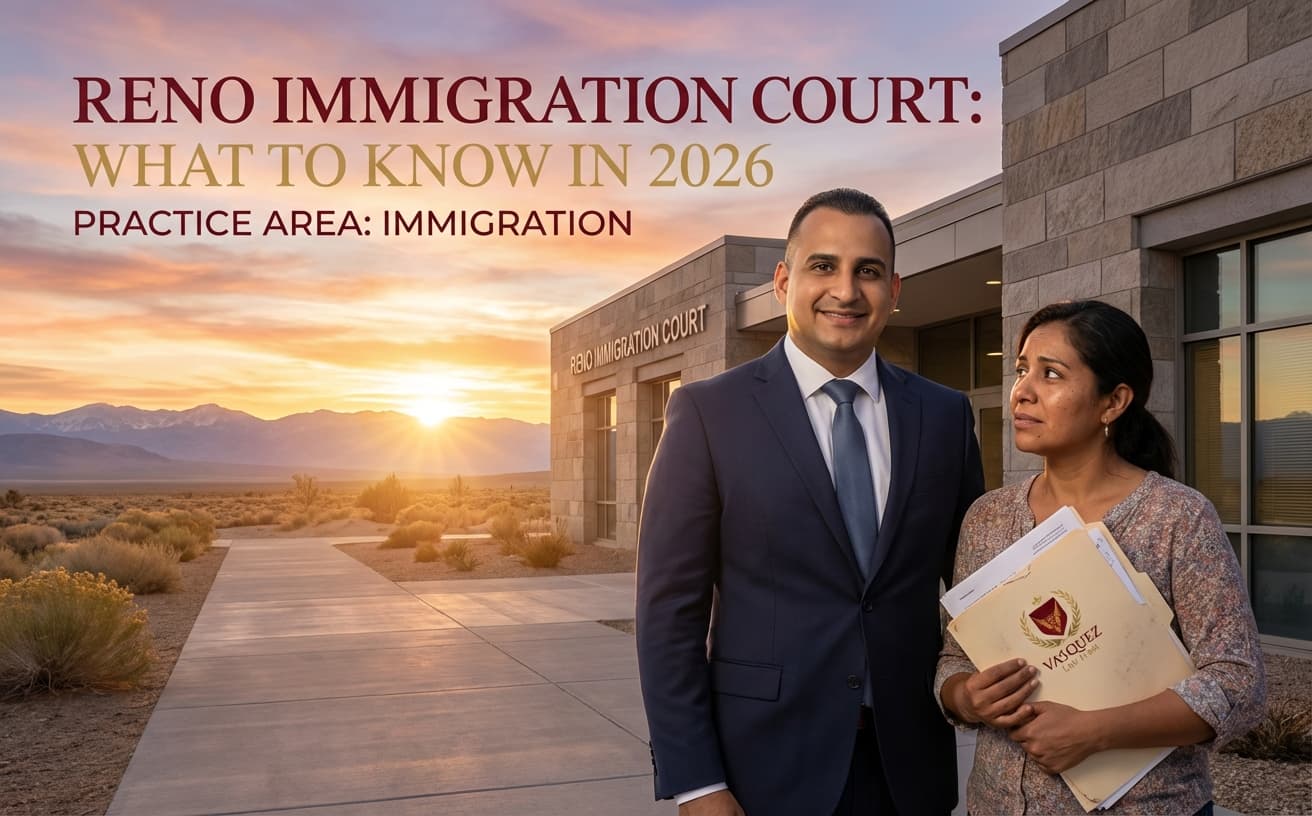
Your Rights When Border Patrol Targets Legal Immigrants in 2026
Are Border Patrol targeting legal immigrants? Understand your rights and what to do if detained. Contact Vasquez Law Firm for a free consultation in 2026.
Published on March 4, 2026
Talk to an immigration attorney
Free call. A clear plan for your case.
Free & confidential · Se habla espanol · 24/7
Have questions? Talk to an attorney - free evaluation.
Call 1-844-967-3536Worried how the latest immigration news affects you?
Schedule a confidential case review with an immigration attorney - know exactly where you stand.
Your Rights When Border Patrol Targets Legal Immigrants in 2026
Concerns about Border Patrol targeting legal immigrants, including green card holders and U.S. citizens, have grown in recent years. While federal agents have broad authority near borders, it is crucial for everyone, regardless of immigration status, to understand their rights. Knowing what to do and what to avoid during an encounter with Border Patrol can significantly impact your legal standing. This guide, updated for 2026, aims to clarify these complex issues and help you protect yourself and your family. Vasquez Law Firm is dedicated to providing robust legal defense to individuals facing immigration challenges in North Carolina, Florida, and nationwide.
Need help with your case? Our experienced attorneys are ready to fight for you. Se Habla Español.
Schedule Your Free Case Evaluation
Or call us now: 1-844-967-3536
Quick Answer
Border Patrol agents possess authority within 100 miles of U.S. land and coastal borders, allowing them to question individuals and conduct searches under specific circumstances. While they typically target those suspected of being undocumented, there are documented cases where legal immigrants and even U.S. citizens have been detained. Knowing your rights is essential:
- You have the right to remain silent.
- You have the right to refuse a search unless agents have probable cause or a warrant.
- You have the right to speak with an attorney.
- Do not lie or present false documents.
- Carry proof of your immigration status (e.g., green card).
Understanding Border Patrol Authority and Jurisdiction
Border Patrol, a component of U.S. Customs and Border Protection (CBP), operates with significant authority, particularly within the 100-mile border zone. This zone encompasses a large portion of the U.S. population and includes major cities and transportation hubs. Within this area, agents can set up checkpoints and conduct vehicle stops without a warrant, provided they have reasonable suspicion of an immigration violation or other federal crime. This broad jurisdiction often leads to questions about the scope of their power and whether it extends to targeting legal immigrants.
While the primary mission of Border Patrol is to prevent the entry of undocumented individuals and contraband, their powers can sometimes impact those who are legally present in the U.S. This is because agents do not always immediately know a person's immigration status. During an encounter, they may ask questions to ascertain identity and status. It is during these interactions that legal immigrants, including green card holders, can face scrutiny. Understanding the legal limits of this authority is crucial to protecting your rights and avoiding potential issues. The Fourth Amendment to the U.S. Constitution protects against unreasonable searches and seizures, but its application in the border zone has specific interpretations.
For individuals residing in areas like Raleigh, North Carolina, or anywhere in Florida, even if not directly on the border, understanding these rules is vital. Border Patrol operations can extend inland, and interactions can occur at transportation hubs or other locations. Staying informed about your rights and the legal framework governing these encounters is the first step toward safeguarding your freedom and status. If you believe your rights have been violated, seeking legal counsel immediately is paramount.
Your Rights During a Border Patrol Encounter
Knowing your rights is your most powerful tool when interacting with any law enforcement agency, including Border Patrol. Many legal immigrants are unaware of what they can and cannot do during these encounters, which can lead to unintended consequences. It is critical to remember that certain rights apply to everyone on U.S. soil, regardless of citizenship or immigration status. These rights are protected by the U.S. Constitution and established legal precedents.
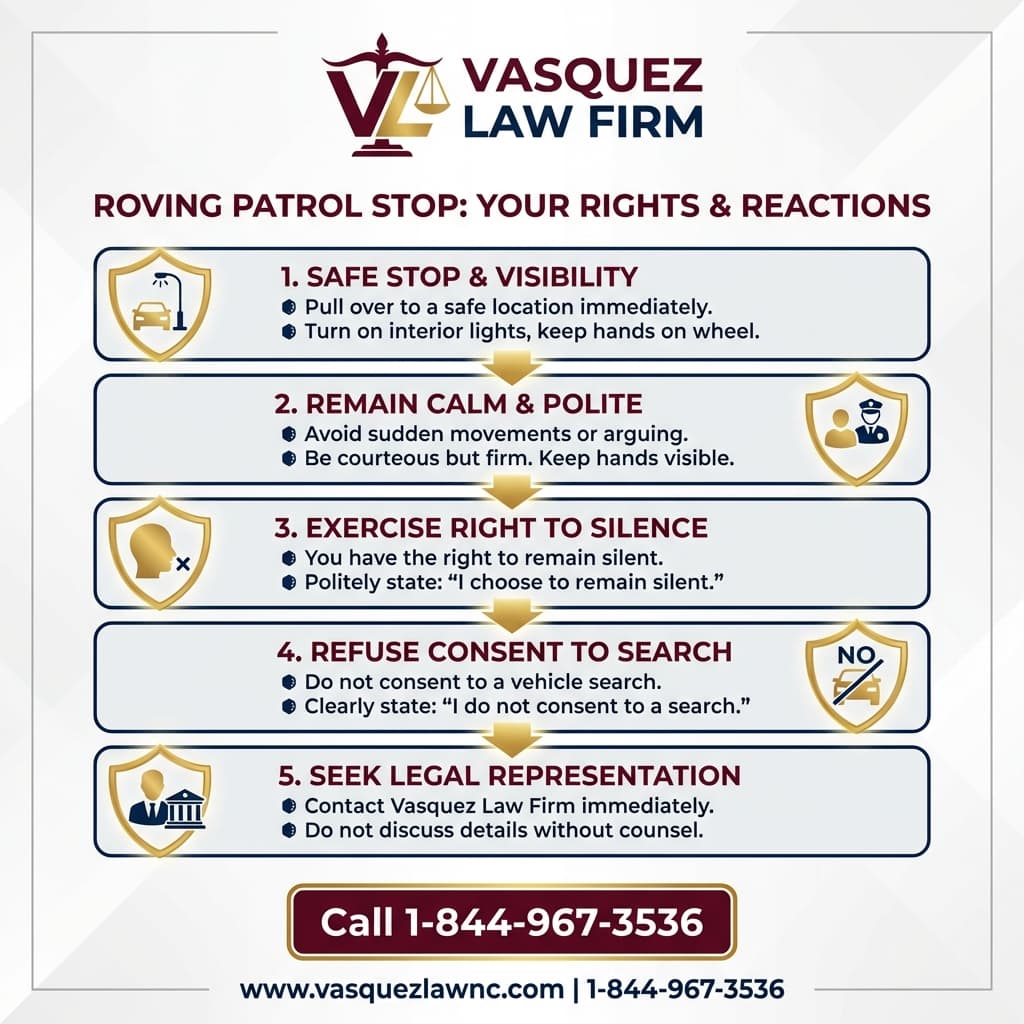
Firstly, you have the right to remain silent. You are not obligated to answer questions beyond providing your name and proof of legal status. If asked about your immigration status, you should state that you are a legal resident or citizen and present your documentation. You do not have to discuss where you were born, how you entered the country, or other personal details. Politely state, "I do not wish to answer any questions without my attorney present." This is a fundamental protection against self-incrimination.
Secondly, you have the right to refuse a search of yourself, your belongings, or your vehicle unless agents have a warrant or probable cause. Probable cause means they have concrete evidence that you have committed a crime or are involved in illegal activity. If agents attempt to search without a warrant or probable cause, you should verbally refuse, but do not physically resist. Clearly state, "I do not consent to this search." Remember, if they have a warrant, you should ask to see it. If they proceed with a search after you have refused, it is important to document what happened, but do not escalate the situation physically.
Thirdly, you have the right to speak with an attorney. If you are detained, immediately ask to speak with a lawyer. Do not sign anything without legal counsel. This right is especially important for green card holders or those with other forms of legal status, as signing certain documents could inadvertently waive critical rights or lead to deportation proceedings. Vasquez Law Firm can provide immediate assistance if you or a loved one is detained. Understanding these rights can empower you and potentially prevent wrongful detention or adverse immigration consequences.
What to Do If Detained by Border Patrol
Even if you are a legal immigrant, detention by Border Patrol can be a frightening and confusing experience. Knowing the proper steps to take can help protect your rights and facilitate your release. The immediate aftermath of a detention is often critical, as decisions made or statements given can have long-lasting implications for your immigration status.
- Remain Calm and Assert Your Rights: While stressful, try to stay calm. Immediately state that you wish to remain silent and want to speak with an attorney. Do not engage in arguments or make any statements about your citizenship, immigration status, or where you are from.
- Do Not Resist: Even if you believe the detention is unlawful, do not physically resist. Resistance can lead to additional charges and complicate your case. Comply with physical instructions, but verbally assert your rights.
- Show Identification, But Nothing More: Present your valid identification and proof of immigration status (e.g., Green Card, visa, work permit). Do not offer additional documents or information unless specifically requested by your attorney.
- Do Not Sign Anything: You should never sign any document presented by Border Patrol or ICE without first consulting with an attorney. Some documents could waive your rights, including your right to a hearing or to pursue certain immigration benefits.
- Contact an Attorney Immediately: This is the most crucial step. As soon as you are allowed, contact an immigration lawyer. If you are not allowed to make a call, ask the agents to notify your family or a trusted contact, and instruct them to call an attorney on your behalf. Vasquez Law Firm has extensive experience assisting individuals detained by immigration authorities in North Carolina and Florida.
- Document Everything: If possible and safe to do so, try to remember details of the encounter: the agents' names or badge numbers, the time, location, and what was said. This information can be vital for your legal defense.
Being prepared for a potential encounter is the best defense. Carrying your immigration documents and having an attorney's contact information readily available can make a significant difference. Remember, the goal is to protect your legal status and ensure fair treatment under the law. Contacting a lawyer quickly can prevent irreversible mistakes and help secure your release.
Common Mistakes to Avoid with Immigration Enforcement
Navigating interactions with Border Patrol or ICE can be complex, and even minor missteps can have serious consequences for legal immigrants. Avoiding common mistakes is just as important as knowing your rights. These errors often stem from fear, misinformation, or a lack of understanding about the nuances of immigration law. Being proactive in your knowledge can prevent unnecessary complications.
-
Lying to Agents: Never lie about your immigration status or provide false information or documents. This can lead to criminal charges, severe immigration penalties, and make it significantly harder to gain legal status in the future. Honesty, combined with asserting your right to remain silent, is always the best approach.
-
Physically Resisting: While you have the right to refuse unlawful searches, physical resistance can lead to assault charges and undermine any claims of rights violations. Comply physically while verbally asserting your refusal to consent to searches.
-
Carrying Expired Documents: Ensure all your immigration documents, such as your Green Card or work permit, are current and valid. Carrying expired documents can raise suspicion and lead to prolonged questioning or detention.
-
Voluntarily Signing Documents: Never sign any document from an immigration official without your attorney reviewing it. These documents might include a Notice to Appear (NTA), a voluntary departure form, or a waiver of rights. Signing without understanding can lead to self-deportation or loss of critical legal avenues.
-
Discussing Your Case with Others: Avoid discussing your immigration situation or case details with fellow detainees, cellmates, or even family members over recorded phone lines while in detention. These conversations can be used against you in court.
-
Failing to Inform Family: If detained, make every effort to ensure your family knows what has happened and who to contact. Provide them with your attorney's information or instruct them to find one immediately. A lack of communication can delay legal intervention.
-
Ignoring Court Dates or Notices: If you receive a Notice to Appear in immigration court or any other official notice, do not ignore it. Missing a court date can lead to a deportation order in absentia, making it extremely difficult to reopen your case. Always seek legal advice on how to respond to official communications.
If you only remember one thing: Always assert your right to remain silent and demand to speak with an attorney before answering any questions or signing any documents. This single action can protect you from many potential pitfalls when Border Patrol is targeting legal immigrants.
Jurisdiction and Enforcement in NC and FL
While immigration law is federal, its enforcement has specific impacts and nuances depending on the state and local context. For residents of North Carolina and Florida, understanding how federal agencies like Border Patrol and ICE operate within these states is crucial. Both states have significant immigrant populations and are subject to federal immigration enforcement policies.
North Carolina Notes
North Carolina is not a border state, but it is well within the 100-mile border zone of the Atlantic coast. This means that Border Patrol has jurisdiction throughout much of the state, including major cities like Raleigh. While roadside checkpoints specifically for immigration enforcement are less common far inland, they can occur, and agents can conduct stops based on reasonable suspicion. ICE also operates within North Carolina, often working with local law enforcement through programs like 287(g) agreements in some counties. These agreements allow local officers to perform certain immigration enforcement functions. Individuals in North Carolina should be vigilant and understand that federal immigration enforcement can occur anywhere, not just at ports of entry. Recent Supreme Court asylum rulings have also shaped the landscape for immigrants nationwide, including those in North Carolina.
Florida Notes
Florida, as a peninsula with extensive coastlines, is almost entirely within the 100-mile border zone. This makes it a high-priority area for Border Patrol and other federal immigration agencies. Enforcement actions are common at airports, seaports, and along major highways. Florida's proximity to the Caribbean also means it is a significant point of entry and subject to continuous federal scrutiny. Like North Carolina, ICE maintains a strong presence in Florida, and state laws related to immigration enforcement can also impact residents. Understanding the specific enforcement environment in Florida is essential for all legal immigrants and citizens alike. The U.S. immigration landscape in 2026 continues to evolve, impacting policies and enforcement in Florida.
Nationwide Concepts
Across the United States, federal immigration law, primarily outlined in the Immigration and Nationality Act (INA), governs all aspects of who can enter, reside, and become a citizen. While enforcement tactics and local collaborations may vary by state, the fundamental rights and obligations under federal law remain consistent. The U.S. Constitution provides protections for all individuals within its borders, regardless of immigration status, particularly concerning due process and freedom from unreasonable searches. However, the scope of these rights can be interpreted differently in border zones. Staying informed about federal policy changes and court decisions is crucial for anyone navigating the U.S. immigration system. The USCIS Policy Manual provides comprehensive guidance on immigration laws and procedures, offering valuable insights into federal regulations.
Don't face your legal challenges alone. Our team is here to help you every step of the way.
Call today: 1-844-967-3536 | Se Habla Español
When to Call a Lawyer Now
The complexities of immigration law and the significant authority of Border Patrol and ICE mean that legal assistance is often critical, especially when Border Patrol is targeting legal immigrants. Knowing when to seek immediate legal counsel can protect your rights and prevent serious, irreversible consequences. Do not hesitate to reach out to an experienced immigration attorney if any of the following situations arise:
- You or a family member has been detained by Border Patrol or ICE. Immediate legal intervention is crucial to prevent deportation and ensure proper due process.
- You are asked to sign any documents by immigration officials. Never sign anything without a lawyer's review, as it could waive your rights.
- Agents attempt to search your property without a warrant or probable cause. An attorney can advise you on how to assert your Fourth Amendment rights.
- You are a legal permanent resident (green card holder) facing questions about your status or past. Certain past actions, even minor ones, can make green card holders deportable.
- You believe your rights have been violated during an encounter. Documenting the incident and seeking legal advice can help you pursue appropriate action.
- You receive a Notice to Appear (NTA) in immigration court. This is the first step in deportation proceedings, and you need legal representation immediately.
- You are a U.S. citizen wrongfully detained or questioned about your status. While rare, it happens, and a lawyer can ensure your immediate release.
- You have a criminal record, even a minor one, and are concerned about its impact on your immigration status. Certain convictions can trigger deportation for legal immigrants.
- You are seeking to adjust your status or apply for citizenship and have concerns about your eligibility due to past interactions with law enforcement.
The Vasquez Law Firm specializes in immigration defense, serving clients in Raleigh, throughout North Carolina, Florida, and across the nation. Our team understands the urgency and sensitivity of these matters. We are ready to fight for your rights and provide comprehensive legal support. Contact us today for a free case evaluation to discuss your specific situation.
About Vasquez Law Firm
At Vasquez Law Firm, we combine compassion with aggressive representation. Our motto "Yo Peleo" (I Fight) reflects our commitment to standing up for your rights and providing a robust defense for our clients. We understand the profound impact that immigration issues can have on individuals and families, and we are dedicated to navigating these complex legal waters with expertise and care.
- Bilingual Support: Se Habla Español - our team is fully bilingual, ensuring clear communication and understanding for all our clients.
- Service Areas: We proudly serve clients in North Carolina, Florida, and offer comprehensive immigration services nationwide.
- Experience: With over 15 years of dedicated legal experience, we have a proven track record of helping clients navigate complex legal matters.
- Results: We have achieved thousands of successful outcomes across multiple practice areas, demonstrating our commitment to securing favorable results for those we represent.
Attorney Trust and Experience
Attorney Vasquez holds a Juris Doctor degree and is admitted to practice in both the North Carolina State Bar and Florida Bar. With over 15 years of dedicated legal experience, Attorney Vasquez has built a reputation for providing personalized attention and achieving favorable outcomes for his clients. His deep understanding of immigration law, combined with a compassionate approach, ensures that every client receives the highest level of advocacy and support. Learn more about Attorney Vasquez and our team's commitment to justice.
Frequently Asked Questions
Can Border Patrol detain a legal permanent resident (green card holder)?
Yes, Border Patrol can detain a legal permanent resident if they have reasonable suspicion that the individual has committed a crime or violated immigration law. While green card holders have significant rights, they are not immune to detention, especially if there are questions about their status or past. It's crucial to carry proof of status and immediately request an attorney if detained.
What is the 100-mile border zone, and how does it affect me?
The 100-mile border zone is an area extending inland from U.S. land and coastal borders where CBP agents have expanded authority. This allows them to conduct certain operations, like checkpoints and searches, with less probable cause than in other areas. Many major cities, including parts of North Carolina and nearly all of Florida, fall within this zone, affecting millions of legal residents.
Can Border Patrol ask for my immigration papers if I am a U.S. citizen?
While U.S. citizens are not required to carry proof of citizenship, Border Patrol agents can ask questions about your citizenship. If you are a citizen, you should state that you are one. If they have reasonable suspicion, they can detain you for a brief period to verify your status. It is advisable to carry some form of identification.
What should I do if Border Patrol stops my vehicle?
If stopped, remain calm. You must show your driver's license, registration, and proof of insurance. If asked about your immigration status, you can state you are a U.S. citizen or legal resident and present proof. You have the right to remain silent regarding other questions and to refuse searches without a warrant or probable cause.
Can Border Patrol or ICE deport a legal immigrant?
Yes, under certain circumstances, legal immigrants can be deported. This can occur due to criminal convictions, immigration fraud, or violating the terms of their visa or green card. Deportation proceedings are complex and require strong legal defense. It is vital to seek legal counsel immediately if facing such a situation.
Are there specific laws that protect legal immigrants from wrongful detention?
Legal immigrants are protected by the U.S. Constitution, including the Fourth and Fifth Amendments, which guarantee due process and protection against unreasonable searches and seizures. If detained, you have the right to a hearing and to challenge your detention in immigration court. An attorney can help assert these protections.
What is the difference between Border Patrol and ICE?
Border Patrol operates under U.S. Customs and Border Protection (CBP) and primarily focuses on securing U.S. borders and ports of entry. Immigration and Customs Enforcement (ICE) operates under Homeland Security Investigations (HSI) and Enforcement and Removal Operations (ERO) and enforces immigration laws within the U.S. interior, including arrests and deportations. Both agencies have significant enforcement powers.
How can an immigration lawyer help if I'm targeted by Border Patrol?
An immigration lawyer can provide crucial assistance by advising you of your rights, representing you during questioning, challenging unlawful detentions, and defending you in deportation proceedings. They can help navigate complex legal procedures, gather necessary documentation, and advocate for the best possible outcome for your case, ensuring your rights are protected.
Should I carry my green card or other immigration documents at all times?
While not legally mandated for all legal immigrants to carry their green card, it is strongly advisable to do so. Presenting proof of legal status can often prevent prolonged questioning, detention, or confusion during an encounter with immigration officials. Always carry original documents securely or have certified copies readily accessible.
What if I am a Dreamer (DACA recipient) and encounter Border Patrol?
If you are a DACA recipient and encounter Border Patrol, you should assert your right to remain silent and request an attorney. Present your DACA approval notice and employment authorization document. DACA status provides temporary protection from deportation, but it does not grant permanent legal status, making legal counsel essential if detained.
Sources and References
- U.S. Citizenship and Immigration Services (USCIS)
- Executive Office for Immigration Review (EOIR)
- 8 U.S. Code § 1357 - Powers of immigration officers and employees
Need immigration help? Our immigration attorneys can review your case.
Ready to take the next step? Contact Vasquez Law Firm today for a free, confidential consultation. We're committed to fighting for your rights and achieving the best possible outcome for your case.
Start Your Free Case Evaluation Now
Call us: 1-844-967-3536
Se Habla Español - Estamos aquí para ayudarle.

William Vasquez
Founder & CEO, Vasquez Law Firm, PLLC
William Vasquez is the founder and CEO of Vasquez Law Firm, PLLC, a results-driven firm specializing in immigration, criminal defense, personal injury, and workers' compensation. A U.S. Air Force veteran and recipient of the Joint Service Achievement Medal, William is dedicated to fiercely fighting for his clients' rights.
Related Legal Services
Need legal help? Learn more about immigration case consultation, or contact us for a free evaluation.
You can also visit immigration legal services throughout NC for more information.