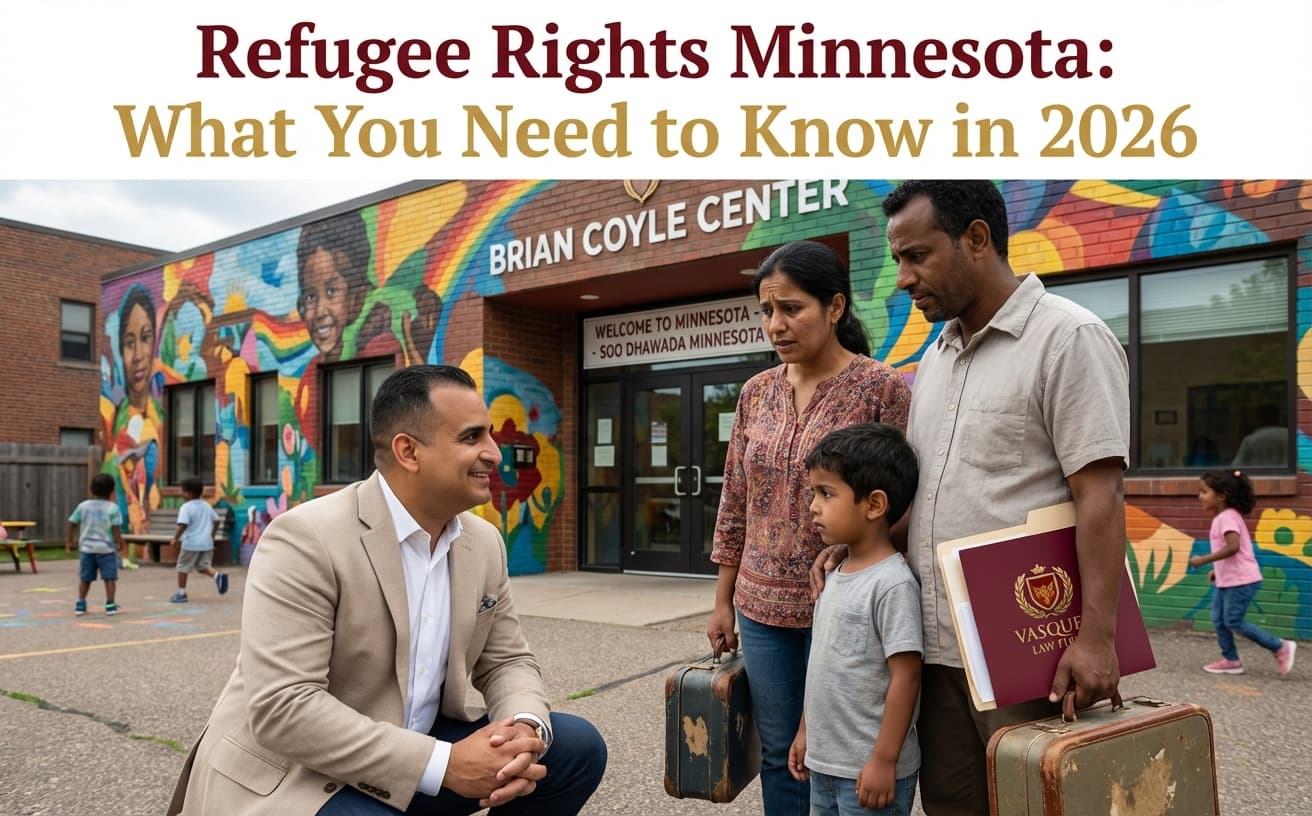
What Refugees in Minnesota Need to Know About Their Rights in 2026
Understand your refugee rights in Minnesota as of 2026. Learn about protection from arrest, legal aid, and how to assert your claims. Contact Vasquez Law for a free consultation.
Published on February 28, 2026
Talk to an immigration attorney
Free call. A clear plan for your case.
Free & confidential · Se habla espanol · 24/7
Have questions? Talk to an attorney - free evaluation.
Call 1-844-967-3536Worried how the latest immigration news affects you?
Schedule a confidential case review with an immigration attorney - know exactly where you stand.
What Refugees in Minnesota Need to Know About Their Rights in 2026
Navigating the complex landscape of immigration law can be challenging, especially for refugees seeking safety and a new beginning. In Minnesota, as across the United States, refugees possess specific legal protections and rights that are crucial for their well-being and successful integration. Understanding these refugee rights Minnesota is not just a matter of legal compliance, but a fundamental aspect of ensuring dignity and security. This guide provides an updated overview for 2026, detailing what refugees can expect and how to protect their status, particularly concerning federal court orders and protections from arbitrary arrest.
Need help with your immigration case? Our experienced attorneys are ready to fight for you. Se Habla Español.
Schedule Your Free Case Evaluation
Or call us now: 1-844-967-3536
Quick Answer
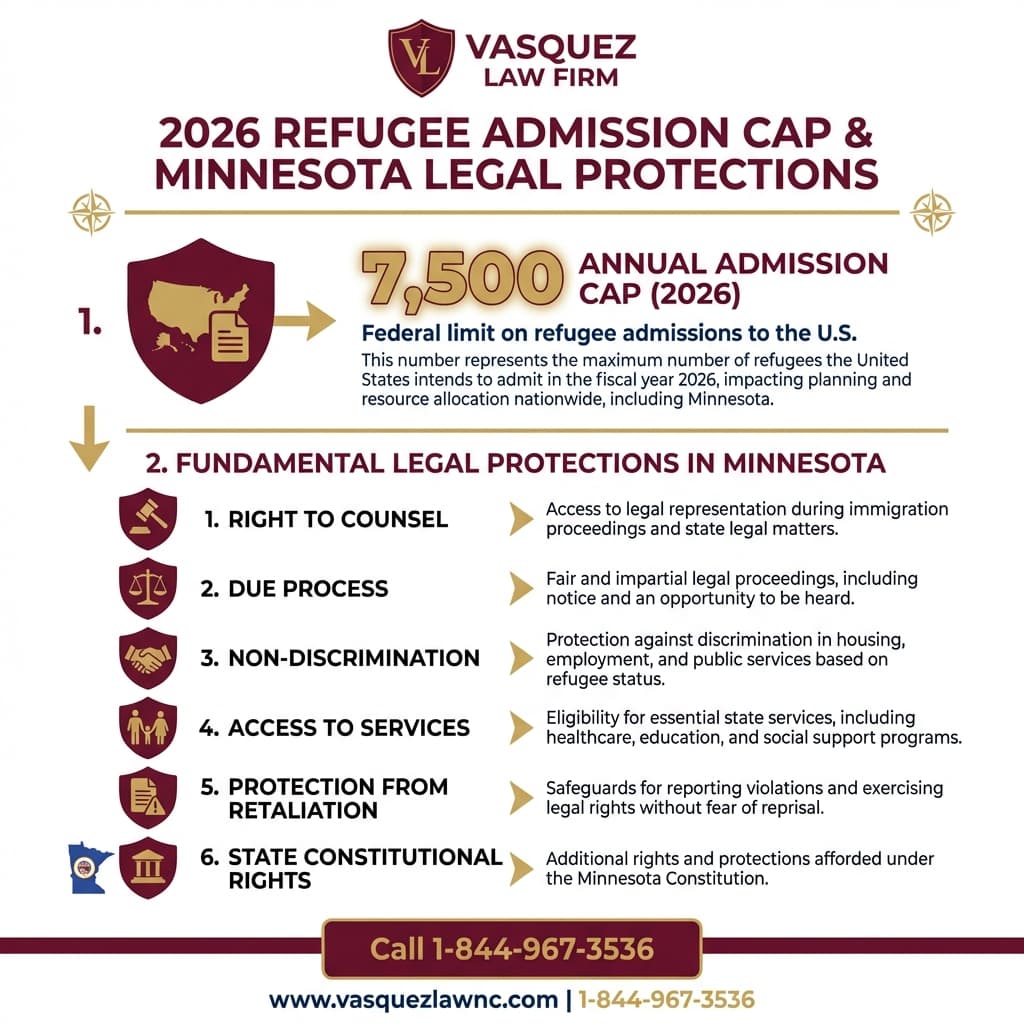
Refugees in Minnesota, as of 2026, are protected by federal and state laws, including specific court orders preventing arbitrary arrest and detention. They have rights to due process, legal representation, and access to essential services. These protections are vital for refugees to live their lives without fear of unjust government action.
- Right to due process in all legal proceedings.
- Protection from unlawful arrest and detention by immigration authorities.
- Access to legal counsel and translation services.
- Entitlement to apply for work authorization and public benefits.
- Right to seek adjustment of status to lawful permanent resident.
- Freedom from discrimination based on their refugee status.
Understanding Refugee Status and Protections in 2026
Refugee status is a legal designation granted to individuals who have fled their home country due to a well-founded fear of persecution. This fear can be based on race, religion, nationality, political opinion, or membership in a particular social group. Once granted, this status comes with significant protections under both international and U.S. law, including the Immigration and Nationality Act (INA).
In 2026, the landscape for refugees remains dynamic, with ongoing legal challenges and policy shifts. However, the core principle of non-refoulement, which prohibits returning refugees to a country where they face persecution, remains a cornerstone of their rights. Additionally, federal court decisions, such as those that have specifically addressed refugee rights Minnesota, play a critical role in safeguarding these individuals from overreaching government actions.
These judicial interventions often serve as crucial checks on federal agencies, ensuring that refugees are not subjected to arbitrary arrests or detentions. Understanding the specifics of these protections is essential for any refugee living in or considering moving to Minnesota. Vasquez Law Firm is dedicated to helping refugees understand and assert these vital protections.
Federal Court Orders and Minnesota Refugees
A significant aspect of refugee rights Minnesota involves the impact of federal court rulings. Historically, federal judges have issued injunctions and orders to protect certain groups of refugees from unlawful arrest and detention by immigration authorities. These orders stem from concerns about due process and the proper application of immigration law.
For example, past rulings have sometimes prevented federal agents from arresting refugees who have valid legal status but are subject to review for minor, non-violent offenses. These protections are not permanent and can be challenged, but they provide a vital layer of security. It is crucial for refugees to be aware if such orders are in place in 2026 and how they might apply to their individual circumstances.
These court orders underscore the importance of legal representation. An experienced immigration attorney can monitor these developments, advise refugees on their specific rights, and intervene if immigration officials overstep their authority. Without proper legal guidance, refugees may not fully understand the protections available to them under these complex federal mandates.
For more information on challenges faced by refugees, consider reading our article on refugee detention and asylum seekers.
Key Rights for Refugees in Minnesota
Beyond specific court orders, all refugees in Minnesota are entitled to a range of fundamental rights. These rights are designed to ensure their safety, facilitate their integration, and provide a pathway to permanent residency and citizenship. Knowing these rights empowers refugees to advocate for themselves and seek appropriate legal assistance when needed.
- Right to Due Process: This is a cornerstone of American law. Refugees have the right to fair treatment, proper notice of any legal proceedings, and the opportunity to present their case before an impartial judge. This applies to asylum claims, deportation proceedings, and any other legal challenge to their status.
- Right to Legal Representation: While not always provided at government expense, refugees have the right to hire an attorney to represent them in immigration matters. Legal counsel is often critical for navigating the complexities of the immigration system and protecting their rights effectively.
- Protection from Unlawful Detention: Refugees cannot be arbitrarily detained without cause. If detained, they have the right to a bond hearing, unless specific statutory exceptions apply. This protection is often reinforced by federal court orders specific to refugee rights Minnesota.
- Access to Work Authorization: Upon receiving refugee status, individuals are eligible to apply for employment authorization documents (EADs), allowing them to legally work in the U.S. This is a crucial step towards self-sufficiency and economic integration.
- Eligibility for Public Benefits: Refugees are often eligible for certain federal and state assistance programs, including resettlement assistance, Medicaid, and food stamps, to help them establish themselves in the U.S. Eligibility rules can vary, so seeking guidance from resettlement agencies or legal aid is important.
- Pathway to Lawful Permanent Residency (Green Card): After one year of continuous physical presence in the U.S. as a refugee, individuals are eligible to apply for adjustment of status to become lawful permanent residents. This is a critical step towards long-term stability and eventually, U.S. citizenship.
Understanding these rights is the first step towards asserting them. Vasquez Law Firm is committed to helping refugees in Raleigh, North Carolina, and across the nation understand their legal protections.
Steps to Protect Your Refugee Status in 2026
Protecting your refugee status involves proactive steps and careful adherence to legal requirements. In 2026, staying informed and prepared is more important than ever.
- Understand Your Documents: Keep all immigration documents (I-94, EAD, refugee travel document) safe and readily accessible. Understand what each document signifies and its expiration dates.
- Maintain Legal Status: Ensure you comply with all terms of your refugee status. If you plan to travel internationally, obtain a refugee travel document before departure.
- Seek Legal Counsel Early: If you receive any notice from USCIS, ICE, or an immigration court, contact an attorney immediately. Do not ignore official correspondence. An attorney can help you understand the communication and respond appropriately.
- Know Your Rights During Encounters with Authorities: If approached by immigration officials, remember your right to remain silent and your right to speak with an attorney. Do not sign anything without legal review.
- Apply for Adjustment of Status: After one year in refugee status, apply for your Green Card (Form I-485) promptly. This transitions you to lawful permanent resident status, offering greater stability.
- Report Changes: Inform USCIS of any change of address within 10 days using Form AR-11. Failure to do so can have serious consequences.
Taking these steps can significantly strengthen your position and help you navigate the immigration system more confidently. For guidance on specific situations, such as an ICE arrest, our article on ICE detention for refugees can provide further insights.
Common Mistakes and How to Avoid Them
Even with clear protections, refugees can inadvertently make mistakes that jeopardize their status. Being aware of these pitfalls is crucial for safeguarding your future in the U.S.
- Failing to Update Address: Not informing USCIS of a change of address can lead to missed notices for hearings or important appointments, potentially resulting in orders of removal in absentia. Always file Form AR-11 promptly.
- Traveling Without Proper Documentation: Leaving the U.S. without a refugee travel document can make it impossible to re-enter, as a passport from your country of persecution may invalidate your refugee status. Always consult an attorney before international travel.
- Ignoring Court Notices: Disregarding any mail from immigration courts or USCIS is extremely risky. These documents often contain deadlines for responses or court dates. Missing them can lead to automatic deportation orders.
- Providing False Information: Lying or misrepresenting facts to immigration officials can lead to severe penalties, including denial of benefits, deportation, and even criminal charges. Always be truthful and seek legal advice if unsure how to answer a question.
- Committing Crimes: Even minor criminal offenses can have significant immigration consequences for refugees, potentially leading to detention and deportation. Understand the impact of any legal issues on your immigration status and seek criminal defense counsel immediately if accused.
- Delaying Adjustment of Status: While you have a window to apply for your Green Card after one year, significant delays can raise questions or make the process more complicated. Apply as soon as you are eligible.
- Not Seeking Legal Help: Trying to navigate the complex immigration system alone is one of the biggest mistakes. An immigration attorney can provide expert guidance, represent you in court, and protect your rights.
If you only remember one thing: Always seek legal counsel from an experienced immigration attorney if you have questions about your status, receive official correspondence, or encounter any legal issues. Proactive legal advice is your best defense.
Immigration Notes: NC, FL, and Nationwide
Immigration law in the United States is predominantly federal, meaning the core statutes and regulations apply nationwide. This includes the fundamental rights and protections afforded to refugees. However, practical implementation, local court interpretations, and state-level support services can vary, impacting the experience of refugees in different areas.
Nationwide Federal Framework
The Immigration and Nationality Act (INA) is the primary federal law governing immigration in the U.S. It defines refugee status and outlines the process for asylum and resettlement. Agencies like U.S. Citizenship and Immigration Services (USCIS) and the Executive Office for Immigration Review (EOIR) administer these laws federally. Therefore, the core refugee rights Minnesota are largely consistent with refugee rights in other states.
Federal court decisions, like those impacting Minnesota refugees, set precedents that can influence immigration enforcement and policies across the nation. For example, a federal court ruling in one circuit might be persuasive, though not binding, in another. Understanding these broader legal contexts is crucial for any refugee or immigrant. For more details on federal policies, you can visit the USCIS website.
North Carolina Notes
In North Carolina, refugees benefit from federal protections and various state-level and non-profit support services. Organizations in cities like Raleigh and Charlotte assist with resettlement, language acquisition, employment, and navigating local resources. While North Carolina does not have specific state laws dictating refugee status, its communities often provide robust networks of support. Vasquez Law Firm, with its presence in North Carolina, offers dedicated immigration services to refugees and asylum seekers in the state.
Florida Notes
Florida also hosts a significant refugee population and offers various support services. The state's proximity to the Caribbean and Latin America means it often receives refugees and asylum seekers from those regions. Like North Carolina, Florida's refugee protections are primarily federal, but local non-profits and state agencies provide essential integration services. Refugees in Florida facing immigration challenges can also find dedicated legal support from firms like Vasquez Law Firm, which serves clients across the state.
When to Call a Lawyer Now
The immigration journey for refugees is filled with potential pitfalls where legal expertise can make all the difference. Knowing when to seek professional help is crucial for protecting your rights and ensuring a positive outcome.
- You receive any notice from USCIS, ICE, or an immigration court.
- You are detained by immigration authorities.
- You are facing deportation or removal proceedings.
- You have been denied an immigration benefit, such as an EAD or Green Card.
- You are considering international travel and need to understand the implications for your status.
- You have questions about applying for adjustment of status or citizenship.
- You are a victim of a crime or involved in any criminal legal matter.
- Your refugee status is being questioned or challenged.
- You need assistance understanding complex legal documents or court orders.
- You fear persecution and need to apply for asylum or refugee status.
Do not wait until a crisis point. Proactive legal advice can often prevent major issues and ensure you are fully aware of your refugee rights Minnesota and beyond.
About Vasquez Law Firm
At Vasquez Law Firm, we combine compassion with aggressive representation. Our motto "Yo Peleo" (I Fight) reflects our commitment to standing up for your rights. We understand the unique challenges faced by refugees and immigrants, and we are dedicated to providing comprehensive legal support.
- Bilingual Support: Se Habla Español - our team is fully bilingual, ensuring clear communication and understanding.
- Service Areas: We proudly serve clients in North Carolina and Florida, and provide immigration services nationwide.
- Experience: With over 15 years of dedicated legal experience, we have a proven track record of helping clients navigate complex legal matters.
- Results: Our firm is committed to achieving favorable outcomes, with thousands of successful cases across multiple practice areas including immigration, personal injury, criminal defense, and family law.
Attorney Trust and Experience
Attorney Vasquez holds a Juris Doctor degree and is admitted to practice in both the North Carolina State Bar and Florida Bar. With over 15 years of dedicated legal experience, he has built a reputation for providing personalized attention and achieving favorable outcomes for his clients. He understands the profound impact immigration issues have on individuals and families, and he fights tirelessly to protect their interests.
Don't face your legal challenges alone. Our team is here to help you every step of the way.
Call today: 1-844-967-3536 | Se Habla Español
Frequently Asked Questions
What is the difference between a refugee and an asylum seeker?
A refugee is someone who applies for protection from outside the United States and receives status before arriving. An asylum seeker applies for protection from within the U.S. or at a port of entry. Both statuses are granted based on a well-founded fear of persecution in their home country, but the application process and timing differ significantly. Both groups have specific rights and protections under U.S. law.
Can refugees in Minnesota be arrested by ICE?
While refugees have protections, they can still be arrested by ICE if they commit certain crimes or if their status is challenged. However, specific federal court orders, particularly those related to refugee rights Minnesota, may limit ICE's ability to arbitrarily arrest certain refugees. It is crucial to consult an attorney immediately if you or a loved one is arrested by immigration authorities to understand your rights and options.
What benefits are refugees eligible for in 2026?
As of 2026, refugees are generally eligible for various federal and state benefits to aid their resettlement. These can include temporary cash assistance, medical assistance (Medicaid), food assistance (SNAP), and employment services. Eligibility and availability of specific programs can vary by state and individual circumstances, so it's best to consult with a local resettlement agency or an immigration attorney for detailed information.
How long does it take for a refugee to get a Green Card?
Refugees are eligible to apply for a Green Card (lawful permanent residency) one year after being admitted to the United States in refugee status. The application process itself, including background checks and interviews, can take several months to over a year. It is highly recommended to apply as soon as you meet the one-year physical presence requirement to avoid unnecessary delays.
Do refugees have the right to work in the U.S.?
Yes, refugees are authorized to work in the United States. Upon being granted refugee status, individuals can apply for an Employment Authorization Document (EAD), also known as a work permit. This document allows them to legally seek and hold employment. Maintaining valid work authorization is essential for financial independence and successful integration into American society.
What if my refugee status is challenged or denied?
If your refugee status is challenged or denied, it is a critical situation that requires immediate legal intervention. You typically have the right to appeal the decision or present your case before an immigration judge. An experienced immigration attorney can help you understand the reasons for the challenge or denial, gather necessary evidence, and represent you throughout the appeals process to protect your rights.
Can refugees travel internationally?
Refugees can travel internationally, but they must obtain a Refugee Travel Document (Form I-571) before departing the U.S. Using a passport from the country you fled can jeopardize your refugee status. Always consult with an immigration attorney before making any international travel plans to ensure you have the correct documentation and understand the potential implications for your status.
What role does an immigration lawyer play for refugees?
An immigration lawyer is crucial for refugees, providing expert guidance through complex legal processes. They help with asylum applications, Green Card adjustments, and navigating federal court orders specific to refugee rights Minnesota. Lawyers also represent refugees in detention and deportation proceedings, ensuring due process and protecting against unlawful actions by immigration authorities. Their expertise is vital for safeguarding a refugee's future.
Are there state-specific refugee programs in Minnesota?
While refugee status is federally determined, Minnesota, like many states, has various state-funded and non-profit programs designed to assist refugees. These programs often focus on resettlement, language education, job placement, and cultural orientation. These local support networks complement federal aid and help refugees integrate into their new communities. Resources can vary, so connecting with local agencies is recommended.
What does "non-refoulement" mean for refugees?
Non-refoulement is a fundamental principle of international refugee law, meaning a country cannot return a refugee to a place where their life or freedom would be threatened. This protection is a cornerstone of refugee rights Minnesota and applies nationwide. It ensures that individuals who have a well-founded fear of persecution are not forced back into dangerous situations, upholding the core purpose of refugee status.
Sources and References
- U.S. Citizenship and Immigration Services (USCIS)
- U.S. Department of State
- Executive Office for Immigration Review (EOIR)
- 8 U.S. Code § 1157 - Annual admission of refugees
- 8 CFR § 207 - Admission of refugees
Need immigration help? Our immigration attorneys can review your case.
Ready to take the next step? Contact Vasquez Law Firm today for a free, confidential consultation. We're committed to fighting for your rights and achieving the best possible outcome for your case.
Start Your Free Case Evaluation Now
Call us: 1-844-967-3536
Se Habla Español - Estamos aquí para ayudarle.

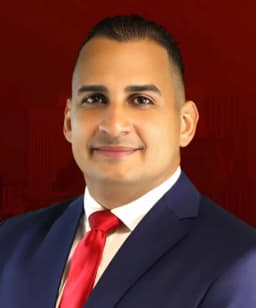
William Vasquez
Founder & CEO, Vasquez Law Firm, PLLC
William Vasquez is the founder and CEO of Vasquez Law Firm, PLLC, a results-driven firm specializing in immigration, criminal defense, personal injury, and workers' compensation. A U.S. Air Force veteran and recipient of the Joint Service Achievement Medal, William is dedicated to fiercely fighting for his clients' rights.
Related Legal Services
Need legal help? Learn more about experienced immigration attorneys in Charlotte, or contact us for a free evaluation.
You can also visit immigration legal services throughout NC for more information.