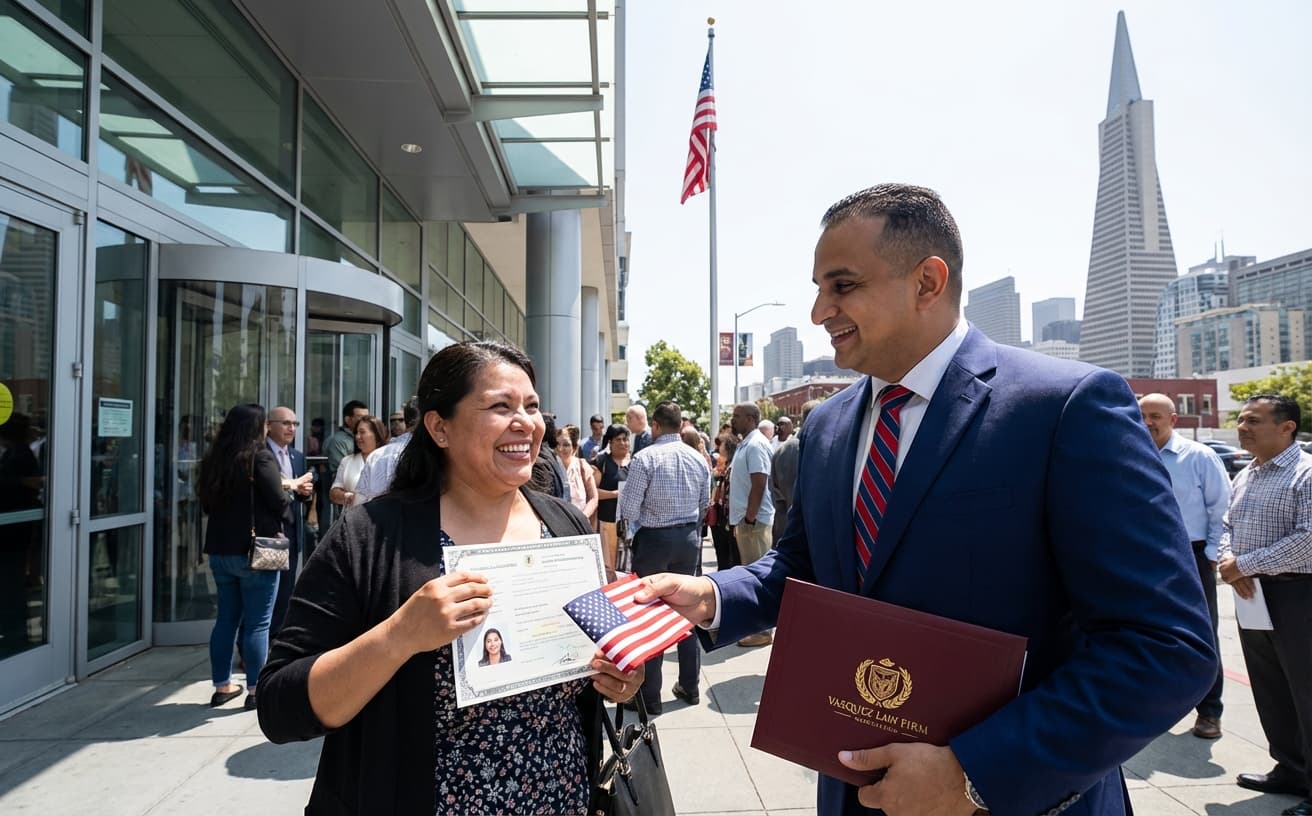
What You Can Do When ICE Detains Refugees in 2026
Understand ICE detention for refugees in 2026. Learn your rights, legal options, and how to seek help. Contact Vasquez Law for a free consultation.
Published on February 26, 2026
Talk to an immigration attorney
Free call. A clear plan for your case.
Free & confidential · Se habla espanol · 24/7
Have questions? Talk to an attorney - free evaluation.
Call 1-844-967-3536Worried how the latest immigration news affects you?
Schedule a confidential case review with an immigration attorney - know exactly where you stand.
What You Can Do When ICE Detains Refugees in 2026
Navigating the complex landscape of U.S. immigration law, particularly when it involves ICE detention for refugees, can be incredibly daunting. As of 2026, the policies and procedures governing the detention of individuals seeking refuge in the United States continue to evolve, making it crucial for refugees and their families to understand their rights and available legal avenues. This comprehensive guide provides essential information on what to expect, how to prepare, and why expert legal representation from Vasquez Law Firm is vital for those facing ICE detention as refugees.
Need help with your case? Our experienced attorneys are ready to fight for you. Se Habla Español.
Schedule Your Free Case Evaluation
Or call us now: 1-844-967-3536
Quick Answer: Understanding ICE Detention for Refugees
ICE (Immigration and Customs Enforcement) detention for refugees involves holding individuals seeking asylum or other forms of protection while their cases are processed or appealed. This can occur at various stages, including upon entry, after an asylum claim, or during removal proceedings. Refugees have specific rights, including the right to legal counsel and to apply for bond, but navigating these without legal help is challenging.
- Refugees may be detained at the border or after an asylum application.
- The purpose of detention is often to ensure appearance in court or for identity verification.
- Detained refugees have rights to due process and legal representation.
- Bond hearings are a critical opportunity for release from ICE detention.
- Legal assistance is crucial to advocate for release and navigate complex procedures.
The Reality of ICE Detention for Refugees in 2026
For individuals seeking refuge, the prospect of encountering U.S. Immigration and Customs Enforcement (ICE) and potentially facing detention is a significant concern. In 2026, the U.S. government continues to implement policies that can lead to the detention of asylum seekers and refugees at various points in their immigration journey. This includes individuals arriving at the border, those who have recently filed asylum claims, and even some who have been lawfully admitted into the country but face administrative issues.
The primary reasons for ICE detention include flight risk, public safety concerns, or to ensure appearance at immigration court hearings. However, many refugees are detained simply due to a lack of available alternatives or because their initial claims require further review. Understanding the specific circumstances that might lead to ICE detention is the first step in preparing for or responding to such a situation. It is critical to remember that detention does not mean deportation, but it does make the legal process more complex and stressful. Vasquez Law Firm is dedicated to helping refugees in Charlotte, throughout North Carolina, Florida, and nationwide understand their rights.
Recent policy changes, such as those outlined in the DHS memo, have impacted how ICE handles refugee cases, sometimes leading to increased scrutiny and detention. These changes underscore the need for up-to-date legal advice to navigate the current landscape effectively. Refugees, often fleeing persecution and trauma, find the detention environment particularly difficult, making swift and effective legal intervention paramount.
Understanding Your Rights in ICE Detention as a Refugee
Even when detained by ICE, refugees retain fundamental rights under U.S. law and international conventions. Knowing these rights is essential for self-advocacy and for assisting your legal counsel. Key rights include the right to speak with an attorney, the right to contact your consulate, and the right to a bond hearing. Our free consulate directory lists the 24-hour emergency line for each country, which is the number to call from detention. Detained individuals also have the right to receive medical care and to be protected from abuse.
It is crucial to remember that you have the right to remain silent and do not have to sign any documents you do not understand. Any statements made or documents signed could significantly impact your immigration case. Always request to speak with a lawyer before providing any information or signing anything. Vasquez Law Firm emphasizes the importance of exercising these rights diligently to protect your future.
Furthermore, refugees have the right to present their case for asylum or other forms of relief before an immigration judge. This process, known as removal proceedings, is where your claim for protection is heard. Having an attorney who understands the nuances of asylum law and the specific challenges faced by refugees is indispensable during these proceedings. Our firm can help you prepare for these hearings, gather necessary evidence, and present a compelling case.
Steps to Take if a Refugee is Detained by ICE
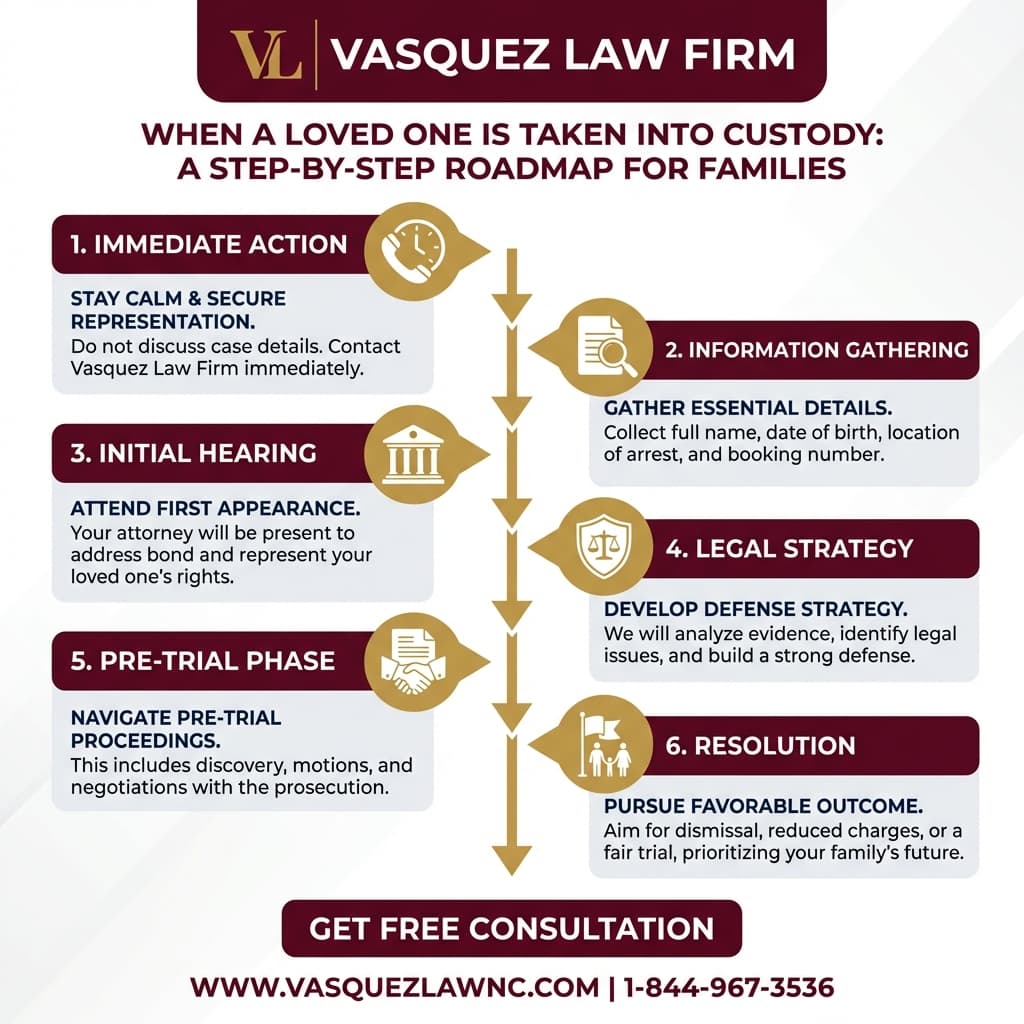
Immediate action can be critical when a refugee is placed in ICE detention. The following steps can help ensure that their rights are protected and their case is handled effectively:
- Confirm Detention and Location: Use the ICE Online Detainee Locator System to find out where the individual is being held. This information is vital for attorneys and family members to initiate contact.
- Contact an Immigration Attorney: This is the most crucial step. An experienced immigration lawyer can immediately assess the situation, advise on rights, and begin working towards release or relief. Vasquez Law Firm offers free case evaluations for such urgent matters.
- Gather Information: Collect any available documents related to the individual's identity, immigration history, asylum claim, and reasons for seeking refuge. This includes passports, birth certificates, asylum application receipts, and any evidence of persecution.
- Inform the Consulate: The detained individual has the right to contact their country's consulate. While this can sometimes be helpful, it is important to first discuss this with an attorney, as consular involvement can sometimes have unintended consequences depending on the country of origin.
- Prepare for a Bond Hearing: If eligible, an attorney will help prepare for a bond hearing, presenting arguments and evidence to convince an immigration judge that the individual is not a flight risk or a danger to the community.
Taking these steps promptly can significantly impact the outcome of an ICE detention case. Our team has extensive experience representing refugees in detention and understands the urgency involved. We are prepared to act quickly and decisively to protect your loved one's freedom and future.
Navigating Bond Hearings and Release Options for Detained Refugees
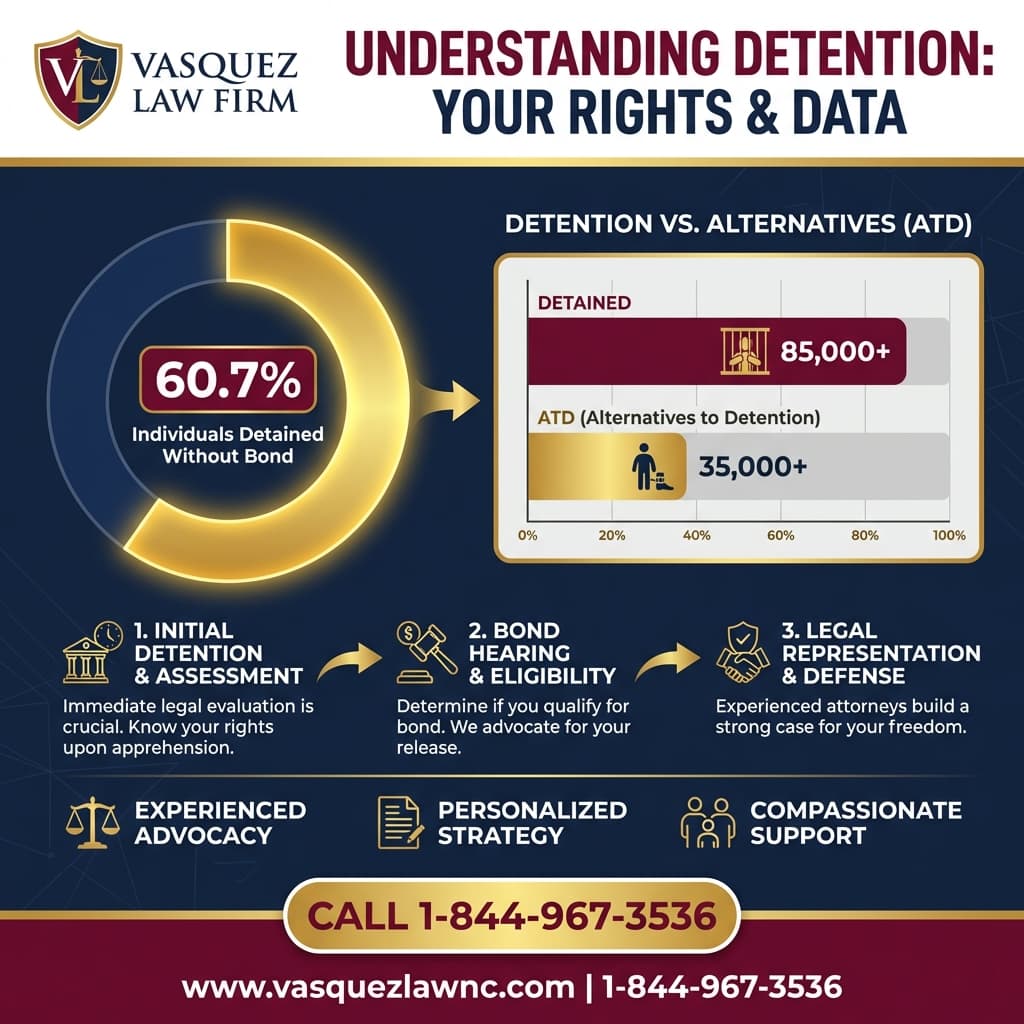
One of the most immediate concerns for a detained refugee is securing release from ICE custody. This is often pursued through a bond hearing, where an immigration judge determines if the individual can be released on bail. The judge considers factors such as flight risk, danger to the community, and the likelihood of success in their immigration case. Presenting a strong case for release requires careful preparation and robust legal arguments.
An experienced attorney from Vasquez Law Firm can gather evidence, such as proof of community ties, stable employment history, and family support, to demonstrate that the refugee is not a flight risk. They can also highlight any humanitarian concerns, such as medical conditions or vulnerability, that weigh against continued detention. The goal is to persuade the judge to set a reasonable bond amount or grant release on recognizance.
Beyond bond, other release options may exist, such as parole for certain vulnerable individuals or those with urgent medical needs. Understanding the eligibility criteria for these programs and effectively advocating for them requires specialized legal knowledge. Our firm is adept at exploring all possible avenues for release, ensuring that no stone is left unturned in the fight for freedom. For more information on navigating these complex situations, consider reading our guide on US immigration law changes in 2026.
Don't face your legal challenges alone. Our team is here to help you every step of the way.
Call today: 1-844-967-3536 | Se Habla Español
NC, FL, and Nationwide Notes on ICE Detention of Refugees
While U.S. immigration law is primarily federal, its application and the practicalities of ICE detention can vary across different regions. Vasquez Law Firm serves clients in Charlotte and across North Carolina, Florida, and nationwide for immigration matters, understanding these regional nuances.
North Carolina Notes
In North Carolina, ICE detention facilities like those in Stewart County, Georgia (which houses many NC detainees), and other regional centers play a significant role. Refugees detained in or near North Carolina will have their cases heard in immigration courts that may have specific local rules or preferences. Our firm in Charlotte is well-versed in the local legal landscape and can provide targeted assistance to those in North Carolina.
Florida Notes
Florida, with its extensive coastline and proximity to the Caribbean, sees a significant number of asylum seekers and refugees. Detention centers in Florida, such as Krome Service Processing Center and Glades County Detention Center, are frequently used. The immigration courts in Florida handle a high volume of cases, and the legal strategies employed there must account for the specific demographic and operational realities of the state. Vasquez Law Firm has extensive experience helping clients navigate the Florida immigration system.
Nationwide Concepts (General Only, Rules Vary)
Across the nation, the fundamental principles of federal immigration law apply, as outlined in the Immigration and Nationality Act (INA). However, the interpretation and enforcement of these laws can differ based on federal court circuit rulings, local ICE field office policies, and the discretion of individual immigration judges. It is crucial to have an attorney who understands these broader trends while also being able to adapt to local specifics. Whether you are in North Carolina, Florida, or any other state, our firm can provide comprehensive guidance.
Common Mistakes to Avoid if a Refugee is in ICE Detention
Facing ICE detention is a high-stakes situation, and certain missteps can severely jeopardize a refugee's case. Avoiding these common mistakes is as important as taking the right actions:
- Signing Documents Without Understanding: Never sign anything presented by ICE officials without fully understanding its content and implications, ideally with the help of an attorney.
- Providing False Information: Any false statements or documents can lead to charges of fraud, making it nearly impossible to gain relief. Always be truthful, even if it's difficult.
- Missing Court Dates: Failure to appear for scheduled immigration court hearings will almost certainly result in an order of removal (deportation) in absentia.
- Not Seeking Legal Counsel: Attempting to navigate the complex immigration system alone is a critical error. An attorney can protect your rights and significantly improve your chances of a positive outcome.
- Failing to Disclose Past Criminal History: It is vital to be transparent with your attorney about any past arrests or convictions, even minor ones, as these can impact eligibility for relief.
- Not Preparing for Asylum Interview/Hearing: Refugees often need to articulate their persecution story clearly and consistently. Lack of preparation can undermine a credible fear claim or asylum application.
- Ignoring Family Preparedness: Families should have an emergency plan, including contact information for attorneys and a designated guardian for children, in case of detention.
If you only remember one thing: Always consult with an immigration attorney immediately if you or a loved one is detained by ICE. Their expertise is invaluable in protecting your rights and fighting for your freedom.
When to Call a Lawyer Now Regarding ICE Detention Refugees
The urgency of legal intervention cannot be overstated when it comes to ICE detention for refugees. Delay can have severe consequences, including prolonged detention or even deportation. You should call an immigration lawyer immediately if any of the following apply:
- You or a family member has been detained by ICE.
- You are an asylum seeker facing an interview or credible fear review.
- You have received a Notice to Appear (NTA) in immigration court.
- You are eligible for a bond hearing but need assistance presenting your case.
- You are a refugee whose asylum application has been denied, and you are facing removal.
- You fear being detained by ICE due to immigration status or recent policy changes.
- You need help understanding your rights and options while in detention.
- You want to explore options for release from ICE custody, such as bond or parole.
At Vasquez Law Firm, we understand the fear and uncertainty that come with ICE detention. Our team is ready to provide immediate and aggressive representation to fight for your rights and freedom. Se Habla Español.
About Vasquez Law Firm
At Vasquez Law Firm, we combine compassion with aggressive representation. Our motto "Yo Peleo" (I Fight) reflects our commitment to standing up for your rights. We understand the profound impact that immigration matters, especially those involving ICE detention, have on individuals and families. Our dedicated team is here to provide unwavering support and expert legal guidance.
- Bilingual Support: Se Habla Español - our team is fully bilingual, ensuring clear communication and understanding.
- Service Areas: We proudly serve clients in North Carolina, Florida, and offer nationwide immigration services, bringing our expertise to a broad spectrum of cases.
- Experience: With over 15 years helping clients navigate complex legal matters, we have a proven track record of successful outcomes.
- Results: Thousands of successful cases across multiple practice areas, demonstrating our commitment to achieving the best possible results for our clients.
Attorney Trust and Experience
Attorney Vasquez holds a Juris Doctor degree and is admitted to practice in both the North Carolina State Bar and Florida Bar. With over 15 years of dedicated legal experience, he has built a reputation for providing personalized attention and achieving favorable outcomes for his clients. He leads a team that shares his passion for justice and commitment to fighting for the rights of immigrants and refugees.
Don't face your legal challenges alone. Our team is here to help you every step of the way.
Call today: 1-844-967-3536 | Se Habla Español
Frequently Asked Questions About ICE Detention and Refugees
What is the difference between an asylum seeker and a refugee?
An asylum seeker is someone who has left their country and is seeking protection in another country but has not yet been legally recognized as a refugee. A refugee is someone who has been granted refugee status, meaning their claim of persecution has been formally recognized under international and national law. The process for ICE detention can differ slightly based on this status, but both groups have rights to due process.
Can a refugee be deported from the U.S. after being granted asylum?
Yes, in certain circumstances, a refugee who has been granted asylum can still face deportation. This can occur if they commit serious crimes, are found to have misrepresented facts in their asylum application, or if conditions in their home country change to the point where they no longer face persecution. It is crucial to maintain legal status and avoid any activities that could jeopardize it.
What is a credible fear interview?
A credible fear interview is an initial screening conducted by an asylum officer for individuals who express a fear of persecution or torture if returned to their home country. If the asylum officer finds that the individual has a "significant possibility" of establishing eligibility for asylum, the case is referred to an immigration judge for a full hearing. This is a critical first step for many refugees.
How long can ICE detain a refugee?
There is no strict legal limit on how long ICE can detain a refugee or asylum seeker, especially if their case is ongoing in immigration court. However, federal courts have intervened in cases of prolonged detention without a clear path to resolution. Regular legal review and advocacy are essential to challenge lengthy detentions and seek release options like bond or parole.
What is a bond hearing for detained refugees?
A bond hearing is a proceeding before an immigration judge where a detained individual requests release from custody in exchange for a monetary payment (bond). The judge considers factors like flight risk, danger to the community, and likelihood of success in their immigration case. An attorney can present evidence and arguments to advocate for a reasonable bond or release without bond.
Can family members visit a refugee in ICE detention?
Yes, family members can generally visit refugees in ICE detention facilities, though visitation rules vary significantly by facility. It is important to check the specific facility's visitation schedule, requirements for visitors, and any restrictions on items that can be brought in. Legal counsel can also help facilitate communication and visits, ensuring that the detained individual receives necessary support.
What if a refugee is detained with medical conditions?
ICE is legally obligated to provide medical care to all detainees, including refugees, for serious medical conditions. If a refugee is detained with specific medical needs, it is crucial to immediately inform ICE officials and their legal counsel. An attorney can advocate for appropriate medical attention and may use the medical condition as a basis for seeking humanitarian parole or expedited release from ICE detention.
What role do immigration courts play in ICE detention cases?
Immigration courts are where detained refugees present their cases for asylum or other forms of relief from removal. Judges in these courts make decisions on bond requests, asylum claims, and other forms of immigration relief. Having experienced legal representation in immigration court is vital for navigating the procedural complexities and presenting a strong case for protection against deportation.
Are there alternatives to ICE detention for refugees?
Yes, there are alternatives to detention programs, which often involve electronic monitoring, community supervision, or case management services. These programs allow asylum seekers and refugees to live in the community while their cases are processed. An attorney can help determine eligibility for such programs and advocate for their client's placement in an alternative to detention, rather than prolonged ICE detention.
How can Vasquez Law Firm help with ICE detention refugee cases?
Vasquez Law Firm provides comprehensive legal assistance for refugees facing ICE detention. Our services include locating detained individuals, preparing for bond hearings, representing clients in immigration court for asylum claims, challenging unlawful detention, and advocating for release through parole or alternatives to detention. We are committed to protecting the rights of refugees and fighting for their freedom and safety. Contact us for immediate support.
Sources and References
- U.S. Citizenship and Immigration Services (USCIS)
- Executive Office for Immigration Review (EOIR)
- Immigration and Nationality Act (INA) - Cornell Law School
Need immigration help? Our immigration attorneys can review your case.
Ready to take the next step? Contact Vasquez Law Firm today for a free, confidential consultation. We're committed to fighting for your rights and achieving the best possible outcome for your case.
Start Your Free Case Evaluation Now
Call us: 1-844-967-3536
Se Habla Español - Estamos aquí para ayudarle.

William Vasquez
Founder & CEO, Vasquez Law Firm, PLLC
William Vasquez is the founder and CEO of Vasquez Law Firm, PLLC, a results-driven firm specializing in immigration, criminal defense, personal injury, and workers' compensation. A U.S. Air Force veteran and recipient of the Joint Service Achievement Medal, William is dedicated to fiercely fighting for his clients' rights.
Related Legal Services
Need legal help? Learn more about get immigration legal help today, or contact us for a free evaluation.
You can also visit our NC immigration team for more information.