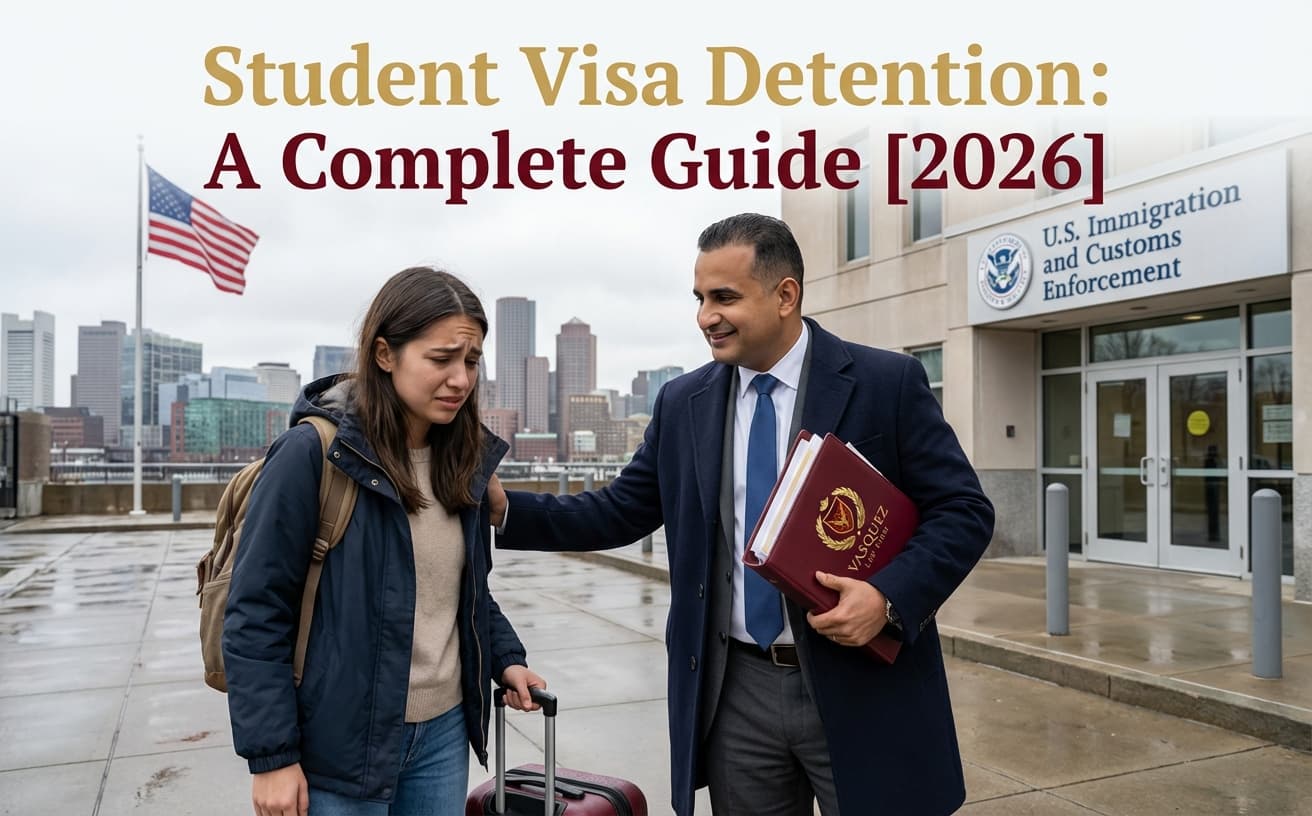
Know Your Rights and Next Steps After Student Visa Detention in 2026
Facing student visa detention can be frightening. Learn your rights and how to respond effectively in 2026. Contact Vasquez Law for a free consultation.
Published on February 26, 2026
Talk to an immigration attorney
Free call. A clear plan for your case.
Free & confidential · Se habla espanol · 24/7
Have questions? Talk to an attorney - free evaluation.
Call 1-844-967-3536Worried how the latest immigration news affects you?
Schedule a confidential case review with an immigration attorney - know exactly where you stand.
Know Your Rights and Next Steps After Student Visa Detention in 2026
Navigating the complexities of U.S. immigration law can be challenging for international students. A student visa detention, while rare, can be an incredibly frightening and confusing experience. Understanding your rights, the reasons for detention, and the legal steps you can take is crucial. This comprehensive guide, updated for 2026, aims to provide clarity and empower you with essential information, whether you are in Raleigh, Florida, or anywhere else in the nation. The Vasquez Law Firm is dedicated to helping students and their families through these difficult times. Se Habla Español.
Need help with your case? Our experienced attorneys are ready to fight for you. Se Habla Español.
Schedule Your Free Case Evaluation
Or call us now: 1-844-967-3536
Quick Answer: What is Student Visa Detention?
Student visa detention occurs when an international student, typically holding an F-1 or M-1 visa, is taken into custody by U.S. immigration authorities (such as ICE or CBP). This can happen for various reasons, including alleged visa violations, criminal charges, or issues at the port of entry. It is a serious situation requiring immediate legal attention to protect the student's rights and immigration status.
- Detention by ICE or CBP for alleged violations.
- Requires immediate legal representation.
- Can occur at entry points or within the U.S.
- Challenges include proving compliance and addressing any accusations.
- Legal intervention is key to securing release or resolving status issues.
Understanding Student Visa Detention and Your Rights
Being detained as an international student can be a terrifying ordeal, often occurring without warning. U.S. immigration authorities, primarily U.S. Immigration and Customs Enforcement (ICE) or U.S. Customs and Border Protection (CBP), have the power to detain individuals suspected of immigration violations. For students on F-1 or M-1 visas, these violations could range from failing to maintain full-time enrollment to unauthorized employment, or even minor criminal infractions that impact their immigration standing. It's important to recognize that while detention is a government action, you still possess fundamental rights, regardless of your immigration status. These rights include the right to remain silent, the right to speak with a lawyer, and the right to contact your consulate. Our free consulate directory lists the 24-hour emergency line for each country, which is the number to call from detention. Asserting these rights early on is critical to navigating the detention process effectively.
The legal framework governing student visas is complex, primarily outlined in the Immigration and Nationality Act (INA) and its corresponding regulations (8 C.F.R. § 214.2(f) for F-1 students). Any deviation from these strict rules can lead to severe consequences, including visa revocation, deportation, and detention. The recent case involving a Columbia University student, where federal agents allegedly misrepresented their identity to detain the student, highlights the aggressive tactics sometimes employed by immigration officials. Such incidents underscore the need for vigilance and immediate legal counsel. If you or someone you know faces student visa detention in Raleigh, Florida, or anywhere nationwide, understanding these nuances is the first step toward a strong defense.
The process often begins with an arrest, followed by transfer to an immigration detention facility. During this time, access to outside communication can be limited, making it difficult for students to seek help. This is why having a pre-planned emergency contact and knowing your attorney's information is paramount. An attorney can work to secure your release, challenge the grounds for detention, and advocate for your best interests in immigration court. Without legal representation, students are at a significant disadvantage, often unaware of the procedural safeguards available to them. Vasquez Law Firm is committed to ensuring that your rights are protected throughout this challenging period.
Common Reasons for Student Visa Detention
Several factors can lead to a student visa detention. Understanding these common triggers can help international students avoid situations that might jeopardize their status. One primary reason is a violation of visa terms, such as failing to maintain full-time enrollment as required by F-1 visa regulations. Students must consistently be enrolled in an approved program of study and make satisfactory academic progress. Any unauthorized withdrawal, extended leave of absence, or dropping below the minimum credit hours without proper authorization from their Designated School Official (DSO) can be grounds for visa termination and subsequent detention. This also includes issues related to Optional Practical Training (OPT) or Curricular Practical Training (CPT) if not followed strictly according to USCIS guidelines.
Another significant cause for student visa detention is engaging in unauthorized employment. F-1 students are generally restricted from working off-campus unless they have specific authorization, such as CPT or OPT, or severe economic hardship. Working without permission, even part-time or volunteer work that is deemed employment by immigration authorities, can lead to immediate visa revocation. Criminal charges, even minor ones like traffic violations or shoplifting, can also trigger detention and deportation proceedings. While some minor offenses may not directly lead to deportation, they can certainly complicate a student's immigration record and lead to scrutiny by ICE or CBP. For instance, a DUI conviction could have severe immigration consequences.
Issues at the port of entry are another frequent cause of student visa detention. When arriving in the U.S., CBP officers have broad discretion to question individuals and deny entry if they suspect misrepresentation or an intent to violate visa terms. This could include finding conflicting information in a student's travel documents, inconsistencies in their answers during an interview, or even past immigration violations that were not fully disclosed. Sometimes, even a perceived intent to overstay or engage in activities inconsistent with a student visa can lead to immediate detention and expedited removal. Therefore, always be truthful and consistent in all interactions with immigration officials. Seeking legal guidance from an immigration attorney is crucial if you believe you may be at risk.
The Detention Process and What to Expect
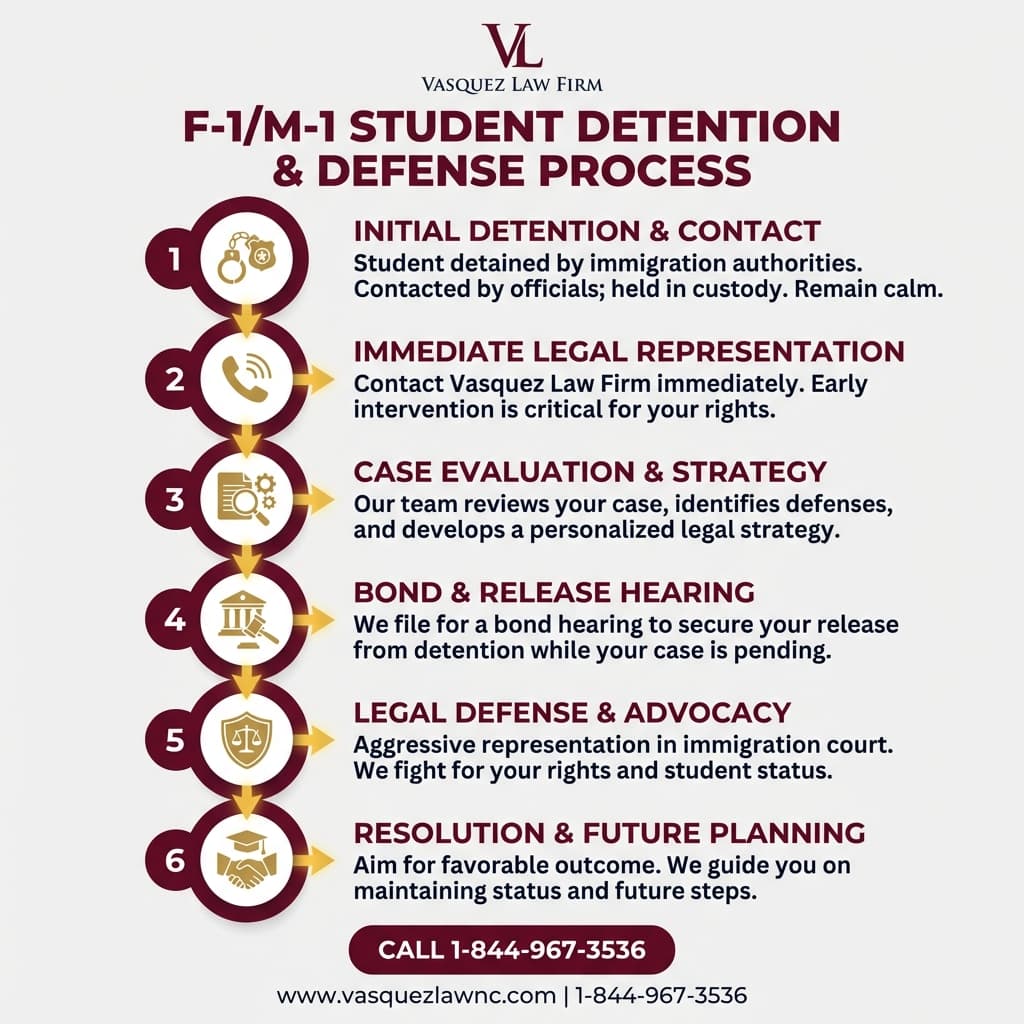
If you or a loved one is placed in student visa detention, understanding the process is vital. The initial phase often involves an arrest by ICE or CBP, followed by transport to a detention facility. These facilities can vary widely, from county jails with immigration wings to dedicated immigration detention centers. Upon arrival, you will undergo booking, which includes fingerprinting, taking personal information, and a medical screening. During this time, you should be given the opportunity to contact a lawyer or your consulate. It is crucial to remember that you have the right to remain silent regarding questions about your immigration status and to request to speak with an attorney before answering any substantive questions. Do not sign any documents you do not understand.
After booking, you will typically be held pending a hearing before an immigration judge. This process can be lengthy, and the conditions in detention centers can be challenging. Your attorney will work to determine if you are eligible for bond, which would allow for your release from detention while your immigration case proceeds. Eligibility for bond depends on various factors, including the nature of the alleged violation, your criminal history, ties to the community, and whether you are considered a flight risk. An experienced immigration lawyer from Vasquez Law Firm can present a compelling argument for your release on bond, emphasizing your strong ties to the community in Raleigh or Florida, and your commitment to complying with legal processes.
The immigration court proceedings will determine whether you have violated your student visa terms and if you are deportable. This involves presenting evidence, testimony, and legal arguments. It's a complex legal battle where the government bears the burden of proving deportability. Your attorney will represent you, challenge the government's evidence, and explore all available defenses or forms of relief from removal, such as adjustment of status if eligible, or even voluntary departure. This stage is critical, as a negative outcome can lead to a formal order of deportation. Therefore, having skilled legal representation is not just beneficial, but often essential for a favorable resolution to student visa detention.
Navigating Immigration Court
Immigration court is an administrative court, distinct from federal or state criminal courts. Here, an immigration judge presides over cases to determine an individual's immigration status. For student visa detention cases, the judge will assess whether the student has violated the terms of their F-1 or M-1 visa, or if there are other grounds for deportability. This process involves multiple hearings, including master calendar hearings and individual hearings. Master calendar hearings are preliminary, where the judge addresses basic issues, sets deadlines, and schedules future proceedings. Individual hearings are where the merits of the case are heard, evidence is presented, and witnesses may testify.
Having an attorney is crucial in immigration court. They can help you understand the charges against you, identify potential defenses, and navigate the complex procedural rules. Your lawyer will prepare you for testimony, gather necessary documentation, and argue on your behalf. They can also appeal unfavorable decisions to the Board of Immigration Appeals (BIA). The immigration system is challenging, and without legal counsel, many individuals miss critical deadlines or fail to present their case effectively. Attorney Vasquez has extensive experience in immigration court, fighting for clients' rights and striving for the best possible outcomes.
Legal Strategies for Student Visa Detention Cases
When facing student visa detention, immediate and strategic legal action is paramount. The first step an attorney will often take is to assess the specific grounds for detention. This involves reviewing the Notice to Appear (NTA) and any other documents provided by immigration authorities. Understanding the exact allegations, whether it's a visa violation, criminal charge, or perceived misrepresentation, is crucial for developing a tailored defense. Your legal team will then investigate the facts, gather evidence, and interview witnesses to challenge the government's claims. For example, if the detention is based on a supposed failure to maintain status, your attorney might present academic transcripts, enrollment verification, and letters from your DSO to prove compliance.
Another key strategy involves seeking release from detention. This typically means pursuing an immigration bond. Your attorney will file a request for a bond hearing before an immigration judge. During this hearing, they will argue that you are not a flight risk and do not pose a danger to the community. Factors considered include your ties to the U.S. (family, community, academic enrollment), lack of criminal record, and willingness to appear for all future court dates. A strong bond argument can significantly improve your chances of release, allowing you to fight your case from outside detention. The Vasquez Law Firm has a proven track record of securing bonds for clients in similar situations across North Carolina and Florida.
Beyond bond, your attorney will explore all available forms of relief from removal. Depending on your specific circumstances, this could include applying for adjustment of status if you are eligible through a family petition, seeking asylum if you fear persecution in your home country, or pursuing cancellation of removal. Each form of relief has stringent eligibility requirements and deadlines, making expert legal guidance indispensable. The goal is not just to get you released, but to ultimately resolve your immigration status and protect your future in the U.S. Our team at Vasquez Law Firm is well-versed in these complex legal maneuvers and will advocate fiercely on your behalf.
Documents and Evidence Checklist for Your Defense
Preparing a robust defense against student visa detention requires meticulous documentation. Having these documents readily available, or knowing how to obtain them quickly, can significantly aid your legal team. Here is a critical checklist:
- Passport and Visa: Your valid passport and current U.S. visa stamp (e.g., F-1, M-1).
- I-20 Form: The Certificate of Eligibility for Nonimmigrant Student Status, issued by your school. Ensure it's current and signed by your DSO.
- Academic Transcripts: Official transcripts showing your enrollment history and academic performance.
- Enrollment Verification Letters: Letters from your university confirming your full-time enrollment status.
- Proof of Financial Support: Bank statements, scholarship letters, or affidavits of support demonstrating you can cover your educational and living expenses without unauthorized work.
- Proof of Tuition Payments: Receipts or statements showing timely payment of tuition and fees.
- SEVIS I-901 Receipt: Proof of payment for the SEVIS I-901 fee.
- Employment Authorization Documents (EAD): If you have CPT or OPT, include your EAD card and authorization letters.
- Proof of Residence: Utility bills, lease agreements, or other documents showing your U.S. address.
- Criminal Records (if applicable): Any court documents related to past arrests or convictions, even minor ones.
- Letters of Support: From family, friends, professors, or community members attesting to your good character and ties to the community.
- Birth Certificate and Marriage Certificate (if applicable): For family-based relief options.
If you only remember one thing: Always carry your passport, visa, and I-20 with you, and keep digital copies accessible. These are your primary identifiers and proof of status.
Common Mistakes and How to Avoid Them in Detention Cases
Navigating student visa detention is fraught with potential pitfalls. Avoiding common mistakes can significantly impact the outcome of your case. Here are crucial errors to steer clear of:
- Signing Documents Without Understanding: Never sign any document presented by immigration officials unless you fully comprehend its contents and implications, preferably after consulting with an attorney. You might inadvertently waive your rights or agree to voluntary departure.
- Lying or Misrepresenting Facts: Any falsehood or inconsistency can severely damage your credibility and lead to charges of misrepresentation, which are extremely difficult to overcome. Always be truthful.
- Discussing Your Case with Others: Avoid discussing the details of your case with fellow detainees or immigration officers without your lawyer present. What you say can be used against you.
- Resisting Arrest or Detention: While you have rights, resisting a lawful arrest can lead to additional criminal charges, complicating your immigration case. Cooperate physically, but assert your right to remain silent and request an attorney.
- Failing to Notify Your DSO: Your Designated School Official (DSO) at your university should be informed immediately. They can provide crucial documentation and support, and help ensure your SEVIS record is accurate.
- Not Seeking Legal Counsel Immediately: Delaying legal assistance is perhaps the biggest mistake. An attorney can intervene early, secure your rights, and begin building a defense. The longer you wait, the more difficult it becomes.
- Failing to Appeal a Negative Decision: If an immigration judge rules against you, there are strict deadlines for filing an appeal with the Board of Immigration Appeals (BIA). Missing this deadline can result in a final order of removal.
- Ignoring Court Notices: All notices from immigration court or ICE must be taken seriously. Missing a court date can lead to an order of removal in absentia.
- Assuming the Government Will Help You: Immigration officials are not there to advise you on your best legal strategy. Their role is to enforce immigration laws.
- Not Preparing for Interviews: If you are subject to an interview, prepare thoroughly with your attorney to ensure you provide consistent and accurate information.
NC, FL, and Nationwide Notes on Student Visa Detention
Student visa detention cases are primarily governed by federal immigration law, meaning the core regulations and processes apply uniformly across the United States, including in North Carolina and Florida. The Immigration and Nationality Act (INA) and regulations set forth by USCIS, ICE, and CBP dictate the rules for student visas (F-1, M-1) and the procedures for detention and removal. Therefore, whether you are detained in Raleigh, NC, Miami, FL, or elsewhere, the fundamental rights and legal avenues remain consistent. However, practical aspects, such as the specific detention facilities used, the availability of legal aid resources, and the local immigration court's caseload, can vary by region.
North Carolina Notes
In North Carolina, immigration detentions often occur through ICE field offices and are processed at facilities like the Stewart Detention Center or Folkston ICE Processing Center in Georgia, which serve the Southeast region. While there are no major dedicated ICE detention centers within North Carolina itself, individuals arrested in Raleigh or other parts of the state may be transported to these regional facilities. Students attending universities in North Carolina, such as UNC Chapel Hill, NC State, Duke, or Wake Forest, must be particularly diligent in maintaining their F-1 or M-1 status. Vasquez Law Firm has extensive experience representing clients across North Carolina, providing critical support and representation for those facing student visa detention within the state's jurisdiction.
Florida Notes
Florida, with its large international population and numerous universities, sees a significant number of student visa holders. Detention facilities in Florida include the Krome Service Processing Center in Miami and the Baker County Detention Center. CBP at international airports like Miami International Airport (MIA) and Orlando International Airport (MCO) are also frequent points of initial detention for students arriving with perceived issues. The high volume of immigration cases in Florida means that immigration courts can be particularly busy. Our firm serves clients throughout Florida, including in major cities like Miami, Orlando, and Tampa, offering dedicated legal assistance for student visa detention cases and navigating the specific challenges of the Florida immigration system.
Nationwide Concepts (General Only, Rules Vary)
Across the nation, the principles of student visa detention remain consistent. All international students are subject to the same federal laws and regulations. However, the enforcement priorities of ICE and CBP can shift, and local practices may differ. For instance, some regions might have a higher focus on certain types of visa violations or criminal charges. It is critical for students nationwide to understand that any interaction with law enforcement, even minor traffic stops, could potentially lead to immigration scrutiny. Always carry your immigration documents, know your rights, and have a plan for immediate legal contact. Vasquez Law Firm offers nationwide immigration services, ensuring that students across the U.S. can access expert legal advice and representation during a student visa detention. For more information on general immigration changes, you can refer to immigration law reform guides.
When to Call a Lawyer Now for Student Visa Detention
The moment you suspect or experience a problem with your student visa status, or if you or a loved one is detained, immediate legal action is essential. Here are urgent triggers indicating you need to call an immigration lawyer from Vasquez Law Firm right away:
- You are detained by ICE or CBP: This is the most critical moment. Do not speak to agents without an attorney.
- You receive a Notice to Appear (NTA): This document formally initiates removal proceedings against you.
- Your visa is revoked or your SEVIS record is terminated: This means your student status is no longer valid, and you are out of status.
- You are questioned by immigration officials: Even if not detained, any questioning about your immigration status should prompt a call to an attorney.
- You are accused of a visa violation: Whether it's unauthorized work, not maintaining full-time enrollment, or another issue.
- You face criminal charges, even minor ones: Criminal issues can have severe immigration consequences.
- You are denied entry at a U.S. port of entry: CBP has wide authority, and denial can lead to immediate removal.
- You believe you are at risk of detention: If you have concerns about your status or a past issue, proactive legal advice is best.
- You need to appeal an immigration judge's decision: There are strict, short deadlines for appeals.
- You are seeking release on bond from detention: An attorney can argue for your release and present your case effectively.
About Vasquez Law Firm
At Vasquez Law Firm, we combine compassion with aggressive representation. Our motto "Yo Peleo" (I Fight) reflects our commitment to standing up for your rights. We understand the immense stress and uncertainty that comes with immigration challenges, especially for students facing ICE detention. Our team is dedicated to providing personalized, diligent advocacy to protect your future.
- Bilingual Support: Se Habla Español - our team is fully bilingual, ensuring clear communication and understanding.
- Service Areas: We proudly serve clients in North Carolina and Florida, and provide comprehensive immigration services nationwide.
- Experience: With over 15 years of focused legal experience, Attorney Vasquez has successfully navigated thousands of complex immigration, personal injury, and criminal defense cases.
- Results: Our firm is built on a foundation of achieving favorable outcomes, tirelessly fighting for justice and the best interests of our clients.
Attorney Trust and Experience
Attorney Vasquez holds a Juris Doctor degree and is admitted to practice in both the North Carolina State Bar and Florida Bar. With over 15 years of dedicated legal experience, he has built a reputation for providing personalized attention and achieving favorable outcomes for his clients. His deep understanding of immigration law, coupled with a compassionate approach, makes him a trusted advocate for international students facing the daunting prospect of student visa detention. He is committed to guiding clients through every step of the legal process with integrity and expertise.
Don't face your legal challenges alone. Our team is here to help you every step of the way.
Call today: 1-844-967-3536 | Se Habla Español
Frequently Asked Questions About Student Visa Detention
What should I do immediately if I am detained on a student visa?
If detained, immediately state that you wish to remain silent and request to speak with an attorney. Do not sign any documents without understanding them or without legal advice. Contact your family and your school's Designated School Official (DSO) as soon as possible. Remember your right to legal counsel is paramount, and asserting it early can protect your interests.
Can a student visa detention lead to deportation?
Yes, student visa detention can absolutely lead to deportation. Detention often indicates that immigration authorities believe there are grounds for removal. Without proper legal defense, an immigration judge may issue an order of deportation. This underscores the critical need for immediate and skilled legal representation to challenge the allegations and explore all available forms of relief from removal.
What are the most common reasons for F-1 visa detention?
Common reasons include failing to maintain full-time enrollment, engaging in unauthorized employment, committing criminal offenses (even minor ones), or misrepresentation at a port of entry. Any significant deviation from the strict rules governing F-1 status can trigger detention. Proving compliance with visa regulations is essential for avoiding or resolving detention issues.
How can an immigration lawyer help with student visa detention?
An immigration lawyer can provide crucial assistance by: asserting your rights, seeking your release on bond, investigating the grounds for detention, representing you in immigration court, challenging allegations, and exploring all possible defenses or forms of relief from removal. They serve as your advocate and guide through a complex and intimidating legal process.
What documents should I always carry as an international student?
Always carry your valid passport, your U.S. visa stamp, and your current I-20 form (Certificate of Eligibility for Nonimmigrant Student Status). It's also wise to have digital copies of these documents and contact information for your attorney and DSO readily accessible. These documents are your primary proof of legal status.
Can I get out on bond if I am detained on a student visa?
Yes, it may be possible to be released on an immigration bond. An immigration judge will determine bond eligibility based on factors like your ties to the community, criminal history, and flight risk. An attorney can present a strong case for your release, highlighting your stability and commitment to appearing for all future court dates.
What is the role of my Designated School Official (DSO) during detention?
Your DSO is a vital resource. They can verify your enrollment status, provide accurate I-20 forms, and offer support by communicating with immigration authorities regarding your academic standing. Informing your DSO immediately is crucial, as they can help ensure your SEVIS record accurately reflects your status, which is important for your defense.
Are there different detention rules for students in NC versus FL?
While federal immigration laws apply uniformly nationwide, practical aspects can differ. For instance, the specific detention facilities used and local immigration court caseloads may vary between North Carolina and Florida. However, your fundamental rights and the legal pathways to challenge detention remain consistent across states. An attorney familiar with local practices can be beneficial.
What if I am detained at a U.S. port of entry?
If detained at a port of entry (e.g., airport), Customs and Border Protection (CBP) officers have broad authority. You have the right to request an attorney and to remain silent regarding questions beyond your identity. Do not provide false information. Contacting an attorney immediately is critical, as port-of-entry detentions can lead to expedited removal.
Can past minor criminal offenses affect my student visa status?
Yes, even minor criminal offenses can significantly impact your student visa status and lead to detention or deportation. While some offenses may not be direct grounds for removal, they can raise red flags with immigration authorities, complicate your record, and result in increased scrutiny. Always disclose any past offenses to your attorney.
Sources and References
- U.S. Citizenship and Immigration Services (USCIS): Official source for immigration forms, laws, and policies.
- U.S. Department of State: Provides information on U.S. visas, including student visas.
- Executive Office for Immigration Review (EOIR): Oversees immigration courts and the Board of Immigration Appeals.
- 8 U.S. Code § 1229a - Removal proceedings: Federal law outlining procedures for removal.
- 8 C.F.R. § 214.2(f) - F-1 Student Visas: Regulations governing F-1 nonimmigrant student status.
Ready to take the next step? Contact Vasquez Law Firm today for a free, confidential consultation. We're committed to fighting for your rights and achieving the best possible outcome for your case.
Start Your Free Case Evaluation Now
Call us: 1-844-967-3536
Se Habla Español - Estamos aquí para ayudarle.

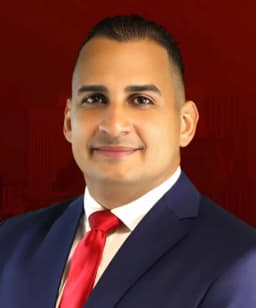
William Vasquez
Founder & CEO, Vasquez Law Firm, PLLC
William Vasquez is the founder and CEO of Vasquez Law Firm, PLLC, a results-driven firm specializing in immigration, criminal defense, personal injury, and workers' compensation. A U.S. Air Force veteran and recipient of the Joint Service Achievement Medal, William is dedicated to fiercely fighting for his clients' rights.
Related Legal Services
Need legal help? Learn more about immigration lawyers in North Carolina, or contact us for a free evaluation.
You can also visit immigration legal services throughout NC for more information.