What Immigrants Need to Know About ICE Contracts With Jails in 2026
Understand how ICE contracts work in 2026, from local agreements to nationwide impact. Get critical insights and contact Vasquez Law Firm for a free consultation today.
Published on February 25, 2026
Talk to an immigration attorney
Free call. A clear plan for your case.
Free & confidential · Se habla espanol · 24/7
Have questions? Talk to an attorney - free evaluation.
Call 1-844-967-3536Worried how the latest immigration news affects you?
Schedule a confidential case review with an immigration attorney - know exactly where you stand.
What Immigrants Need to Know About ICE Contracts With Jails in 2026
Understanding ICE contracts is crucial for individuals, communities, and businesses in 2026. These agreements, primarily involving U.S. Immigration and Customs Enforcement (ICE), dictate how immigration enforcement is carried out, often impacting local jurisdictions in North Carolina, Florida, and across the nation. From detention facility agreements to technology and support services, ICE contracts define the scope and nature of federal immigration operations. Navigating the complexities of these federal agreements requires a clear understanding of their structure, implications, and legal frameworks. Vasquez Law Firm is dedicated to providing comprehensive guidance on these critical issues, ensuring you have the information you need.
Need help with your case? Our experienced attorneys are ready to fight for you. Se Habla Español.
Schedule Your Free Case Evaluation
Or call us now: 1-844-967-3536
Quick Answer
ICE contracts are formal agreements between U.S. Immigration and Customs Enforcement (ICE) and various entities, including state and local governments, private companies, and non-governmental organizations, for services related to immigration enforcement and detention. These contracts can cover a wide range of services, such as operating detention facilities, providing transportation, offering technological support, and facilitating information sharing. They are instrumental in how ICE carries out its mission, often raising questions about accountability and local cooperation.
- They define roles and responsibilities in immigration enforcement.
- Agreements vary widely, from detention services to technology support.
- Impact local communities and individuals across the U.S.
- Often involve federal funds and specific performance mandates.
- Can be controversial, leading to public debate and legal challenges.
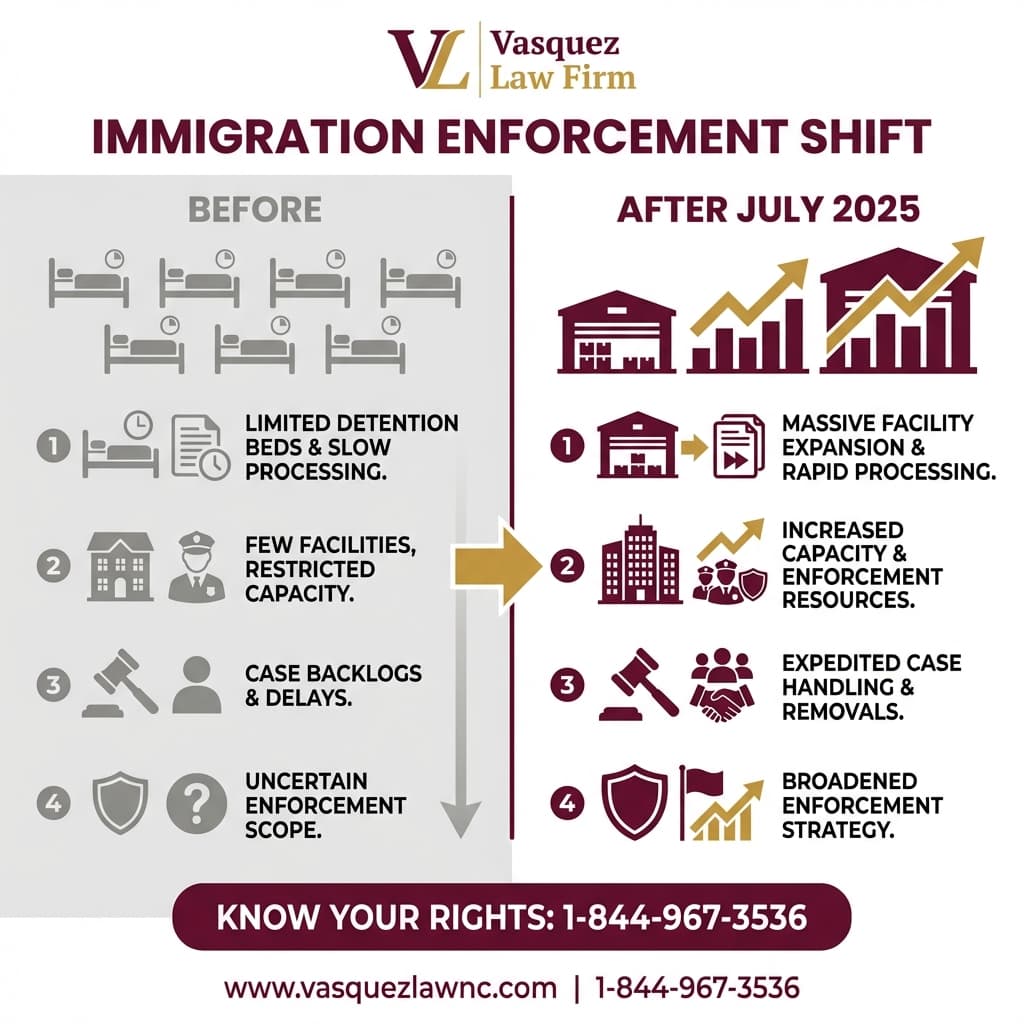
Infographic: Understanding ICE Contracts
This infographic provides a visual overview of the different types of ICE contracts, who they involve, and their primary purposes in 2026.
Alt text: Infographic illustrating the types of ICE contracts, including 287(g) agreements, detention facility contracts, and support services, detailing their partners and functions within immigration enforcement in 2026.
Filenames: ice-contracts-types.webp, ice-contracts-partners.webp
: 1-844-967-3536
How ICE Contracts Work in 2026: An Overview
ICE contracts are diverse, reflecting the broad scope of immigration enforcement activities. These agreements are not monolithic; they encompass everything from intergovernmental service agreements (IGSAs) with local sheriffs' departments to multi-million dollar contracts with private corporations for detention management or surveillance technology. In 2026, understanding the mechanisms behind these contracts is essential for anyone affected by immigration policy.
Essentially, ICE enters into contracts to outsource or supplement its operational capabilities. This can include housing non-citizens in local jails through programs like 287(g) agreements, where local law enforcement officers are deputized to perform certain immigration functions. It also involves contracting with private entities to manage large-scale detention centers or provide specialized services like transportation, food, medical care, or even IT infrastructure. Each contract comes with specific terms, performance metrics, and funding allocations, all subject to federal procurement regulations.
The process often begins with a Request for Proposal (RFP) or similar procurement notice issued by the Department of Homeland Security (DHS) or ICE. Interested parties, whether government agencies or private companies, submit bids outlining their capabilities and proposed costs. After a rigorous evaluation process, a contract is awarded. These agreements are then subject to oversight and review, though the extent of public transparency can vary significantly, often leading to calls for greater accountability from advocacy groups and the public.
Types of ICE Contracts and Their Impact on Communities
The impact of ICE contracts is felt differently depending on the type of agreement and the community involved. One of the most well-known types is the 287(g) program, authorized by Section 287(g) of the Immigration and Nationality Act (INA), which allows ICE to enter into agreements with state and local law enforcement agencies. Under these agreements, designated local officers are trained and authorized to perform certain immigration enforcement functions, typically within jails. This can lead to increased immigration arrests and detentions at the local level, often in communities like Orlando, Florida, or various counties throughout North Carolina.
Another significant category involves contracts with private detention companies. These companies operate many of the largest immigration detention centers across the country. Critics argue that the profit motive in these contracts can lead to poor conditions, overcrowding, and inadequate medical care for detainees. Conversely, proponents argue that private facilities offer a cost-effective solution for housing a large number of individuals awaiting immigration proceedings. These contracts often dictate the capacity of facilities, the services provided, and the per diem rates paid for each detainee.
Beyond detention, ICE also relies on contractors for a wide array of support services. This includes technology firms providing data analytics and surveillance tools, transportation companies moving detainees between facilities, and even companies providing food and maintenance services. The sheer volume and variety of these contracts highlight the extensive network of private and public entities involved in the U.S. immigration enforcement system. Understanding who has contracts with ICE reveals the complex web of stakeholders.
Legal Framework and Oversight of ICE Agreements
ICE contracts operate within a specific legal and regulatory framework that governs federal procurement and immigration enforcement. The authority for these contracts stems from various federal statutes, including the Immigration and Nationality Act (INA) and appropriations acts that fund DHS and ICE operations. For instance, 8 U.S.C. § 1357(g) specifically authorizes the 287(g) program, allowing for cooperative agreements with local law enforcement. All federal contracts are also subject to the Federal Acquisition Regulation (FAR), which sets standards for how government agencies acquire goods and services.
Oversight of these agreements comes from multiple sources. Internally, DHS and ICE have Offices of Inspector General (OIG) that conduct audits and investigations into contract performance and compliance. Congress also plays a role through its oversight committees, which can hold hearings and request information on ICE contracting practices. Additionally, federal courts can review challenges to contracts, particularly when they involve constitutional rights or administrative law violations. However, despite these mechanisms, concerns about transparency and accountability often persist.
Advocacy groups and public interest organizations frequently monitor ICE contracts, filing Freedom of Information Act (FOIA) requests to obtain contract details and expose potential abuses. These efforts often highlight the need for greater public scrutiny of how taxpayer dollars are spent and how immigration enforcement impacts human rights. Legal challenges against specific contracts, or the programs they support, are not uncommon, further underscoring the legal complexities involved.
NC, FL, and Nationwide Notes on ICE Contracts
The landscape of ICE contracts presents unique considerations depending on the geographic location, whether in North Carolina, Florida, or across the broader United States. While federal immigration law applies nationwide, the implementation of ICE contracts often has distinct local implications.
North Carolina Notes
In North Carolina, several counties have historically participated in 287(g) agreements with ICE. These agreements have been a point of contention, with debates over their impact on local communities, particularly immigrant populations. Advocacy groups in North Carolina frequently monitor these agreements, challenging their legality and advocating for their termination. The presence of these contracts means that local law enforcement officers in participating counties may have the authority to identify and detain individuals suspected of immigration violations, leading to potential deportation proceedings. Residents in cities like Charlotte, Raleigh, and Greensboro often see the effects of these agreements in their daily lives, impacting trust between communities and local police. Vasquez Law Firm assists individuals in North Carolina affected by these local enforcement actions.
Florida Notes
Florida, a state with a large and diverse immigrant population, also has a significant number of ICE contracts, particularly for detention services. Many private detention centers operate in Florida, housing individuals awaiting immigration hearings. The state's proximity to the Caribbean and Latin America means it is a major hub for immigration enforcement activities. In cities like Orlando, discussions about ICE's presence and its contractual relationships with local entities are ongoing. Florida's role in immigration enforcement is often amplified by its status as a border state, leading to a higher concentration of federal immigration operations and associated contracts for transportation, detention, and other support services. Understanding these contracts is vital for immigrants and their families in Florida.
Nationwide Concepts (General Only, Rules Vary)
Nationwide, ICE contracts represent a vast and complex network. From remote detention facilities to technology providers in major metropolitan areas, these agreements are central to federal immigration policy. The trend in recent years has seen an increase in privatization of immigration detention and a reliance on advanced surveillance technologies, all facilitated through various contracts. These contracts are federal in nature and therefore apply across the U.S., but their practical application and local effects can differ greatly. The legal and ethical implications of these contracts are subject to ongoing national debate and legal challenges, making it imperative for individuals and organizations to stay informed. The Executive Office for Immigration Review (EOIR), for example, oversees the immigration court system that processes many cases stemming from these enforcement actions.
Common Mistakes and How to Avoid Them with ICE Contracts
Navigating the complex world of ICE contracts can be fraught with potential pitfalls. Understanding common mistakes can help individuals and communities protect their rights and interests.
- Ignoring local cooperation agreements: Many people are unaware if their local law enforcement has a 287(g) agreement. This can lead to unexpected encounters with immigration enforcement during routine police interactions. Fix: Research local county sheriff's department policies and 287(g) status.
- Failing to understand your rights: In interactions with ICE or local law enforcement acting under ICE authority, individuals may not know their rights, such as the right to remain silent or to speak with an attorney. Fix: Educate yourself on your rights, carry a 'Know Your Rights' card, and request an attorney immediately.
- Signing documents without legal review: Detainees may be presented with documents they don't fully understand, potentially waiving important rights or agreeing to deportation. Fix: Never sign any document without consulting an immigration attorney.
- Providing false information: Giving incorrect or misleading information to immigration officers can have severe consequences, including criminal charges or bars to future immigration benefits. Fix: Always be truthful, but exercise your right to remain silent and consult an attorney.
- Not preparing for potential enforcement: Families often lack an emergency plan in case a loved one is detained by ICE. Fix: Create a family preparedness plan, including legal contacts, important documents, and care arrangements for children.
- Delaying legal consultation: Time is often critical in immigration cases, particularly after an encounter with ICE. Delays can limit legal options. Fix: Seek immediate legal counsel from an experienced immigration attorney.
- Relying on unofficial sources for information: Misinformation about ICE policies and contracts is widespread. Relying on rumors or unqualified advice can be detrimental. Fix: Consult official government websites like USCIS and experienced immigration lawyers for accurate information.
If you only remember one thing: Always exercise your right to remain silent and request to speak with an attorney if you or a loved one is approached by ICE or local law enforcement acting under an ICE contract.
Don't face your legal challenges alone. Our team is here to help you every step of the way.
Call today: 1-844-967-3536 | Se Habla Español
When to Call a Lawyer Now Regarding ICE Contracts
Understanding when to seek immediate legal counsel is paramount, especially when dealing with the complexities surrounding ICE contracts and enforcement actions. Timely intervention by an experienced immigration attorney can make a significant difference in the outcome of your case. Here are critical situations where you should contact a lawyer without delay:
- If you or a loved one has been detained by ICE: Immediate legal representation is crucial to ensure rights are protected and to explore all available defenses against deportation.
- If you are approached by ICE agents or local police acting under a 287(g) agreement: An attorney can advise you on your rights, including the right to remain silent and to refuse searches without a warrant.
- If you receive a Notice to Appear (NTA): This document initiates deportation proceedings, and you should consult an attorney to prepare your defense and understand your options.
- If you are concerned about the legality or impact of an ICE contract in your community: Legal professionals can help assess the situation and advise on potential advocacy or legal challenges.
- If you believe you have been a victim of misconduct or abuse by immigration enforcement officers: An attorney can investigate the incident and pursue appropriate legal remedies.
- If you need help understanding the terms of an ICE contract: For businesses or organizations considering entering into or currently operating under an ICE contract, legal review is essential.
- If you have a previous deportation order and are worried about re-entry or enforcement: An attorney can assess your specific situation and advise on risks and potential remedies.
- If you are a non-citizen with a criminal record: Interactions with law enforcement, especially those operating under ICE contracts, can have severe immigration consequences.
About Vasquez Law Firm
At Vasquez Law Firm, we combine compassion with aggressive representation. Our motto "Yo Peleo" (I Fight) reflects our commitment to standing up for your rights. We understand the profound impact that immigration issues, including those related to ICE contracts, can have on individuals and families. Our dedicated team is here to guide you through every step of the legal process, providing clear, trustworthy advice and unwavering support.
- Bilingual Support: Se Habla Español - our team is fully bilingual and ready to assist clients in both English and Spanish.
- Service Areas: We proudly serve clients in North Carolina, Florida, and provide comprehensive immigration services nationwide.
- Experience: With over 15 years of dedicated legal experience, Attorney Vasquez has a proven track record of helping clients navigate complex legal matters and achieve favorable outcomes.
- Results: We are committed to securing the best possible results for our clients across various practice areas, always putting your needs first.
Attorney Trust and Experience
Attorney Vasquez holds a Juris Doctor degree and is admitted to practice in both the North Carolina State Bar and Florida Bar. With over 15 years of dedicated legal experience, he has built a reputation for providing personalized attention and achieving favorable outcomes for his clients. His deep understanding of immigration law, including the intricacies of ICE contracts and federal enforcement, makes him a trusted advocate for those facing challenging circumstances.
Frequently Asked Questions
What is a 287(g) agreement and how does it relate to ICE contracts?
A 287(g) agreement is a specific type of ICE contract that deputizes state and local law enforcement officers to perform certain immigration functions. These officers, after receiving federal training, can identify and process non-citizens for immigration violations, typically within a jail setting. It's a cooperative agreement aimed at enhancing immigration enforcement at the local level, allowing local police to act as federal immigration agents, impacting communities in North Carolina and Florida.
Who are the main companies with ICE contracts in 2026?
In 2026, many private companies hold significant ICE contracts, primarily for operating immigration detention facilities. Major players often include CoreCivic, GEO Group, and other specialized firms providing services like transportation, surveillance technology, and various support functions. These contracts are publicly listed through federal procurement databases, though specific details can sometimes be challenging to obtain. Many local governments also have contracts with ICE for various services.
How do ICE contracts affect local communities?
ICE contracts can profoundly affect local communities by altering the relationship between residents and local law enforcement. For instance, 287(g) agreements may increase fear and distrust among immigrant populations, potentially leading to underreporting of crimes. Detention facility contracts can bring economic activity but also raise concerns about human rights and local resource strain. These agreements often spark local debates and advocacy efforts in places like Orlando, Florida, and across North Carolina.
Do you legally have to cooperate with ICE?
You have constitutional rights when interacting with ICE. You are not legally required to answer questions beyond providing your name if you are not a U.S. citizen. You have the right to remain silent, the right to speak with an attorney, and the right to refuse a search unless agents have a warrant signed by a judge. It is crucial to understand and assert these rights to protect your interests.
How long does it take ICE to deport someone?
The deportation timeline varies significantly based on individual circumstances, the complexity of the case, and court backlogs. It can range from days in expedited removal cases to months or even years if the individual contests deportation and pursues appeals. Factors like available legal defenses, the need for bond hearings, and court schedules all influence the duration of the deportation process. Legal counsel is vital for navigating this process.
What is the purpose of ICE contract length variations?
ICE contract lengths vary based on the service provided, project scope, and funding availability. Detention facility contracts might be multi-year agreements with renewal options, while smaller service contracts could be shorter. The length also reflects the government's need for flexibility and the contractor's ability to provide long-term stable services. Longer contracts often involve more substantial investments and complex oversight mechanisms, impacting the stability of services.
Can ICE contracts be challenged or terminated?
Yes, ICE contracts can be challenged or terminated, though the process is often complex. Legal challenges can arise from contract violations, human rights concerns, or administrative law issues. Local governments can choose not to renew 287(g) agreements, and public pressure or policy changes can also lead to contract reevaluation. Advocacy groups frequently work to expose concerns and push for termination or non-renewal of controversial agreements.
What role do ICE contractor jobs play in immigration enforcement?
ICE contractor jobs are integral to the daily operations of immigration enforcement. These roles span from security guards and medical staff in detention centers to IT specialists, transportation providers, and administrative support personnel. Contractors fill essential gaps in ICE's workforce, enabling the agency to carry out its vast responsibilities nationwide. The availability and nature of these jobs are directly tied to the scope and funding of existing ICE contracts.
Are there any recent changes to ICE contracts in 2026?
As of 2026, ICE contract policies are subject to ongoing review and potential changes based on federal priorities, budget allocations, and legislative action. Recent trends have focused on increasing oversight and accountability for detention conditions, as well as debates over the use of private contractors. New directives or executive orders can influence the terms of existing contracts and the awarding of new ones. Staying informed on current policy shifts is important.
What is the difference between an ICE contract and a 287(g) agreement?
A 287(g) agreement is a specific type of intergovernmental service agreement (IGSA) that falls under the broader umbrella of ICE contracts. While all 287(g) agreements are ICE contracts, not all ICE contracts are 287(g) agreements. ICE also enters into contracts with private companies for services like detention facility management, transportation, and technology. The 287(g) program specifically empowers local law enforcement to assist in federal immigration enforcement.
Sources and References
- U.S. Citizenship and Immigration Services (USCIS)
- Executive Office for Immigration Review (EOIR)
- 8 U.S. Code § 1357 - Powers of immigration officers and employees
- Federal Register (for federal procurement regulations and notices)
Ready to take the next step? Contact Vasquez Law Firm today for a free, confidential consultation. We're committed to fighting for your rights and achieving the best possible outcome for your case.
Start Your Free Case Evaluation Now
Call us: 1-844-967-3536
Se Habla Español - Estamos aquí para ayudarle.



William Vasquez
Founder & CEO, Vasquez Law Firm, PLLC
William Vasquez is the founder and CEO of Vasquez Law Firm, PLLC, a results-driven firm specializing in immigration, criminal defense, personal injury, and workers' compensation. A U.S. Air Force veteran and recipient of the Joint Service Achievement Medal, William is dedicated to fiercely fighting for his clients' rights.
Related Legal Services
Need legal help? Learn more about immigration lawyers in North Carolina, or contact us for a free evaluation.
You can also visit statewide immigration legal services for more information.