Know Your Rights During Immigration Enforcement in Minnesota in 2026
Understand immigration enforcement in Minnesota for 2026, including your rights and what to expect. Contact Vasquez Law Firm for a free consultation. Se Habla Español.
Published on February 27, 2026
Talk to an immigration attorney
Free call. A clear plan for your case.
Free & confidential · Se habla espanol · 24/7

Have questions? Talk to an attorney - free evaluation.
Call 1-844-967-3536Worried how the latest immigration news affects you?
Schedule a confidential case review with an immigration attorney - know exactly where you stand.
Know Your Rights During Immigration Enforcement in Minnesota in 2026
Understanding immigration enforcement in Minnesota is crucial for non-citizens and their families, especially with ongoing developments and policy changes in 2026. Recent events have highlighted the complexities and challenges individuals face when encountering federal agencies like U.S. Immigration and Customs Enforcement (ICE) in Minnesota. This comprehensive guide provides essential information on your rights, the enforcement process, and how experienced legal counsel from Vasquez Law Firm can make a significant difference in protecting your interests. Knowing your rights and the procedures involved is the first step toward navigating these sensitive situations effectively.
Need help with your immigration case? Our experienced attorneys are ready to fight for you. Se Habla Español.
Schedule Your Free Case Evaluation
Or call us now: 1-844-967-3536
Quick Answer: Navigating Immigration Enforcement in Minnesota
Immigration enforcement in Minnesota involves federal agencies like ICE and CBP, operating under federal immigration law. Individuals have constitutional rights, including the right to remain silent and to speak with an attorney. Recent judicial scrutiny in Minnesota emphasizes the importance of lawful procedures. Always seek legal counsel immediately if you or a loved one encounter immigration enforcement personnel.
- You have the right to remain silent.
- Do not open your door to ICE without a warrant signed by a judge.
- Always ask for an attorney if detained.
- Know the difference between an administrative warrant and a judicial warrant.
- Document everything you can remember about the encounter.
- Do not sign any documents without legal review.
Understanding Immigration Enforcement in Minnesota
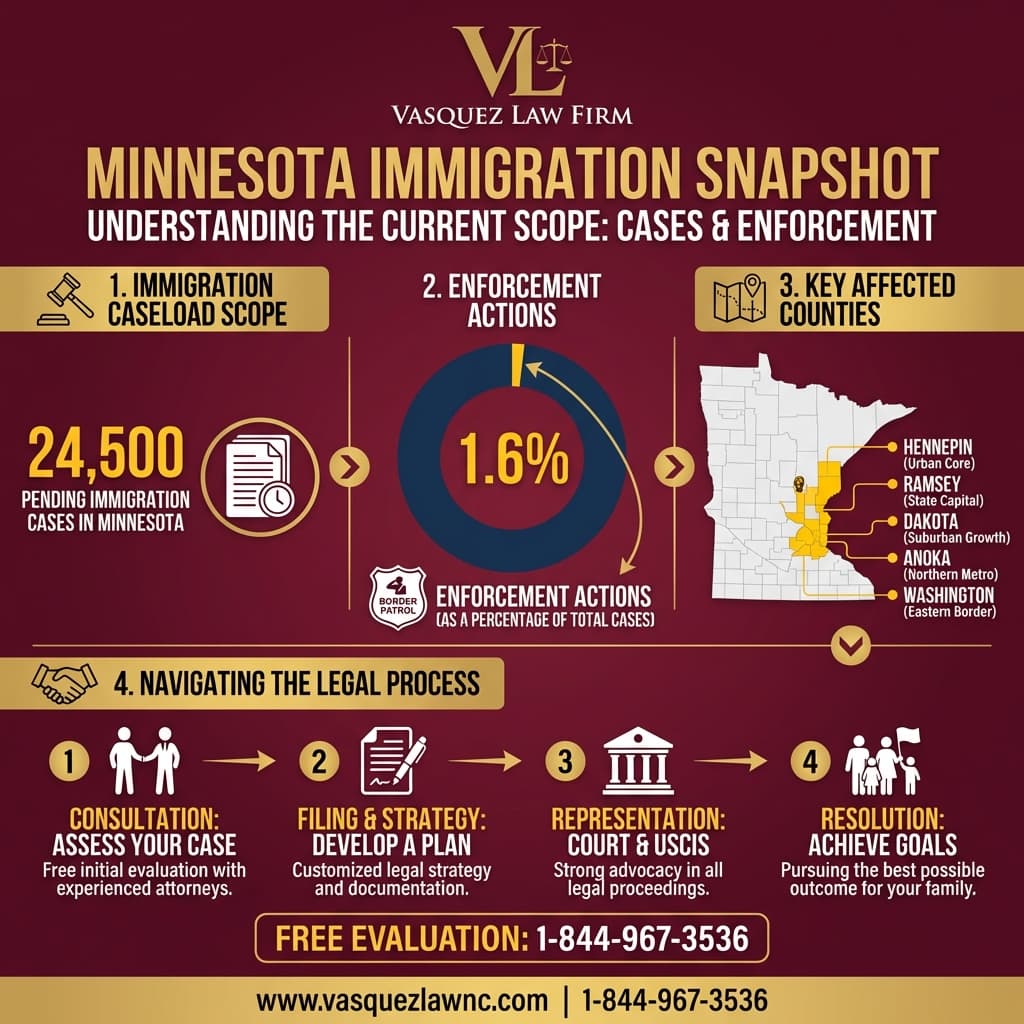
Immigration enforcement in Minnesota is primarily carried out by federal agencies, most notably U.S. Immigration and Customs Enforcement (ICE) and U.S. Customs and Border Protection (CBP). These agencies are responsible for enforcing federal immigration laws, which apply nationwide. While local law enforcement agencies typically do not enforce federal immigration laws, they may cooperate with ICE in certain circumstances, such as through detainers or information sharing agreements. The legal landscape for immigration enforcement in Minnesota has seen significant attention, with federal judges emphasizing adherence to constitutional rights and proper legal procedures during arrests and detentions.
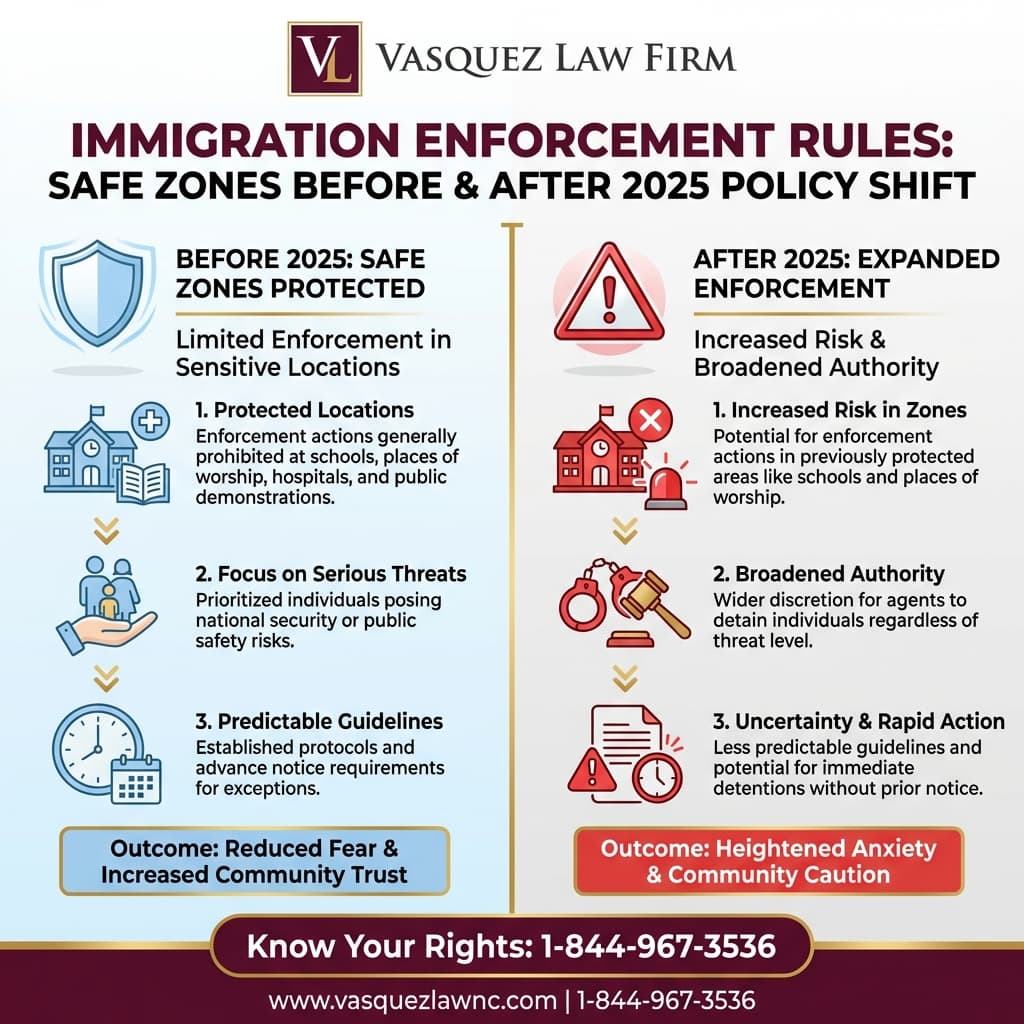
Recent developments, including warnings from chief federal judges in Minnesota regarding ICE's compliance with judicial orders, underscore the dynamic nature of immigration enforcement. These warnings highlight the critical importance of due process and the protection of individual liberties, even in enforcement actions. For immigrants and their families in Minnesota, this means staying informed about their rights and understanding the legal framework that governs these interactions. The actions taken by federal agencies must always respect an individual's constitutional protections, and any perceived overreach can lead to legal challenges. Vasquez Law Firm is dedicated to monitoring these changes and providing up-to-date guidance to our clients.
Your Rights During Immigration Enforcement Encounters
Knowing your rights is paramount when encountering immigration enforcement in Minnesota. As a non-citizen, you still possess significant constitutional protections. The Fourth Amendment protects against unreasonable searches and seizures, meaning ICE officers generally need a warrant signed by a judge to enter your home. An administrative warrant, often issued by ICE itself, is not sufficient for forced entry into a residence. Always ask to see a judicial warrant before opening your door. If an officer does not have one, you are not required to let them in unless they can demonstrate probable cause that a crime is being committed inside.
The Fifth Amendment provides the right to remain silent. You are not required to answer questions about your immigration status, country of origin, or how you entered the United States. Simply state, "I wish to remain silent and would like to speak with an attorney." It is crucial to remember that anything you say can be used against you. Furthermore, if you are detained, you have the right to speak with a lawyer. Do not sign any documents without first consulting with an attorney. These rights apply to everyone in the United States, regardless of immigration status. Understanding and asserting these rights can significantly impact the outcome of an enforcement encounter.
What to Do If ICE Comes to Your Door
- Do not open the door: Unless they have a judicial warrant signed by a judge. Ask them to slide the warrant under the door or hold it up to a window for you to inspect.
- Verify the warrant: Ensure it's a judicial warrant, not an administrative warrant (Form I-200 or I-205). A judicial warrant will be signed by a judge and specify your address.
- Remain silent: You are not obligated to answer questions about your immigration status or citizenship.
- Document everything: If safe, try to record the interaction or write down details immediately afterward, including agent names, badge numbers, and vehicle descriptions.
- Contact an attorney: As soon as possible, contact an immigration attorney like those at Vasquez Law Firm.
The Immigration Detention and Deportation Process
If you or a loved one are detained during immigration enforcement in Minnesota, you will likely be transferred to an immigration detention facility. This can be a frightening and confusing time. The detention process typically involves initial processing, where your identity and immigration status are verified. Depending on the circumstances of your case, you may be eligible for release on bond or parole. However, some individuals, particularly those with certain criminal convictions or who are deemed a flight risk, may be subject to mandatory detention without the possibility of bond.
Once detained, you will enter the deportation (removal) process. This involves hearings before an immigration judge at an Executive Office for Immigration Review (EOIR) court. During these hearings, an immigration judge will determine if you are removable from the United States. You have the right to legal representation during these proceedings, and an attorney can help you understand the charges against you, present defenses, and apply for forms of relief from removal, such as asylum, cancellation of removal, or adjustment of status. Navigating the immigration court system is complex, and having experienced legal counsel is critical to protecting your rights and pursuing the best possible outcome.
For more information on navigating detention, consider reading our guide on ICE Detention and Refugee Rights or our article on Understanding Swift Deportations. These resources can provide further insights into the challenges faced during the detention and deportation process and how legal representation can help.
Common Mistakes to Avoid During Enforcement Encounters
During an immigration enforcement encounter in Minnesota, making certain mistakes can significantly jeopardize your case. One of the most common errors is providing false information or documents to an immigration officer. This can lead to severe penalties, including criminal charges and a permanent bar from future immigration benefits. Always be truthful, but remember your right to remain silent regarding your immigration status. Another critical mistake is signing any document presented by an ICE officer without fully understanding its contents or without consulting an attorney. These documents could include a Notice to Appear (NTA), a Voluntary Departure agreement, or a Stipulated Order of Removal, all of which have serious legal consequences.
Resisting arrest or obstructing an officer, even if you believe the arrest is unlawful, can also lead to criminal charges and complicate your immigration case. It is important to cooperate physically, but always assert your right to remain silent and to speak with an attorney. Additionally, failing to inform your family or an attorney of your detention promptly can delay crucial legal assistance. Many individuals also fail to remember specific details of the encounter, such as agent badge numbers, vehicle descriptions, or the exact questions asked. Documenting these details immediately after an encounter can be invaluable for your legal defense. Finally, waiting too long to seek legal counsel is a major mistake; early intervention by an experienced immigration attorney can often prevent deportation or secure release from detention. Vasquez Law Firm emphasizes proactive legal engagement to protect your future.
If you only remember one thing: Assert your right to remain silent and immediately ask to speak with an attorney. Do not sign anything without legal counsel.
Seeking Legal Help for Immigration Enforcement in Minnesota
Facing immigration enforcement in Minnesota can be overwhelming, but you do not have to navigate it alone. An experienced immigration attorney can provide invaluable assistance throughout the entire process, from initial encounters with ICE to representing you in immigration court. A lawyer can help you understand the specific charges against you, evaluate your eligibility for various forms of relief from removal, and prepare a strong legal defense. They can also assist with bond hearings, advocating for your release from detention, and ensure that your constitutional rights are protected at every stage.
At Vasquez Law Firm, we understand the complexities of immigration law and the profound impact enforcement actions have on individuals and families. Our team, serving clients across North Carolina, Florida, and nationwide for immigration matters, is dedicated to providing compassionate yet aggressive representation. We can help you gather necessary documentation, prepare compelling arguments, and navigate the intricate procedures of the immigration system. Early legal intervention is often key to achieving the best possible outcome, so do not hesitate to reach out for support. Protecting your future and fighting for your rights is our priority.
Why Choose Vasquez Law Firm for Immigration Enforcement
- Experienced Advocacy: Attorney Vasquez has over 15 years of experience in immigration law, understanding the nuances of federal enforcement actions.
- Bilingual Support: Se Habla Español. Our team ensures clear communication and cultural understanding for all clients.
- Strategic Defense: We develop personalized legal strategies tailored to the unique circumstances of your immigration enforcement case.
- Client-Centered Approach: We prioritize your rights and well-being, providing dedicated support through every step of the legal process.
Don't face your legal challenges alone. Our team is here to help you every step of the way.
Call today: 1-844-967-3536 | Se Habla Español
About Vasquez Law Firm
At Vasquez Law Firm, we combine compassion with aggressive representation. Our motto "Yo Peleo" (I Fight) reflects our commitment to standing up for your rights. We understand the unique challenges faced by immigrant communities and are dedicated to providing zealous advocacy to protect your future. With offices in North Carolina and Florida, and serving clients nationwide for immigration issues, we are strategically positioned to assist you with complex federal immigration matters.
- Bilingual Support: Se Habla Español - our team is fully bilingual, ensuring clear communication and understanding.
- Service Areas: We proudly serve clients in North Carolina, Florida, and across the nation for all immigration-related legal needs.
- Experience: With over 15 years helping clients navigate complex legal matters, Attorney Vasquez brings a wealth of knowledge and a proven track record.
- Results: Our firm has achieved thousands of successful cases across multiple practice areas, demonstrating our commitment to positive outcomes.
Attorney Trust and Experience
Attorney Vasquez holds a Juris Doctor degree and is admitted to practice in both the North Carolina State Bar and Florida Bar. With over 15 years of dedicated legal experience, he has built a reputation for providing personalized attention and achieving favorable outcomes for his clients. His deep understanding of immigration law, coupled with a compassionate approach, makes him a trusted advocate for those facing challenging legal situations. He is committed to upholding justice and fighting tirelessly for the rights of the immigrant community.
Frequently Asked Questions About Immigration Enforcement in Minnesota
What is ICE's role in Minnesota?
ICE's role in Minnesota is to enforce federal immigration laws, including identifying, apprehending, and detaining non-citizens who have violated these laws. They conduct operations to locate individuals subject to removal orders, those who have overstayed their visas, or individuals who entered the U.S. without inspection. Their activities are governed by federal statutes and regulations, and recent judicial oversight in Minnesota has emphasized the importance of adhering to legal protocols and constitutional rights during these enforcement actions.
Can local police in Minnesota enforce immigration laws?
Generally, local police in Minnesota do not have the authority to enforce federal immigration laws directly. However, they may cooperate with federal immigration authorities like ICE under certain circumstances, such as through detainers or information-sharing agreements. While some local agencies might assist in apprehending individuals with active immigration warrants, they cannot independently question individuals about their immigration status without a valid legal basis. Understanding the limits of local police authority is crucial for immigrants in Minnesota.
What should I do if ICE stops me on the street in Minnesota?
If ICE stops you on the street in Minnesota, you have the right to remain silent. You are not required to answer questions about your immigration status, country of origin, or how you entered the U.S. Politely state, "I wish to remain silent and would like to speak with an attorney." Do not show false documents. You can refuse a search of your belongings unless they have a warrant or probable cause. Try to remember details of the encounter and contact an attorney as soon as possible.
Do I have to open my door if ICE agents are outside my home?
No, you do not have to open your door to ICE agents unless they have a judicial warrant signed by a judge, specifically naming you and your address. An administrative warrant (Form I-200 or I-205) is not sufficient to force entry into your home. Always ask agents to slide any warrant under the door or hold it up to a window for inspection before opening. If they do not have a judicial warrant, you can keep your door closed and speak through it.
What is the difference between an administrative warrant and a judicial warrant?
An administrative warrant is issued by an immigration officer or ICE and allows for the arrest of an individual but does not authorize entry into a home without consent or other legal justification. A judicial warrant, on the other hand, is issued by a federal judge and grants law enforcement specific authority, including the power to enter a designated property. For forced entry into a private residence, ICE needs a judicial warrant. Knowing this distinction is vital to protecting your Fourth Amendment rights.
If detained by ICE in Minnesota, can I get a bond?
Whether you can get a bond if detained by ICE in Minnesota depends on various factors, including your immigration history, criminal record, and whether you are considered a flight risk or a danger to the community. Some individuals are eligible for bond hearings before an immigration judge, who determines the bond amount. Others, particularly those with serious criminal convictions or certain immigration violations, may be subject to mandatory detention without bond. An attorney can help determine your eligibility and advocate for your release.
How can an immigration lawyer help with enforcement issues in Minnesota?
An immigration lawyer can provide crucial assistance with enforcement issues in Minnesota by advising you on your rights, representing you in immigration court, and advocating for your release from detention. They can challenge unlawful arrests, help you apply for relief from removal, prepare you for hearings, and ensure all legal procedures are followed correctly. Having an attorney significantly increases your chances of a favorable outcome, protecting you from deportation and securing your future in the U.S.
Are there specific challenges for Dreamers in Minnesota regarding enforcement?
Dreamers in Minnesota, referring to individuals who came to the U.S. as children, face unique challenges regarding immigration enforcement. While Deferred Action for Childhood Arrivals (DACA) provides temporary protection from deportation and work authorization, it is not a permanent solution and its future remains uncertain. DACA recipients can still be subject to enforcement if their status lapses or if they commit certain crimes. An attorney can help Dreamers understand their current protections, explore pathways to permanent status, and navigate any enforcement encounters.
What role do federal courts play in Minnesota immigration enforcement?
Federal courts, particularly the District Court of Minnesota, play a critical oversight role in immigration enforcement. They ensure that federal agencies like ICE adhere to constitutional rights and legal procedures. Recently, federal judges in Minnesota have issued stern warnings to ICE, emphasizing compliance with judicial orders and due process. This judicial scrutiny provides an important check on executive power and offers a potential avenue for individuals to challenge unlawful enforcement actions, highlighting the importance of legal counsel to leverage these protections.
What is the current outlook for immigration enforcement in Minnesota in 2026?
The outlook for immigration enforcement in Minnesota in 2026 continues to be shaped by federal policies, judicial oversight, and local dynamics. While the overall federal enforcement priorities remain focused on national security and public safety, the specific tactics and intensity can vary. Recent judicial interventions suggest a continued emphasis on accountability for federal agencies. It is essential for non-citizens in Minnesota to stay informed about their rights and to seek proactive legal advice, as the landscape can change, making informed decisions vital for personal and family security.
Sources and References
- U.S. Citizenship and Immigration Services (USCIS)
- Executive Office for Immigration Review (EOIR)
- 8 U.S. Code § 1229a - Removal proceedings
Need immigration help? Our immigration attorneys can review your case.
Ready to take the next step? Contact Vasquez Law Firm today for a free, confidential consultation. We're committed to fighting for your rights and achieving the best possible outcome for your case.
Start Your Free Case Evaluation Now
Call us: 1-844-967-3536
Se Habla Español - Estamos aquí para ayudarle.


William Vasquez
Founder & CEO, Vasquez Law Firm, PLLC
William Vasquez is the founder and CEO of Vasquez Law Firm, PLLC, a results-driven firm specializing in immigration, criminal defense, personal injury, and workers' compensation. A U.S. Air Force veteran and recipient of the Joint Service Achievement Medal, William is dedicated to fiercely fighting for his clients' rights.
Related Legal Services
Need legal help? Learn more about our immigration legal services, or contact us for a free evaluation.
You can also visit North Carolina immigration law firm for more information.