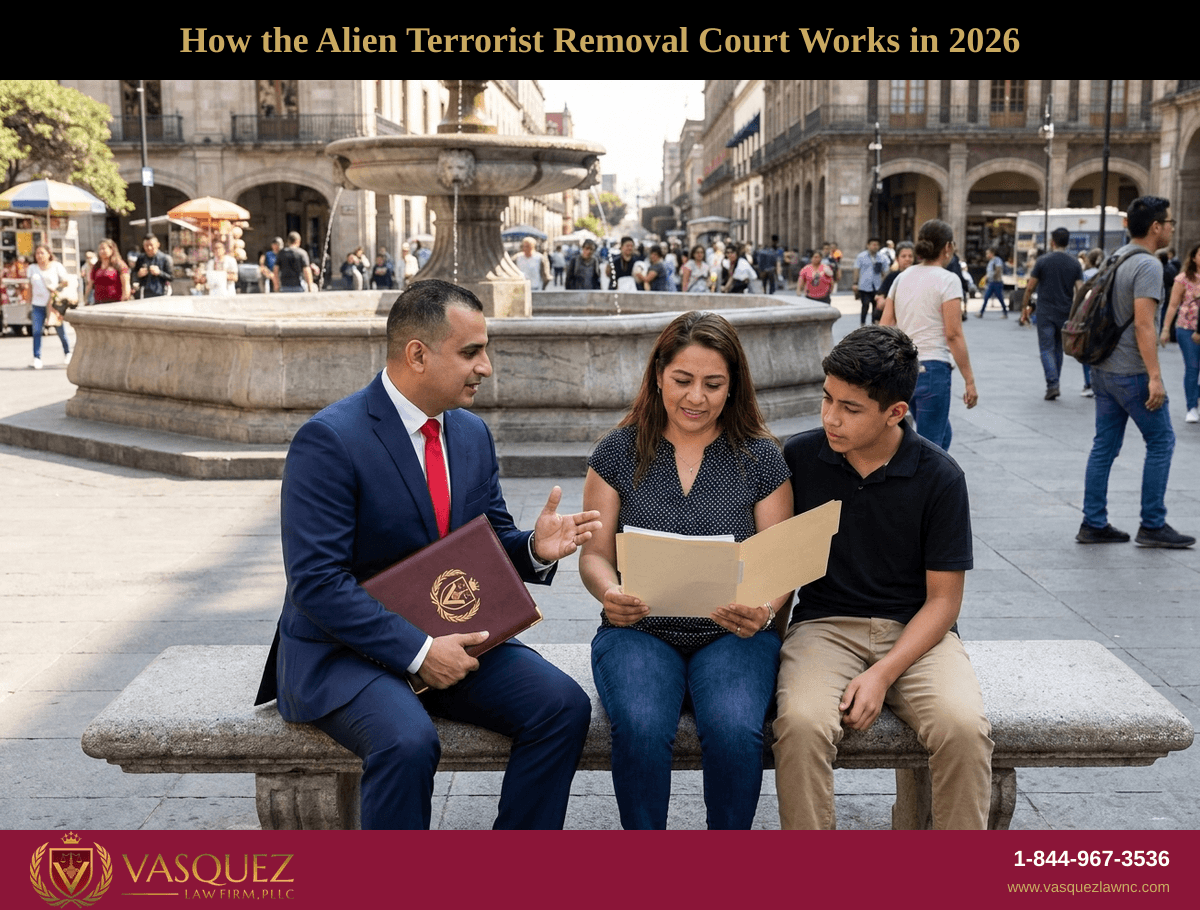
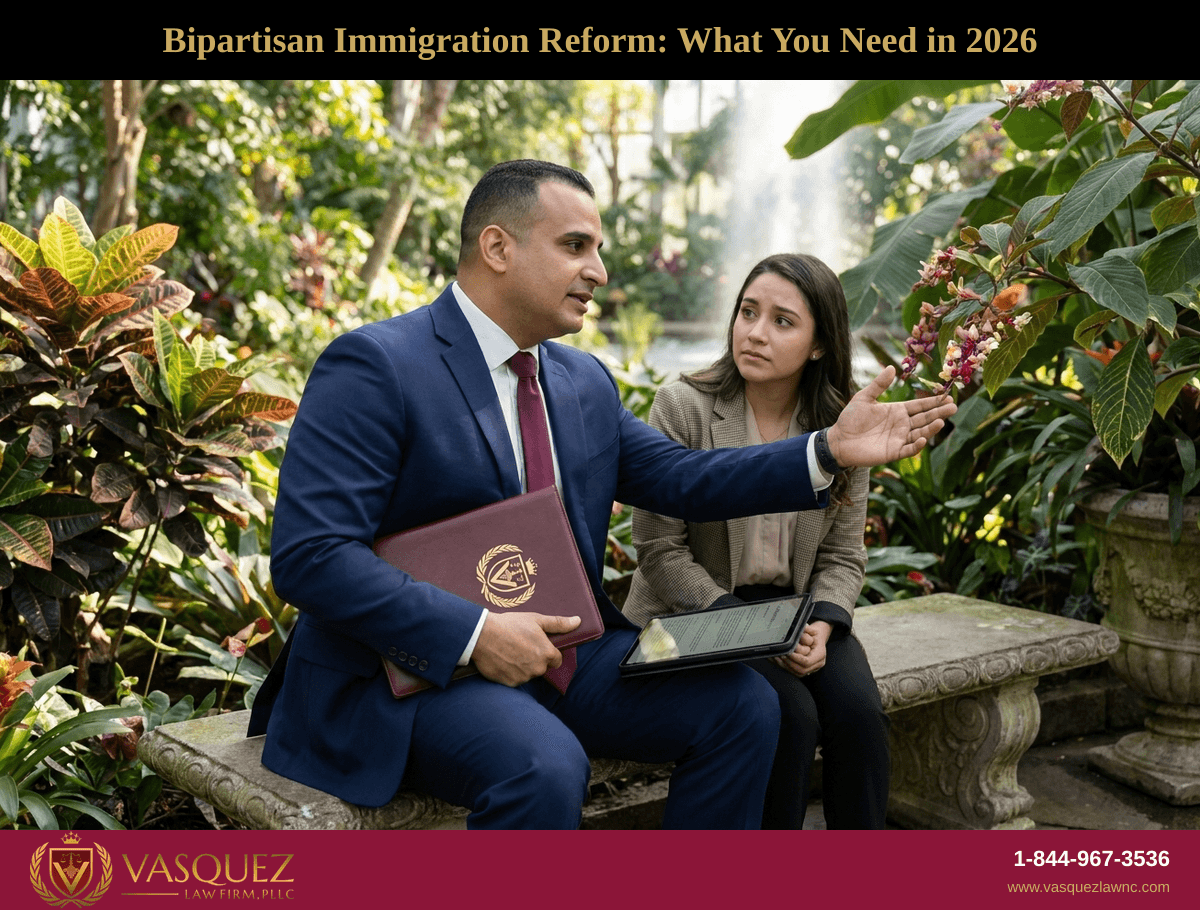
Bipartisan Immigration Reform: What You Need in 2026
Learn about bipartisan immigration reform in 2026, why the Biden immigration bill was blocked, and what it means for you. Contact Vasquez Law for help.
Published on September 12, 2026
Talk to an immigration attorney
Free call. A clear plan for your case.
Free & confidential · Se habla espanol · 24/7
Have questions? Talk to an attorney - free evaluation.
Call 1-844-967-3536Worried how the latest immigration news affects you?
Schedule a confidential case review with an immigration attorney - know exactly where you stand.
USCIS Case Status
Check your USCIS case status
Enter your receipt number and get the official status. Free, no registration.
Bipartisan Immigration Reform: What You Need in 2026
Bipartisan immigration reform means both major political parties working together to change U.S. immigration laws. Many bills, including the recent Biden immigration bill, have faced big problems and delays. In 2026, immigrants in North Carolina and Orlando, FL, still feel the effects of these delays. These problems affect work visas, legal status, and asylum processing. It is important for Dreamers, workers, and families to understand the history and current situation of bipartisan immigration reform. This article explains the main bills, challenges, and your legal options in Raleigh, NC, and Orlando, FL.
Need help with your case? Attorney William J. Vasquez is ready to fight for you. Se Habla Español.
Or call us now: 1-844-967-3536
Quick Answer
Bipartisan immigration reform means efforts by both Democrats and Republicans in Congress to change U.S. immigration laws. Many bills, including the recent Biden immigration bill, have been blocked. This stops new ways to get legal status and more work visas. Immigrants in Raleigh, NC, and Orlando, FL, should talk to experienced attorneys to learn how these problems might affect their cases.
- Bills often include border security and visa changes
- Political disagreements often stop laws from passing
- DACA and Dreamers face uncertainty because reforms are delayed
- Work visas and asylum cases are slowed down
- Local legal help is very important in 2026
Understanding Bipartisan Immigration Reform
In 2013, the Senate passed a bipartisan immigration bill called S.744. This bill wanted to improve immigration rules by making border security stronger and giving undocumented immigrants, including Dreamers, a legal way to stay. Dreamers are young people brought to the U.S. as children without legal papers. But the House of Representatives did not approve the bill. Now in 2026, similar bipartisan bills, including the Biden immigration bill, have also been blocked. The main reason is disagreements about how to enforce laws and how strong border security should be.
The word bipartisan means both Democrats and Republicans support something. This shows rare teamwork on immigration. But the main fights are about how strict border rules should be and what legal status immigrants should get. Some people worry about being too soft. Others focus on helping people and the economy.
Because of these fights, many immigrants still do not have clear legal status. Visa programs, like work visas such as H-1B or family-based petitions, are affected. Also, asylum cases take a long time. Many immigrant families live in Raleigh, NC, and Orlando, FL. It is very important for them to keep up with immigration reform news.
Successful bipartisan immigration reform requires compromise on several fronts. For example, some proposals suggest increasing border security funding while simultaneously creating pathways for undocumented immigrants to gain legal status. This dual approach aims to address concerns from both parties, balancing enforcement with humanitarian considerations. However, agreeing on the specifics, such as how much funding to allocate or eligibility criteria for legal status, remains challenging.
Practical examples highlight the impact of stalled reform. For instance, a tech worker in Orlando waiting for an H-1B visa extension may face delays because visa caps remain unchanged. Similarly, a Dreamer in Raleigh hoping for permanent residency must navigate the complexities of temporary protections without clear legislative backing. These real-life scenarios underscore the urgent need for bipartisan solutions that address diverse immigrant experiences.
Community organizations in both North Carolina and Florida play a vital role in educating immigrants on their rights and available options amid legislative uncertainty. Workshops, legal clinics, and outreach programs help individuals understand how stalled reforms affect their status and what steps they can take. Engaging with such resources can empower immigrants to remain proactive despite the political gridlock.
To learn more about immigration legal help in our areas, see our immigration legal services.
Key Steps to Take Amid Legislative Changes
When immigration reform stops moving, you should focus on what you can control. First, keep your immigration papers up to date. For example, renewing protections like DACA takes about 14 to 22 months now, according to U.S. Citizenship and Immigration Services processing times. If you wait too long to apply, you might lose your protections.
Second, talk to experienced immigration attorneys in Raleigh, NC and Orlando, FL. At Vasquez Law Firm, Attorney William J. Vasquez have helped thousands of clients with these reforms. They can advise you on other options like adjustment of status (which means changing your legal status while in the U.S., under 8 U.S.C. § 1255) or temporary protected status (a special permission to stay because of unsafe conditions in your home country).
Third, learn if you qualify for work visas or family petitions. Even though new laws are blocked, current laws still apply. You must meet the rules in 8 C.F.R. § 245.1. Knowing your status helps you avoid problems in this complex system.
Additionally, keeping detailed records of all correspondence with immigration authorities, including receipts, notices, and appointment confirmations, can be crucial. In case of delays or requests for additional evidence, having organized documentation ensures timely responses that protect your application or status.
For example, workers on temporary visas like H-2B in North Carolina should monitor expiration dates carefully and initiate renewal processes well in advance. Similarly, asylum seekers in Florida should regularly check their case status through official channels and communicate promptly with legal counsel to address any procedural hurdles.
Proactively attending immigration workshops and legal aid sessions can also provide updated information on how to navigate the system during reform delays. These sessions often offer practical guidance on complex topics like travel authorization or renewing advance parole, helping immigrants maintain lawful status while awaiting legislative changes.
Don't wait to get the help you deserve. Call us now for immediate assistance.
Se Habla Español
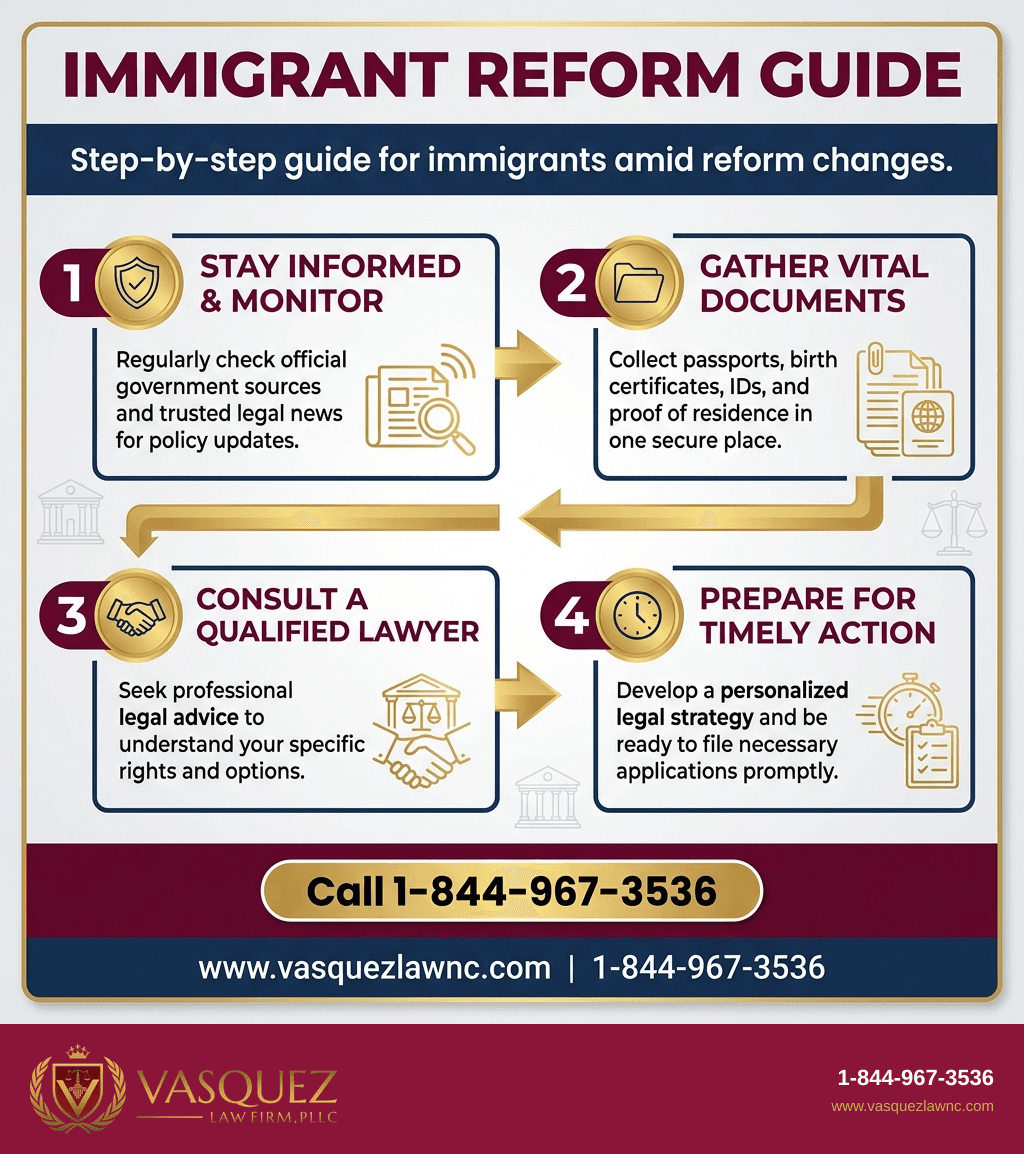
Step-by-step checklist
- Check your current immigration status and important deadlines.
- Gather important documents like passports, I-94 forms (which show your arrival and departure), and petitions.
- Talk to an immigration lawyer about other ways to stay during delays in new laws.
- Apply or renew your papers early to avoid losing work or legal status.
- Watch for official news from USCIS and immigration courts.
Common Mistakes to Avoid with Immigration Reform
- Waiting too long to renew protected statuses — apply 6 months before they expire.
- Ignoring local legal changes in North Carolina or Florida immigration rules.
- Thinking new laws will pass quickly — be ready for delays that last years.
- Believing wrong information from unofficial sources or social media.
- Missing deadlines for visa or petition applications because of confusion.
- Not talking to qualified immigration attorneys who know federal and local laws.
- Not keeping copies of all your immigration papers and letters.
If you only remember one thing: always talk to local immigration experienced attorneys early.
One common mistake is relying heavily on social media or hearsay instead of verified legal information. For example, immigrants might rush to apply for programs they do not qualify for, wasting precious time and fees. Legal experienced attorneys can help clarify eligibility and avoid such pitfalls.
Another error is underestimating the importance of local nuances. Immigration enforcement and court processes can vary in Raleigh versus Orlando due to different jurisdictions and resources. Staying informed about local updates and consulting attorneys familiar with these areas can prevent unforeseen complications.
Finally, some immigrants neglect to keep multiple copies of their immigration documents. In case of loss, damage, or requests for evidence, this oversight can cause significant delays. Organizing digital and physical copies in a secure place is a best practice during uncertain legislative periods.
Timeline and What to Expect for Immigration Bills
Immigration reform usually takes many years. The 2013 Senate bill passed the Senate but stopped in the House. This shows even bipartisan support faces problems. In 2026, the Biden immigration bill was also blocked in Senate committees after many months of discussion.
Immigration bills usually go through committee reviews, changes, and talks before a vote. This process can take 12 to 24 months or more. When bills stop moving, they often stay on hold until politics change.
For immigrants in North Carolina and Orlando, FL, this means rules about DACA, asylum, and work visas might change but are unclear now. USCIS processing times in 2026 for many forms are still long, making it harder to update your status.
- 6-12 months: Writing and committee review
- 12-18 months: Debates and changes on the floor
- 18-24 months: Final votes and president’s approval or veto
- 24+ months: Putting laws into action and official guidance
It is important to understand that each phase of the legislative process involves complex negotiations and potential amendments. For example, during the committee review phase, key stakeholders such as advocacy groups and government agencies may provide input that shapes the bill's provisions. This can result in significant changes from the original draft.
Furthermore, political shifts, such as changes in Congressional majority or public opinion, can accelerate or delay progress. For instance, a midterm election outcome may change the balance of power, influencing the willingness of lawmakers to support immigration reform. Immigrants and their advocates must remain attentive to these dynamics to anticipate impacts on ongoing legislation.
In practical terms, this timeline affects individuals awaiting relief or status adjustments. A prospective immigrant with a pending family petition might face uncertainty for months or years before new rules provide clarity. Meanwhile, employers relying on guest worker visas must navigate current quotas and restrictions, often resulting in workforce challenges. Understanding this timeline helps set realistic expectations and encourages proactive planning.
Frequently Asked Questions
What is bipartisan immigration reform?
Bipartisan immigration reform refers to legislative efforts by both major political parties to revise immigration laws, addressing border security, legal status, and visa programs. These reforms aim to balance enforcement with pathways for undocumented immigrants and legal visa holders. Such cooperation is rare but important as it seeks to create sustainable policies that reflect diverse political and social priorities. Effective reform requires compromise on security, humanitarian concerns, and economic needs to benefit the country as a whole.
Why was the Biden immigration bill blocked?
The Biden immigration bill was blocked mainly due to political disagreements over enforcement and border security provisions. Senate Republicans expressed concerns about leniency and funding, causing the bill to stall in 2026. These disagreements included debates over how to secure borders effectively while providing pathways for undocumented immigrants. Additionally, concerns about the bill's impact on immigration levels and resource allocation contributed to the impasse, reflecting broader partisan divides on immigration policy.
What happened to the bipartisan immigration bill under Trump?
The bipartisan bill during Trump's administration failed to pass Congress due to differing views on enforcement. Trump shifted focus to executive orders rather than legislative reforms. This change meant that many immigration policies were implemented through administrative actions, which can be reversed or modified by subsequent administrations, leading to uncertainty for immigrants. The failure to pass comprehensive reform left many issues unresolved, affecting immigration enforcement and protections.
When was the last significant immigration reform?
The Immigration Reform and Control Act of 1986 was the last major overhaul granting amnesty to millions. Later efforts like the 2013 bill did not become law. This 1986 act legalized many undocumented immigrants and introduced employer sanctions for hiring unauthorized workers. Since then, attempts at comprehensive reform have stalled, leaving current immigration policies fragmented and outdated relative to modern migration trends and economic demands.
Which president enacted the strictest immigration laws?
Trump administration policies included historic enforcement measures, travel bans, and attempts to rescind protections like DACA, marking some of the strictest immigration enforcement in recent history. These policies aimed to reduce both legal and illegal immigration through increased border security, visa restrictions, and interior enforcement. The administration's approach significantly affected immigrant communities, creating challenges for families, workers, and asylum seekers nationwide.
How does reform affect Dreamers?
Reform could provide permanent legal status and work permits to Dreamers. Meanwhile, many remain in temporary legal limbo awaiting congressional action. Without reform, Dreamers face uncertainty about their ability to work, study, or avoid deportation. Comprehensive reform would ideally grant them a path to citizenship, recognizing their contributions and long-term residence in the U.S., thereby stabilizing their legal status and allowing full participation in society.
Why did Republicans reject the bipartisan border bill?
Concerns about lenient enforcement and funding issues led Republicans to reject the border bill, emphasizing stricter border security measures. Some Republicans felt the bill did not do enough to prevent illegal immigration or adequately fund enforcement agencies. This rejection reflects a broader debate within the party about balancing humane immigration policies with national security and rule of law priorities.
How can I stay informed about immigration reform in NC and FL?
Stay updated through USCIS, local legal experienced attorneys like Vasquez Law Firm, and trusted government websites for real-time immigration policy changes. Subscribing to newsletters, attending community legal workshops, and consulting with qualified attorneys in Raleigh, NC, and Orlando, FL, can help you understand how reforms impact your specific situation. Staying informed allows you to respond promptly to changes and safeguard your immigration status.
About Vasquez Law Firm
At Vasquez Law Firm, we combine care with strong representation. Our motto "Yo Peleo®" means we fight hard for your rights as immigration laws change.
- Bilingual Support: Se Habla Español — fully bilingual support staff
- Service Areas: North Carolina, plus Florida and nationwide for immigration matters
- Experience: Over 15 years helping clients with complex immigration and legal problems
- Focus Areas: Immigration, personal injury, workers' compensation, criminal defense, and traffic violations handled in many practice areas
Attorney Trust and Experience
William J. Vásquez is licensed to practice law in North Carolina and Florida. Our team gives personal attention to every client’s case from our Raleigh, NC and Orlando, FL offices.
Take the first step toward justice today. Our team is ready to help. Se Habla Español.
Start Your Free Evaluation Now
Call us: 1-844-967-3536
Sources and References


William Vasquez
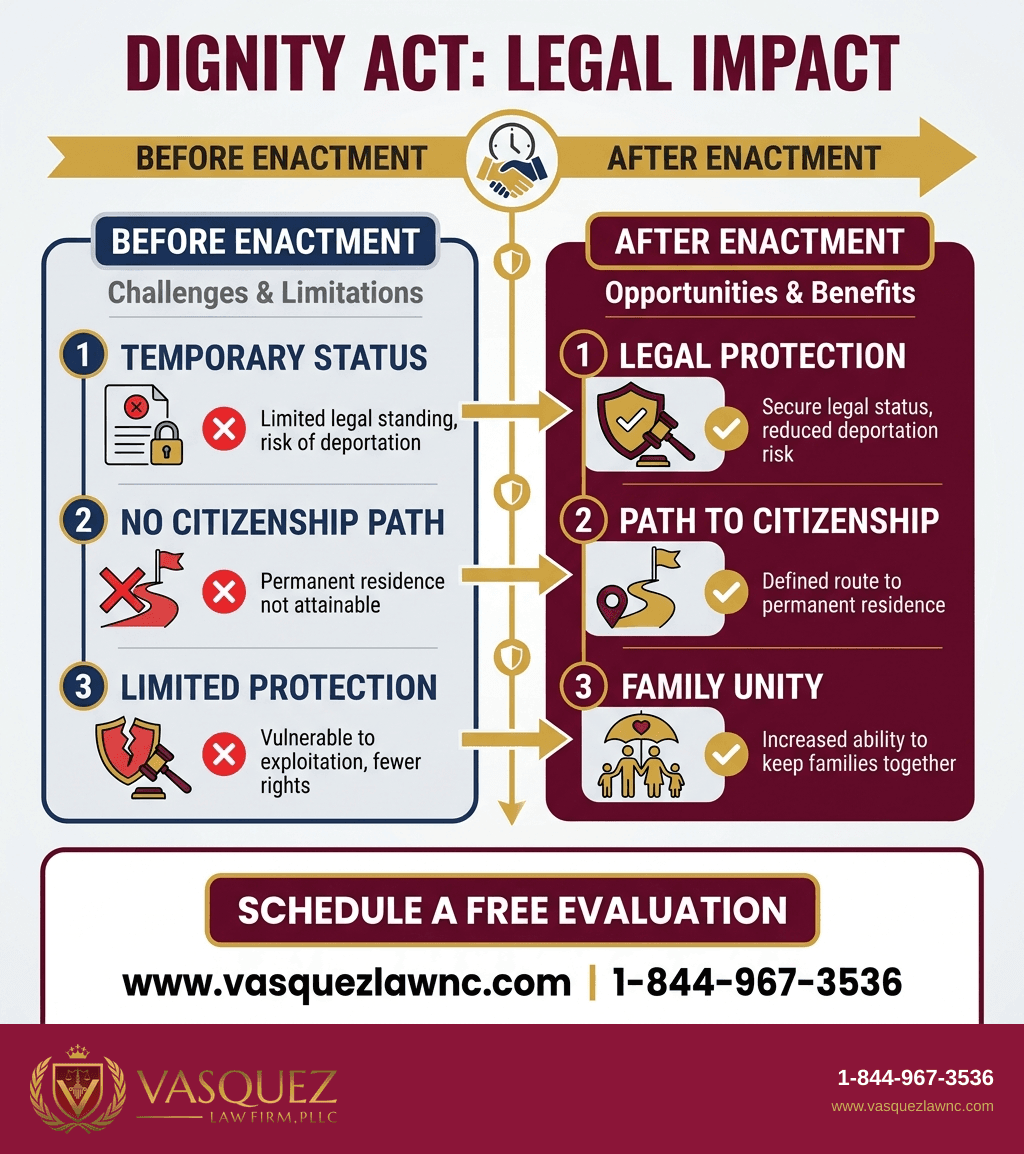
Founder & CEO, Vasquez Law Firm, PLLC
William Vasquez is the founder and CEO of Vasquez Law Firm, PLLC, a results-driven firm specializing in immigration, criminal defense, personal injury, and workers' compensation. A U.S. Air Force veteran and recipient of the Joint Service Achievement Medal, William is dedicated to fiercely fighting for his clients' rights.
Related Legal Services
Need legal help? Learn more about get immigration legal help today, or contact us for a free evaluation.
You can also visit North Carolina immigration lawyers for more information.