What Asylum Applicants Should Know About Applying in 2026
Wondering how asylum applicants apply in 2026? Learn key steps, timelines, and legal info. Contact Vasquez Law for a free evaluation today.
Published on August 1, 2026
Talk to an immigration attorney
Free call. A clear plan for your case.
Free & confidential · Se habla espanol · 24/7
Have questions? Talk to an attorney - free evaluation.
Call 1-844-967-3536Worried how the latest immigration news affects you?
Schedule a confidential case review with an immigration attorney - know exactly where you stand.
USCIS Case Status
Check your USCIS case status
Enter your receipt number and get the official status. Free, no registration.
What Asylum Applicants Should Know About Applying in 2026
People who apply for asylum face a difficult legal process to get protection in the United States. In 2026, new rules and procedures affect how applicants from Orlando, FL and Raleigh, NC should apply. This guide explains what asylum applicants need to know about who can apply, types of asylum, how long it takes, common mistakes, and when to get legal help to protect your rights well.
Need help with your case? Our experienced lawyers are ready to fight for you. Se Habla Español.
Or call us now: 1-844-967-3536
Quick Answer
Asylum applicants are people who ask for protection from harm in the U.S. They must file Form I-589, the official asylum application, usually within one year of arriving. They must meet specific rules to qualify and go to interviews or court hearings. In 2026, processing times change because of backlogs and new rules. Getting good legal help is very important to avoid common errors and improve your chance of getting asylum.
- File Form I-589 within 1 year of entry
- Know the difference between affirmative and defensive asylum
- Prepare strong proof that you fear persecution
- Go to all required interviews or hearings
- Get qualified legal help early
Understanding Asylum Applicants in 2026
Every year, tens of thousands of people apply for asylum in the United States to escape harm because of their race, religion, nationality, political opinion, or membership in a particular social group. In 2026, asylum rules stay complicated and often change. These changes affect how applicants from Orlando, FL, and Raleigh, NC, should apply.
Asylum applicants can apply for affirmative asylum by filing voluntarily with U.S. Citizenship and Immigration Services (USCIS). Or they can apply for defensive asylum to defend themselves in removal (deportation) court. Both ways need detailed papers and strict deadlines. Knowing the difference and the new 2026 rules is very important for anyone seeking protection.
If you or a family member want to apply, our immigration lawyers in Raleigh and Orlando can give advice based on the new rules. Learn more about our immigration attorneys in Raleigh and Orlando who help asylum applicants every step of the way.
Who Qualifies as an Asylum Applicant?
To be an asylum applicant, you must be physically in the United States or at a port of entry (a place where you officially enter the U.S.). You must show a believable fear of persecution (harm or unfair treatment) because of one of five protected reasons set by law: race, religion, nationality, political opinion, or membership in a particular social group. This fear must be real and supported by evidence.
Not all applications get asylum. Many applicants have trouble proving they qualify or miss important deadlines. Knowing the legal rules under 8 U.S.C. § 1158 and following USCIS rules in 8 C.F.R. § 208.4 can help improve your chance of success.
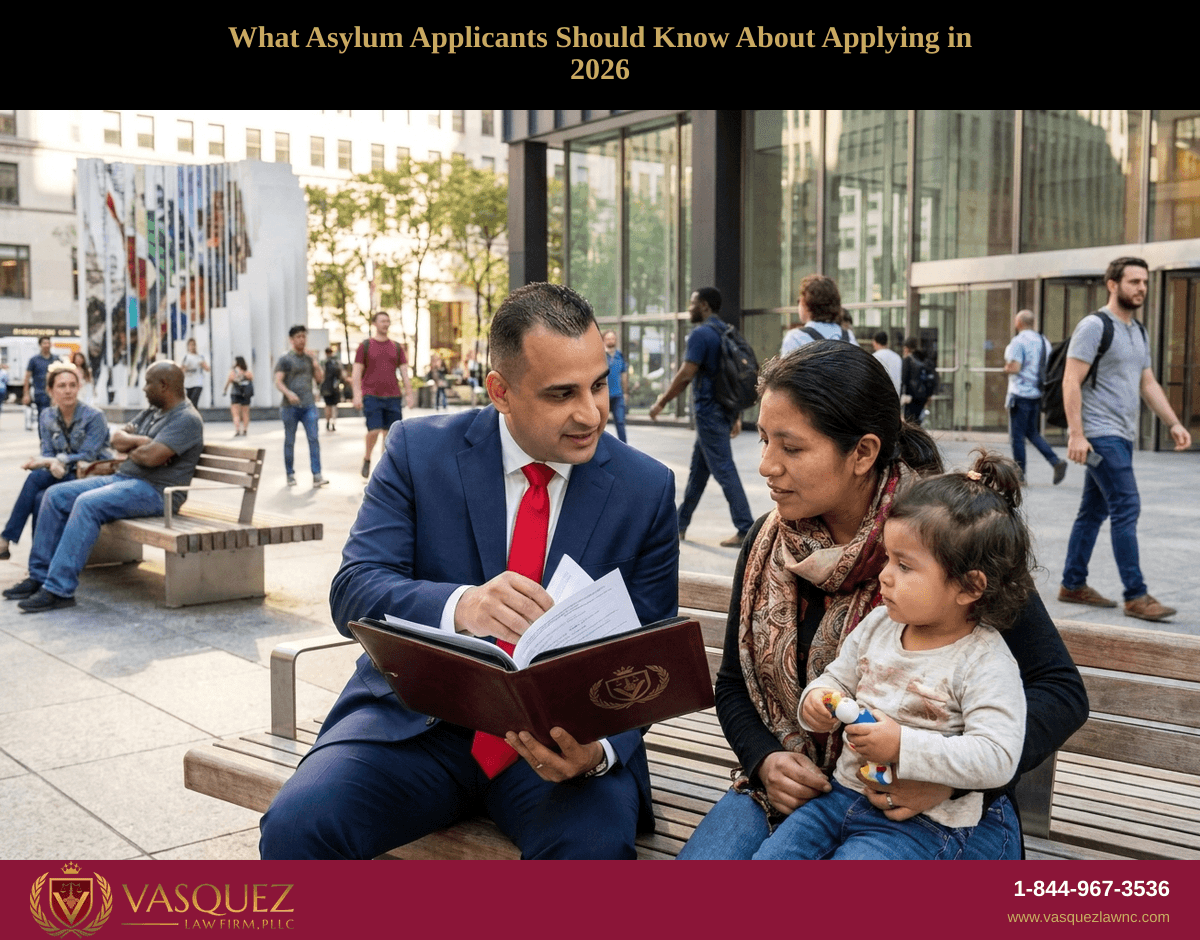
Step-by-step: How to Apply for Asylum
- Meet Eligibility Requirements: Make sure you qualify by showing you are in the U.S. or at a port of entry and have a real fear of persecution for a protected reason.
- Submit Form I-589: This is the official asylum application. You must file it within one year of your last arrival in the U.S., unless you qualify for exceptions.
- Attend Biometrics Appointment: USCIS will tell you when to come in to give fingerprints and other ID information for background checks.
- Prepare for the Asylum Interview or Hearing: Affirmative asylum applicants have interviews with USCIS officers. Defensive applicants have court hearings where they tell a judge their case.
- Receive Decision: USCIS may approve, deny, or send your case to immigration court. If denied, you may be able to appeal or ask to reopen your case with legal help.
Exceptions to the One-Year Rule
You can file after one year if you show changed circumstances or serious hardship. These exceptions need strong papers and legal arguments sent officially.
Documents and Evidence Checklist
- Valid ID like passports or national ID cards
- Proof of your entry date into the U.S.
- A detailed personal statement about the persecution you faced or fear
- Reports about conditions in your country or news articles that support your claim
- Sworn statements from witnesses who support your story
- Police or medical records related to persecution events
- Any past immigration or criminal records
- Translations for any documents not in English
Good documents make your case stronger and help you get ready for interviews or court.
Timeline: What to Expect During Processing
- Filing to Biometrics: Usually 2-4 months after you file Form I-589, USCIS sets a biometrics appointment to collect your fingerprints.
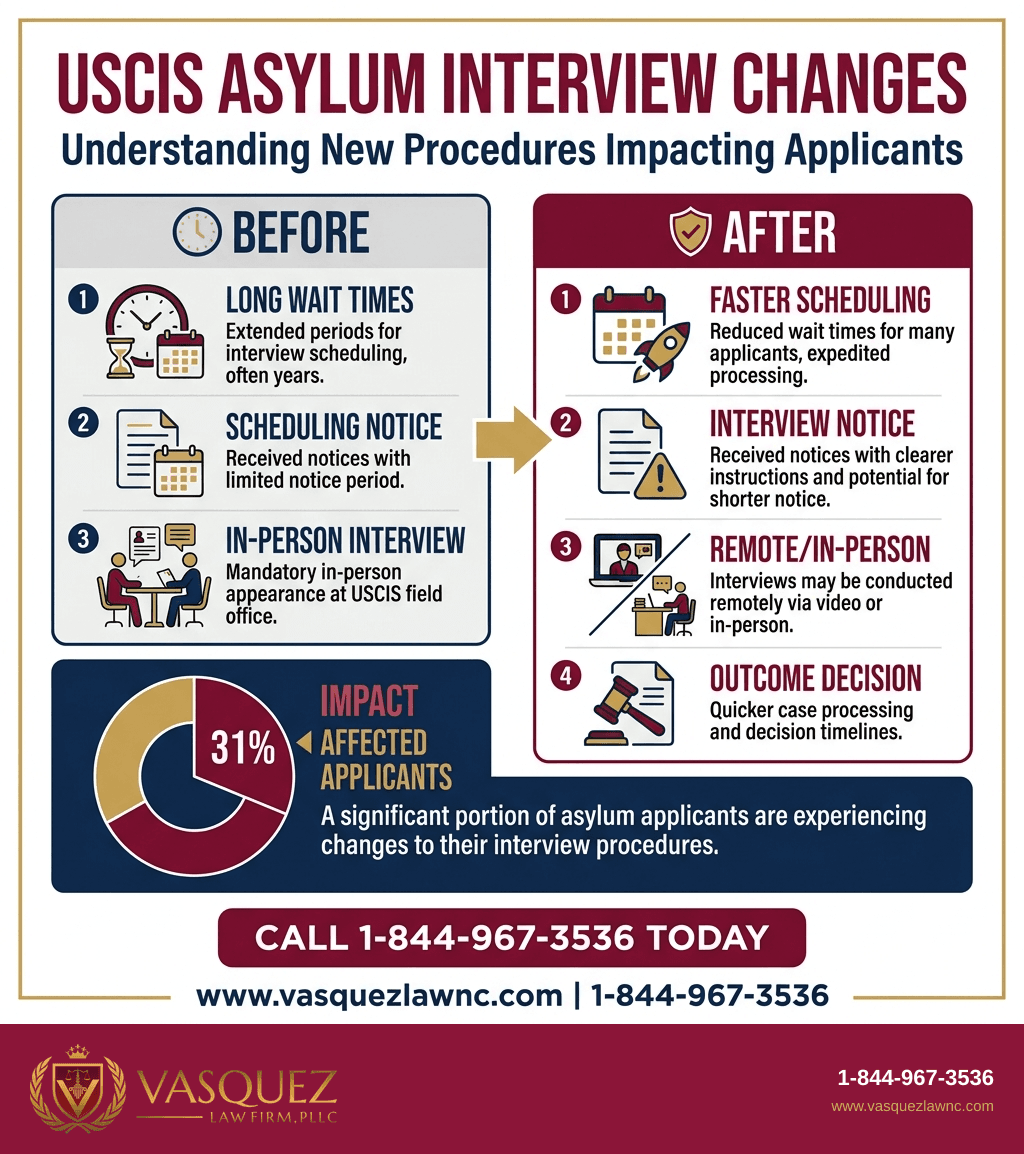
- Interview Scheduling: USCIS tries to schedule affirmative asylum interviews within 8-22 months after filing, but delays happen because of many cases in 2026.
- Defensive Asylum Hearings: Defensive asylum hearings before a judge can take a year or more because of court backlogs.
- Decision Notification: You may wait weeks or months after interviews or hearings to get a decision.
- Appeals Process: If denied, appeals to the Board of Immigration Appeals or federal courts can add months or years.
Check USCIS processing times for the latest info: https://egov.uscis.gov/processing-times/.
Costs and Fees: What Impacts the Price
- Application Fee: Filing Form I-589 is free now. But you may pay fees for biometrics or other immigration services.
- Legal Representation: Hiring a lawyer can cost from hundreds to thousands of dollars depending on how hard your case is.
- Translations and Document Preparation: Paying for certified translations or gathering evidence can add to costs.
- Travel and Time: You must go to appointments and hearings, which may need travel and time off work.
Many law firms, including Vasquez Law Firm, offer free case evaluations to explain likely costs and what you need to do.
Common Mistakes Asylum Applicants Make
- Missing the One-Year Deadline: Filing Form I-589 late can stop you from getting asylum unless you have a waiver.
- Submitting Incomplete Evidence: Giving unclear or unsupported claims weakens your case.
- Not Attending Interviews or Hearings: Missing appointments can cause automatic denial.
- Lying or Inconsistent Statements: Contradictions hurt your trustworthiness and may cause rejection.
- Ignoring Legal Advice: Trying to handle complex rules without a lawyer risks costly mistakes.
- Not Explaining Changed Circumstances: Missing the chance to ask for exceptions to the deadline.
- Failing to Report Address Changes: Lost notices can cause your case to be dismissed.
- Delaying Filing Due to Fear: Waiting too long can limit your options and protection.
If you only remember one thing: Filing on time with full evidence and legal help gives you the best chance to win.
Jurisdiction Notes for NC and FL Applicants
Federal immigration law applies everywhere, but local details matter. For asylum applicants in Raleigh, North Carolina, and Orlando, Florida, the USCIS Asylum Office sets interviews based on where you live. Removal hearings happen locally before immigration judges. Appeals happen in higher courts covering several states.
North Carolina Notes
Applicants in Raleigh usually go to interviews at the Charlotte Asylum Office or immigration courts nearby. Local legal help is available to assist with filing, gathering evidence, and court representation.
Florida Notes
In Orlando, asylum applicants often appear before the Miami USCIS Asylum Office and immigration courts. New rule changes may affect rights for Florida applicants. Getting expert legal advice from our Orlando office is important.
Nationwide Notes
USCIS and immigration courts follow federal laws like 8 U.S.C. § 1158 and rules in 8 C.F.R. § 208.4. These apply to all applicants no matter the state. National policy changes, including new 2026 standards, affect who qualifies and how cases are processed.
When to Call a Lawyer for Your Asylum Case
- If you are near or past the one-year filing deadline
- If you have a criminal record that may affect your eligibility
- If USCIS sets an interview or sends a Notice to Appear (NTA)
- If your asylum application was denied or you got a removal order
- If you need help gathering evidence or writing your personal statement
- If you are unsure about your eligibility or how to apply
- If you want to appeal or reopen a denied asylum case
- If things have changed in your country that affect your claim
About Vasquez Law Firm
At Vasquez Law Firm, we combine care with strong representation. Our motto "Yo Peleo®" (I Fight) shows our promise to stand up for your rights.
- Bilingual Support: Se Habla Español - Spanish-speaking lawyers and staff available
- Service Areas: North Carolina, plus Florida and nationwide for immigration
- Experience: Over 30 years helping clients with complex legal issues
- Results: Thousands of successful cases in many practice areas
Attorney Trust and Experience
William J. Vásquez is licensed by the North Carolina State Bar (2011) and the U.S. Courts of Appeals for the 4th, 5th, and 11th Circuits. The firm has given focused legal help since 2011, giving personal attention to each client. Our team knows the details of asylum law to help applicants from Orlando, FL and Raleigh, NC.
Don't wait to get the help you need. Call us now for fast assistance. Se Habla Español.
Frequently Asked Questions
What does asylum applicants mean?
Asylum applicants are individuals who request protection in the U.S. because they fear persecution in their home country. These applicants file form I-589 with USCIS to seek legal asylum based on factors such as race, religion, nationality, political opinion, or membership in a particular social group.
Is the U.S. still accepting asylum applications in 2026?
Yes, the United States is still accepting asylum applications in 2026. Applicants can file affirmative asylum within one year of arrival or through defensive asylum if facing removal proceedings. However, new rules affect processing and eligibility, so timely and proper filing is crucial.
What are common reasons asylum is denied?
Common reasons for denial include missing the one-year filing deadline, lack of credible evidence of persecution, criminal history, or involvement in persecution. Also, applicants barred by certain immigration laws or who cannot prove a well-founded fear of harm may be denied asylum.
What is the 1-year rule for asylum applicants?
The 1-year rule requires asylum seekers to file their application within one year of their last arrival in the U.S. Exceptions may apply for changed circumstances or extraordinary hardship. Late filings can result in denial unless a waiver is granted by USCIS or immigration courts.
What are affirmative and defensive asylum?
Affirmative asylum is a voluntary application filed with USCIS by individuals not in removal proceedings. Defensive asylum is a defense request filed with an immigration court when a person faces deportation. Both types require proving persecution fears but differ in procedure and timing.
How long does asylum processing take in 2026?
Asylum processing times vary but generally range from 8 months to over 2 years depending on the case type and backlog. According to USCIS processing times, form I-589 affirmative asylum currently averages 14-22 months. Defensive asylum hearings can take longer due to immigration court delays.
Can asylum applicants from outside the U.S. apply?
Generally, asylum applicants must be physically present in the U.S. or at a port of entry. Applying for asylum from outside is not permitted except through other visas or humanitarian parole. Some alternatives include refugee status programs or consular processing handled separately.
How can an attorney help asylum applicants?
An attorney can help prepare and file applications, gather evidence, meet deadlines, and represent applicants in USCIS interviews or immigration court. Navigating complex asylum laws and policy changes requires expert legal assistance to improve chances of approval and protect rights.
Sources and References
- U.S. Citizenship and Immigration Services
- Executive Office for Immigration Review
- Legal Information Institute
Take the first step toward justice today. Our team is standing by to help. Se Habla Español.
Start Your Free Evaluation Now
Call us: 1-844-967-3536
Se Habla Español - We're here to help you.

William Vasquez
Founder & CEO, Vasquez Law Firm, PLLC
William Vasquez is the founder and CEO of Vasquez Law Firm, PLLC, a results-driven firm specializing in immigration, criminal defense, personal injury, and workers' compensation. A U.S. Air Force veteran and recipient of the Joint Service Achievement Medal, William is dedicated to fiercely fighting for his clients' rights.
Related Legal Services
Need legal help? Learn more about immigration case consultation, or contact us for a free evaluation.
You can also visit immigration attorneys across North Carolina for more information.