AAPI Leaders Influence Immigration in Orlando in 2026
Discover how AAPI leaders impact immigration in Orlando. Learn key facts and protect your rights. Contact Vasquez Law for a free evaluation in 2026.
Published on June 16, 2026
Talk to an immigration attorney
Free call. A clear plan for your case.
Free & confidential · Se habla espanol · 24/7
Have questions? Talk to an attorney - free evaluation.
Call 1-844-967-3536Worried how the latest immigration news affects you?
Schedule a confidential case review with an immigration attorney - know exactly where you stand.
USCIS Case Status
Check your USCIS case status
Enter your receipt number and get the official status. Free, no registration.
AAPI Leaders Influence Immigration in Orlando in 2026
Asian American and Pacific Islander (AAPI) leaders play a crucial role in shaping immigration policies that affect communities in Orlando and beyond. As of 2026, their advocacy and political influence continue to grow, offering important opportunities and challenges for immigrants. This article explores who AAPI leaders are, their impact on immigration law and policy in North Carolina and Orlando, FL, and what immigrant communities should know to protect their rights in today’s changing landscape.
Need help with your case? Our experienced attorneys are ready to fight for you. Se Habla Español.
Or call us now: 1-844-967-3536
Quick Answer
AAPI leaders significantly influence immigration laws and policies that affect communities in Orlando and Raleigh. Their advocacy supports immigrant rights and fair process improvements in 2026.
- They hold elected offices shaping immigration legislation.
- Advocate for immigrant protections and services.
- Help increase community awareness about legal rights.
- Support policies that impact DACA and family-based immigration.
Understanding AAPI Leaders and Their Role
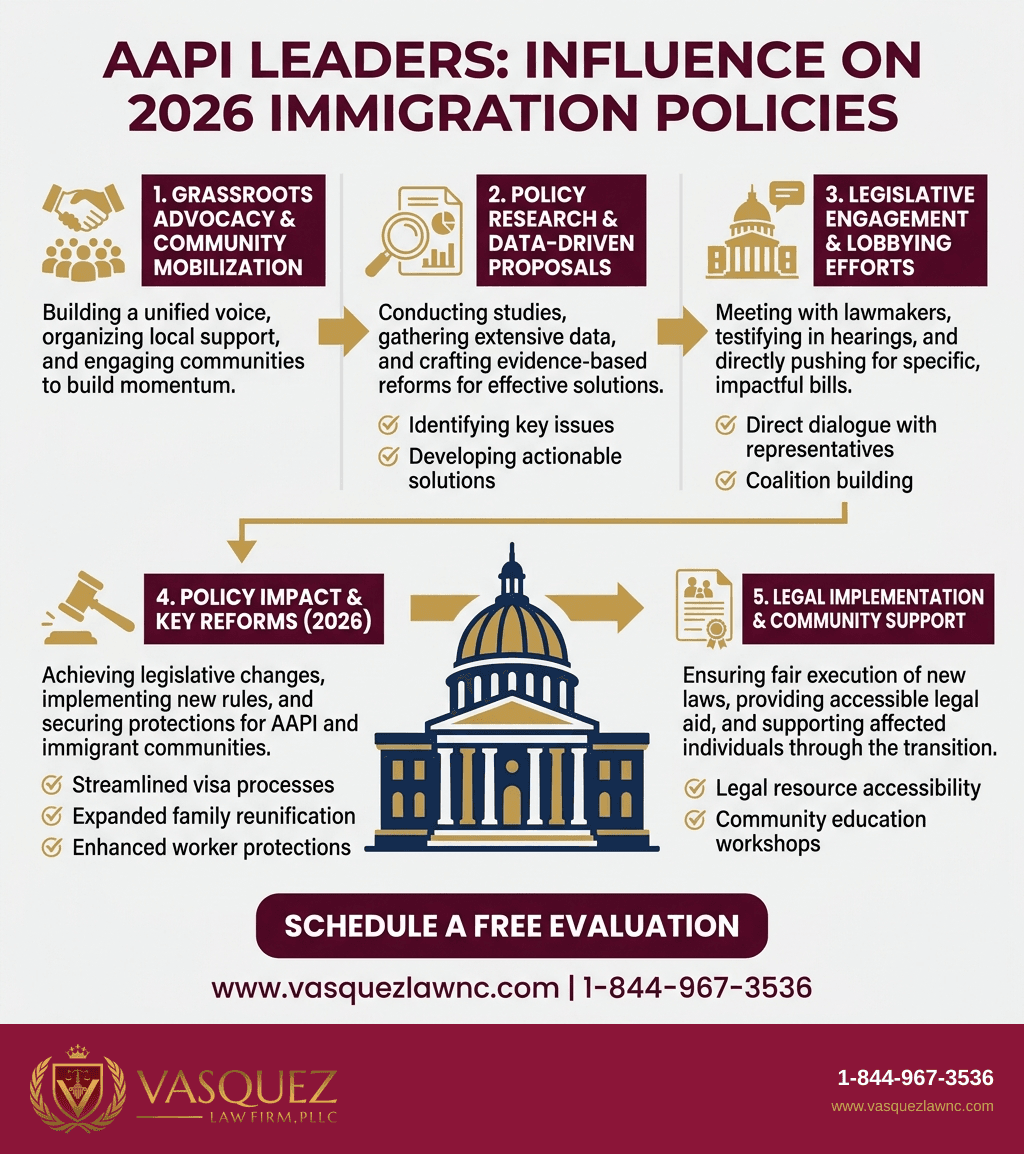
In 2026, Asian American and Pacific Islander leaders include elected officials, activists, and community organizers who represent diverse backgrounds from countries such as China, India, the Philippines, Vietnam, Samoa, and more. For example, several AAPI politicians currently hold seats in Congress and state legislatures in states like Florida and North Carolina, advocating for their communities. These leaders influence immigration policy by sponsoring bills, leading advocacy efforts, and engaging constituents on immigration and civil rights matters.
Famous AAPI figures like Vice President Kamala Harris—of Indian and Jamaican descent—serve as prominent examples of the community’s growing political influence. Others include senators and local officials who champion immigrant-friendly policies, help secure funding for legal aid, and combat discrimination.
Asian American activists today also contribute by organizing protests, educational campaigns, and outreach programs that encourage civic engagement and voter registration. Together, these influential Asian Americans and Pacific Islanders form a vital force that challenges inequalities and promotes immigrant integration.
This leadership is reflected in Orlando’s growing AAPI population, where local organizations work alongside lawyers to increase immigration law awareness and build political power. Immigrants seeking legal guidance should understand the role these leaders play in shaping the options available to them.
Moreover, AAPI leaders foster mentorship and empowerment within their communities by hosting workshops and seminars that explain immigration pathways and rights. For example, community centers in Orlando often collaborate with AAPI leaders to provide multilingual resources that help immigrants navigate complex legal processes. These efforts ensure that language barriers and cultural differences do not prevent members from accessing critical information.
In addition to political advocacy, many AAPI leaders engage in coalition-building with other minority groups to amplify their voices on immigration issues. Such alliances are crucial in lobbying for comprehensive immigration reform that addresses the needs of all immigrant communities. By bridging diverse perspectives, AAPI leaders help foster inclusive policies that promote social cohesion and equity.
Finally, AAPI leadership extends beyond elected officials to include influential business leaders, educators, and healthcare professionals who advocate for immigrant rights in their respective sectors. For instance, hospital administrators of AAPI descent may push for policies ensuring immigrant access to healthcare, while educators might promote programs supporting immigrant students. This multifaceted leadership strengthens the overall community resilience and integration.
The Impact of AAPI Leaders on Immigration Policy
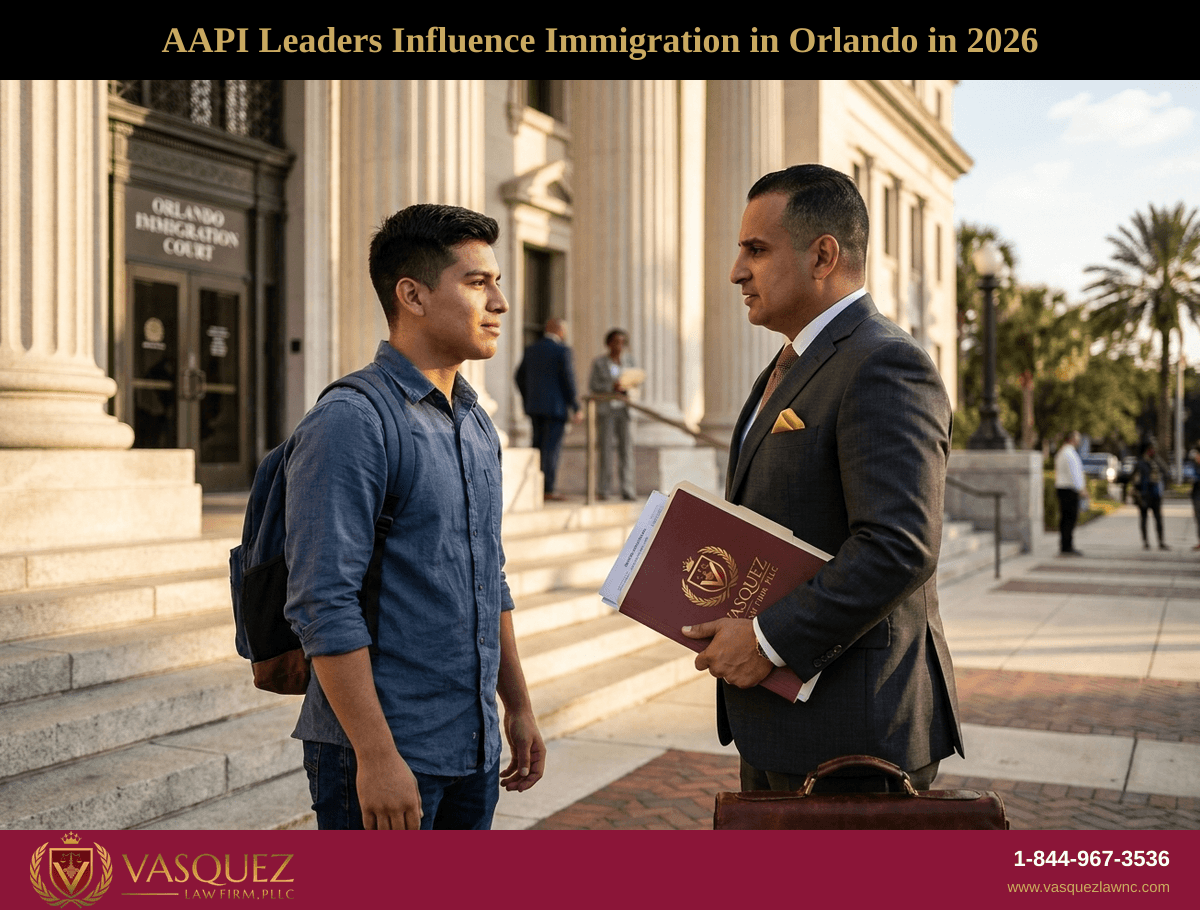
AAPI leaders have supported key immigration reforms at the federal and state level in 2026. Their efforts focus on strengthening protections for programs like DACA (Deferred Action for Childhood Arrivals) and expanding family reunification opportunities. In Orlando, these policies directly affect many immigrant families from Asian and Pacific Islander backgrounds.
For example, local AAPI politicians have pushed for increased funding for immigrant legal services in Florida, ensuring people facing deportation have access to quality representation. In North Carolina, advocacy has contributed to policies that protect immigrant workers and expand state benefits.
These leaders help raise awareness about processing delays. USCIS processing times vary; for instance, DACA renewals (Form I-821D) take approximately 14 to 22 months, as of June 2026, according to USCIS data (USCIS Processing Times). By highlighting such challenges, AAPI leaders encourage reforms that reduce backlogs and improve fairness.
Moreover, they support protections against anti-immigrant sentiment and policies that disproportionately impact AAPI communities. Notably, they address issues like workplace discrimination and racial profiling, which often intersect with immigration enforcement practices.
Understanding these efforts enables immigrants in Orlando and Raleigh to better advocate for their rights and take advantage of resources supported by these leaders. Our immigration legal services can assist you in navigating these complex policies.
### Legislative Initiatives and Community Outcomes
AAPI leaders have also played instrumental roles in advocating for legislation that enhances pathways to citizenship for undocumented immigrants, including those who arrived as children. For example, bills introduced by AAPI representatives often emphasize expanding eligibility criteria for Deferred Action and Temporary Protected Status (TPS), which have immediate effects on many families in Orlando.
At the local level, AAPI leaders have collaborated with city councils to establish sanctuary policies and municipal ID programs, which provide immigrants with increased safety and access to essential services. These local ordinances help reduce fear of deportation, allowing immigrant communities to participate more fully in civic life.
Furthermore, AAPI leaders actively participate in public forums and town halls to educate constituents about changes in immigration law. In such settings, they clarify misconceptions, provide updates on enforcement priorities, and connect immigrants with legal aid organizations. These engagements empower individuals to make informed decisions, such as applying for relief or preparing for immigration court proceedings.
### Addressing Intersectional Challenges
AAPI leaders recognize that immigration issues often intersect with broader social justice concerns, including gender equity, economic opportunity, and education access. For instance, many AAPI immigrant women face compounded challenges due to language barriers and limited employment options. Leaders advocate for policies that address these intersectional barriers by supporting workforce development programs and anti-discrimination laws.
In Orlando, initiatives spearheaded by AAPI leaders emphasize culturally competent services that consider the unique experiences of various subgroups within the community. For example, Pacific Islander immigrants may encounter distinct health or housing challenges compared to South Asian immigrants. Tailored policy responses help ensure equitable outcomes across the diverse AAPI spectrum.
### Coalition Building for Broader Impact
Recognizing the strength in numbers, AAPI leaders frequently partner with Latinx, Black, and Indigenous groups to advance comprehensive immigration reform. These coalitions advocate for a fairer immigration system that upholds human rights and economic justice. Through joint campaigns and coordinated lobbying efforts, they push federal lawmakers to consider the needs of all immigrant populations.
Such coalition-building also extends to grassroots mobilization, where AAPI leaders help organize community rallies and voter registration drives. These activities increase political participation among immigrants and allies, translating advocacy into electoral power that can influence immigration policymaking for years to come.
Common Mistakes in Immigration Cases Affecting AAPI Communities
Many immigrants affected by evolving immigration laws make avoidable errors that delay or jeopardize their applications. Common mistakes include missing deadlines, submitting incomplete or incorrect paperwork, and failing to provide necessary supporting evidence such as proof of continuous presence or family ties.
In addition, not consulting with a qualified attorney familiar with AAPI community challenges can result in misunderstandings about eligibility requirements or relief available. For example, some applicants underestimate the importance of knowing changes in policy affecting Deferred Action for Childhood Arrivals or family-based petitions.
Another mistake is not maintaining documentation of community ties or employment, which can be crucial for cancellation of removal or adjustment of status cases under INA § 240A(b). An immigration attorney can guide you on requirements to ensure applications are timely and complete.
Avoiding these common pitfalls improves chances for a successful application and prevents costly delays. If you live in Orlando or Raleigh, contact our legal team to review your case and avoid critical mistakes.
### Additional Practical Examples
One frequent error involves misunderstanding the specific forms required for relief. For instance, some immigrants mistakenly use the wrong version of the I-130 petition for family sponsorship, which can lead to outright denials or processing delays. AAPI legal advocates often remind clients to double-check USCIS updates and ensure they submit the correct, up-to-date documents.
Another common mistake is neglecting to disclose prior immigration violations or arrests, even minor ones, on applications. This omission can result in severe consequences, including denials or removal proceedings. For example, an applicant from the Filipino community in Orlando once faced deportation due to failing to report a past visa overstay. Proper legal advice would have mitigated these risks.
Also, failure to respond promptly to Requests for Evidence (RFEs) or Notices of Intent to Deny (NOIDs) is a common pitfall. These USCIS communications often require additional documentation or clarification. Missing deadlines or providing incomplete responses can lead to case dismissals. AAPI organizations frequently conduct workshops to educate immigrants on how to handle such correspondence effectively.
### Cultural and Language Barriers
Miscommunication due to language differences can cause critical mistakes in immigration applications. Without proper translation or interpretation, applicants might misunderstand instructions or provide inconsistent information. For example, a Vietnamese immigrant family in Raleigh struggled with form accuracy until they accessed bilingual legal assistance provided by AAPI community centers.
Additionally, some cultural factors may discourage individuals from seeking help early in the process, such as stigma around legal issues or distrust of authorities. AAPI leaders work to overcome these barriers by fostering trust through community outreach and culturally sensitive advocacy programs, ensuring immigrants feel supported throughout their cases.
### Importance of Timely Legal Consultation
Another critical mistake is delaying consultation with an immigration attorney until after receiving a denial or notice of deportation. Early legal intervention allows for strategic case preparation, evidence gathering, and identification of possible relief options. For example, an Indian immigrant in Orlando who contacted an attorney promptly was able to apply for asylum before accruing unlawful presence, significantly improving their chances of success.
Legal professionals familiar with AAPI community nuances can also advise on alternative pathways such as Special Immigrant Juvenile Status (SIJS) or U visas for victims of crime. Knowing about these less commonly used forms of relief can make a decisive difference in an immigrant's case.
Timeline of Immigration Processes in 2026
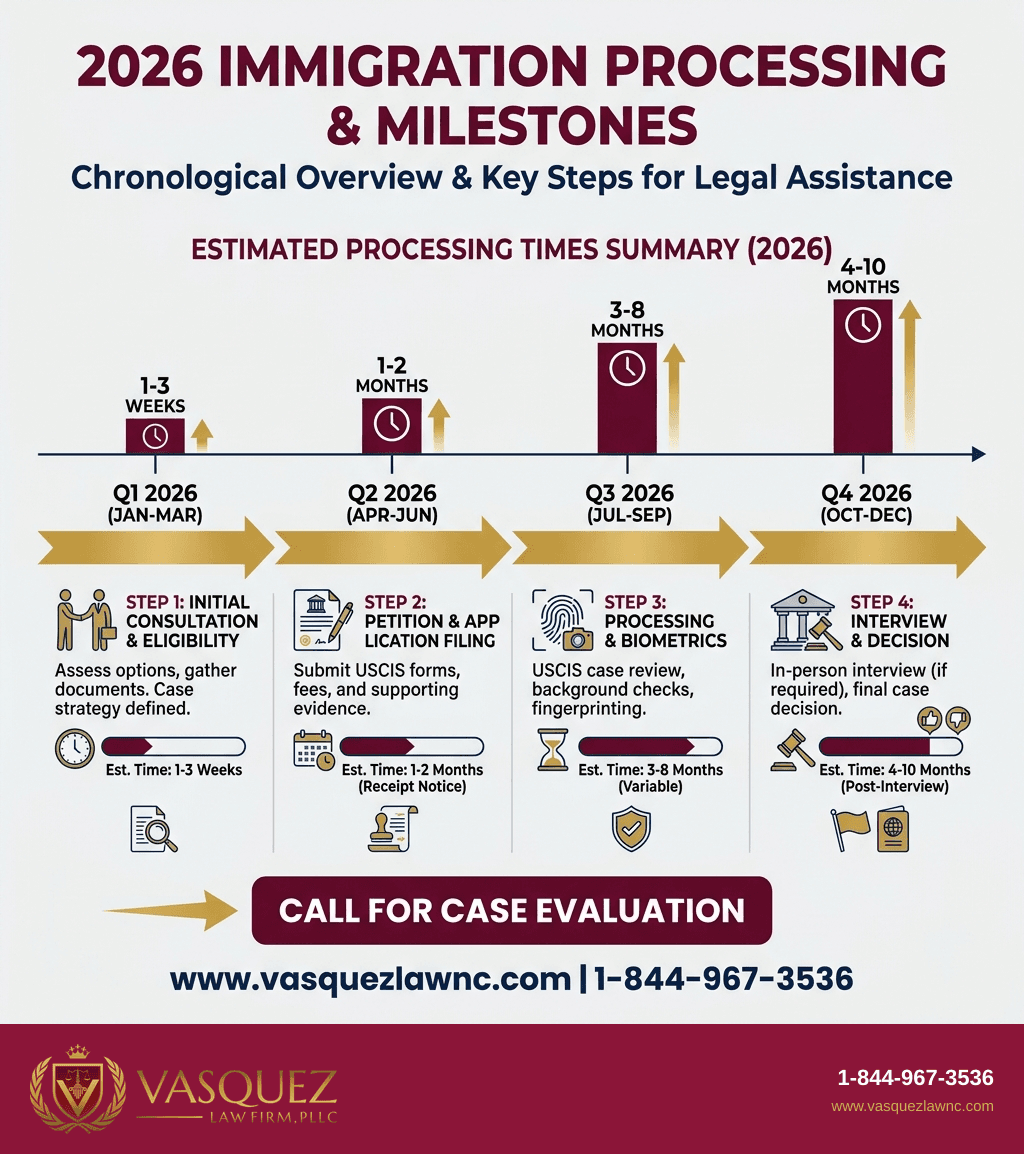
In 2026, immigration processing times vary by application type. For example, USCIS reports that DACA renewals (Form I-821D) typically take between 14 to 22 months nationwide (USCIS Processing Times). Family-sponsored visas and green card adjustments generally require several months to several years, depending on country of origin and visa category.
Steps included in an immigration case often are:
- Filing the petition or application with USCIS or EOIR.
- Receiving receipt notices and attending biometrics appointments.
- Interview with USCIS or immigration courts as needed.
- Waiting for adjudication, which could include Requests for Evidence (RFEs).
- Issuance of approval, denial, or notice of hearing.
For communities in Orlando and Raleigh, factors such as local field office backlogs, policy shifts, and resource availability can affect timelines. Planning ahead and legal advice can help manage expectations and deadlines.
### Variations Based on Case Type and Location
Processing times can differ widely depending on the type of application and the applicant’s country of origin. For instance, family-based visas for countries with high demand, such as India or the Philippines, may experience longer wait times due to per-country limits. Conversely, employment-based visas might process faster for some applicants depending on job category and priority dates.
Local USCIS field offices in Orlando and Raleigh may also have varying workloads, influencing appointment availability and case processing speed. For example, during periods of increased applications, biometrics and interview appointments might be scheduled several months out, extending overall case duration.
### Impact of Policy Changes
Policy shifts at the federal level can suddenly alter processing timelines. For example, changes in administration enforcement priorities or USCIS fee adjustments might lead to temporary pauses or surges in application submissions. AAPI leaders stay informed about these developments and communicate updates to their communities to help manage expectations and encourage timely filings.
### Strategies to Navigate Timelines
Immigrants are encouraged to maintain meticulous records of all correspondence with USCIS, including receipt notices and RFEs, to track deadlines accurately. Working with legal counsel ensures that responses are submitted promptly, avoiding delays or denials. Additionally, preparing for interviews by reviewing case details and documents can prevent rescheduling and prolonging the process.
In some cases, expedited processing may be requested due to urgent humanitarian or employment reasons. AAPI leaders advocate for more accessible criteria and transparency in expedited requests to benefit vulnerable immigrants.
Frequently Asked Questions about AAPI Leaders and Immigration
Who are some famous AAPI people?
Famous AAPI people include political leaders like Kamala Harris, activists such as Grace Lee Boggs, and notable figures in entertainment and business. Their contributions shape social, political, and cultural landscapes, influencing policies especially in immigration and civil rights. These individuals serve as role models and advocates, often using their platforms to highlight issues affecting AAPI communities and immigrants nationwide.
What does AAPI stand for?
AAPI stands for Asian American and Pacific Islander. It is a broad term encompassing diverse ethnic groups originating from Asia and the Pacific Islands, united by shared interests and cultural heritage. This designation includes communities from East Asia, South Asia, Southeast Asia, and the Pacific Islands, reflecting a wide range of languages, religions, and traditions, all of which contribute to the rich fabric of American society.
Why are AAPI leaders important for immigration issues?
AAPI leaders advocate for policies that address the unique challenges faced by immigrants from Asian and Pacific Islander backgrounds. Their representation helps shape fair immigration laws and protects community rights. They provide culturally relevant resources, influence legislation, and serve as trusted voices that amplify immigrant experiences. Their leadership also helps combat discrimination and ensures government accountability in immigration enforcement.
Who are some current Asian American politicians?
Notable current Asian American politicians include Vice President Kamala Harris, Senator Mazie Hirono, and Representative Andy Kim. They influence federal policies including immigration legislation. Additionally, state and local officials such as Florida State Representative Sam Garrison and North Carolina State Senator Valerie Foushee contribute to shaping laws that impact immigrant communities directly, reflecting the growing political engagement of AAPI populations.
How do AAPI activists today influence immigration reform?
Asian American activists today organize community outreach, advocate for humane immigration laws, and challenge discriminatory practices. Their efforts raise awareness and pressure lawmakers for positive reforms. By coordinating protests, educational campaigns, and voter engagement initiatives, they mobilize grassroots support to push for legislation that expands protections for immigrants, addresses deportation concerns, and promotes social justice within the immigration system.
What mistakes should immigrants avoid when dealing with immigration processes?
Common mistakes include missing filing deadlines, submitting incomplete paperwork, failing to provide accurate evidence, and not consulting a qualified attorney. These errors can cause delays, denials, or even removal proceedings. Immigrants should ensure they meet all documentation requirements, respond promptly to USCIS requests, and seek experienced legal guidance to navigate complex rules and maximize their chances of a successful outcome.
How long do immigration decisions take in 2026?
Processing times vary by case type but DACA renewals typically take 14 to 22 months, according to USCIS processing times published in 2026. Other petitions like family-based green cards can take several months to years depending on visa category and country of origin. Delays can arise due to backlogs, RFEs, or policy changes, so applicants should plan accordingly and maintain communication with legal counsel throughout the process.
When should I call an immigration lawyer?
You should call an immigration lawyer if you face complex cases, detention, denied applications, or need help understanding your rights. Early legal guidance can prevent costly mistakes and delays. Additionally, consulting a lawyer before filing can help identify eligibility for relief, prepare thorough applications, and develop strategies to address potential challenges, ultimately improving your chances for a favorable result.
About Vasquez Law Firm
At Vasquez Law Firm, we combine compassion with aggressive representation. Our motto "Yo Peleo®" (I Fight) reflects our commitment to standing up for your rights.
- Bilingual Support: Se Habla Español — Spanish-speaking attorneys and staff available
- Service Areas: North Carolina, Florida, and nationwide immigration services
- Experience: Over 30 years helping clients navigate complex legal matters
- Results: Thousands of successful cases across multiple practice areas
Attorney Trust and Experience
William J. Vásquez is admitted to the North Carolina State Bar (2011) and to the U.S. Courts of Appeals for the 4th, 5th, and 11th Circuits. Florida-jurisdiction matters at the firm are handled by Florida Bar attorney Harold Estrada-Rodriguez (FL Bar No. 1041171). The firm has provided dedicated legal representation since 2011, with personalized attention to each client's case.
Don't wait to get the help you deserve. Call us now for immediate assistance. Se Habla Español.
Sources and References
- U.S. Citizenship and Immigration Services
- Executive Office for Immigration Review
- Legal Information Institute
Take the first step toward justice today. Our team is standing by to help. Se Habla Español.
Start Your Free Evaluation Now
Call us: 1-844-967-3536
This article provides general legal information and is not intended as legal advice. Every case is unique, and outcomes depend on specific facts and circumstances. Contact an attorney for advice about your particular situation.


William Vasquez
Founder & CEO, Vasquez Law Firm, PLLC
William Vasquez is the founder and CEO of Vasquez Law Firm, PLLC, a results-driven firm specializing in immigration, criminal defense, personal injury, and workers' compensation. A U.S. Air Force veteran and recipient of the Joint Service Achievement Medal, William is dedicated to fiercely fighting for his clients' rights.
Related Legal Services
Need legal help? Learn more about NC immigration legal team, or contact us for a free evaluation.
You can also visit statewide immigration attorneys for more information.
![Federal Court Temporarily Allows USCIS $100,000 H-1B Fee [2026]](/_next/image?url=https%3A%2F%2Fvuuyorlsmhunqektprqy.supabase.co%2Fstorage%2Fv1%2Fobject%2Fpublic%2Fblogs%2Fimmigration-header-1782499578755.png&w=1920&q=75)