War on Terror: How It Impacts Immigration in 2026
Learn how the War on Terror shapes immigration enforcement in NC and Orlando in 2026. Protect your rights with a free evaluation today.
Published on September 10, 2026
Talk to an immigration attorney
Free call. A clear plan for your case.
Free & confidential · Se habla espanol · 24/7
Have questions? Talk to an attorney - free evaluation.
Call 1-844-967-3536Worried how the latest immigration news affects you?
Schedule a confidential case review with an immigration attorney - know exactly where you stand.
USCIS Case Status
Check your USCIS case status
Enter your receipt number and get the official status. Free, no registration.
War on Terror: How It Impacts Immigration in 2026
The War on Terror started more than 20 years ago. It still affects immigration enforcement today. In 2026, people in Raleigh, NC, and Orlando, FL, face special immigration challenges because of ongoing global military policies. This article explains how the War on Terror began, what has happened since, and what it means for immigration cases and rules in these areas. Understanding this link is very important for anyone dealing with immigration law today.
Need help with your case? Attorney William J. Vasquez is ready to fight for you. Se Habla Español.
Or call us now: 1-844-967-3536
Quick Answer
The War on Terror started in 2001 after the 9/11 attacks. It still shapes U.S. immigration enforcement rules in 2026. Immigrants in Raleigh and Orlando face more screening, possible detention, and extra legal challenges because of national security concerns.
- Federal laws add more reasons to refuse entry
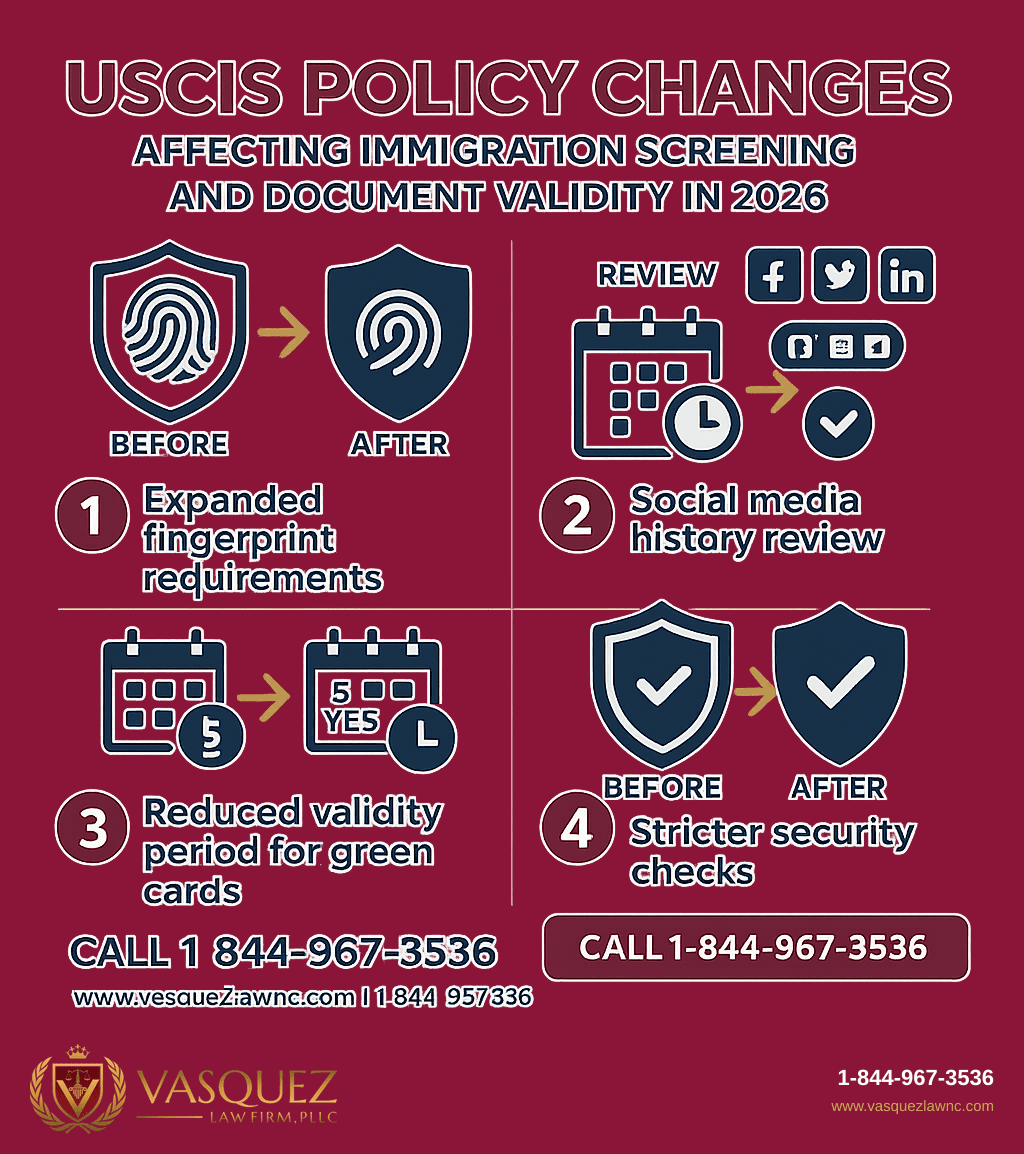
- Security background checks slow down processing
- Immigration detention powers are stronger
- Local offices in Raleigh and Orlando follow federal rules
- Legal help can protect immigrants' rights
Understanding the War on Terror
On September 11, 2001, terrorists attacked the United States and killed nearly 3,000 people. In response, the U.S. government started the War on Terror. This is a global military and security campaign to defeat terrorist groups like al-Qaeda and ISIS. This war changed not only military actions but also immigration rules that affect people in Raleigh, NC, Orlando, FL, and across the country.
The War on Terror officially began with a military invasion of Afghanistan in late 2001. The goal was to remove the Taliban government that allowed al-Qaeda members to operate there. The war still includes global military actions and efforts to stop terrorism today. While big wars have mostly ended, intelligence work, border control, and immigration rules remain important parts of the fight.
These efforts led to new federal laws like the USA PATRIOT Act. This law gave the government more power to watch immigrants and tighten border security. The Department of Homeland Security (DHS) was created in 2003 to manage work across agencies like U.S. Customs and Border Protection (CBP), U.S. Citizenship and Immigration Services (USCIS), and Immigration and Customs Enforcement (ICE).
National Security and Immigration Law
Under laws such as 8 U.S.C. § 1227, non-citizens (people who are not U.S. citizens) can be removed (sent out of the country) if suspected of terrorism-related activities. The Immigration and Nationality Act (INA) lists reasons to refuse entry based on security concerns. These laws gave immigration officers more power and added new checks for visa applicants, asylum seekers (people asking for protection), and other immigrants.
Knowing about the War on Terror helps you understand the legal rules that affect immigration today. This is very important for people living in Raleigh and Orlando, where federal immigration agencies work under these rules.
Impact on Immigration Enforcement
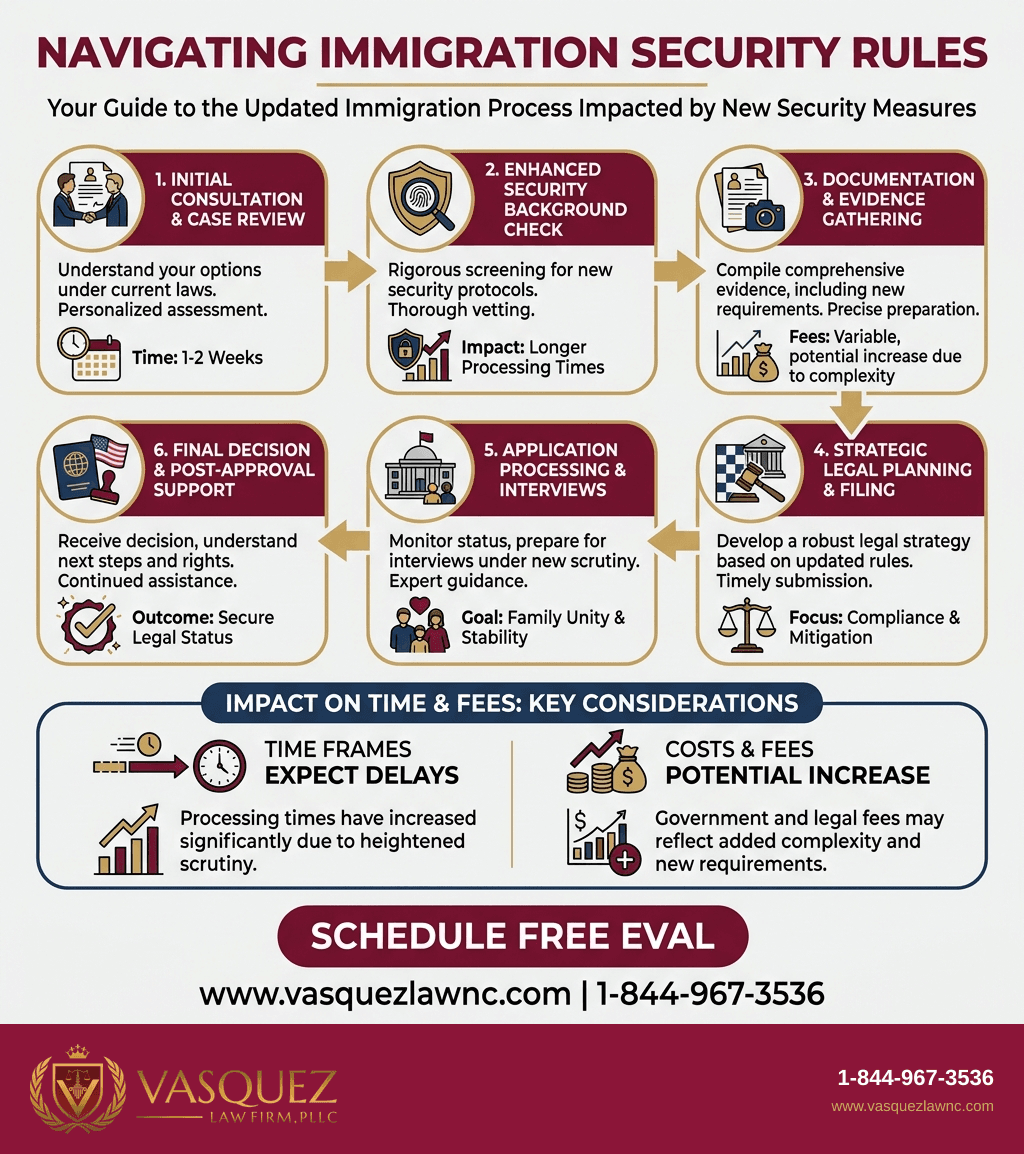
The War on Terror still strongly affects immigration enforcement. There are more background checks, longer visa processing times, and more reasons to refuse entry or deport (send out) someone. These rules create real problems for immigrants in Orlando and Raleigh.
For example, DHS now uses better vetting systems to check visa applicants for possible links to terrorist groups. This causes longer waits for green cards, work visas, and citizenship. According to the USCIS processing times page (https://egov.uscis.gov/processing-times/), some immigration applications with security checks can take 12 to 24 months or more to finish.
Also, immigration detention (holding people in custody) for those suspected of security risks is still common. Under 8 C.F.R. § 236.1, ICE can detain people facing removal orders if they are a security threat. This means many immigrants face detention hearings, so having good legal defense is very important.
Community Effects in Raleigh and Orlando
People in Raleigh and Orlando have seen more immigration enforcement actions. These include workplace raids and efforts to find people linked to terrorism, even if the connection is very weak. This situation causes fear and worry among immigrant communities, especially Dreamers (young immigrants brought to the U.S. as children) and other vulnerable groups.
Knowing these connections helps immigrants and their families get ready for legal challenges. They can better understand when extra screening or enforcement might happen because of the War on Terror.
Step-by-Step: Navigating Immigration Challenges
- Know Your Rights: Learn about your legal protections under U.S. immigration law. This includes your rights when you meet immigration officers.
- Gather Documentation: Collect all important immigration papers, records of legal entries, visas, and any letters from USCIS or ICE.
- Consult an Experienced Attorney: Immigration cases affected by national security need special help. Contact our immigration attorneys in Raleigh and Orlando for advice.
- Respond to Notices Promptly: Answer USCIS or court requests quickly. Delays or ignoring them can cause denials or removals.
- Prepare for Background Checks: Expect longer security screenings. Give extra time and keep accurate records of your travel and connections.
- Appeal or Reapply if Necessary: If your application is denied, ask about legal options like appeals or motions to reopen with professional help.
Common Mistakes to Avoid in Immigration Cases
- Ignoring USCIS or Court Notices: Always reply quickly to requests about your case to avoid bad results.
- Providing Incomplete Information: Leaving out or giving wrong details about travel or connections can cause security checks or denials.
- Using Unqualified Legal Help: Cases with security issues need experienced lawyers, not quick online solutions.
- Not Keeping Copies of Documents: Always keep copies of your filings, receipts, and letters from DHS or courts.
- Failing to Update Addresses: USCIS needs your current address to send important mail.
- Assuming the War on Terror Has No Effect: Underestimating how security policies affect your case can be costly.
- Delaying Legal Action: Waiting too long to talk to a lawyer after a bad notice can limit your options.
If you only remember one thing: Stay active and informed. Legal help is key to avoid costly mistakes.
Timeline: What to Expect
- Initial Application: You file forms with USCIS. Processing usually takes 3 to 6 months in normal cases.
- Security Screening: Extra checks can delay processing from 6 to 18 months, depending on your case and background.
- Interview or Biometrics: You will attend interviews or fingerprint appointments set by USCIS.
- Decision: USCIS will approve, deny, or ask for more evidence.
- Appeals or Motions: If denied, appeals can add 6 to 12 or more months, depending on the case.
Costs and Fees: What Impacts the Price
- Application fees (these vary by form, for example, I-485 costs $1,225 in 2026)
- Legal fees, which depend on how complex your case is, especially with security concerns
- Costs for extra documents or experienced attorneys reports
- Possible appeals or motions, which add to legal costs
- Detention-related costs if you need to pay bond
When to Call a Lawyer Now
- If you get a notice of removal or deportation because of security concerns
- If you face extra screening or delays longer than usual
- If ICE detains you on suspected terrorism grounds
- If an interview raises issues related to War on Terror policies
- If you don’t know how to answer government letters quickly
- If you need help preparing legal papers or appeals
About Vasquez Law Firm
At Vasquez Law Firm, we combine care with strong representation. Our motto "Yo Peleo®" (I Fight) shows our promise to defend your rights.
- Bilingual Support: Se Habla Español fully bilingual support staff are available
- Service Areas: North Carolina, plus Florida and nationwide for immigration
- Experience: Over 30 years helping clients with complex legal issues
- Focus Areas: Immigration, personal injury, workers' compensation, criminal defense, and traffic violationssuccessful in many practice areas
Attorney Trust and Experience
William J. Vásquez joined the North Carolina State Bar in 2011. He is also admitted to the U.S. Courts of Appeals for the 4th, 5th, and 11th Circuits. The firm has provided focused legal help since 2011. We give personal attention to each client’s case.
Don't wait to get the help you need. Call us now for fast assistance. Se Habla Español.
Frequently Asked Questions
Is the War on Terror still ongoing in 2026?
Yes, the War on Terror continues with global counterterrorism efforts, influencing immigration enforcement, background checks, and security policies, especially in Raleigh and Orlando.
Who started the War on Terror?
The War on Terror began after the September 11, 2001 attacks, led by the U.S. government to counter terrorist organizations including al-Qaeda.
How has the War on Terror impacted immigration laws?
It led to stricter immigration screening, expanded grounds for inadmissibility and deportation, and longer processing times for visas and status adjustments.
What should I do if immigration enforcement affects my status due to security concerns?
Consult an immigration attorney immediately to protect your rights and get guidance specific to cases involving national security issues.
Are immigration services in Raleigh and Orlando affected differently by War on Terror policies?
Both cities follow federal rules, but local enforcement and resources vary. Local expertise is important when navigating immigration challenges in these areas.
Can the War on Terror lead to deportation based on security grounds?
Yes. Immigration law allows deportation if an individual is suspected of terrorism or security threats, requiring immediate legal support.
How long does it take for immigration cases affected by security checks to process?
USCIS indicates such cases can take 12 to 24 months or longer depending on additional background investigations and application types.
How can Vasquez Law Firm help with immigration issues linked to the War on Terror?
We provide experienced legal counsel with bilingual support to address immigration challenges affected by national security policies at our Raleigh and Orlando offices.
Sources and References
- U.S. Citizenship and Immigration Services
- Executive Office for Immigration Review
- Legal Information Institute
Take the first step toward justice today. Our team is standing by to help. Se Habla Español.
Start Your Free Evaluation Now
Call us: 1-844-967-3536
Se Habla Español - Estamos aquí para ayudarle.


William Vasquez
Founder & CEO, Vasquez Law Firm, PLLC
William Vasquez is the founder and CEO of Vasquez Law Firm, PLLC, a results-driven firm specializing in immigration, criminal defense, personal injury, and workers' compensation. A U.S. Air Force veteran and recipient of the Joint Service Achievement Medal, William is dedicated to fiercely fighting for his clients' rights.
Related Legal Services
Need legal help? Learn more about speak with an immigration lawyer, or contact us for a free evaluation.
You can also visit immigration lawyers serving all of North Carolina for more information.