Immigration5 min read

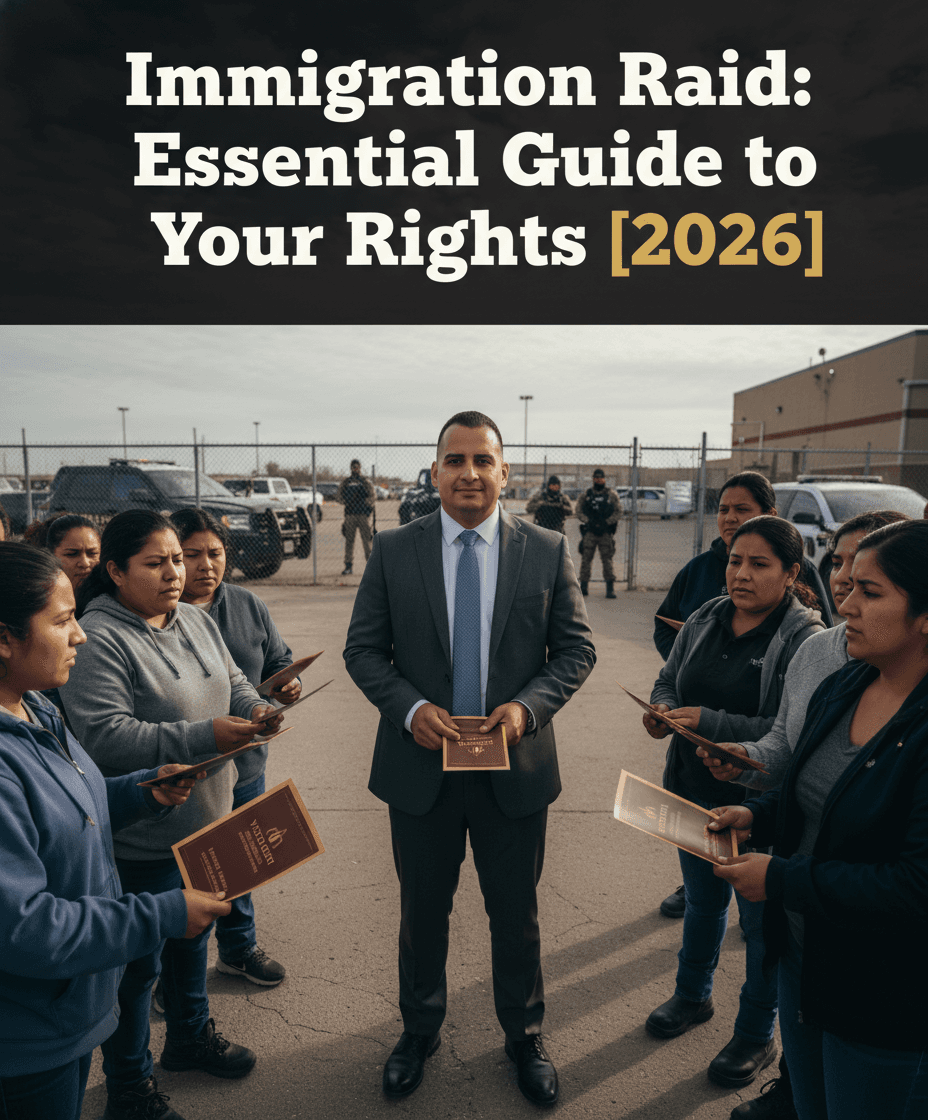
Immigration Raid: Essential Guide to Your Rights [2026]

Learn what an immigration raid means and how to protect yourself in 2026. Get trusted advice with Vasquez Law Firm. Contact us for a free consultation.

Vasquez Law Firm

Published on February 10, 2026

0 views
Immigration Raid: Essential Guide to Your Rights [2026]

Immigration Raid: Essential Guide to Your Rights [2026]

An immigration raid can cause fear and confusion for many affected individuals. In this essential 2026 guide, we explain what an immigration raid is, what to expect if one happens, and most importantly, what your rights are. Whether you're in Orlando, Florida, or North Carolina, understanding the process and knowing how to act can help protect you and your family. Vasquez Law Firm offers compassionate, bilingual legal support to help Dreamers and immigrants face these stressful situations confidently.

Need help with your case? Our experienced attorneys are ready to fight for you. Se Habla Español.

Schedule Your Free Consultation

Or call us now: 1-844-967-3536

Disclaimer: This article is for informational purposes only and does not constitute legal advice. Laws vary by jurisdiction and individual circumstances. For advice specific to your situation, please consult with a qualified attorney.

Quick Answer

An immigration raid is a law enforcement action where authorities attempt to find and detain individuals suspected of immigration violations. These raids can happen at workplaces, homes, or public places, often without much notice. Knowing your rights, such as the right to remain silent and to ask for a warrant, is essential to protect yourself. Always contact a trusted immigration attorney right away if you or someone you know is affected.

  • May involve ICE or Homeland Security agents
  • Can occur at work, home, or public areas
  • Ask for a warrant before any entry
  • Right to remain silent aims to prevent self-incrimination
  • Seek legal help immediately

Understanding Immigration Raids in 2026

Immigration raids are increasing across the United States in 2026 due to federal enforcement priorities. These raids are primarily conducted by Immigration and Customs Enforcement (ICE) officers who seek to identify, detain, or deport individuals without proper immigration status. Raids can occur anywhere but are most often targeted at workplaces suspected of employing unauthorized workers or homes of individuals with pending immigration issues.

Understanding immigration raids means recognizing they are authorized under federal law, specifically Section 287 of the Immigration and Nationality Act (INA), which grants immigration officers enforcement powers. However, federal authorities must generally have a warrant or consent to enter private property, although some exceptions exist. Raids commonly cause fear and disruption, not only because of potential detentions but also due to their sudden and aggressive nature.

For residents of Orlando, Florida, or North Carolina, it is especially important to understand how state and local law enforcement may coordinate with federal immigration authorities. While some jurisdictions limit cooperation with ICE, others actively participate, affecting how raids are conducted and what steps communities take to prepare. Knowledge and readiness are your best defenses.

Vasquez Law Firm continuously monitors immigration enforcement patterns and legal developments to offer up-to-date advice tailored to individuals affected by these raids. Our compassionate team supports Dreamers and all immigrants facing these challenges.

What Are Immigration Raids Today?

In 2026, immigration raids remain a key aspect of enforcing immigration laws. Agencies use tactics such as workplace raids to stop undocumented employment and home raids to detain individuals with immigration violations. ICE raids may also involve cooperation with local police. Public awareness has grown, with community groups and legal professionals emphasizing education and preparation to reduce harm.

Immigration Raids Meaning and Legal Background

The legal framework for immigration raids stems from federal statutes like the INA and related regulations. Immigration officers have authority to investigate and apprehend suspected violators subject to constitutional rights protections. Understanding these allows individuals to recognize when raids may be lawful or potentially challenged due to violations of procedural or constitutional safeguards.

Types of Immigration Raids

  • Workplace Raids: Target employers and employees suspected of undocumented labor.
  • Home Raids: Occur at residences of suspected undocumented immigrants.
  • Public Place Raids: Conducted in public for arrests or status checks.

Step-by-Step: What To Do During an Immigration Raid

  1. Stay calm and be respectful. Do not resist or argue with agents to avoid escalation.
  2. Ask to see a warrant. Do not open doors or let agents in without a valid warrant or your consent.
  3. Know your rights. You have the right to remain silent and not answer questions about your immigration status.
  4. Document the encounter. If possible, record badge numbers and take notes of agents’ names and actions.
  5. Contact an immigration attorney immediately. Having legal representation is critical to protecting your rights.
  6. Do not sign any documents without legal advice. Some papers may waive important rights.
  7. Communicate with family or trusted contacts. Let someone know the situation so they can help or alert your lawyer.

Tips for Employees During a Workplace Raid

  • Do not provide false information; it may harm your case.
  • Try to stay out of the raid’s direct path but remain visible for safety.
  • Know where your important immigration paperwork is stored.
  • Listen to your lawyer’s instructions carefully if you’re detained.

What to Avoid During a Raid

  • Never lie or provide fraudulent documents.
  • Do not physically obstruct agents or resist their lawful actions.
  • Don’t open doors or gates without a warrant or consent.
  • Avoid discussing your case with agents; exercise your right to remain silent.

Documents and Evidence Checklist

Preparing important documents can safeguard your legal position after an immigration raid. Keep these items accessible and secure:

  • Passport or visa copies
  • Work permits or employment authorization documents
  • Social Security card and birth certificates
  • Proof of residency such as utility bills or lease agreements
  • Any notices or court documents related to immigration matters
  • Records of communication with immigration officials
  • Contact information of your immigration lawyer

Remember that carrying these documents with you or having trusted family members store copies can ease immediate situations post-raid. It also helps attorneys to prepare your defense or relief application quickly.

Creating a Family Emergency Plan

  • Identify trusted contacts who can assist if you are detained.
  • Share copies of documents with family or friends.
  • Prepare instructions for childcare or eldercare.
  • Know how to contact your attorney and local immigrant support organizations.

Timeline: What to Expect After an Immigration Raid

  • Day 1-3: Detained individuals are processed and may be held in immigration detention centers. They receive notices of their rights and information about their court hearings.
  • Week 1: Immigration court hearing is usually scheduled within the first few days or weeks. Detainees receive legal representation or can request it.
  • Week 2-4: Ongoing court proceedings or bond hearings determine detainment conditions or possible release.
  • Month 1-3: Legal filings such as waivers, asylum applications, or other relief claims may be submitted, impacting the deportation case.
  • Beyond 3 months: Case decisions, motions, appeals, or voluntary departure agreements may occur depending on the circumstances.

At each stage, timely communication with your lawyer is crucial. Delays or missed court dates can lead to deportation orders by default.

Key Statistics and Data for Immigration Raid: Essential Guide to Your Rights [2026]

Costs and Fees: What Impacts the Price of Legal Help

Legal fees for immigration-related services vary depending on complexity, location, and urgency.

  • Consultation fees: Some attorneys offer free consultations; others may charge a fee.
  • Representation in court: Hearing representations can be billed hourly or as flat fees.
  • Document preparation: Filing applications, motions, and evidence packages have associated costs.
  • Emergency services: Immediate legal assistance during or after a raid may carry higher fees.
  • Translation and notarization: Official documents may require additional services.

At Vasquez Law Firm, we strive to offer affordable, transparent pricing and flexible payment options. Contact us to discuss cost details tailored to your case.

Common Mistakes to Avoid During and After a Raid

  • Failing to ask for a warrant: Always request to see legal authorization before allowing officers inside.
  • Giving false information: Do not lie; it can have severe legal consequences.
  • Signing documents without a lawyer: You might unknowingly waive your rights.
  • Ignoring legal notices: Respond promptly to all immigration communications.
  • Not preparing documents in advance: Having no paperwork ready can delay your defense.
  • Panicking or resisting: Stay calm and follow steps to protect your rights.
  • Delaying legal consultation: Early lawyer contact gives you the best chance of a favorable outcome.

If you only remember one thing: Always know your rights, stay calm, and contact an immigration lawyer immediately.

Northern Carolina, Florida, and Nationwide Context

North Carolina Notes

In North Carolina, local law enforcement collaborates with ICE through the 287(g) program in some jurisdictions, increasing the risk of immigration raids in workplaces and communities. Vasquez Law Firm provides tailored advice for affected residents to navigate the complexities of state and federal enforcement coordination.

Florida Notes

Florida also actively participates in immigration enforcement, with raids reported in cities like Orlando. Florida’s state law enforcement may coordinate with federal authorities, affecting the dynamics of raids. Knowing local practices can help you and your family prepare and respond effectively.

Nationwide Concepts (General Only, Rules Vary)

Federally, immigration raids follow the same basic legal framework. However, enforcement intensity and cooperation with local police vary. Some sanctuary cities limit local-ICE collaborations, while others do not. Always consult with a local immigration attorney to understand your jurisdiction’s specific nuances.

When to Call a Lawyer Now

  • If ICE agents appear at your home or workplace
  • If you or a family member has been detained during a raid
  • Upon receiving any official immigration enforcement notice
  • If you see a raid happening nearby
  • If you are unsure about your immigration status
  • Before signing any documents from immigration officials
  • If you feel your rights are being violated during an enforcement action
  • When preparing immigration relief applications post-raid
  • If you want to understand your options for relief from deportation

About Vasquez Law Firm

At Vasquez Law Firm, we combine compassion with aggressive representation. Our motto "Yo Peleo" (I Fight) reflects our commitment to standing up for your rights.

  • Bilingual Support: Se Habla Español - our team is fully bilingual
  • Service Areas: North Carolina, Florida, and nationwide immigration services
  • Experience: Over 15 years helping clients navigate complex legal matters
  • Results: Thousands of successful cases across multiple practice areas

Attorney Trust and Experience

Attorney Vasquez holds a Juris Doctor degree and is admitted to practice in both the North Carolina State Bar and Florida Bar. With over 15 years of dedicated legal experience, he has built a reputation for providing personalized attention and achieving favorable outcomes for his clients.

Don't wait to get the help you deserve. Call us now for immediate assistance. Se Habla Español.

Call Now: 1-844-967-3536

Frequently Asked Questions

What is an immigration raid?

An immigration raid is a law enforcement action by ICE or other federal agencies to find and detain individuals suspected of immigration violations, often at workplaces or homes. Knowing your rights and being prepared can help you protect yourself during such events.

What should I do if ICE raids my workplace?

Stay calm, ask to see a warrant, exercise your right to remain silent, and document agent identities. Contact your immigration lawyer immediately for guidance and to protect your rights.

Are immigration raids legal without a warrant?

Agents generally need a judicial warrant or consent to enter private premises unless exceptions apply. Understanding these rules helps ensure your constitutional rights are not violated during enforcement.

What are my rights if ICE arrests me during a raid?

You have the right to remain silent and to legal representation. Do not sign any documents before consulting with a lawyer to avoid waiving important protections.

Process Timeline for Immigration Raid: Essential Guide to Your Rights [2026]

How can I protect my family if there is a raid?

Prepare a safety plan, share important documents with trusted contacts, and ensure children have guardians if you are detained. Keep your lawyer's contact handy for quick assistance.

What is the largest immigration raid in U.S. history?

The 2008 Postville, Iowa meatpacking plant raid detained over 300 workers and sparked national attention on immigration enforcement strategies and reform debates.

How can I track ICE raids in 2026?

Follow updates on immigration rights organizations and news outlets that provide real-time ICE raid trackers. Staying informed helps with preparation and safety.

Who can be held for days after an immigration raid?

Sometimes even U.S. citizens or residents are mistakenly held due to status verification delays. Immediate legal assistance is critical to ensure prompt release.

Sources and References

Take the first step toward justice today. Our team is standing by to help. Se Habla Español.

This article provides general legal information and is not intended as legal advice. Every case is unique, and outcomes depend on specific facts and circumstances. Contact an attorney for advice about your particular situation.

Start Your Free Consultation Now

Call us: 1-844-967-3536

Se Habla Español - Estamos aquí para ayudarle.

Free Legal Consultation

Discuss your case with our experienced attorneys. We're available 24/7.

VLF

Vasquez Law Firm

Legal Team

Our experienced attorneys at Vasquez Law Firm have been serving clients in North Carolina and Florida for over 20 years. We specialize in immigration, personal injury, criminal defense, workers compensation, and family law.

Related Articles

Need Legal Assistance?

Our experienced attorneys are here to help you with your legal needs