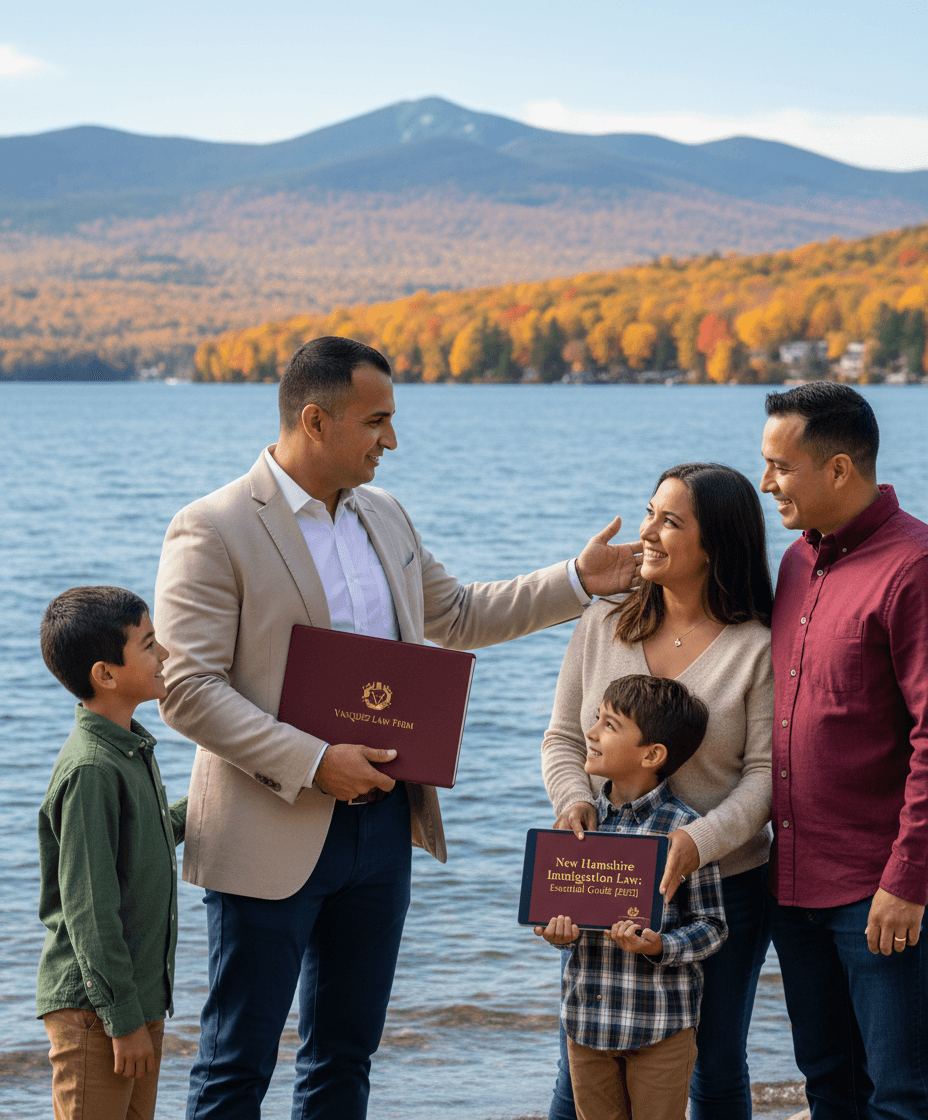
What You Need to Know About New Hampshire Immigration Law in 2026
Explore New Hampshire immigration law in 2026. Learn key facts and next steps. Contact Vasquez Law Firm for a free consultation and bilingual help today.
Published on February 10, 2026
Talk to an immigration attorney
Free call. A clear plan for your case.
Free & confidential · Se habla espanol · 24/7
Have questions? Talk to an attorney - free evaluation.
Call 1-844-967-3536Worried how the latest immigration news affects you?
Schedule a confidential case review with an immigration attorney - know exactly where you stand.
USCIS Case Status
Check your USCIS case status
Enter your receipt number and get the official status. Free, no registration.
What You Need to Know About New Hampshire Immigration Law in 2026
Understanding New Hampshire immigration law is critical for immigrants, including Dreamers who seek to navigate the legal complexities in 2026. This guide provides clear information about state and federal rules, recent reforms, and practical advice from Vasquez Law Firm. Whether you are searching for an immigration lawyer near you or trying to understand how local laws affect your options, this resource outlines what you need to know and how to get help.
Need help with your case? Our experienced attorneys are ready to fight for you. Se Habla Español.
Schedule Your Free Case Evaluation
Or call us now: 1-844-967-3536
Quick Answer
New Hampshire immigration law in 2026 aligns with federal regulations but also includes local programs that support immigrants and refugees. The state is not one of the strictest regarding immigration enforcement and offers protections for Dreamers and undocumented individuals. Assistance is available from legal services and immigration lawyers across the state, including Nashua, Concord, and Manchester.
- Federal agencies manage immigration enforcement;
- New Hampshire provides state-level immigrant support programs;
- Protections exist for refugees and Dreamers;
- Legal advice is vital due to ongoing law changes;
- Local immigration lawyers can guide you through processes.
Overview of New Hampshire Immigration Law
New Hampshire immigration law is shaped primarily by federal law, particularly statutes under Title 8 of the United States Code and regulations enforced by U.S. Citizenship and Immigration Services (USCIS) and Immigration Courts. However, the state has local policies and programs that impact how immigrants live and work. New Hampshire does not have harsh state enforcement laws like some other states, instead focusing on integration initiatives.
The state government works alongside federal agencies to offer refugee resettlement programs and community support. Importantly, New Hampshire's local law enforcement generally does not act as immigration enforcement agents, which differs from states with strict policies. Immigrants benefit from legal protections here while still being subject to federal immigration procedures.
Immigrant Population and Legal Landscape
Recent estimates indicate New Hampshire hosts about 15,000 to 20,000 undocumented immigrants, with larger numbers of lawful permanent residents and naturalized citizens. Most immigration cases in New Hampshire involve family-based petitions, asylum claims, or work authorization requests processed through USCIS. Local nonprofits offer legal services and know-your-rights education to assist immigrant communities.
Federal Interaction with State Programs
Federal immigration law forms the baseline for visa issuance, asylum decisions, and deportations, but states like New Hampshire add layers of support such as job training and integration help. This dynamic requires immigrants and advocates to stay informed about both levels of law to best navigate services and legal options.
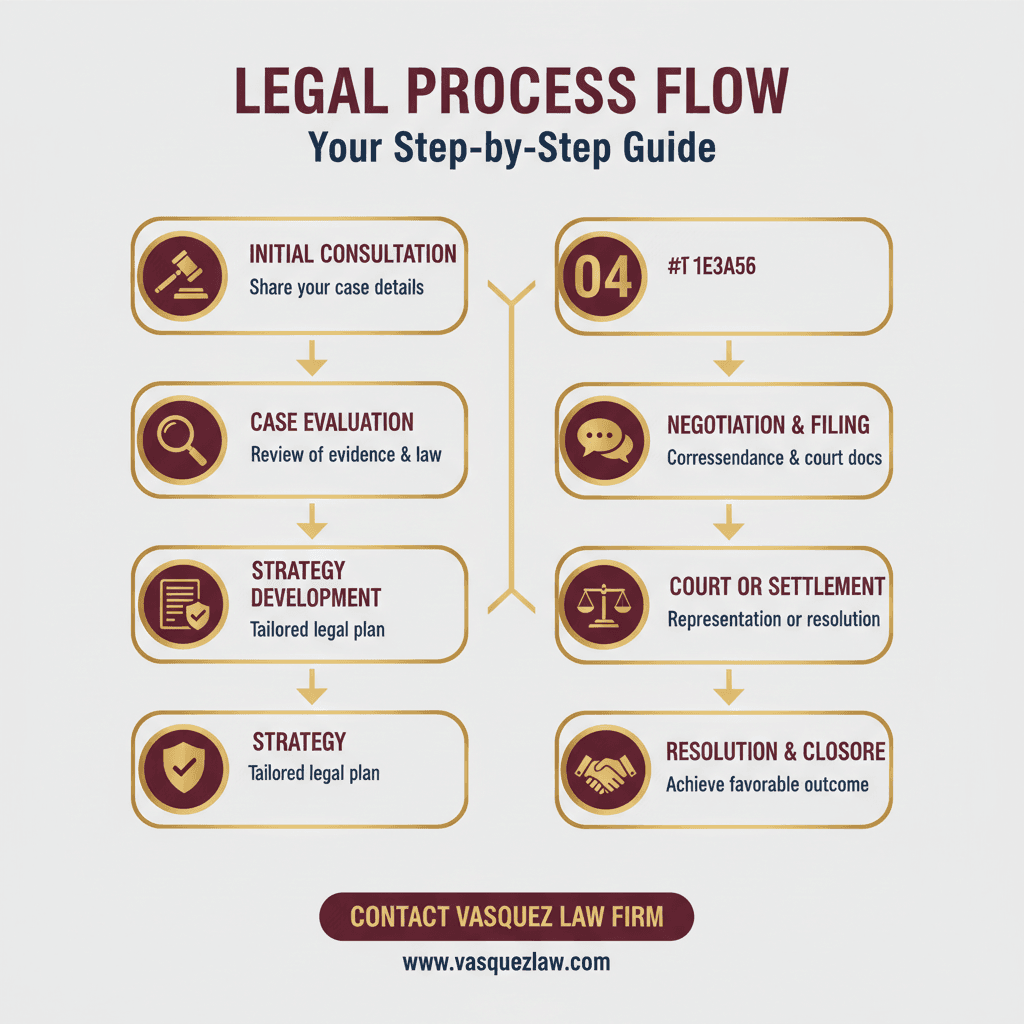
Step-by-step: What to do
- Know Your Status: Understand your current immigration status by reviewing official documents or consulting a lawyer.
- Gather Documents: Collect evidence including identification, immigration paperwork, proof of residence, and employment records.
- Research Eligibility: Find out which visas, relief options, or statuses you qualify for under federal and New Hampshire rules.
- Consult an Immigration Lawyer: Seek advice from experienced attorneys familiar with New Hampshire immigration law to guide your application.
- File Applications Carefully: Submit all petitions or forms to USCIS or immigration courts, following precise procedures and deadlines.
- Attend Required Appointments: Be prepared for interviews or biometrics appointments, bringing all requested documentation.
- Respond to Requests: Address any additional requests from USCIS or courts promptly to avoid delays or denials.
- Consider Appeals: If denied, explore appeals or motions with legal help to improve chances of a favorable outcome.
Common Tools and Forms
- Form I-485 (Adjustment of Status)
- Form I-765 (Employment Authorization)
- Form I-131 (Travel Document)
- Form N-400 (Naturalization Application)
Documents or evidence checklist
- Valid passport or travel documents
- Birth certificate or other identity proof
- Current immigration status paperwork (e.g., visa, DACA approval)
- Proof of residence in New Hampshire (leases, utility bills)
- Employment records and tax filings
- Family relationship documents (for petitions)
- Police clearance certificates (if required)
- Medical examination reports (for green card applicants)
- Any USCIS Notices of Action (receipt/approval notices)
Timeline: What to expect
- Weeks 1-4: Initial consultation and document gathering.
- Weeks 5-12: Filing applications with USCIS or immigration court.
- Months 3-6: Biometrics appointment and possible interview scheduling.
- Months 6-12: Case processing with possible requests for evidence.
- 12+ Months: Decision issued or appeal process begins if necessary.
Processing times vary and can be affected by application types, USCIS backlogs, and complexity of cases. Staying proactive and working with a lawyer in Smithfield or nearby cities helps manage expectations.
Costs and fees: What impacts the price
- USCIS filing fees (range from $410 to over $1,200 depending on form)
- Legal representation fees based on complexity and duration
- Costs for required medical exams and document translations
- Potential travel expenses for appointments or court hearings
- Additional fees for appeals or motions if needed
Vasquez Law Firm strives to provide transparent pricing and payment options. Applying early and thoroughly often reduces risk of additional fees from re-filing or delays.
Common mistakes and how to avoid them
- Missing Deadlines: Always track application dates to avoid denial.
- Incomplete Applications: Double-check all fields and supporting evidence.
- Ignoring Requests for Evidence: Respond promptly to USCIS or court requests.
- Not Consulting a Lawyer: Self-representation increases risk of errors.
- Using Incorrect Forms: Ensure current versions from USCIS are used.
- Failing to Disclose Information: Be truthful; hiding facts can harm your case.
- Relying on Unofficial Advice: Use licensed attorneys or reputable resources.
If you only remember one thing: accurate legal guidance and careful documentation are critical for success in immigration matters.
NC, FL, and nationwide notes
North Carolina Notes
Though focusing on New Hampshire, if you reside in North Carolina and are concerned about immigration, federal laws govern your case. Local prosecutors typically do not enforce immigration laws directly, but state programs may vary. Vasquez Law Firm offers immigration legal services in North Carolina to help navigate changing rules.
Florida Notes
Florida maintains strict immigration enforcement policies compared to New Hampshire. State-level policies can affect cooperation between local law enforcement and federal immigration agents. Immigrants in Florida should consult experienced lawyers to understand local and federal hybrid enforcement landscapes.
Nationwide Concepts (General Only)
Immigration law administration is primarily federal. USCIS, EOIR, and ICE manage visas, removals, and court proceedings across the country. Law can shift quickly due to executive orders or legislation. Understanding both state-specific and national laws is essential regardless of where you live.
When to call a lawyer now
- Receiving a Notice to Appear or immigration court summons
- Applying for DACA renewals or initial eligibility
- Facing detention or bond hearing
- Needing family-based petition or adjustment of status help
- Experiencing deportation or removal proceedings
- Being arrested or questioned about immigration status
- Seeking asylum or refugee status
- Receiving Requests for Evidence or denials from USCIS
- Planning travel overseas requiring visas
- Confusion about immigration law changes affecting your case
About Vasquez Law Firm
At Vasquez Law Firm, we combine compassion with aggressive representation. Our motto "Yo Peleo" (I Fight) reflects our commitment to standing up for your rights.
- Bilingual Support: Se Habla Español - our team is fully bilingual
- Service Areas: North Carolina, Florida, and nationwide immigration services
- Experience: Over 15 years helping clients navigate complex legal matters
- Results: Thousands of successful cases across multiple practice areas
Attorney Trust and Experience
Attorney Vasquez holds a Juris Doctor degree and is admitted to practice in the North Carolina State Bar. With over 15 years of dedicated legal experience, he has built a reputation for providing personalized attention and achieving favorable outcomes for his clients.
Don't wait to get the help you deserve. Call us now for immediate assistance. Se Habla Español.
Frequently Asked Questions
What are the key features of New Hampshire immigration law in 2026?
New Hampshire immigration law in 2026 follows federal guidelines but includes state-focused programs supporting immigrants and refugees. The state does not enforce strict local immigration policing, and there are protections for undocumented immigrants in certain areas. However, immigration enforcement remains a federal responsibility. Understanding these elements helps immigrants access services and legal help effectively.
Is New Hampshire considered a strict state for immigration enforcement?
New Hampshire is not among the strictest immigration enforcement states. It generally follows federal immigration policies without imposing additional state-level penalties. The state's approach focuses more on integration and assistance programs rather than aggressive immigration crackdowns, which can differ significantly from neighboring states.
How many undocumented immigrants live in New Hampshire as of 2026?
Estimates suggest that New Hampshire has approximately 15,000 to 20,000 undocumented immigrants in 2026. These individuals contribute to the state’s economy and communities but face legal vulnerabilities. Understanding immigration law is essential for these individuals to protect their rights and explore legal pathways.
Is New Hampshire designated as a refugee-friendly state?
Yes, New Hampshire is considered a refugee-friendly state with local programs to assist resettlement and integration. Agencies work with the community to provide housing, employment, and cultural support. Refugees have legal protections under federal law, and New Hampshire complements these with state initiatives.
What recent federal immigration law changes affect New Hampshire residents?
In 2026, federal changes include updated DACA guidelines, revisions to Temporary Protected Status (TPS), and accelerated processing of some family petitions. These changes influence New Hampshire residents by potentially expanding eligibility and improving case processing times through USCIS, which administers immigration nationally.
How does New Hampshire law impact immigrants applying for employment authorization?
While employment authorization is federally regulated, New Hampshire supports state-level initiatives to help immigrants understand application processes. The state facilitates access to legal aid and community resources to assist with paperwork and eligibility verification, although the ultimate approval remains with USCIS.
What options exist if an immigrant faces immigration detention in New Hampshire?
Immigration detention is mainly under federal jurisdiction. If detained in New Hampshire, individuals may seek bond hearings or legal representation through immigration courts overseen by the Executive Office for Immigration Review. Vasquez Law Firm can help provide guidance and advocate for release or case relief.
Can Dreamers in New Hampshire access legal help easily?
Yes, Dreamers in New Hampshire can access legal aid, nonprofit organizations, and law firms experienced in immigration. Vasquez Law Firm offers bilingual and compassionate representation to help navigate DACA renewals, work permits, and pathway options, important for maintaining status securely.
Sources and References
- U.S. Citizenship and Immigration Services (USCIS)
- Executive Office for Immigration Review
- U.S. Department of State
Need immigration help? Our immigration attorneys can review your case.
Take the first step toward justice today. Our team is standing by to help. Se Habla Español.
Start Your Free Case Evaluation Now
Call us: 1-844-967-3536
Se Habla Español - Estamos aquí para ayudarle.

William Vasquez
Founder & CEO, Vasquez Law Firm, PLLC
William Vasquez is the founder and CEO of Vasquez Law Firm, PLLC, a results-driven firm specializing in immigration, criminal defense, personal injury, and workers' compensation. A U.S. Air Force veteran and recipient of the Joint Service Achievement Medal, William is dedicated to fiercely fighting for his clients' rights.
Related Legal Services
Need legal help? Learn more about our immigration law practice, or contact us for a free evaluation.
You can also visit North Carolina immigration lawyers for more information.