How Immigration Lawsuits Can Affect Your Case in 2026
Facing an immigration lawsuit in 2026? Learn key steps to protect your rights and options. Contact Vasquez Law for a free case evaluation today.
Published on April 16, 2026
Talk to an immigration attorney
Free call. A clear plan for your case.
Free & confidential · Se habla espanol · 24/7
Have questions? Talk to an attorney - free evaluation.
Call 1-844-967-3536Worried how the latest immigration news affects you?
Schedule a confidential case review with an immigration attorney - know exactly where you stand.
How Immigration Lawsuits Can Affect Your Case in 2026
If you or a loved one is involved in an immigration lawsuit, understanding the process is crucial. In 2026, immigration lawsuits can arise from various disputes, including federal challenges, class actions, and cases involving ICE detentions. This article explains what an immigration lawsuit typically involves, the steps you should take to protect your rights, and common pitfalls to avoid. Whether you are in Charlotte, NC, or Florida, knowing how to navigate these cases with reliable legal support can make a significant difference.
Need help with your case? Our experienced attorneys are ready to fight for you. Se Habla Español.
Or call us now: 1-844-967-3536
Quick Answer
An immigration lawsuit involves legal challenges related to immigration status, detainment, or federal immigration policies. They may be individual or class action cases, often handled in federal or immigration courts. Responding promptly and with proper legal help is essential to protect your rights and avoid negative outcomes.
- Can involve visa, deportation, or detention disputes
- May be individual or class action lawsuits
- Handled in federal or immigration courts
- Requires prompt legal response
- Strong legal representation improves chances
What Is an Immigration Lawsuit?
Immigration lawsuits are legal cases that challenge decisions or policies affecting immigrants. For example, someone denied a visa or facing deportation might file a lawsuit if they believe their rights were violated. These suits can be brought against agencies like U.S. Citizenship and Immigration Services (USCIS) or Immigration and Customs Enforcement (ICE). They may also address broader policy issues, like an immigration pause lawsuit or class actions against systemic problems.
Federal courts and immigration courts play different roles. Immigration courts conduct removal proceedings, while federal courts handle constitutional or agency legality challenges. Understanding which court hears your case affects strategy and timing.
Types of Immigration Lawsuits
There are several common types of immigration lawsuits you should know:
Individual Lawsuits
These focus on a single person's immigration issue, such as visa denials, delays, or wrongful detentions. For example, a Dreamer in Charlotte, NC, denied adjustment of status may file a lawsuit with immigration attorneys to challenge the decision.
Class Action Lawsuits
A class action lawsuit involves a large group of immigrants affected by the same policy or practice. The ACLU has filed ACLU immigration lawsuits that challenge detainment conditions or travel bans. These cases can bring widespread change and benefit many.
Policy and Pause Lawsuits
Sometimes immigrant groups or organizations sue federal agencies over policies like employment authorization pauses or changes to asylum processing. An immigration pause lawsuit challenges government delays impacting thousands of immigrants awaiting relief.
U.S. Citizen Immigration Lawsuits
U.S. citizens may also be plaintiffs in immigration lawsuits when their families face wrongful detainment or deportation. For instance, a Florida citizen suing ICE for wrongfully detaining their relative is a “us citizen immigration lawsuit.”
Step-by-Step: How to Handle an Immigration Lawsuit
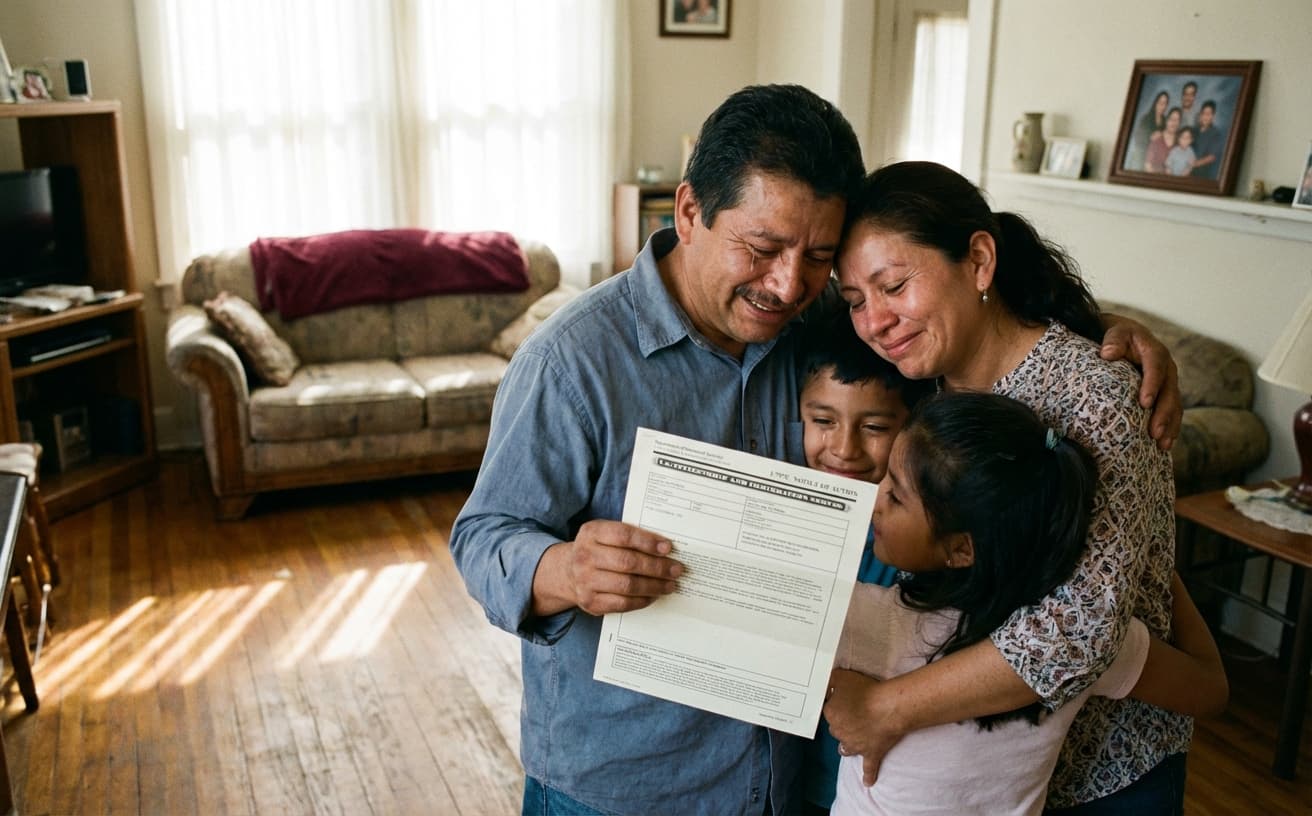
- Receive Notice: You will get a legal notice informing you about the lawsuit or proceedings. Keep it safe and track deadlines carefully.
- Contact an Immigration Attorney: Immediate consultation with a qualified immigration lawyer in Charlotte or Florida is critical to protect your rights.
- Gather Documents: Collect immigration papers, notices from USCIS or ICE, identification, and any evidence supporting your case.
- Legal Response: Your attorney will prepare and file legal responses or motions addressing the lawsuit’s claims or demands.
- Prepare for Hearings: Attend immigration court or federal court hearings as scheduled, with legal representation.
- Follow Up and Appeal: Depending on the outcome, your attorney may advise on appeals or further actions to protect your rights.
Common Mistakes in Immigration Lawsuits
- Ignoring Notices: Missing a court date or deadline often results in losing the case. Always respond promptly.
- Lack of Legal Representation: Trying to handle an immigration lawsuit without a lawyer risks misunderstanding the law and procedural errors.
- Providing Incomplete Documents: Incomplete or inaccurate paperwork weakens your defense. Collect all relevant documents carefully.
- Failing to Track Case Status: Not checking updates or government status can cause missed communications.
- Not Understanding Jurisdiction: Confusing immigration courts with federal courts can lead to incorrect responses.
- Ignoring Federal Policy Changes: Immigration policy often changes. Stay informed to understand impacts on your case.
- Not Seeking Timely Help: Waiting too long after receiving a notice reduces your options for appeal or remedies.
If you only remember one thing: Prompt and informed legal help is key in immigration lawsuits to avoid losing rights or opportunities to stay in the U.S.
Timeline and What to Expect
- Week 1-2: Receive lawsuit notice, consult attorney.
- Week 3-6: Attorney gathers evidence, files responses.
- Month 2-4: Initial court hearings or status conferences.
- Month 4-8: Discovery, motions, and potential settlement talks in some cases.
- Month 8-12: Final hearings, decisions issued.
- Post-decision: Appeals or enforcement may follow.
Each case varies based on jurisdiction and complexity. Your attorney can provide a tailored timeline.
Costs and Fees: What Impacts Your Case
- Attorney Fees: Complex lawsuits involve higher fees due to research, court filings, and preparation.
- Court Costs: Some filings or motions require fees to courts or agencies.
- Document Preparation: Translation, certification, or expert reports add to costs.
- Appeals: Additional legal work for appeals means extra fees.
- Location: In North Carolina or Florida, costs may vary slightly due to local court requirements and lawyer rates.
Vasquez Law Firm offers clear transparent fee structures and free case evaluations to explain costs upfront.
Jurisdiction: NC, FL, and Federal Courts
North Carolina Notes
In North Carolina, most immigration lawsuits involving individuals or class actions will be handled by federal immigration courts in Charlotte and other cities or in federal district courts. Local courts do not have jurisdiction over immigration matters. Vasquez Law’s Charlotte immigration attorneys understand local practices and court schedules.
Florida Notes
Florida hosts several federal immigration courts, including in Miami and Orlando. Due to the state’s large immigrant population, Florida often sees complex immigration lawsuits, including class action lawsuits and challenges to ICE detainments. Expertise with Florida immigration laws and federal rules is vital.
Nationwide Concepts (General Only)
Immigration lawsuits are federally governed under laws like the Immigration and Nationality Act and regulations in 8 CFR. Each case will be subject to federal standards but may vary depending on the court jurisdiction. Nationwide immigration policies and agency guidelines from USCIS and EOIR apply to all states.
When to Call an Immigration Lawyer
- If you have been served with a notice of immigration litigation or court proceeding.
- If USCIS or ICE denies your immigration application or issues a detainment.
- If you face removal or deportation proceedings.
- If you believe you were detained unlawfully by immigration authorities.
- If you are part of a group facing the same immigration enforcement actions.
- If you want help tracking an immigration class action lawsuit that may affect your status.
- If you have questions about the seven-year rule or other complex immigration laws.
- Before responding or signing documents related to an immigration lawsuit.
- If you want assistance appealing an agency denial or court order.
- If you need bilingual legal support in Charlotte or Florida immigration matters.
About Vasquez Law Firm
At Vasquez Law Firm, we combine compassion with aggressive representation. Our motto "Yo Peleo" (I Fight) reflects our commitment to standing up for your rights. We understand the sensitive nature of immigration lawsuits and deliver knowledgeable guidance every step of the way.
- Bilingual Support: Se Habla Español - our team is fully bilingual
- Service Areas: North Carolina, Florida, and nationwide immigration services
- Experience: Over 30 years helping clients navigate complex legal matters
- Results: Thousands of successful cases across multiple practice areas
Attorney Trust and Experience
Attorney Vasquez holds a Juris Doctor degree and is admitted to practice in both the North Carolina State Bar and Florida Bar. With 15 years of dedicated legal experience in immigration law, he offers personalized, strategic counsel to clients facing immigration lawsuits. His bilingual approach ensures clear communication and understanding.
Don't wait to get the help you deserve. Call us now for immediate assistance.
Se Habla Español
Frequently Asked Questions
What is an immigration lawsuit?
An immigration lawsuit challenges a decision or policy affecting immigration status, detainment, or benefits. It may involve individual claims, such as visa denials, or broader class actions against government policies. These cases are handled by federal courts or immigration courts authorized by the Executive Office for Immigration Review.
Can U.S. citizens file immigration lawsuits?
Yes, especially when their family members face wrongful detainment or deportation. Citizens may sue to protect family rights or challenge unlawful government actions. However, most immigration lawsuits involve noncitizens or permanent residents. Citizenship status affects the legal claims available.
What is an immigration class action lawsuit?
A class action involves a group that shares the same immigration issue, suing collectively. It can address systemic problems like detention conditions or policy pauses. These cases help people who otherwise might lack resources to challenge government actions affecting large groups.
What is the role of federal courts in immigration lawsuits?
Federal courts review the legality of federal immigration laws and agency actions. Immigration courts focus on removal hearings. If your lawsuit involves constitutional issues or challenges to agency decisions, it may be heard in federal district court.
What should I do if I receive a notice of an immigration lawsuit?
Contact an immigration lawyer immediately. Collect all relevant documents and respond within deadlines to protect your rights. Your attorney will help prepare your defense and guide you through court procedures.
Can ICE legally detain U.S. citizens?
ICE should not detain U.S. citizens knowingly. Mistaken detentions happen, but those detained can contest these through complaints or lawsuits. Proof of citizenship and legal representation are critical in such cases.
What is the 7-year rule for immigrants?
This refers to waiting periods or bars triggered by certain immigration violations, often affecting eligibility to adjust status or apply for relief. Its application depends on individual circumstances and case history.
How can I track immigration lawsuits affecting me?
Use public federal court records or immigration litigation trackers online. Law firms often monitor key lawsuits and keep clients informed. Being proactive helps you understand potential impacts on your immigration status.
Sources and References
- U.S. Citizenship and Immigration Services
- Executive Office for Immigration Review
- Legal Information Institute
Take the first step toward justice today. Our team is standing by to help.
Start Your Free Evaluation Now
Call us: 1-844-967-3536
Se Habla Español - Estamos aquí para ayudarle.

William Vasquez
Founder & CEO, Vasquez Law Firm, PLLC
William Vasquez is the founder and CEO of Vasquez Law Firm, PLLC, a results-driven firm specializing in immigration, criminal defense, personal injury, and workers' compensation. A U.S. Air Force veteran and recipient of the Joint Service Achievement Medal, William is dedicated to fiercely fighting for his clients' rights.
Related Legal Services
Need legal help? Learn more about speak with an immigration lawyer, or contact us for a free evaluation.
You can also visit our North Carolina immigration practice for more information.