How 2026 Immigration Law Reform Changes Affect You
Understand the latest immigration law reform changes in 2026. Discover impacts on families & businesses. Contact Vasquez Law Firm for a free consultation today.
Published on February 26, 2026
Talk to an immigration attorney
Free call. A clear plan for your case.
Free & confidential · Se habla espanol · 24/7

Have questions? Talk to an attorney - free evaluation.
Call 1-844-967-3536Worried how the latest immigration news affects you?
Schedule a confidential case review with an immigration attorney - know exactly where you stand.
How 2026 Immigration Law Reform Changes Affect You
Navigating the complex landscape of U.S. immigration law reform can be challenging, especially with ongoing discussions and potential legislative changes in 2026. This comprehensive guide from Vasquez Law Firm aims to demystify the current state of immigration policy, explaining key proposals, recent updates, and how these reforms might impact individuals, families, and businesses across North Carolina, Florida, and nationwide. Understanding these potential shifts is crucial for anyone involved in the immigration process, from Dreamers to employers. Our firm is dedicated to providing clarity and aggressive representation in these evolving times, ensuring you have the most up-to-date information and legal support.
Need help understanding the latest immigration law reform? Our experienced attorneys are ready to fight for you. Se Habla Español.
Schedule Your Free Case Evaluation
Or call us now: 1-844-967-3536
Quick Answer: What is Immigration Law Reform?
Immigration law reform refers to legislative efforts to change existing U.S. immigration policies, often addressing border security, pathways to legal status, and visa systems. In 2026, discussions focus on streamlining processes, addressing backlogs, and potentially creating new avenues for residency.
- Reform proposals often target family-based immigration and employment visas.
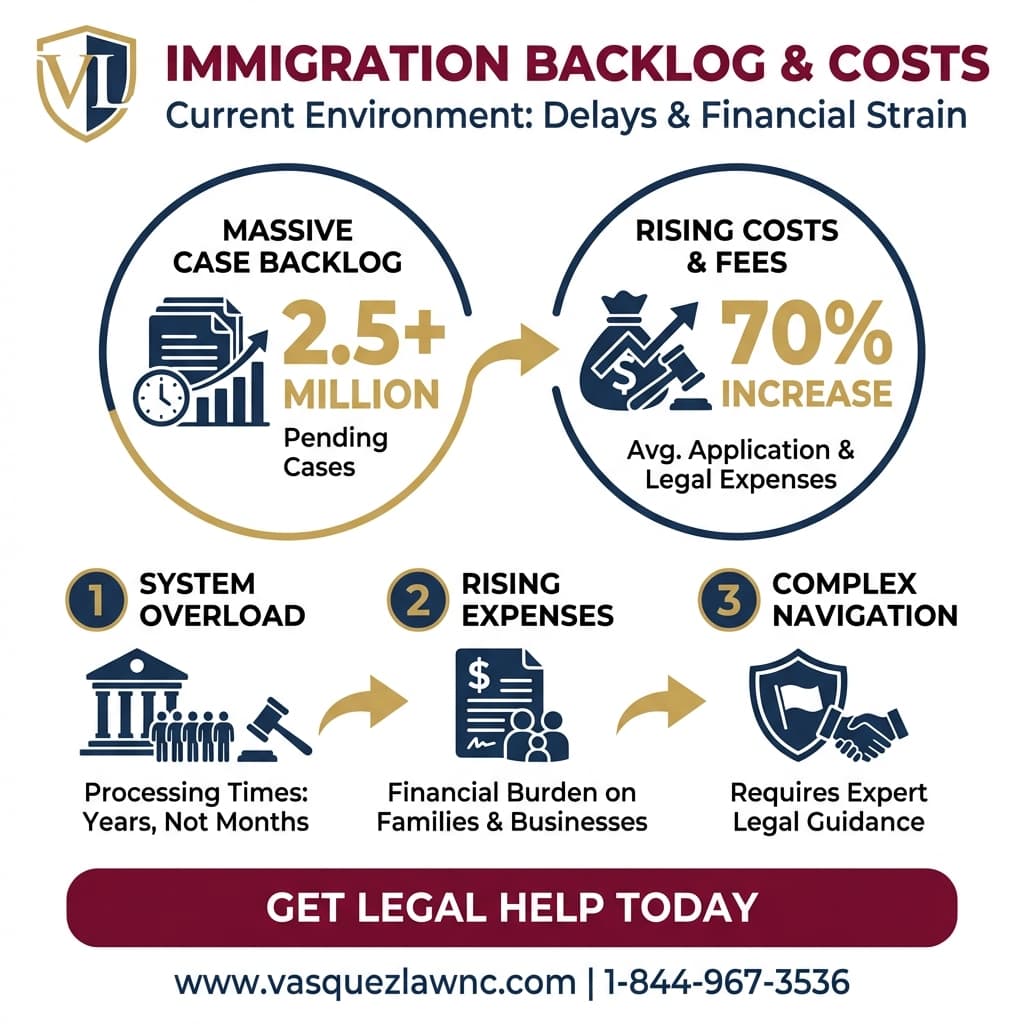
- Major legislative changes can significantly impact eligibility and processing times.
- Understanding specific bills requires close attention to congressional debates.
- These changes can affect individuals seeking asylum or various forms of relief.
- Legal counsel is crucial to navigate new regulations and requirements effectively.
Key Areas of Immigration Law Reform in 2026
This infographic illustrates the primary focus areas of current and proposed immigration law reform efforts in the U.S. as of 2026.
Alt Text: Infographic detailing key areas of immigration law reform in 2026, including border security, pathways to citizenship, visa system modernization, and enforcement. It highlights how immigration law reform aims to address current challenges.
Visual Elements:
- Title: Immigration Law Reform: 2026 Focus Areas
- Icon 1: Shield with border wall - Label: Border Security & Enforcement (e.g., increased funding, technology, personnel)
- Icon 2: Family silhouette holding hands - Label: Pathways to Legal Status (e.g., DACA solutions, asylum process reform, adjustment of status)
- Icon 3: Briefcase with gears - Label: Visa System Modernization (e.g., H-1B caps, green card backlogs, employment-based visas)
- Icon 4: Scales of justice - Label: Due Process & Protections (e.g., legal aid, detention conditions, expedited removal changes)
- CTA Micro: Stay informed on immigration law reform. Contact Vasquez Law Firm.
Why Immigration Law Reform Matters in 2026
Immigration law reform is a perennial topic in the United States, but 2026 brings renewed urgency and potential shifts. Current legislative discussions reflect evolving economic needs, humanitarian concerns, and national security priorities. For many, these reforms represent hope for stability and opportunity, while for others, they signal uncertainty and potential challenges. The impact of any new immigration bill passed today or yesterday can ripple through countless lives.
Understanding the latest immigration news today, particularly concerning proposed changes to existing statutes like the Immigration and Nationality Act (INA), is critical. These reforms can affect everything from family reunification processes to the availability of employment visas, directly influencing the lives of individuals in Raleigh, across North Carolina, Florida, and beyond. Vasquez Law Firm closely monitors these developments to provide timely and accurate advice.
Key Areas of Potential Immigration Law Reform
When discussing immigration law reform, several broad categories often come to the forefront. These areas are frequently targeted by new immigration bills and policy adjustments. Keeping track of these distinct but interconnected aspects is vital for anyone seeking to understand the future of U.S. immigration policy.
Border Security and Enforcement
A significant portion of any immigration reform bill typically addresses border security. This can include increased funding for border patrol, enhanced surveillance technology, and changes to asylum processing at the border. Discussions also often involve expedited removal procedures and the role of agencies like ICE and CBP. The goal is often to balance national security with humanitarian obligations, a complex task that frequently leads to heated debate in Congress.
Pathways to Legal Status and Citizenship
Another critical aspect of immigration law reform involves creating or modifying pathways for undocumented immigrants to gain legal status, or for legal residents to achieve citizenship. This includes discussions around programs like Deferred Action for Childhood Arrivals (DACA), agricultural worker programs, and provisions for long-term residents. A new immigration law for married couples, for instance, might streamline processes for spouses of U.S. citizens or permanent residents, reducing backlogs and processing times. These reforms aim to provide stability for millions already contributing to American society.
Visa System Modernization
Many reform proposals seek to update and streamline the existing visa system, which includes both family-based and employment-based visas. This could involve increasing the number of available visas, adjusting country caps, or creating new visa categories to meet specific economic needs. For businesses, changes to H-1B visas or other employment-based programs are particularly impactful. Modernizing the visa system is seen as essential for maintaining economic competitiveness and attracting global talent.
Step-by-Step: How to Stay Informed on Immigration Law Reform
Staying current with the latest immigration reform news today in Congress and beyond is crucial. Given the dynamic nature of legislative processes, proactive engagement and reliable information sources are your best defense against uncertainty. Here's a practical guide:
- Monitor Official Government Sources: Regularly check websites for USCIS (U.S. Citizenship and Immigration Services), the Department of State (U.S. Department of State), and the Executive Office for Immigration Review (EOIR). These provide primary updates on policy changes.
- Follow Reputable Legal News Outlets: Subscribe to newsletters or news feeds from established legal publications that focus on immigration law. They often offer in-depth analysis of proposed legislation and its potential impact.
- Consult an Immigration Attorney: The most reliable way to understand how immigration law reform affects you personally is to speak with an experienced immigration lawyer. Attorneys can interpret complex legal texts and provide tailored advice.
- Engage with Advocacy Groups: Many non-profit organizations and advocacy groups track immigration policy closely and offer summaries and insights into current reform efforts. They often provide accessible breakdowns of new immigration bills.
- Review Congressional Records: For those seeking detailed information, the official records of congressional debates and proposed bills are publicly available. This allows for a granular understanding of legislative intent and specific provisions.
Common Mistakes to Avoid with Immigration Law Reform
The fluidity of immigration law reform can lead to confusion and errors if not approached carefully. Avoiding these common pitfalls is essential for protecting your immigration status and pursuing your goals effectively.
- Assuming Rumors are Facts: Do not rely on unverified information from social media or informal sources. Always cross-reference with official government websites or legal professionals.
- Delaying Action: If a new policy offers a benefit, delaying your application can mean missing deadlines or encountering new restrictions. Swift action is often key.
- Failing to Update Records: If your address or other personal information changes, failing to update USCIS can lead to missed notices or delays, especially during periods of reform.
- Not Consulting Legal Counsel: Attempting to navigate complex new regulations without an attorney can result in errors, missed opportunities, or even adverse outcomes.
- Providing Incomplete Information: Any application or response to immigration authorities must be thorough and accurate. Incomplete submissions can lead to denials or requests for evidence, prolonging your case.
- Misinterpreting Eligibility Criteria: Reform bills often come with specific eligibility requirements. Misunderstanding these can lead to applying for programs for which you don't qualify, wasting time and resources.
- Ignoring Deadlines: Immigration processes are strict with deadlines. Missing a deadline for an application, appeal, or document submission can have severe consequences, including case closure or deportation.
If you only remember one thing: Always verify information about immigration law reform with an experienced attorney. The stakes are too high to rely on unconfirmed news or personal interpretations.
NC, FL, and Nationwide Notes on Immigration Law Reform
Immigration law in the United States is primarily federal, meaning that any immigration law reform passed by Congress or enacted by presidential executive action applies nationwide. However, the practical implications and local resources available can vary significantly by state and even by city.
Nationwide Impacts of Federal Reform
Any comprehensive immigration reform bill would have a nationwide impact, altering federal statutes like the Immigration and Nationality Act (INA). This means changes to visa categories, eligibility for benefits, and enforcement priorities would apply uniformly across all 50 states and U.S. territories. For instance, a new immigration bill passed today impacting family-based petitions would affect petitioners and beneficiaries regardless of their specific location. The federal nature of immigration law (8 U.S.C. § 1255) ensures a consistent legal framework.
North Carolina Considerations
While federal law dictates immigration policy, North Carolina residents, particularly those in Raleigh and surrounding areas, experience the effects of these changes through local USCIS field offices, immigration courts, and community resources. State and local law enforcement agencies may also have varying levels of cooperation with federal immigration authorities, influenced by specific state legislation or local ordinances. Access to legal aid and community support networks can also differ. Vasquez Law Firm serves clients throughout North Carolina, providing expert guidance on federal immigration matters with an understanding of local dynamics.
Florida Considerations
Florida, with its diverse immigrant population and proximity to international borders, is often significantly impacted by shifts in immigration law reform. The state has numerous USCIS offices and immigration courts, and its policies regarding undocumented immigrants, such as those related to driver's licenses or local law enforcement cooperation, can be influenced by or react to federal reforms. Vasquez Law Firm also extends its immigration services to clients across Florida, helping them navigate federal regulations and local implications of immigration law reform.
When to Call an Immigration Law Reform Attorney Now
The landscape of immigration law is constantly shifting, and proactive legal counsel is more important than ever. Here are critical indicators that you should contact an experienced immigration attorney immediately:
- A New Immigration Bill Passed: If a significant new immigration bill passed today or yesterday, affecting your status or eligibility, immediate legal review is essential.
- Upcoming Policy Changes: You hear reliable news about impending immigration law reform that could impact your application, visa, or current status.
- Received a Notice from USCIS or ICE: Any official communication from immigration authorities, especially if it's a Request for Evidence (RFE), Notice of Intent to Deny (NOID), or Notice to Appear (NTA), warrants immediate legal attention.
- Facing Deportation or Removal Proceedings: If you or a loved one are in removal proceedings, securing legal representation is paramount to protect your rights and explore all possible defenses.
- Applying for a Complex Visa or Green Card: For intricate cases, such as those involving waivers, criminal history, or unique family situations, an attorney can prevent costly mistakes.
- Concerns About DACA or TPS Status: If your DACA or TPS status is at risk due to new immigration law reform, or if you're considering applying for the first time, seek counsel.
- Seeking Asylum or Refugee Status: These cases are highly complex and require expert legal guidance to navigate the strict eligibility criteria and procedural requirements.
- Uncertainty About Eligibility: If you're unsure whether you qualify for a specific immigration benefit under current or proposed laws, an attorney can assess your situation accurately.
- Employer Immigration Needs: Businesses needing to understand the impact of reform on their foreign workforce or visa sponsorship must consult legal experts.
About Vasquez Law Firm
At Vasquez Law Firm, we combine compassion with aggressive representation. Our motto "Yo Peleo" (I Fight) reflects our unwavering commitment to standing up for your rights and providing dedicated legal advocacy. We understand the profound impact that immigration matters have on individuals and families, which is why we approach every case with urgency and personalized attention.
- Bilingual Support: Se Habla Español - our team is fully bilingual, ensuring clear communication and comfort for our diverse clientele.
- Service Areas: We proudly offer comprehensive immigration services across North Carolina, Florida, and nationwide, helping clients navigate federal immigration laws.
- Experience: Led by Attorney Vasquez, with over 15 years of dedicated experience, we have a proven track record of helping clients through complex legal matters.
- Results: We are committed to achieving favorable outcomes, having successfully handled thousands of cases across various practice areas.
Attorney Trust and Experience
Attorney Vasquez holds a Juris Doctor degree and is admitted to practice in both the North Carolina State Bar and Florida Bar. With over 15 years of dedicated legal experience, he has built a reputation for providing personalized attention and achieving favorable outcomes for his clients. He understands the intricacies of immigration law reform and is dedicated to protecting your future.
Don't face the complexities of immigration law reform alone. Our team is here to help you every step of the way.
Call today: 1-844-967-3536 | Se Habla Español
Frequently Asked Questions About Immigration Law Reform
What is the new immigration reform bill being discussed in 2026?
As of 2026, several proposals are under discussion in Congress, but no single comprehensive immigration reform bill has passed both chambers. Discussions often revolve around border security enhancements, pathways to legal status for Dreamers, and adjustments to employment-based visa caps. These bills are subject to continuous debate and amendment, making their final form uncertain. Consulting an attorney for the latest updates is advisable.
How might new immigration changes for 2026 impact family-based petitions?
Potential changes in 2026 could impact family-based petitions by either streamlining processing times, adjusting visa quotas, or modifying eligibility criteria for certain relatives. Some proposals aim to reduce backlogs, while others might introduce new requirements for sponsors or beneficiaries. It is crucial to monitor official USCIS announcements and consult an immigration lawyer to understand specific impacts on your family's case.
Are there any new immigration reforms affecting employment visas?
Yes, immigration law reform often includes provisions related to employment visas, such as H-1B, L-1, and O-1 categories. In 2026, potential reforms might involve adjustments to annual visa caps, changes to prevailing wage requirements, or new regulations for employers seeking to sponsor foreign workers. These changes aim to address labor market needs and prevent exploitation. Businesses and foreign workers should seek legal advice.
Why do some political groups reject proposed immigration bills?
Political groups often reject proposed immigration bills due to differing priorities and ideologies. Some may argue that bills do not adequately address border security, while others contend they lack sufficient humanitarian protections or pathways to citizenship. Economic impacts, enforcement mechanisms, and the scope of legal relief are common points of contention, making bipartisan consensus difficult to achieve in Congress.
What are the differences between immigration reform and immigration policy?
Immigration reform refers to legislative efforts to change existing immigration laws and policies, often involving significant statutory amendments. Immigration policy, on the other hand, encompasses the broader set of rules, regulations, and enforcement priorities that govern immigration at any given time, including those enacted by executive order or agency directives. Reform is the act of changing policy, while policy is the current state of affairs.
How can I find the latest immigration reform news today?
To find the latest immigration reform news today, you should consult official government sources like USCIS.gov, reputable legal news organizations, and established non-profit immigration advocacy groups. Following congressional committees focused on immigration and subscribing to their updates can also provide timely information. Be wary of unverified sources and always seek professional legal advice for personalized guidance.
Does immigration law reform affect DACA recipients?
Yes, immigration law reform frequently includes provisions that could significantly impact DACA (Deferred Action for Childhood Arrivals) recipients. Proposed bills often seek to provide a pathway to permanent legal status or citizenship for Dreamers, while other proposals might alter the program's eligibility or scope. The future of DACA is often a central component of comprehensive immigration reform discussions in Congress.
What is the role of the Executive Branch in immigration law reform?
The Executive Branch, primarily through the President, plays a significant role in immigration law reform by issuing executive orders, implementing new policies through agencies like USCIS and ICE, and influencing legislative priorities. While only Congress can pass new laws, the Executive Branch has considerable power in how existing laws are interpreted and enforced. This includes setting enforcement priorities and modifying administrative procedures.
Will immigration reform 2026 address the green card backlog?
Many proposed immigration reform bills for 2026 aim to address the extensive green card backlog, particularly for family-based and employment-based categories. Solutions might include recapturing unused visas from previous years, increasing annual visa caps, or reclassifying certain visa categories to reduce wait times. Addressing the backlog is a key priority for advocates and many lawmakers, but the specifics vary by proposal.
How does immigration law reform affect businesses hiring foreign workers?
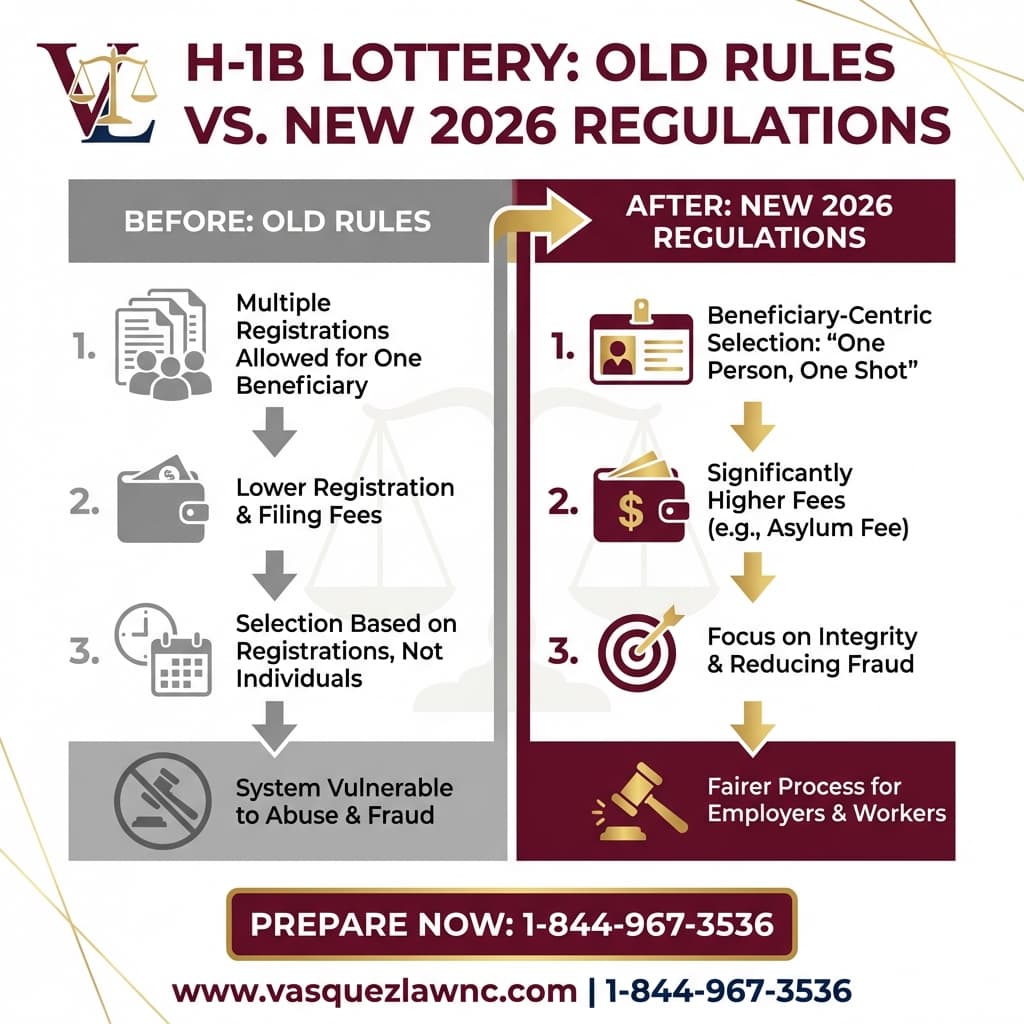
Immigration law reform can significantly affect businesses hiring foreign workers by changing visa availability, application processes, and compliance requirements. Reforms might introduce new visa categories, alter H-1B lottery rules, or impose stricter penalties for non-compliance. Businesses need to stay informed about these changes to ensure they remain compliant and can continue to attract essential global talent. Legal counsel is vital for navigating these complex regulations.
Sources and References
- U.S. Citizenship and Immigration Services (USCIS)
- U.S. Department of State
- Executive Office for Immigration Review (EOIR)
- Immigration and Nationality Act (INA) - 8 U.S. Code § 1101
- Adjustment of Status - 8 U.S. Code § 1255
Need immigration help? Our immigration attorneys can review your case.
Ready to take the next step? Contact Vasquez Law Firm today for a free, confidential consultation. We're committed to fighting for your rights and achieving the best possible outcome for your case.
Start Your Free Case Evaluation Now
Call us: 1-844-967-3536
Se Habla Español - Estamos aquí para ayudarle.


William Vasquez
Founder & CEO, Vasquez Law Firm, PLLC
William Vasquez is the founder and CEO of Vasquez Law Firm, PLLC, a results-driven firm specializing in immigration, criminal defense, personal injury, and workers' compensation. A U.S. Air Force veteran and recipient of the Joint Service Achievement Medal, William is dedicated to fiercely fighting for his clients' rights.
Related Legal Services
Need legal help? Learn more about how our immigration attorneys can help, or contact us for a free evaluation.
You can also visit our NC immigration team for more information.