Are Deportation Flights Unlawful? What Courts Say in 2026
Understand why certain deportation flights are ruled unlawful in 2026. Protect your rights and learn your options. Contact Vasquez Law for a free consultation today.
Published on February 26, 2026
Talk to an immigration attorney
Free call. A clear plan for your case.
Free & confidential · Se habla espanol · 24/7
Have questions? Talk to an attorney - free evaluation.
Call 1-844-967-3536Check your case status now
Look up your immigration case below, then talk to an attorney about what it means — free.
Questions about your result?
Talk to an attorney about your case — free, no obligation.
Are Deportation Flights Unlawful? What Courts Say in 2026
The landscape of immigration law is constantly evolving, and recent rulings have brought into sharp focus the complex issue of deportation flights unlawful or legal challenges against them. Understanding the nuances of these legal battles, particularly in 2026, is crucial for anyone facing deportation or seeking to understand their rights. This guide provides an in-depth look at what makes a deportation flight unlawful, the legal precedents, and how individuals in North Carolina, Florida, and across the nation can seek protection and legal recourse. Navigating these federal regulations requires expert legal guidance.
Need help with your case? Our experienced attorneys are ready to fight for you. Se Habla Español.
Schedule Your Free Case Evaluation
Or call us now: 1-844-967-3536
Quick Answer
Deportation flights can be deemed unlawful if they violate U.S. immigration laws, international human rights treaties, or specific court orders, often stemming from due process or asylum claim issues. Recent 2026 rulings have emphasized the necessity for proper legal procedures before removal. Individuals facing such flights may have grounds to challenge their deportation.
- Violations of due process rights.
- Failure to assess valid asylum claims.
- Breaches of international non-refoulement principles.
- Absence of a final, legally enforceable removal order.
- Specific court injunctions prohibiting removal.
- Removal to a country where the individual faces persecution.
Understanding Unlawful Deportation Flights in 2026
The term "unlawful deportation flights" refers to situations where an individual is removed from the U.S. without proper legal authority or in violation of established legal protections. This can occur for several reasons, from procedural errors to fundamental breaches of an individual's rights under U.S. and international law. In 2026, the focus remains on ensuring that all removal processes adhere strictly to legal requirements, especially concerning asylum seekers and those with pending legal challenges.
A key aspect of determining if a deportation flight is unlawful involves examining whether the individual had a full and fair opportunity to present their case. This includes access to legal counsel, the right to appeal, and a thorough review of any protection claims, such as asylum or withholding of removal. Without these safeguards, a removal order, and consequently a deportation flight, could be challenged.
Recent court decisions, including those impacting policies from previous administrations, have set important precedents. For example, a judge ruled certain "third country" deportation policies unlawful, highlighting the judiciary's role in overseeing executive actions related to immigration. These rulings underscore the importance of understanding your rights and seeking immediate legal counsel if you believe your deportation is not lawful.
Legal Grounds for Challenging Deportation
Challenging a deportation order is a complex legal process that requires a deep understanding of immigration law. Common grounds for challenging a deportation flight include:
- Due Process Violations: If you were not given adequate notice of proceedings, denied a fair hearing, or lacked access to counsel, your due process rights may have been violated. The Fifth Amendment to the U.S. Constitution guarantees due process for all persons, including non-citizens.
- Asylum or Protection Claims: If you have a credible fear of persecution or torture in your home country and were not given a proper opportunity to present your asylum or withholding of removal claim, your deportation could be unlawful. This is particularly relevant under 8 U.S.C. § 1231(b)(3).
- Material Errors of Law or Fact: If the immigration judge or Board of Immigration Appeals (BIA) made a significant error in applying the law or interpreting the facts of your case, this could be grounds for appeal.
- Changed Country Conditions: If conditions in your home country have significantly worsened since your removal order was issued, you might be eligible for a motion to reopen your case to seek protection.
The Role of Court Orders and Injunctions in Preventing Unlawful Deportation
Federal courts play a critical role in preventing unlawful deportation flights by issuing orders and injunctions. These judicial actions can temporarily or permanently halt deportations if there's evidence that immigration authorities are acting outside the bounds of the law or violating individuals' rights. In 2026, the judiciary continues to act as a check on executive power, ensuring that all government agencies, including ICE, adhere to legal standards.
A common scenario involves a federal judge issuing a temporary restraining order (TRO) or a preliminary injunction. These orders can stop a specific deportation or a class of deportations, giving individuals more time to pursue their legal remedies. For example, in cases where an individual has a pending asylum claim or a valid appeal, a court may intervene to prevent their removal until their case is fully heard.
These court orders are often the last line of defense for individuals facing imminent deportation. They require swift legal action and presentation of compelling arguments to the court. The ability to secure such an order often depends on the urgency of the situation and the strength of the legal challenge against the removal. Vasquez Law Firm has experience navigating these urgent legal challenges.
Recent Legal Precedents and Their Impact
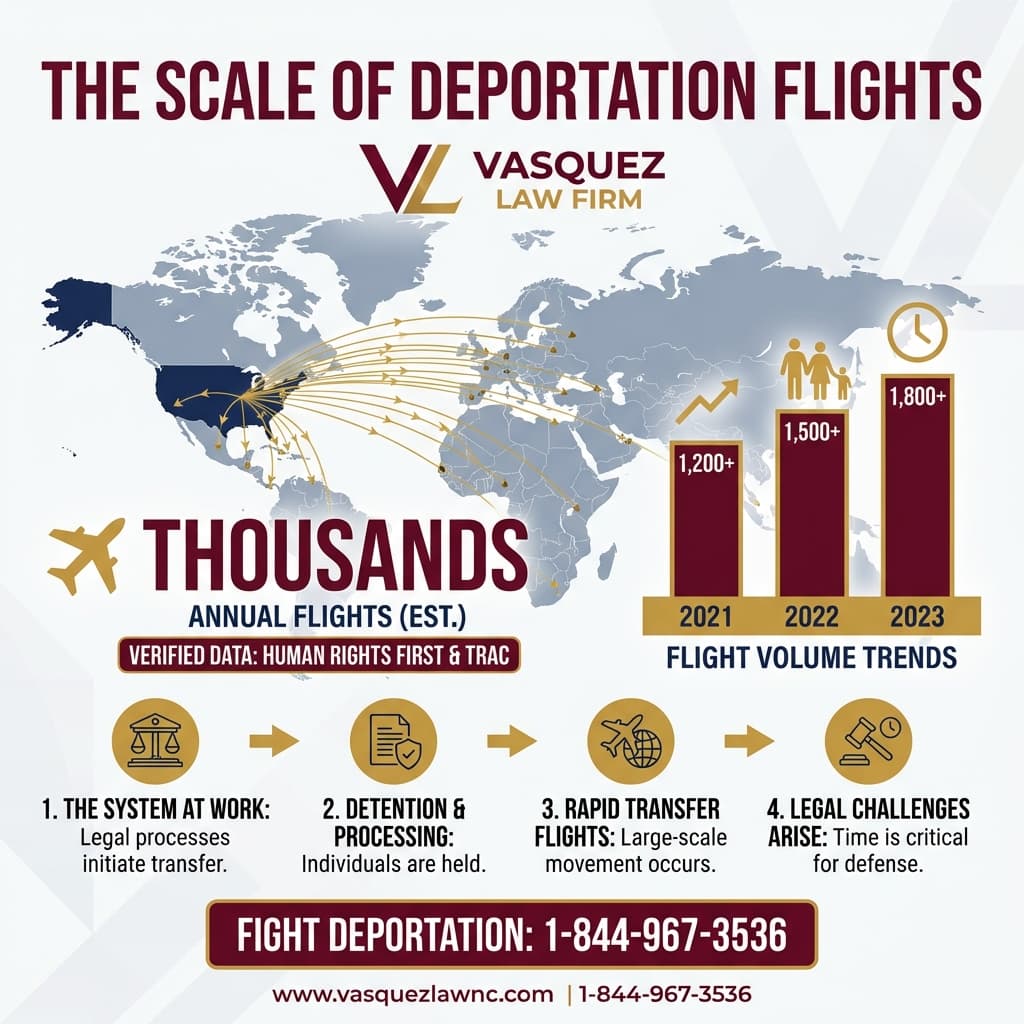
Over the past few years, there have been several significant legal developments that have shaped the discourse around unlawful deportation flights. In 2026, these precedents continue to influence how immigration cases are litigated and how federal agencies operate. One notable example involves challenges to policies that sought to expedite deportations without adequate review of protection claims.
For instance, a judge told Trump to halt deportation flights in specific circumstances, ruling certain policies as unlawful. These rulings underscored that even in cases of national interest, due process and international obligations cannot be circumvented. Such legal victories provide hope and a framework for future challenges against potentially unlawful removals. These cases are often cited in ongoing litigation.
Understanding these precedents is vital for any legal strategy concerning deportation. They demonstrate that the U.S. legal system provides avenues for challenging government actions, even when facing a powerful federal agency like ICE. An experienced immigration attorney can leverage these precedents to protect your rights.
What to Do If You or a Loved One Faces Deportation
Facing a deportation order can be an incredibly stressful and frightening experience. However, it's crucial to remember that you have rights and legal options. Taking immediate and informed action is essential, especially when dealing with the possibility of deportation flights.
First and foremost, seek legal counsel immediately. An immigration attorney can assess your situation, identify potential legal grounds for challenge, and guide you through the complex legal process. Do not sign any documents without understanding their implications and consulting with a lawyer. Many individuals, especially those in Orlando or elsewhere in Florida and North Carolina, have found prompt legal intervention to be critical.
Secondly, gather all relevant documents. This includes any immigration papers, court notices, personal identification, and evidence supporting any claims for protection (e.g., asylum, U visa, T visa). Having these documents readily available can expedite the legal review process and strengthen your case.
Finally, understand that even if you have a deportation order, there may still be avenues to halt your removal. This could involve filing motions to reopen, seeking a stay of removal, or appealing to a higher court. These legal maneuvers often require quick action and the expertise of a seasoned immigration attorney.
Steps to Take When Facing Deportation
- Contact an Immigration Attorney Immediately: Time is often of the essence. An attorney can review your case, advise you of your rights, and explore all available legal options to prevent an unlawful deportation.
- Do Not Self-Deport: Even if you are told to leave, do not depart voluntarily without consulting with a lawyer. Self-deportation can have severe consequences for your ability to return to the U.S. in the future.
- Gather All Documentation: Collect all immigration documents, court notices, personal identification, and any evidence supporting your claims for relief (e.g., asylum application, proof of U.S. citizen relatives).
- Understand Your Rights: You have the right to remain silent, the right to speak with an attorney, and the right to a hearing before an immigration judge in most circumstances.
- Explore All Legal Avenues: Your attorney may file motions to reopen your case, appeals, or petitions for review to challenge the deportation order. They may also seek a stay of removal from ICE or a federal court.
Navigating Deportation Orders and Flights in North Carolina and Florida
For individuals in North Carolina and Florida, the legal landscape surrounding deportation orders and flights can be particularly challenging. While immigration law is federal, the practical implementation and access to legal resources can vary by state and even by local jurisdiction. Vasquez Law Firm serves clients in both states, understanding the specific needs and challenges faced by immigrant communities in these regions, including Orlando.
In North Carolina, for instance, access to detention facilities and immigration courts can impact how quickly and effectively an attorney can intervene. Similarly, in Florida, especially in areas with large immigrant populations like Orlando, the volume of cases can lead to longer processing times and increased complexity. Understanding these local dynamics is crucial for mounting an effective defense against deportation.
Whether you are in Raleigh, Charlotte, Orlando, or Miami, the fundamental principles of challenging an unlawful deportation flight remain the same. However, a local attorney familiar with the specific courts, judges, and ICE field offices in your area can provide invaluable strategic advice and representation. They can also help navigate any state-specific resources or challenges that may arise.
What to Expect During Deportation Proceedings
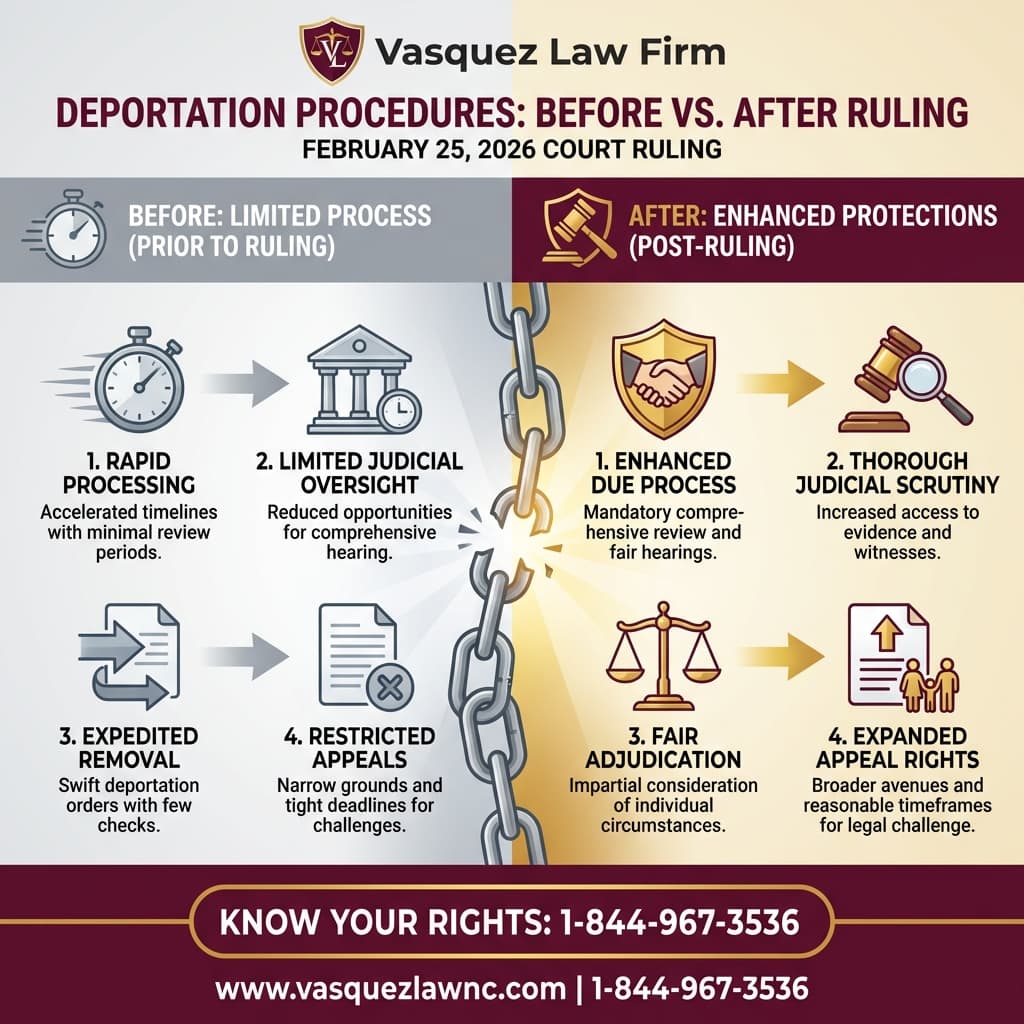
Deportation proceedings, also known as removal proceedings, typically begin when the Department of Homeland Security (DHS) issues a Notice to Appear (NTA). This document outlines the reasons the government believes you are deportable. Once an NTA is issued, your case will be heard by an immigration judge in an Executive Office for Immigration Review (EOIR) court. The process involves several hearings, where you have the opportunity to present your case, offer evidence, and apply for forms of relief from removal, such as asylum or cancellation of removal.
If the immigration judge orders you deported, you typically have the right to appeal this decision to the Board of Immigration Appeals (BIA). If the BIA upholds the deportation order, you may then be able to appeal to a federal circuit court. Throughout this process, an attorney can help you understand each step, prepare your arguments, and represent you in court. It's important to remember that a final order of removal does not always mean immediate deportation; there may still be options to seek a stay of removal.
Don't face your legal challenges alone. Our team is here to help you every step of the way.
Call today: 1-844-967-3536 | Se Habla Español
Common Mistakes to Avoid in Deportation Cases
Navigating deportation proceedings is fraught with potential pitfalls that can severely jeopardize your case. Being aware of these common mistakes and actively working to avoid them is paramount to protecting your rights and increasing your chances of a favorable outcome. Many of these errors stem from a lack of understanding of complex immigration law or the emotional distress of the situation.
- Missing Deadlines: Immigration courts operate on strict deadlines for filing documents, appeals, and motions. Missing even one deadline can lead to an automatic deportation order. Always be aware of your court dates and filing requirements.
- Not Disclosing All Information to Your Attorney: Withholding information, even if you believe it's irrelevant or embarrassing, can prevent your attorney from building the strongest possible defense. Full transparency is essential.
- Failing to Seek Legal Counsel: Attempting to navigate immigration court without an attorney is a significant risk. Immigration law is complex, and a lawyer can identify defenses and forms of relief you might not know exist.
- Signing Documents Without Understanding Them: Never sign any document presented by an immigration officer or judge unless you fully understand its contents and implications, preferably after consulting with an attorney.
- Providing Inconsistent Information: Any inconsistencies in your statements or applications can be used against you by the government. Always be truthful and consistent in all your interactions and paperwork.
- Not Updating Your Address with EOIR: If you move, you must notify the Executive Office for Immigration Review (EOIR) of your new address. Failure to do so can result in you missing court notices and receiving an in absentia deportation order.
- Leaving the U.S. Voluntarily Without Legal Advice: While it might seem like a simple solution, voluntary departure without consulting an attorney can have severe long-term consequences, including bars to re-entry.
If you only remember one thing: Always consult with a qualified immigration attorney as soon as you are aware of any potential deportation proceedings. Their expertise is your best defense against deportation flights unlawful or not.
When to Call a Lawyer Now About Deportation Flights
The urgency of your situation often dictates the potential for a positive outcome in deportation cases. There are specific triggers that should prompt you to contact an immigration attorney immediately. Delaying legal consultation can severely limit your options and increase the risk of an unfavorable resolution, potentially leading to an unlawful deportation.
- You have received a Notice to Appear (NTA) from DHS.
- You or a loved one has been detained by ICE.
- You have an existing deportation order and believe it was issued improperly.
- You have a pending asylum application and fear imminent deportation.
- You are facing a credible fear interview or reasonable fear interview.
- You are considering voluntary departure but want to understand the consequences.
- You believe your due process rights have been violated during immigration proceedings.
- You are an individual in North Carolina or Florida with an urgent immigration issue.
- There is a flight scheduled for your removal, and you believe it is unlawful.
About Vasquez Law Firm
At Vasquez Law Firm, we combine compassion with aggressive representation. Our motto "Yo Peleo" (I Fight) reflects our commitment to standing up for your rights and fighting tirelessly for justice. We understand the profound impact that immigration issues, including the threat of deportation flights unlawful or otherwise, can have on individuals and families. Our dedicated team is here to provide the steadfast legal support you need.
- Bilingual Support: Se Habla Español - our team is fully bilingual, ensuring clear communication and understanding throughout your legal journey.
- Service Areas: We proudly serve clients in North Carolina and Florida, offering comprehensive immigration services nationwide.
- Experience: With over 15 years of focused experience, we have a proven track record of helping clients navigate complex legal matters and achieve favorable outcomes.
- Results: Our firm has successfully handled thousands of cases across multiple practice areas, demonstrating our commitment to client success.
Attorney Trust and Experience
Attorney Vasquez holds a Juris Doctor degree and is admitted to practice in both the North Carolina State Bar and Florida Bar. With over 15 years of dedicated legal experience, he has built a reputation for providing personalized attention and achieving favorable outcomes for his clients. His commitment to the immigrant community, combined with his strategic legal approach, makes Vasquez Law Firm a trusted advocate for those facing challenging immigration circumstances, including the complexities surrounding deportation flights unlawful in nature.
Don't face your legal challenges alone. Our team is here to help you every step of the way.
Call today: 1-844-967-3536 | Se Habla Español
Frequently Asked Questions
Did a judge tell Trump to halt deportation flights?
Yes, during the Trump administration, federal judges issued rulings that halted certain deportation flights and policies. These included injunctions against the removal of specific groups or challenges to policies like the "third country" asylum rule, which a judge ruled unlawful. These judicial interventions highlighted the courts' role in upholding due process and statutory requirements in immigration matters.
Can you fly if you have a deportation order?
Generally, if you have a final deportation (removal) order, you are not permitted to fly within or out of the U.S. unless it is specifically for your removal or if a stay of removal has been granted. Attempting to travel with an active deportation order can lead to immediate detention and expedited removal. Always consult an attorney before making travel plans if you have a removal order.
Who pays for the flight if you are deported?
The cost of a deportation flight is typically borne by the U.S. government, specifically by agencies like Immigration and Customs Enforcement (ICE). In some cases, if an individual is financially able, they might be asked to contribute to the cost, but this is less common. The primary responsibility for funding removals rests with federal immigration authorities.
Can you sue for unlawful deportation?
Yes, under certain circumstances, you may be able to sue for unlawful deportation. This typically involves filing a federal lawsuit challenging the legality of your removal, often under habeas corpus or the Administrative Procedure Act. Such cases are complex and usually involve claims of due process violations or errors of law. It requires strong legal representation.
What is a stay of removal, and how does it prevent deportation?
A stay of removal is a temporary halt to a deportation order, preventing immigration authorities from removing an individual from the U.S. It can be granted by an immigration judge, the Board of Immigration Appeals, ICE, or a federal court. A stay provides crucial time to pursue appeals, motions to reopen, or other forms of relief that might ultimately prevent deportation.
What happens if I miss my immigration court hearing?
Missing an immigration court hearing, especially if you were properly notified, can lead to an "in absentia" removal order. This means the judge can order you deported without you being present. It is extremely difficult to reverse an in absentia order, often requiring proof that you did not receive notice or had exceptional circumstances preventing your attendance.
What are the differences between deportation and voluntary departure?
Deportation (removal) is a formal legal order forcing an individual to leave the U.S., often carrying severe future immigration consequences, including bars to re-entry. Voluntary departure allows an individual to leave the U.S. on their own terms, typically without the same long-term penalties, if granted by an immigration judge or ICE. It preserves more future options.
Can a U.S. citizen be deported?
No, a natural-born or naturalized U.S. citizen cannot be deported. Citizenship is the ultimate protection against removal. However, there have been rare instances where an individual's citizenship was fraudulently obtained and subsequently revoked, leading to potential removal proceedings. This is an extremely rare and complex legal scenario.
How long does the deportation process take?
The deportation process varies significantly in length, from a few weeks in expedited removal cases to several years for complex cases involving appeals or multiple forms of relief. Factors like court backlogs, the complexity of the legal issues, and the availability of evidence all influence the timeline. Legal representation can help streamline the process.
What is the "non-refoulement" principle in immigration law?
The non-refoulement principle is a fundamental tenet of international refugee law, prohibiting countries from returning individuals to a country where they would face persecution, torture, or other serious human rights violations. This principle is codified in U.S. law through asylum and withholding of removal provisions and is a key defense against potentially unlawful deportation flights.
Sources and References
- U.S. Citizenship and Immigration Services (USCIS)
- Executive Office for Immigration Review (EOIR)
- 8 U.S. Code § 1231 - Detention and removal of aliens; general
- 8 U.S. Code § 1252 - Judicial review of orders of removal
Need immigration help? Our immigration attorneys can review your case.
Ready to take the next step? Contact Vasquez Law Firm today for a free, confidential consultation. We're committed to fighting for your rights and achieving the best possible outcome for your case.
Start Your Free Case Evaluation Now
Call us: 1-844-967-3536
Se Habla Español - Estamos aquí para ayudarle.


William Vasquez
Founder & CEO, Vasquez Law Firm, PLLC
William Vasquez is the founder and CEO of Vasquez Law Firm, PLLC, a results-driven firm specializing in immigration, criminal defense, personal injury, and workers' compensation. A U.S. Air Force veteran and recipient of the Joint Service Achievement Medal, William is dedicated to fiercely fighting for his clients' rights.
Related Legal Services
Need legal help? Learn more about immigration lawyers in North Carolina, or contact us for a free evaluation.
You can also visit immigration legal services throughout NC for more information.