What Federal Drug Charges Mean for You in 2026
What are federal drug charges and their penalties in 2026? Learn key facts and how to protect your rights. Contact Vasquez Law for a free case evaluation.
Published on July 8, 2026
Protect your record and your freedom
Free, confidential review. 24/7.
Free & confidential · Se habla espanol · 24/7
Have questions? Talk to an attorney - free evaluation.
Call 1-844-967-3536Protect Your Record and Your Freedom
A confidential case review - available 24/7 for emergencies.
What Federal Drug Charges Mean for You in 2026
Facing federal drug charges can change your future a lot. In 2026, it is important to understand what makes drug charges federal, common crimes, and possible punishments. This guide explains federal drug charges in simple terms. It also describes the legal process in Smithfield and North Carolina. Plus, it shows how Vasquez Law Firm can help with your defense. Whether you face drug trafficking or possession charges, knowing your options helps protect your rights and plan a strong legal response.
Need help with your case? Our experienced attorneys are ready to fight for you. Se Habla Español.
Or call us now: 1-844-967-3536
Quick Answer
Federal drug charges mean breaking federal drug laws. These usually include trafficking or having large amounts of controlled substances. Controlled substances are drugs regulated by law. Punishments can range from probation to many years in federal prison. The legal process includes arrest, formal charges called indictment, trial, or plea deals. It is very important to get experienced legal help quickly to protect your rights.
- Federal drug crimes include possession, selling, or trafficking
- Federal courts have power if the crime involves crossing state lines or federal land
- Punishments depend on drug type, amount, and past records
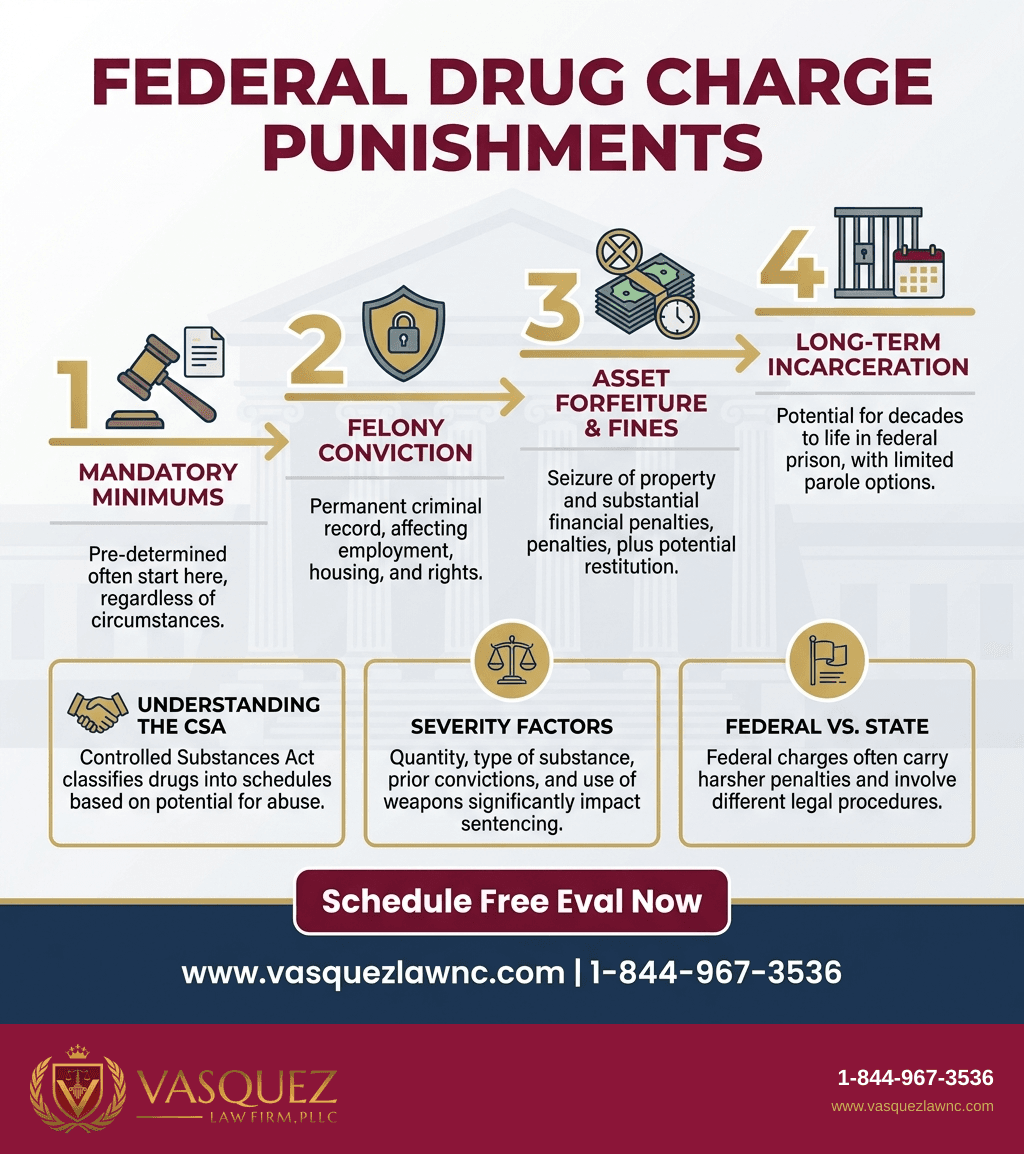
- Mandatory minimum sentences often apply
- Early legal help can improve your case
Understanding Federal Drug Charges
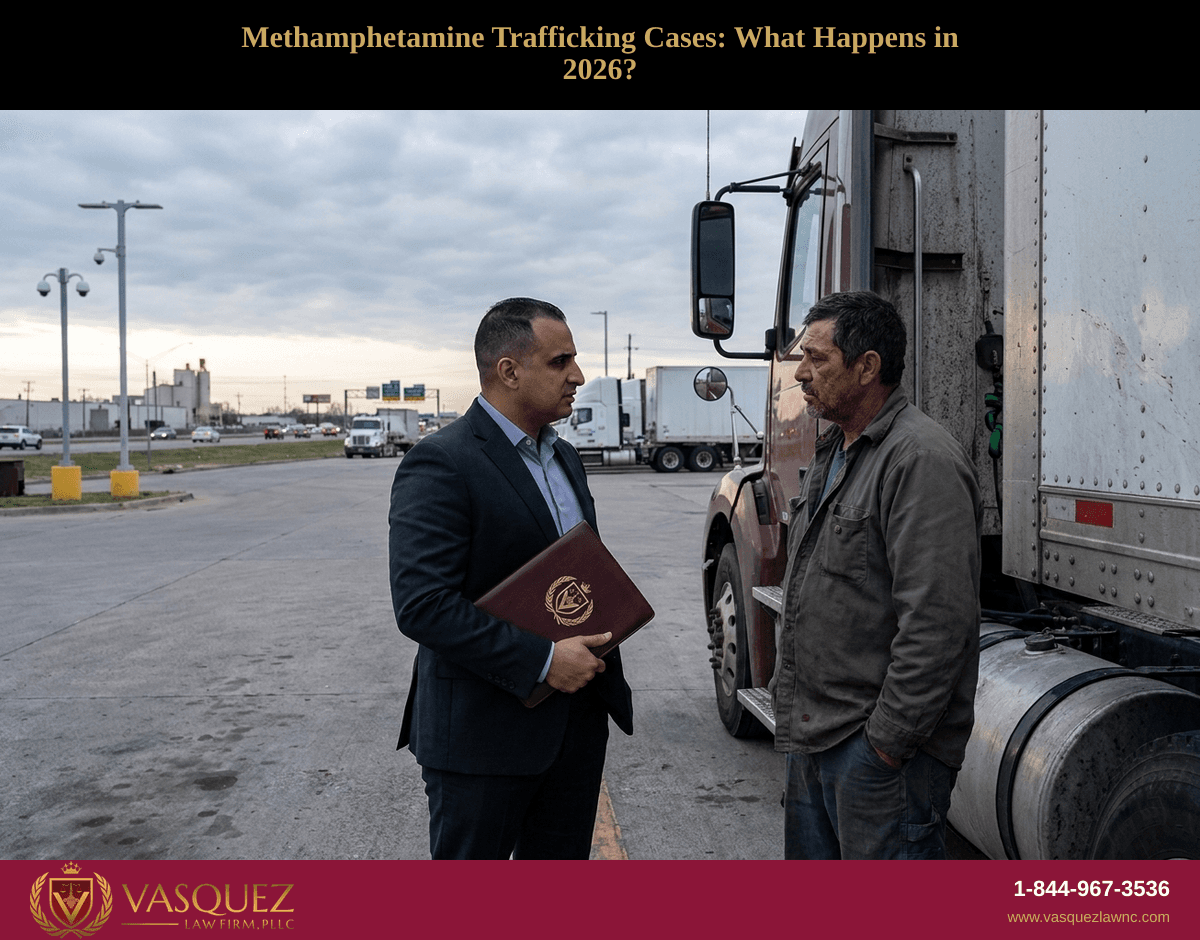
Federal drug charges happen when a person breaks laws under the Controlled Substances Act. This law is mainly found at 21 U.S.C. §§ 801 to 971. A common example is trafficking controlled substances like cocaine, methamphetamine, heroin, or fentanyl across state lines. Trafficking means moving or selling drugs. It also applies if someone has these drugs intending to sell them. Cases can be federal if the crime happens on federal land, like military bases or Indian reservations. It also applies if the crime involves mail or phone fraud related to drug sales.
For example, in 2026, federal drug trafficking laws are strict. They have mandatory minimum sentences for having drugs with intent to sell over certain amounts. Under 21 U.S.C. § 841, selling 500 grams or more of cocaine means at least 5 years in prison. The sentence can be up to 40 years for larger amounts or repeat crimes. This law explains specific punishments based on drug types and amounts.
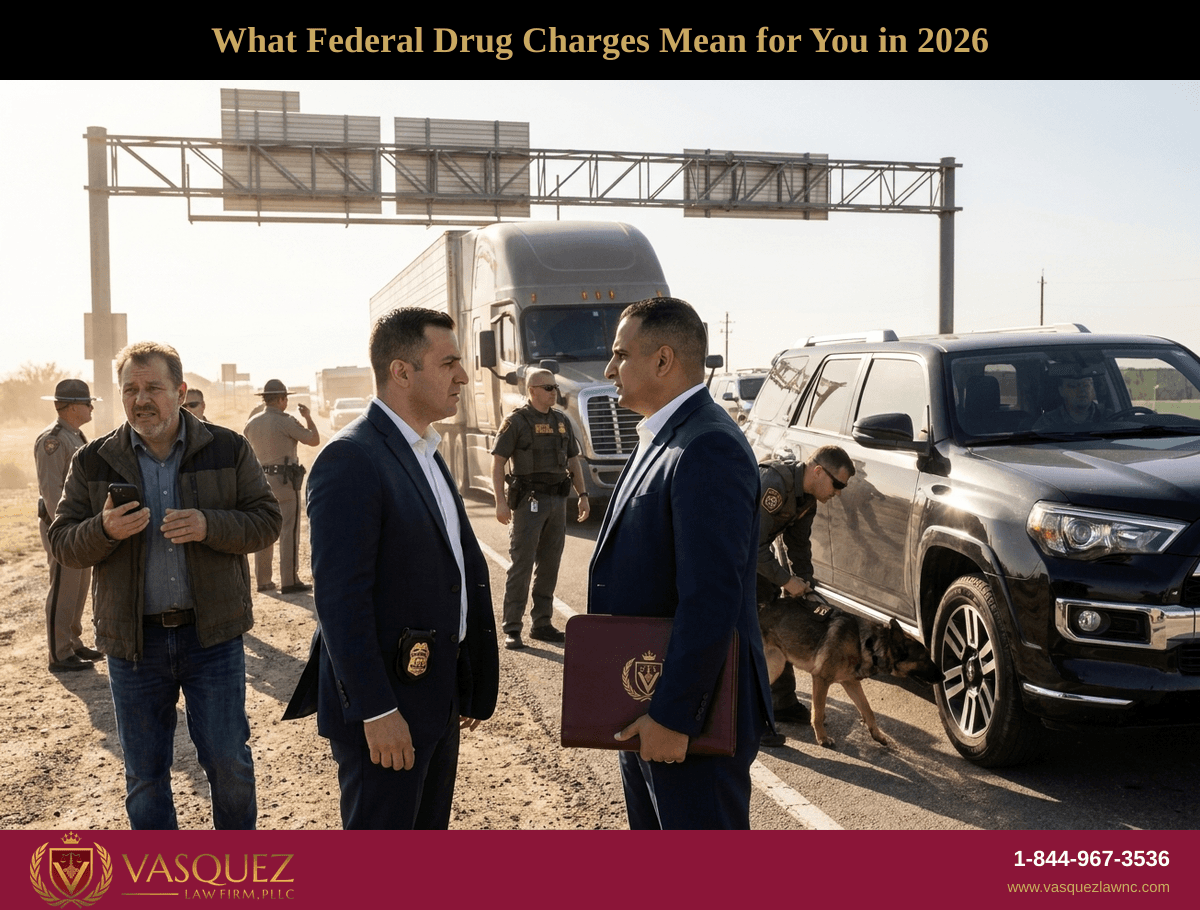
Federal courts have power when the drug crime involves interstate commerce. Interstate commerce means business or trade between states. This is true even if the trafficking happens inside one state. This means someone arrested in Smithfield, North Carolina, can face federal charges if police prove the drugs crossed state lines. Federal charges usually have tougher punishments than state charges.
Another important rule is about firearms. Under 18 U.S.C. § 924(c), having or using a gun during a drug trafficking crime can add extra prison time. These extra sentences add on top of the drug sentences and can make the total time much longer.
Learn more about our criminal defense services to understand how federal drug charges are different from state charges and what that means for your case.
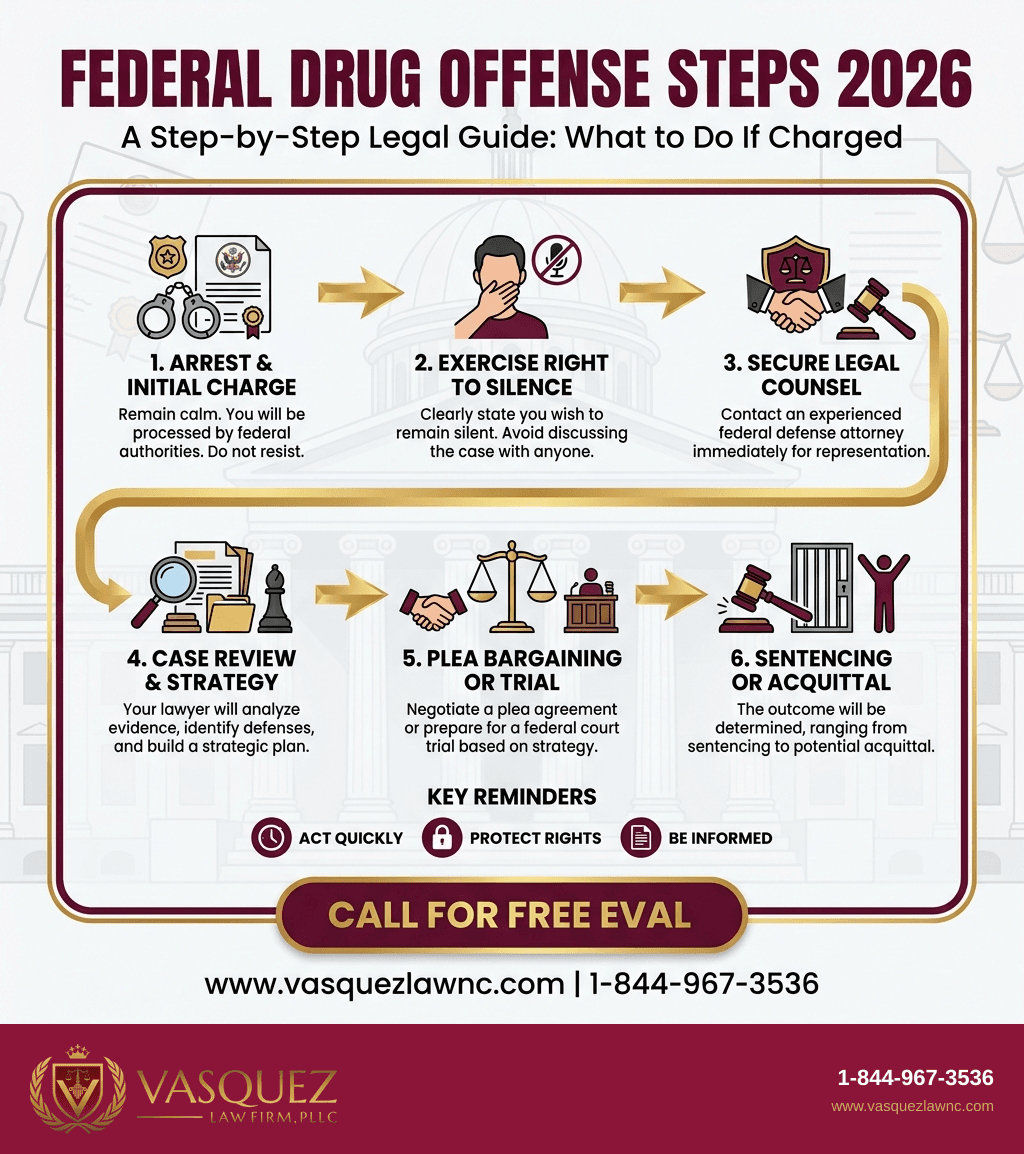
Step-by-Step: What To Do If Charged
- Stay silent and ask for a lawyer. You have the right under the Fifth Amendment not to say anything that can hurt you.
- Contact a skilled federal criminal defense lawyer right away. Time is very important to check evidence and build your defense.
- Keep all papers and messages. This includes arrest records, search warrants, items taken, and anything you said to police.
- Get ready for first court appearances. Learn about federal bail and rules.
- Talk about possible defenses with your lawyer. These may include questioning if the search was legal, if you meant to commit a crime, or if you were mistaken for someone else.
- Think carefully about plea deals. Federal plea bargains can lower punishments but have risks compared to going to trial.
- Follow your lawyer's advice during investigations, hearings, and trial if needed.
Attorney Vasquez has a lot of experience defending federal drug charges in North Carolina. Talking to a lawyer early can avoid costly errors and protect your rights.
Documents and Evidence Checklist
- Arrest report and charging papers
- Search warrant and sworn statement (affidavit)
- List of items taken by police
- Lab reports showing drug types and amounts
- Witness statements or recordings
- Messages or phone records about drug deals
- Criminal records of the accused
Getting these papers early is very important. Your lawyer can ask prosecutors for evidence and file motions if evidence is missing or taken illegally.
Timeline: What To Expect
- Week 1-2: Arrest, booking, and first court appearance before a magistrate judge.
- Week 3-4: Preliminary hearing or grand jury charges. Early talks about plea deals may start.
- Month 2-3: Pretrial motions, including challenges to evidence or hearings to stop illegal evidence.
- Months 4-6: Possible plea deal or trial preparation.
- Months 6+: Trial, verdict, and if found guilty, sentencing.
This timeline can be longer if the case is complex. Talking to a skilled lawyer early helps you handle these steps well.
Costs and Fees: What Influences Your Case
- Lawyer fees based on experience and case difficulty.
- Costs for expert witnesses or lab tests.
- Fees for motions and investigations.
- Possible bail or bond costs.
- Costs if you appeal the case.
Vasquez Law Firm tries to be clear about fees. Early talks help you understand costs and payment plans for defense work.
Common Mistakes and How to Avoid Them
- Talking to police without a lawyer: Only talk through your lawyer to avoid saying things that hurt you.
- Missing early court dates: Always go to hearings to avoid more charges or arrest warrants.
- Not saving evidence: Keep all related papers and record talks with police and lawyers.
- Confusing federal and state charges: Federal charges have different punishments—get expert advice.
- Only using public defenders: Think about private lawyers with federal drug case experience for better help.
- Waiting too long to get a lawyer: Early action helps challenge evidence or get better plea deals.
- Missing deadlines for motions: Lawyers must file on time to protect your rights in federal court.
If you remember only one thing: contact a skilled federal criminal defense lawyer right away to protect your rights and build a strong defense.
Jurisdiction Notes for NC and Federal Cases
North Carolina Notes
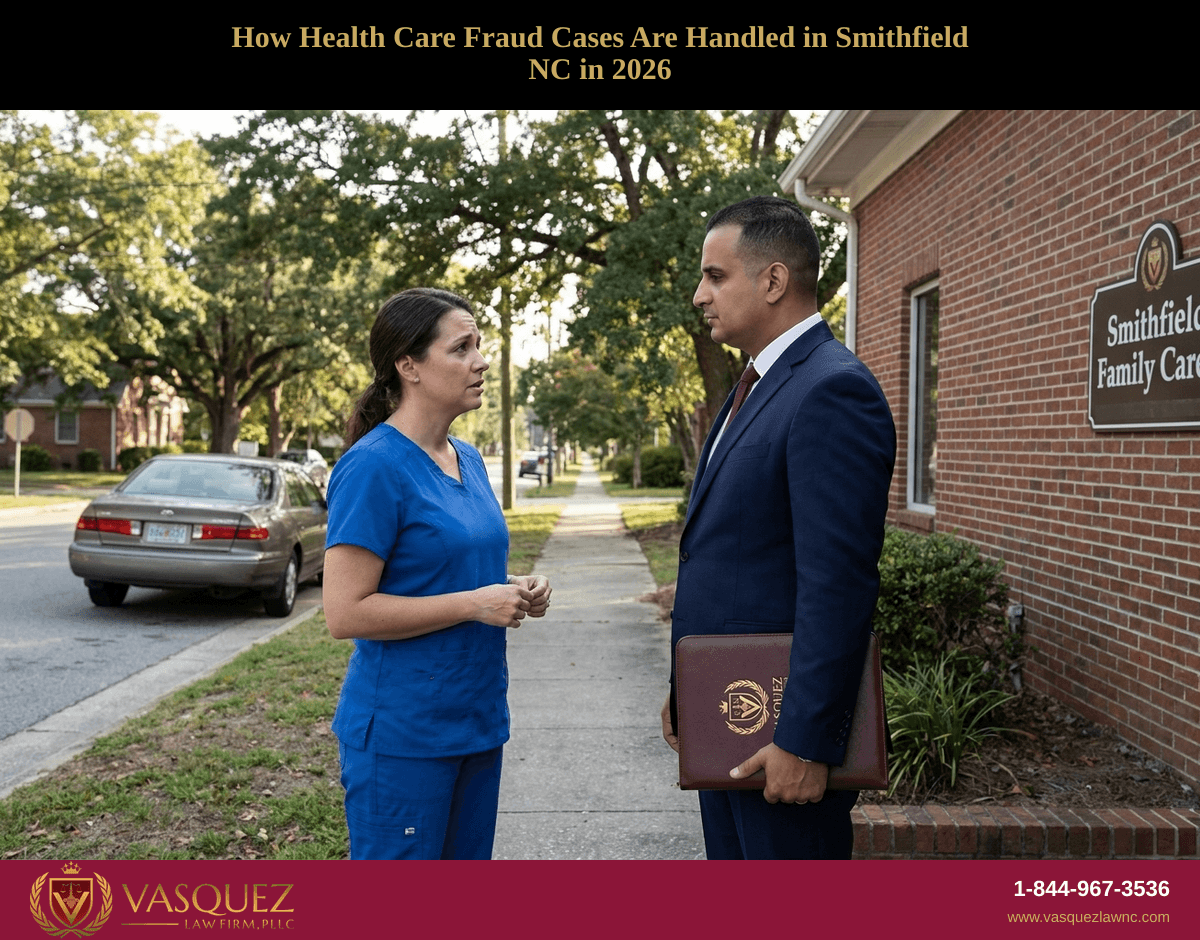
In Smithfield and all over North Carolina, both state and federal authorities can charge drug crimes. Federal cases usually involve bigger drug amounts or trafficking across state lines. Vasquez Law Firm knows the local federal court system well. We work closely with clients from charges to sentencing.
Nationwide Concepts (General Only)
Federal drug laws apply the same across the country but enforcement and sentences can vary by district. The Controlled Substances Act (21 U.S.C.) is the federal law. Sentences use the U.S. Sentencing Guidelines to keep things fair. Still, local prosecutors’ priorities can affect case results.
When to Call a Lawyer Immediately
- If you are arrested or questioned by federal drug agents.
- If you get a federal grand jury subpoena or charges.
- If your case involves guns with drug crimes.
- If you face asset seizure with drug charges.
- If police searched your home or car.
- If you have past convictions that affect your sentence.
- If you want to discuss plea deals or diversion programs.
- If you are not a citizen and face drug charges affecting immigration.
- If police pressured or tricked you during questioning.
- If you feel forced to give up your rights without a lawyer.
About Vasquez Law Firm
At Vasquez Law Firm, we mix care with strong defense. Our motto "Yo Peleo®" (I Fight) shows our promise to protect your rights.
- Bilingual Support: Se Habla Español — Spanish-speaking lawyers and staff available
- Service Areas: North Carolina, including Smithfield, focusing on federal and state criminal defense
- Experience: Over 30 years helping clients with complex legal issues
- Results: Thousands of successful cases in many practice areas
Attorney Trust and Experience
William J. Vásquez is licensed in North Carolina and has 15 years defending federal drug cases in Raleigh and Smithfield. He creates strategies that fit each client’s situation.
Don't wait to get the help you need. Call us now for quick help.
Se Habla Español
Frequently Asked Questions
What makes drug charges federal?
Federal drug charges usually involve trafficking across state lines, having large amounts, or crimes on federal land. Because laws like the Controlled Substances Act apply nationwide, cases with interstate parts or federal jurisdiction go to federal court. Federal charges often have harsher punishments than some state charges.
What is an example of a federal drug offense?
Drug trafficking with large amounts of cocaine moved between states is a common federal crime. Other examples are having drugs to sell on federal land or sending drugs by mail. These are all charged under federal laws like 21 U.S.C. § 841.
What is the sentence for federal drug charges?
Sentences vary a lot. They depend on drug type, amount, past crimes, and federal laws used. Mandatory minimum sentences usually start at five years and can go up to twenty years. First-time offenders may get lower sentences under some programs but need skilled lawyers.
How do you beat federal drug charges?
Defenses include challenging evidence taken illegally, proving no intent to sell, or showing mistakes in procedure. Getting a lawyer early helps find if your constitutional rights were broken, like illegal searches under the Fourth Amendment. This can lead to case dismissal or weaker charges.
Can federal drug charges affect immigration status?
Yes, federal drug convictions can cause deportation or stop legal residency. Noncitizens charged with federal drug crimes should get immigration and criminal defense lawyers quickly. This helps address possible removal under INA § 237(a)(2)(B).
What is the federal drug trafficking statute?
The Controlled Substances Act, at 21 U.S.C. § 841, makes it illegal to make, sell, or have drugs with intent to sell. It sets punishments based on drug type and amount to control trafficking nationwide.
Are first-time offenders treated differently for federal drug charges?
Federal courts sometimes reduce sentences or offer diversion programs to first-time offenders. But many drug crimes still have mandatory minimum sentences no matter past records. Lawyers can check if you qualify for programs or plea deals to lessen penalties.
How long does the federal drug charge process take in North Carolina?
The process usually takes several months to over a year. This depends on case difficulty, motions, and court schedules. Federal cases include arrest, charges, pretrial hearings, and trial or plea deals. Each step has strict rules to keep things fair.
Sources and References
- U.S. Department of Justice Civil Rights Division
- North Carolina Courts
- Federal Controlled Substances Act - Legal Information Institute
Take the first step toward justice today. Our team is ready to help.
Start Your Free Evaluation Now
Call us: 1-844-967-3536
Se Habla Español - Estamos aquí para ayudarle.


William Vasquez
Founder & CEO, Vasquez Law Firm, PLLC
William Vasquez is the founder and CEO of Vasquez Law Firm, PLLC, a results-driven firm specializing in immigration, criminal defense, personal injury, and workers' compensation. A U.S. Air Force veteran and recipient of the Joint Service Achievement Medal, William is dedicated to fiercely fighting for his clients' rights.
Related Legal Services
Need legal help? Learn more about our criminal defense law practice, or contact us for a free evaluation.
You can also visit our North Carolina defense practice for more information.