What an 18th Street Gang Defense Entails in 2026
Facing 18th Street Gang charges? Understand your defense options and legal rights in 2026. Contact Vasquez Law Firm for a free consultation.
Published on March 8, 2026
Protect your record and your freedom
Free, confidential review. 24/7.
Free & confidential · Se habla espanol · 24/7
Have questions? Talk to an attorney - free evaluation.
Call 1-844-967-3536Protect Your Record and Your Freedom
A confidential case review - available 24/7 for emergencies.
What an 18th Street Gang Defense Entails in 2026
Being accused of involvement with a criminal street gang, such as the 18th Street Gang, carries severe penalties under both state and federal law. In 2026, prosecutors aggressively pursue charges related to gang affiliation, including conspiracy, drug trafficking, extortion, and violent crimes. Understanding what an 18th Street Gang defense involves is crucial for anyone facing such serious allegations in North Carolina. A robust defense strategy can challenge evidence, protect your rights, and work towards minimizing potential consequences, which often include lengthy prison sentences and heavy fines.
Need help with your case? Our experienced attorneys are ready to fight for you. Se Habla Español.
Schedule Your Free Case Evaluation
Or call us now: 1-844-967-3536
Quick Answer
An 18th Street Gang defense involves challenging charges related to gang affiliation, often encompassing federal RICO violations, drug offenses, or violent crimes. Defense strategies include disputing gang membership, attacking the credibility of informants, challenging evidence obtained through surveillance, and negotiating plea agreements. An experienced criminal defense attorney is essential to navigate these complex cases and protect your rights in 2026.
- Disputing alleged gang affiliation or membership.
- Challenging the legality of evidence collection.
- Cross-examining witnesses and confidential informants.
- Negotiating with prosecutors for reduced charges or sentences.
- Asserting constitutional rights against self-incrimination.
- Presenting alibi or mistaken identity defenses.
Understanding 18th Street Gang Charges
In November 2025, federal authorities in Los Angeles announced a significant crackdown, arresting numerous alleged 18th Street Gang members and associates on indictments alleging murder, extortion, and drug trafficking. This operation highlights the severe nature of charges associated with such groups. Charges related to the 18th Street Gang, or any criminal street gang, often fall under federal statutes like the Racketeer Influenced and Corrupt Organizations (RICO) Act or state-level gang enhancement laws.
These charges can range from simple assault to complex drug conspiracies, human trafficking, and even murder. The prosecution's goal is often to prove not only that a crime occurred but also that it was committed to benefit or further the activities of a criminal enterprise. This additional layer of proof can significantly increase potential sentences, turning what might be a state felony into a federal case with mandatory minimums.
An individual accused of gang involvement might face charges such as drug possession with intent to distribute, federal weapons charges, or Hobbs Act extortion. Prosecutors often use evidence like alleged 18th Street gang tattoos, graffiti, and associations to establish membership. The complexity of these cases demands a defense team familiar with both state and federal criminal procedures and the specific tactics used by law enforcement and prosecutors in gang-related investigations.
The 18th Street Gang, known for its widespread presence across various states, including North Carolina and Florida, means that individuals in Orlando or other cities could find themselves entangled in such investigations. Proving a connection to the gang often relies on circumstantial evidence and informant testimony, which can be challenged effectively with a strategic 18th Street Gang defense. For more information on criminal defense strategies, you can explore our criminal defense services.
Key Elements of an Effective 18th Street Gang Defense
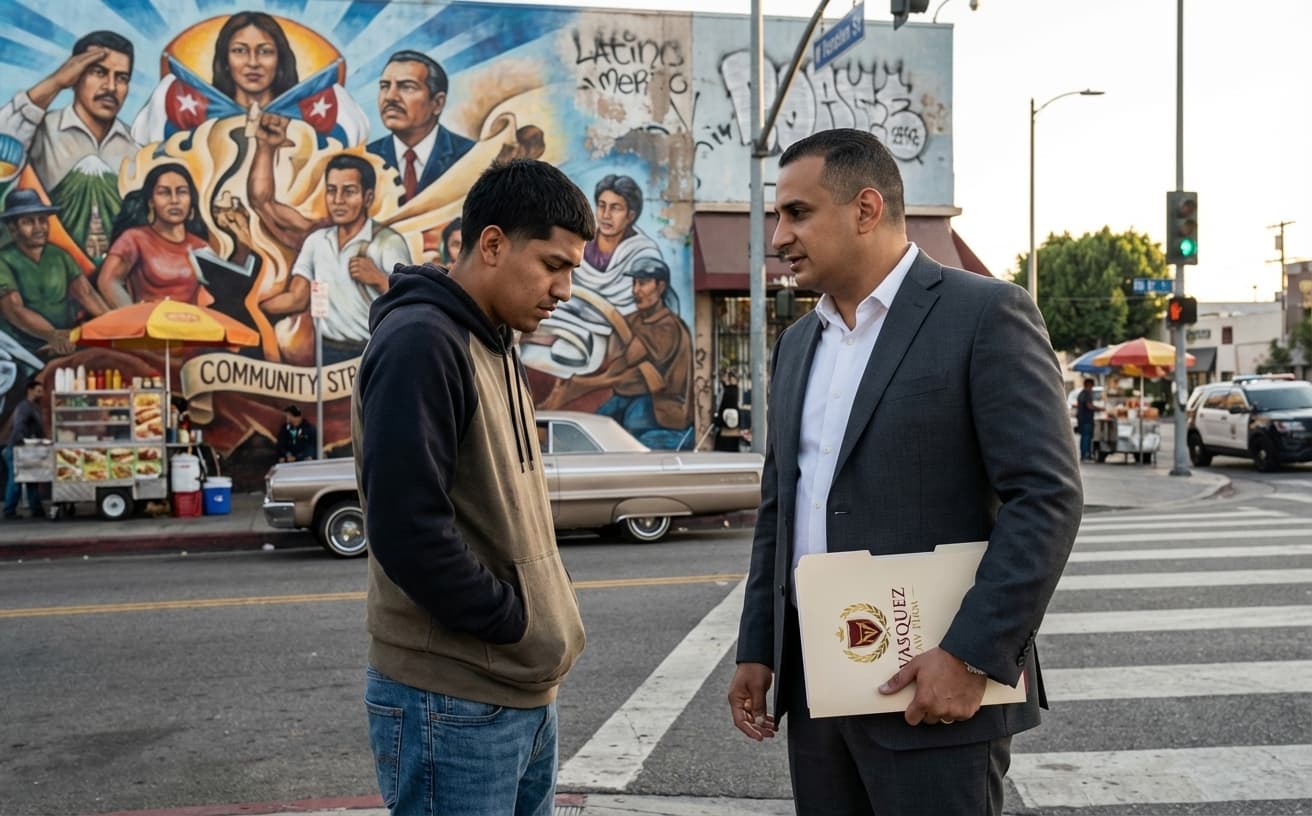
Building a strong defense against 18th Street Gang allegations requires a multi-faceted approach. One of the primary strategies involves disputing the fundamental claim of gang membership or affiliation. For instance, just having certain tattoos, like those sometimes associated with the 18th Street gang tattoos or general street art, does not automatically equate to gang membership or criminal intent. Defense attorneys can argue that these are cultural expressions, not evidence of criminal enterprise.
Another critical element is challenging the evidence presented by the prosecution. This often includes scrutinizing surveillance footage, phone records, and financial transactions. Defense lawyers investigate how evidence was collected, looking for constitutional violations such as illegal searches and seizures or coerced confessions. If evidence was obtained improperly, it might be suppressed, weakening the prosecution's case significantly. This is especially vital in cases relying on gang graffiti or other visual cues as primary evidence.
Furthermore, the credibility of witnesses, particularly confidential informants or rival gang members, is frequently attacked. Informants often have their own motivations, such as reduced sentences or financial rewards, which can compromise their testimony. An attorney will meticulously cross-examine these witnesses to expose inconsistencies, biases, or previous criminal records. Expert witnesses, such as sociologists or cultural anthropologists, can also be brought in to provide alternative explanations for alleged gang behavior, rather than automatically assuming criminal intent.
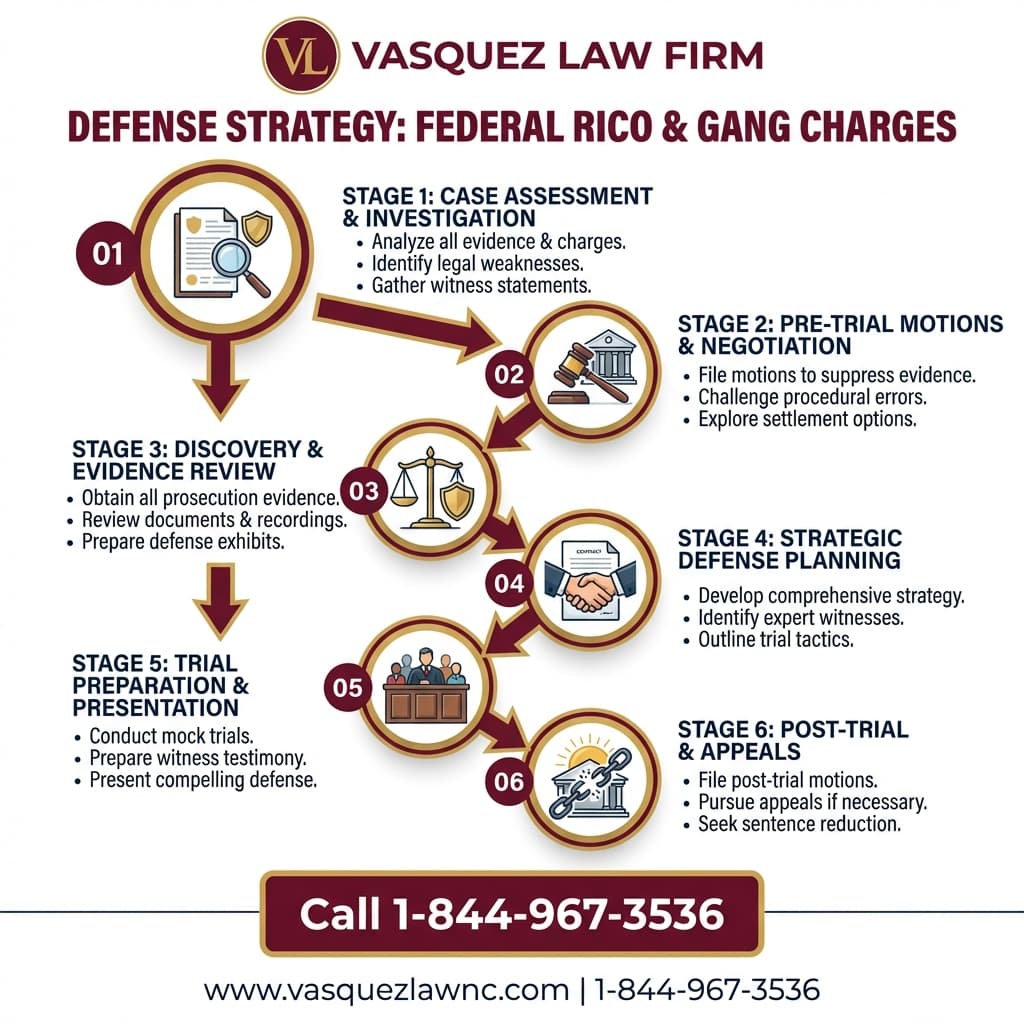
Successfully navigating these complex cases often means engaging in extensive pre-trial motions to challenge evidence, suppress statements, and limit the scope of the charges. A skilled attorney will also explore all possible plea bargains and diversion programs, aiming for the best possible outcome, which may include reduced charges or alternative sentencing. The goal is always to protect the client's future and freedom, especially when facing severe gang-related penalties.
Challenging Gang Identification and Evidence
A significant portion of an 18th Street Gang defense focuses on dismantling the prosecution's claims of gang identification. Law enforcement often relies on databases, field interviews, and a list of criteria to classify individuals as gang members. However, these criteria can be subjective and prone to error. For example, simply residing in an area known for gang activity, or having friends who are alleged gang members, does not automatically prove an individual's participation in a criminal enterprise.
Defense attorneys meticulously review all evidence used for gang identification, including alleged admissions, police reports, and even social media activity. They may argue that certain behaviors are common within specific communities and not indicative of gang affiliation. For instance, wearing specific colors or clothing brands, or having certain tattoos, might be cultural trends rather than gang symbols. The defense will also examine the chain of custody for physical evidence, such as weapons or drugs, to ensure its integrity.
In cases where the 18th Street gang map or specific territories are used to establish intent or affiliation, a defense lawyer might bring in urban planning experts to challenge these geographical assumptions. The prosecution must prove beyond a reasonable doubt that the accused is not only a member of a criminal street gang but also committed the alleged crime to further that gang's activities. This high legal standard allows for numerous avenues of defense, all aimed at creating reasonable doubt about the prosecution's narrative.
Common Mistakes and How to Avoid Them in a Gang Defense
Facing charges related to gang activity, particularly with a notorious group like the 18th Street Gang, is daunting. Many individuals make critical errors that can severely jeopardize their defense. Recognizing and avoiding these mistakes is paramount for a successful outcome in 2026.
- Talking to Law Enforcement Without an Attorney: Anything you say can and will be used against you. Even seemingly innocent statements can be twisted to imply guilt or gang affiliation. Always assert your right to remain silent and request an attorney immediately.
- Delaying Legal Counsel: The sooner an attorney is involved, the better. Early intervention can prevent mistakes, allow for proper evidence gathering, and enable proactive defense strategies. Waiting can mean crucial evidence is lost or opportunities for negotiation pass.
- Deleting Social Media Content: While it might seem like a good idea to remove potentially incriminating posts, deleting content can be seen as obstruction of justice. Instead, consult with your attorney about how to manage your digital footprint.
- Ignoring Court Orders or Probation Terms: Violating conditions of bail, probation, or parole can lead to immediate re-arrest and significantly worsen your legal situation, adding new charges to your existing case.
- Failing to Understand Gang Enhancement Laws: Many states, including North Carolina, have specific laws that add severe penalties to crimes committed with gang affiliation. Not understanding these can lead to underestimating the gravity of the charges.
- Believing Informants or Co-Defendants: Individuals cooperating with the prosecution often have strong incentives to implicate others, regardless of truth. Never trust information from these sources without independent verification by your legal team.
- Wearing Alleged Gang Colors or Symbols: While not illegal, if you are under investigation or facing charges, continuing to display symbols that law enforcement associates with gang activity can be used as evidence against you, even if your intent is innocent.
If you only remember one thing: Never speak to law enforcement about alleged gang activity without your attorney present. Your right to counsel is your strongest shield against self-incrimination.
Timeline and What to Expect in a Gang Case
The timeline for an 18th Street Gang defense can be extensive, often spanning many months, if not years, especially in complex federal cases. Immediately after an arrest, you will undergo booking and an initial appearance before a judge, where bail will be set. This is a critical juncture where an attorney can argue for reasonable bail conditions.
- Weeks 1-4: Initial Investigations and Arraignment. Your attorney will begin gathering evidence, reviewing police reports, and preparing for your arraignment. At the arraignment, you will formally enter a plea of not guilty, and preliminary motions may be filed.
- Months 1-6: Discovery and Pre-Trial Motions. This is often the longest phase. The defense will receive discovery from the prosecution, including witness lists, police reports, and evidence. Your attorney will file motions to suppress evidence, challenge search warrants, and address any constitutional violations.
- Months 6-12+: Plea Bargaining and Trial Preparation. Throughout the discovery phase, your attorney will engage in negotiations with the prosecutor. If a satisfactory plea agreement cannot be reached, the case will proceed to trial. Trial preparation involves extensive witness interviews, expert consultations, and strategy development.
- Trial (if applicable): A trial can last anywhere from a few days to several weeks, depending on the complexity of the case and the number of witnesses and exhibits. The prosecution presents its case, followed by the defense, and then the jury deliberates.
- Post-Trial: Sentencing or Appeals. If convicted, a sentencing hearing will follow. If acquitted, you are free. If convicted, your attorney will guide you through the sentencing phase and discuss potential appeals. Federal gang cases, particularly those involving RICO, can be exceptionally lengthy due to the sheer volume of evidence and the number of defendants.
North Carolina and Federal Law Considerations
In North Carolina, the law addresses criminal street gang activity through specific statutes designed to enhance penalties for crimes committed with gang affiliation. For example, N.C. Gen. Stat. § 14-50.20, the Street Gang Suppression Act, allows for increased punishments when a person commits a felony or misdemeanor to benefit, promote, or assist a criminal street gang. This means a standard assault charge could become a much more serious offense if a gang connection is proven.
Federal law, particularly the RICO Act (18 U.S.C. §§ 1961-1968), is often used to prosecute organized criminal activity, including that of the 18th Street Gang. RICO targets patterns of racketeering activity, which can encompass a wide range of predicate offenses like drug trafficking, extortion, and fraud, committed by members of an enterprise. A conviction under RICO carries severe penalties, including up to 20 years in prison per count, and forfeiture of assets.
For individuals in Florida, similar state statutes address gang-related crimes, such as the Florida Criminal Gang Enforcement and Prevention Act. These laws are designed to deter gang activity by imposing harsher penalties. Regardless of whether charges are brought at the state or federal level, the implications are profound. An attorney with experience in both North Carolina criminal defense and federal criminal defense is crucial for navigating these complex legal landscapes.
The distinction between state and federal jurisdiction is vital. Federal investigations often involve agencies like the DEA, FBI, and ATF, which have extensive resources. State cases, while serious, typically involve local law enforcement. Understanding which jurisdiction has authority over your case and the specific laws that apply is a cornerstone of an effective 18th Street Gang defense.
Don't face your legal challenges alone. Our team is here to help you every step of the way.
Call today: 1-844-967-3536 | Se Habla Español
When to Call a Lawyer Immediately for Gang-Related Charges
The moment you suspect you are under investigation or are charged with any crime related to gang activity, time is of the essence. Delaying legal counsel can severely compromise your defense. Here are critical triggers indicating you should contact an attorney immediately:
- You've been arrested or detained: This is the most urgent situation. Do not speak to police without an attorney present.
- Law enforcement asks to speak with you: Even if they say you're not a suspect, speaking to police without legal counsel is risky.
- You receive a subpoena: A subpoena means you are officially part of an investigation, either as a witness or a target.
- Your property has been searched: If police searched your home, vehicle, or electronic devices, a lawyer can review the legality of the search.
- You are accused of a crime with a gang enhancement: These charges carry significantly higher penalties.
- You are facing federal charges: Federal cases are notoriously complex and require specialized legal expertise.
- Someone you know has been arrested for gang-related activity: This could indicate you are also under scrutiny.
- You believe you've been misidentified as a gang member: This is a common issue that requires prompt legal intervention.
About Vasquez Law Firm
At Vasquez Law Firm, we combine compassion with aggressive representation. Our motto "Yo Peleo" (I Fight) reflects our commitment to standing up for your rights. We understand the fear and uncertainty that come with criminal charges, especially those involving gang allegations. Our team is dedicated to providing personalized attention and a vigorous defense for every client.
- Bilingual Support: Se Habla Español - our team is fully bilingual, ensuring clear communication and understanding.
- Service Areas: Criminal defense in Johnston and Harnett counties, NC; immigration nationwide, including Florida
- Experience: With over 15 years of dedicated experience, we have a proven track record of handling complex legal matters.
- Results: We strive for the best possible outcomes, fighting tirelessly for our clients' freedom and future.
Attorney Trust and Experience
Attorney Vasquez holds a Juris Doctor degree and is admitted to practice in both the North Carolina State Bar and Florida Bar. With over 15 years of dedicated legal experience, he has built a reputation for providing personalized attention and achieving favorable outcomes for his clients. He understands the intricacies of criminal defense, including the complexities of gang-related charges, and is committed to protecting your constitutional rights.
Frequently Asked Questions
What do 18th Street gang tattoos mean?
18th Street Gang tattoos often feature the number "18" in various forms, sometimes with "XVIII" or "XV3." These symbols indicate allegiance, but possession of such tattoos does not automatically prove gang membership or criminal intent. A defense attorney can argue that tattoos are cultural or personal expressions, not evidence of criminal enterprise, especially in the absence of other corroborating factors.
Can I be charged with gang affiliation if I'm not a member?
Yes, you can be charged if prosecutors believe you participated in crimes that benefited a gang, even without formal membership. State and federal laws often target individuals who "associate" with or "further the interests" of a criminal street gang. An effective 18th Street Gang defense will challenge the evidence of association and the alleged intent to benefit the gang.
What is the RICO Act and how does it relate to gang charges?
The RICO Act (Racketeer Influenced and Corrupt Organizations Act) is a federal law used to prosecute organized crime. It allows for severe penalties for individuals involved in an "enterprise" that engages in a "pattern of racketeering activity." Gangs like the 18th Street Gang are often prosecuted under RICO if they are deemed an enterprise involved in a pattern of crimes, significantly increasing potential sentences.
How do prosecutors prove gang membership?
Prosecutors use various forms of evidence, including alleged admissions, police reports, witness testimony, physical evidence (like 18th Street gang graffiti or symbols), and sometimes social media activity. They aim to show a pattern of behavior or association that aligns with gang criteria. An attorney will scrutinize each piece of evidence, challenging its validity and relevance to your specific case.
What if I was misidentified as an 18th Street Gang member?
Misidentification is a serious concern. An attorney can present evidence such as alibis, character witnesses, and a lack of criminal history or gang association to prove you were mistakenly identified. This defense often involves challenging the reliability of witness identifications and disputing the interpretation of circumstantial evidence used by law enforcement.
Are gang enhancement laws different in North Carolina and Florida?
Yes, while both North Carolina and Florida have laws designed to enhance penalties for gang-related crimes, the specific statutes and their application can differ. North Carolina's Street Gang Suppression Act (N.C. Gen. Stat. § 14-50.20) outlines specific enhancements. Florida has its own Criminal Gang Enforcement and Prevention Act. A lawyer familiar with both state and federal laws is crucial.
Can I get bail if charged with gang-related offenses?
Bail is often more difficult to obtain in gang-related cases due to the perceived flight risk or danger to the community. However, a skilled defense attorney can argue for reasonable bail conditions, presenting evidence of your ties to the community, employment, and lack of flight risk. The court ultimately decides bail based on various factors.
How can an attorney help with an 18th Street Gang defense?
An attorney provides crucial assistance by challenging evidence, protecting your constitutional rights, negotiating with prosecutors, and preparing a strong defense strategy. They can identify weaknesses in the prosecution's case, argue for the suppression of illegally obtained evidence, and work towards reduced charges, alternative sentencing, or even acquittal. Their expertise is invaluable in navigating complex legal issues.
Sources and References
- N.C. General Statutes Chapter 14, Article 13A: Street Gang Suppression Act
- U.S. Department of Justice: 18th Street Gang Arrests
- 18 U.S. Code Chapter 96: Racketeer Influenced and Corrupt Organizations (RICO)
Ready to take the next step? Contact Vasquez Law Firm today for a free, confidential consultation. We're committed to fighting for your rights and achieving the best possible outcome for your case.
Start Your Free Case Evaluation Now
Call us: 1-844-967-3536
Se Habla Español - Estamos aquí para ayudarle.


William Vasquez
Founder & CEO, Vasquez Law Firm, PLLC
William Vasquez is the founder and CEO of Vasquez Law Firm, PLLC, a results-driven firm specializing in immigration, criminal defense, personal injury, and workers' compensation. A U.S. Air Force veteran and recipient of the Joint Service Achievement Medal, William is dedicated to fiercely fighting for his clients' rights.
Related Legal Services
Need legal help? Learn more about our criminal defense law practice, or contact us for a free evaluation.
You can also visit North Carolina criminal defense lawyers for more information.