Justice Department Targets 17 for Citizenship Revocation in 2026
In June 2026, the Justice Department filed denaturalization lawsuits against 17 naturalized U.S. citizens accused of serious crimes and immigration fraud. This article explains who is affected, what the law says about citizenship revocation, and what residents of Raleigh, NC should do if concerned about their naturalization status.
Published on June 20, 2026
Talk to an immigration attorney
Free call. A clear plan for your case.
Free & confidential · Se habla espanol · 24/7
Have questions? Talk to an attorney - free evaluation.
Call 1-844-967-3536Free Tool
Check Your USCIS Case Status Now
Enter your receipt number - get the official USCIS status in English or Spanish. No registration.
This article provides general legal information, not individualized legal advice. Reading does not create an attorney-client relationship. For advice specific to your situation, contact Vasquez Law Firm.
What recent actions did the Justice Department take regarding citizenship revocation in 2026?
Worried your citizenship will be questioned?
Recent enforcement makes documentation more important than ever. 15-min call to see what proof you need.
In June 2026, the U.S. Department of Justice, in partnership with U.S. Citizenship and Immigration Services (USCIS), filed denaturalization lawsuits against 17 naturalized U.S. citizens accused of serious crimes and immigration fraud. These actions seek to revoke their citizenship and cancel their certificates of naturalization based on illegal procurement or concealment of material facts during naturalization.
This initiative targets individuals convicted of offenses such as sexual abuse of minors, health care fraud, drug distribution without licenses, and financial fraud schemes. The Justice Department emphasized that citizenship is a privilege that must be earned honestly and that those who lie or commit crimes to gain citizenship will face revocation proceedings.
The cases involve individuals from diverse backgrounds and include offenses committed before and after naturalization. The Department of Justice’s Office of Immigration Litigation, with assistance from USCIS and other agencies, is prosecuting these cases across multiple U.S. district courts.
Secretary of Homeland Security Markwayne Mullin stated, “American citizenship is a privilege, and it must be earned honestly. If you come here, break our laws, and lie in your immigration proceedings, you forfeit that privilege.” This statement underscores the government’s commitment to using all lawful avenues to denaturalize and remove individuals who obtained citizenship through fraud or who committed serious crimes.
These actions reflect a broader enforcement focus on preserving the integrity of the naturalization process and protecting communities from individuals who abuse immigration benefits.
Who are the individuals affected by these denaturalization actions and how does it impact residents of Raleigh, NC?
The 17 individuals targeted by the Justice Department’s denaturalization actions come from various countries including Cuba, Haiti, Colombia, Mexico, Jamaica, India, the Dominican Republic, Somalia, the Philippines, and others. Their alleged crimes range from sexual abuse of minors and drug trafficking to health care fraud and immigration identity fraud.
Among them are individuals convicted of offenses occurring before naturalization, such as sexual abuse and fraud, who concealed these facts during their naturalization applications. Others committed crimes after naturalization but had engaged in fraudulent conduct or misrepresentations during the naturalization process.
For residents of Raleigh, NC, these actions serve as a reminder of the rigorous scrutiny applied to naturalization applications and the serious consequences of fraud or criminal conduct. North Carolina has a substantial immigrant population, and USCIS offices in the region work closely with the Department of Justice to uphold immigration laws.
While none of the 17 individuals named in the June 2026 announcement are publicly identified as residing in North Carolina, the legal standards and enforcement priorities apply nationwide, including Raleigh. Applicants and naturalized citizens in the area should be aware that misrepresentations or criminal conduct can lead to denaturalization and removal proceedings.
The cases also highlight the cooperation between federal agencies and U.S. Attorneys across districts, including those covering North Carolina, to prosecute denaturalization cases. This coordinated approach aims to maintain the integrity of the immigration system and protect communities from individuals who obtained citizenship fraudulently or who pose public safety risks.
What does the law say about revoking naturalized U.S. citizenship?
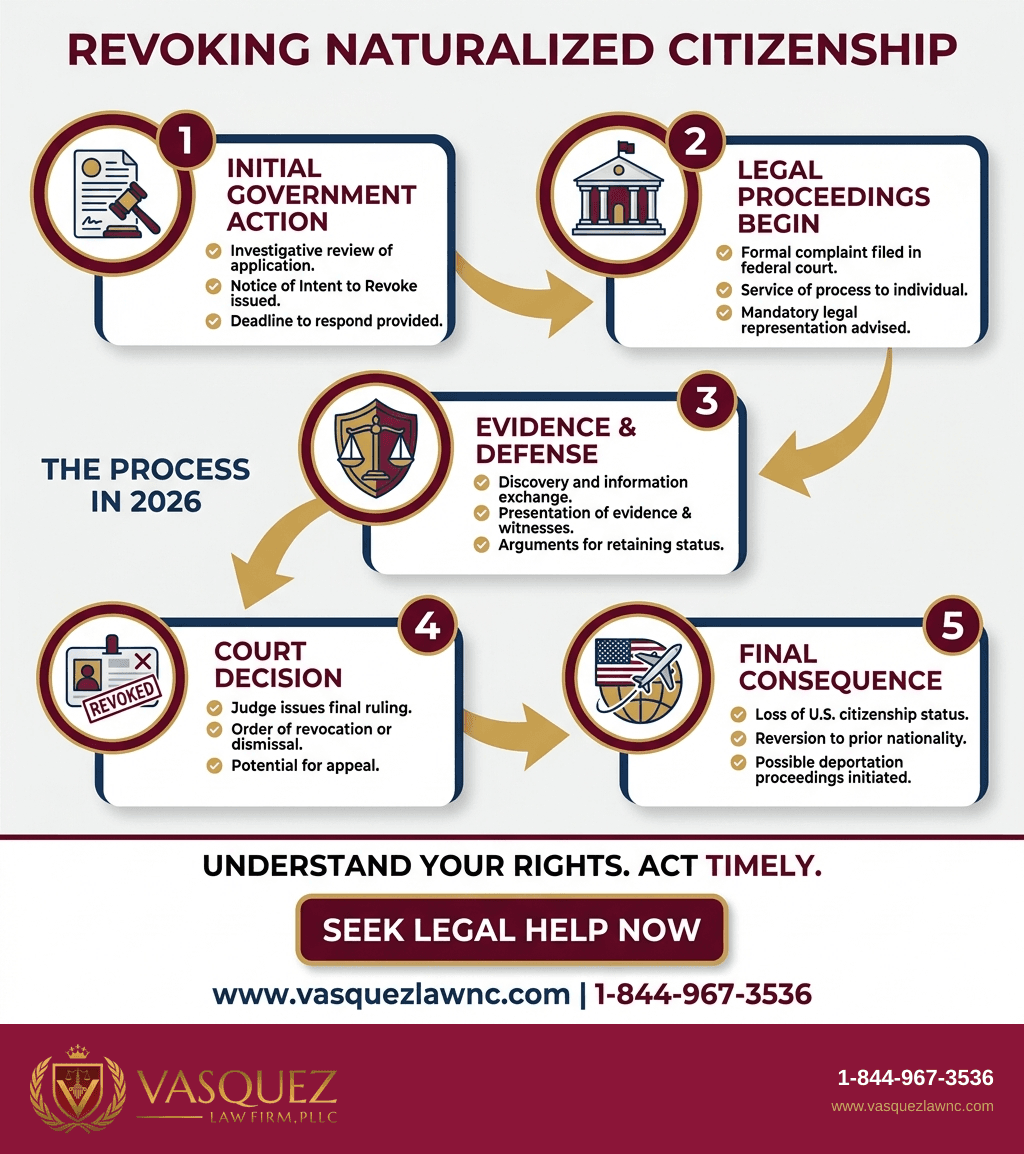
Under the Immigration and Nationality Act (INA), a naturalized U.S. citizen’s citizenship can be revoked if it was illegally procured or obtained through concealment of a material fact or willful misrepresentation. The relevant statute governing this is codified at 8 U.S.C. § 1255, which addresses adjustment of status and naturalization eligibility requirements.
The law requires that applicants for naturalization demonstrate good moral character and provide truthful information during their application and interview process. If it is later discovered that citizenship was obtained by fraud or misrepresentation, the government may initiate denaturalization proceedings in federal court.
These proceedings seek to cancel the certificate of naturalization and strip the individual of citizenship, often followed by removal (deportation) actions under 8 U.S.C. § 1227, which lists grounds for deportation of aliens, including those who obtained citizenship illegally.
The primary source document states:
“Under the Immigration and Nationality Act, a naturalized U.S. citizen’s citizenship may be revoked, and certificate of naturalization canceled, if the naturalization was illegally procured or procured by concealment of a material fact or by willful misrepresentation.” (Source: U.S. Citizenship and Immigration Services, https://www.uscis.gov/newsroom/news-releases/justice-department-moves-to-strip-us-citizenship-from-17-naturalized-sex-offenders-fraudsters-drug)
Denaturalization is a civil proceeding, but it carries severe consequences including loss of citizenship and potential deportation. The government bears the burden of proving the fraud or misrepresentation by clear, convincing evidence.
Applicants must disclose all criminal history and material facts honestly. Failure to do so not only jeopardizes naturalization but can lead to criminal prosecution for immigration fraud.
What should you do if you are concerned about citizenship revocation or naturalization fraud?
If you are a naturalized citizen or an applicant for naturalization and have concerns about past criminal conduct or potential misrepresentations in your immigration history, it is important to seek legal advice promptly. Denaturalization proceedings can be complex and require careful defense strategies.
At our Raleigh, NC office, we typically see that the most common mistake applicants make is underestimating the importance of full disclosure during the naturalization process. Even minor omissions or misunderstandings about criminal history can trigger investigations and jeopardize citizenship status.
Here are practical steps to consider:
- Review your naturalization application and any supporting documents for accuracy and completeness.
- Disclose any prior arrests, charges, or convictions honestly to your attorney and USCIS.
- Consult an experienced immigration attorney if you have unresolved legal issues or concerns about your application history.
- Do not attempt to conceal or falsify information; this can lead to denaturalization and criminal penalties.
- If you receive a notice of denaturalization or investigation, respond promptly and seek legal representation immediately.
Below is a summary table illustrating key differences between lawful naturalization and grounds for revocation:
| Aspect | Lawful Naturalization | Grounds for Revocation |
|---|---|---|
| Disclosure of Criminal History | Full and truthful disclosure | Concealment or misrepresentation |
| Good Moral Character | Demonstrated during statutory period | Lack due to serious crimes or fraud |
| Application Accuracy | Accurate and complete information | False statements or forged documents |
| Legal Consequences | Citizenship granted | Denaturalization and possible removal |
If you are applying for naturalization in Raleigh, NC or elsewhere, working with an attorney experienced in immigration law can help you avoid pitfalls and prepare a strong application.
For more information on USCIS naturalization requirements, see the USCIS Policy Manual.
What happens next with the Justice Department’s denaturalization cases and how might this affect immigration enforcement?
The Justice Department’s filing of denaturalization complaints against these 17 individuals marks the beginning of civil court proceedings to revoke their citizenship. Each case will proceed through the federal courts where the government must prove its allegations.
Following successful denaturalization, individuals may face removal proceedings if they are not otherwise lawful permanent residents. The government’s actions signal continued enforcement against naturalized citizens who obtained citizenship through fraud or who committed serious crimes.
The primary source document notes:
What's Your Immigration Situation?
Answer 3 questions - we'll tell you your options
Question 1 / 3
What best describes your situation?
Keep Reading
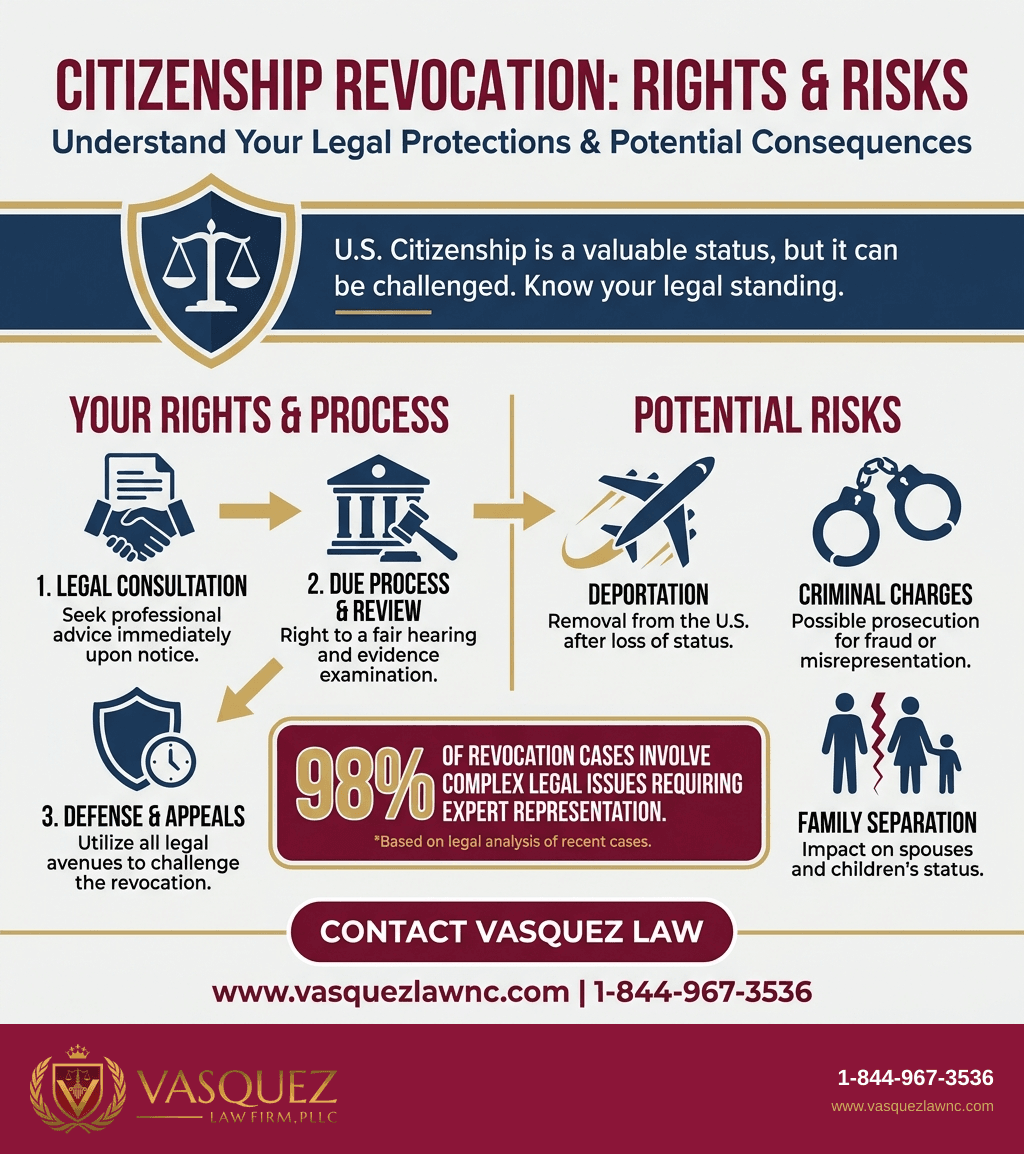
“DHS will not stand idly by while Americans are harmed by criminals including sex offenders, perpetrators of fraud, and drug traffickers who have exploited our generosity and gamed our immigration system. We will continue to use every lawful avenue to denaturalize and remove aliens.” (Source: U.S. Citizenship and Immigration Services, https://www.uscis.gov/newsroom/news-releases/justice-department-moves-to-strip-us-citizenship-from-17-naturalized-sex-offenders-fraudsters-drug)
For residents of Raleigh, NC and applicants nationwide, these developments underscore the importance of compliance with immigration laws and truthful representation during naturalization.
USCIS and the Department of Justice will likely continue to prioritize cases involving serious criminal conduct and fraud in the naturalization process. This enforcement trend may lead to increased scrutiny of naturalization applications and post-naturalization investigations.
The legal landscape remains dynamic, and applicants should stay informed and consult legal counsel if they have concerns about their immigration status or past conduct.
Frequently Asked Questions
What is denaturalization and when can it occur?
Denaturalization is the legal process of revoking a person’s U.S. citizenship if it was obtained illegally, such as through fraud or concealment of material facts during naturalization. It can occur if the government proves these allegations in federal court.
Can a naturalized citizen be deported after losing citizenship?
Yes. Once citizenship is revoked, the individual reverts to alien status and may be subject to removal proceedings if they lack lawful immigration status under 8 U.S.C. § 1227.
What crimes can lead to citizenship revocation?
Serious crimes such as sexual abuse, drug trafficking, fraud, and immigration-related offenses committed before or during naturalization can be grounds for revocation if concealed or misrepresented.
How can I protect my citizenship status during naturalization?
Be fully honest and disclose all criminal history and material facts. Consult an experienced immigration attorney to review your application and advise on any potential issues.
Where can I report suspected immigration fraud?
You can report suspected immigration benefit fraud to USCIS using the official USCIS Tip Form available on their website.
This article provides general legal information, not individualized legal advice. Reading does not create an attorney-client relationship. For advice specific to your situation, contact Vasquez Law Firm.
Reviewed by William Vasquez, Founder & CEO, Vasquez Law Firm, PLLC.
Need immigration help? Our immigration attorneys can review your case.
Related Topics
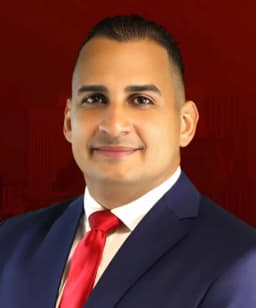
William Vasquez
Founder & CEO, Vasquez Law Firm, PLLC
William Vasquez is the founder and CEO of Vasquez Law Firm, PLLC, a results-driven firm specializing in immigration, criminal defense, personal injury, and workers' compensation. A U.S. Air Force veteran and recipient of the Joint Service Achievement Medal, William is dedicated to fiercely fighting for his clients' rights.
Related Legal Services
Need legal help? Learn more about how our immigration attorneys can help, or contact us for a free evaluation.
You can also visit immigration lawyers serving all of North Carolina for more information.