What Happens to Your Case After a Wrongful Deportation in 2026
Facing wrongful deportation? Learn your rights and how to challenge an unlawful removal order in 2026. Contact Vasquez Law for a free consultation.
Published on February 28, 2026
Talk to an immigration attorney
Free call. A clear plan for your case.
Free & confidential · Se habla espanol · 24/7
Have questions? Talk to an attorney - free evaluation.
Call 1-844-967-3536Check your case status now
Look up your immigration case below, then talk to an attorney about what it means — free.
Questions about your result?
Talk to an attorney about your case — free, no obligation.
What Happens to Your Case After a Wrongful Deportation in 2026
A wrongful deportation can be a devastating experience, uprooting lives and separating families. When immigration authorities make errors, or when individuals are removed from the U.S. despite having a legal right to remain, it constitutes a wrongful deportation. Understanding what happens in such cases and knowing your rights is crucial, especially as policies evolve in 2026. This guide explores the complexities of challenging an unlawful removal order and how legal representation can make a significant difference in protecting your future.
Need help with your case? Our experienced attorneys are ready to fight for you. Se Habla Español.
Schedule Your Free Case Evaluation
Or call us now: 1-844-967-3536
Quick Answer
A wrongful deportation occurs when an individual is removed from the U.S. without proper legal basis, due to error, or in violation of their rights. You may be able to challenge such a removal through various legal avenues, including motions to reopen, appeals, or habeas corpus petitions. Seeking immediate legal counsel is essential to understand your options and protect your right to remain in the country.
- Identify the legal error or violation that led to the deportation.
- Gather all relevant documents and evidence supporting your claim.
- File a motion to reopen or appeal the removal order if eligible.
- Consider a habeas corpus petition if detained unlawfully.
- Consult with an immigration attorney promptly to assess your case.
Understanding Wrongful Deportation and Unlawful Removal
Wrongful deportation refers to the removal of an individual from the United States when they legally had the right to remain, or when their removal was based on a fundamental error of law or fact. This can happen for various reasons, such as incorrect application of immigration law, administrative errors, or a failure to consider all relevant evidence during immigration proceedings. The consequences of an unlawful deportation are severe, often leading to family separation, loss of employment, and an inability to return to the U.S. for many years.
In 2026, the legal landscape surrounding immigration remains complex, making it even more critical to understand what constitutes a wrongful removal. It is not always obvious when an error has occurred, as immigration procedures can be intricate. For example, a person might be deported despite being eligible for a form of relief, such as asylum, adjustment of status, or cancellation of removal, because their eligibility was overlooked or improperly presented. These cases highlight the importance of diligent legal representation to ensure all available avenues are explored and protected.
Common Causes of Unlawful Removal
Several factors can lead to an unlawful deportation. These include errors by immigration officials, such as misinterpreting an individual's immigration history or legal status. Sometimes, a lack of adequate legal representation during initial proceedings can result in a person not fully understanding their rights or available defenses, leading to an unfair outcome. Furthermore, changes in immigration law or policy, even minor ones, can sometimes lead to confusion that results in erroneous removal orders. Understanding these potential pitfalls is the first step in preventing or challenging a wrongful deportation.
Another common cause involves issues with documentation or evidence presentation. If crucial documents are missing, misinterpreted, or not submitted correctly, it can lead to a mistaken finding of ineligibility for relief. In other instances, individuals may be wrongfully detained by ICE due to mistaken identity or administrative oversights, which can then escalate to an unlawful deportation if not challenged swiftly. The impact of such errors extends far beyond the individual, affecting entire families and communities. Vasquez Law Firm has experience identifying and addressing these complex issues.
Challenging a Wrongful Deportation: Legal Avenues
If you believe you or a loved one has been subjected to a wrongful deportation, several legal avenues exist to challenge the removal order. The specific path depends on various factors, including whether the individual is still in the U.S. or has already been removed, the nature of the error, and the stage of the immigration proceedings. These legal challenges require a deep understanding of immigration law and strict adherence to procedural deadlines, which are often very short.
One primary method is filing a motion to reopen or a motion to reconsider with the Executive Office for Immigration Review (EOIR). A motion to reopen seeks to present new facts or evidence that were not available or presented at the original hearing, which could alter the outcome. A motion to reconsider argues that the immigration judge or Board of Immigration Appeals (BIA) made a legal or factual error in their previous decision. These motions are highly technical and require compelling arguments to succeed. The Executive Office for Immigration Review (EOIR) provides detailed guidelines for these filings.
Appeals and Federal Court Review
Beyond motions, individuals may have the option to appeal a decision to the Board of Immigration Appeals (BIA) and, in some cases, to the U.S. Circuit Courts of Appeals. An appeal to the BIA reviews the immigration judge's decision for legal or factual errors. If the BIA affirms the decision, further appeal to a federal circuit court may be possible, though federal courts have limited jurisdiction to review certain immigration decisions. This multi-layered appeals process underscores the need for experienced legal counsel.
For individuals who have already been removed, or who are being unlawfully detained by ICE, a writ of habeas corpus may be an option. This is a petition filed in federal court challenging the legality of a person's detention. While not directly challenging the removal order itself, it can be a critical tool to secure release and potentially allow for further immigration proceedings. Navigating these complex legal challenges requires a skilled attorney who understands the nuances of both immigration and federal court procedures. Understanding these pathways is essential for anyone facing a wrongful deportation.
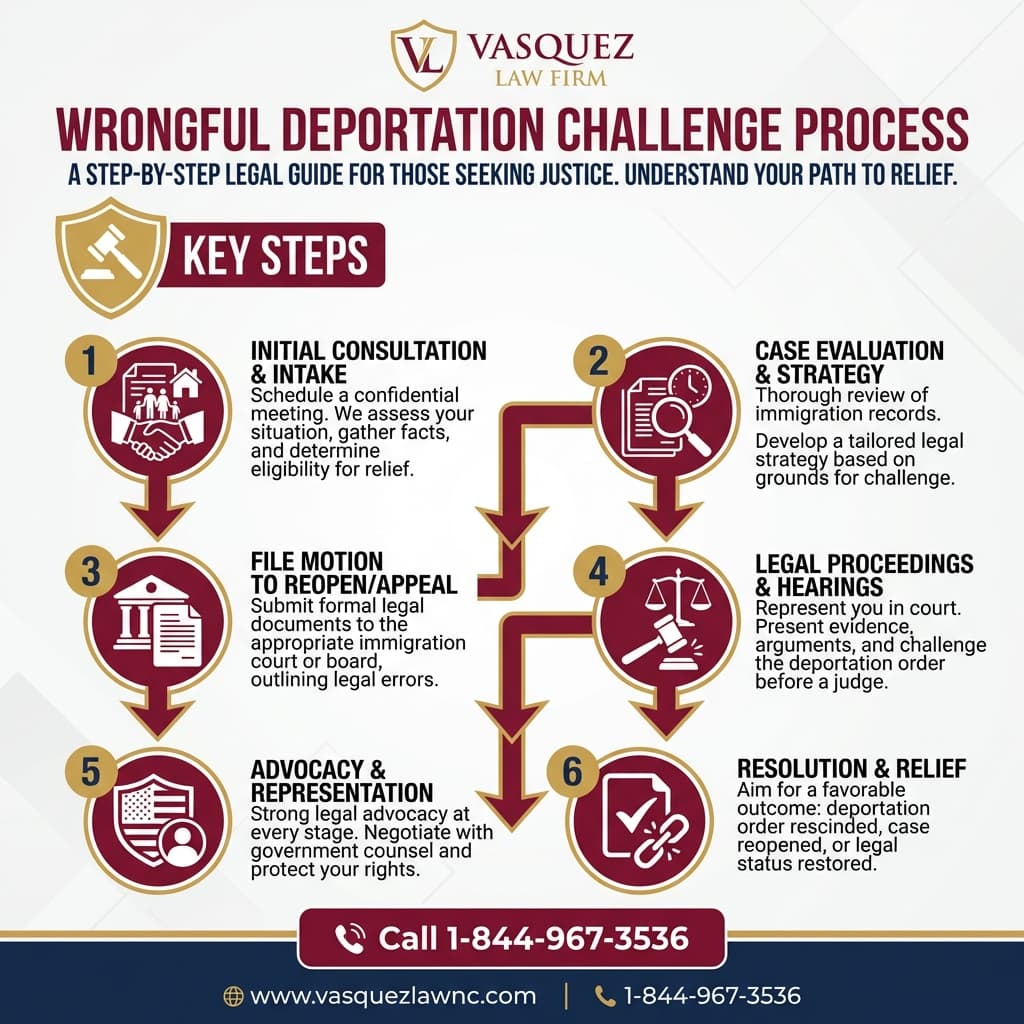
Key Steps to Take if You Face Wrongful Deportation
If you or someone you know is facing a potential wrongful deportation, taking immediate and decisive action is critical. The speed with which you act can significantly impact the available legal options and the likelihood of a successful outcome. Delays can lead to missed deadlines and the permanent loss of rights. Always prioritize seeking professional legal help as soon as any red flags appear regarding a removal proceeding.
- Seek Immediate Legal Counsel: Contact an experienced immigration attorney immediately. They can assess your situation, identify potential errors, and advise on the best course of action. This is the single most important step.
- Gather All Documentation: Collect every document related to your immigration history, including visas, Green Cards, asylum applications, court orders, and any correspondence from USCIS or ICE. These documents are vital evidence.
- Understand Your Rights: If you are detained, remember your rights, including the right to remain silent and the right to speak with an attorney. Do not sign anything without consulting legal counsel.
- File Appropriate Motions/Appeals: Your attorney will determine if a motion to reopen, motion to reconsider, or an appeal to the BIA or federal court is appropriate for your case. These must be filed within strict deadlines.
- Stay Informed: Keep track of all communication from immigration authorities and attend all scheduled hearings. Missing a hearing can result in an order of removal in absentia, making it much harder to challenge.
Remember, the process can be overwhelming, but you do not have to face it alone. Vasquez Law Firm is dedicated to providing compassionate yet aggressive representation for individuals in North Carolina, Florida, and nationwide immigration cases. Our team is ready to fight for your rights and guide you through every step of the legal process. Learn more about our immigration services.
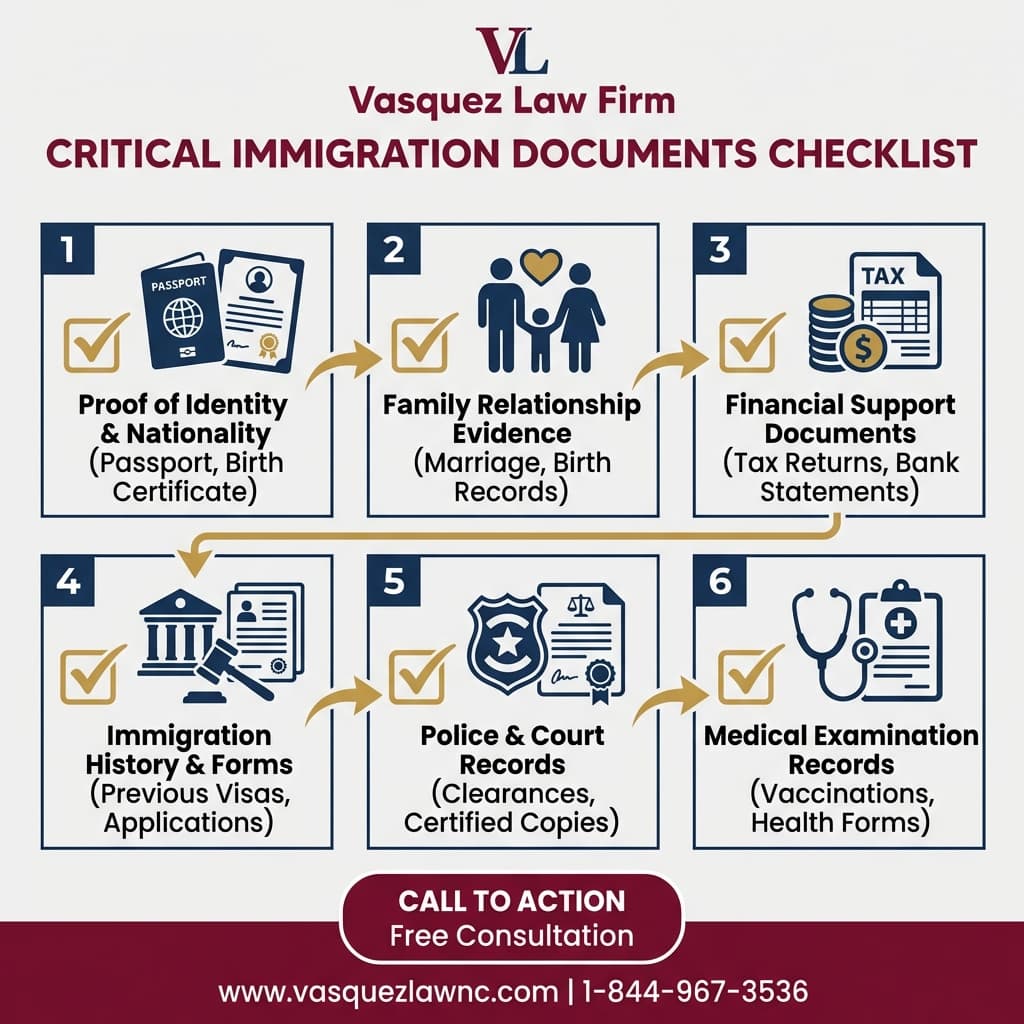
Documents and Evidence Checklist for Challenging Removal
To effectively challenge a wrongful deportation, you will need to provide comprehensive documentation and evidence. This checklist outlines the types of materials that are typically crucial for building a strong case. Having these documents ready can expedite the legal process and provide your attorney with the necessary tools to advocate on your behalf.
- Proof of Identity and Nationality: Passports, birth certificates, national identity cards.
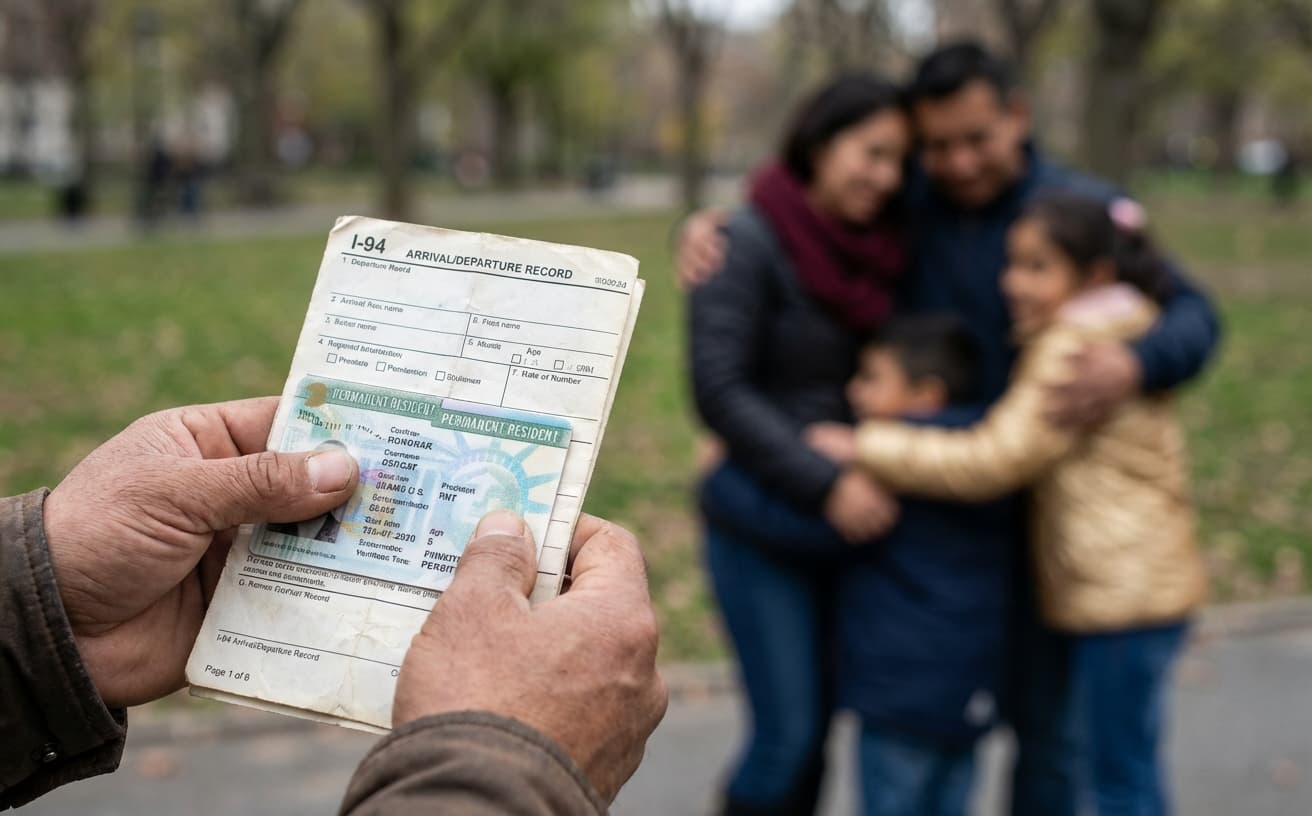
- Immigration Records: I-94 arrival/departure records, visa stamps, Green Cards, EAD cards, asylum application receipts, previous immigration court orders.
- Personal Records: Marriage certificates, birth certificates of U.S. citizen children, school records, employment history, tax returns.
- Evidence of U.S. Ties: Utility bills, leases, mortgage statements, bank statements showing continuous residence.
- Police and Court Records: Any criminal history or court dispositions, even if expunged, as immigration law treats these differently.
- Affidavits: Sworn statements from family, friends, or community members attesting to your good moral character and ties to the U.S.
- Medical Records: If you have medical conditions requiring treatment in the U.S. or if removal would cause extreme hardship.
- Proof of Hardship: Documentation showing the impact of removal on U.S. citizen or LPR family members.
Timeline: What to Expect in a Wrongful Deportation Case
The timeline for challenging a wrongful deportation can vary significantly based on the specific legal avenue pursued, the complexity of the case, and the caseload of the immigration courts and federal judiciary. It is important to have realistic expectations and understand that these processes often take considerable time. Patience and persistence, coupled with expert legal guidance, are essential.
- Immediate Aftermath (Days to Weeks): If detained, the focus is on securing release and filing initial motions or appeals. Deadlines for motions to reopen are often 90 days from the final order, but exceptions exist.
- Motions and Appeals (Months to Years): Motions to reopen or reconsider can take several months for a decision. Appeals to the BIA can take anywhere from six months to over a year. Federal circuit court appeals can extend beyond one year, depending on the court's calendar.
- Case Reopening and New Proceedings (Years): If a motion to reopen is granted, the case returns to the immigration judge for new proceedings, which can take additional months or years to resolve.
- Habeas Corpus Petitions (Months): Federal habeas corpus petitions can move more quickly in some instances, but still typically involve several months of litigation.
Throughout this extended timeline, having consistent legal representation is crucial. Your attorney will manage deadlines, prepare filings, and represent you in court, ensuring that your case progresses efficiently and effectively. Attorney Vasquez and his team are committed to guiding clients through these often lengthy processes with dedication and strategic insight.
Costs and Fees: What Impacts the Price
The cost of challenging a wrongful deportation can vary widely depending on the complexity of the case, the specific legal strategies employed, and the duration of the proceedings. Legal fees typically cover attorney time, court filing fees, and other administrative expenses. Understanding these factors upfront can help you prepare financially.
- Attorney Fees: These are the primary cost and depend on the attorney's experience, the firm's rates, and the estimated hours required for your case. Complex cases involving multiple hearings, appeals, or federal court litigation will naturally incur higher fees.
- Filing Fees: Government agencies like USCIS and EOIR charge fees for filing motions, appeals, and certain applications. These fees can range from a few hundred to over a thousand dollars per filing. Fee waivers may be available for individuals demonstrating financial hardship.
- Expert Witness Fees: In some cases, expert testimony (e.g., medical professionals, country condition experts) may be necessary, adding to the overall cost.
- Investigation and Document Production: Costs associated with gathering evidence, obtaining certified records, or conducting investigations can also contribute to the total expense.
At Vasquez Law Firm, we believe in transparent fee structures and will discuss all potential costs with you during your initial consultation. We are dedicated to making quality legal representation accessible and will work with you to explore payment options. Don't let financial concerns prevent you from seeking justice for a wrongful deportation.
Common Mistakes and How to Avoid Them
Navigating the immigration system, especially when challenging a wrongful deportation, is fraught with potential pitfalls. Avoiding common mistakes can significantly improve your chances of a successful outcome. Many of these errors stem from a lack of understanding of complex legal procedures or underestimating the strict deadlines involved.
- Missing Deadlines: Immigration law has very strict deadlines for filing motions, appeals, and other documents. Missing a deadline, even by a day, can result in the permanent denial of your case. Always confirm deadlines with your attorney.
- Providing Inconsistent Information: Any discrepancies in your statements or documents can undermine your credibility. Ensure all information provided to authorities and your legal team is accurate and consistent.
- Failing to Disclose Criminal History: Even minor or expunged offenses must be disclosed. Immigration law treats criminal history very differently than state law, and non-disclosure can lead to severe penalties.
- Not Seeking Legal Counsel Early: Waiting too long to consult an attorney can limit your options, as critical deadlines may pass. Early intervention is key to preserving your rights.
- Signing Documents Without Understanding: Never sign any document from immigration authorities without fully understanding its content and implications, ideally with an attorney present.
- Leaving the U.S. Voluntarily (or Involuntarily): Once removed, returning to the U.S. is extremely difficult. If you have a pending case, leaving can be seen as an abandonment of your claim.
- Failing to Appear for Hearings: Missing an immigration court hearing can result in an order of removal in absentia, making it much harder to reopen your case.
If you only remember one thing: Always consult with an experienced immigration attorney immediately if you believe you are facing a wrongful deportation or any immigration enforcement action. Their expertise is invaluable in navigating these complex legal waters and protecting your rights.
Don't face your legal challenges alone. Our team is here to help you every step of the way.
Call today: 1-844-967-3536 | Se Habla Español
NC, FL, and Nationwide Immigration Notes
Immigration law in the United States is primarily federal, meaning the core statutes and regulations apply uniformly across all states, including North Carolina and Florida. However, the practical application, local enforcement priorities, and availability of resources can vary. Understanding these nuances is crucial for individuals navigating potential wrongful deportation cases.
Nationwide Concepts (Federal Immigration Law)
The foundational laws governing immigration, such as the Immigration and Nationality Act (INA), are federal. This means that issues like eligibility for visas, grounds of deportability, and avenues for relief (e.g., asylum, adjustment of status) are determined by federal law, administered by agencies like USCIS, ICE, and CBP, and adjudicated by federal immigration courts under the EOIR. A wrongful deportation case will always rely on federal legal arguments and precedents. The principles regarding due process and the right to appeal are consistently applied across the nation, though specific court interpretations may vary by circuit.
North Carolina and Florida Specific Considerations
While the federal framework is consistent, state-level factors can influence immigration cases. In North Carolina and Florida, local law enforcement agencies may have varying degrees of cooperation with ICE, impacting how individuals are apprehended or transferred. For instance, certain state policies or local ordinances might affect how criminal charges interact with immigration consequences, which could be a factor in a wrongful deportation claim. Additionally, the availability of legal aid resources and the specific practices of immigration courts in cities like Charlotte, Raleigh, or Miami can influence case outcomes. Vasquez Law Firm serves clients throughout both North Carolina and Florida, providing localized insights within the federal immigration system. For example, if you are wrongfully detained by ICE in Smithfield, NC, or Miami, FL, the legal principles to challenge your detention will be federal, but the local court procedures and resource availability might differ.
When to Call an Immigration Lawyer Now
The moment you suspect a potential issue with your immigration status or face any interaction with immigration enforcement, it's time to contact an attorney. Early intervention can prevent minor issues from escalating into serious problems, including wrongful deportation. Don't wait until it's too late.
- You receive a Notice to Appear (NTA) in immigration court.
- You are detained by ICE or other law enforcement agencies.
- You believe there is an error in your immigration record or status.
- You have a final order of removal that you believe is unjust or incorrect.
- You are denied an immigration benefit (e.g., visa, Green Card, asylum) and believe the denial is in error.
- You are facing criminal charges that could impact your immigration status.
- You have been advised to leave the U.S. and believe you have a legal right to stay.
- A family member has been deported, and you suspect it was wrongful.
Our firm, with over 15 years of experience, understands the urgency and sensitivity of immigration matters. We are ready to provide the aggressive and compassionate representation you need. Contact us today for a free case evaluation to discuss your specific situation.
About Vasquez Law Firm
At Vasquez Law Firm, we combine compassion with aggressive representation. Our motto "Yo Peleo" (I Fight) reflects our commitment to standing up for your rights. We understand the profound impact that immigration issues, including the threat of wrongful deportation, can have on individuals and families. That's why we bring an urgent mindset and dedicated advocacy to every case we handle.
- Bilingual Support: Se Habla Español - our team is fully bilingual, ensuring clear communication and understanding for our diverse clientele.
- Service Areas: We proudly serve clients across North Carolina and Florida, as well as providing comprehensive nationwide immigration services.
- Experience: With over 15 years of dedicated legal experience, our firm has successfully navigated countless complex legal matters, achieving favorable outcomes for our clients.
- Results: Our track record speaks to our commitment to justice, with thousands of successful cases spanning immigration, personal injury, workers' compensation, and criminal defense.
Attorney Trust and Experience
Attorney Vasquez holds a Juris Doctor degree and is admitted to practice in both the North Carolina State Bar and Florida Bar. With over 15 years of dedicated legal experience, he has built a reputation for providing personalized attention and achieving favorable outcomes for his clients. He leads a team that shares his passion for justice and commitment to client success, always fighting for the best possible resolution.
Frequently Asked Questions
Can you sue for wrongful deportation?
While directly suing the government for a wrongful deportation is typically challenging due to sovereign immunity, you may be able to pursue a federal court action, such as a writ of habeas corpus, to challenge unlawful detention or removal. In some specific instances, claims under the Federal Tort Claims Act might be considered for damages if government negligence caused the wrongful removal. Consulting an attorney is crucial to explore these complex legal avenues.
What is an unlawful deportation?
An unlawful deportation, often synonymous with wrongful deportation, occurs when an individual is removed from the United States without a legal basis, in violation of their due process rights, or despite being eligible for a form of immigration relief. This could be due to administrative errors, misapplication of law, or failure to present all relevant facts during immigration proceedings. It signifies a fundamental error in the removal process.
What qualifies someone to be deported by ICE?
ICE can deport individuals who are deemed deportable under the Immigration and Nationality Act (INA). Common grounds include visa overstays, illegal entry, certain criminal convictions (aggravated felonies, crimes involving moral turpitude), marriage fraud, or national security threats. However, even if grounds exist, individuals may have defenses or eligibility for relief that can prevent deportation, making legal counsel essential.
What is an example of wrongful deportation?
A prominent example of wrongful deportation occurred with Lucia Lopez Belloza, who was wrongly deported despite a court order allowing her to stay in the United States. Such cases often involve administrative errors, misinterpretation of court orders, or overlooked eligibility for relief. Another example might be someone deported after a minor criminal conviction, unaware they were eligible for a waiver or cancellation of removal.
How many wrongful deportation cases are there in 2026?
It is difficult to provide an exact number of wrongful deportation cases in 2026, as such data is not systematically tracked or publicly reported by immigration agencies in a consolidated manner. Cases of alleged wrongful deportation often emerge through individual legal challenges, news reports, or advocacy efforts by organizations like the National Immigrant Justice Center. Legal challenges are ongoing, but precise statistics are elusive.
How can I protect immigrants from deportation?
Protecting immigrants from deportation involves proactive legal planning, understanding rights, and seeking qualified legal counsel. This includes ensuring proper visa status, addressing any criminal issues promptly, and exploring all available forms of immigration relief like asylum or adjustment of status. Knowing your rights (KYR) and having an emergency plan with an immigration attorney are crucial steps for protection.
Can I appeal a deportation order if I'm already outside the U.S.?
Appealing a deportation order from outside the U.S. is extremely challenging but not always impossible. Depending on the nature of the order and the reasons for its issuance, an attorney may be able to file a motion to reopen or reconsider from abroad, or pursue other forms of relief. However, the legal hurdles are significantly higher once an individual has departed, emphasizing the need for timely action.
What is the role of the National Immigrant Justice Center (NIJC) in wrongful deportation cases?
Organizations like the National Immigrant Justice Center (NIJC) play a vital role in advocating for immigrant rights and assisting individuals in wrongful deportation cases. They provide legal services, engage in policy advocacy, and offer resources to those facing removal. While NIJC provides invaluable support, their services are limited, and direct legal representation may still require a private attorney.
Are there specific protections against wrongful deportation for Dreamers?
Dreamers, specifically those with DACA (Deferred Action for Childhood Arrivals) status, have certain protections against deportation. If a DACA recipient is placed in removal proceedings, an attorney can argue for termination of proceedings or administrative closure. However, DACA does not grant permanent legal status, and its protections can be revoked. Any DACA recipient facing enforcement action should immediately consult an immigration lawyer.
What is the difference between detention and deportation?
Detention refers to the physical custody of an individual by immigration authorities, often pending an immigration court hearing or removal. Deportation, or removal, is the legal process of expelling a non-citizen from the country. While detention often precedes deportation, being detained does not automatically mean deportation will occur. An individual can be detained and then released, or they can be deported without prior detention if they are apprehended at the border.
Sources and References
- U.S. Citizenship and Immigration Services (USCIS)
- Executive Office for Immigration Review (EOIR)
- U.S. Department of State
- 8 U.S. Code § 1252 - Judicial review of orders of removal
Ready to take the next step? Contact Vasquez Law Firm today for a free, confidential consultation. We're committed to fighting for your rights and achieving the best possible outcome for your case.
Start Your Free Case Evaluation Now
Call us: 1-844-967-3536
Se Habla Español - Estamos aquí para ayudarle.

William Vasquez
Founder & CEO, Vasquez Law Firm, PLLC
William Vasquez is the founder and CEO of Vasquez Law Firm, PLLC, a results-driven firm specializing in immigration, criminal defense, personal injury, and workers' compensation. A U.S. Air Force veteran and recipient of the Joint Service Achievement Medal, William is dedicated to fiercely fighting for his clients' rights.
Related Legal Services
Need legal help? Learn more about immigration case consultation, or contact us for a free evaluation.
You can also visit NC immigration legal help for more information.