How the Montgomery County Trust Act Protects Immigrants in 2026
Understand the Montgomery County Trust Act and how it protects immigrants in 2026. Learn your rights and contact Vasquez Law Firm for help today.
Published on February 21, 2026
Talk to an immigration attorney
Free call. A clear plan for your case.
Free & confidential · Se habla espanol · 24/7

Have questions? Talk to an attorney - free evaluation.
Call 1-844-967-3536Worried how the latest immigration news affects you?
Schedule a confidential case review with an immigration attorney - know exactly where you stand.
How the Montgomery County Trust Act Protects Immigrants in 2026
The Montgomery County Trust Act, enacted to limit local law enforcement cooperation with federal immigration authorities, is a critical piece of legislation for immigrants and their families in the region. Updated for 2026, this guide explains what the Montgomery County Trust Act means for you, your rights, and how it impacts interactions with local police and ICE. Understanding this act is essential for protecting your family and community in Montgomery County, Maryland. Vasquez Law Firm is dedicated to informing and defending the rights of immigrants across North Carolina, Florida, and nationwide.
Need help with your immigration case? Our experienced attorneys are ready to fight for you. Se Habla Español.
Schedule Your Free Case Evaluation
Or call us now: 1-844-967-3536
Quick Answer
The Montgomery County Trust Act is a local law in Montgomery County, Maryland, that restricts local law enforcement from assisting federal immigration agencies like ICE in most circumstances. It aims to build trust between immigrant communities and local police, ensuring residents feel safe reporting crimes without fear of immigration consequences. This act helps protect undocumented individuals from arbitrary detention based solely on immigration status.
- Limits local police cooperation with ICE.
- Prohibits inquiries into immigration status unless legally required.
- Ensures local resources are not used for federal immigration enforcement.
- Applies to all Montgomery County residents, regardless of immigration status.
Understanding the Montgomery County Trust Act in 2026
The Montgomery County Trust Act, originally passed unanimously by the County Council and signed into law by the County Executive, represents a significant local effort to delineate the roles of local law enforcement and federal immigration authorities. As of 2026, the core principles of the act remain firmly in place, providing a framework for how Montgomery County police interact with immigrant residents. This legislation seeks to create a safer environment for all residents, encouraging cooperation with local police on criminal matters without fear of deportation.
The Act generally prohibits Montgomery County agencies and employees, including police officers, from using local resources to assist in federal civil immigration enforcement. This means local police cannot stop, question, search, or arrest individuals solely to determine their immigration status or enforce federal immigration laws. It's a critical distinction that helps protect individuals who may be undocumented but are otherwise law-abiding members of the community. Understanding these protections is vital for residents in Montgomery County, Maryland.
The Act also limits when local officials can share information with federal immigration agencies. For instance, it prohibits sharing non-public information about individuals, such as home addresses or work locations, unless there is a judicial warrant or a specific legal requirement. These provisions are designed to prevent local police from acting as de facto immigration agents, which could erode community trust and make it harder to solve local crimes. The intent is clear: local police focus on local crime, not federal immigration enforcement.
Key Provisions and Protections for Immigrants
The Montgomery County Trust Act includes several key provisions that directly impact the daily lives of immigrants. One fundamental protection is the prohibition against local law enforcement asking about a person's immigration status unless it's directly relevant to a criminal investigation and required by federal or state law. This prevents racial profiling or arbitrary questioning based on appearance or language.
Furthermore, the Act limits compliance with immigration detainers. A detainer is a request from ICE to a local law enforcement agency to hold an individual for an additional 48 hours after they would otherwise be released, giving ICE time to take them into federal custody. Under the Montgomery County Trust Act, local police generally do not honor these detainers unless they are accompanied by a judicial warrant signed by a judge, rather than an administrative warrant issued by an immigration officer. This is a crucial distinction that provides an added layer of protection against prolonged and potentially unlawful detention.
The Act also establishes reporting requirements, mandating that the county provide regular updates on its compliance with the Trust Act. This transparency helps ensure accountability and allows community members, including the Montgomery County Immigrant Rights Collective, to monitor its effectiveness. For residents in Raleigh, North Carolina, or anywhere in Florida, similar local initiatives may exist, but the specifics always vary by jurisdiction. For comprehensive information, always refer to local statutes and consult with an immigration attorney.
What to Do if You Encounter Law Enforcement in Montgomery County
Knowing your rights and how to act during an encounter with local law enforcement or federal immigration agents is crucial, especially under the Montgomery County Trust Act. While the Act provides significant protections, it does not prevent federal immigration agents from operating within the county. However, it does limit the extent to which local police can assist them. Here's a step-by-step guide on what to do:
- Remain Calm and Polite: Always maintain a calm demeanor. Do not resist arrest or obstruct officers, even if you believe your rights are being violated.
- Do Not Lie: Providing false information can lead to additional criminal charges.
- You Have the Right to Remain Silent: You do not have to answer questions about your immigration status, birthplace, or how you entered the U.S. You can state, "I wish to remain silent."
- Do Not Sign Anything Without an Attorney: Never sign any documents presented by law enforcement or immigration officials without first understanding them and consulting with an attorney.
- Ask if You Are Free to Leave: If an officer asks to speak with you, ask if you are free to leave. If they say yes, you may quietly walk away.
- Do Not Consent to Searches: You have the right to refuse a search of yourself, your car, or your home unless officers have a warrant. If they claim to have a warrant, ask to see it.
- Record the Encounter (if safe): If possible and safe, you may record the interaction with your phone. This can be valuable evidence later.
- Contact an Attorney Immediately: If you are arrested or detained, tell the officers you want to speak with an attorney. Remember, you have the right to legal counsel. Vasquez Law Firm offers assistance to individuals facing immigration challenges across North Carolina, Florida, and beyond.
Distinguishing Local Police and ICE
It's important to understand the difference between Montgomery County police officers and Immigration and Customs Enforcement (ICE) agents. Local police generally wear uniforms with "Montgomery County Police" identification, drive marked patrol cars, and primarily enforce state and local laws. ICE agents, while sometimes uniformed, often operate in plain clothes and unmarked vehicles, focusing exclusively on federal immigration enforcement. The Montgomery County Trust Act specifically applies to local agencies, limiting their cooperation with ICE.
If you encounter someone claiming to be an immigration officer, you have the right to ask for their identification and badge number. You can also ask them to state the purpose of their visit. If they do not identify themselves or present a warrant, you are generally not obligated to open your door or answer questions. However, always consult with an attorney to understand the specifics of your situation.
Impact on the Immigrant Community and Public Safety
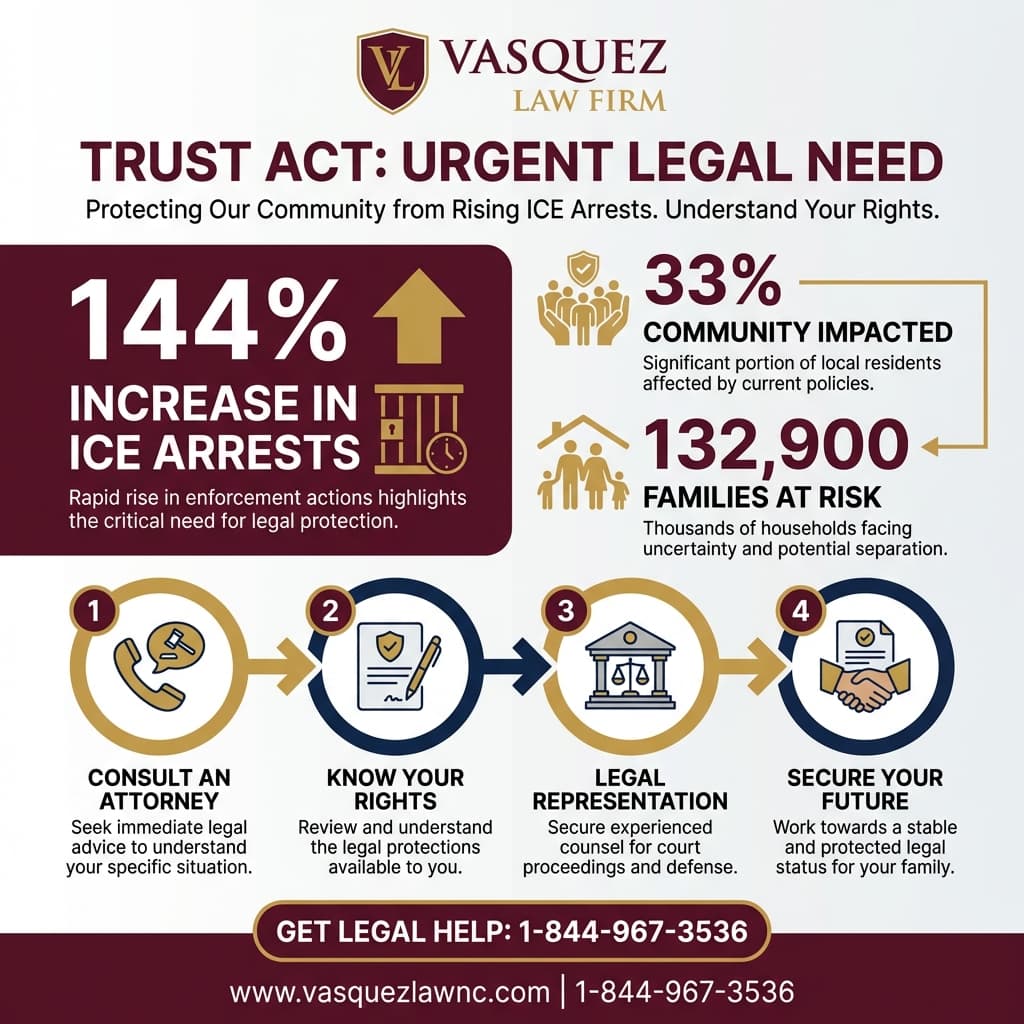
The Montgomery County Trust Act was designed with the dual goals of protecting immigrant rights and enhancing public safety for all residents. By limiting local law enforcement's involvement in federal immigration matters, the Act aims to foster trust between immigrant communities and the police. When immigrants feel safe reporting crimes, serving as witnesses, or seeking help without fear of deportation, it benefits the entire community. This increased trust is crucial for effective crime prevention and resolution.
Before the Trust Act, many immigrants, particularly those who are undocumented, were hesitant to interact with police, even in emergencies. This reluctance created a shadow population vulnerable to crime and exploitation, making it harder for law enforcement to protect them. The Act addresses this by creating a clear separation, allowing local police to focus on their primary mission of enforcing local laws and maintaining public order, rather than acting as an extension of federal immigration enforcement.
This policy reflects a growing trend in many jurisdictions to adopt "sanctuary" or "trust" policies. While the specific legal challenges and political debates around these policies continue, the practical effect in Montgomery County has been to provide a measure of reassurance to immigrant families. The Montgomery County Board meetings often discuss the impact and implementation of such acts, highlighting their importance to local governance and community welfare. For individuals in Raleigh or other parts of North Carolina and Florida, understanding your local ordinances regarding immigrant protections is equally important.
Don't face your legal challenges alone. Our team is here to help you every step of the way.
Call today: 1-844-967-3536 | Se Habla Español
Common Misconceptions About the Trust Act
Despite its clear intent, the Montgomery County Trust Act is often misunderstood, leading to confusion and sometimes fear within the community. It's important to clarify what the Act does and does not do to ensure residents have accurate information. One common misconception is that the Act prevents ICE from operating in Montgomery County entirely. This is false. ICE is a federal agency and can still conduct enforcement operations, including arrests, within the county.
Another misunderstanding is that the Trust Act provides "sanctuary" from all immigration laws. While it limits local cooperation, it does not grant immunity from federal immigration law or provide a pathway to legal status. It primarily focuses on the interactions between local law enforcement and residents, creating a barrier to local police assisting in civil immigration enforcement. It does not protect individuals who have committed serious crimes from federal prosecution or deportation.
Some critics argue that the Trust Act compromises public safety by releasing dangerous criminals. However, the Act includes exceptions for serious offenses. For example, if an individual has been convicted of certain violent felonies, local police may still cooperate with ICE. The law is carefully balanced to protect immigrant communities while ensuring public safety remains a priority. The council unanimously passed the Trust Act with these considerations in mind.
Legal Context and Challenges
The Montgomery County Trust Act operates within a complex legal landscape, constantly subject to federal and state scrutiny. Locally enacted "trust" or "sanctuary" policies often face challenges from federal authorities, who argue that such laws impede immigration enforcement. However, federal courts have largely upheld the ability of local jurisdictions to limit their participation in federal immigration activities, citing the Tenth Amendment of the U.S. Constitution, which reserves powers not delegated to the federal government to the states or the people.
The legal basis for the Trust Act rests on the principle that local governments are not obligated to enforce federal civil immigration laws. While federal law, specifically 8 U.S.C. § 1373, prohibits local governments from restricting voluntary information sharing with ICE, the Trust Act carefully navigates these provisions by focusing on limitations on active assistance and inquiries, rather than prohibiting voluntary communication in all contexts. This legal nuance is critical to its defensibility.
Ongoing legal battles and policy changes at the federal level can influence the environment in which the Trust Act operates. For example, changes in federal immigration policy, such as those that might be implemented in 2026, could lead to renewed challenges or increased pressure on jurisdictions with trust policies. It's crucial for residents and legal practitioners to stay informed about these developments. For residents in Raleigh, North Carolina, or anywhere in Florida, similar local initiatives may exist, but the specifics always vary by jurisdiction. For comprehensive information, always refer to local statutes and consult with an immigration attorney.
For more detailed information on federal immigration law, you can refer to 8 U.S.C. § 1226 regarding arrest and detention of aliens, and 8 C.F.R. § 287 for regulations concerning immigration officers' powers.
When to Call an Immigration Lawyer Now
Even with the protections of the Montgomery County Trust Act, navigating immigration issues can be complex and stressful. Knowing when to seek professional legal help can make a significant difference in your case. Do not hesitate to contact an immigration attorney if any of the following situations apply to you:
- You or a family member has been arrested or detained by local police or ICE.
- You have received a Notice to Appear (NTA) in immigration court.
- You are unsure about your rights during an encounter with law enforcement.
- You need assistance understanding specific provisions of the Montgomery County Trust Act.
- You are facing deportation or removal proceedings.
- You believe your rights under the Trust Act have been violated.
- You are considering applying for immigration benefits and need guidance.
- You have questions about your immigration status or potential pathways to legal residency.
Vasquez Law Firm has extensive experience with immigration law, serving clients in Raleigh, North Carolina, across Florida, and nationwide. Our team is ready to provide compassionate yet aggressive representation to protect your rights and help you achieve your immigration goals.
About Vasquez Law Firm
At Vasquez Law Firm, we combine compassion with aggressive representation. Our motto "Yo Peleo" (I Fight) reflects our commitment to standing up for your rights. We understand the unique challenges faced by immigrant communities and are dedicated to providing comprehensive legal support.
- Bilingual Support: Se Habla Español - our team is fully bilingual and ready to communicate in your preferred language.
- Service Areas: We proudly serve clients in North Carolina, Florida, and offer nationwide immigration services.
- Experience: With over 15 years of dedicated legal experience, Attorney Vasquez and our team have a proven track record of success in complex immigration matters, as well as personal injury, workers' compensation, criminal defense, family law, and traffic cases in North Carolina.
- Client-Centered Approach: We prioritize your needs, offering personalized attention and strategic legal solutions tailored to your specific situation.
Attorney Trust and Experience
Attorney Vasquez holds a Juris Doctor degree and is admitted to practice in both the North Carolina State Bar and Florida Bar. With over 15 years of dedicated legal experience, he has built a reputation for providing personalized attention and achieving favorable outcomes for his clients. His deep understanding of immigration law, combined with a fierce dedication to justice, makes Vasquez Law Firm a trusted advocate for individuals and families navigating the U.S. legal system. We are committed to fighting for your rights, whether you're dealing with the Montgomery County Trust Act or other complex legal challenges.
Frequently Asked Questions
What is the main purpose of the Montgomery County Trust Act?
The primary goal of the Montgomery County Trust Act is to foster trust between immigrant communities and local law enforcement by limiting local police cooperation with federal immigration authorities. This ensures residents feel secure reporting crimes or seeking assistance without fear that local interactions will lead to deportation proceedings. It helps local police focus on community safety, not federal immigration enforcement.
Does the Trust Act prevent ICE from operating in Montgomery County?
No, the Montgomery County Trust Act does not prevent ICE (U.S. Immigration and Customs Enforcement) from operating within Montgomery County. ICE is a federal agency with jurisdiction across the entire country. The Act primarily restricts local law enforcement agencies and county employees from assisting ICE in civil immigration enforcement, but it does not diminish ICE's federal authority to conduct its own operations.
Can local police in Montgomery County ask about my immigration status?
Under the Montgomery County Trust Act, local police are generally prohibited from asking about your immigration status. They can only inquire about it if it is directly relevant to a criminal investigation and is required by federal or state law. This provision is designed to prevent arbitrary questioning or profiling based on perceived immigration status and to protect residents' privacy.
What is an immigration detainer, and how does the Trust Act address it?
An immigration detainer is a request from ICE to a local jail to hold a person for an additional 48 hours after they would otherwise be released, giving ICE time to take custody. The Montgomery County Trust Act limits compliance with these detainers; local police will generally not honor them unless they are backed by a judicial warrant signed by a judge, not just an administrative warrant from an immigration officer.
Are there any exceptions to the Montgomery County Trust Act?
Yes, the Trust Act includes specific exceptions. For instance, local law enforcement may cooperate with federal immigration authorities if an individual has been convicted of certain serious or violent felonies. These exceptions are in place to ensure public safety while still upholding the core principles of the Act, balancing community trust with necessary law enforcement functions.
What if I believe my rights under the Trust Act have been violated?
If you believe your rights under the Montgomery County Trust Act have been violated, it is crucial to document the incident as thoroughly as possible and seek legal counsel immediately. An experienced immigration attorney can assess your situation, advise you on your options, and help you file a complaint or take appropriate legal action to protect your rights. Contact Vasquez Law Firm for assistance.
How does the Trust Act impact immigrants seeking public services?
The Montgomery County Trust Act aims to ensure that all residents, regardless of immigration status, can access essential public services without fear. This means county agencies providing services like health care, education, or social services should not inquire about immigration status unless legally mandated. The goal is to ensure equitable access and prevent discrimination in service provision.
Does the Trust Act affect immigration processes like Green Card applications?
The Montgomery County Trust Act primarily affects interactions between local law enforcement and immigrants. It does not directly impact federal immigration processes such as applying for a Green Card, visa, or citizenship. These processes are governed by federal law and USCIS regulations. However, an attorney can help ensure any local interactions do not negatively affect your federal applications.
What should I do if ICE approaches me in Montgomery County?
If ICE agents approach you, remember your rights. You have the right to remain silent and do not have to answer questions about your immigration status. Do not open your door unless they present a judicial warrant. Do not sign anything without consulting an attorney. Politely state you wish to speak with a lawyer. Contact an immigration attorney at Vasquez Law Firm as soon as possible.
Where can I find official information about the Montgomery County Trust Act?
Official information about the Montgomery County Trust Act can typically be found on the Montgomery County government website, including minutes from County Council meetings and legislative texts. Local immigrant advocacy groups, such as the Montgomery County Immigrant Rights Collective, also provide valuable resources and updates. Consulting with an immigration attorney ensures you receive accurate, up-to-date legal interpretations.
Sources and References
- U.S. Citizenship and Immigration Services (USCIS)
- Executive Office for Immigration Review (EOIR)
- 8 U.S.C. § 1226 - Arrest and detention of aliens
- 8 C.F.R. § 287 - Field operations and powers of officers
Need immigration help? Our immigration attorneys can review your case.
Ready to take the next step? Contact Vasquez Law Firm today for a free, confidential consultation. We're committed to fighting for your rights and achieving the best possible outcome for your case.
Start Your Free Case Evaluation Now
Call us: 1-844-967-3536
Se Habla Español - Estamos aquí para ayudarle.


William Vasquez
Founder & CEO, Vasquez Law Firm, PLLC
William Vasquez is the founder and CEO of Vasquez Law Firm, PLLC, a results-driven firm specializing in immigration, criminal defense, personal injury, and workers' compensation. A U.S. Air Force veteran and recipient of the Joint Service Achievement Medal, William is dedicated to fiercely fighting for his clients' rights.
Related Legal Services
Need legal help? Learn more about how our immigration attorneys can help, or contact us for a free evaluation.
You can also visit North Carolina immigration lawyers for more information.