A Complete Guide to Immigrant Rights in the US in 2026
Understand your essential immigrant rights in 2026, from due process to labor protections. Get clarity on your legal standing. Contact Vasquez Law for a free consultation.
Published on February 19, 2026
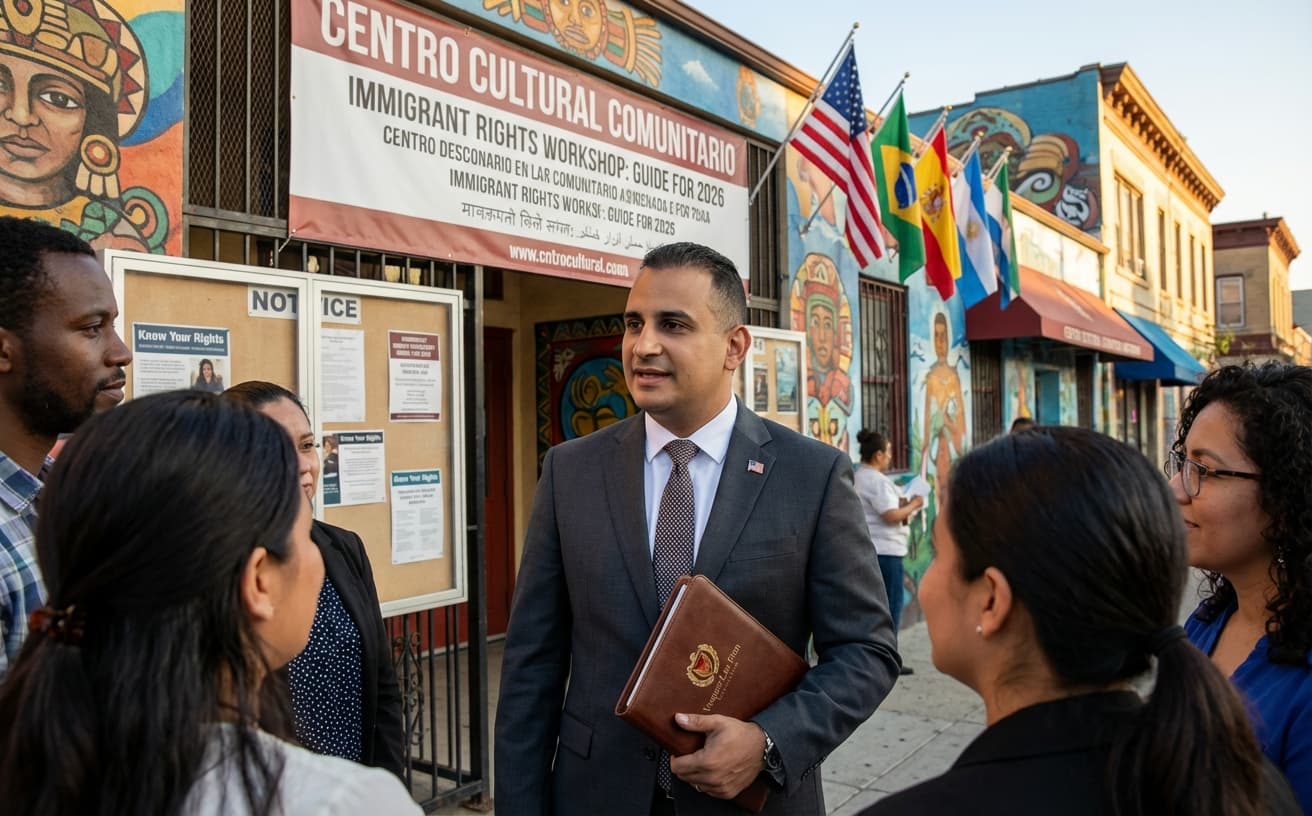
Have questions? Talk to an attorney - free evaluation.
Call 1-844-967-3536Worried how the latest immigration news affects you?
Get a free, confidential case review with an immigration attorney - know exactly where you stand.
A Complete Guide to Immigrant Rights in the US in 2026
Understanding your immigrant rights is crucial for anyone navigating the complex U.S. immigration system in 2026. Whether you are a long-term resident, a recent arrival, or seeking asylum, knowing your legal protections empowers you to act confidently and protect your interests. This guide provides essential information on your rights during interactions with law enforcement, in the workplace, and throughout the immigration process. It aims to clarify common misconceptions and equip you with the knowledge to assert your rights effectively. Vasquez Law Firm is dedicated to defending the rights of immigrants across North Carolina, Florida, and nationwide.
Need help with your case? Our experienced attorneys are ready to fight for you. Se Habla Español.
Schedule Your Free Consultation
Or call us now: 1-844-967-3536
Quick Answer
Immigrant rights in the U.S. encompass constitutional protections like due process, freedom of speech, and protection from unreasonable searches, regardless of immigration status. These rights also include specific statutory protections in areas like employment and housing. It is vital to know your rights, remain silent, and seek legal counsel promptly if you encounter immigration enforcement.
- You have the right to remain silent.
- You have the right to speak with an attorney.
- Do not open your door to ICE without a warrant signed by a judge.
- Do not sign anything without consulting a lawyer.
- Carry an immigrant rights card with attorney contact information.
Understanding Immigrant Rights in 2026
The landscape of immigrant rights is constantly evolving, making it essential to stay informed about current protections and policies in 2026. These rights are not solely for U.S. citizens; many apply to all individuals present in the country, including undocumented immigrants. Understanding these fundamental protections is the first step towards self-advocacy and ensuring fair treatment under the law. These rights are rooted in the U.S. Constitution and various federal statutes.
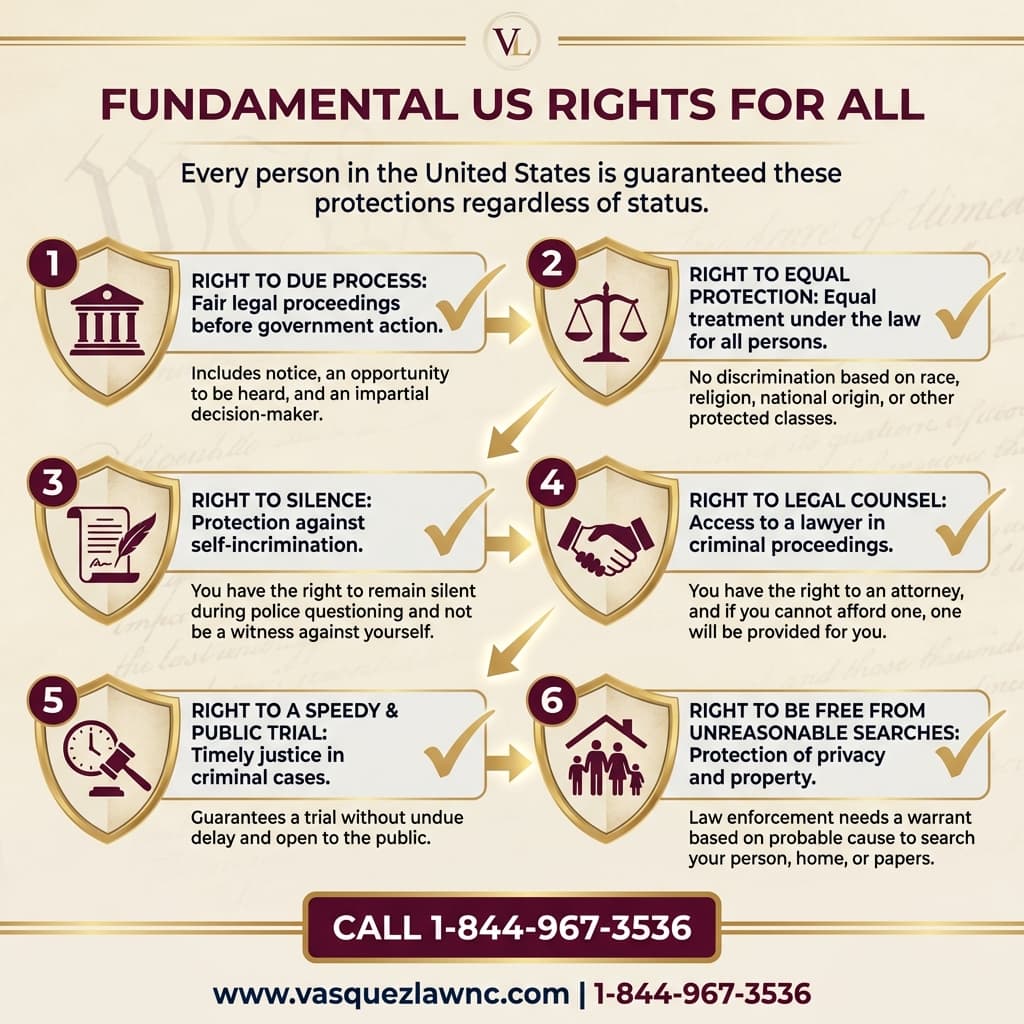
Key among these are Fifth and Fourteenth Amendment due process rights, which guarantee fair treatment and legal procedures. This means immigrants have the right to a fair hearing, to present evidence, and to appeal certain decisions. Additionally, the Fourth Amendment protects against unreasonable searches and seizures, requiring a warrant for law enforcement to enter a home in most circumstances. These constitutional guarantees form the bedrock of immigrant protections.
Constitutional Protections for All
Many constitutional rights apply to all persons within the United States, regardless of immigration status. These include freedom of speech, religion, and assembly (First Amendment), protection from unreasonable searches and seizures (Fourth Amendment), and the right to due process and protection against self-incrimination (Fifth Amendment). The Eighth Amendment protects against cruel and unusual punishment, while the Fourteenth Amendment guarantees equal protection under the law and due process for all persons. These fundamental protections are critical for safeguarding the dignity and liberty of immigrants.
Statutory and Regulatory Rights
Beyond constitutional guarantees, federal laws like the Immigration and Nationality Act (INA) and various labor laws provide specific protections for immigrants. For example, the INA outlines procedures for asylum seekers and those seeking various visas, ensuring they have a legal process to follow. Labor laws, enforced by agencies like the Department of Labor, protect all workers, regardless of status, from wage theft, unsafe working conditions, and discrimination. These statutory rights are often complex and require careful interpretation.
Infographic: Know Your Rights When Encountering ICE
This infographic outlines critical steps and rights immigrants should remember during an encounter with Immigration and Customs Enforcement (ICE).
Call Vasquez Law Firm if you need immediate assistance: 1-844-967-3536
Your Rights During an ICE Encounter
Encounters with Immigration and Customs Enforcement (ICE) can be intimidating, but knowing your immigrant rights is your most powerful tool. It is crucial to remember that you have specific protections, even if you are undocumented. The key is to assert these rights respectfully and calmly. Do not panic, and remember that you are not obligated to answer every question or sign every document immediately.
If ICE agents come to your home, do not open the door unless they present a warrant signed by a judge. A warrant for arrest (Form I-200) or a search warrant (signed by a judge) is generally required for them to enter without your consent. An administrative warrant (Form I-205) is not sufficient for entry into your home without your permission. You can ask them to slide the warrant under the door or hold it up to a window for you to inspect. If they do not have a judicial warrant, you can keep your door closed.
The Right to Remain Silent
You have the Fifth Amendment right to remain silent. You do not have to answer questions about your immigration status, nationality, or how you entered the country. Simply state, "I wish to remain silent." If you are detained, do not discuss your case with anyone other than your attorney. Anything you say can be used against you in immigration proceedings. This right is fundamental and should always be exercised.
The Right to an Attorney
You have the right to speak with an attorney before answering any questions or signing any documents. If you are detained, request to speak with a lawyer immediately. Do not sign any documents, especially those waiving your right to a hearing or voluntary departure, without legal counsel. An attorney can explain the implications of any documents and protect your interests throughout the process. Vasquez Law Firm can provide immediate assistance during these critical moments.
Workplace and Labor Rights for Immigrants
All workers in the United States, regardless of immigration status, are protected by federal and state labor laws. These protections are essential for ensuring fair treatment and preventing exploitation in the workplace. Many employers mistakenly believe that undocumented workers have no rights, but this is false. Understanding these immigrant rights can help prevent wage theft, discrimination, and unsafe working conditions.
Federal laws such as the Fair Labor Standards Act (FLSA) guarantee minimum wage and overtime pay for eligible employees, regardless of their immigration status. This means if you are working, you are entitled to be paid at least the federal minimum wage and receive overtime pay for hours worked over 40 in a workweek, unless an exemption applies. Employers cannot withhold wages or threaten deportation to avoid paying their employees. Additionally, laws like Title VII of the Civil Rights Act of 1964 prohibit discrimination based on national origin, race, or religion in employment, protecting immigrants from unfair treatment.
Safety and Discrimination Protections
The Occupational Safety and Health Act (OSHA) mandates that employers provide a safe workplace for all employees. This includes providing necessary safety equipment, training, and a workplace free from recognized hazards. Immigrant workers, like all other workers, have the right to report unsafe conditions without fear of retaliation. Furthermore, federal laws protect against discrimination and harassment based on national origin or immigration status in hiring, firing, promotions, and other employment terms. If you experience discrimination, it is crucial to document incidents and seek legal advice.
Wage and Hour Claims
If your employer has failed to pay you minimum wage, overtime, or has unlawfully deducted from your pay, you may have a wage and hour claim. These claims can be pursued even if you are an undocumented worker. Retaliation for reporting wage violations is illegal, and employers cannot threaten to report you to immigration authorities in response to a wage claim. An experienced attorney can help you recover unpaid wages and protect you from employer retaliation. Learn more about your options by contacting our immigration services team.
Due Process and Court Proceedings
The right to due process is a cornerstone of the U.S. legal system and applies to all individuals, including immigrants, in court and administrative proceedings. This means you have the right to fair treatment, notice of proceedings, and an opportunity to be heard. In immigration court, these immigrant rights are particularly vital, as the outcomes can have life-altering consequences, including deportation. Understanding the due process protections available to you can significantly impact your case.
For individuals facing deportation or removal proceedings, due process guarantees include the right to a hearing before an immigration judge, the right to present evidence, and the right to cross-examine witnesses. You also have the right to appeal an unfavorable decision to the Board of Immigration Appeals (BIA) and, in some cases, to federal circuit courts. These processes are complex and highly technical, often requiring the expertise of an immigration attorney. Without proper legal representation, navigating these proceedings can be incredibly challenging, leading to missed opportunities or unfavorable outcomes.
Right to a Hearing and Appeal
If you are placed in removal proceedings, you are generally entitled to a hearing before an immigration judge. During this hearing, you can present your case, offer evidence, and argue why you should be allowed to remain in the U.S. If the judge rules against you, you typically have the right to appeal the decision to the Board of Immigration Appeals (BIA). This appeal must be filed within a strict timeframe, usually 30 days. Missing this deadline can result in the loss of your right to appeal. For example, in asylum cases, the appeal window can be as short as 10 days to appeal a BIA asylum decision.
Access to Legal Counsel in Court
While the government does not provide attorneys for immigrants in civil immigration proceedings, you have the right to obtain legal representation at your own expense. Having a qualified immigration attorney can make a profound difference in the outcome of your case. An attorney can help you understand the charges against you, identify potential defenses, prepare and present evidence, and represent you effectively in court. Attorney Vasquez and our legal team are ready to provide this critical support.
Don't face your legal challenges alone. Our team is here to help you every step of the way.
Call today: 1-844-967-3536 | Se Habla Español
Common Mistakes to Avoid Regarding Immigrant Rights
Navigating the U.S. immigration system is fraught with potential pitfalls. Even minor missteps can have significant consequences for your immigration status and future. Being aware of common mistakes and understanding how to avoid them is crucial for protecting your immigrant rights and ensuring a smoother process. Many of these errors stem from a lack of information or attempting to handle complex legal matters without professional guidance.
- Mistake 1: Opening the door to ICE without a judicial warrant. Always ask to see a warrant signed by a judge. An administrative warrant (Form I-205) is not enough for them to enter your home without your permission.
- Mistake 2: Answering questions about your immigration status. You have the right to remain silent. Do not volunteer information about where you were born, how you entered the U.S., or your current status.
- Mistake 3: Signing documents without understanding them or consulting an attorney. Never sign anything presented by immigration officials without first having a lawyer review it. You could unknowingly waive important rights.
- Mistake 4: Carrying false documents or providing false information. This can lead to serious criminal charges and negatively impact any future immigration applications.
- Mistake 5: Failing to update your address with USCIS within 10 days of moving. This is a legal requirement, and failure to do so can result in serious consequences, including missed court dates or notices.
- Mistake 6: Not seeking legal counsel early enough. Waiting until a crisis occurs limits your options. Proactive legal advice can prevent many issues.
- Mistake 7: Traveling internationally without proper documentation or advance parole. This can result in being denied re-entry into the U.S., even if you have a pending application.
- Mistake 8: Ignoring court notices or missing deadlines. Failure to appear in court or respond to official notices can lead to an order of removal in absentia.
- Mistake 9: Not understanding the difference between civil and criminal immigration violations. Some violations can lead to criminal charges, which have different rights and processes.
- Mistake 10: Believing all information found online is accurate and up-to-date. Immigration laws change frequently. Always verify information with a qualified legal professional, especially for 2026 updates.
If you only remember one thing: Always assert your right to remain silent and your right to an attorney. Never sign anything without legal review.
NC, FL, and Nationwide Immigrant Rights Notes
While U.S. immigration law is primarily federal, local practices and state laws can influence how immigrant rights are experienced in different regions. Understanding these nuances in North Carolina, Florida, and across the nation is crucial for immigrants and their advocates in 2026. Vasquez Law Firm serves clients throughout these areas, providing localized insights within the federal framework.
Federal Framework and Nationwide Application
The core of immigrant rights stems from federal law, primarily the U.S. Constitution and the Immigration and Nationality Act (INA). These federal protections, such as due process and protection against unreasonable searches, apply uniformly across all states. Agencies like USCIS, ICE, and CBP operate under federal jurisdiction, meaning their policies and procedures are generally consistent nationwide, though local enforcement priorities can vary. This federal consistency provides a baseline of rights for all immigrants in the U.S.
North Carolina Specifics
In North Carolina, state laws and local policies can impact immigrants. For example, some local law enforcement agencies may have agreements with ICE, such as 287(g) programs, which allow local officers to perform certain immigration enforcement functions. It is important to know if your local jurisdiction participates in such programs. North Carolina also has specific laws regarding driver's licenses and state benefits that differentiate based on immigration status. The Vasquez Law Firm, with its Raleigh office, is deeply familiar with North Carolina's legal landscape and its implications for immigrant communities.
Florida Specifics
Florida has also seen significant legislative activity affecting immigrants. Recent state laws have introduced stricter enforcement measures and altered how certain services are accessed by immigrants. For instance, laws regarding unauthorized transportation of undocumented individuals or stricter E-Verify requirements for employers can create additional challenges. These state-level changes often intersect with federal immigrant rights, creating a complex legal environment. Our team in Florida provides up-to-date guidance on these specific state-level issues.
When to Call a Lawyer Now About Your Immigrant Rights
Timely legal intervention can be critical in protecting your immigrant rights. Certain situations demand immediate action and the expertise of an immigration attorney. Waiting too long can jeopardize your case, limit your options, or even lead to severe consequences like deportation. If you experience any of the following, do not hesitate to contact Vasquez Law Firm for urgent assistance.
- You or a family member has been detained by ICE or other law enforcement.
- You have received a Notice to Appear (NTA) in immigration court.
- ICE agents have come to your home or workplace.
- You are being asked to sign documents by immigration officials.
- You fear deportation or removal from the U.S.
- You have been a victim of wage theft, discrimination, or unsafe working conditions.
- You need to appeal an adverse decision from USCIS or an immigration judge.
- You are considering applying for asylum or other forms of relief.
- You have questions about your eligibility for a green card or visa.
- You are a U.S. citizen and believe you were wrongly detained by ICE. Learn more about your rights if ICE stops you and you are a U.S. citizen.
About Vasquez Law Firm
At Vasquez Law Firm, we combine compassion with aggressive representation. Our motto "Yo Peleo" (I Fight) reflects our commitment to standing up for your rights. We understand the profound impact immigration issues have on individuals and families, and we are dedicated to providing zealous advocacy and personalized legal strategies. Our team is fluent in English and Spanish, ensuring clear communication and culturally sensitive support for all our clients.
- Bilingual Support: Se Habla Español - our team is fully bilingual and ready to assist you in your preferred language.
- Service Areas: We proudly serve clients in North Carolina, Florida, and provide comprehensive immigration services nationwide.
- Experience: With over 15 years of dedicated legal experience, we have successfully navigated countless complex immigration, personal injury, and criminal defense cases.
- Results: Our firm has a proven track record of achieving favorable outcomes, tirelessly fighting for justice and the best interests of our clients.
Attorney Trust and Experience
Attorney Vasquez holds a Juris Doctor degree and is admitted to practice in both the North Carolina State Bar and Florida Bar. With over 15 years of dedicated legal experience, he has built a reputation for providing personalized attention and achieving favorable outcomes for his clients. His deep understanding of immigration law, combined with a commitment to client advocacy, makes Vasquez Law Firm a trusted partner for your legal journey. For more information, visit our attorneys page.
Don't face your legal challenges alone. Our team is here to help you every step of the way.
Call today: 1-844-967-3536 | Se Habla Español
Frequently Asked Questions
What are the due process rights of immigrants in the U.S.?
Immigrants in the U.S., regardless of status, have due process rights under the Fifth and Fourteenth Amendments. This means they are entitled to fair treatment by the government, including notice of legal proceedings, an opportunity to be heard, and the right to present evidence. These rights are fundamental in immigration court and during interactions with law enforcement, ensuring fair legal procedures are followed.
What are the labor rights of immigrants in the U.S.?
All workers in the U.S., including immigrants, are protected by federal and state labor laws. These rights include the right to minimum wage, overtime pay, a safe workplace, and protection from discrimination and retaliation. Employers cannot threaten deportation to avoid paying wages or to prevent workers from reporting violations. These protections apply regardless of immigration status, ensuring fair treatment in the workplace.
What should I do if ICE stops me?
If ICE stops you, you have the right to remain silent and do not have to answer questions about your immigration status. You also have the right to speak with an attorney. Do not open your door to ICE without a warrant signed by a judge. Do not sign anything without consulting a lawyer first. Carry an immigrant rights card with attorney contact information.
Can I sue ICE for detaining a U.S. citizen?
Yes, if a U.S. citizen is wrongly detained by ICE, they may have grounds to sue for violations of their constitutional rights, such as false imprisonment or unlawful arrest. Such cases often involve complex litigation and require experienced legal representation. It is crucial to document all details of the detention and seek legal counsel immediately to explore your options.
Do undocumented immigrants have any rights in the U.S.?
Yes, undocumented immigrants in the U.S. possess several fundamental rights. These include constitutional protections like the right to due process, freedom of speech, and protection from unreasonable searches and seizures. They also have labor rights in the workplace and the right to an attorney in legal proceedings. These rights ensure basic human dignity and legal fairness for all individuals present in the country.
How can I find legal help for immigrant rights near me?
To find legal help for immigrant rights, you can contact organizations that provide pro bono or low-cost legal services, or consult with private immigration attorneys. Look for attorneys specializing in immigration law who are licensed in your state. Vasquez Law Firm offers free consultations for immigration matters and serves clients in North Carolina, Florida, and nationwide. Contact us today for assistance.
What is an immigrant rights card, and why should I carry one?
An immigrant rights card is a small card containing essential information about your rights, such as the right to remain silent and the right to an attorney, along with your lawyer's contact information. Carrying one can help you assert your rights calmly and effectively during an interaction with law enforcement or ICE, ensuring you do not inadvertently waive important protections.
Are there specific immigrant rights for asylum seekers?
Asylum seekers have specific rights under U.S. and international law. These include the right to apply for asylum, the right to a credible fear interview if apprehended, and the right to a hearing before an immigration judge to present their case. They also have the right to legal representation, though not at government expense. These rights are critical for those fleeing persecution.
What are current issues in immigrant rights in 2026?
As of 2026, current issues in immigrant rights include ongoing debates about border security, the future of DACA recipients, access to legal aid for detained immigrants, and the impact of state-level immigration legislation. Advocacy groups continue to push for comprehensive immigration reform, while enforcement agencies adapt to new policies. Staying informed and seeking legal counsel is crucial amidst these evolving issues.
Can an immigrant facing deportation get a public defender?
No, generally, immigrants in deportation or removal proceedings do not have a right to a government-appointed public defender because immigration proceedings are considered civil, not criminal, matters. However, they do have the right to obtain legal counsel at their own expense. Various non-profit organizations may offer pro bono or low-cost legal services to eligible individuals.
Sources and References
- U.S. Citizenship and Immigration Services (USCIS)
- Executive Office for Immigration Review (EOIR)
- 8 U.S. Code § 1229a - Removal proceedings
Ready to take the next step? Contact Vasquez Law Firm today for a free, confidential consultation. We're committed to fighting for your rights and achieving the best possible outcome for your case.
Start Your Free Consultation Now
Call us: 1-844-967-3536
Se Habla Español - Estamos aquí para ayudarle.


William Vasquez
Founder & CEO, Vasquez Law Firm, PLLC
William Vasquez is the founder and CEO of Vasquez Law Firm, PLLC, a results-driven firm specializing in immigration, criminal defense, personal injury, and workers' compensation. A U.S. Air Force veteran and recipient of the Joint Service Achievement Medal, William is dedicated to fiercely fighting for his clients' rights.
Related Legal Services
Need legal help? Learn more about learn about our immigration practice, or contact us for a free evaluation.
You can also visit immigration legal services throughout NC for more information.


