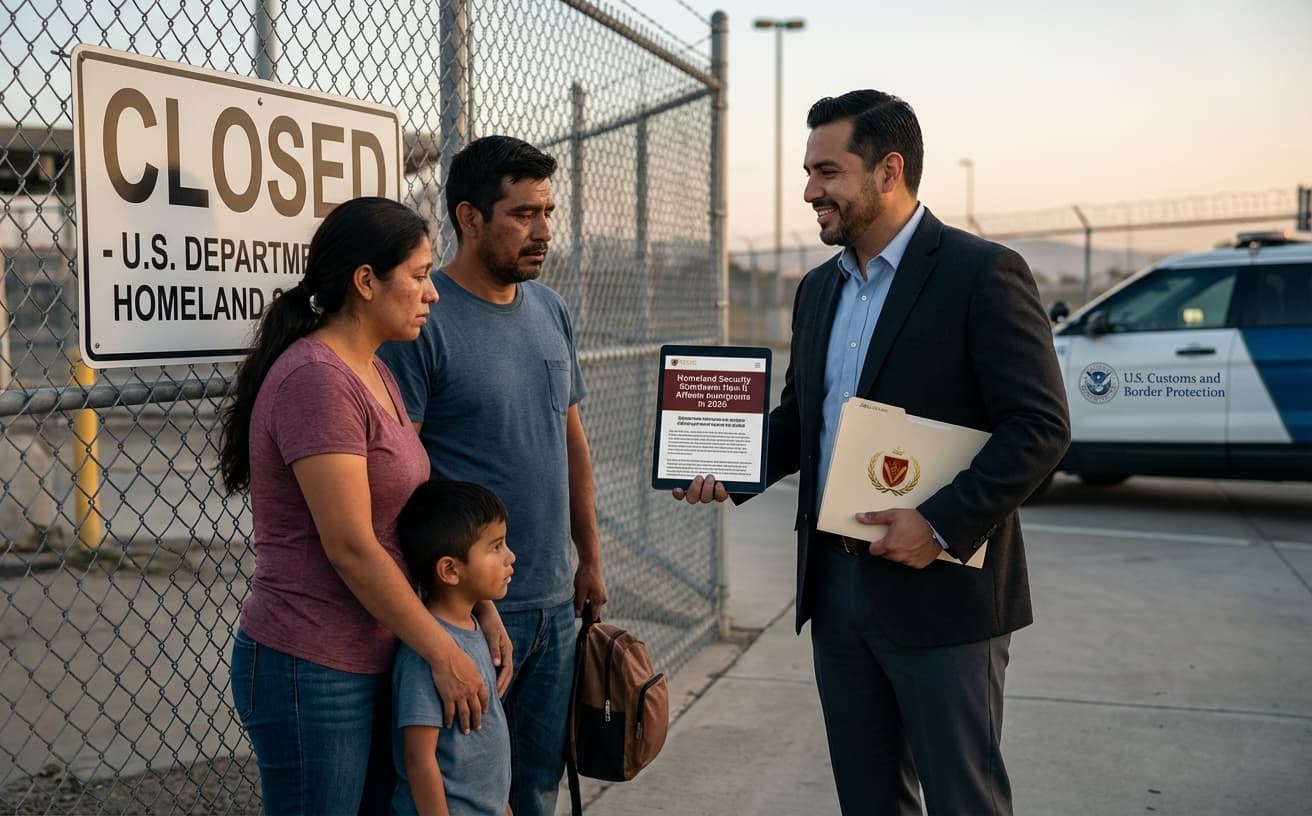
What Is Immigration Related Criminal Conduct in 2026?
Wondering about immigration related criminal conduct in 2026? Learn key offenses, penalties, and your rights. Contact Vasquez Law for free consultation.
Published on April 4, 2026

Have questions? Talk to an attorney - free evaluation.
Call 1-844-967-3536Worried how the latest immigration news affects you?
Get a free, confidential case review with an immigration attorney - know exactly where you stand.
What Is Immigration Related Criminal Conduct in 2026?
Immigration related criminal conduct can have serious consequences, affecting your legal status and future in the U.S. In 2026, understanding offenses like unlawful entry (8 U.S.C. 1325) and reentry after deportation (8 U.S.C. 1326) is crucial. This guide explains what these immigration related criminal offenses involve, potential penalties, and practical steps to protect your rights, especially if you reside in Orlando or elsewhere in North Carolina and Florida. Attorney Vasquez and his team at Vasquez Law Firm are ready to help you navigate these challenges with experienced and bilingual support.
Need help with your case? Our experienced attorneys are ready to fight for you. Se Habla Español.
Schedule Your Free Consultation
Or call us now: 1-844-967-3536
Quick Answer
Immigration related criminal conduct includes offenses like unlawful entry into the U.S., reentry after deportation, and document fraud. These crimes can lead to fines, imprisonment, and deportation. Knowing your rights and working with an experienced immigration lawyer can improve your case outcomes in 2026.
- Includes federal offenses under 8 U.S.C. 1325 and 1326
- Penalties range from fines to prison and removal
- Convictions strongly impact immigration status and benefits
- Legal support is critical for defense and relief options
- Applicable to residents in Orlando, NC, FL, and nationwide
Understanding Immigration Related Criminal Conduct
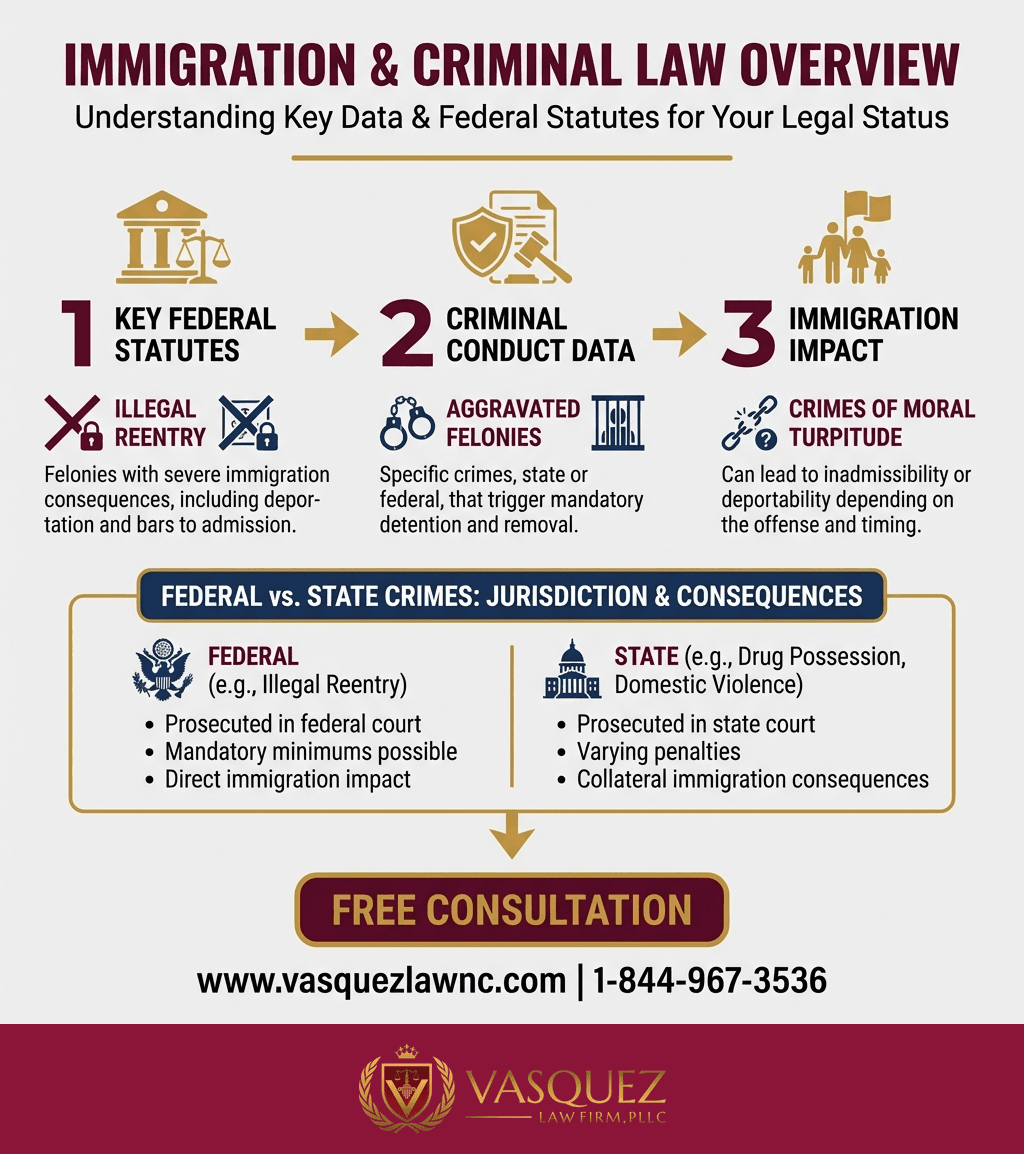
In 2026, immigration related criminal conduct remains a central issue for many facing U.S. immigration law. For example, if someone crosses the border without authorization or tries to return illegally after deportation, they risk federal criminal charges under laws such as 8 U.S.C. 1325 and 1326. These offenses have serious consequences, including criminal penalties and immigration removal proceedings.
Under 8 U.S.C. 1325, unlawful entry or attempted entry into the U.S. is a misdemeanor punishable by fines and imprisonment. Repeat offenses or situations involving enhanced circumstances can carry heavier penalties.
Similarly, 8 U.S.C. 1326 makes it a crime to reenter the U.S. illegally after being deported or removed. Penalties here range from several months to years in prison depending on the individual's criminal history and circumstances.
Common Examples of Immigration-Related Crimes
- Unlawful entry or attempted unlawful entry (8 U.S.C. 1325)
- Reentry after deportation (8 U.S.C. 1326)
- Use of false documents to gain entry or benefits
- Harboring or assisting unauthorized immigrants
How Criminal Convictions Affect Immigration Status
Any conviction related to immigration can trigger removal (deportation) proceedings, bar adjustment of status, or even make a person inadmissible in the future. This means even minor criminal charges can have major immigration consequences, impacting Dreamers and other immigrant residents in Orlando or across North Carolina and Florida.
Immigration-related convictions are considered "aggravated felonies" or "crimes involving moral turpitude" in some cases, terms that carry specific immigration law ramifications. Understanding these terms can be confusing. That is why consulting a knowledgeable immigration attorney is essential for your defense.
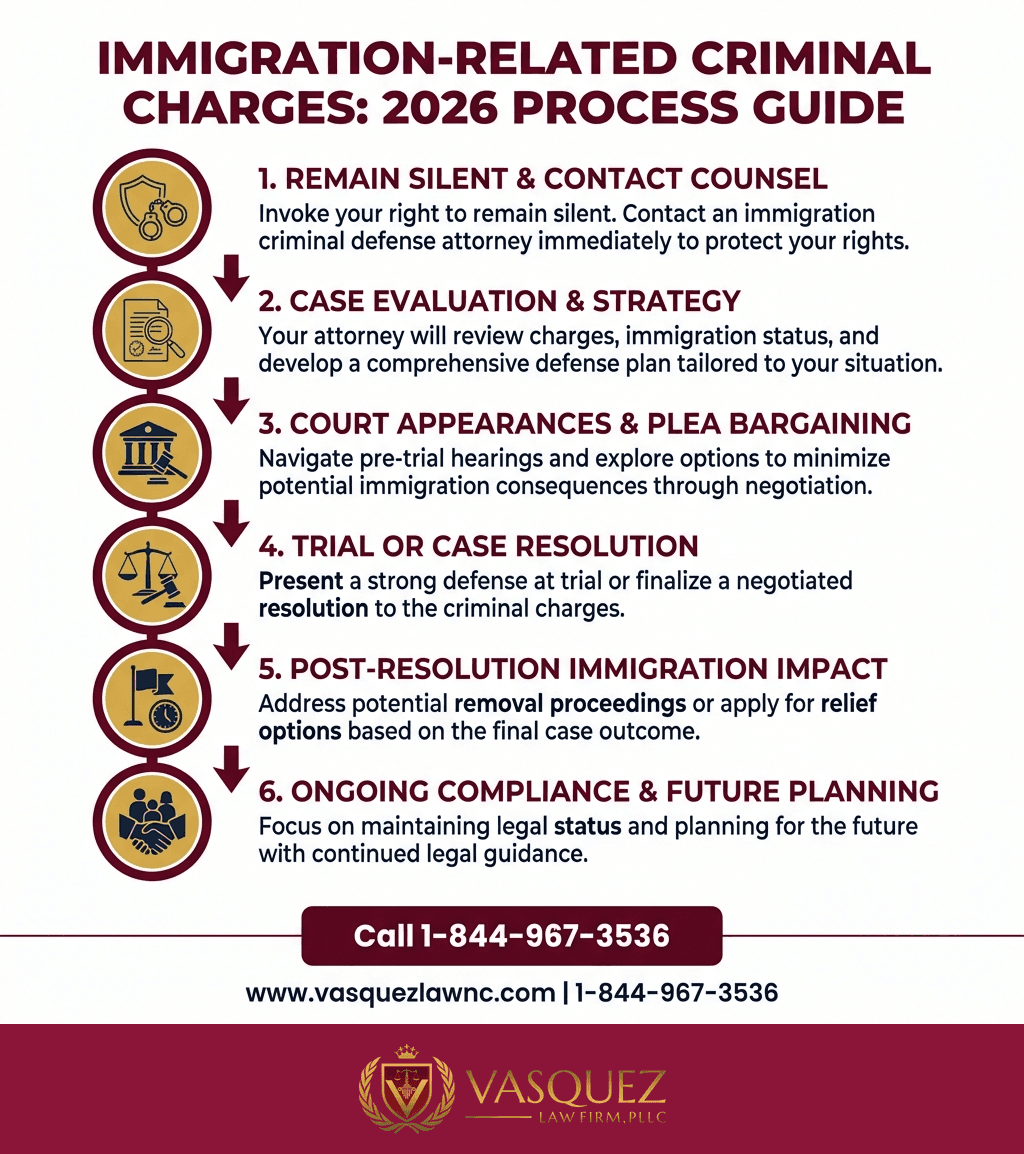
Key Steps to Take If Charged
Facing charges for immigration related criminal conduct can be overwhelming. Here are clear steps you should take immediately:
- Contact a qualified immigration lawyer with experience handling criminal immigration cases, particularly one familiar with Orlando, Florida and North Carolina laws.
- Do not answer law enforcement questions without legal representation to avoid self-incrimination.
- Gather your immigration documents such as passports, visas, green cards, and any related paperwork.
- Attend all court and immigration hearings diligently to prevent additional penalties or arrest warrants.
- Discuss options for relief or defenses with your lawyer, including cancellation of removal, asylum, or waiver applications.
- Avoid posting bail without advice, as it may affect your immigration detention status.
What to Expect Once Charged
After being charged with an immigration crime, you may face criminal court hearings and separate immigration court proceedings. Both influence your status and freedom. The timeline can stretch for months or years depending on case complexity and jurisdiction.
Documents or Evidence Checklist
- Passport, visa, or travel documents
- Green card, work permit, or DACA documentation
- Any notices or charges from immigration or law enforcement agencies
- Proof of residency, employment, or community ties
- Criminal court documentation or bail papers
- Any prior immigration filings or approvals
- Correspondence from attorneys or government agencies
Timeline and What to Expect
Being charged with immigration related criminal conduct initiates several key steps commonly spread over months:
- Week 1–4: Arrest and initial hearing in criminal court.
- Weeks 4–8: Possible detention or bail hearing.
- Month 2–6: Immigration court proceedings may begin.
- Month 6+: Plea negotiations, trial, or immigration relief hearings.
- Final phase: Deportation or relief decisions.
Delays and appeals can extend this timeline. Having an attorney can help you prepare and respond promptly.
Costs and Fees: What Impacts the Price
- Complexity of criminal charges and immigration issues
- Whether you face detention or need bond hearings
- Number of court appearances and legal filings required
- Urgency and necessity of immediate representation
- Location factors such as Orlando courts or North Carolina jurisdictions
- Expertise of immigration and criminal lawyers
At Vasquez Law Firm, we provide clear fee structures and free consultations to discuss your case and costs.
Common Mistakes to Avoid
- Speaking to ICE or police without a lawyer: Always have representation to avoid self-incrimination.
- Missing court dates: This can lead to warrants or detention.
- Ignoring immigration consequences of a plea deal: Criminal and immigration courts are separate and impact each other.
- Failing to disclose prior offenses or deportations: Transparency with counsel is critical.
- Not collecting or preserving documentation: Evidence supports your legal defense.
- Assuming a crime will not affect immigration status: Even misdemeanors can have serious immigration effects.
- Delaying legal help: Early intervention increases chances for relief.
If you only remember one thing: Never face immigration-related criminal conduct charges without immediate legal advice from a skilled immigration attorney.
NC, FL, and Nationwide Notes
North Carolina Notes
In North Carolina, immigration-related criminal cases are handled under federal law, but local courts may interact with ICE and federal agents. Legal assistance from an attorney knowledgeable in both North Carolina immigration issues and criminal defense is vital.
Florida Notes
Florida, including Orlando, enforces immigration-related laws aggressively. ICE presence is significant. Immigration legal services and criminal defense attorneys experienced with Florida courts can offer tailored representation to navigate these complex cases.
Nationwide Concepts (General Only)
Because immigration enforcement is federal, laws like 8 U.S.C. 1325 and 1326 apply throughout the U.S. Penalties and procedures are consistent federally, but local resources and court practices vary. Consulting local immigration attorneys in your state is always recommended.
When to Call a Lawyer Now
- If you are arrested for immigration related criminal conduct
- If you receive a notice to appear at immigration court
- If ICE visits your home or workplace
- If you are charged under federal immigration criminal statutes
- If you have prior deportations or convictions related to immigration
- If you are unsure about your rights during law enforcement encounters
- If you want to explore relief options or cancellation of removal
- If you face bond or detention hearings
- If you need help understanding the impact of criminal charges on immigration
- If your immigration status is at risk due to criminal allegations
About Vasquez Law Firm
At Vasquez Law Firm, we combine compassion with aggressive representation. Our motto "Yo Peleo" (I Fight) reflects our commitment to standing up for your rights.
- Bilingual Support: Se Habla Español - our team is fully bilingual
- Service Areas: North Carolina, Florida, and nationwide immigration services
- Experience: Over 15 years helping clients navigate complex legal matters
- Results: Thousands of successful cases across multiple practice areas
Attorney Trust and Experience
Attorney Vasquez holds a Juris Doctor degree and is admitted to practice in both the North Carolina State Bar and Florida Bar. With over 15 years of dedicated legal experience, he has built a reputation for providing personalized attention and achieving favorable outcomes for his clients.
Don't face your legal challenges alone. Our team is here to help you every step of the way.
Call today: 1-844-967-3536 | Se Habla Español
Frequently Asked Questions
What are common immigration related criminal offenses?
Common immigration related criminal offenses include unlawful entry under 8 U.S.C. 1325, reentry after deportation under 8 U.S.C. 1326, and document fraud. These offenses are taken seriously and can impact your immigration status in 2026.
Is illegal immigration a federal crime?
Illegal immigration can be both a civil and criminal matter. Certain acts like unauthorized entry are criminal offenses under federal law, while others may be civil violations. Understanding the difference is vital to your defense.
What penalties apply to unlawful entry under 8 U.S.C. 1325?
Penalties for unlawful entry can include fines and imprisonment up to six months for a first offense, with harsher penalties for repeated offenses or aggravated circumstances. Consequences may include deportation or denial of future immigration benefits.
Can ICE legally ask for ID during an encounter?
ICE agents can request identification during lawful encounters, especially if they have reasonable suspicion or are enforcing immigration laws. However, your rights during such encounters depend on the situation and location, such as in Orlando or other parts of Florida and North Carolina.
What should I do if charged with an immigration related criminal offense?
If charged, seek legal counsel immediately. Do not answer questions without a lawyer, and collect all relevant documents. Early legal support can protect your rights and improve your chances in court or immigration proceedings.
Are immigration related convictions grounds for deportation?
Yes, many immigration related criminal convictions can lead to deportation or removal proceedings. Crimes like unlawful reentry, drug offenses, or violent acts are especially serious under immigration law as of 2026.
How can a lawyer help with immigration related criminal conduct cases?
A lawyer can evaluate your case based on the criminal charges and immigration implications. They advocate in criminal court and immigration court, seek relief options, and help you understand consequences to best protect your rights.
What are common mistakes to avoid during immigration criminal cases?
Common mistakes include talking to law enforcement without a lawyer, missing court dates, ignoring the immigration consequences, and not gathering proper evidence. Avoiding these can help your defense and potential relief.
Sources and References
- U.S. Citizenship and Immigration Services (USCIS)
- Executive Office for Immigration Review
- U.S. Code 8 U.S.C. 1325
Ready to take the next step? Contact Vasquez Law Firm today for a free, confidential consultation. We're committed to fighting for your rights and achieving the best possible outcome for your case.
Start Your Free Consultation Now
Call us: 1-844-967-3536
Se Habla Español - Estamos aquí para ayudarle.
If you need legal assistance, learn more about immigration case consultation, or call us at 1-844-967-3536 for a free consultation.

William Vasquez
Founder & CEO, Vasquez Law Firm, PLLC
William Vasquez is the founder and CEO of Vasquez Law Firm, PLLC, a results-driven firm specializing in immigration, criminal defense, personal injury, and workers' compensation. A U.S. Air Force veteran and recipient of the Joint Service Achievement Medal, William is dedicated to fiercely fighting for his clients' rights.
Related Legal Services
Need legal help? Learn more about immigration case consultation, or contact us for a free evaluation.
You can also visit statewide immigration legal services for more information.