How to Fight Federal Drug Trafficking Charges in 2026
Facing drug trafficking charges in North Carolina? Understand your defense options for 2026. Get critical legal help. Contact Vasquez Law for a free consultation.
Published on February 26, 2026
Protect your record and your freedom
Free, confidential review. 24/7.
Free & confidential · Se habla espanol · 24/7
Have questions? Talk to an attorney - free evaluation.
Call 1-844-967-3536Protect Your Record and Your Freedom
A confidential case review - available 24/7 for emergencies.
How to Fight Federal Drug Trafficking Charges in 2026
Being accused of drug trafficking is a profoundly serious matter, carrying severe penalties that can drastically alter your life. In North Carolina, these charges often involve mandatory minimum sentences, substantial fines, and long-term imprisonment. Understanding your rights and building a robust drug trafficking defense is not just advisable, it's absolutely critical. As of 2026, law enforcement agencies are increasingly sophisticated in their methods, making expert legal representation more vital than ever.
Need help with your case? Our experienced attorneys are ready to fight for you. Se Habla Español.
Schedule Your Free Case Evaluation
Or call us now: 1-844-967-3536
Quick Answer
A drug trafficking defense involves challenging charges of illegally manufacturing, distributing, or possessing controlled substances with intent to distribute. Effective defenses in 2026 often focus on constitutional violations, lack of evidence, or mistaken identity. Securing an experienced attorney is crucial to navigate complex state and federal laws and protect your rights.
- Identify constitutional violations (e.g., illegal search and seizure).
- Challenge the quantity or type of drug alleged.
- Dispute intent to distribute through evidence.
- Negotiate with prosecutors for reduced charges or sentences.
- Explore alternative sentencing programs where available.
Understanding Drug Trafficking Charges in North Carolina
Drug trafficking charges in North Carolina are among the most severe criminal offenses. Unlike simple possession, trafficking implies a larger scale operation, involving specific quantities of controlled substances. The law distinguishes between various drugs, such as marijuana, cocaine, heroin, and methamphetamine, each carrying its own set of mandatory minimum sentences and fines based on weight and type. For instance, trafficking marijuana over a certain weight can lead to years in prison and hundreds of thousands in fines, even for a first offense.
These charges are prosecuted aggressively by both state and federal authorities. North Carolina's General Statutes Chapter 90, Article 5 outlines the specific offenses and penalties. Prosecutors must prove that you knowingly possessed, transported, sold, manufactured, or delivered a controlled substance beyond a certain threshold amount. The intent to distribute is often inferred from the quantity of drugs, packaging, or presence of drug paraphernalia. A strong drug trafficking defense begins with a thorough understanding of these legal definitions and the evidence against you.
What Constitutes Drug Trafficking?
Drug trafficking is defined by state and federal laws as the illegal production, distribution, or sale of controlled substances. This isn't just about selling drugs; it can also include manufacturing, cultivating, possessing with intent to distribute, or transporting large quantities. The specific classification of a drug, its weight, and the location of the alleged offense all play significant roles in determining the severity of the charges and potential penalties. For example, possessing 10 pounds of marijuana is considered trafficking in North Carolina, triggering mandatory minimum sentences.
The intent to traffic is a key element. Prosecutors often rely on circumstantial evidence, such as the presence of scales, large amounts of cash, or multiple cell phones, to establish this intent. Proving that these items were not related to drug distribution or that you lacked the requisite intent can be a critical component of your drug trafficking defense. An attorney will meticulously examine all evidence to challenge these assumptions.
Common Drug Trafficking Defense Strategies
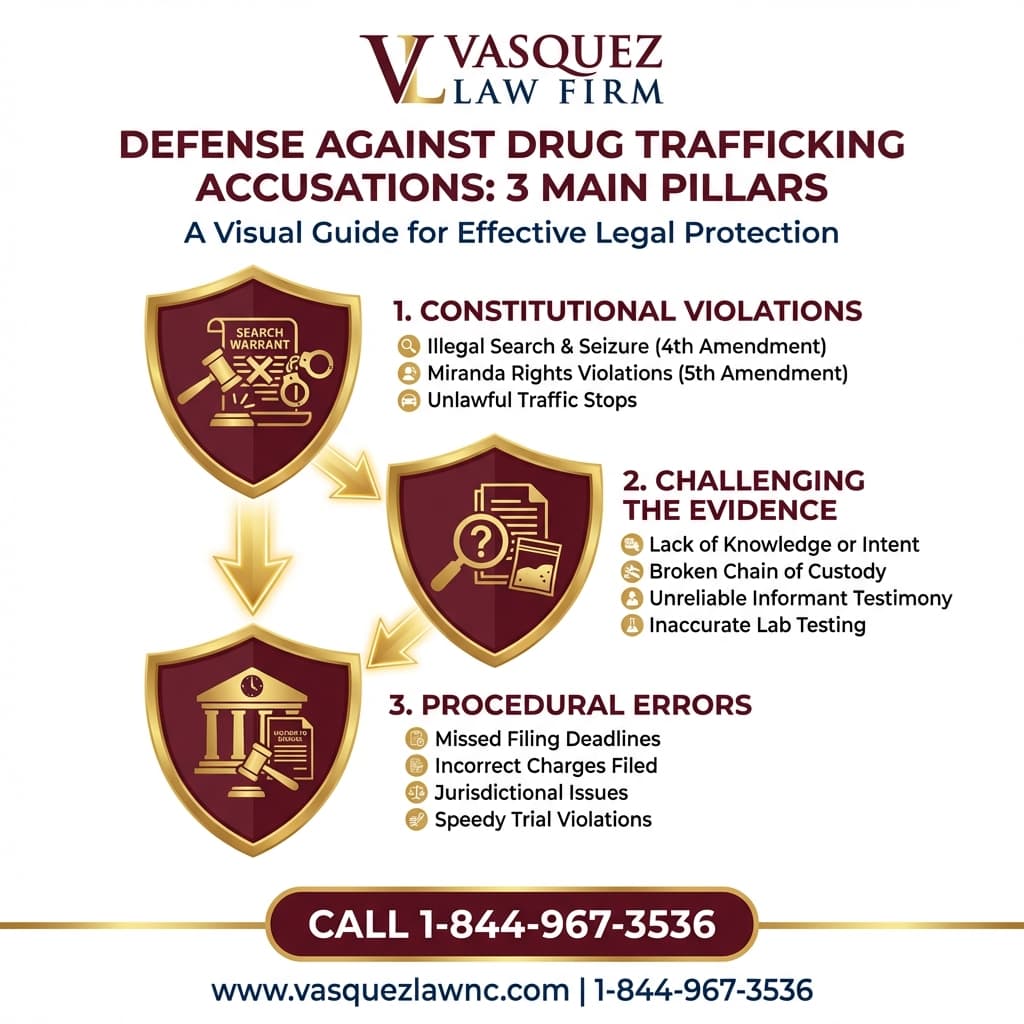
When facing drug trafficking charges, a skilled criminal defense attorney can employ various strategies to protect your rights and challenge the prosecution's case. The most effective defense depends heavily on the specific facts and circumstances surrounding your arrest and the evidence collected. It's crucial to act quickly and consult with a legal expert who understands the nuances of North Carolina drug laws and federal statutes. Your future depends on a proactive and informed approach to your drug trafficking defense.
Challenging Evidence and Police Procedures
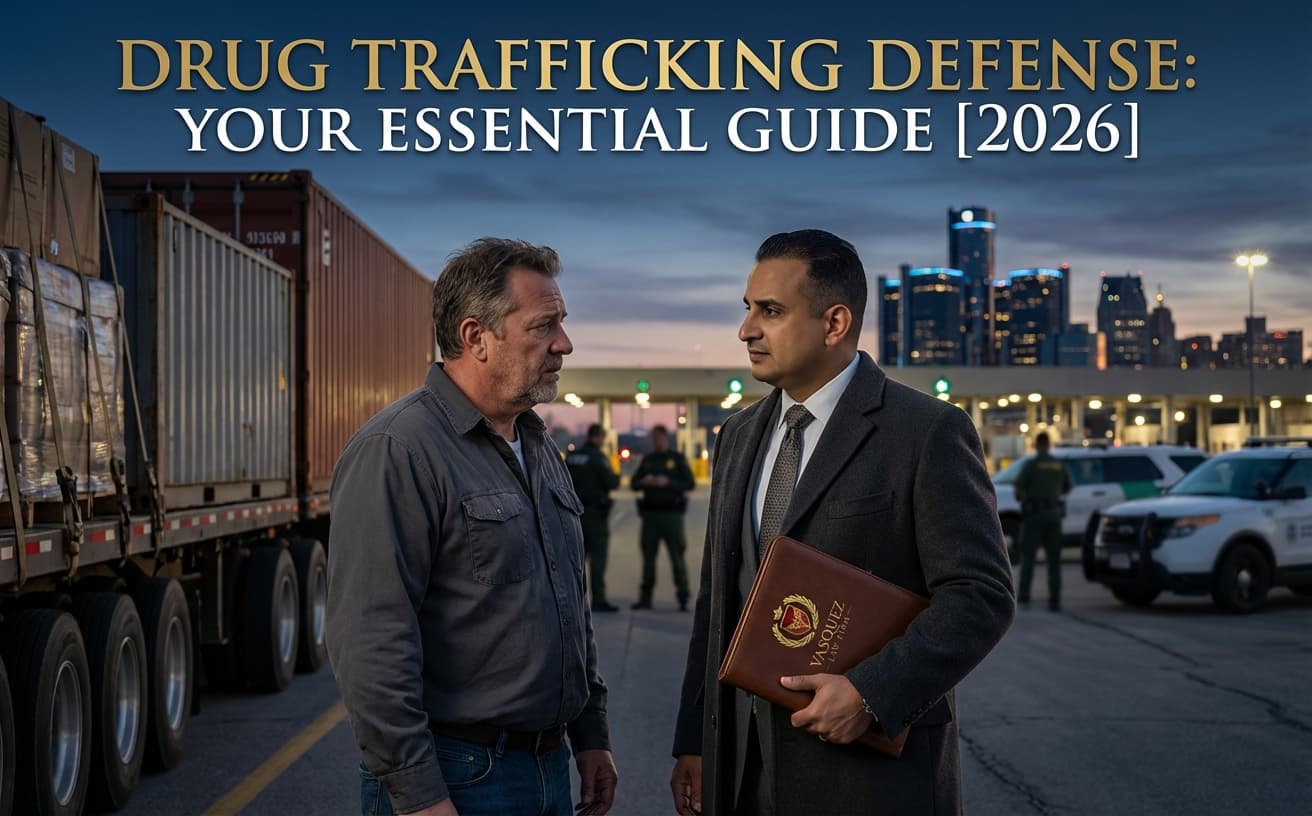
One of the most powerful defense strategies involves challenging the legality of the evidence obtained by law enforcement. This often includes scrutinizing search and seizure procedures. If police conducted an illegal search without a warrant, probable cause, or consent, any evidence found might be inadmissible in court. This is known as the exclusionary rule, a critical protection under the Fourth Amendment of the U.S. Constitution. For example, if a vehicle stop was not based on reasonable suspicion, any drugs found could be suppressed.
Additionally, your attorney will examine whether proper procedures were followed during your arrest, interrogation, and the handling of evidence. Issues such as a broken chain of custody for the drugs, coerced confessions, or failure to read Miranda rights can significantly weaken the prosecution's case. A meticulous review of police reports, body camera footage, and witness statements is essential to uncover any procedural errors that could lead to a successful drug trafficking defense. Learn more about federal drug trafficking charges and how they differ.
Lack of Knowledge or Intent
A core element of drug trafficking charges is proving that the defendant knowingly possessed the drugs and intended to distribute them. If you can demonstrate that you were unaware of the drugs' presence or had no intention of distributing them, it could form a strong defense. For instance, you might have been driving a friend's car without knowing there were drugs hidden inside, or you may have possessed a large quantity for personal use, not for sale. Proving lack of knowledge can be challenging but is a viable drug trafficking defense.
Your attorney will work to gather evidence that supports your claim, such as witness testimony, financial records, or communication logs. Establishing that you had no previous involvement in drug distribution or that the circumstances of your arrest do not align with trafficking intent can be crucial. This defense requires a careful presentation of facts to counter the prosecution's inferences about your intent.
Penalties for Drug Trafficking in North Carolina [2026]
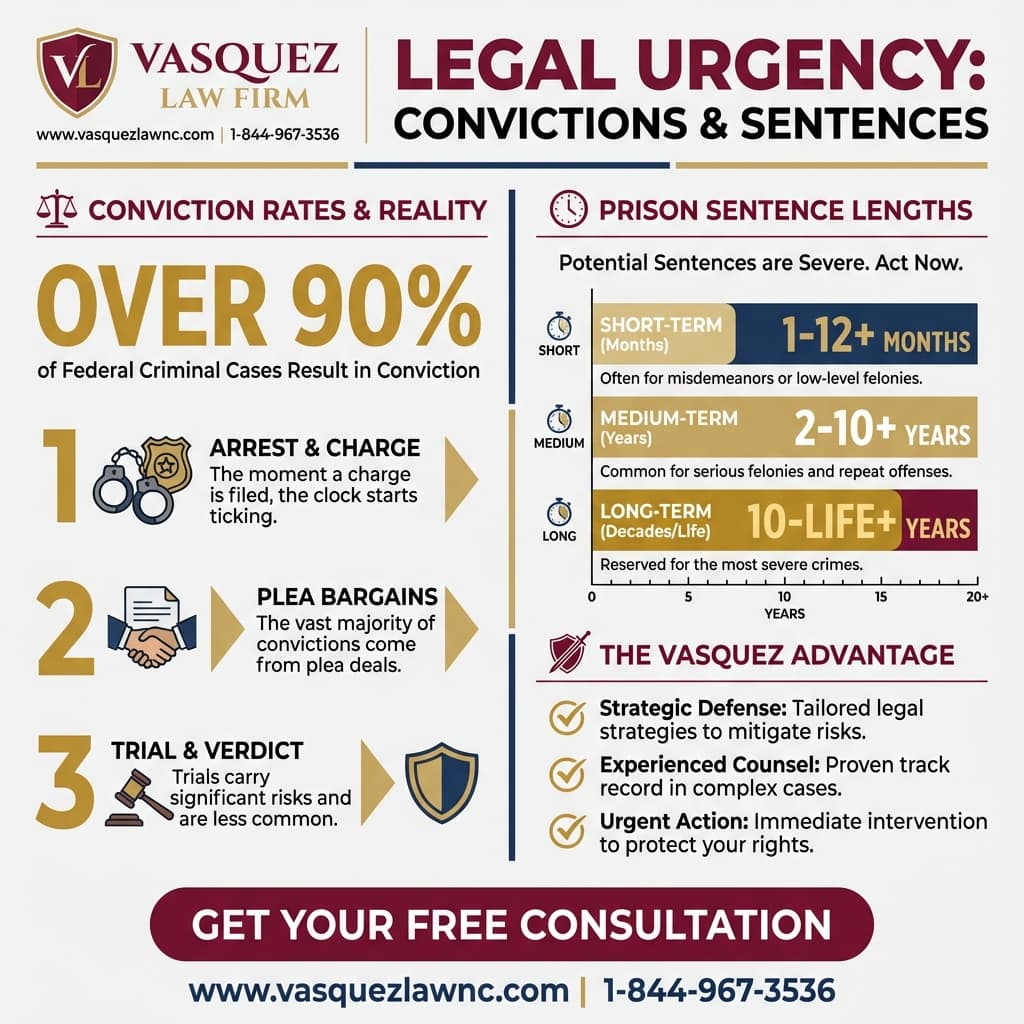
The penalties for drug trafficking in North Carolina are severe and often include mandatory minimum sentences, meaning judges have limited discretion to impose lighter sentences. These penalties are determined by the type and quantity of the controlled substance involved. For example, trafficking even small amounts of heroin or cocaine can result in years in prison and hundreds of thousands of dollars in fines. Larger quantities lead to even lengthier sentences, potentially decades, and significantly higher fines. These sentences are designed to deter large-scale drug operations.
Beyond imprisonment and fines, a drug trafficking conviction carries long-term consequences, including a permanent criminal record, difficulty finding employment, housing, or educational opportunities, and loss of certain civil rights. For non-citizens, a conviction can lead to deportation or inadmissibility to the United States. Given these life-altering stakes, securing an aggressive drug trafficking defense is paramount. Vasquez Law Firm is dedicated to fighting for your rights, understanding the severe impact these charges can have on your life. We are well-versed in North Carolina drug distribution laws.
Mandatory Minimum Sentences and Fines
North Carolina's structured sentencing guidelines mandate specific minimum prison terms and fines for drug trafficking offenses. These are not suggestions; they are legally required. For example, trafficking 10 to 50 pounds of marijuana carries a mandatory minimum of 25 to 39 months in prison and a $5,000 fine. For cocaine, trafficking 28 to 200 grams can mean 35 to 51 months in prison and a $50,000 fine. These escalating penalties demonstrate the state's stringent stance on drug crimes, as outlined in federal and state mandatory minimum sentencing guidelines.
The state also has provisions for enhanced penalties if the trafficking occurs near schools, involves minors, or is part of a continuing criminal enterprise. These enhancements can significantly increase the mandatory minimums and fines, adding further complexity to your case. An effective drug trafficking defense seeks to challenge the quantity of drugs, the classification, or the circumstances to avoid these harsh minimums.
The Investigation and Arrest Process
The process leading to a drug trafficking charge often begins long before an arrest. Law enforcement agencies, including local police, state bureaus of investigation, and federal entities like the DEA and FBI, conduct extensive investigations. These investigations might involve surveillance, confidential informants, wiretaps, controlled buys, and search warrants. Officers meticulously gather evidence to build a case, which can take weeks or even months. Understanding this process is key to developing an effective drug trafficking defense.
Once enough evidence is gathered, an arrest warrant may be issued, or you could be arrested on the spot if probable cause exists. Following an arrest, you will be booked, fingerprinted, and held for a bail hearing. It is critical to remember your right to remain silent and your right to an attorney immediately upon arrest. Any statements made before consulting with a lawyer could be used against you. Contacting a defense attorney as soon as possible is vital to protect your interests during these initial, critical stages.
Evidence Needed for Drug Trafficking Cases
Prosecutors build their drug trafficking cases on various types of evidence. This can include the controlled substances themselves, often weighed and tested by forensic labs. Other crucial evidence includes drug paraphernalia (scales, packaging materials), large amounts of cash, financial records, text messages, phone call logs, witness testimony (including informants), surveillance footage, and even social media posts. The presence of multiple items often strengthens the prosecution's claim of intent to distribute.
Furthermore, digital evidence from seized phones or computers can be instrumental. Law enforcement may obtain warrants to access your electronic communications, looking for evidence of drug transactions or coordination. Your drug trafficking defense attorney will meticulously review all this evidence, challenging its admissibility, accuracy, and relevance. They will work to identify weaknesses in the prosecution's narrative and seek to suppress any illegally obtained evidence.
Choosing the Right Drug Trafficking Defense Attorney
When facing drug trafficking charges, selecting the right legal representation is the most important decision you will make. You need an attorney with extensive experience in criminal defense, particularly with complex drug cases in North Carolina. Look for a lawyer who understands both state and federal drug laws, has a proven track record of success, and is committed to an aggressive defense strategy. The stakes are too high to settle for anything less than exceptional legal counsel.
At Vasquez Law Firm, our approach is client-centered and results-driven. We understand the fear and uncertainty that come with such serious accusations. Attorney Vasquez has over 15 years of experience fighting for clients' rights, providing a vigorous drug trafficking defense. We pride ourselves on meticulous investigation, strategic negotiation, and fierce courtroom advocacy. Our commitment to you is unwavering: "Yo Peleo" (I Fight) for your freedom and future. We serve clients across North Carolina, including Raleigh, and can assist with federal cases nationwide.
Don't face your legal challenges alone. Our team is here to help you every step of the way.
Call today: 1-844-967-3536 | Se Habla Español
What to Expect in Your Drug Trafficking Case Timeline
Navigating a drug trafficking case can be a lengthy and complex process. From the initial arrest to potential trial or plea negotiations, understanding the typical timeline can help manage expectations. While every case is unique, a general outline of the stages involved can provide clarity. Your drug trafficking defense attorney will guide you through each phase, ensuring you are informed and prepared for what lies ahead. This timeline can vary significantly based on the complexity of the charges and the court's schedule.
Initial Appearance and Bail Hearing
Soon after your arrest, you will have an initial appearance before a magistrate or judge. This is where you are formally informed of the charges against you, and bail conditions are set. The goal for your drug trafficking defense attorney at this stage is to argue for reasonable bail, allowing you to be released while your case proceeds. Factors influencing bail include the severity of the charges, your criminal history, and ties to the community. A high bond or no bond is common in serious trafficking cases.
Preliminary Hearing and Indictment
Depending on the jurisdiction, a preliminary hearing may be held to determine if there is probable cause to proceed with the charges. If probable cause is found, or in more serious cases, your case may be presented to a grand jury for indictment. An indictment is a formal accusation that there is enough evidence to bring you to trial. This is a critical juncture where your drug trafficking defense strategy begins to solidify, based on the evidence available.
Discovery and Motion Practice
During the discovery phase, your attorney will receive all evidence the prosecution intends to use against you. This includes police reports, witness statements, lab results, and any audio or video recordings. Your drug trafficking defense team will thoroughly review this material, identify weaknesses, and file various motions. These motions might seek to suppress illegally obtained evidence, challenge the legality of the arrest, or request additional information from the prosecution. This phase can be extensive, often lasting several months.
Plea Bargaining or Trial
As the case progresses, your attorney will engage in negotiations with the prosecutor. This is known as plea bargaining, where a resolution might be reached without going to trial. If a plea agreement is not reached, or if you choose to assert your innocence, the case will proceed to trial. A trial involves jury selection, presentation of evidence, witness testimony, and closing arguments. Your drug trafficking defense lawyer will aggressively represent you in court, advocating for your acquittal or the most favorable outcome possible.
About Vasquez Law Firm
At Vasquez Law Firm, we combine compassion with aggressive representation. Our motto "Yo Peleo" (I Fight) reflects our commitment to standing up for your rights. We understand the profound impact that criminal charges, especially serious ones like drug trafficking, can have on individuals and their families. Our dedicated team is here to provide unwavering support and strategic legal counsel.
- Bilingual Support: Se Habla Español - our team is fully bilingual, ensuring clear communication and understanding for all our clients.
- Service Areas: Criminal defense in Johnston and Harnett counties, NC; immigration nationwide, including Florida
- Experience: With over 15 years of dedicated legal practice, Attorney Vasquez brings a wealth of knowledge and a proven track record to every case.
- Results: We are committed to achieving the best possible outcomes for our clients, having successfully navigated thousands of complex legal matters.
Attorney Trust and Experience
Attorney Vasquez holds a Juris Doctor degree and is admitted to practice in both the North Carolina State Bar and Florida Bar. With over 15 years of dedicated legal experience, he has built a reputation for providing personalized attention and achieving favorable outcomes for his clients. His deep understanding of criminal law, particularly in the realm of drug trafficking defense, makes him a formidable advocate in the courtroom. You can trust our firm to handle your case with the seriousness and dedication it deserves. Learn more about our legal team.
Frequently Asked Questions
What is the minimum sentence for drug trafficking in NC?
In North Carolina, minimum sentences for drug trafficking vary significantly based on the type and quantity of the drug. For example, trafficking 10 to 50 pounds of marijuana carries a mandatory minimum of 25 to 39 months in prison and a $5,000 fine. For cocaine, 28 to 200 grams can result in 35 to 51 months and a $50,000 fine. These are strict guidelines, making a strong drug trafficking defense essential.
What are the two most common types of defenses against drug trafficking charges?
The two most common types of defenses are challenging the legality of the evidence and proving lack of knowledge or intent. Evidence challenges often focus on Fourth Amendment violations, like illegal search and seizure. Lack of knowledge/intent argues that the defendant was unaware of the drugs or had no intention to distribute them. Both require thorough investigation and strategic legal arguments for a successful drug trafficking defense.
What evidence is needed for drug trafficking?
Prosecutors typically need to present physical evidence of controlled substances, often with lab analysis confirming type and quantity. Other evidence includes drug paraphernalia (scales, packaging), large sums of cash, financial records, text messages, witness testimony (including informants), and surveillance. Digital evidence from phones or computers is also frequently used. A robust drug trafficking defense scrutinizes every piece of evidence.
Can I get bail if charged with drug trafficking in North Carolina?
Bail for drug trafficking charges in North Carolina is often set very high or denied due to the severity of the offense and the mandatory minimum sentences involved. Your attorney can argue for a reasonable bail amount by presenting factors like your ties to the community, employment, and lack of flight risk. Securing bail is a critical first step in building your drug trafficking defense.
How do federal drug trafficking charges differ from state charges?
Federal drug trafficking charges typically involve larger quantities, interstate operations, or specific federal jurisdictions (e.g., national parks, borders). Federal penalties are often more severe, and sentencing guidelines are complex, usually leading to longer mandatory minimums. Federal investigations are also more extensive, involving agencies like the DEA and FBI. A federal drug trafficking defense requires specialized expertise in federal court procedures and statutes.
What if the drugs were not mine?
If the drugs were not yours, establishing a lack of knowledge or ownership is a key part of your drug trafficking defense. This involves demonstrating that you had no control over the drugs, were unaware of their presence, or that they belonged to someone else. Your attorney will gather evidence and witness statements to support this claim, challenging the prosecution's attempt to link you to the contraband.
What are the long-term consequences of a drug trafficking conviction?
Beyond prison time and hefty fines, a drug trafficking conviction leads to a permanent criminal record, which can severely impact employment opportunities, housing applications, and professional licenses. It can also result in the loss of voting rights, firearm ownership, and for non-citizens, potential deportation. These long-term consequences underscore the importance of an aggressive drug trafficking defense.
How can a lawyer help with a drug trafficking defense?
A lawyer provides crucial assistance by investigating the charges, identifying constitutional violations, challenging evidence, negotiating with prosecutors, and representing you in court. They can help you understand complex laws, build a strategic drug trafficking defense, and fight for the best possible outcome, whether it's a dismissal, reduced charges, or an acquittal. Their expertise is invaluable in protecting your rights and future.
Sources and References
- North Carolina General Statutes Chapter 90, Article 5
- North Carolina Courts
- Cornell Law School - Mandatory Minimum Sentencing
Got a traffic ticket? Our traffic violation attorneys can help.
Ready to take the next step? Contact Vasquez Law Firm today for a free, confidential consultation. We're committed to fighting for your rights and achieving the best possible outcome for your case.
Start Your Free Case Evaluation Now
Call us: 1-844-967-3536
Se Habla Español - Estamos aquí para ayudarle.

William Vasquez
Founder & CEO, Vasquez Law Firm, PLLC
William Vasquez is the founder and CEO of Vasquez Law Firm, PLLC, a results-driven firm specializing in immigration, criminal defense, personal injury, and workers' compensation. A U.S. Air Force veteran and recipient of the Joint Service Achievement Medal, William is dedicated to fiercely fighting for his clients' rights.
Related Legal Services
Need legal help? Learn more about NC criminal defense legal team, or contact us for a free evaluation.
You can also visit Smithfield criminal defense attorneys for more information.