What You Need to Know About Federal Drug Trafficking Charges in 2026
Facing federal drug trafficking charges in 2026? Understand the severe penalties and defense strategies. Contact Vasquez Law Firm for a free consultation today. Se Habla Español.
Published on February 13, 2026
Protect your record and your freedom
Free, confidential review. 24/7.
Free & confidential · Se habla espanol · 24/7
Have questions? Talk to an attorney - free evaluation.
Call 1-844-967-3536Protect Your Record and Your Freedom
A confidential case review - available 24/7 for emergencies.
What You Need to Know About Federal Drug Trafficking Charges in 2026
Facing federal drug trafficking charges can be one of the most daunting experiences of a person's life. The U.S. federal government aggressively prosecutes these cases, often leading to severe penalties, including lengthy prison sentences and substantial fines. Understanding what constitutes federal drug trafficking, the laws involved, and your legal rights is absolutely critical if you or a loved one are under investigation or have been charged. In 2026, the stakes are higher than ever, with federal agencies like the DEA and FBI employing advanced tactics to combat drug-related crimes across North Carolina, Florida, and nationwide. Vasquez Law Firm is dedicated to providing robust defense for individuals navigating these complex legal waters.
Need help with your case? Our experienced attorneys are ready to fight for you. Se Habla Español.
Schedule Your Free Case Evaluation
Or call us now: 1-844-967-3536
Quick Answer
Federal drug trafficking involves manufacturing, distributing, or possessing with intent to distribute controlled substances across state lines or international borders, or in large quantities that trigger federal jurisdiction. Penalties are severe, often including mandatory minimum sentences, and are governed by federal statutes such as 21 U.S.C. § 841. Immediate legal representation is crucial to protect your rights and explore defense options.
- Federal charges carry mandatory minimum sentences.
- Jurisdiction extends across North Carolina, Florida, and nationwide.
- Defense strategies include challenging evidence and negotiating plea bargains.
- Early intervention by a skilled attorney can significantly impact outcomes.
- Punishments are based on drug type and quantity.
Understanding Federal Drug Trafficking Charges
Federal drug trafficking encompasses a wide range of activities related to controlled substances. Unlike state-level charges, federal cases often involve larger quantities of drugs, interstate operations, or international connections. This means that even if an alleged offense occurs entirely within a state like North Carolina or Florida, it can still fall under federal jurisdiction if it meets certain criteria.
The primary federal statute governing drug trafficking is 21 U.S.C. § 841, which prohibits the unlawful manufacture, distribution, dispensation, or possession with intent to manufacture, distribute, or dispense a controlled substance. This law is broad, covering everything from operating a large-scale drug manufacturing lab to transporting significant amounts of narcotics across state lines. The penalties associated with these charges are among the harshest in the federal criminal justice system, often including mandatory minimum prison sentences that leave little room for judicial discretion.
Federal prosecutors and agencies like the Drug Enforcement Administration (DEA) and the Federal Bureau of Investigation (FBI) have vast resources to investigate and prosecute these cases. They often utilize wiretaps, confidential informants, and extensive surveillance to build their cases. Therefore, if you are suspected of or charged with federal drug trafficking, it's essential to understand the gravity of the situation and seek legal counsel immediately. An attorney experienced in federal criminal defense can help you navigate the complexities of federal law and procedure, working to protect your rights from the outset.
What is Considered Federal Drug Trafficking?
The definition of federal drug trafficking is broad, covering various activities involving controlled substances. It's not just about moving drugs across borders; it includes manufacturing, cultivating, possessing with intent to distribute, and distributing any federally controlled substance. The key differentiator from state charges often lies in the quantity of drugs involved or the nature of the operation.
For example, possessing a certain amount of marijuana might be a misdemeanor in North Carolina, but if that amount exceeds federal thresholds, or if there's evidence of intent to distribute it across state lines, it becomes a federal offense. These thresholds are defined by federal law and vary significantly depending on the type of drug. For instance, trafficking in fentanyl, a highly potent opioid, carries much lower quantity thresholds for severe penalties compared to marijuana.
Federal law also targets conspiracy to traffic drugs, meaning you don't necessarily have to be caught with the drugs to face charges. Simply agreeing with others to engage in drug trafficking can lead to a federal conspiracy charge. This broad reach means that many activities that might seem minor on a state level can escalate into serious federal matters. Understanding these distinctions is crucial, especially in regions like Raleigh, NC, and across Florida, where federal and state jurisdictions often overlap in drug enforcement efforts.
Penalties for Federal Drug Trafficking Charges
The penalties for federal drug trafficking are notoriously severe and are primarily determined by the type and quantity of the controlled substance involved, as well as the defendant's criminal history. Unlike state systems, the federal sentencing guidelines, while advisory since United States v. Booker (2005), still heavily influence judicial decisions, and mandatory minimum sentences are a significant factor. For example, a conviction for federal drug trafficking can lead to:
- Mandatory Minimum Sentences: Many federal drug offenses carry mandatory minimum prison terms, meaning judges cannot sentence below a certain threshold, regardless of mitigating circumstances. For instance, trafficking 5 kilograms or more of cocaine or 1 kilogram or more of heroin can result in a mandatory minimum of 10 years to life in prison for a first offense.
- Substantial Fines: Fines can range from tens of thousands to millions of dollars, depending on the scale of the operation and the type of drug.
- Asset Forfeiture: The government can seize assets believed to be derived from or used in drug trafficking, including cash, vehicles, real estate, and other valuable property.
- Supervised Release: After serving a prison sentence, individuals are often subjected to a period of supervised release, which can last for several years and involves strict conditions. Violating these conditions can lead to re-imprisonment.
- Impact on Future: A federal felony conviction can severely limit future employment opportunities, housing options, and even voting rights.
It's important to note that these penalties can be enhanced for repeat offenders or if the offense involved violence, weapons, or resulted in serious bodily injury or death. The complexities of these sentencing structures make it imperative to have an attorney who understands federal guidelines and can advocate for the best possible outcome. For more information on federal criminal defense, visit our criminal defense practice area page.
Effective Defense Strategies Against Federal Drug Trafficking Allegations
Mounting an effective defense against federal drug trafficking charges requires a deep understanding of federal law, investigative procedures, and courtroom tactics. At Vasquez Law Firm, we employ a multi-faceted approach, meticulously examining every aspect of the prosecution's case. Here are some common defense strategies:
- Challenging the Evidence: We scrutinize how evidence was collected. If law enforcement violated your Fourth Amendment rights through an illegal search or seizure, critical evidence might be suppressed. This could include questioning the validity of search warrants or the legality of traffic stops that led to drug discovery.
- Disputing Intent: For many federal drug trafficking charges, the prosecution must prove intent to distribute. If the drugs were for personal use, or if there's reasonable doubt about your intent, this can significantly weaken the prosecution's case.
- Lack of Knowledge: In some cases, individuals may unknowingly be involved in drug trafficking. If you can prove you were unaware of the drugs' presence or their illegal nature, it may serve as a defense.
- Entrapment: If law enforcement induced you to commit a crime you otherwise would not have committed, an entrapment defense may be viable. This often arises when undercover agents or informants pressure individuals into illegal activities.
- Challenging Confidential Informants: The testimony of confidential informants is often central to federal drug cases. We investigate the informant's credibility, motivations, and any potential biases, as their testimony can sometimes be unreliable.
- Negotiating Plea Agreements: In some situations, a plea agreement may be the best course of action. An experienced attorney can negotiate with federal prosecutors for reduced charges or sentences, potentially avoiding mandatory minimums.
Each case is unique, and the most effective defense strategy depends entirely on the specific facts and circumstances. Our Attorney Vasquez, with 15 years of experience, is adept at identifying the strongest defense avenues for clients facing federal charges in North Carolina and Florida.
Challenging Illegal Searches and Seizures
One of the most powerful defense tools in federal drug trafficking cases involves challenging the legality of how evidence was obtained. The Fourth Amendment to the U.S. Constitution protects individuals from unreasonable searches and seizures. If law enforcement officers conducted a search without a valid warrant, probable cause, or consent, any evidence found during that search could be deemed inadmissible in court. This is known as the exclusionary rule, and it can significantly weaken the prosecution's case, sometimes leading to dismissal.
Our legal team meticulously reviews all police reports, warrants, and body camera footage to identify any procedural errors or constitutional violations. This includes examining the basis for traffic stops, the scope of search warrants, and whether consent to search was truly voluntary. If we find that your rights were violated, we will file motions to suppress the illegally obtained evidence, which can be a game-changer in a federal drug trafficking case.
The Federal Court Process: Timeline and What to Expect
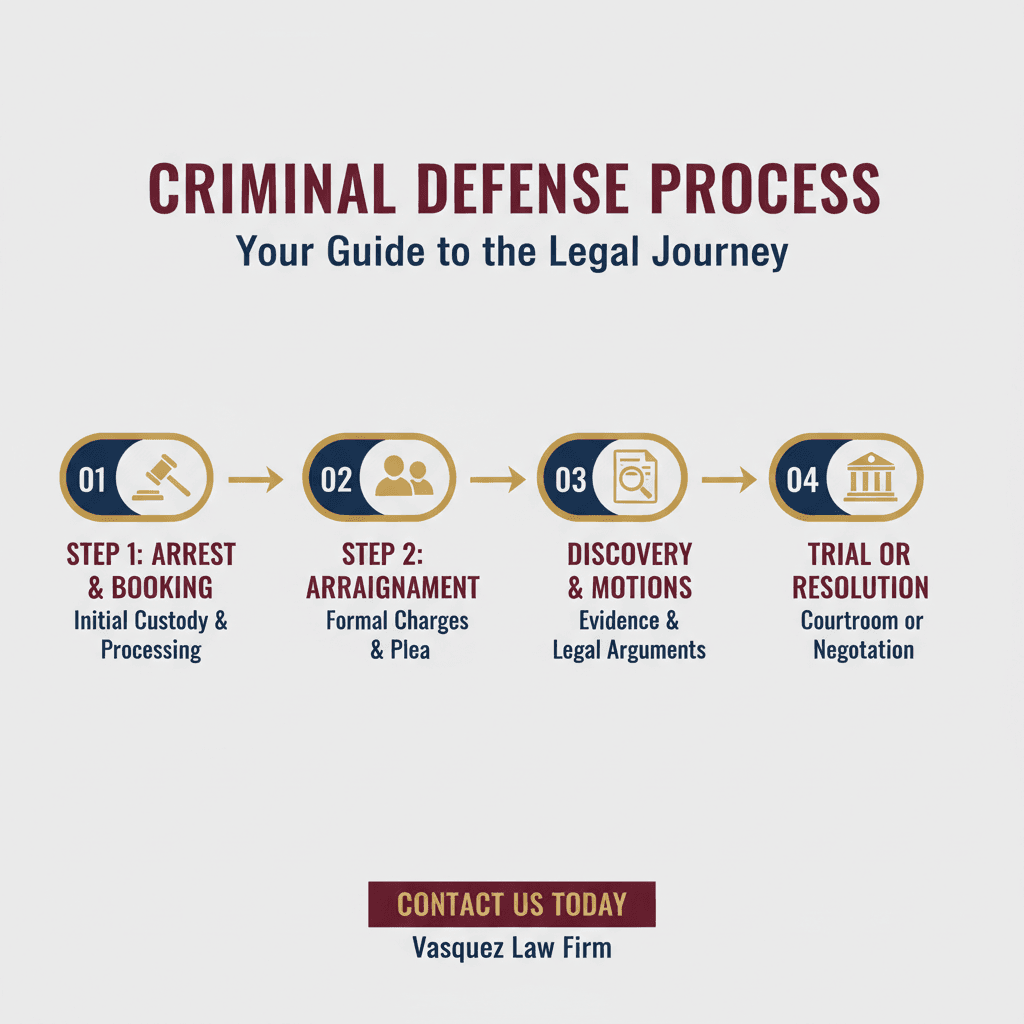
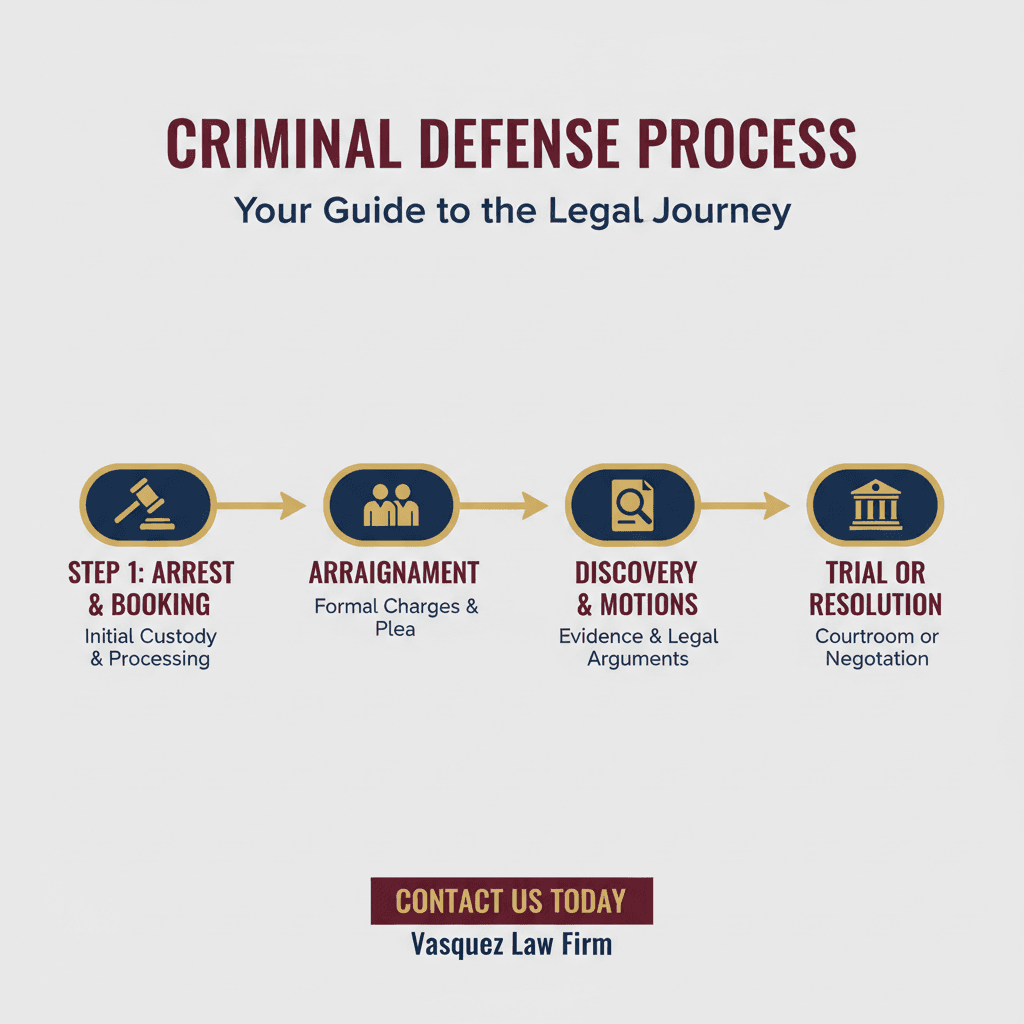
The federal court process for drug trafficking charges is rigorous and can be lengthy. Understanding the typical timeline and what to expect can help alleviate some anxiety. While every case is unique, here's a general overview:
- Investigation and Arrest: Federal agencies like the DEA or FBI conduct extensive investigations, which can last months or even years. An arrest typically follows an indictment by a grand jury or a direct complaint.
- Initial Appearance and Detention Hearing: Shortly after arrest, you will appear before a federal magistrate judge. This is where bail is set or denied. The government may argue for detention if they believe you are a flight risk or a danger to the community.
- Arraignment: At arraignment, you will formally hear the charges against you and enter a plea (guilty, not guilty, or nolo contendere).
- Discovery: Both the prosecution and defense exchange information and evidence relevant to the case. This is a critical phase where your attorney reviews all evidence against you.
- Pre-Trial Motions: Your attorney may file various motions, such as motions to suppress evidence, motions to dismiss charges, or motions for a change of venue. These motions are crucial for shaping the legal landscape of your case.
- Plea Bargaining: Discussions with the prosecution for a plea agreement can occur at various stages. If a plea agreement is reached, it must be approved by the court.
- Trial: If no plea agreement is reached, the case proceeds to trial. This involves jury selection, opening statements, presentation of evidence, cross-examination, closing arguments, and jury deliberation.
- Sentencing: If convicted, the judge will determine your sentence based on federal sentencing guidelines, mandatory minimums, and other factors.
- Appeals: If convicted, you have the right to appeal the conviction or sentence to a higher court.
Navigating this process requires experienced legal guidance. Our firm handles federal cases in Raleigh, across North Carolina, and throughout Florida, offering steadfast support at every stage.
Common Mistakes to Avoid in Federal Drug Trafficking Cases
When facing federal drug trafficking charges, even seemingly minor missteps can have profound consequences. Avoiding these common mistakes is crucial for protecting your rights and building a strong defense:
- Talking to Law Enforcement Without an Attorney: Anything you say can and will be used against you. Do not answer questions, provide statements, or engage in casual conversation with federal agents without your attorney present. Invoke your right to remain silent immediately.
- Resisting Arrest or Obstructing Justice: This can lead to additional charges and severely harm your case. Cooperate physically, but verbally assert your right to legal counsel.
- Failing to Secure Legal Representation Promptly: The earlier an attorney gets involved, the better. Evidence can be lost, witnesses can disappear, and critical investigative steps can be missed if you delay.
- Attempting to Hide or Destroy Evidence: This is a federal offense in itself and will only worsen your situation. Do not tamper with potential evidence under any circumstances.
- Discussing Your Case with Others: Be extremely careful about what you say to friends, family, or even fellow inmates. These conversations can be used against you in court. Assume all communications are monitored.
- Lying to Your Attorney: Your lawyer needs to know all the facts, good and bad, to build the most effective defense. Withholding information only hinders their ability to help you.
- Violating Bail Conditions: If you are released on bail, strictly adhere to all conditions set by the court. Violations can lead to immediate re-arrest and more severe penalties.
- Underestimating the Severity of Federal Charges: Federal cases are distinct from state cases and carry much heavier penalties. Do not take them lightly.
If you only remember one thing: Always invoke your right to remain silent and request an attorney immediately if you are questioned or arrested by federal agents. This single action can be the most important step in protecting your future.
Don't face your legal challenges alone. Our team is here to help you every step of the way.
Call today: 1-844-967-3536 | Se Habla Español
North Carolina and Nationwide Notes
While federal drug trafficking laws apply uniformly across the United States, the practical aspects of enforcement and prosecution can vary by region. In North Carolina and Florida, specific factors often come into play due to their geographic locations and unique criminal landscapes.
North Carolina Notes
North Carolina is a significant transit state for drugs moving along the East Coast, making it a focal point for federal drug enforcement agencies. Major interstates running through the state, such as I-95 and I-40, are frequently used for drug transportation. This leads to a high number of federal drug trafficking cases originating from vehicle stops and interdiction efforts. Additionally, the presence of various urban centers like Raleigh, Charlotte, and Greensboro can contribute to local distribution networks that may eventually fall under federal scrutiny due to the quantities or organizational structure involved. The U.S. Attorney's Offices in the Eastern, Middle, and Western Districts of North Carolina are highly active in prosecuting these types of offenses, often working in conjunction with state and local law enforcement.
Nationwide Concepts (General Only, Rules Vary)
Nationwide, federal drug trafficking laws are consistent, but enforcement priorities can shift based on national trends, drug availability, and geopolitical factors. The federal government's focus often includes dismantling major drug cartels, combating the opioid crisis, and addressing the trafficking of synthetic drugs like fentanyl. Federal agencies collaborate across states to disrupt these networks, meaning an investigation originating in one state could lead to arrests and charges in another. Regardless of location, the core principles of federal drug law, such as mandatory minimum sentences and the comprehensive drug schedules under the Controlled Substances Act (21 U.S.C. § 801 et seq.), remain the same. The penalties are uniformly severe, emphasizing the critical need for experienced federal criminal defense representation wherever a charge may arise.
When to Call a Lawyer Now for Federal Drug Trafficking Charges
The moment you suspect you are under investigation or are charged with federal drug trafficking, time is of the essence. Delaying legal counsel can severely jeopardize your case. Here are critical triggers that indicate you need to contact an experienced federal criminal defense attorney immediately:
- You've been contacted by federal agents (DEA, FBI, ICE, etc.): Even if they say they just want to talk, politely decline and request an attorney.
- You are served with a federal subpoena or search warrant: This indicates an active federal investigation.
- You are arrested by federal agents: Do not answer any questions beyond identifying yourself.
- Your property is searched or seized by federal authorities: This often means you or your associates are targets of an investigation.
- You are aware of a grand jury investigation involving you or someone you know: Grand juries often lead to indictments.
- A loved one has been arrested or charged with a federal drug crime: They need immediate legal representation.
- You are asked to be a witness in a federal drug case: Even as a witness, your statements can have implications for your own legal standing.
- You are facing mandatory minimum sentences: An attorney can explore strategies to avoid or mitigate these harsh penalties.
Do not wait to see what happens. The federal system moves quickly, and an early intervention by a skilled attorney can make a significant difference in the outcome of your case. Contact Vasquez Law Firm right away to discuss your situation.
About Vasquez Law Firm
At Vasquez Law Firm, we combine compassion with aggressive representation. Our motto "Yo Peleo" (I Fight) reflects our commitment to standing up for your rights, especially when facing the formidable power of the federal government. We understand the immense stress and uncertainty that comes with federal criminal charges, and we are here to provide unwavering support and strategic defense.
- Bilingual Support: Se Habla Español - our team is fully bilingual, ensuring clear communication and culturally sensitive representation.
- Service Areas: Criminal defense in Johnston and Harnett counties, NC; immigration nationwide, including Florida
- Experience: With over 15 years of dedicated legal experience, we have a proven track record of helping clients navigate the most challenging legal matters, from federal drug trafficking to complex immigration issues.
- Results: Our firm is focused on achieving the best possible outcomes, fighting tirelessly for our clients' freedom and future.
Attorney Trust and Experience
Attorney Vasquez holds a Juris Doctor degree and is admitted to practice in the North Carolina State Bar. With over 15 years of dedicated legal experience, he has built a reputation for providing personalized attention and achieving favorable outcomes for his clients. His commitment to justice and relentless advocacy make him a trusted ally in federal criminal defense cases. He understands the intricacies of federal statutes, sentencing guidelines, and courtroom procedures, offering a formidable defense for those accused of federal drug trafficking.
Don't face your legal challenges alone. Our team is here to help you every step of the way.
Call today: 1-844-967-3536 | Se Habla Español
Frequently Asked Questions
What is the difference between state and federal drug trafficking charges?
Federal drug trafficking charges typically involve larger quantities of drugs, interstate commerce, or international connections, and are prosecuted by federal agencies under federal law. State charges, conversely, are handled by state prosecutors under state laws, often involving smaller quantities or localized distribution. Federal penalties, especially mandatory minimum sentences, are generally much harsher than state penalties for similar offenses. The jurisdiction often depends on the scope of the alleged criminal activity.
What amounts of drugs trigger federal drug trafficking charges?
Federal drug trafficking charges are triggered by specific drug quantities outlined in 21 U.S.C. § 841. These thresholds vary widely by drug type. For example, trafficking 5 kilograms or more of cocaine or 1 kilogram or more of heroin can lead to a mandatory minimum of 10 years in prison for a first offense. Even smaller amounts of highly potent drugs like fentanyl can trigger severe federal penalties due to their high risk. These quantities are strictly defined by federal statute.
Can a first-time offender face mandatory minimum sentences for federal drug trafficking?
Yes, a first-time offender can absolutely face mandatory minimum sentences for federal drug trafficking. Federal law does not always differentiate based on prior criminal history for certain drug quantities. If the amount of drugs involved meets the threshold for a mandatory minimum, a first-time offender will still be subject to that sentence. However, there are limited 'safety valve' provisions or substantial assistance motions that an experienced attorney might pursue to reduce the sentence.
What is a federal 841 charge?
A federal 841 charge refers to a violation of 21 U.S.C. § 841, which is the primary federal statute prohibiting the unlawful manufacture, distribution, dispensation, or possession with intent to manufacture, distribute, or dispense a controlled substance. This is the most common federal drug trafficking charge and carries severe penalties, including lengthy prison sentences and substantial fines, depending on the drug type and quantity involved. It forms the backbone of federal drug prosecutions.
How can a federal drug trafficking charge be dismissed?
A federal drug trafficking charge can potentially be dismissed through several avenues. This includes challenging the legality of searches and seizures, proving lack of intent to distribute, demonstrating insufficient evidence, or establishing entrapment by law enforcement. Additionally, if procedural errors or constitutional violations occurred during the investigation or arrest, a motion to suppress key evidence could lead to dismissal. A skilled defense attorney is crucial for identifying and pursuing these complex legal strategies.
What role do confidential informants play in federal drug cases?
Confidential informants (CIs) play a significant role in many federal drug trafficking cases. They often work with law enforcement to gather intelligence, make controlled buys, or provide testimony against defendants. While CIs can be instrumental in building a case, their credibility can often be challenged due to potential motivations like plea deals or financial incentives. A defense attorney will rigorously investigate the informant's background and reliability to potentially discredit their testimony.
Can federal drug trafficking charges lead to asset forfeiture?
Yes, federal drug trafficking charges frequently lead to asset forfeiture. Under federal law, the government can seize any property, including cash, vehicles, real estate, and other valuables, that is believed to have been used in or derived from illegal drug activities. This is a powerful tool for law enforcement, and defendants often need to fight to recover their assets, even if they are not ultimately convicted of the primary drug charge. Legal representation is vital to protect your property rights.
Why is it important to hire an attorney experienced in federal drug cases?
Hiring an attorney experienced in federal drug cases is crucial because federal law is vastly different and more complex than state law. Federal prosecutors have immense resources, and the penalties, including mandatory minimums, are severe. An experienced attorney understands federal statutes, sentencing guidelines, court procedures, and effective defense strategies unique to the federal system. They can challenge federal agents' actions, negotiate with federal prosecutors, and provide the robust defense needed to protect your rights and future.
Sources and References
- 21 U.S. Code § 841 - Prohibited acts A
- The Federal Criminal Justice System - U.S. Department of Justice
- U.S. Citizenship and Immigration Services (USCIS) - Federal Statutes & Regulations
Ready to take the next step? Contact Vasquez Law Firm today for a free, confidential consultation. We're committed to fighting for your rights and achieving the best possible outcome for your case.
Start Your Free Case Evaluation Now
Call us: 1-844-967-3536
Se Habla Español - Estamos aquí para ayudarle.


William Vasquez
Founder & CEO, Vasquez Law Firm, PLLC
William Vasquez is the founder and CEO of Vasquez Law Firm, PLLC, a results-driven firm specializing in immigration, criminal defense, personal injury, and workers' compensation. A U.S. Air Force veteran and recipient of the Joint Service Achievement Medal, William is dedicated to fiercely fighting for his clients' rights.
Related Legal Services
Need legal help? Learn more about our criminal defense law practice, or contact us for a free evaluation.
You can also visit our NC defense attorneys for more information.