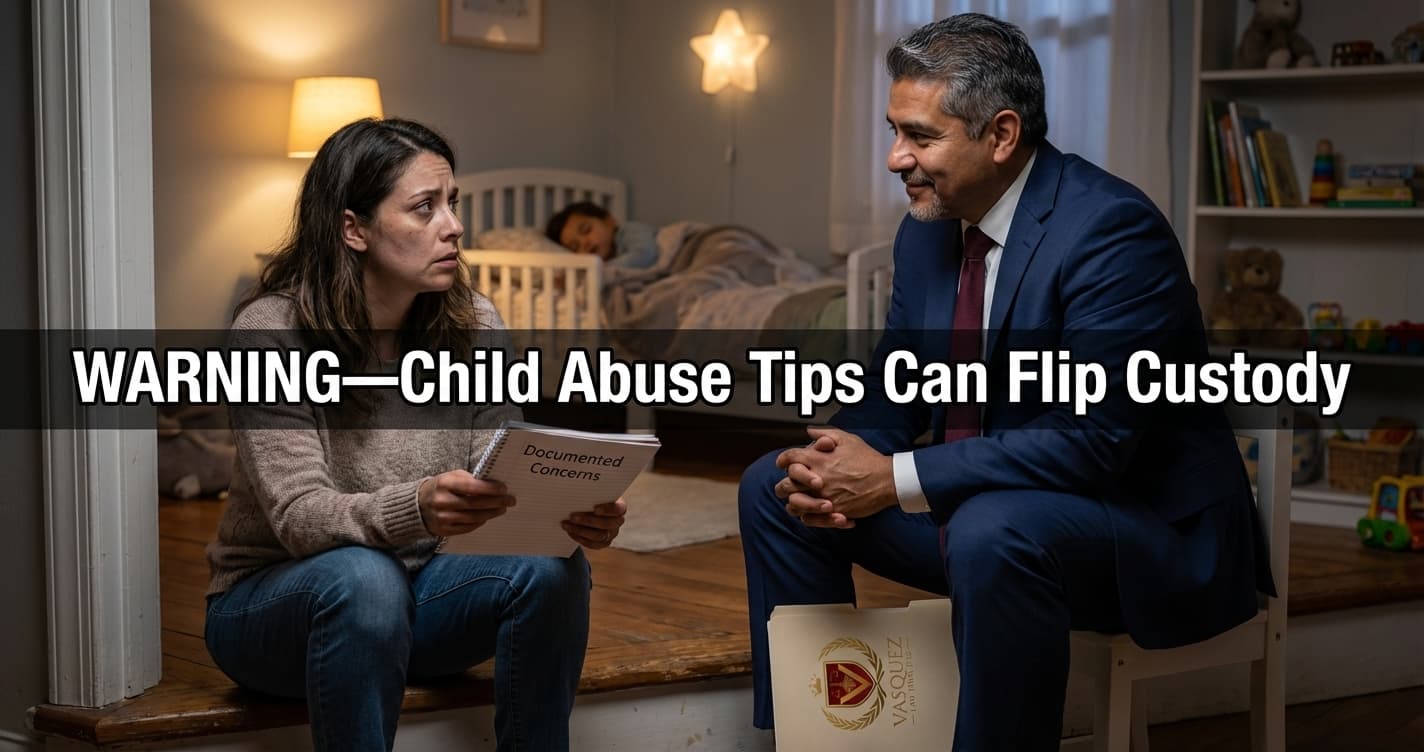
Understanding Domestic Relations and Legal Options After Tragedy in Charlotte
Recent events in Charlotte highlight the complexities of family law, particularly concerning domestic violence and its implications for custody, divorce, and parental rights. This blog post offers insight into legal options available in North Carolina.
Published on December 21, 2025· Updated March 3, 2026
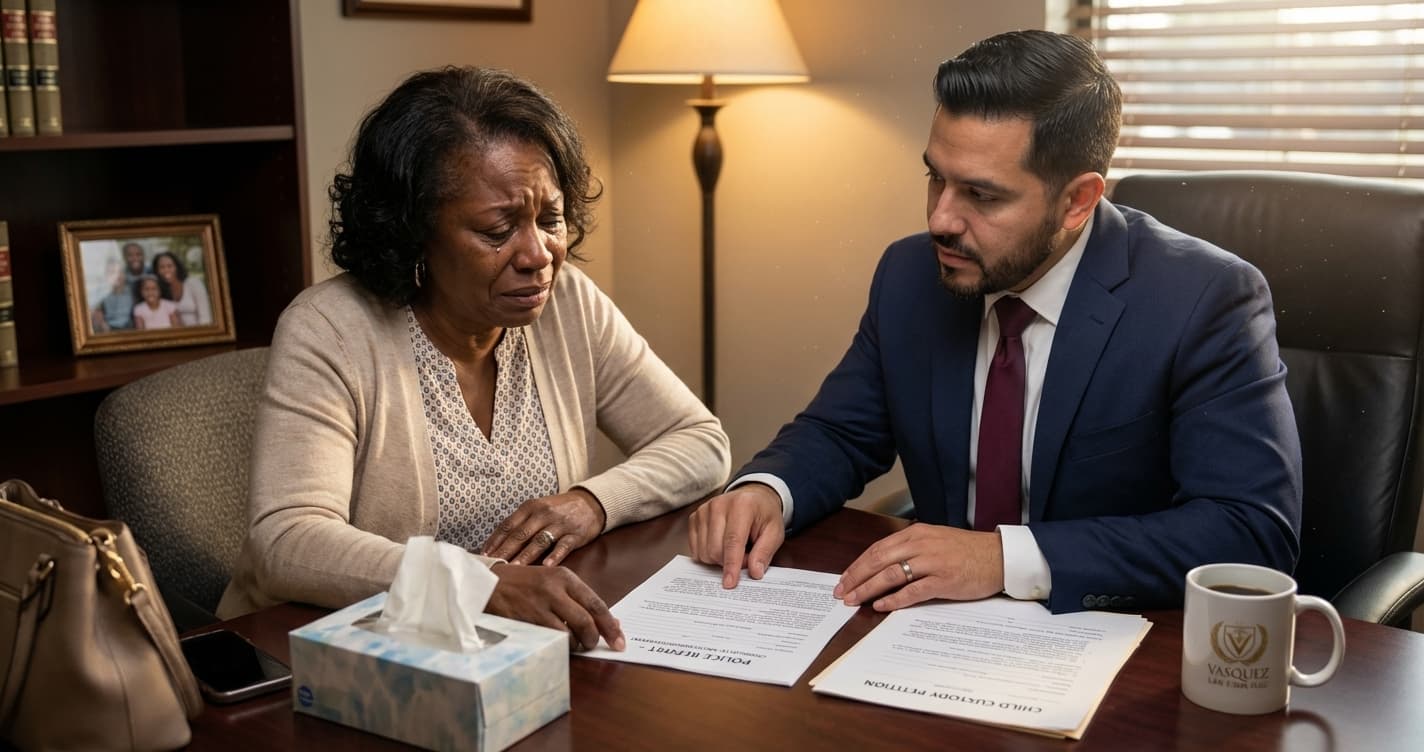
Have questions? Talk to an attorney - free evaluation.
Call 1-844-967-3536Understanding Domestic Relations and Legal Options After Tragedy in Charlotte
Recent news from Charlotte regarding the tragic incident involving the boyfriend of a mother found in a car, who stated that a gun went off, underscores the complexities surrounding domestic relations and family law in North Carolina. Such incidents often raise significant questions about child custody, divorce, and the legal rights of involved parties. At Vasquez Law Firm, we understand how overwhelming these situations can be. Our goal is to provide clarity and support to families navigating the legal landscape following such events.
Going Through a Divorce in Charlotte?
NC requires 1 year of separation. We protect your assets, custody rights, and future.
Overview of the Legal Issue
This incident, as reported by the Charlotte Observer, highlights serious implications for family law, particularly concerning domestic violence, child custody, and the responsibilities of parents. When a parent is involved in a situation involving potential violence, the well-being of the children is paramount. In North Carolina, the courts prioritize the best interests of the child, which can significantly impact custody arrangements and support obligations.
Client Rights and Options
Individuals affected by domestic violence or related incidents have specific rights and options available to them under North Carolina law. Understanding these can empower you to take the necessary steps to protect yourself and your family:
- Protection Orders: If you feel threatened by a partner or ex-partner, you can file for a Domestic Violence Protective Order (DVPO) in North Carolina. This legal order can restrict the alleged abuser from contacting or coming near you.
- Child Custody Arrangements: In the event of a domestic violence incident, courts may reassess custody arrangements. Factors considered include the safety of the child and the parent’s ability to provide a stable environment.
- Divorce and Separation: If your relationship is impacted by such incidents, divorce might be an option to consider. North Carolina allows for both no-fault divorces and those based on fault, including domestic violence.
Step-by-Step Process After a Domestic Violence Incident
Here’s a step-by-step guide on what to do if you find yourself navigating the aftermath of a domestic violence incident:
- Ensure Safety: The immediate priority is safety for yourself and any children involved. If there is an immediate threat, contact law enforcement.
- Document Everything: Keep a detailed record of incidents, including dates, times, and descriptions. This can be crucial for legal proceedings.
- Seek Legal Counsel: Contact a family law attorney experienced in domestic relations to discuss your situation and explore your options.
- Consider Filing for a DVPO: If you feel threatened or unsafe, filing for a Domestic Violence Protective Order can provide immediate relief and protection.
- Explore Custody Options: If children are involved, discuss custody arrangements with your attorney to ensure the best interests of the child are prioritized.
- Begin Divorce Proceedings: If applicable, discuss the process of initiating a divorce with your attorney.
Common Mistakes to Avoid
Navigating family law matters can be complicated, and there are common mistakes individuals make that can have lasting effects on their cases:
- Failing to Document: Not keeping thorough records of incidents can weaken your case. Always document any instances of violence or threats.
- Ignoring Legal Advice: It's crucial to follow your attorney's advice and not act impulsively, especially in emotionally charged situations.
- Neglecting Child's Best Interests: Always keep the child’s well-being at the forefront of any legal decisions, as this is a primary concern for the courts.
How Vasquez Law Firm Can Help
At Vasquez Law Firm, we specialize in family law and understand the intricate dynamics of domestic relations in North Carolina. Our experienced team is prepared to assist you through every step of this challenging process, from securing protective orders to navigating custody disputes or divorce proceedings. We offer bilingual services to accommodate our diverse clientele, ensuring clear communication and understanding throughout your case.
Our commitment is to advocate for your rights and the best interests of your children. We believe in empowering our clients with the knowledge and support they need to make informed decisions.
Call to Action
If you or someone you know is dealing with a domestic violence situation or related family law issues, don’t hesitate to reach out for help. Contact Vasquez Law Firm today at (phone) for a free consultation. We are here to listen, support, and guide you through your legal journey. Se Habla Español.
Frequently Asked Questions
- What should I do if I feel unsafe in my relationship?
Contact law enforcement immediately if you are in danger. Additionally, consider seeking a protection order and reach out to a qualified attorney for legal assistance. - How does domestic violence affect child custody?
In North Carolina, the courts will evaluate the safety and well-being of the child when determining custody arrangements. Incidents of domestic violence can significantly impact custody decisions. - What are the grounds for divorce in North Carolina?
North Carolina recognizes both no-fault grounds and fault-based grounds for divorce, including abandonment, adultery, and domestic violence.
What Are My Options in Family Court?
Answer 3 questions to understand your rights
Question 1 / 3
What family legal issue are you facing?
Immigration Law Updates and Their Impact on North Carolina Communities
North Carolina has a diverse and growing immigrant population, with significant communities from Latin America, Southeast Asia, and other regions throughout the state. Changes in federal immigration law and enforcement priorities directly affect these communities, making it essential to stay informed and to work with experienced immigration attorneys who monitor legal developments closely.
Key Immigration Enforcement Priorities
Federal immigration enforcement priorities shift with administrations. Understanding current enforcement priorities helps immigrants make informed decisions about their safety and legal status. Key considerations include:
Keep Reading
- Whether local law enforcement agencies in your area cooperate with ICE (287(g) agreements or similar)
- Whether your workplace, neighborhood, or regular activities may bring you into contact with federal immigration officers
- Whether you have any prior orders of removal or criminal history that may affect your risk level
- Whether any members of your household have lawful status that could provide potential immigration pathways for you
Preparing Your Family for Potential Immigration Enforcement
Regardless of your current immigration status, having a family preparedness plan can reduce harm to your family if immigration enforcement occurs:
- Know your constitutional rights (see above) and teach them to all household members
- Designate a trusted person outside your household to care for your children if you are detained
- Ensure your children's schools and caregivers know who has authorization to pick them up
- Keep important documents (birth certificates, passports, green cards, naturalization certificates) in a known, accessible location
- Have the phone number of an immigration attorney readily available
- Create a power of attorney designating someone to handle financial and legal matters if you are detained
- Consider executing a document granting a trusted person authority to care for your minor children if you are detained or removed
Paths to Legal Status for Undocumented Immigrants
Many undocumented immigrants believe they have no options. This is often not true. Depending on individual circumstances, options that may exist include:
- Family-based petitions through U.S. citizen or LPR family members
- Cancellation of removal (10 years of continuous presence, good moral character, exceptional hardship to a qualifying family member)
- Asylum or withholding of removal based on past persecution or fear of future persecution
- U visa for crime victims who cooperate with law enforcement
- VAWA self-petition for survivors of domestic violence by a U.S. citizen or LPR
- Special Immigrant Juvenile Status for abused, neglected, or abandoned children
- T visa for survivors of trafficking
An immigration attorney can conduct a comprehensive evaluation of your case to identify any available pathways you may not be aware of.
Frequently Asked Questions for Immigrants in North Carolina
Can I apply for a driver's license in North Carolina without lawful immigration status?
North Carolina does not offer driver's licenses to undocumented immigrants. However, if you have valid work authorization (such as an EAD), you may be eligible for a driver's license. Contact the NCDMV or an immigration attorney for current requirements.
Does my immigration status affect my rights as an employee in NC?
Your immigration status generally does not affect your basic employment rights. Undocumented workers are entitled to minimum wage and overtime protections under the Fair Labor Standards Act, are covered by North Carolina's workers' compensation laws, and may file complaints with the NC Department of Labor regarding unpaid wages or unsafe working conditions. Your employer cannot legally use your immigration status to retaliate against you for asserting these rights.
What are sanctuary cities and does NC have any?
Sanctuary cities or counties are jurisdictions that limit their cooperation with federal immigration enforcement. Some NC counties and municipalities have adopted policies limiting when their local law enforcement will cooperate with ICE. However, NC state law (the "No Sanctuary" law) limits the extent to which local jurisdictions can adopt sanctuary policies. An immigration attorney can advise you on the specific policies in your county.
Vasquez Law Firm: Immigration Attorneys Serving North Carolina
Vasquez Law Firm serves immigrant communities throughout North Carolina with comprehensive immigration legal services. Our attorneys are committed to protecting the rights and dignity of every client. We offer services in English and Spanish, and our office is accessible to clients throughout the state. Contact us today for a free consultation. Se Habla Español.
Related Topics

William Vasquez
Founder & CEO, Vasquez Law Firm, PLLC
William Vasquez is the founder and CEO of Vasquez Law Firm, PLLC, a results-driven firm specializing in immigration, criminal defense, family law, personal injury, and workers' compensation. A U.S. Air Force veteran and recipient of the Joint Service Achievement Medal, William is dedicated to fiercely fighting for his clients' rights.