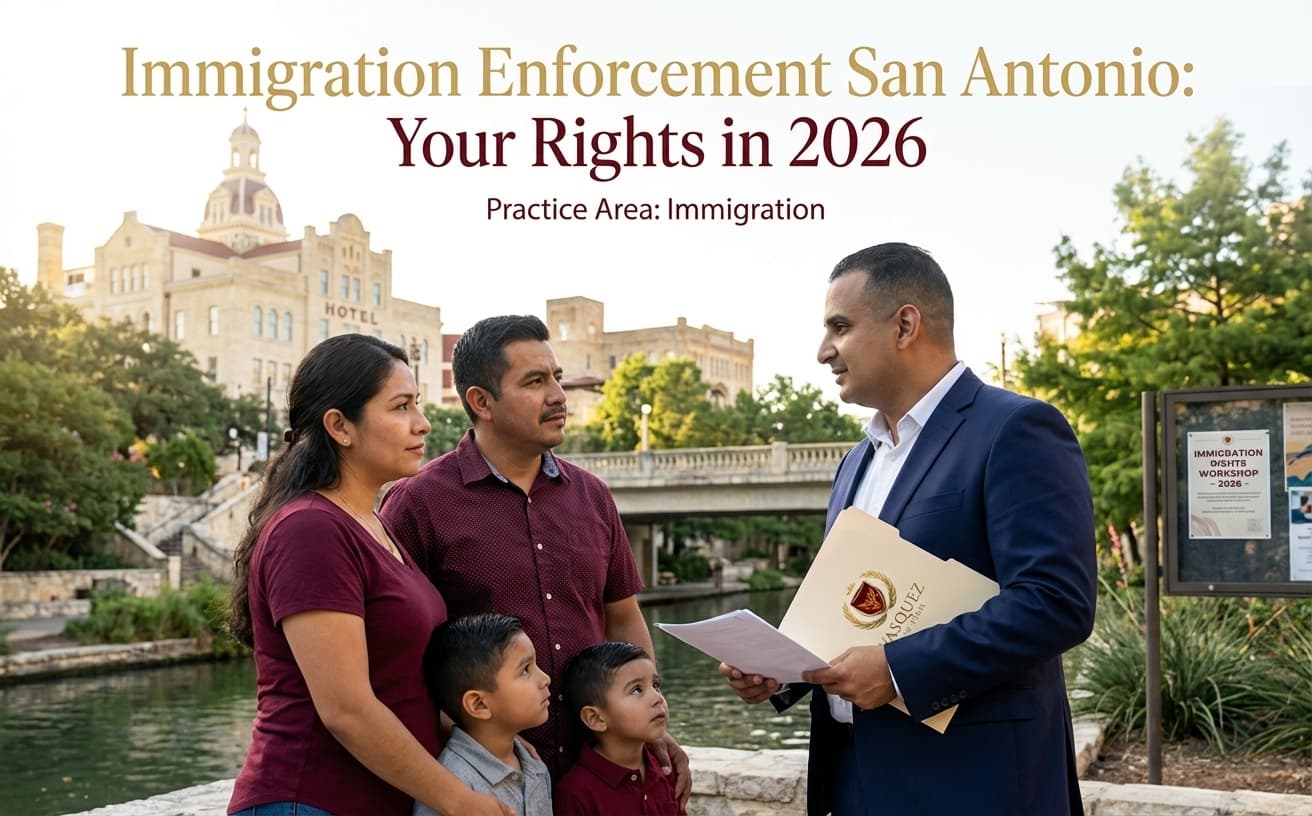
Immigration Detention Deaths: What to Know in 2026
Understanding immigration detention deaths is crucial. Learn about reporting, oversight, and how legal advocacy can help protect rights. Contact Vasquez Law for a free consultation.
Published on March 10, 2026
Have questions? Talk to an attorney - free evaluation.
Call 1-844-967-3536Worried how the latest immigration news affects you?
Get a free, confidential case review with an immigration attorney - know exactly where you stand.
Immigration Detention Deaths: What to Know in 2026
The tragic reality of immigration detention deaths has drawn significant attention, with reports indicating that 2026 may see a continuation of concerning trends. These deaths, occurring within facilities managed by U.S. Immigration and Customs Enforcement (ICE) or its contractors, raise critical questions about detainee welfare, medical care, and accountability. Families of those detained in Raleigh, Florida, or anywhere across the nation often find themselves navigating a complex and opaque system during these difficult times. Understanding the reporting mechanisms, the rights of detained individuals, and the legal avenues available is crucial for anyone impacted by these profound losses.
Need help understanding a loved one's situation in immigration detention? Our experienced attorneys are ready to fight for you. Se Habla Español.
Schedule Your Free Consultation
Or call us now: 1-844-967-3536
Quick Answer
Immigration detention deaths involve individuals who pass away while in ICE custody or at ICE-contracted facilities. These incidents are subject to reporting requirements, but transparency and accountability remain significant concerns. Families often face challenges accessing information and seeking justice, making legal representation vital for navigating the complex system and advocating for their rights.
- Deaths are reported by ICE, often with delays.
- Causes range from illness to suicide and accidents.
- Medical care quality in detention is a frequent point of contention.
- Families have a right to information, though obtaining it can be difficult.
- Legal intervention can help demand accountability and seek remedies.
Understanding Immigration Detention Deaths and Reporting
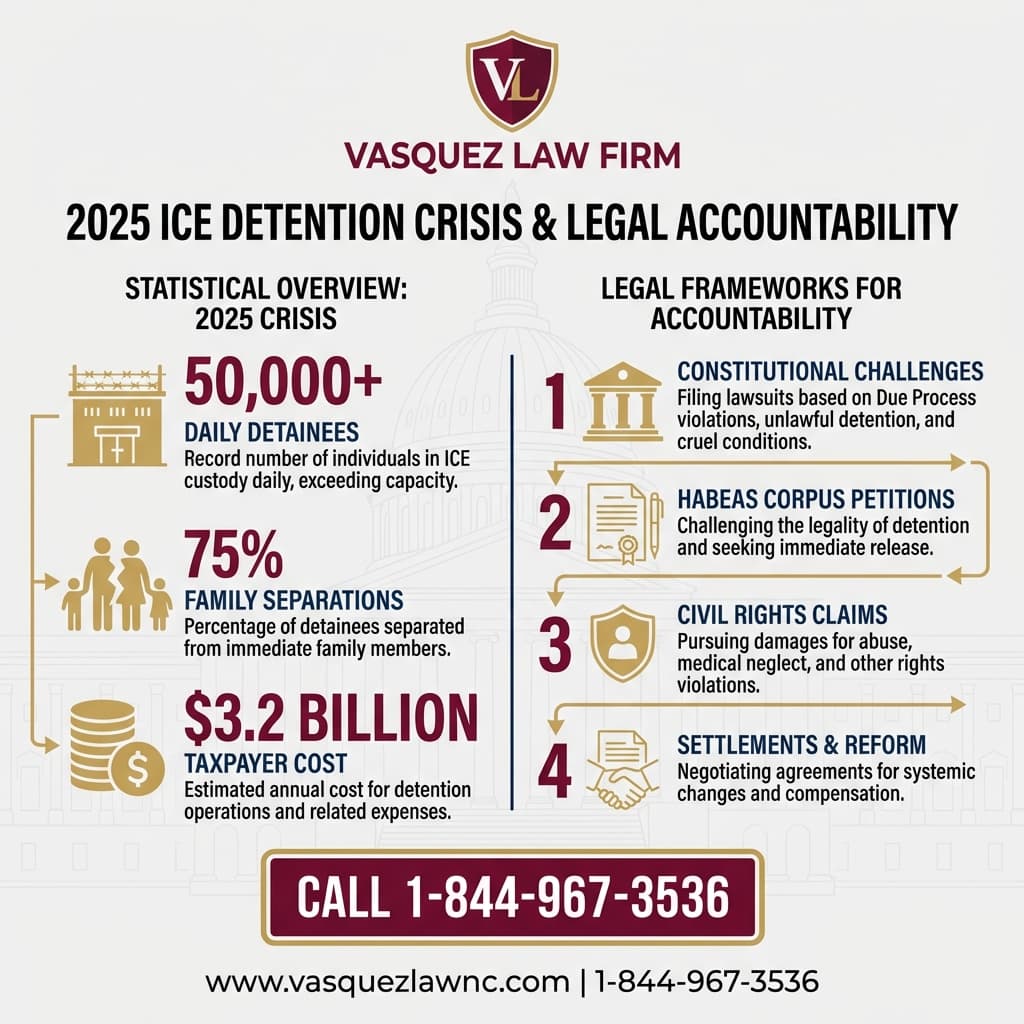
In 2025, reports highlighted a disturbing trend: immigration detention deaths were on track to make that fiscal year one of the deadliest since 2004. These aren't just statistics; they represent individuals whose lives ended while under the care and custody of the U.S. government. Deaths can occur due to various reasons, including inadequate medical care, pre-existing conditions, suicide, and accidents within facilities. The circumstances surrounding each death often raise serious questions about the standards of care and oversight within the immigration detention system.
U.S. Immigration and Customs Enforcement (ICE) is mandated to report all deaths in its custody, whether directly at ICE facilities or at contract detention centers. However, the timeliness and detail of these reports have frequently been criticized by advocates and human rights organizations. For families in North Carolina, Florida, or anywhere in the U.S., obtaining clear and complete information about a loved one's passing can be an agonizing and prolonged process. This lack of transparency only adds to the grief and confusion, underscoring the need for vigilant legal advocacy.
The reporting process for detainee death incidents involves internal investigations by ICE and, in some cases, reviews by the Department of Homeland Security's Office of Inspector General. However, these internal mechanisms do not always satisfy families seeking answers or justice. The challenges in obtaining records, understanding medical reports, and navigating bureaucratic hurdles highlight why legal counsel is essential. An attorney can help demand access to critical information and ensure proper protocols are followed, particularly when a loved one is a detained alien.
Common Causes and Contributing Factors to Detainee Deaths
Medical neglect is often cited as a significant factor in immigration detention deaths. For example, a detained individual might enter custody with a chronic condition, such as diabetes or heart disease, and not receive the consistent or specialized care required. In some cases, individuals may experience their first access to comprehensive medical care upon detention, yet the quality of this care can be inconsistent. This can lead to preventable complications or rapid deterioration of health, tragically resulting in death.
Beyond medical issues, mental health crises also contribute substantially to these fatalities. Detention environments are inherently stressful, isolating, and can exacerbate pre-existing mental health conditions or trigger new ones. Suicide attempts and deaths by suicide are a tragic reality in detention centers, pointing to systemic failures in providing adequate psychological support and intervention. The constant fear of deportation, separation from family, and uncertain future weigh heavily on detainees.
Furthermore, accidents and violence, though less frequent, can also lead to deaths in detention. These incidents might involve altercations between detainees, structural failures within facilities, or inadequate safety protocols. Each case of immigration detention deaths demands a thorough, independent investigation to determine the exact cause and identify any negligence or systemic failures. Without such scrutiny, the cycle of preventable deaths risks continuing, impacting families in Raleigh, Florida, and beyond.
Legal Rights and Advocacy for Detained Individuals
Individuals in immigration detention, regardless of their immigration status, possess certain fundamental legal rights. These include the right to humane treatment, adequate medical care, and due process. However, the enforcement of these rights can be challenging within the confines of detention centers, especially for those unfamiliar with the U.S. legal system or who face language barriers. Many detained individuals are from countries where legal protections are minimal, making them particularly vulnerable. The Executive Office for Immigration Review (EOIR) outlines some procedural rights.
Family members seeking information about a detained loved one or pursuing justice after an immigration detention death have several avenues for advocacy. They can contact ICE's detainee locator system, request medical records, and file formal complaints with oversight bodies. However, these processes are often slow, confusing, and can feel dismissive to grieving families. This is where legal representation becomes indispensable, providing a powerful voice for those who cannot speak for themselves.
An immigration attorney can help families navigate the bureaucratic maze, assert their rights, and demand accountability. This may involve filing a wrongful death lawsuit, pursuing civil rights claims, or advocating for policy changes. For instance, an attorney can assist in requesting an independent autopsy or demanding a thorough investigation by external agencies, ensuring that all aspects of the detainee's death are rigorously examined. Learn more about ICE custody release.
Don't face your legal challenges alone. Our team is here to help you every step of the way.
Call today: 1-844-967-3536 | Se Habla Español
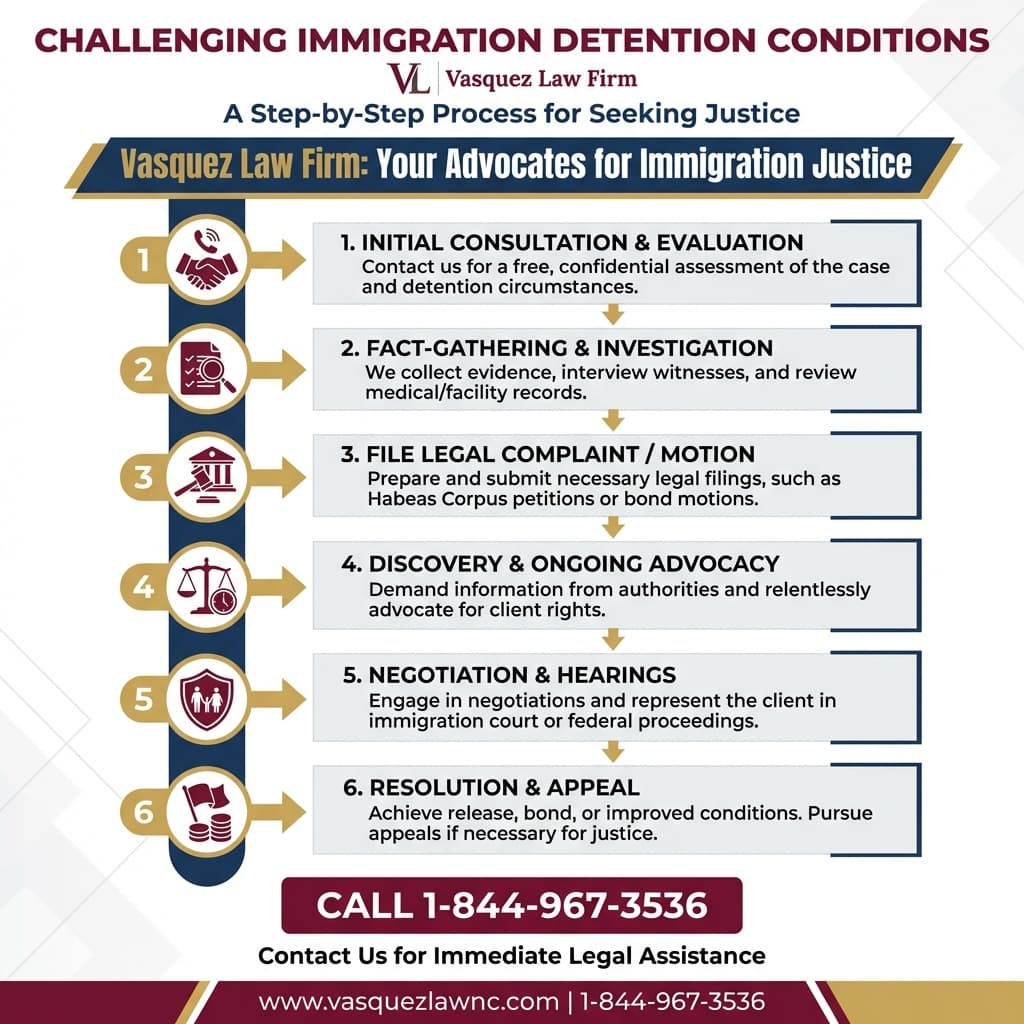
Investigating and Challenging Detention Conditions
When an immigration detention death occurs, a thorough investigation is paramount. This investigation should not only determine the immediate cause of death but also examine the broader conditions and practices at the detention facility that may have contributed to the tragedy. This includes scrutinizing medical protocols, staffing levels, mental health services, and overall facility safety. For example, a pattern of delayed medical responses or insufficient interpreter services could indicate systemic issues requiring urgent attention.
Challenging detention conditions can take several forms, from administrative complaints to federal lawsuits. Attorneys can file habeas corpus petitions to challenge unlawful detention or bring civil rights claims under the U.S. Constitution, alleging violations of due process or cruel and unusual punishment. These legal actions not only seek justice for the individual but can also compel facilities to improve their standards of care and prevent future immigration detention deaths. Understanding the immigration appeals process can also be crucial.
Advocacy groups and legal organizations frequently monitor detention facilities and publish reports on conditions, often using information gathered from former detainees, their families, and internal documents. These reports serve as crucial evidence in legal challenges and contribute to public awareness. Working with an experienced immigration attorney ensures that these challenges are presented effectively, drawing on both legal precedent and factual evidence to push for meaningful change in North Carolina, Florida, and nationwide detention centers.
Seeking Justice and Accountability After a Detainee Death
For families who have lost a loved one due to immigration detention deaths, the path to justice can be long and arduous. One primary legal avenue is filing a wrongful death lawsuit. This type of claim seeks compensation for damages such as funeral expenses, loss of financial support, and emotional suffering, holding the responsible parties, often ICE or its contractors, accountable for their negligence. These cases are complex, requiring extensive investigation and expert testimony to prove fault.
Beyond financial compensation, families often seek accountability to prevent similar tragedies from happening to others. This can involve advocating for policy reforms, increased oversight, and greater transparency within the detention system. For instance, pushing for stricter enforcement of medical care standards or better access to mental health professionals could save lives. The fight for accountability often extends beyond the courtroom, involving public awareness campaigns and legislative advocacy.
The legal framework for these cases can involve federal statutes like the Federal Tort Claims Act (FTCA) for claims against government agencies, or civil rights statutes like 42 U.S.C. § 1983 for claims against private entities operating detention centers. Navigating these complex legal landscapes requires a lawyer with deep knowledge of both immigration law and civil litigation. Vasquez Law Firm is dedicated to helping families in Raleigh and across the U.S. pursue justice after these devastating losses.
Preventing Future Tragedies and Systemic Changes
Preventing further immigration detention deaths requires a multi-faceted approach, starting with significant improvements in medical and mental healthcare provision within detention facilities. This includes ensuring adequate staffing of qualified medical personnel, timely access to specialists, and comprehensive mental health screenings and support programs. Regular, independent audits of medical services, rather than just internal reviews, could identify deficiencies before they become fatal.
Increased transparency and independent oversight are also crucial. Public access to detention facility inspection reports, detailed death investigations, and standardized data on detainee health would allow for greater accountability. USCIS guidelines, along with those from ICE, need to be rigorously followed and enforced. This would empower advocates and the public to identify patterns of neglect and push for necessary reforms, regardless of whether the facility is in North Carolina, Florida, or elsewhere.
Ultimately, a fundamental reevaluation of the role and necessity of immigration detention itself is part of the long-term solution. Exploring alternatives to detention, such as community-based programs and supervised release, could reduce the population in detention and, consequently, the risk of deaths. These systemic changes require sustained advocacy and political will, but they are essential steps toward a more humane and just immigration system, reducing the tragic toll of immigration detention deaths.
About Vasquez Law Firm
At Vasquez Law Firm, we combine compassion with aggressive representation. Our motto "Yo Peleo" (I Fight) reflects our commitment to standing up for your rights and those of your loved ones. We understand the profound emotional and legal challenges that families face when dealing with immigration detention issues, especially in cases involving immigration detention deaths.
- Bilingual Support: Se Habla Español - our team is fully bilingual, ensuring clear communication.
- Service Areas: We provide immigration services across North Carolina, Florida, and nationwide.
- Experience: With over 15 years of dedicated legal experience, we navigate complex legal matters effectively.
- Results: Our firm has a proven track record of fighting for justice and achieving favorable outcomes for our clients.
Attorney Trust and Experience
Attorney Vasquez holds a Juris Doctor degree and is admitted to practice in both the North Carolina State Bar and Florida Bar. With over 15 years of dedicated legal experience, he has built a reputation for providing personalized attention and achieving favorable outcomes for his clients. He is committed to offering a voice to the voiceless and ensuring that every client receives diligent and compassionate representation, particularly in sensitive cases involving immigration detention deaths in Raleigh and beyond.
When to Call an Immigration Lawyer Immediately
If you or a loved one is facing a situation involving immigration detention, especially concerning health or safety, immediate legal action is critical. Time is often of the essence, and delays can have severe consequences. Don't wait until it's too late to seek professional guidance.
- A loved one has passed away in ICE custody or a detention facility.
- You suspect medical neglect or abuse contributed to a detainee's illness.
- You are unable to obtain information about a detained family member's health or whereabouts.
- A detainee is experiencing a serious medical or mental health crisis.
- You believe a detainee's rights are being violated.
- You are considering filing a wrongful death claim related to an immigration detention death.
- You need help navigating the complex legal system to secure release or advocate for better conditions.
Frequently Asked Questions
What is considered an immigration detention death?
An immigration detention death refers to the passing of an individual while they are in the custody of U.S. Immigration and Customs Enforcement (ICE) or at an ICE-contracted detention facility. These deaths can result from various causes, including illness, inadequate medical care, suicide, or accidents, and are subject to specific reporting protocols by ICE. Families often seek legal counsel to understand the circumstances.
How are immigration detention deaths reported?
ICE is required to report all deaths that occur in its custody. These reports are typically made public, often through press releases or official statements, and are also reviewed internally. However, the level of detail and timeliness of these reports can vary, and advocates frequently criticize the lack of transparency, prompting families to seek independent investigations.
What are the common causes of death in immigration detention?
Common causes include various medical conditions such as heart disease, cancer, and respiratory illnesses, often exacerbated by insufficient or delayed medical care. Mental health issues leading to suicide are also a significant concern. Accidents and other unforeseen circumstances can also contribute to immigration detention deaths. Each case requires careful investigation.
Can families get information about a loved one's death in detention?
Families have the right to information regarding a loved one's death in detention, but obtaining it can be challenging. They may need to request medical records, autopsy reports, and incident reviews from ICE. Legal representation can significantly assist in expediting these requests and ensuring families receive comprehensive and accurate information about their case.
What legal options are available after an immigration detention death?
Legal options may include filing a wrongful death lawsuit against ICE or the facility operator, pursuing civil rights claims for violations of constitutional rights, or seeking administrative remedies. These actions aim to hold responsible parties accountable and secure compensation for damages, as well as push for systemic changes to prevent future immigration detention deaths.
How can an attorney help with immigration detention deaths?
An attorney can help by investigating the circumstances of the death, gathering evidence, accessing crucial documents, and representing the family in legal proceedings. They can file lawsuits, negotiate with authorities, and advocate for transparency and accountability, ensuring that the family's rights are protected and their voice is heard throughout the complex legal process.
Are conditions in detention centers monitored?
Yes, detention centers are subject to various forms of oversight, including internal ICE inspections, reviews by the Department of Homeland Security's Office of Inspector General, and monitoring by external advocacy groups. However, the effectiveness and independence of this monitoring are frequently debated, especially in cases involving immigration detention deaths. Legal counsel can help.
Does the quality of medical care vary by facility?
Yes, the quality of medical care can vary significantly among different immigration detention facilities, depending on whether they are directly run by ICE or operated by private contractors. This inconsistency is a major concern, as it can lead to disparities in health outcomes and contribute to preventable immigration detention deaths. Advocacy efforts aim to standardize care.
What is the role of the Federal Tort Claims Act in these cases?
The Federal Tort Claims Act (FTCA) allows individuals to sue the U.S. government for certain torts committed by federal employees. In cases of immigration detention deaths, the FTCA might be used if the death was caused by the negligence of federal employees, such as ICE agents or medical staff directly employed by the government. It's a complex legal tool.
Can I pursue a case if my loved one was a detained alien?
Yes, the immigration status of a deceased individual does not preclude their family from seeking justice. Detained aliens, regardless of their status, are entitled to certain rights, and their families can pursue legal action for wrongful death or civil rights violations. An experienced immigration attorney can guide you through this process effectively, advocating for your loved one.
Sources and References
- Executive Office for Immigration Review (EOIR)
- U.S. Citizenship and Immigration Services (USCIS)
- 8 U.S. Code § 1231 - Detention and removal of aliens
Ready to take the next step? Contact Vasquez Law Firm today for a free, confidential consultation. We're committed to fighting for your rights and achieving the best possible outcome for your case.
Start Your Free Consultation Now
Call us: 1-844-967-3536
Se Habla Español - Estamos aquí para ayudarle.

William Vasquez
Founder & CEO, Vasquez Law Firm, PLLC
William Vasquez is the founder and CEO of Vasquez Law Firm, PLLC, a results-driven firm specializing in immigration, criminal defense, personal injury, and workers' compensation. A U.S. Air Force veteran and recipient of the Joint Service Achievement Medal, William is dedicated to fiercely fighting for his clients' rights.
Related Legal Services
Need legal help? Learn more about immigration lawyers in North Carolina, or contact us for a free evaluation.
You can also visit NC immigration legal help for more information.