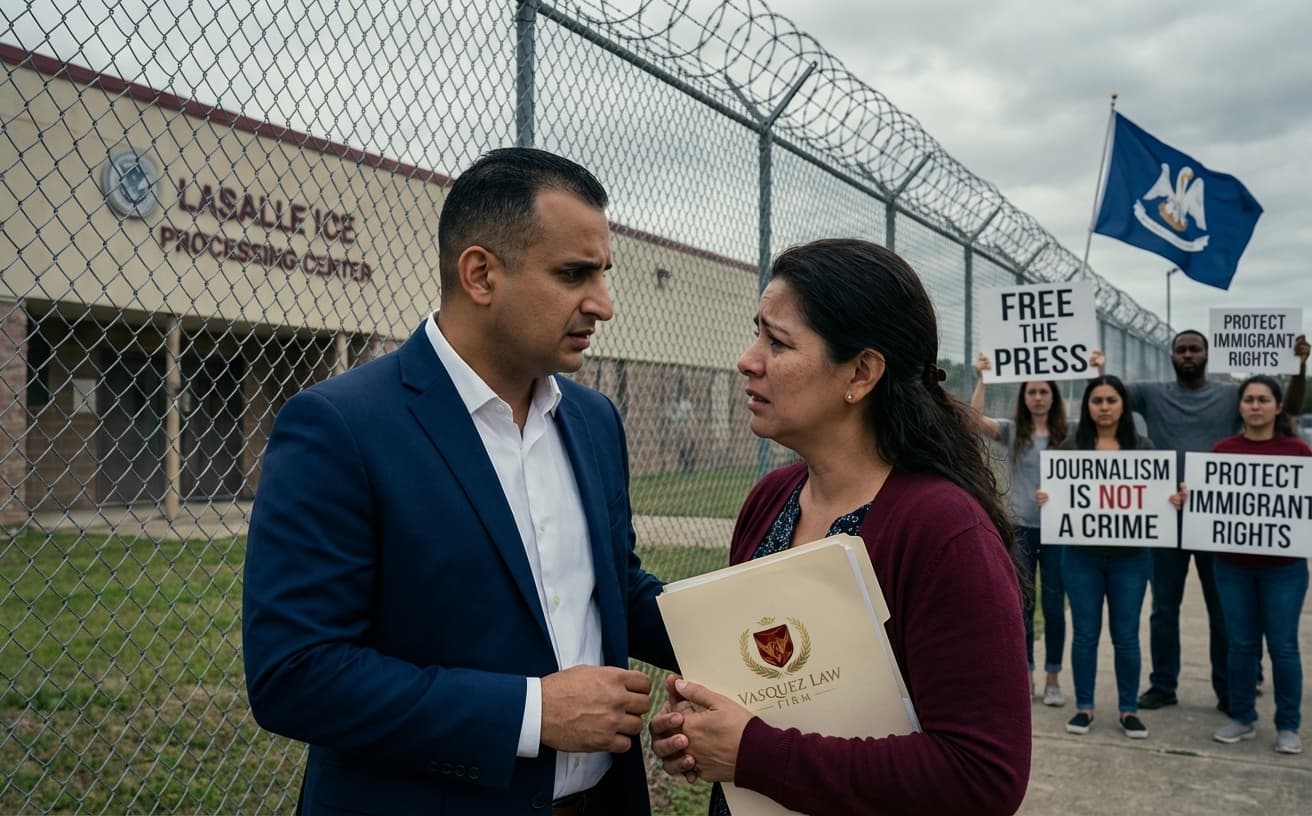
What Happens During Immigration Appeals in 2026?
Understand the immigration appeals process in 2026. Learn what to expect, common mistakes, and how to protect your rights. Contact Vasquez Law for a free consultation.
Published on March 10, 2026
Talk to an immigration attorney
Free call. A clear plan for your case.
Free & confidential · Se habla espanol · 24/7
Have questions? Talk to an attorney - free evaluation.
Call 1-844-967-3536Worried how the latest immigration news affects you?
Schedule a confidential case review with an immigration attorney - know exactly where you stand.
What Happens During Immigration Appeals in 2026?
Facing a denied immigration application or a removal order can feel like the end of the road, but for many, it's just the beginning of the immigration appeals process. In 2026, understanding your right to appeal and the steps involved is crucial for anyone seeking to stay or gain status in the United States. Whether you are in North Carolina, Florida, or anywhere nationwide, a denial is not always the final decision. This guide will walk you through what to expect when pursuing immigration appeals, from initial steps to potential outcomes, and how legal representation can significantly impact your chances of success.
Need help with your case? Our experienced attorneys are ready to fight for you. Se Habla Español.
Schedule Your Free Case Evaluation
Or call us now: 1-844-967-3536
Quick Answer
Immigration appeals allow individuals to challenge adverse decisions made by immigration courts or administrative bodies. This process typically involves filing a notice of appeal with the Board of Immigration Appeals (BIA) within a strict timeframe, submitting a brief, and potentially appearing before an immigration judge or the BIA. Success depends heavily on legal arguments and evidence.
- File a timely Notice of Appeal (Form EOIR-26) with the BIA.
- Submit a detailed written brief outlining legal errors.
- Gather new evidence if applicable for certain types of appeals.
- Attend hearings if required by the BIA or immigration court.
- Consider motions to reopen or reconsider if an appeal is denied.
Understanding Immigration Appeals and Their Importance in 2026
Imagine receiving a letter stating your asylum application has been denied, or worse, an order for your removal from the United States. For many, this can be a terrifying moment, but it's essential to know that you often have the right to challenge these decisions through immigration appeals. The Board of Immigration Appeals (BIA) is the highest administrative body for interpreting and applying immigration laws, and it hears appeals from decisions made by immigration judges and certain U.S. Citizenship and Immigration Services (USCIS) officers.
In 2026, the landscape of immigration law continues to evolve, making the appeals process even more complex. A successful appeal can mean the difference between remaining with your family in the U.S. or facing deportation. It provides a critical opportunity to correct legal errors, present new evidence, or argue for a different interpretation of the law that could favor your case. Vasquez Law Firm understands the gravity of these situations and is prepared to guide you through every step.
The system is designed to provide a check on initial decisions, ensuring fairness and adherence to legal standards. However, the strict deadlines and intricate legal arguments involved mean that navigating immigration appeals without experienced legal counsel can be incredibly challenging. Our team, serving clients in North Carolina, Florida, and nationwide, offers dedicated support.
Who Can File an Immigration Appeal? Eligibility and Case Types
Not everyone is eligible to file an immigration appeal, and the type of appeal depends on the initial decision. Generally, individuals who have received an adverse decision from an immigration judge or certain USCIS officials can appeal. This includes denials of visa petitions, adjustment of status applications, asylum claims, or orders of removal.
For example, if an immigration judge orders you removed from the U.S. after a hearing, you typically have 30 days to file a notice of appeal with the BIA. Similarly, if USCIS denies your I-130 petition for a relative, you might be able to appeal that decision to the Administrative Appeals Office (AAO) or directly to the BIA, depending on the specific circumstances. Understanding which body has jurisdiction over your appeal is the first critical step.
Common case types eligible for immigration appeals include: appeals from removal orders, denials of family-based petitions, employment-based petition denials, and certain waivers. Each type has specific procedural requirements and legal standards that must be met. Working with an attorney who deeply understands these distinctions is vital for success.
Step-by-Step: The Immigration Appeals Process
Navigating the immigration appeals process can be daunting due to its strict timelines and complex legal requirements. Missing a deadline or failing to present a compelling legal argument can result in the permanent denial of your appeal. Here's a general overview of the steps involved:
- Receiving an Adverse Decision: This is the starting point, typically a denial from USCIS or an unfavorable decision from an immigration judge. You will receive a written decision detailing the reasons for the denial or order.
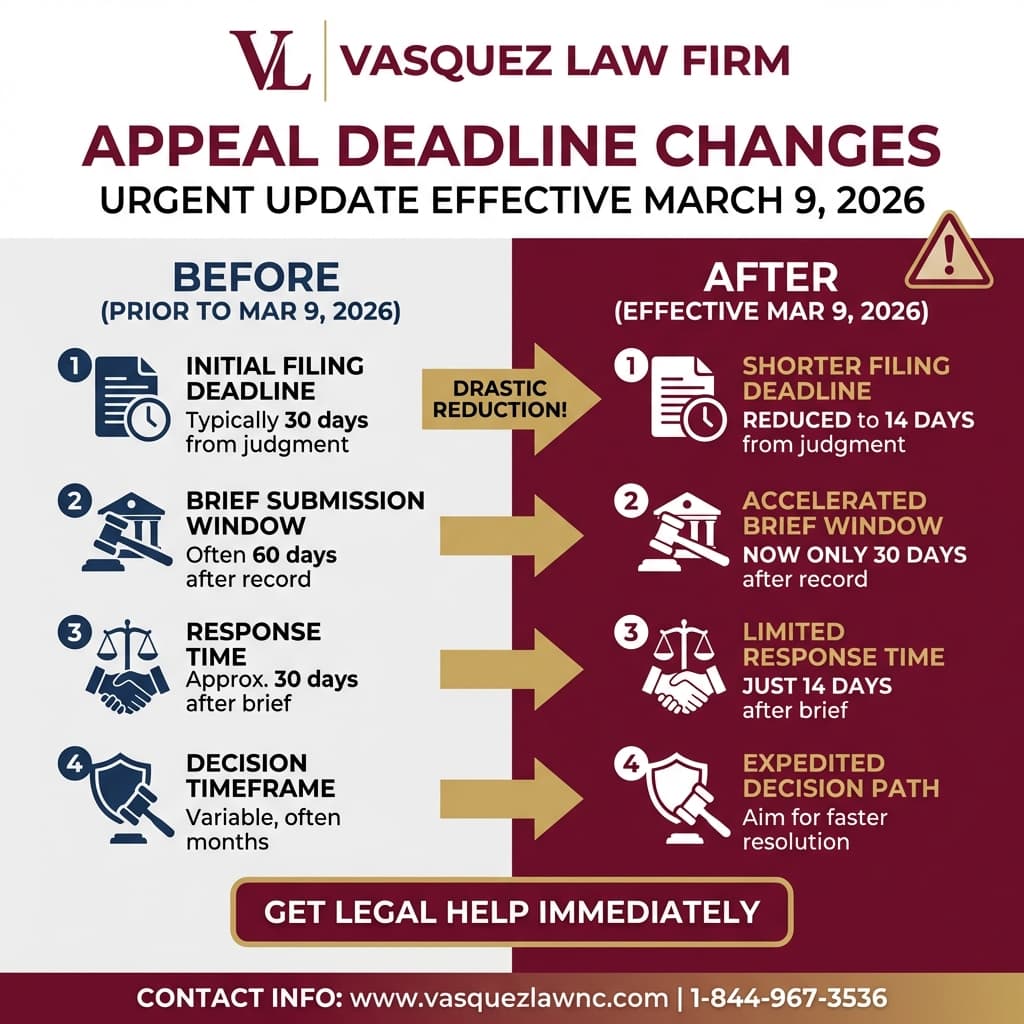
- Filing a Notice of Appeal (Form EOIR-26): For appeals from an immigration judge's decision, you must file Form EOIR-26, Notice of Appeal to the Board of Immigration Appeals, within 30 calendar days of the immigration judge's oral or written decision. This form officially notifies the BIA of your intent to appeal.
- Submitting Your Appeal Brief: After filing the notice, you will typically have 21 days (or more if granted by the BIA) to submit a written brief. This brief is your main opportunity to present legal arguments, cite relevant law, and explain why the original decision was incorrect.
- Review by the BIA: The Board of Immigration Appeals reviews your brief, the record of proceedings, and any arguments from the government. The BIA may issue a decision based solely on the written record or may schedule oral arguments in rare cases.
- BIA Decision: The BIA will issue a written decision, which can affirm the original decision, reverse it, remand the case back to the immigration judge for further proceedings, or dismiss the appeal.
- Further Appeals (if applicable): If the BIA denies your appeal, you may have the option to file a petition for review with a U.S. Circuit Court of Appeals. This is a federal court appeal and involves different legal standards and procedures.
Common Scenarios in Immigration Appeals
Many different situations can lead to the need for immigration appeals. For instance, a family might face a denied I-130 petition due to insufficient evidence of a bona fide marriage, even if the marriage is legitimate. An appeal would then focus on presenting additional, compelling evidence and legal arguments to demonstrate the validity of the relationship.
Another common scenario involves asylum seekers whose claims are denied by an immigration judge. In such cases, the appeal to the BIA would argue that the judge made errors in fact-finding or legal interpretation regarding the applicant's fear of persecution. These appeals often hinge on complex issues of country conditions and legal precedent.
Similarly, individuals facing removal proceedings might appeal if they believe the immigration judge improperly denied a form of relief, such as cancellation of removal or adjustment of status. The appeal would challenge the judge's application of the eligibility criteria for that specific relief. Each scenario requires a tailored legal strategy.
Documents and Evidence Checklist for Immigration Appeals
Preparing for immigration appeals requires meticulous organization and a thorough understanding of what evidence supports your case. The documents needed will vary based on the nature of the original denial and the legal arguments you plan to make. Here's a general checklist:
- Notice of Appeal (Form EOIR-26 or relevant USCIS appeal form): Ensure this is accurately filled out and filed within the strict deadline.
- Original Decision Letter: The denial or order from the immigration judge or USCIS, which you are appealing.
- Record of Proceedings (ROP): The complete file from your prior immigration court or USCIS proceedings. This includes transcripts, exhibits, and all submitted documents.
- Appeal Brief: Your detailed written argument, citing legal precedent and explaining errors in the prior decision.
- Supporting Documents: Any additional evidence that was not properly considered, or new evidence relevant to your arguments (if permitted). This could include affidavits, expert witness statements, country conditions reports, or updated personal documents.
- Proof of Service: Documentation showing that you properly served the opposing party (Department of Homeland Security) with your appeal documents.
- Filing Fees: Payment for any required filing fees or a fee waiver request.
Timeline: What to Expect in Immigration Appeals Processing Times in 2026
The processing times for immigration appeals can vary significantly based on the complexity of the case, the volume of appeals at the BIA, and current administrative priorities. As of 2026, the BIA strives for efficiency, but delays are common.
- Filing Notice of Appeal: 30 days from the date of the decision.
- Submitting Appeal Brief: Typically 21 days after filing the notice, though extensions may be granted.
- BIA Review and Decision: This is the most variable part. Some cases may be decided within a few months, while others can take 1-3 years or even longer. Factors include whether oral arguments are scheduled, if the case is remanded, or if new evidence is introduced.
- Petition for Review to Federal Court: If further appeal is pursued, filing must occur within 30 days of the BIA's decision. Federal court proceedings can add another 1-2 years to the overall timeline.
It is crucial to act quickly and decisively at each stage to avoid unnecessary delays or the forfeiture of your appeal rights. The Executive Office for Immigration Review (EOIR) publishes general processing times, but individual cases can deviate.
Costs and Fees: What Impacts the Price of Immigration Appeals
The financial aspect of immigration appeals is an important consideration for many families. Costs typically involve government filing fees and attorney fees. The total price can be influenced by several factors, making it difficult to provide a single estimate without a case evaluation.
- Government Filing Fees: As of 2026, the fee for filing Form EOIR-26, Notice of Appeal to the Board of Immigration Appeals, is usually around $110. Other forms, such as motions to reopen or reconsider, may have separate fees. Fee waivers are available for eligible individuals who can demonstrate financial hardship.
- Attorney Fees: Legal representation is often the most significant cost. Attorney fees vary based on the complexity of your case, the amount of time required, the attorney's experience, and the specific legal arguments involved.
- Case Complexity: Appeals involving novel legal questions, extensive evidentiary records, or multiple layers of appeal (e.g., BIA to federal court) will generally incur higher legal fees.
- Research and Brief Writing: A substantial portion of attorney work involves legal research, drafting detailed briefs, and preparing for potential oral arguments.
- Expert Witnesses: In some cases, expert witness testimony (e.g., psychologists, country conditions experts) may be necessary, adding to the overall cost.
Don't face your legal challenges alone. Our team is here to help you every step of the way.
Call today: 1-844-967-3536 | Se Habla Español
Common Mistakes in Immigration Appeals and How to Avoid Them
Even with a strong case, procedural errors can lead to a denied appeal. Avoiding these common pitfalls is critical for anyone pursuing immigration appeals.
- Missing Deadlines: The 30-day deadline for filing a notice of appeal is almost absolute. Missing it often means losing your right to appeal. File your appeal notice well in advance.
- Insufficient Legal Argumentation: Simply stating you disagree with the decision is not enough. Your brief must present specific legal errors and support them with citations to immigration law, regulations, and case precedent. Work with an attorney to craft a compelling legal brief.
- Failing to Establish Jurisdiction: Appealing to the wrong administrative body (e.g., BIA instead of AAO) will result in a dismissal. Ensure you understand which entity has authority over your particular appeal.
- Not Submitting a Complete Record: The BIA reviews the existing record. If crucial evidence was missing from the original proceeding, it might be difficult to introduce it later without specific legal grounds. Ensure your initial application is as complete as possible.
- Lack of Proper Service: You must properly serve the opposing party (DHS) with your appeal documents. Failure to do so can lead to dismissal. Keep detailed records of service.
- Assuming New Evidence is Always Allowed: Generally, appeals are based on the existing record. Introducing new evidence usually requires a motion to reopen, which has its own strict criteria. Consult with an attorney about the admissibility of new evidence.
- Not Seeking Legal Counsel: The immigration appeals process is highly technical. Attempting to navigate it without an experienced attorney significantly reduces your chances of success. An attorney can identify legal errors, draft strong briefs, and represent your best interests.
If you only remember one thing: Always prioritize strict adherence to deadlines and seek legal counsel early in the process to effectively prepare for immigration appeals.
When to Call a Lawyer Now for Immigration Appeals
Recognizing when to seek immediate legal assistance can be the determining factor in the success of your immigration appeals. Don't delay if any of these situations apply to you:
- You have received a denial of an immigration benefit or a removal order.
- The 30-day deadline for filing an appeal is approaching rapidly.
- You believe the immigration judge or USCIS made a legal error in your case.
- Your case involves complex legal issues or new interpretations of immigration law.
- You need to gather additional evidence or documentation to support your appeal.
- You are unfamiliar with the specific forms, procedures, or legal arguments required for immigration appeals.
- You wish to explore options like motions to reopen or reconsider if your appeal has already been denied.
- You are in removal proceedings and facing deportation.
- You require representation before the Board of Immigration Appeals or a federal court.
About Vasquez Law Firm
At Vasquez Law Firm, we combine compassion with aggressive representation. Our motto "Yo Peleo" (I Fight) reflects our commitment to standing up for your rights. We understand the profound impact immigration decisions have on individuals and families, and we bring over 15 years of dedicated experience to every case.
- Bilingual Support: Se Habla Español - our team is fully bilingual, ensuring clear communication.
- Service Areas: We proudly serve clients throughout North Carolina, Florida, and provide comprehensive nationwide immigration services.
- Experience: Attorney Vasquez has over 15 years helping clients navigate complex legal matters, from initial applications to challenging immigration appeals.
- Results: We are committed to achieving the best possible outcomes, fighting for justice in thousands of successful cases across multiple practice areas.
Attorney Trust and Experience
Attorney Vasquez holds a Juris Doctor degree and is admitted to practice in both the North Carolina State Bar and Florida Bar. With over 15 years of dedicated legal experience, he has built a reputation for providing personalized attention and achieving favorable outcomes for his clients. His deep understanding of immigration law, including the intricacies of immigration appeals, makes him a trusted advocate for those facing challenging legal battles. He fights for every client, ensuring their voice is heard and their rights are protected.
Don't face your legal challenges alone. Our team is here to help you every step of the way.
Call today: 1-844-967-3536 | Se Habla Español
Frequently Asked Questions About Immigration Appeals
What is the Board of Immigration Appeals (BIA)?
The Board of Immigration Appeals (BIA) is the highest administrative body within the U.S. Department of Justice tasked with interpreting and applying immigration laws. It reviews appeals from decisions made by immigration judges in removal proceedings and certain decisions made by U.S. Citizenship and Immigration Services (USCIS). The BIA's decisions are binding on all immigration judges and Department of Homeland Security officers.
What are the current processing times for immigration appeals in 2026?
As of 2026, BIA processing times for immigration appeals can range significantly, typically from several months to over three years. Factors influencing this timeline include the complexity of the case, the volume of appeals, and whether oral arguments are requested. You can check general processing times on the Executive Office for Immigration Review (EOIR) website, but individual cases often vary.
Can I appeal a denied visa application?
Yes, in many instances, you can appeal a denied visa application. The specific appeal process depends on the type of visa and the reasons for denial. For some family-based petitions (I-130), appeals go to the Board of Immigration Appeals (BIA), while others, like certain employment-based petitions, might be appealed to the Administrative Appeals Office (AAO) of USCIS. Consulting an attorney is crucial to determine the correct path.
What is the success rate of immigration appeals?
The success rate of immigration appeals varies widely depending on numerous factors, including the type of case, the strength of the legal arguments, the evidence presented, and the specific BIA panel reviewing the appeal. There is no single published success rate. Cases with strong legal merit and experienced legal representation generally have a higher chance of success than those attempted without counsel.
What happens if my immigration appeal is denied?
If your immigration appeal is denied by the BIA, you may have further options. Depending on the nature of the case, you could file a motion to reopen or a motion to reconsider with the BIA, or you might be eligible to file a petition for review with a U.S. Circuit Court of Appeals. These options have strict deadlines and specific legal requirements, necessitating immediate legal advice.
How long do I have to file an immigration appeal?
For most decisions from an immigration judge in removal proceedings, you have a strict 30-day deadline to file a Notice of Appeal (Form EOIR-26) with the Board of Immigration Appeals (BIA). For USCIS denials, the deadline can vary, typically 30 or 33 days from the date of the decision. Missing this deadline almost always results in the loss of your right to appeal, so swift action is essential.
Do I need a lawyer for immigration appeals?
While not legally required, having an experienced immigration lawyer for immigration appeals is highly recommended. The process involves complex legal research, drafting detailed briefs, and understanding intricate immigration laws and precedents. An attorney can identify legal errors, present compelling arguments, and navigate the procedural complexities, significantly increasing your chances of a favorable outcome.
Can new evidence be submitted during an immigration appeal?
Generally, immigration appeals to the BIA are based on the existing record of proceedings from the initial immigration court or USCIS decision. Introducing new evidence is usually not permitted unless you file a motion to reopen, which has its own strict criteria, such as demonstrating that the evidence was not available and could not have been discovered earlier. Consult an attorney regarding new evidence.
What is the difference between an appeal and a motion to reopen?
An appeal challenges a decision based on alleged legal errors or factual misinterpretations in the existing record. A motion to reopen, conversely, asks the immigration court or BIA to reconsider a past decision based on new facts or evidence that were not available at the time of the original decision. Both have distinct purposes, requirements, and deadlines.
How can I check the status of my Board of Immigration Appeals case?
You can check the status of your Board of Immigration Appeals (BIA) case online through the Executive Office for Immigration Review (EOIR) Case Status system. You will need your A-number (Alien Registration Number) to access your case information. Alternatively, you can contact your attorney, who can also track your case status and provide updates. Be aware that processing times vary.
Sources and References
- U.S. Citizenship and Immigration Services (USCIS)
- Executive Office for Immigration Review (EOIR) - Board of Immigration Appeals
- 8 U.S. Code § 1252 - Judicial review of orders of removal
Need immigration help? Our immigration attorneys can review your case.
Ready to take the next step? Contact Vasquez Law Firm today for a free, confidential consultation. We're committed to fighting for your rights and achieving the best possible outcome for your case.
Start Your Free Case Evaluation Now
Call us: 1-844-967-3536
Se Habla Español - Estamos aquí para ayudarle.

William Vasquez
Founder & CEO, Vasquez Law Firm, PLLC
William Vasquez is the founder and CEO of Vasquez Law Firm, PLLC, a results-driven firm specializing in immigration, criminal defense, personal injury, and workers' compensation. A U.S. Air Force veteran and recipient of the Joint Service Achievement Medal, William is dedicated to fiercely fighting for his clients' rights.
Related Legal Services
Need legal help? Learn more about our immigration legal services, or contact us for a free evaluation.
You can also visit our North Carolina immigration practice for more information.