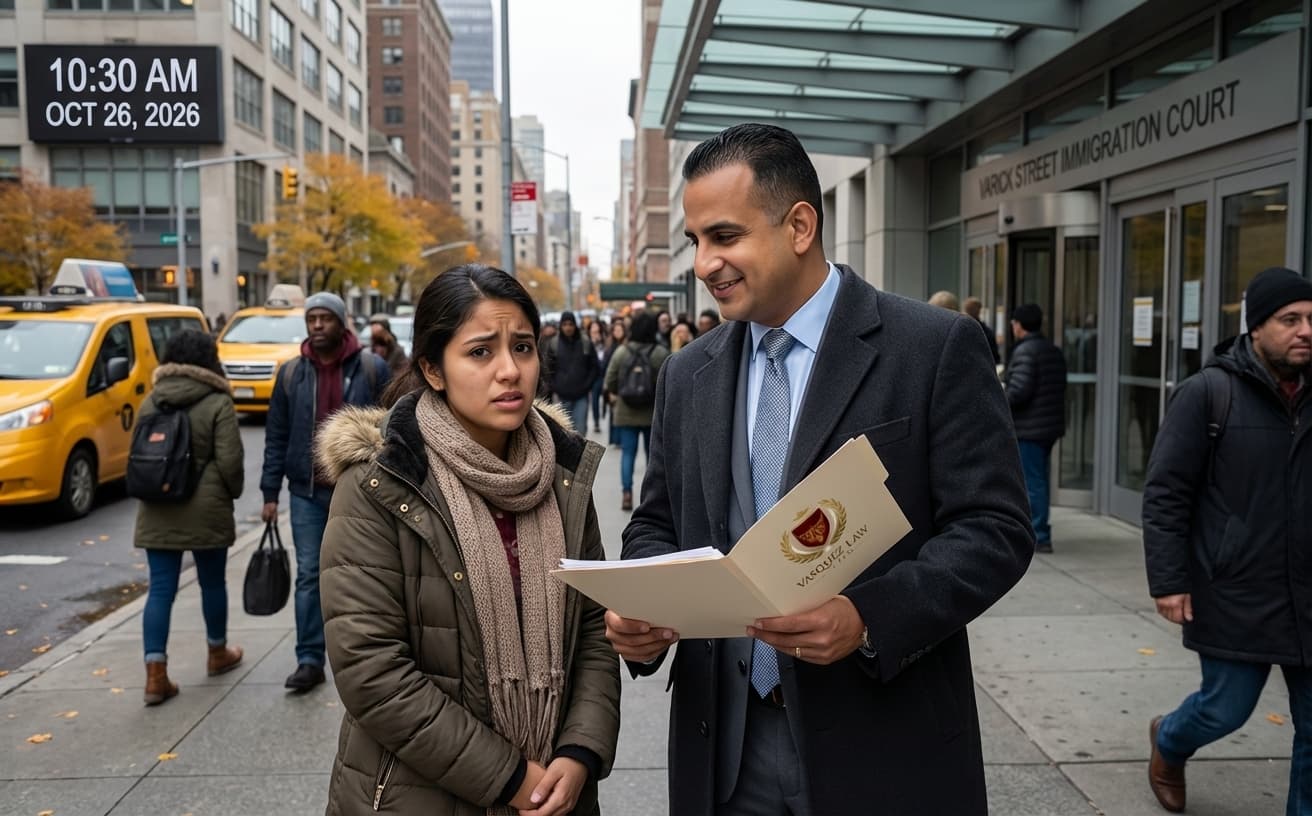
ICE Custody Release: What to Expect in 2026
Facing ICE custody? Learn about the ICE custody release process, bond options, and your rights in 2026. Contact Vasquez Law Firm for a free immigration consultation.
Published on March 10, 2026
Talk to an immigration attorney
Free call. A clear plan for your case.
Free & confidential · Se habla espanol · 24/7

Have questions? Talk to an attorney - free evaluation.
Call 1-844-967-3536Worried how the latest immigration news affects you?
Schedule a confidential case review with an immigration attorney - know exactly where you stand.
ICE Custody Release: What to Expect in 2026
Being detained by Immigration and Customs Enforcement (ICE) can be a frightening and disorienting experience, not just for the individual in custody but also for their family and loved ones. Many people wonder if an ICE custody release is even possible and what steps they need to take. For instance, in a recent case, two teen mariachi musicians and their family from Texas were released from ICE detention, highlighting that release is often a viable option under the right circumstances. Understanding the process for securing an ICE custody release is crucial, whether through bond, parole, or other avenues. This guide will walk you through the various mechanisms for release, your legal rights, and how to best navigate the immigration detention system as of 2026. Knowing your options and acting swiftly can make a significant difference in reunification with your family.
Need help with your case? Our experienced attorneys are ready to fight for you. Se Habla Español.
Schedule Your Free Case Evaluation
Or call us now: 1-844-967-3536
Quick Answer
Yes, an ICE custody release is often possible through various legal avenues, including immigration bond, parole, or supervised release. The specific path depends on factors like your immigration history, criminal record, and the discretion of immigration officials. It's critical to understand your eligibility and act quickly.
- Identify if bond or parole is an option.
- Gather necessary documents and information.
- Seek legal representation from an experienced immigration attorney.
- Prepare for bond hearings or parole interviews.
- Understand the conditions of release.
Understanding ICE Detention and Release Options
When someone is taken into ICE custody, it means they are being held by U.S. Immigration and Customs Enforcement, usually in a detention center, while their immigration case is processed. This can occur for various reasons, such as overstaying a visa, unlawful entry, or having committed certain crimes. The goal of detention from ICE's perspective is to ensure individuals appear for their immigration court hearings and can be deported if ordered.
However, detention is not always mandatory. Many individuals are eligible for release. The primary mechanisms for ICE custody release include posting an immigration bond, being granted parole, or being released on an Order of Recognizance (OR). Each of these options has distinct requirements and processes. For instance, a bond allows for release upon payment of a specified amount, while parole is often granted based on humanitarian concerns or public interest. Understanding these differences is the first step toward securing freedom.
Navigating these options requires a clear understanding of immigration law, which is constantly evolving. As of 2026, new ICE rules and memos continue to shape how detention and release decisions are made. An attorney can help determine the most viable path to release, considering all the unique aspects of a detainee's case. This initial assessment is crucial for developing an effective strategy.
Types of ICE Custody Release
Several pathways exist for individuals to achieve ICE custody release, each with its own set of criteria and procedures. The most common include immigration bond, parole, and release on recognizance. An immigration bond is a monetary guarantee that the detained individual will appear for all scheduled immigration court hearings. The bond amount is set by an Immigration Judge or an ICE officer and can range from $1,500 to $25,000 or more, depending on the specifics of the case.
Parole, on the other hand, is a discretionary release granted by ICE or Customs and Border Protection (CBP) without the need for a bond. This is often reserved for individuals with compelling humanitarian reasons, such as urgent medical needs, or when their release is deemed to be in the public interest. For example, individuals who are particularly vulnerable or have strong community ties may be considered for parole. The decision for parole is entirely at the discretion of the government agency.
Release on Recognizance (OR) is another form of non-monetary release, where the individual is released based on their promise to appear for all future court dates. This is typically granted when there is a low flight risk and no public safety concerns. Each type of release requires different forms of advocacy and evidence, making legal counsel invaluable. Knowing which option applies to your situation is key to a successful ICE custody release.
The ICE Bond Process and How It Works
If an immigration bond is set, it means ICE or an Immigration Judge has determined that the individual can be released from custody upon payment of a specific sum of money. This money acts as a guarantee that the individual will attend all future immigration court proceedings. The bond hearing is a critical step where a judge evaluates various factors to decide if a bond is appropriate and, if so, the amount. These factors often include the individual's ties to the community, employment history, family responsibilities, and any criminal record. For example, someone with strong family ties in Raleigh, North Carolina, and a steady job might have a better chance of a lower bond or even release on recognizance.
Once a bond amount is set, it can typically be paid by any U.S. citizen or lawful permanent resident. The payment is made at an ICE Enforcement and Removal Operations (ERO) field office. It's important to understand that the bond money is returned at the conclusion of the immigration case, provided the individual has attended all their hearings. However, if the individual fails to appear, the bond money can be forfeited. This process requires careful attention to detail and adherence to all court orders.
Navigating the bond process can be complex, especially with the emotional stress of having a loved one detained. An experienced immigration attorney can represent the detainee at the bond hearing, arguing for a lower bond amount or for release without bond. They can also assist the family in understanding the payment process and ensuring all paperwork is correctly submitted. This legal guidance significantly improves the chances of a successful ICE custody release.
Factors Affecting Bond Decisions
Several key factors influence an Immigration Judge's decision regarding an immigration bond and its amount. These include the individual's immigration history, such as any prior deportations or voluntary departures, and their criminal record, if any. For example, a person with a history of serious criminal offenses may be deemed a flight risk or a danger to the community, making bond less likely or significantly higher. Conversely, individuals with no criminal record and a clean immigration history generally face more favorable bond conditions.
Community ties play a crucial role. Judges consider whether the individual has close family members who are U.S. citizens or lawful permanent residents, employment history, property ownership, and length of residency in the United States. A strong showing of community ties in North Carolina or Florida, for example, demonstrates that the individual has a vested interest in remaining in the country and is less likely to abscond. This evidence helps to establish that the individual is not a flight risk.
The judge also assesses the likelihood of the individual succeeding in their immigration case. If there is a strong legal argument for relief from removal, the judge may be more inclined to grant a bond or set a lower amount. Presenting a compelling case during the bond hearing is vital, and this is where an attorney's expertise becomes indispensable. They can articulate the legal arguments and present supporting evidence to advocate for the lowest possible bond or release on recognizance.
Don't face your legal challenges alone. Our team is here to help you every step of the way.
Call today: 1-844-967-3536 | Se Habla Español
Parole and Other Non-Bond Release Options
Beyond immigration bonds, other significant avenues exist for ICE custody release, particularly parole. Parole is a discretionary power exercised by immigration authorities, primarily ICE and CBP, allowing an individual to be released from physical custody without posting a bond. This form of release is often granted under specific circumstances, such as humanitarian concerns or when release is deemed to be in the public interest. For example, individuals requiring urgent medical treatment that cannot be adequately provided in detention may be paroled, or those who are primary caregivers for U.S. citizen children.
The criteria for parole are stringent and require a compelling demonstration of need or public benefit. Factors considered include the individual's health, family ties, whether they are a victim of a crime, and their cooperation with law enforcement. It is not an entitlement, and the decision rests solely with the discretion of the immigration officer. Presenting a strong parole request requires detailed documentation and persuasive arguments, often best prepared by an attorney.
Another non-bond option is release on an Order of Recognizance (OR), which is similar to parole but typically involves a formal promise to appear in court without any monetary requirement. This is generally reserved for individuals who pose no flight risk and no danger to the community. Additionally, certain individuals may be released under supervised release programs, which involve regular check-ins with ICE and adherence to specific conditions. These non-bond options highlight the varied possibilities for ICE custody release, each requiring a tailored legal approach. Understanding these different pathways is crucial for anyone seeking to help a loved one detained by ICE.
Humanitarian Parole
Humanitarian parole is a specific type of discretionary release that allows individuals to enter or remain in the United States temporarily for urgent humanitarian reasons or significant public benefit. While distinct from parole for those already in ICE custody, the underlying principle of humanitarian considerations remains central. For individuals already detained, humanitarian parole may be granted if they have a severe medical condition that cannot be treated in detention, or if they are facing a life-threatening emergency abroad while a U.S. citizen relative is critically ill. This pathway offers hope in dire circumstances.
The application for humanitarian parole requires extensive documentation, including medical records, affidavits, and evidence of the humanitarian crisis. It is a complex process with a high bar for approval, as the government must be convinced that the need for release is truly urgent and compelling. For example, a detainee whose immediate family member is dying and needs their presence for final goodbyes might qualify. These cases are evaluated on a case-by-case basis, and the outcome is often unpredictable.
An attorney specializing in immigration law can be instrumental in preparing and submitting a robust humanitarian parole application. They can help gather the necessary evidence, draft persuasive legal arguments, and navigate the bureaucratic hurdles involved. Given the high stakes and discretionary nature of humanitarian parole, professional legal assistance is almost always recommended to maximize the chances of a successful ICE custody release under these exceptional circumstances. The goal is to present a clear and urgent case for why an individual's release is not just desired, but essential.
Your Rights When Detained by ICE
Being detained by ICE does not mean you lose all your rights. The U.S. Constitution and federal immigration laws provide certain protections to all individuals within U.S. borders, regardless of their immigration status. For example, you have the right to remain silent and not answer questions from immigration officers beyond providing your name, date of birth, and country of origin. You are not obligated to discuss your immigration status, where you live, or where you work. Exercising this right can prevent self-incrimination and protect your case.
You also have the right to speak with an attorney. In fact, seeking legal counsel immediately after being detained is one of the most crucial steps you can take. An attorney can advise you on your rights, review your case, and represent you in immigration court. While the government is not required to provide you with a free attorney in immigration court, you have the right to hire one. This legal representation is vital for navigating the complex immigration system and pursuing an ICE custody release.
Furthermore, you have the right to a hearing before an Immigration Judge to determine if you can be released on bond or if you are eligible for other forms of relief. You also have the right to review the evidence against you and to present your own evidence and witnesses. It is important to know that you should not sign any documents without fully understanding them and ideally, without consulting an attorney. Signing certain documents could waive your rights or lead to voluntary deportation. Understanding and asserting these rights is fundamental to protecting your interests during ICE detention.
What to Do If Detained by ICE
If you or a loved one is detained by ICE, immediate and informed action is critical. The first step is to remain calm and assert your right to remain silent. Do not sign any documents without understanding their contents and consulting with an attorney. Many individuals inadvertently harm their cases by signing away rights or agreeing to voluntary departure without realizing the consequences. You should clearly state that you wish to speak with a lawyer before answering any substantive questions.
Next, try to gather as much information as possible about the detention. This includes the name of the officer, the agency they represent, and the location where you are being held. If possible, inform a trusted family member or friend about your detention. They can then begin the process of finding legal representation and gathering necessary documents. Remember that you have the right to make a phone call, and this call should be used to contact an attorney or someone who can contact an attorney for you.
Contacting an experienced immigration attorney should be a top priority. An attorney can quickly determine if an ICE custody release is possible, whether through bond, parole, or other means. They can also initiate communication with ICE officials, visit the detainee, and begin preparing for any necessary hearings. Prompt legal intervention can significantly impact the outcome of a detention case, potentially shortening the time spent in custody and improving the chances of a favorable resolution. Vasquez Law Firm is ready to assist in these urgent situations.
Navigating the Immigration System in NC and FL
The immigration system operates under federal law, meaning the core regulations for ICE custody release are consistent across the United States. However, the practical application and available resources can vary by state and local jurisdiction. In North Carolina, for instance, individuals detained by ICE are often held at facilities like the Stewart Detention Center in Georgia or the Folkston ICE Processing Center, depending on where they were apprehended. Families in Raleigh or Charlotte seeking to assist a detained loved one must understand how to access these facilities and the local immigration courts.
Similarly, in Florida, ICE detention facilities include the Krome Service Processing Center in Miami and the Baker County Detention Center. The legal landscape in Florida can also present unique challenges, particularly given its large immigrant population and recent legislative changes impacting immigration. While the federal laws governing detention and release remain the same, local ICE field offices and immigration courts may have specific procedures or interpretations that can affect a case. This regional variation underscores the importance of local legal expertise.
Nationwide, the Executive Office for Immigration Review (EOIR) oversees immigration courts, which are responsible for conducting bond hearings and other proceedings related to detention. Attorneys familiar with both North Carolina and Florida immigration courts, like those at Vasquez Law Firm, can provide invaluable guidance. They understand the nuances of the local systems, the tendencies of specific immigration judges, and how to effectively advocate for an ICE custody release in different judicial environments. Staying informed about federal policy changes, such as new ICE memos in 2026, is also critical for effective representation.
Common Mistakes to Avoid During Detention
When a loved one is in ICE custody, emotional distress can lead to common mistakes that inadvertently complicate the release process. One critical error is attempting to handle the legal process alone without the guidance of an experienced immigration attorney. Immigration law is incredibly complex, and a misstep can have severe, long-lasting consequences, including prolonged detention or even deportation. Always seek professional legal counsel immediately.
Another frequent mistake is providing too much information or signing documents without fully understanding them. ICE officers are trained to gather information, and anything you say can be used against you in court. Never sign any document, especially those related to voluntary departure or waivers of rights, without your attorney's review. This can inadvertently waive your right to a hearing or make it harder to pursue an ICE custody release.
Failing to gather crucial documentation is another pitfall. Families often delay collecting birth certificates, marriage licenses, proof of residency, employment records, or evidence of community ties. These documents are vital for proving eligibility for bond or other forms of relief. Missing paperwork can cause significant delays in the release process. Additionally, failing to appear for scheduled court hearings after release on bond or recognizance will result in bond forfeiture and likely re-detention, making future release much more difficult.
Finally, falling for scams or misinformation from unofficial sources can be detrimental. Only trust information from your attorney or official government websites. There are many individuals who prey on the vulnerability of families with detained loved ones. Stick to reputable legal counsel and verified information sources.
If you only remember one thing: never sign anything without legal review and always assert your right to speak with an attorney.
When to Call a Lawyer Now for ICE Custody Release
The moment you or a loved one is detained by ICE, time is of the essence. Delaying legal consultation can severely impact the outcome of the case and prolong detention. You should call an immigration lawyer immediately if any of these situations apply. For instance, if ICE agents have approached you or a family member, or if you've received a Notice to Appear (NTA) in immigration court, it's time to act. Early intervention often leads to better results.
- Upon Detention: If you or a family member has been taken into ICE custody, contact an attorney immediately to explore options for an ICE custody release.
- Received an NTA: If you have received a Notice to Appear in immigration court, an attorney can help you understand the charges and prepare your defense.
- Facing a Bond Hearing: An attorney can represent you at a bond hearing to argue for a lower bond amount or release without bond.
- Considering Parole: If you believe you or a loved one qualifies for humanitarian parole or other non-bond release, an attorney can prepare a compelling case.
- Deportation Order: If there's an existing order of removal, an attorney can explore avenues for appeal or reopening the case.
- Complex Immigration History: If the detainee has prior deportations, criminal convictions, or other complicating factors, legal expertise is essential.
- Uncertainty About Rights: If you are unsure about your rights or the legal process, a lawyer can provide clear guidance.
- Need Help with Documentation: An attorney can assist in gathering and presenting the necessary evidence for release or defense.
Vasquez Law Firm is dedicated to fighting for the rights of immigrants across North Carolina and Florida. We understand the urgency and emotional toll of ICE detention and are prepared to provide aggressive, compassionate representation. Don't hesitate to reach out for immediate assistance.
About Vasquez Law Firm
At Vasquez Law Firm, we combine compassion with aggressive representation. Our motto "Yo Peleo" (I Fight) reflects our commitment to standing up for your rights and the rights of your loved ones. We understand the immense stress and uncertainty that immigration issues, particularly ICE detention, can bring to families in North Carolina, Florida, and nationwide.
- Bilingual Support: Se Habla Español - our team is fully bilingual, ensuring clear communication and understanding throughout your legal journey.
- Service Areas: We proudly serve clients in North Carolina, Florida, and provide comprehensive immigration services across the entire nation.
- Experience: With over 15 years of dedicated legal experience, Attorney Vasquez has a proven track record of helping clients navigate complex legal matters and achieving favorable outcomes.
- Results: We have successfully handled thousands of cases across multiple practice areas, including immigration, personal injury, workers' compensation, and criminal defense.
Attorney Trust and Experience
Attorney Vasquez holds a Juris Doctor degree and is admitted to practice in both the North Carolina State Bar and Florida Bar. His extensive experience, spanning over 15 years, has equipped him with a deep understanding of immigration law and the intricacies of the U.S. legal system. He is known for providing personalized attention, strategic advocacy, and unwavering support to clients facing the most challenging circumstances. Trust in a legal team that truly fights for you.
Need immigration help? Our immigration attorneys can review your case.
Ready to take the next step? Contact Vasquez Law Firm today for a free, confidential consultation. We're committed to fighting for your rights and achieving the best possible outcome for your case.
Start Your Free Case Evaluation Now
Call us: 1-844-967-3536
Se Habla Español - Estamos aquí para ayudarle.
Frequently Asked Questions
Is it possible to be released from ICE custody?
Yes, an ICE custody release is possible through several avenues, most commonly immigration bond, parole, or release on recognizance. Eligibility depends on individual factors like immigration history, criminal record, and community ties. An attorney can assess your specific situation and advise on the most viable path to release, advocating on your behalf in court or with ICE officials to secure freedom for your loved one. Prompt action is key.
How long can ICE hold you in custody?
The length of ICE custody varies significantly. While there is no strict time limit for certain detainees, particularly those deemed flight risks or threats to public safety, individuals generally have the right to a bond hearing. For others, detention may be limited if they are eligible for mandatory detention exceptions. The duration often depends on how quickly your immigration case proceeds and if a bond or parole can be secured. Legal intervention can often expedite this process.
What is an immigration bond?
An immigration bond is a sum of money paid to the Department of Homeland Security to secure the release of an individual from ICE custody. It serves as a guarantee that the person will appear for all scheduled immigration court hearings. If the individual attends all their hearings, the bond money is returned at the end of the case. The amount is determined by an Immigration Judge or ICE officer based on various factors.
Can ICE legally detain U.S. citizens?
No, ICE cannot legally detain U.S. citizens. If a U.S. citizen is mistakenly detained, they have the right to immediately assert their citizenship and demand release. It is crucial to carry proof of citizenship, such as a passport or birth certificate, if possible. If you are a U.S. citizen and detained by ICE, contact an attorney immediately to rectify the situation and secure your swift ICE custody release.
What is humanitarian parole?
Humanitarian parole is a discretionary power used by immigration authorities to allow individuals to enter or remain in the U.S. temporarily for urgent humanitarian reasons or significant public benefit. For those in ICE custody, it might be granted due to severe medical conditions, or if their presence is critical for a dying family member. It requires extensive documentation and compelling evidence to demonstrate the extreme necessity for release.
How can a lawyer help with ICE custody release?
An immigration lawyer can significantly assist in securing an ICE custody release by representing the detainee at bond hearings, arguing for lower bond amounts, or advocating for parole. They help gather necessary documentation, prepare legal arguments, and navigate the complex immigration court system. A lawyer ensures your rights are protected and works to achieve the quickest possible release, providing crucial guidance during a stressful time.
What documents are needed for an immigration bond?
To secure an immigration bond, you'll need documents proving the detainee's identity, immigration history, and ties to the community. This often includes birth certificates, marriage licenses, proof of residence, employment records, tax returns, and letters of support from family and community members. Having these documents readily available can expedite the bond process and strengthen the case for a lower bond amount.
What should I do if a family member is detained by ICE?
If a family member is detained by ICE, first locate them using the ICE Online Detainee Locator System. Then, contact an experienced immigration attorney immediately. Do not sign any documents on their behalf without legal advice. Gather all relevant personal and immigration documents. An attorney can visit them, assess their eligibility for ICE custody release, and begin the legal process to secure their freedom.
Are there new ICE rules for detention in 2026?
Immigration policies and ICE rules are subject to change, with new memos and guidelines often issued by the Department of Homeland Security. As of 2026, specific updates may impact detention criteria and release protocols. It is essential to consult with an immigration attorney who stays current with the latest regulations to understand how any new ICE rules might affect a particular ICE custody release case.
Can an undocumented person be released from ICE custody?
Yes, an undocumented person can be released from ICE custody, although the process may be more challenging. Eligibility for bond or parole is assessed based on factors like flight risk, danger to the community, and humanitarian considerations, regardless of current immigration status. An attorney can help undocumented individuals present a strong case for ICE custody release, exploring all available legal avenues and advocating for their rights.
Sources and References


William Vasquez
Founder & CEO, Vasquez Law Firm, PLLC
William Vasquez is the founder and CEO of Vasquez Law Firm, PLLC, a results-driven firm specializing in immigration, criminal defense, personal injury, and workers' compensation. A U.S. Air Force veteran and recipient of the Joint Service Achievement Medal, William is dedicated to fiercely fighting for his clients' rights.
Related Legal Services
Need legal help? Learn more about NC immigration legal team, or contact us for a free evaluation.
You can also visit immigration attorneys across North Carolina for more information.