What Immigrant Welfare Means for You in Raleigh in 2026
Wondering about immigrant welfare in Raleigh in 2026? Learn who can receive it, what benefits are available, and how to protect your rights. Contact us.
Published on April 12, 2026
Talk to an immigration attorney
Free call. A clear plan for your case.
Free & confidential · Se habla espanol · 24/7
Have questions? Talk to an attorney - free evaluation.
Call 1-844-967-3536Worried how the latest immigration news affects you?
Schedule a confidential case review with an immigration attorney - know exactly where you stand.
What Immigrant Welfare Means for You in Raleigh in 2026
Understanding immigrant welfare is essential if you or your family members are living in Raleigh in 2026. This guide explains what immigrant welfare involves, who qualifies for government assistance, and the common myths surrounding it. Get reliable details about immigrant welfare data and what you need to know to safeguard your status. If you have questions or need support, the Vasquez Law Firm's immigration attorneys are here to help you today.
Need help with your case? Our experienced attorneys are ready to fight for you. Se Habla Español.
Or call us now: 1-844-967-3536
Quick Answer
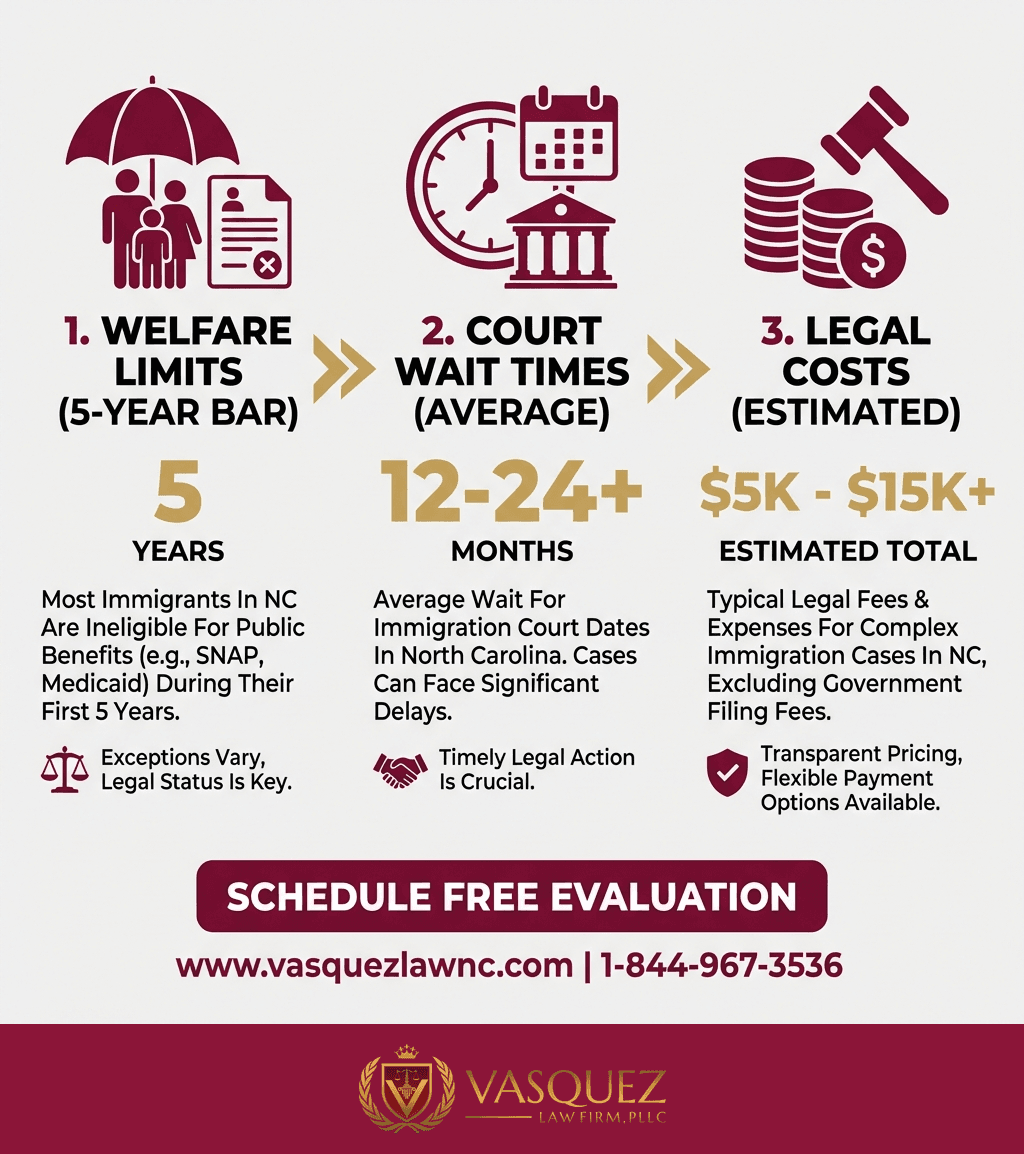
Immigrant welfare refers to public assistance programs available to immigrants depending on their legal status. In Raleigh in 2026, illegal immigrants generally cannot receive federal welfare benefits, but lawful immigrants might qualify under strict rules.
- Federal programs have specific eligibility requirements.
- States like North Carolina offer limited benefits.
- Children often have broader access to assistance.
- Legal status is key in qualifying for welfare.
- Legal help can protect immigrant rights.
What Immigrant Welfare Means
Imagine Maria, a young immigrant living in Raleigh who wonders if she or her family can receive public assistance. The term "immigrant welfare" covers various government programs designed to provide financial help, food, healthcare, or housing support. However, eligibility depends largely on immigration status, state rules, and federal guidelines.
Data from 2026 shows that legally authorized immigrants, such as permanent residents or refugees, can access certain welfare benefits, including Medicaid and food stamps, following waiting periods or income criteria. Illegal immigrants, meanwhile, face strict restrictions on federal benefits but may access some emergency services or programs for their U.S.-born children.
Many misunderstand immigrant welfare rates, believing immigrants use these programs at higher levels than U.S. citizens. Actually, immigrant welfare data reveals immigrants use fewer benefits on average than the native-born population. For Raleigh and North Carolina, local laws align with federal standards with some additional limitations.
For personalized help, our immigration services team at Vasquez Law Firm can explain options and risks clearly.
What Immigrant Welfare Programs Cover
- Temporary financial assistance
- Food assistance programs like SNAP
- Healthcare such as Medicaid (limited)
- Housing vouchers and emergency shelter programs
- Educational benefits for children
Common Misconceptions
- Illegal immigrants are entitled to federal welfare (False)
- All immigrants receive public benefits (False)
- Applying for benefits affects immigration status always (Depends)
- Public benefits are a right regardless of status (False)
Step-by-Step: How to Access Benefits
Juan recently got his lawful permanent resident status and wonders how to seek welfare benefits for his family in Raleigh. Here’s a step-by-step overview of the process:
- Confirm your immigration status: Verify you hold a status that allows welfare eligibility, as restrictions apply for illegal immigrants.
- Gather documentation: Collect proof of status, income, address, and family relationships. This includes green cards, passports, and pay stubs.
- Check eligibility for specific programs: Review federal and North Carolina programs where you live to see which services you qualify for.
- Complete applications carefully: Provide accurate information and avoid errors that could lead to denial.
- Seek legal advice before applying: Consult an immigration attorney to understand how applying may impact your status and avoid public charge issues.
- Follow up with agencies: Maintain communication with welfare offices to timely provide any requested documents.
- Appeal if denied: If your application is denied, legal representation can assist with appeals or new applications.
Throughout this process, Vasquez Law Firm’s Attorney Vasquez and team offer bilingual support and knowledgeable guidance tailored to Raleigh residents.
Checklist: Documents Needed
- Proof of lawful immigration status (green card, visa, refugee documents)
- Photo identification (passport or state ID)
- Social Security number or proof of application
- Proof of residency (utility bills, lease agreements)
- Income proof (pay stubs, tax returns)
- Birth certificates for children
- Any prior benefit application paperwork
Why Documentation Matters
Missing or incorrect documents often cause delays or denials. Keeping copies and organized records helps ensure you can respond to requests promptly during the application process.
Timeline: What to Expect in Raleigh
- Week 1-2: Collect documents and check eligibility.
- Week 3: Submit initial applications to relevant agencies.
- Week 4-8: Agencies review materials; may request additional info.
- Week 9-12: Receive approval, denial, or request for hearing.
- If denied: Appeal process can take several more weeks.
Delays can occur due to verification processes or incomplete paperwork. Staying in touch with agency contacts and having legal help can speed resolution.
Costs and Fees That Affect Immigrant Welfare
Applying for welfare benefits itself is usually free. However, certain immigration filings that affect eligibility, such as adjustment of status (I-485), involve government fees typically ranging from a few hundred to over a thousand dollars.
Also, legal fees may apply if you engage attorneys to ensure your applications are complete and do not jeopardize your immigration status. Private bond payments in some cases can be around $5000 or more, but these relate to immigration detention, not welfare applications.
Understanding these costs and budgeting accordingly helps prevent surprises in your immigration journey.
Common Mistakes to Avoid When Applying
- Submitting incomplete or inaccurate applications. Fix: Double-check before submitting.
- Applying without knowing eligibility. Fix: Confirm status and program rules beforehand.
- Not consulting an attorney about public charge implications. Fix: Seek legal advice early.
- Failing to report changes in income or status promptly. Fix: Keep agencies updated.
- Ignoring deadlines for documentation or appeals. Fix: Track all dates carefully.
- Relying on unverified internet advice only. Fix: Use professional guidance.
- Mixing up federal vs state program rules. Fix: Understand distinctions clearly.
- Assuming all immigrants qualify for all programs. Fix: Recognize restrictions and exceptions.
If you only remember one thing: Never apply for benefits without understanding your impact on immigration status and always seek expert advice.
North Carolina and Florida Notes on Immigrant Welfare
North Carolina Notes
North Carolina follows federal guidelines restricting welfare access primarily to lawful immigrants and U.S. citizens. The state provides some emergency medical assistance with state funds and public education for children regardless of status. Eligibility for programs like SNAP generally requires legal status and residency.
Florida Notes
Florida aligns with federal welfare rules but offers some state-wide health programs for low-income residents regardless of immigration status. However, most financial assistance still requires legal presence. Immigrants in Florida should watch for recent policy changes and consult legal experts to understand current rules.
Nationwide Concepts (General Only, Rules Vary)
Federal law, including the Personal Responsibility and Work Opportunity Reconciliation Act, limits immigrant access to many public benefits. Exceptions exist for refugees and certain humanitarian statuses. Each state may add rules or programs, so immigrant welfare can differ significantly between states.
Always consult official sources like USCIS and local immigration attorneys before applying.
When to Call an Immigration Lawyer Now
- If you are uncertain about eligibility for welfare or public benefits
- If you face denial of benefits and need to appeal
- If you worry benefits applications may affect your immigration status
- If you need help understanding the $5000 or other immigration-related fees
- If you are undocumented and seeking legal pathways to lawful status
- If you want to apply for lawful permanent residency or citizenship
- If you have questions about public charge rules
- If federal immigration authorities contact you related to benefits
- If you need bilingual legal support in Raleigh or Florida
About Vasquez Law Firm
At Vasquez Law Firm, we combine compassion with aggressive representation. Our motto "Yo Peleo" (I Fight) reflects our commitment to standing up for your rights.
- Bilingual Support: Se Habla Español - our team is fully bilingual
- Service Areas: North Carolina, Florida, and nationwide immigration services
- Experience: Over 30 years helping clients navigate complex legal matters
- Results: Thousands of successful cases across multiple practice areas
Attorney Trust and Experience
Attorney Vasquez holds a Juris Doctor degree and is admitted to practice in both the North Carolina State Bar and Florida Bar. With over 30 years of dedicated legal experience, he has built a reputation for providing personalized attention and achieving favorable outcomes for his clients.
Don't wait to get the help you deserve. Call us now for immediate assistance. Se Habla Español.
Frequently Asked Questions
Can illegal immigrants receive welfare benefits?
Generally, illegal immigrants are not eligible for most federal welfare programs, including food stamps and cash assistance. However, some states provide limited benefits for emergency medical care or children’s services. It is important to understand the specific laws in North Carolina and Florida, which offer limited state-based assistance under strict rules.
What percentage of welfare recipients are immigrants?
According to recent immigrant welfare data, immigrants represent a smaller share of welfare recipients compared to native-born U.S. citizens. Studies show immigrants account for roughly 13% of beneficiaries in key federal programs, although this varies by state and the definition of immigrant used.
Can immigrants receive food stamps or housing assistance?
Immigrants with certain legal statuses may qualify for food stamps (SNAP) or housing assistance, but illegal immigrants generally cannot. Eligibility depends on factors including immigration status, income levels, and state rules. It’s crucial to check local regulations and consult with immigration attorneys to understand rights and options.
What benefits do immigrants get when they come to America?
New immigrants may access benefits like emergency medical care, school lunches, or public education for children. Lawful permanent residents and some refugees may qualify for more extensive benefits such as Medicaid, food stamps, and housing vouchers, depending on residency duration and income. Eligibility is complex and varies by program.
Is there a $5000 fee related to immigration welfare programs?
There is no direct $5000 fee for receiving immigrant welfare. However, certain immigration applications or legal processes might involve fees around $5000 or higher, such as private legal representation or expensive bond payments. Always verify fees through official USCIS sources to avoid scams or misinformation.
How does immigrant welfare impact immigration status?
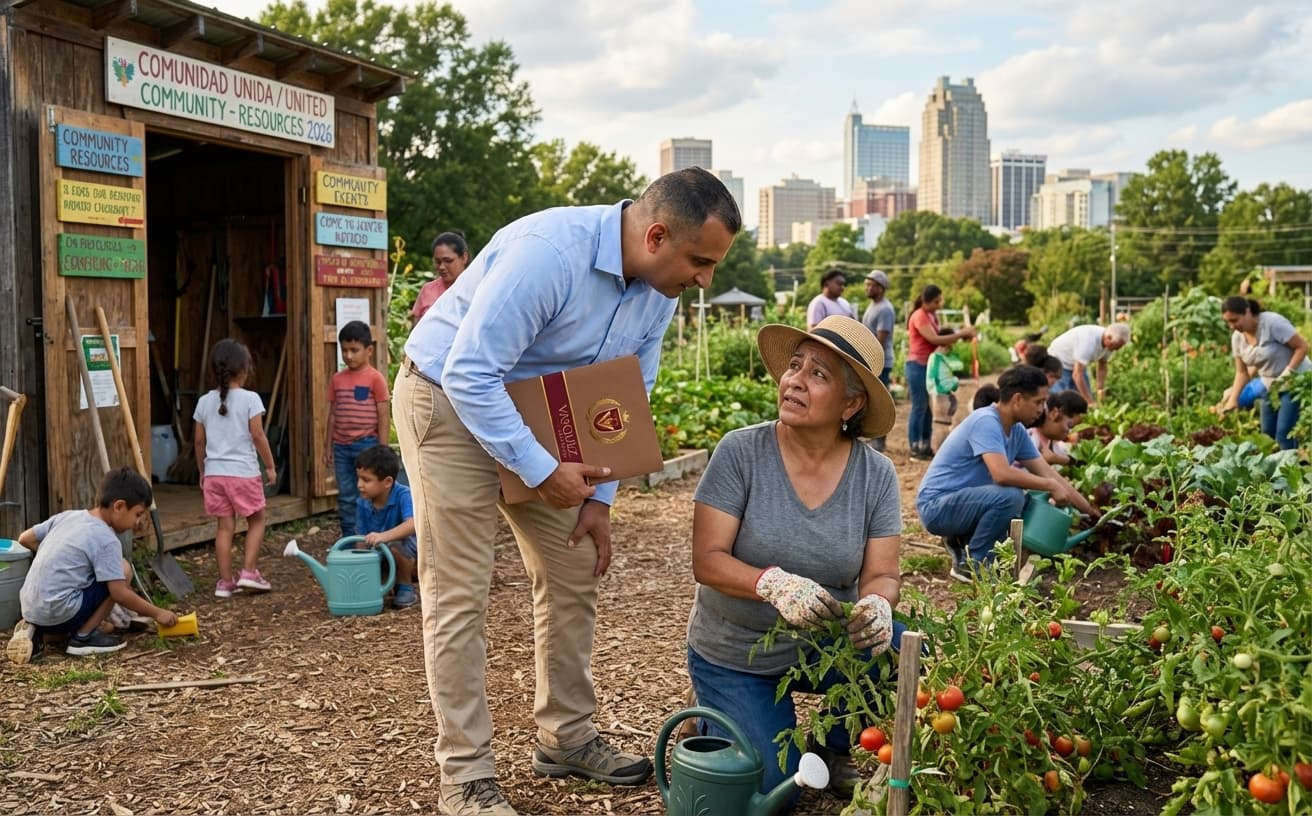
Applying for certain welfare benefits may affect future immigration applications under public charge rules. The federal government examines whether an immigrant is likely to become a financial burden. It is critical to consult knowledgeable immigration attorneys before applying for public benefits to avoid jeopardizing your status.
Can immigrant children access welfare benefits?
Yes, immigrant children, especially those born in the U.S. or with lawful status, can access many public benefits, including education, healthcare, food programs, and sometimes cash assistance. The rules can be complex, so legal advice is helpful in Raleigh and Florida to ensure proper eligibility.
What rights do immigrants have regarding financial aid in Raleigh?
Immigrants in Raleigh have rights to legal assistance when applying for financial aid and welfare programs. While eligibility depends on status and income, local organizations and immigration lawyers can guide applicants. Vasquez Law Firm offers bilingual, compassionate legal help to protect those rights.
Sources and References
- U.S. Citizenship and Immigration Services (USCIS)
- Executive Office for Immigration Review
- Legal Information Institute
Take the first step toward justice today. Our team is standing by to help. Se Habla Español.
Start Your Free Evaluation Now
Call us: 1-844-967-3536
Se Habla Español - Estamos aquí para ayudarle.

William Vasquez
Founder & CEO, Vasquez Law Firm, PLLC
William Vasquez is the founder and CEO of Vasquez Law Firm, PLLC, a results-driven firm specializing in immigration, criminal defense, personal injury, and workers' compensation. A U.S. Air Force veteran and recipient of the Joint Service Achievement Medal, William is dedicated to fiercely fighting for his clients' rights.
Related Legal Services
Need legal help? Learn more about our immigration legal services, or contact us for a free evaluation.
You can also visit our NC immigration team for more information.