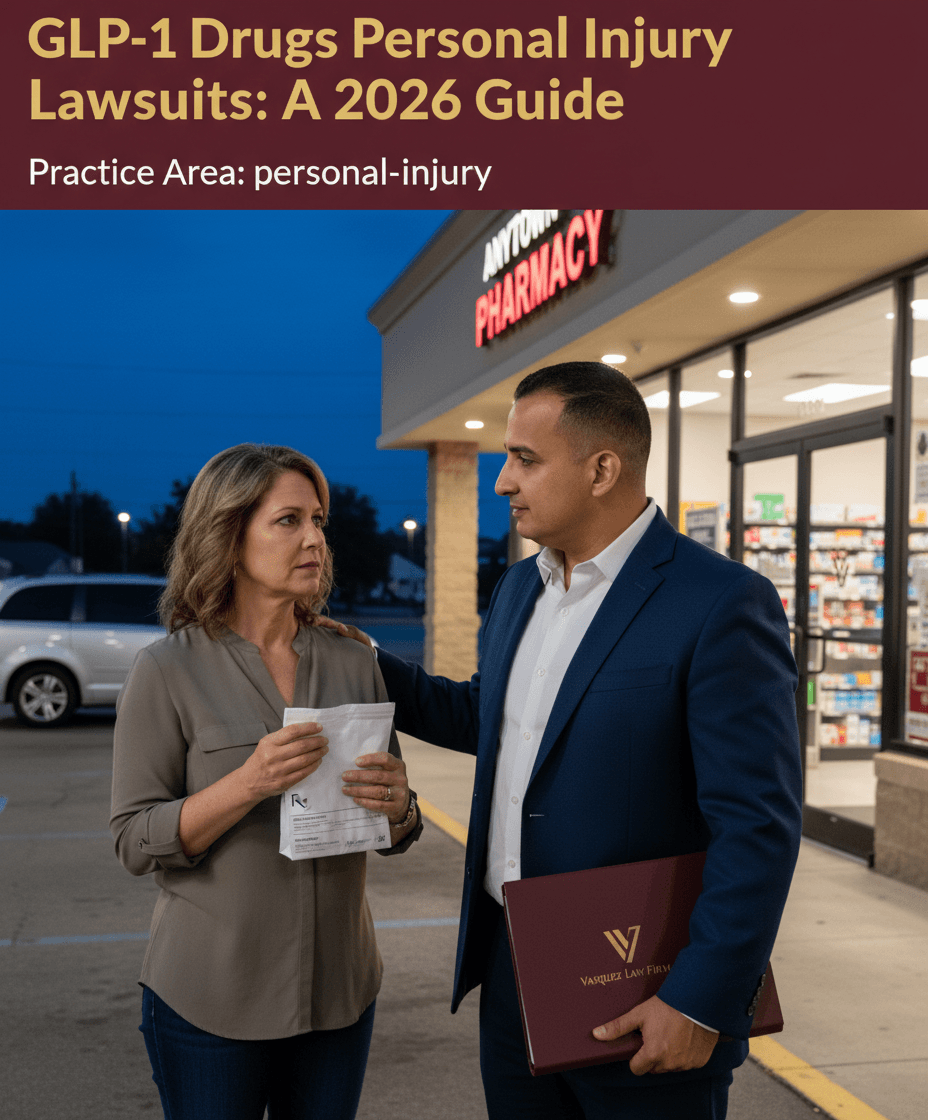
What You Need to Know About GLP-1 Drug Injury Lawsuits in 2026
Understanding GLP-1 drugs personal injury lawsuits in 2026. Learn about claims, compensation, and how Vasquez Law Firm can help. Schedule a free consultation.
Published on February 13, 2026
Have questions? Talk to an attorney - free evaluation.
Call 1-844-967-3536Get What Your Injury Is Worth
Free case review, and no fee unless we win.
What You Need to Know About GLP-1 Drug Injury Lawsuits in 2026
The landscape of pharmaceutical litigation is ever-evolving, and in 2026, a significant focus remains on GLP-1 drugs personal injury lawsuits. These medications, widely prescribed for diabetes and weight loss, have been linked to severe side effects, prompting a surge in legal action. If you or a loved one has suffered adverse health consequences after using GLP-1 drugs like Ozempic, Wegovy, Rybelsus, or Mounjaro, understanding your legal rights and options is crucial. This comprehensive guide will help you navigate the complexities of these cases, from identifying potential claims to understanding the legal process and seeking justice.
Need help with your case? Our experienced attorneys are ready to fight for you. Se Habla Español.
Schedule Your Free Consultation
Or call us now: 1-844-967-3536
Quick Answer
GLP-1 drugs personal injury lawsuits involve claims against manufacturers for severe side effects like gastroparesis, intestinal blockages, pancreatitis, or gallbladder disease. Victims seek compensation for medical expenses, lost wages, pain, and suffering. It's crucial to consult an attorney to assess your eligibility and navigate the complex legal process, especially as litigation continues to develop in 2026.
- Common claims involve gastroparesis and gallbladder issues.
- Evidence includes medical records and drug usage history.
- The legal process often involves multidistrict litigation (MDL).
- Compensation can cover medical bills, lost income, and emotional distress.
- Timelines for filing are strict and vary by state.
- Legal representation is vital for navigating these complex cases.
Understanding GLP-1 Drugs and Their Severe Side Effects
Glucagon-like peptide-1 (GLP-1) receptor agonists are a class of medications that have revolutionized the treatment of Type 2 diabetes and obesity. Brands like Ozempic, Wegovy, Rybelsus, and Mounjaro have gained widespread popularity due to their effectiveness in blood sugar control and significant weight loss. However, alongside their benefits, a growing number of patients have reported severe and sometimes life-altering side effects, leading to a wave of GLP-1 drugs personal injury lawsuits across the nation as of 2026.
These severe adverse events extend beyond the commonly known nausea or diarrhea. Patients have reported debilitating conditions such as gastroparesis (stomach paralysis), acute pancreatitis, gallbladder disease requiring surgery, and even intestinal blockages. These complications can lead to extensive medical treatments, prolonged hospital stays, and a significant reduction in quality of life. The core of many GLP-1 lawsuits is the allegation that manufacturers failed to adequately warn consumers and medical professionals about the full spectrum and severity of these potential risks.
Understanding the specific side effects linked to GLP-1 drugs is the first step in determining if you have a viable personal injury claim. For instance, gastroparesis can manifest as persistent vomiting, severe abdominal pain, and an inability to eat, often leading to malnutrition. Gallbladder disease may necessitate surgical removal of the gallbladder, a procedure that carries its own risks and recovery period. If you've experienced any of these serious complications after taking a GLP-1 medication, it's vital to document your symptoms and seek immediate medical attention.
Common Claims in GLP-1 Personal Injury Lawsuits
The vast majority of GLP-1 drugs personal injury lawsuits center around specific severe health complications. As of 2026, the most frequently cited conditions in these legal actions include gastroparesis, cholecystitis (gallbladder inflammation), gallstones, and intestinal obstruction. These conditions are not merely uncomfortable; they can be profoundly debilitating, requiring extensive medical intervention and causing significant long-term health issues.
Gastroparesis, or stomach paralysis, is a particularly concerning claim. This condition prevents the stomach from emptying properly, leading to chronic nausea, vomiting, abdominal pain, and early satiety. It can severely impact a person's ability to eat and maintain nutrition. Many lawsuits allege that manufacturers knew or should have known about the risk of permanent gastroparesis and failed to include adequate warnings on the drug labels.
Another prevalent issue is gallbladder disease. This can range from the formation of painful gallstones to severe inflammation (cholecystitis) that often necessitates surgical removal of the gallbladder (cholecystectomy). The sudden onset of these gallbladder issues in patients taking GLP-1 drugs has prompted many to question the completeness of the manufacturers' safety information. If you have undergone gallbladder surgery or suffered from severe gastroparesis after using these medications, you may have grounds for a GLP-1 drugs personal injury claim.
Step-by-Step: What to Do If You Suffered an Injury
If you believe you have suffered a personal injury due to GLP-1 drugs, taking prompt and organized steps is crucial to protect your health and potential legal claim. The process can seem daunting, but breaking it down into manageable actions can empower you to seek justice. Remember, acting quickly can make a significant difference in the strength of your GLP-1 drugs personal injury lawsuit.
- Seek Medical Attention Immediately: Your health is the top priority. If you experience severe side effects, contact your doctor or seek emergency care. Obtain a clear diagnosis and follow all medical recommendations. This creates essential documentation for your case.
- Document Everything: Keep detailed records of your symptoms, medical visits, diagnoses, treatments, medications, and any associated expenses. This includes prescriptions for GLP-1 drugs, hospital bills, and out-of-pocket costs.
- Preserve Drug Information: Retain any packaging, prescription bottles, or informational inserts for the GLP-1 drug you were taking. This information is critical for identifying the specific manufacturer and product.
- Stop Taking the Medication (Under Medical Guidance): Do not discontinue any prescribed medication without consulting your doctor. Work with your healthcare provider to safely transition off the drug or find alternative treatments.
- Consult with an Experienced Personal Injury Attorney: This is a critical step. A lawyer specializing in pharmaceutical litigation, particularly GLP-1 drugs personal injury cases, can evaluate your situation, explain your rights, and determine the best course of action. They can help you understand if your injuries align with the ongoing multidistrict litigation (MDL).
- Avoid Discussing Your Case Publicly: Refrain from posting details about your condition or potential lawsuit on social media or discussing it with anyone other than your medical team and legal counsel. Such information could potentially harm your claim.
Documents and Evidence Checklist for Your Claim
Building a strong GLP-1 drugs personal injury case relies heavily on comprehensive documentation. Gathering the right evidence can significantly impact the success of your claim. Here's a checklist of essential documents and information you should compile before and during your legal process.
- Medical Records: All records related to your GLP-1 drug prescription (dates, dosages), diagnosis of side effects (e.g., gastroparesis, pancreatitis, gallbladder issues), treatment plans, hospitalizations, surgeries, and follow-up care.
- Prescription Information: Photos or copies of prescription bottles, pharmacy receipts, and any patient information leaflets provided with the GLP-1 medication.
- Proof of Damages: Medical bills, invoices for treatments, receipts for out-of-pocket expenses (travel to appointments, adaptive equipment), and records of lost wages or income due to your injury.
- Personal Journal/Records: A detailed log of your symptoms, their severity, how they impacted your daily life, and any conversations with doctors regarding the side effects.
- Insurance Information: Details of your health insurance and any other relevant insurance policies.
- Witness Statements (if applicable): If anyone witnessed the severity of your symptoms or how your injury affected your life, their statements could be valuable.
- Any Communications: Records of any correspondence with the drug manufacturer or pharmacy regarding your concerns.
Having these documents organized will not only streamline the legal process but also provide your attorney with the necessary foundation to build a compelling case on your behalf. Vasquez Law Firm can assist you in gathering and organizing this critical evidence.
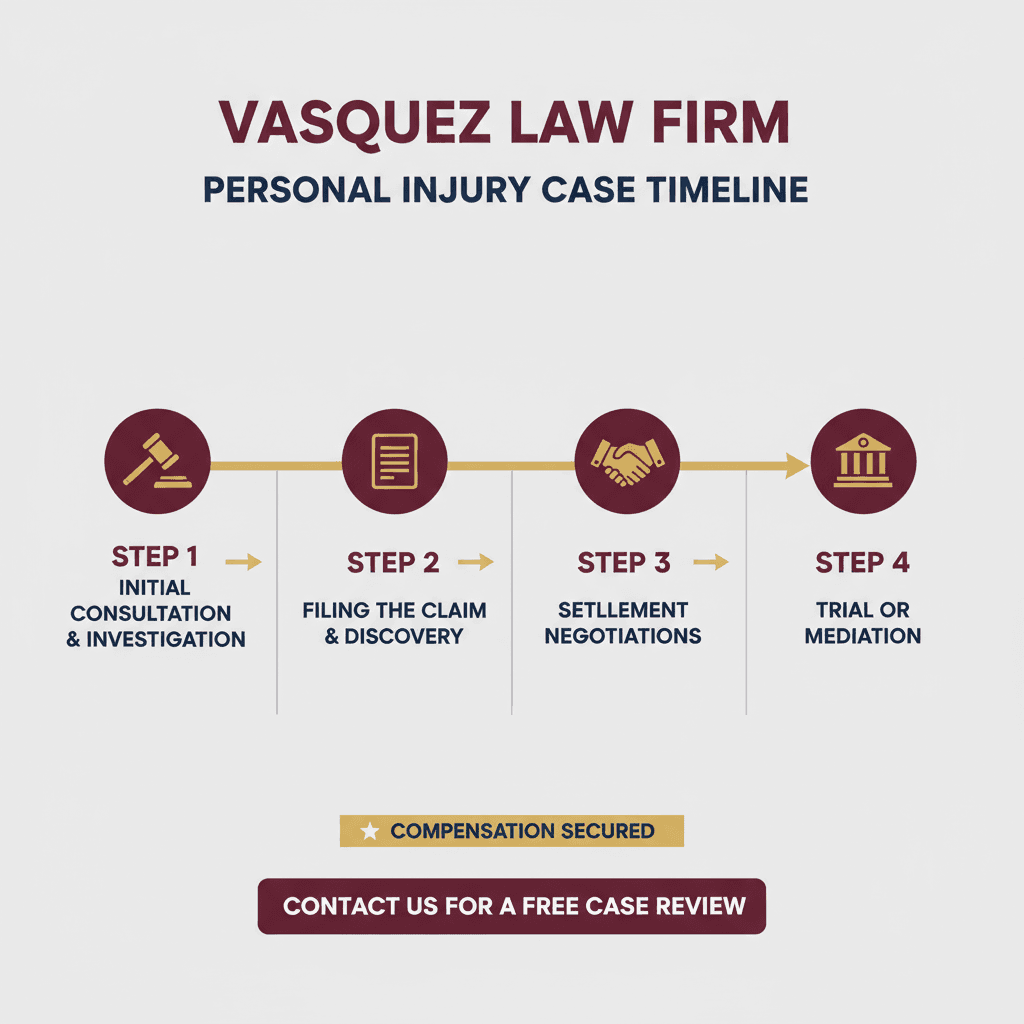
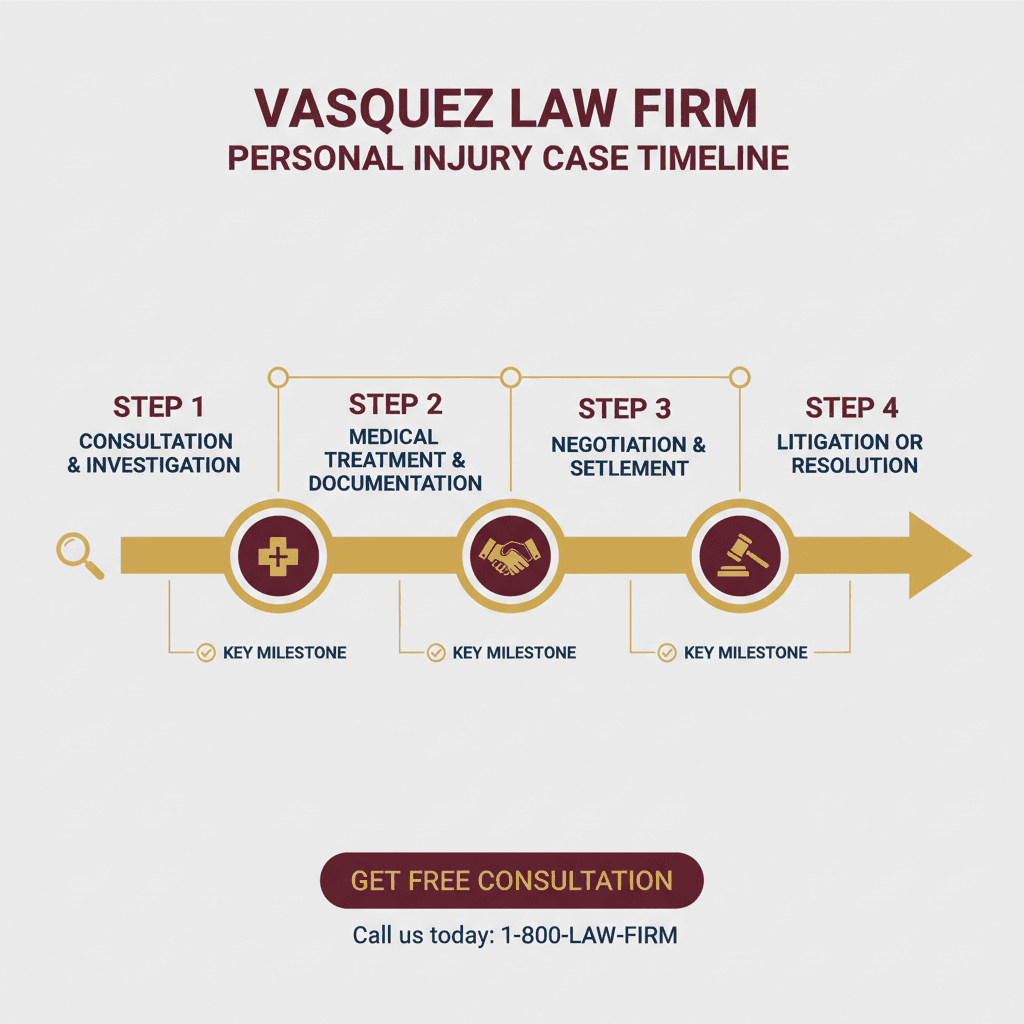
Timeline: What to Expect in a GLP-1 Lawsuit
The timeline for a GLP-1 drugs personal injury lawsuit can vary significantly depending on individual circumstances, the severity of injuries, and the complexity of the litigation. As of 2026, many GLP-1 lawsuits are consolidated into multidistrict litigation (MDL), which can influence the overall timeline.
- Initial Consultation (Days to Weeks): After your injury, the first step is a free consultation with a personal injury attorney. They will assess your case and explain the legal process.
- Investigation and Evidence Gathering (Weeks to Months): Your attorney will gather all necessary medical records, prescription information, and other evidence to support your claim. This phase is crucial for establishing causation and damages.
- Filing the Lawsuit (Months): Once sufficient evidence is compiled, your lawsuit will be formally filed. If your case is part of an MDL, it will be transferred to the designated federal court.
- Discovery Phase (Several Months to Years): This is often the longest phase, where both sides exchange information, conduct depositions, and gather expert testimonies. In an MDL, this phase is managed collectively for thousands of cases.
- Settlement Negotiations or Trial (Varies): Many personal injury cases, including those involving GLP-1 drugs, settle before trial. If a settlement cannot be reached, the case may proceed to trial. Bellwether trials in MDLs can set precedents for future settlements.
- Resolution (Years): The entire process, from initial consultation to final resolution, can take anywhere from one to several years, especially with complex pharmaceutical litigation. Patience is key, but consistent communication with your legal team will keep you informed.
Costs and Fees: What Impacts the Price of a GLP-1 Lawsuit
Understanding the costs associated with a GLP-1 drugs personal injury lawsuit is a common concern for injured individuals. Fortunately, most personal injury attorneys, including Vasquez Law Firm, operate on a contingency fee basis. This means you generally don't pay upfront legal fees, making justice accessible regardless of your financial situation.
- Contingency Fees: Your attorney's fees are a percentage of the final settlement or court award. If you don't win, you don't pay attorney fees. This percentage is typically agreed upon at the outset of your case, often ranging from 33% to 40%.
- Litigation Costs: These are separate from attorney fees and cover expenses like court filing fees, expert witness fees, deposition costs, medical record retrieval, and administrative expenses. Your attorney will often advance these costs and then be reimbursed from the settlement or award.
- Medical Liens: If your health insurance or a government program paid for your medical treatment, they might have a right to be reimbursed from your settlement. Your attorney will negotiate these liens to maximize your net recovery.
- Impact of Case Complexity: More complex cases, especially those involving extensive discovery, multiple defendants, or a lengthy trial, may incur higher litigation costs. However, these costs are usually proportional to the potential recovery.
- Jurisdiction: The state where your lawsuit is filed (e.g., North Carolina or Florida for our firm's services) can also influence certain filing fees and procedural costs.
During your free consultation, your attorney will clearly explain all potential fees and costs, ensuring full transparency. Our goal is to ensure you understand the financial aspects of your GLP-1 drugs personal injury claim without any hidden surprises.
Common Mistakes and How to Avoid Them in GLP-1 Cases
Navigating a GLP-1 drugs personal injury lawsuit can be complex, and certain missteps can jeopardize your claim. Being aware of these common mistakes and how to avoid them is crucial for protecting your rights and maximizing your potential compensation.
- Delaying Medical Treatment: Waiting to see a doctor after experiencing severe side effects can weaken the link between the drug and your injury. Always seek immediate medical attention.
- Failing to Document Symptoms and Expenses: Without detailed records of your pain, suffering, medical visits, and financial losses, proving your damages becomes challenging. Keep a meticulous log.
- Discarding Drug Packaging or Prescriptions: The specific drug information is vital. Hold onto all packaging, bottles, and prescription details as evidence.
- Posting on Social Media: Anything you post online can be used against you in court, even if it seems innocuous. Avoid discussing your case or personal health publicly.
- Talking to the Manufacturer's Representatives: Do not provide statements, sign documents, or accept settlement offers from the drug manufacturer or their insurers without consulting your attorney. They are not on your side.
- Not Consulting a Specialized Attorney: Personal injury law, especially pharmaceutical litigation, is highly specialized. An attorney experienced in GLP-1 drugs personal injury cases will know the specific legal nuances and ongoing litigation.
- Missing Filing Deadlines: Every state has a statute of limitations, a strict deadline for filing a lawsuit. Missing this deadline can permanently bar your claim. An attorney will ensure all deadlines are met.
If you only remember one thing: Always consult with an experienced personal injury attorney as soon as possible after a suspected injury from GLP-1 drugs. Their guidance is invaluable.
North Carolina and Nationwide Notes
While GLP-1 drugs personal injury lawsuits involve federal regulations and often consolidate into multidistrict litigation (MDL), specific aspects of your claim can be influenced by state laws. Vasquez Law Firm serves clients in both North Carolina and Florida, offering localized expertise within the broader federal framework.
North Carolina Notes
In North Carolina, personal injury claims, including those related to defective drugs, are governed by state statutes of limitations. Generally, you have three years from the date of injury or discovery of the injury to file a lawsuit (N.C. Gen. Stat. § 1-52). North Carolina also follows a pure contributory negligence rule, meaning if you are found even 1% at fault for your injury, you may be barred from recovering damages. This strict rule makes skilled legal representation particularly crucial in Raleigh and across the state.
Nationwide Concepts (General Only, Rules Vary)
Many GLP-1 drugs personal injury cases are part of a federal multidistrict litigation (MDL). An MDL consolidates similar lawsuits from different federal districts into one court for pretrial proceedings, aiming for efficiency. While the MDL handles common issues like discovery, individual cases may eventually be sent back to their original courts for trial, where state-specific laws on damages, evidence, and negligence will apply. The specific rules for product liability and personal injury can vary significantly from state to state, making it important to consult with a lawyer familiar with your jurisdiction.
When to Call a Lawyer Now for Your GLP-1 Claim
Deciding when to contact a lawyer for your GLP-1 drugs personal injury claim is a critical decision. Prompt action can significantly impact the strength and viability of your case. Do not delay seeking legal counsel if you experience any of the following:
- You have been diagnosed with gastroparesis after taking a GLP-1 drug.
- You required surgery for gallbladder disease (cholecystectomy) after using these medications.
- You experienced acute pancreatitis or intestinal blockages linked to GLP-1 drugs.
- You have significant medical expenses and lost wages due to these severe side effects.
- You are unsure if your symptoms are related to your GLP-1 medication.
- You have received a communication or settlement offer from the drug manufacturer or their insurance company.
- You are approaching the statute of limitations deadline in North Carolina or Florida.
- You feel overwhelmed by the medical and legal complexities of your situation.
- You want to understand if your case qualifies for inclusion in the ongoing GLP-1 MDL.
If any of these apply to you, contact Vasquez Law Firm immediately. We offer free consultations to help you understand your rights and options.
About Vasquez Law Firm
At Vasquez Law Firm, we combine compassion with aggressive representation. Our motto "Yo Peleo" (I Fight) reflects our commitment to standing up for your rights. We understand the physical, emotional, and financial toll that personal injuries can take, especially those resulting from dangerous drugs. Our dedicated team is ready to provide the tenacious advocacy you deserve for your GLP-1 drugs personal injury claim.
- Bilingual Support: Se Habla Español - our team is fully bilingual and ready to assist clients in their preferred language, ensuring clear communication and understanding.
- Service Areas: Personal injury in North Carolina; immigration nationwide, including Florida
- Experience: With over 15 years of dedicated legal experience, Attorney Vasquez and his team have a proven track record of helping clients navigate complex legal matters and achieving favorable outcomes.
- Results: We are committed to achieving the best possible results for our clients, having secured thousands of successful outcomes across various practice areas.
Attorney Trust and Experience
Attorney Vasquez holds a Juris Doctor degree and is admitted to practice in both the North Carolina State Bar and Florida Bar. With over 15 years of dedicated legal experience, he has built a reputation for providing personalized attention and achieving favorable outcomes for his clients. His commitment to justice and his clients' well-being is at the core of Vasquez Law Firm's mission. He understands the intricacies of GLP-1 drugs personal injury cases and is prepared to fight tirelessly on your behalf.
Don't face your legal challenges alone. Our team is here to help you every step of the way.
Call today: 1-844-967-3536 | Se Habla Español
Frequently Asked Questions
What specific GLP-1 drugs are involved in personal injury lawsuits?
Current GLP-1 drugs personal injury lawsuits primarily involve medications like Ozempic, Wegovy, Rybelsus (semaglutide), and Mounjaro (tirzepatide). These are widely prescribed for Type 2 diabetes and weight management. The litigation focuses on severe side effects allegedly not adequately warned about by the manufacturers. If you've taken any of these and experienced serious adverse events, you might have a claim.
What kind of compensation can I seek in a GLP-1 personal injury lawsuit?
In a GLP-1 drugs personal injury lawsuit, you can seek compensation for various damages. This typically includes medical expenses (past and future), lost wages or earning capacity, pain and suffering, emotional distress, and in some cases, punitive damages. The exact amount depends on the severity of your injuries, the impact on your life, and the specifics of your individual case.
How long do I have to file a GLP-1 drug lawsuit?
The time limit for filing a GLP-1 drugs personal injury lawsuit, known as the statute of limitations, varies by state. In North Carolina, it's generally three years, while in Florida, it's typically four years from the date of injury or when the injury was discovered. Missing this deadline can permanently bar your claim, so it's crucial to consult an attorney as soon as possible to understand your specific deadline.
What is multidistrict litigation (MDL) and how does it affect my case?
Multidistrict litigation (MDL) is a federal legal procedure that consolidates similar lawsuits from various districts into one court for pretrial proceedings. Many GLP-1 drugs personal injury cases are currently part of an MDL. This streamlines discovery and common legal questions. While your case remains individual, the MDL process can influence timelines and potential settlement negotiations, making it efficient for many plaintiffs.
Can I file a lawsuit if I only used compounded GLP-1 drugs?
The legal landscape for compounded GLP-1 drugs is distinct and more complex. While traditional GLP-1 drugs personal injury lawsuits target pharmaceutical manufacturers, claims involving compounded versions may focus on compounding pharmacies or prescribing physicians. These cases require a thorough investigation into the specific compound, its ingredients, and the circumstances of its prescription and use. It's best to discuss this with an attorney.
What if my insurance covers GLP-1 drugs but not the side effects?
Even if your insurance covers GLP-1 drugs, it doesn't preclude you from filing a personal injury lawsuit for severe side effects. The lawsuit addresses damages incurred due to alleged negligence or insufficient warnings by the manufacturer, not the cost of the drug itself. Your claim would seek reimbursement for medical expenses related to the side effects, lost income, and pain and suffering, regardless of initial drug coverage.
What evidence is needed to prove a GLP-1 drug injury?
To prove a GLP-1 drugs personal injury, crucial evidence includes comprehensive medical records detailing your diagnosis, treatment, and prognosis of the severe side effect (e.g., gastroparesis, gallbladder disease). You'll also need proof of your GLP-1 drug prescription and usage, as well as documentation of all related expenses, lost wages, and how your injury has impacted your daily life. An attorney can help gather this.
Will my GLP-1 lawsuit go to trial?
It's unlikely that your GLP-1 drugs personal injury lawsuit will go to trial. The vast majority of personal injury cases, including those within an MDL, resolve through settlements before reaching a courtroom. However, preparing for trial is essential for maximizing settlement leverage. Bellwether trials within an MDL can also help establish values for similar cases, potentially leading to global settlements for many plaintiffs.
What if I wish I knew about these side effects before starting GLP-1 drugs?
Many individuals pursuing GLP-1 drugs personal injury lawsuits express similar sentiments, forming the basis of failure-to-warn claims. If you believe you were not adequately informed about the severe risks, such as gastroparesis or gallbladder disease, before starting the medication, you might have a valid claim. Manufacturers have a legal duty to warn consumers about known and foreseeable dangers associated with their products.
Does taking other medications disqualify me from a GLP-1 lawsuit?
Taking other medications does not automatically disqualify you from a GLP-1 drugs personal injury lawsuit. However, it can introduce complexities, as the defense may argue that other factors contributed to your injury. Your attorney will work with medical experts to establish a clear causal link between the GLP-1 drug and your specific injury, carefully considering all your medical history and other prescriptions to strengthen your claim.
Sources and References
- North Carolina Courts
- North Carolina Department of Transportation (NCDOT)
- North Carolina General Statutes § 1-52
- Florida Statutes § 95.11
Ready to take the next step? Contact Vasquez Law Firm today for a free, confidential consultation. We're committed to fighting for your rights and achieving the best possible outcome for your case.
Start Your Free Consultation Now
Call us: 1-844-967-3536
Se Habla Español - Estamos aquí para ayudarle.


William Vasquez
Founder & CEO, Vasquez Law Firm, PLLC
William Vasquez is the founder and CEO of Vasquez Law Firm, PLLC, a results-driven firm specializing in immigration, criminal defense, personal injury, and workers' compensation. A U.S. Air Force veteran and recipient of the Joint Service Achievement Medal, William is dedicated to fiercely fighting for his clients' rights.
Related Legal Services
Need legal help? Learn more about speak with a personal injury lawyer, or contact us for a free evaluation.
You can also visit our North Carolina injury practice for more information.