Chicago Immigration Protests: Key Facts and What to Know in 2026
Discover key details about Chicago immigration protests in 2026. Learn your rights and next steps. Contact Vasquez Law for a free consultation.
Published on May 21, 2026
Talk to an immigration attorney
Free call. A clear plan for your case.
Free & confidential · Se habla espanol · 24/7
Have questions? Talk to an attorney - free evaluation.
Call 1-844-967-3536Worried how the latest immigration news affects you?
Get a free, confidential case review with an immigration attorney - know exactly where you stand.
Chicago Immigration Protests: Key Facts and What to Know in 2026
Chicago immigration protests have drawn national attention as of 2026, highlighting tensions around ICE raids and immigration enforcement. While these events unfold there, immigrants in Orlando and Raleigh should understand how such federal actions might impact them. This article explains the recent developments, legal rights during protests, and how Vasquez Law Firm supports immigrants in North Carolina and Florida.
Need help with your case? Our experienced attorneys are ready to fight for you. Se Habla Español.
Or call us now: 1-844-967-3536
Quick Answer
Chicago immigration protests in 2026 have arisen mainly due to federal ICE enforcement efforts like raids in Chicago suburbs. Protesters demand reform and defend immigrant rights. If you live in Orlando or Raleigh, knowing your rights can prepare you for similar enforcement activities locally.
- Protests target ICE raids and deportation policies.
- Legal rights include peaceful assembly and free speech.
- Arrests may not automatically lead to deportation.
- Local immigrants should stay informed and seek legal advice.
- Vasquez Law Firm offers guidance for immigrants in NC and FL.
Understanding Chicago Immigration Protests Today
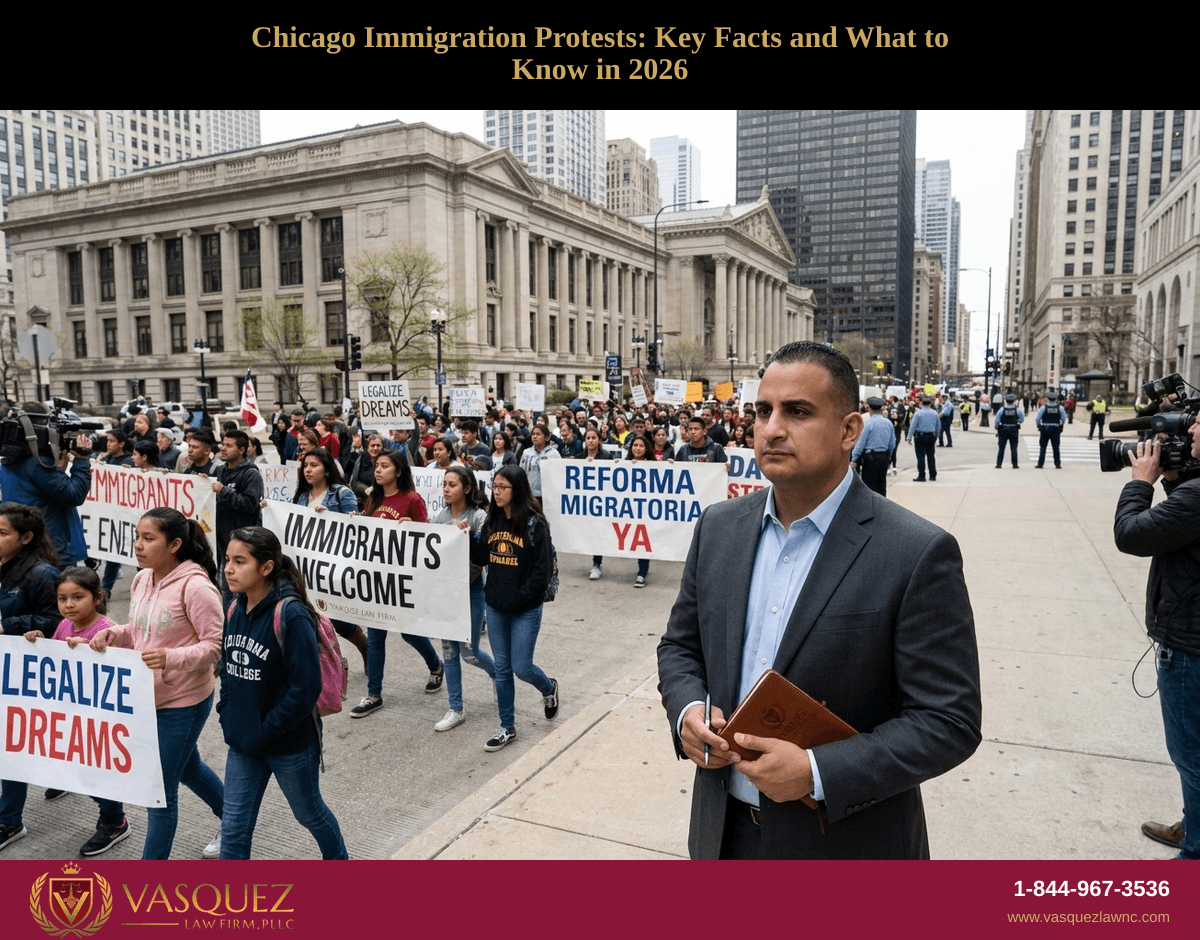
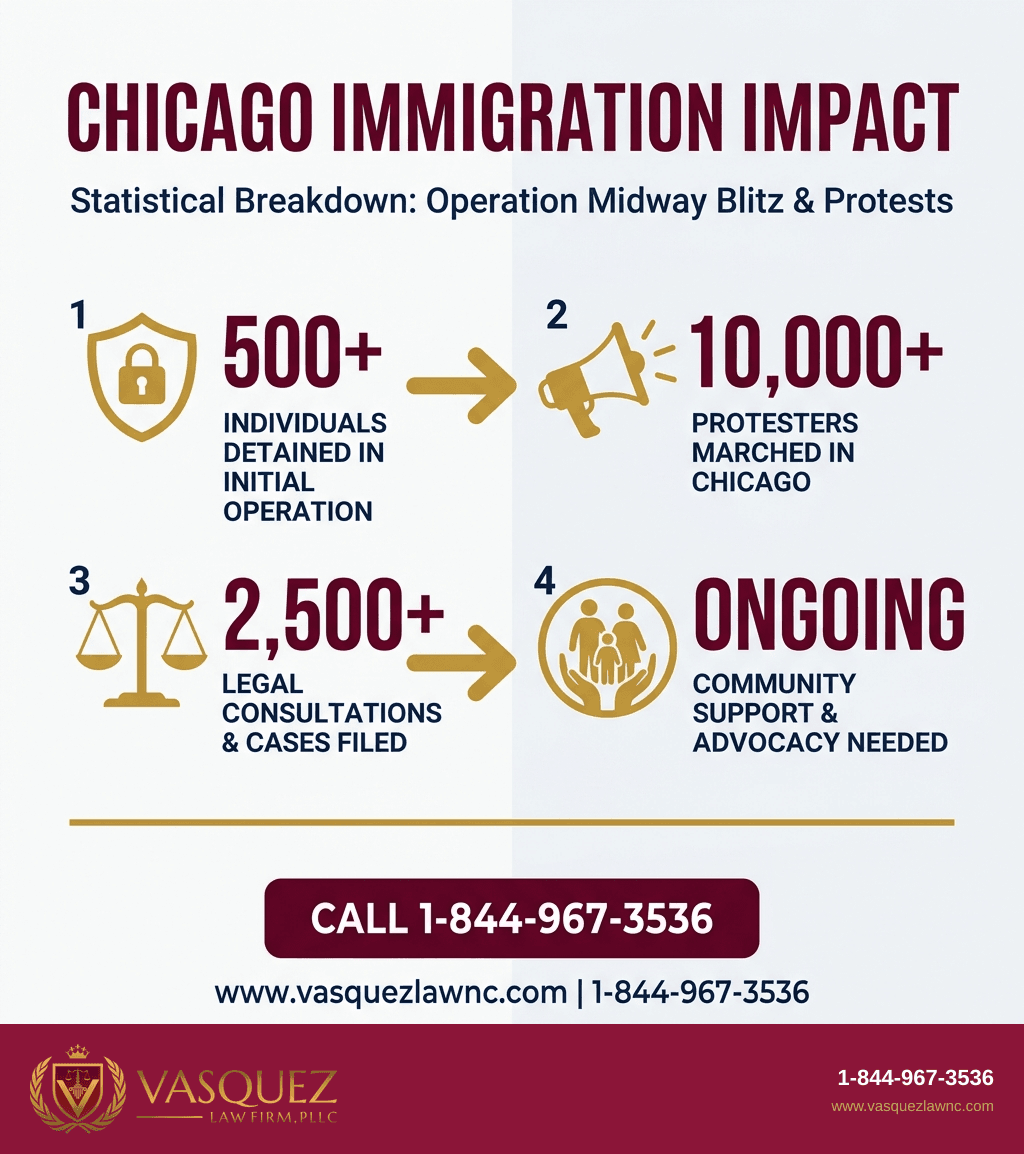
In 2026, Chicago remains a focal point for immigration activism. Recent developments cement Chicago as an epicenter of resistance to ICE raids and federal immigration enforcement efforts. Protesters have organized a frenzy of responses to raids occurring in Chicago suburbs and the city itself, demanding comprehensive policy changes. These protests continue to appear in the news along with Chicago ICE protests and Chicago riots today, reflecting the high tensions.
While local enforcement varies, many immigrants in Orlando and Raleigh watch these developments closely. They reinforce the importance of legal preparedness and understanding federal immigration rules that apply nationwide. Our immigration law services help clients stay aware of their rights amid evolving enforcement strategies.
The protests are often marked by a diverse coalition of community groups, advocacy organizations, labor unions, and faith leaders. This broad-based support illustrates the widespread concern about immigration enforcement's impact on families, workers, and community cohesion. For example, local Chicago businesses have joined demonstrations, highlighting how ICE raids disrupt economic activity and contribute to workforce instability.
Moreover, these protests serve as an educational platform, informing the public about the complexities of immigration law and the human stories behind enforcement actions. Workshops and legal clinics frequently accompany demonstrations, providing attendees with practical know-how about legal resources and rights. This community engagement model has inspired similar efforts in cities like Raleigh and Orlando, where local leaders seek to empower immigrant populations.
Media coverage of the Chicago protests has also played a critical role in shaping national discourse on immigration enforcement. By documenting the scale and intensity of these protests, journalists have brought attention to the broader implications of ICE policies. This coverage has sparked debates in local governments about adopting sanctuary policies or allocating resources to legal defense for detained immigrants, changes that could affect enforcement dynamics in other regions.
What Triggers the Protests?
ICE raids target communities suspected of harboring unauthorized immigrants. In Chicago, recent raids have led to increased arrests, community fear, and heightened activism. The protests emphasize that ICE’s presence in Chicago affects families and workers, many of whom contribute deeply to local economies.
These raids often occur without warning, causing immediate disruption to households and workplaces. For instance, a recent raid in a Chicago suburb resulted in the detention of several workers from a manufacturing plant, leading to temporary closure and job insecurity for many families. Such scenarios fuel community outrage and mobilize protest responses.
In addition to enforcement actions, policy announcements at the federal level—such as changes to asylum eligibility or public charge rules—have also ignited protests. Activists argue that these policies disproportionately affect vulnerable immigrant populations and call for legislative reforms that prioritize humanitarian protections over punitive enforcement.
The timing of protests frequently coincides with federal budget discussions or court rulings related to immigration enforcement, demonstrating the strategic nature of activism. For example, mass gatherings have successfully delayed or influenced enforcement schedules, showing that community resistance can impact federal operations.
How Protests Affect Federal Enforcement
The ongoing protest activity influences public opinion and may impact the Justice Department’s prosecutorial priorities. The recent news that the federal government dropped some cases against Chicago immigration protesters shows legal limits on punitive action against peaceful demonstrations. Still, immigration enforcement continues nationwide.
Federal agencies must balance enforcement objectives with respect for constitutional rights, often leading to shifts in strategy when faced with sustained public dissent. For example, after significant protests in Chicago, ICE temporarily adjusted its raid tactics to reduce community backlash and improve collaboration with local law enforcement.
Public pressure resulting from protests has also prompted some lawmakers to propose bills that restrict ICE’s authority or increase oversight of enforcement actions. Such legislative efforts, while not always successful, signal a growing recognition of the need to reform immigration enforcement at the systemic level.
On the ground, the presence of protesters can sometimes delay or complicate ICE operations, providing time for community members to seek legal counsel or prepare family members for potential detentions. These dynamics illustrate how peaceful activism can serve as a protective mechanism for immigrant communities during enforcement periods.
Relevance to Immigrants in North Carolina and Florida
Even though these protests occur in Chicago, the underlying federal immigration laws apply across the country. Immigrants in Raleigh and Orlando should pay attention to national trends like ICE raids Chicago suburbs, as these could signal similar enforcement pushes locally.
For instance, a surge in ICE activity in Chicago can often precede or coincide with increased raids in other metropolitan areas. Immigrants in Raleigh and Orlando have witnessed similar enforcement patterns, including targeted workplace raids and home arrests, underscoring the importance of vigilance and preparedness.
Community organizations in North Carolina and Florida often coordinate with counterparts in Chicago to share resources and strategies for responding to enforcement actions. This collaborative approach helps build resilient immigrant networks that can respond quickly to federal initiatives, reducing the chances of surprise arrests or detentions.
Moreover, state and local policies in Raleigh and Orlando may differ, but federal immigration law enforcement remains consistent. Understanding how Chicago's protests influence federal priorities can help immigrants and advocates anticipate enforcement trends and advocate for protective measures at the state and local levels.
Key Steps to Protect Your Rights During Protests
Whether you’re attending a protest or concerned about ICE enforcement, specific steps help protect your legal rights. Knowing what to do in real scenarios is crucial for immigrants living in North Carolina and Florida.
1. Know Your Rights
U.S. law protects the rights to free speech and peaceful assembly. During an immigration protest or ICE raid, you have the right to remain silent and to refuse entry to your home without a warrant. Familiarize yourself with these rights to avoid unintentional violations.
It is important to understand that asserting your rights respectfully and calmly can prevent escalation during encounters with law enforcement. For example, if ICE agents arrive at your residence, you may politely ask to see a warrant before allowing entry. If no warrant is presented, you have the right to deny access.
Additionally, during protests, knowing when to speak and when to remain silent is critical. Anything you say can be used against you, so it is advisable to avoid volunteering information to law enforcement without an attorney present. Practicing these rights with family members and friends can improve readiness in high-pressure situations.
2. Stay Peaceful and Compliant
Avoid obstructing law enforcement or engaging in violence. Peaceful protest is the best legal protection against arrests or charges related to disorderly conduct.
Historically, nonviolent protests have been more effective in gaining public sympathy and legal protection. For example, participants in Chicago protests have used chants, signs, and coordinated marches to convey their message without confrontation. This approach minimizes the risk of arrest and strengthens the community’s moral stance.
If law enforcement requests that you disperse or cease certain activities, comply calmly but do not consent to searches or answer questions without legal counsel. Remaining respectful while asserting your rights can reduce tensions and prevent misunderstandings during protests.
3. Have Legal Contacts Ready
Keep contact information for experienced immigration attorneys readily available. Attorney Vasquez and our team at Vasquez Law Firm in Raleigh, NC and Orlando, FL are ready to assist if you face legal challenges related to immigration protests or ICE enforcement.
Consider sharing your attorney’s contact information with trusted family members or friends who can notify legal counsel promptly if you are detained. Having a plan for immediate communication can make a significant difference in the outcome of your case.
Some immigrants also prepare "know your rights" cards that list key information and attorney contacts to carry during protests or daily activities. This simple tool ensures that critical information is accessible even if your phone is confiscated or lost.
4. Document without Interfering
If safe, record or document any interactions with ICE agents or law enforcement, but do not intervene or block officers. This evidence can be valuable for legal support later.
Using a smartphone to capture video or photos can provide an objective record of events, which may be essential in challenging unlawful actions or defending against false allegations. However, ensure that recording does not obstruct law enforcement activity or endanger your safety.
Additionally, witnesses who document events should note dates, times, locations, and descriptions of officers involved. Sharing this information with your attorney promptly can facilitate legal responses and protect community members.
Common Mistakes to Avoid at Immigration Protests
- Assuming all arrests lead to deportation: Arrests at protests do not automatically trigger removal proceedings.
- Not knowing your rights: Lack of awareness can lead to self-incrimination or legal complications.
- Engaging in property damage or violence: This jeopardizes your legal protections and could lead to criminal charges.
- Ignoring legal assistance: Waiting too long to contact an attorney can harm your defense.
- Sharing sensitive information with law enforcement without counsel present.
- Inadequate preparation for ICE enforcement in your area.
- Failing to stay updated on protest schedules or enforcement alerts.
If you only remember one thing: Know your rights and seek immediate legal help if detained or arrested.
Another common mistake is neglecting to inform family or trusted contacts about your whereabouts during protests. This can delay legal support and complicate communication if you are detained. Always ensure someone reliable knows your plans and has emergency contact information.
Responding impulsively to provocation or aggressive law enforcement tactics can escalate situations unnecessarily. Maintaining composure and following legal guidance helps protect your safety and legal standing. Training sessions or workshops that simulate protest scenarios can be helpful in preparing for real events.
Finally, misunderstanding the difference between local police and federal immigration authorities can lead to confusion during encounters. Knowing which agency is involved and how they operate is essential for appropriate responses and legal protection.
Timeline and What to Expect in Immigration Enforcement
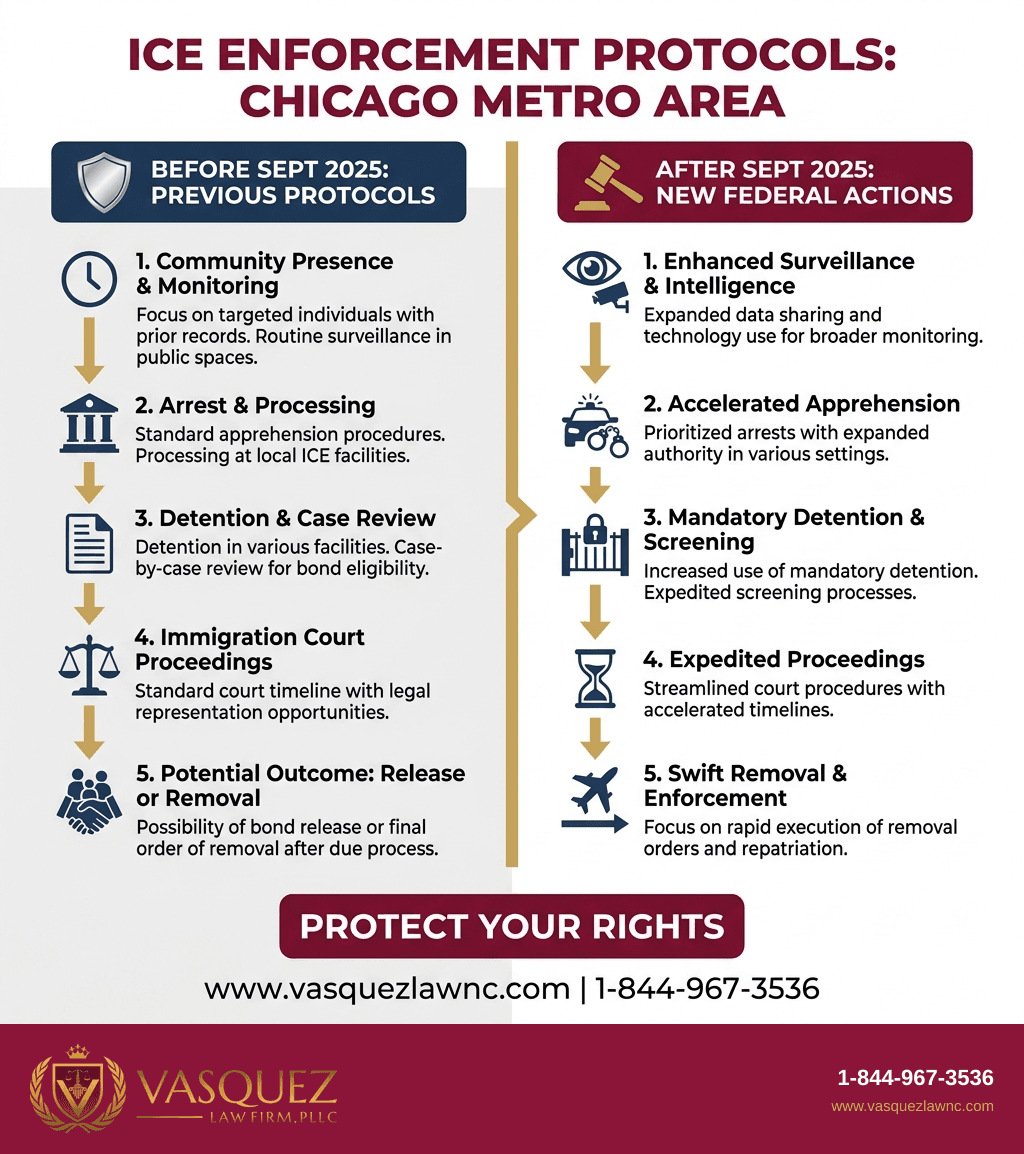
ICE raids and immigration-related prosecutions follow a federal process that can take weeks or months. Recent data from USCIS indicate standard processing times for certain immigration benefits range from several months to over a year (USCIS Processing Times).
- Immediate after a raid: Possible detention and questioning.
- Within days to weeks: Individuals may receive notices to appear in immigration court.
- Over months: Immigration proceedings and possible appeals may occur.
Understanding this timeline helps immigrants prepare and avoid panic after enforcement events.
Following an ICE raid, individuals may experience uncertainty regarding their status and next steps. It is important to seek legal advice promptly to understand options such as bond hearings or applying for relief from removal. Early intervention can significantly affect case outcomes.
During immigration court proceedings, delays and continuances are common. Clients should maintain regular communication with their attorneys and ensure all required documents and evidence are submitted timely. Participation in hearings and compliance with court orders are critical to preserving legal rights.
Appeals or motions to reopen cases may be necessary if new evidence arises or if errors occurred in the initial proceedings. Experienced attorneys can guide clients through these complex stages, increasing the likelihood of a favorable resolution. Awareness of procedural timelines and requirements reduces the risk of case dismissal or deportation.
Frequently Asked Questions
What are Chicago immigration protests about?
Chicago immigration protests in 2026 respond to federal immigration enforcement actions, particularly ICE raids targeting unauthorized immigrants. These protests aim to draw public attention to deportations and seek policy changes offering better protections for immigrant communities. Protesters advocate for humane treatment, family unity, and an end to aggressive enforcement practices that disrupt lives. The movement also highlights broader calls for comprehensive immigration reform at the national level.
How do ICE raids affect immigrants outside Chicago?
Though specific to Chicago, intense ICE raids can signal increased federal enforcement nationwide. Immigrants in Raleigh and Orlando should stay informed, consult legal counsel, and know their rights to prepare for potential similar actions locally. Enforcement patterns often follow federal priorities that apply across multiple regions. By understanding national trends and local enforcement strategies, immigrants can better protect themselves and their families from unexpected detentions or disruptions.
What rights do protesters have during Chicago immigration protests?
Protesters have constitutional rights to free speech and peaceful assembly, but they must avoid obstructing law enforcement or engaging in violence. Knowing these rights helps protect individuals during large demonstrations or encounters with police. Protesters can carry signs, chant, and march peacefully, but should comply with lawful orders such as dispersal notices. Being informed about rights reduces risks of unlawful arrest and strengthens the ability to challenge any violations legally.
Can someone arrested at an immigration protest face deportation?
Arrests at protests do not automatically trigger deportation. However, immigration status and criminal history matter. Consulting an immigration attorney immediately after arrest can clarify risks and possible defenses. Some individuals may face removal proceedings if they have prior deportation orders or criminal convictions, but others may be released or have opportunities to apply for relief. Timely legal intervention is essential to protect rights and explore available options.
What legal protections exist for immigrants facing ICE raids in 2026?
Certain immigrants may qualify for protections like DACA (Deferred Action for Childhood Arrivals) or asylum. Legal resources and advocacy increase awareness of rights during ICE enforcement actions, helping prevent unlawful detention or deportation. Additionally, some jurisdictions offer local policies limiting cooperation with ICE, providing an extra layer of safety. Consulting with experienced immigration attorneys ensures individuals understand eligibility criteria and can pursue appropriate relief based on their circumstances.
How can immigrants in Orlando or Raleigh prepare for similar protests or raids?
Immigrants should know their rights, develop a response plan including contact with trusted attorneys like those at Vasquez Law Firm, and stay updated on local enforcement news. Preparation reduces risks during unexpected raids or protests. This includes creating emergency plans for family communication, securing important documents, and participating in community legal education events. Staying connected with advocacy groups enhances awareness and access to support during enforcement activities.
What should I do if I witness an ICE raid or immigration protest?
Stay calm, avoid interfering with law enforcement, and record details safely if possible. Share information with trusted legal representatives but avoid actions that could be construed as obstruction. Observers should note officer badge numbers, vehicle details, and times, which can assist legal challenges to improper conduct. Maintaining a safe distance and respecting the rights of all parties helps ensure personal safety and the integrity of any evidence collected.
How does the dropped federal case against Chicago immigration protesters affect immigrants in 2026?
The dropping of the federal case signals possible limits on prosecuting peaceful protest activities. However, it does not change immigration enforcement policies. Immigrants should remain vigilant and seek legal help when facing any government action. This development may encourage greater civic engagement and confidence among immigrant communities, but does not eliminate risks associated with enforcement. Continued awareness and legal preparedness remain essential.
About Vasquez Law Firm
At Vasquez Law Firm, we combine compassion with aggressive representation. Our motto "Yo Peleo®" (I Fight) reflects our commitment to standing up for your rights.
- Bilingual Support: Se Habla Español — Spanish-speaking attorneys and staff available
- Service Areas: North Carolina, Florida, and nationwide immigration services
- Experience: Over 30 years helping clients navigate complex legal matters
- Results: Thousands of successful cases across multiple practice areas
Our firm understands the unique challenges faced by immigrants, especially during times of heightened enforcement and social unrest. We provide personalized legal strategies tailored to each client’s situation, whether it involves deportation defense, asylum claims, or family-based petitions. Our attorneys are deeply involved in community outreach, ensuring clients receive not only legal representation but also education and empowerment.
We also collaborate with local advocacy groups and participate in policy discussions to promote immigrant rights and fair treatment. This holistic approach enables us to address both immediate legal needs and broader systemic issues affecting immigrant communities across North Carolina, Florida, and beyond.
Attorney Trust and Experience
William J. Vásquez is admitted to the North Carolina State Bar (2011) and to the U.S. Courts of Appeals for the 4th, 5th, and 11th Circuits. Florida-jurisdiction matters at the firm are handled by Florida Bar attorney Harold Estrada-Rodriguez (FL Bar No. 1041171). The firm has provided dedicated legal representation since 2011, with personalized attention to each client's case.
Our attorneys have extensive courtroom experience, including immigration court, federal appeals, and administrative hearings. They stay current with evolving immigration law, policy changes, and enforcement trends to provide the best possible advice and advocacy. Clients benefit from our commitment to clear communication, thorough case preparation, and strategic planning aimed at achieving favorable outcomes.
We also place great emphasis on trust-building, understanding that immigration matters are deeply personal and often sensitive. Our team offers confidential consultations and culturally competent services to ensure clients feel safe and supported throughout the legal process.
Don't wait to get the help you deserve. Call us now for immediate assistance. Se Habla Español.
Sources and References
- U.S. Citizenship and Immigration Services
- Executive Office for Immigration Review
- Legal Information Institute
Take the first step toward justice today. Our team is standing by to help. Se Habla Español.
Start Your Free Evaluation Now
Call us: 1-844-967-3536
Se Habla Español - Estamos aquí para ayudarle.

William Vasquez
Founder & CEO, Vasquez Law Firm, PLLC
William Vasquez is the founder and CEO of Vasquez Law Firm, PLLC, a results-driven firm specializing in immigration, criminal defense, personal injury, and workers' compensation. A U.S. Air Force veteran and recipient of the Joint Service Achievement Medal, William is dedicated to fiercely fighting for his clients' rights.
Related Legal Services
Need legal help? Learn more about our immigration legal services, or contact us for a free evaluation.
You can also visit our NC immigration team for more information.