When Can the U.S. Government Revoke Citizenship? Insights for North Carolina Residents
In light of recent discussions on citizenship revocation, this blog explores when the U.S. government can revoke citizenship and what it means for North Carolina residents. Learn about your rights, the legal process, and how Vasquez Law Firm can assist you.
Published on December 11, 2025· Updated March 3, 2026
Talk to an immigration attorney
Free call. A clear plan for your case.
Free & confidential · Se habla espanol · 24/7
Have questions? Talk to an attorney - free evaluation.
Call 1-844-967-3536Free Tool
Check Your USCIS Case Status Now
Enter your receipt number - get the official USCIS status in English or Spanish. No registration.
When Can the U.S. Government Revoke Citizenship? Insights for North Carolina Residents
In recent discussions on immigration law, especially highlighted in the On Point with Meghna Chakrabarti segment aired on WBUR, the question of when the U.S. government can revoke citizenship has come to the forefront. This topic is particularly relevant for individuals in North Carolina, as it directly impacts those holding visas, green cards, and U.S. citizenship. In this comprehensive blog post, we will explore what revocation of citizenship means, the legal implications, and the steps you can take if you're concerned about your immigration status.
Are you a DACA recipient?
Recent rulings change what renewal looks like. We can review your status in a 15-minute call before your next renewal window.
Understanding Citizenship Revocation
Citizenship revocation, also known as denaturalization, is a legal process whereby the U.S. government can strip an individual of their citizenship. This process is not common and is typically reserved for severe circumstances. The implications of losing citizenship can be dire, leading to deportation and the loss of rights associated with U.S. citizenship.
Legal Grounds for Revocation of Citizenship
The U.S. government can revoke citizenship under certain conditions, which include:
- Fraud or Misrepresentation: If an individual obtained their citizenship through fraudulent means, such as lying on their application or failing to disclose a criminal record, they may face denaturalization.
- Criminal Activity: Certain criminal convictions, particularly those related to terrorism or treason, can result in the revocation of citizenship.
- Membership in Certain Organizations: Joining organizations that advocate for the overthrow of the U.S. government can also lead to citizenship revocation.
Client Rights and Options in North Carolina
For residents of North Carolina, understanding your rights is crucial. If you are facing the possibility of citizenship revocation, you have specific rights and options:
- Legal Representation: You have the right to seek legal representation. An immigration attorney can guide you through the complexities of your case.
- Appeal Process: If your citizenship is revoked, you can appeal the decision. This process can be complicated and requires a thorough understanding of immigration law.
- Access to Resources: Organizations and legal aid groups are available to help individuals facing citizenship issues. In North Carolina, local resources can provide support.
Step-by-Step Process for Addressing Citizenship Concerns
If you are concerned about your citizenship status, follow these actionable steps:
- Consult an Immigration Attorney: Contact Vasquez Law Firm for a free case evaluation. Our experienced attorneys can assess your situation and provide guidance.
- Gather Documentation: Collect all relevant documents related to your immigration status, including your naturalization certificate, visa, or green card.
- Understand the Charges: If you have received notice of potential revocation, understand the specific charges or accusations against you.
- Prepare for Legal Proceedings: Work closely with your attorney to prepare for any hearings or appeals. This may involve gathering evidence and witness statements.
- Stay Informed: Keep abreast of changes in immigration law that may affect your situation.
Common Mistakes to Avoid
When facing potential denaturalization, individuals often make critical errors that can jeopardize their case. Here are common mistakes to avoid:
- Ignoring Legal Notices: Failing to respond to notices from immigration authorities can lead to automatic revocation.
- Attempting to Navigate the Process Alone: Immigration law is complex. Without legal guidance, you may miss important deadlines or fail to present a strong case.
- Providing Incomplete or Inaccurate Information: Be truthful and thorough in all communications with immigration authorities.
How Vasquez Law Firm Can Help
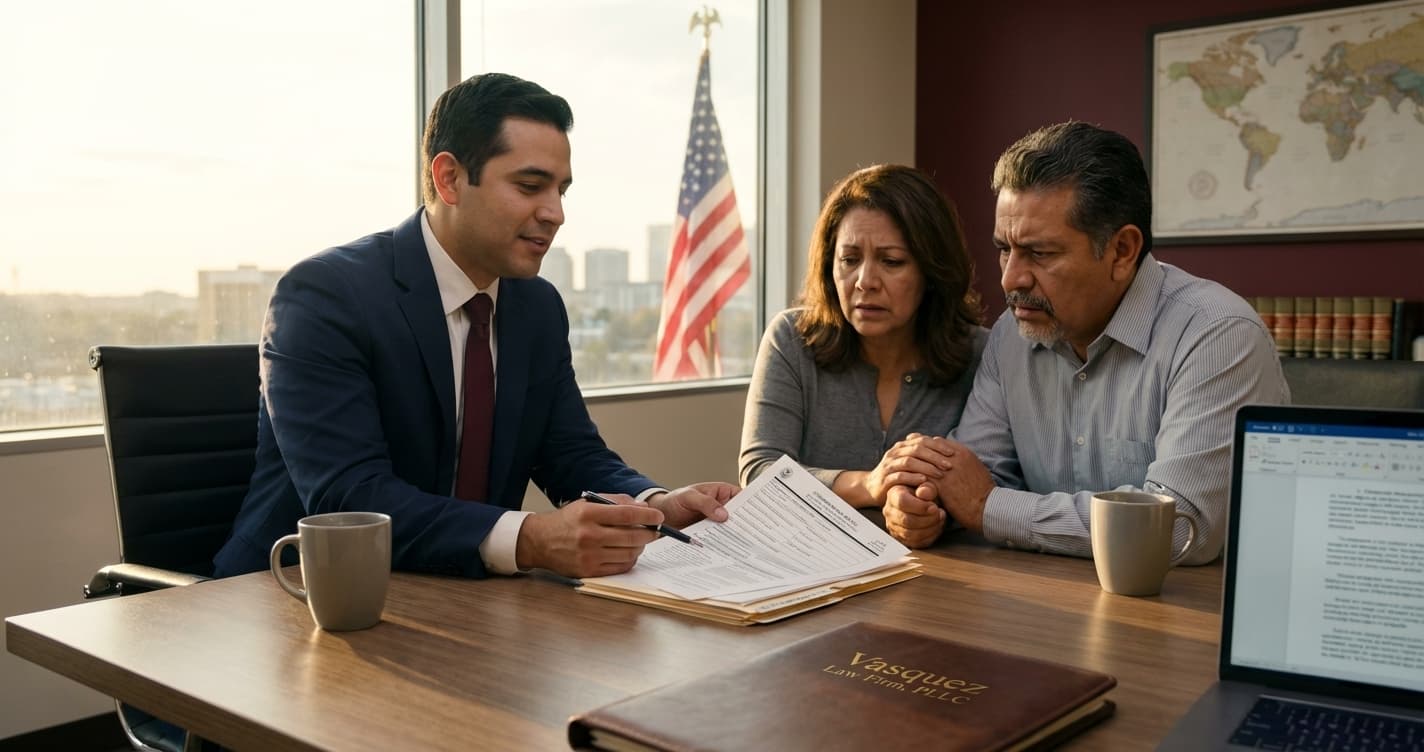
At Vasquez Law Firm, we understand the complexities of immigration law and the emotional toll that citizenship revocation can take on individuals and families. Our team of experienced attorneys is dedicated to providing personalized legal services to help you navigate your situation effectively. We offer bilingual services (Se Habla Español) to ensure that language barriers do not impede your access to justice.
Our firm provides the following services:
- Comprehensive legal consultations
- Representation in immigration hearings and appeals
- Assistance in gathering documentation and preparing your case
- Advice on maintaining your immigration status
Frequently Asked Questions
- What happens if my citizenship is revoked?
Revocation can lead to deportation, loss of rights, and the inability to return to the U.S. Legal assistance is crucial in this situation. - Can I appeal a citizenship revocation?
Yes, individuals have the right to appeal their case. This process requires legal representation to navigate effectively. - What should I do if I receive a notice of potential revocation?
Contact an immigration attorney immediately to discuss your options and prepare a response.
Contact Us Today for a Free Case Evaluation
What's Your Immigration Situation?
Answer 3 questions - we'll tell you your options
Question 1 / 3
What best describes your situation?
If you are concerned about your immigration status or facing potential citizenship revocation, do not hesitate to reach out. Contact Vasquez Law Firm today at (phone) for a free case evaluation. Our dedicated team is here to help you navigate these challenging circumstances. Se Habla Español.
Immigration Law Updates and Their Impact on North Carolina Communities
North Carolina has a diverse and growing immigrant population, with significant communities from Latin America, Southeast Asia, and other regions throughout the state. Changes in federal immigration law and enforcement priorities directly affect these communities, making it essential to stay informed and to work with experienced immigration attorneys who monitor legal developments closely.
Key Immigration Enforcement Priorities
Keep Reading
Federal immigration enforcement priorities shift with administrations. Understanding current enforcement priorities helps immigrants make informed decisions about their safety and legal status. Key considerations include:
- Whether local law enforcement agencies in your area cooperate with ICE (287(g) agreements or similar)
- Whether your workplace, neighborhood, or regular activities may bring you into contact with federal immigration officers
- Whether you have any prior orders of removal or criminal history that may affect your risk level
- Whether any members of your household have lawful status that could provide potential immigration pathways for you
Preparing Your Family for Potential Immigration Enforcement
Regardless of your current immigration status, having a family preparedness plan can reduce harm to your family if immigration enforcement occurs:
- Know your constitutional rights (see above) and teach them to all household members
- Designate a trusted person outside your household to care for your children if you are detained
- Ensure your children's schools and caregivers know who has authorization to pick them up
- Keep important documents (birth certificates, passports, green cards, naturalization certificates) in a known, accessible location
- Have the phone number of an immigration attorney readily available
- Create a power of attorney designating someone to handle financial and legal matters if you are detained
- Consider executing a document granting a trusted person authority to care for your minor children if you are detained or removed
Paths to Legal Status for Undocumented Immigrants
Many undocumented immigrants believe they have no options. This is often not true. Depending on individual circumstances, options that may exist include:
- Family-based petitions through U.S. citizen or LPR family members
- Cancellation of removal (10 years of continuous presence, good moral character, exceptional hardship to a qualifying family member)
- Asylum or withholding of removal based on past persecution or fear of future persecution
- U visa for crime victims who cooperate with law enforcement
- VAWA self-petition for survivors of domestic violence by a U.S. citizen or LPR
- Special Immigrant Juvenile Status for abused, neglected, or abandoned children
- T visa for survivors of trafficking
An immigration attorney can conduct a comprehensive evaluation of your case to identify any available pathways you may not be aware of.
Frequently Asked Questions for Immigrants in North Carolina
Can I apply for a driver's license in North Carolina without lawful immigration status?
North Carolina does not offer driver's licenses to undocumented immigrants. However, if you have valid work authorization (such as an EAD), you may be eligible for a driver's license. Contact the NCDMV or an immigration attorney for current requirements.
Does my immigration status affect my rights as an employee in NC?
Your immigration status generally does not affect your basic employment rights. Undocumented workers are entitled to minimum wage and overtime protections under the Fair Labor Standards Act, are covered by North Carolina's workers' compensation laws, and may file complaints with the NC Department of Labor regarding unpaid wages or unsafe working conditions. Your employer cannot legally use your immigration status to retaliate against you for asserting these rights.
What are sanctuary cities and does NC have any?
Sanctuary cities or counties are jurisdictions that limit their cooperation with federal immigration enforcement. Some NC counties and municipalities have adopted policies limiting when their local law enforcement will cooperate with ICE. However, NC state law (the "No Sanctuary" law) limits the extent to which local jurisdictions can adopt sanctuary policies. An immigration attorney can advise you on the specific policies in your county.
Vasquez Law Firm: Immigration Attorneys Serving North Carolina
Vasquez Law Firm serves immigrant communities throughout North Carolina with comprehensive immigration legal services. Our attorneys are committed to protecting the rights and dignity of every client. We offer services in English and Spanish, and our office is accessible to clients throughout the state. Contact us today for a free case evaluation. Se Habla Español.
Need immigration help? Our immigration attorneys can review your case.
Related Topics
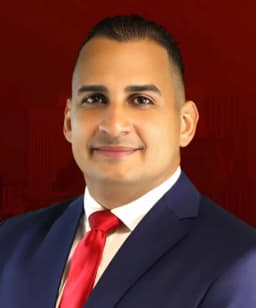
William Vasquez
Founder & CEO, Vasquez Law Firm, PLLC
William Vasquez is the founder and CEO of Vasquez Law Firm, PLLC, a results-driven firm specializing in immigration, criminal defense, personal injury, and workers' compensation. A U.S. Air Force veteran and recipient of the Joint Service Achievement Medal, William is dedicated to fiercely fighting for his clients' rights.
Related Legal Services
Need legal help? Learn more about learn about our immigration practice, or contact us for a free evaluation.
You can also visit immigration attorneys across North Carolina for more information.