How U.S. Immigration Law Works for Dreamers in 2026
Wondering how U.S. immigration law affects Dreamers in 2026? Learn key rules, rights, and protections with Vasquez Law. Start now with a free consult.
Published on April 6, 2026
Talk to an immigration attorney
Free call. A clear plan for your case.
Free & confidential · Se habla espanol · 24/7

Have questions? Talk to an attorney - free evaluation.
Call 1-844-967-3536Worried how the latest immigration news affects you?
Schedule a confidential case review with an immigration attorney - know exactly where you stand.
How U.S. Immigration Law Works for Dreamers in 2026
Understanding U.S. immigration law is crucial for Dreamers in Orlando and across North Carolina and Florida. In 2026, changes to immigration laws affect eligibility for relief, including DACA and Green Card pathways. This article breaks down the current U.S. immigration law basics, explains rights, common challenges, and legal steps Dreamers can take to protect themselves and pursue lawful status. Whether facing deportation risks or seeking permanent residency, Vasquez Law Firm helps immigrants navigate the complexities with bilingual expertise and compassionate guidance.
Need help with your case? Our experienced attorneys are ready to fight for you. Se Habla Español.
Schedule Your Free Case Evaluation
Or call us now: 1-844-967-3536
Quick Answer
U.S. immigration law in 2026 offers protection and possible residency pathways for Dreamers. Knowing your rights and current laws helps you avoid deportation risks and apply for relief correctly.
- DACA provides deferred action but has strict requirements
- Permanent residents can lose status in some cases
- ICE enforcement varies by location, including Orlando
- Legal counsel improves chances of success in immigration cases
- Federal courts and USCIS oversee immigration law application
Overview of U.S. Immigration Law History
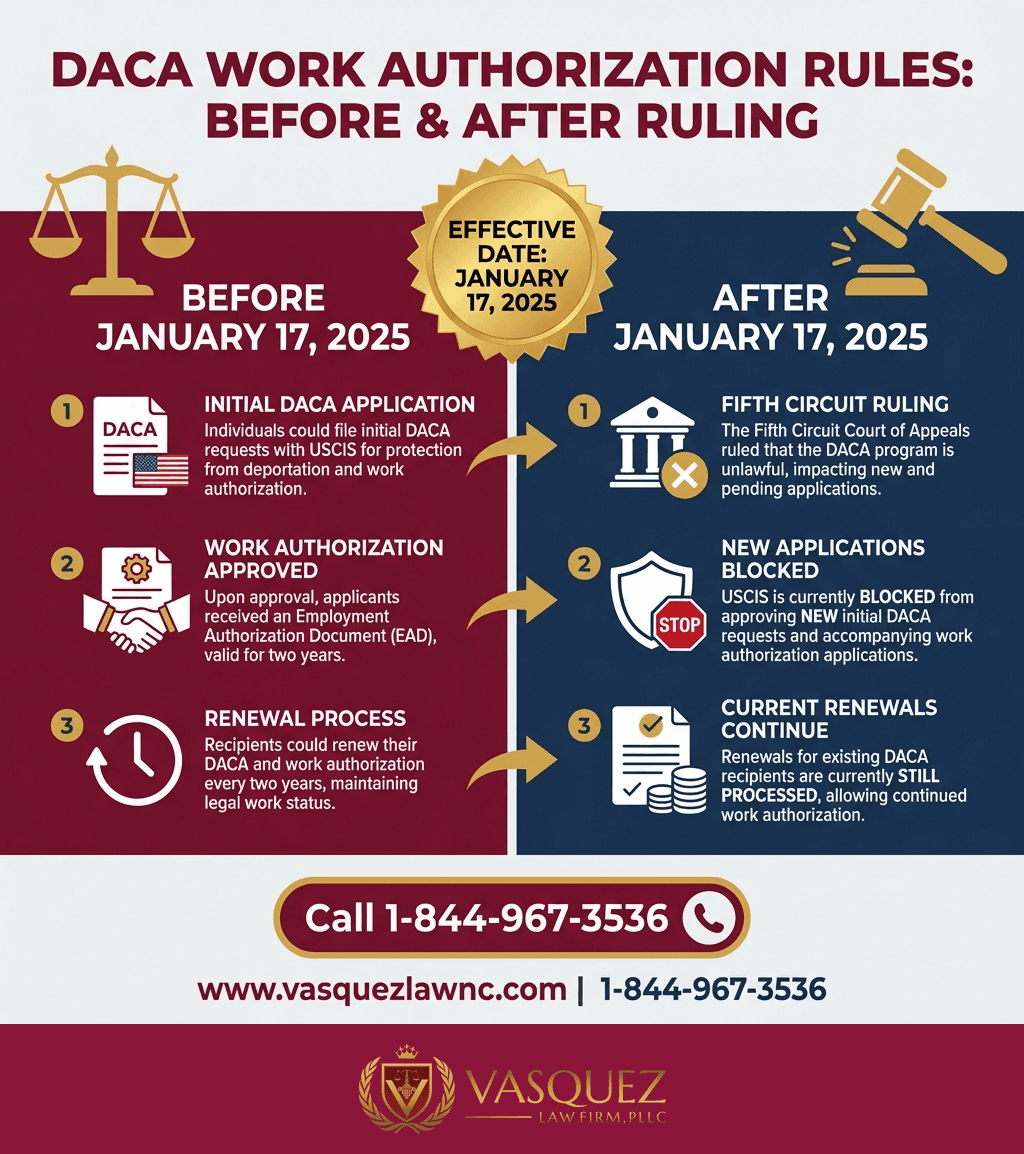
The United States has a complex history of immigration laws that shape current policies. Beginning with the Immigration Act of 1924, which introduced quotas, to the Immigration and Nationality Act of 1965, laws have evolved to include protections for certain categories of immigrants, including Dreamers under DACA (Deferred Action for Childhood Arrivals).
The current U.S. immigration law code is primarily codified under Title 8 of the U.S. Code, which sets the framework for who may enter, stay, or adjust status in the country. Several major updates in recent years directly affect Dreamers’ ability to stay and apply for legal status.
Understanding this historical context helps Dreamers and other immigrants grasp why certain laws exist and how they apply today. For example, the DACA program was a response to federal legislative gaps, offering temporary relief but not a path to citizenship directly.
Learn more about our immigration services if you want personalized support navigating these complicated laws.
Key Steps Dreamers Should Take
- Assess Your Eligibility: Confirm you qualify for DACA or other immigration relief under current rules. This includes age at arrival, continuous residence, and educational requirements.
- Gather Documentation: Collect proof such as school records, birth certificates, and identification. These documents support your application.
- File Applications Carefully: Submit forms, like Form I-821D for DACA, by established deadlines. Avoid incomplete or inaccurate filings.
- Prepare for Possible Challenges: Know your rights in case of ICE encounters. Don’t sign documents without legal advice.
- Contact an Immigration Attorney: Experienced legal help can improve your chances and protect you from mistakes that could lead to deportation.
If you are in Orlando or throughout North Carolina and Florida, our Attorney Vasquez has over 15 years of experience helping Dreamers understand and apply U.S. immigration law efficiently and compassionately.
Common Immigration Law Mistakes
- Not Filing on Time: Missing DACA renewal deadlines can end protections.
- Using Unverified Documents: False or unclear records can trigger denials or prosecutions.
- Ignoring Legal Changes: U.S. immigration laws are dynamic; outdated info risks noncompliance.
- Failure to Seek Legal Advice: Complex rules require legal guidance to avoid pitfalls.
- Talking to ICE Without an Attorney: Without counsel, statements can be misused.
- Assuming Permanent Protection from DACA: DACA is temporary and does not stop deportation fully.
- Not Checking Eligibility for Permanent Residency: Missing opportunities to adjust status.
If you only remember one thing: Consult a knowledgeable immigration attorney to guide your case and avoid costly mistakes.
Timeline of Immigration Process
- Initial Application: Prepare and submit within required timeframes, typically 90 days before DACA expiration.
- Processing: USCIS reviews background and eligibility, often taking 6 to 8 months.
- Interview or Requests for Evidence: May extend timelines; respond quickly.
- Decision Notice: Approval or denial sent by mail; renewals require vigilance.
- Appeals or Motions: If denied, legal options exist but can take months or years.
Immigration timelines vary widely depending on case complexity and policy changes. Stay in touch with your attorney throughout the process.
Costs and Fees: What Impacts the Price
- Filing Fees: USCIS charges fees for forms like I-485 or I-821D; fee waivers may be available.
- Attorney Fees: Experienced counsel charges vary but generally range from a few hundred to several thousand dollars depending on the case.
- Additional Expenses: Costs for translations, document gathering, or expert reports may apply.
- Renewal and Appeals: Have their own fees and can increase overall cost.
Our firm offers transparent pricing and free case evaluations to help clients understand potential costs in advance.
North Carolina, Florida, and Nationwide Notes
North Carolina Notes
North Carolina follows federal immigration laws but has unique local resources supporting immigrants. Law enforcement cooperation with ICE can impact how immigrant rights are enforced, so local advice is critical.
Florida Notes
In Florida, especially Orlando, ICE enforcement activities remain active. Florida laws also influence access to drivers’ licenses or educational opportunities, impacting immigrants’ everyday lives.
Nationwide Concepts (General Only)
U.S. immigration law is federal. State laws cannot override it but may affect immigrant services or state benefits. The federal courts, USCIS, and EOIR oversee decisions on applications and removal proceedings nationwide.
When to Call a Lawyer Now
- If you received a Notice to Appear for immigration court.
- If ICE officers contact you or question your status.
- If your DACA renewal or Green Card application was denied.
- If you face criminal charges that could affect your immigration status.
- If you witness or experience deportation proceedings.
- If you want to explore permanent residency or citizenship pathways.
- If you are unsure about the documents you need for an application.
- If you are concerned about changes in immigration law affecting your case.
About Vasquez Law Firm
At Vasquez Law Firm, we combine compassion with aggressive representation. Our motto "Yo Peleo" (I Fight) reflects our commitment to standing up for your rights.
- Bilingual Support: Se Habla Español - our team is fully bilingual
- Service Areas: North Carolina, Florida, and nationwide immigration services
- Experience: Over 15 years helping clients navigate complex legal matters
- Results: Thousands of successful cases across multiple practice areas
Attorney Trust and Experience
Attorney Vasquez holds a Juris Doctor degree and is admitted to practice in both the North Carolina State Bar and Florida Bar. With over 15 years of dedicated legal experience, he has built a reputation for providing personalized attention and achieving favorable outcomes for his clients.
Don't face your legal challenges alone. Our team is here to help you every step of the way.
Call today: 1-844-967-3536 | Se Habla Español
Frequently Asked Questions
What is the current US immigration law for Dreamers?
As of 2026, US immigration law offers certain protections for Dreamers, including deferred action under DACA. Eligibility rules and enforcement policies can change, so staying informed is key. Dreamers should consult an attorney to understand how current laws affect their status and potential pathways to legal residency.
Can ICE legally ask for ID in Orlando?
ICE agents may request identification during immigration enforcement. Individuals have the right to remain silent and ask if they are free to leave. Consulting a lawyer before speaking with ICE protects your rights and helps avoid misunderstandings.
What is the 7 year rule for immigrants in the US?
The 7 year rule involves bars to adjusting status based on unlawful presence. If an immigrant has been in the US unlawfully for more than 180 days and departs, they may be barred from reentry for 3 or 10 years. Certain exceptions and waivers apply after 7 years of continuous presence or other conditions.
Can ICE deport permanent residents?
Permanent residents are not immune to deportation. ICE can initiate removal if they commit certain crimes or violate immigration laws. Legal counsel is essential to navigate deportation defenses and protect residency status.
What documents are required for immigration applications?
Documents like birth certificates, identification, proof of residence, and school or work records are often necessary. The exact list varies by application type. An attorney can help ensure you gather the right evidence.
How does the U.S. immigration laws PDF help applicants?
The official U.S. immigration laws PDF provides the legal text outlining eligibility and procedures. Reviewing it helps applicants understand federal requirements and avoid mistakes in filing their applications.
What is the difference between civil and criminal immigration laws?
Civil immigration laws regulate status adjustments and deportation procedures. Criminal laws apply when immigrants commit offenses. Violations of criminal law can impact immigration status and eligibility for relief, making it crucial to understand both types.
What should Dreamers do if facing deportation?
If facing deportation, contact an immigration lawyer immediately. There may be options like cancellation of removal or asylum that can prevent deportation. Quick legal intervention improves chances of protecting your status.
Sources and References
- U.S. Citizenship and Immigration Services (USCIS) official guidelines
- Executive Office for Immigration Review
- U.S. Department of State visa information
- 8 U.S.C. § 1255 - Adjustment of Status
- 8 C.F.R. § 245.1 - Eligibility
Take the first step toward justice today. Our team is standing by to help. Se Habla Español.
Start Your Free Case Evaluation Now
Call us: 1-844-967-3536
Se Habla Español - Estamos aquí para ayudarle.

William Vasquez
Founder & CEO, Vasquez Law Firm, PLLC
William Vasquez is the founder and CEO of Vasquez Law Firm, PLLC, a results-driven firm specializing in immigration, criminal defense, personal injury, and workers' compensation. A U.S. Air Force veteran and recipient of the Joint Service Achievement Medal, William is dedicated to fiercely fighting for his clients' rights.
Related Legal Services
Need legal help? Learn more about speak with an immigration lawyer, or contact us for a free evaluation.
You can also visit immigration lawyers serving all of North Carolina for more information.