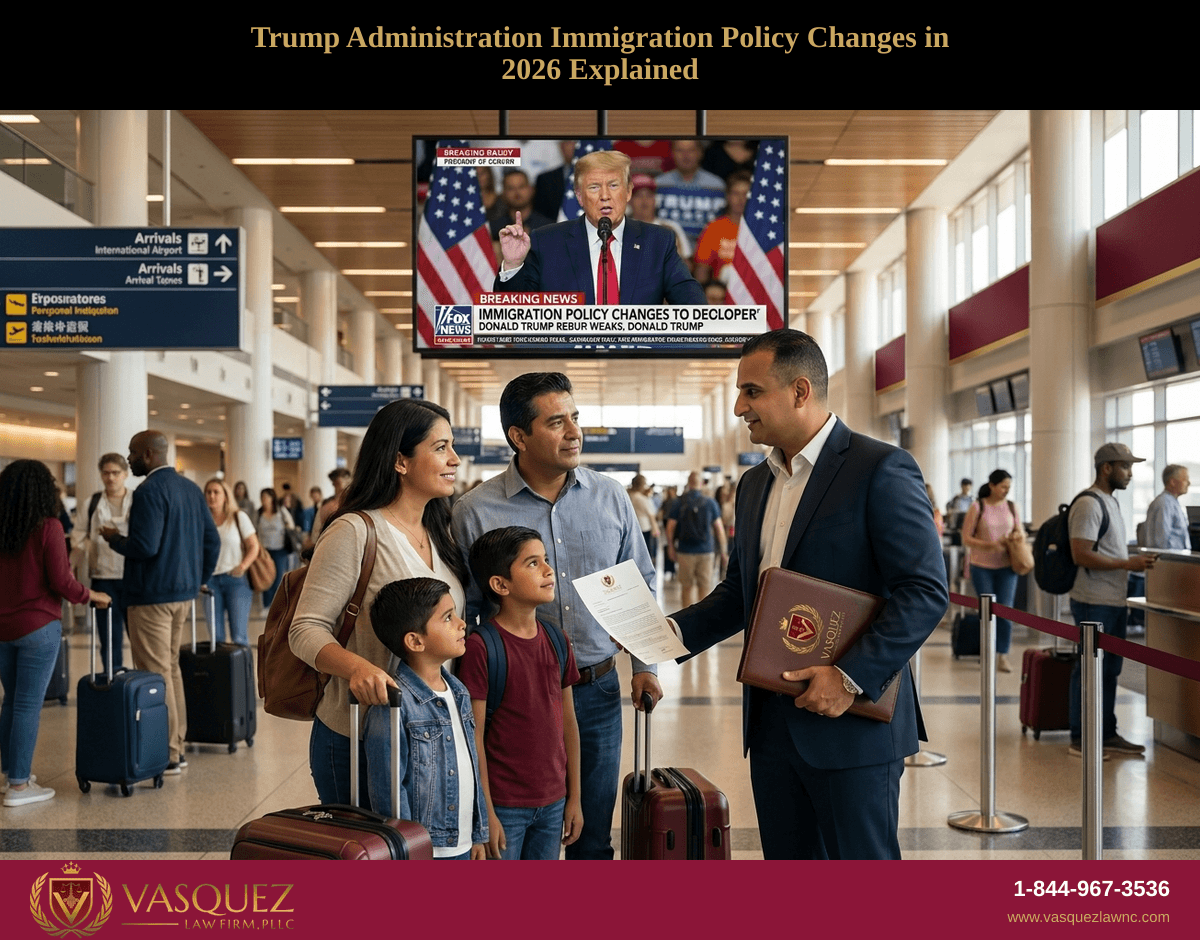
Trump Administration Immigration Policy Changes in 2026 Explained
Learn how Trump administration immigration policies affect your green card options in 2026. Get expert help from Vasquez Law—contact us for a free consult.
Published on May 26, 2026
Talk to an immigration attorney
Free call. A clear plan for your case.
Free & confidential · Se habla espanol · 24/7
Have questions? Talk to an attorney - free evaluation.
Call 1-844-967-3536Worried how the latest immigration news affects you?
Schedule a confidential case review with an immigration attorney - know exactly where you stand.
Trump Administration Immigration Policy Changes in 2026 Explained
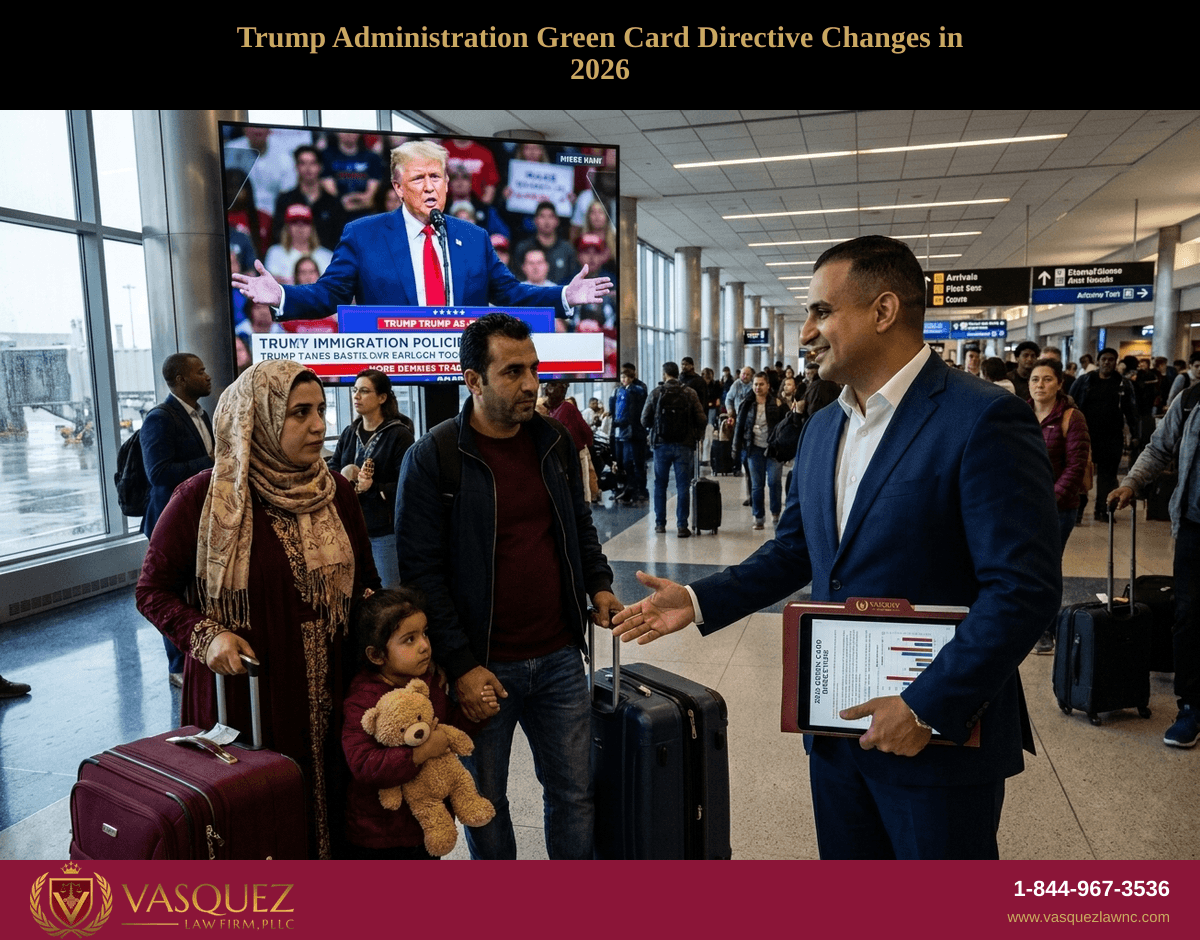
The Trump administration's immigration policies continue to impact immigrants in North Carolina and Orlando, FL, as of 2026. Recent directives require many foreigners to apply for a green card abroad, changing long-standing practices. This article explains key developments, processing timelines, and what Dreamers and other immigrants in Raleigh, NC, and Orlando need to know. Discover how these changes affect your immigration case and legal options with trusted support from Vasquez Law Firm.
Need help with your case? Our experienced attorneys are ready to fight for you. Se Habla Español.
Or call us now: 1-844-967-3536
Quick Answer
The Trump administration's new immigration policy in 2026 requires many immigrants—including Dreamers in North Carolina and Orlando—to apply for green cards from their home countries instead of adjusting status within the U.S. This change can impact processing times and eligibility for work authorization.
- Many applicants must now apply abroad via consular processing.
- Dreamers face potential delays and additional requirements.
- Legal counsel is vital to avoid application denials.
- Processing times have increased to 12–24 months.
- Exceptions exist based on individual eligibility.
Understanding the Trump Administration Immigration Policies
Since taking office in 2017, the Trump administration significantly reshaped U.S. immigration enforcement and eligibility rules. One of the key initiatives in 2026 involves requiring many green card applicants to apply through consular processing abroad rather than adjusting their status inside the United States. This marks a major shift from previous policies that allowed adjustment of status (AOS) for people lawfully present in the U.S.
The rationale behind this directive is to tighten control over immigration by making applicants wait outside the U.S. while their green card petitions are processed at U.S. consulates. This can create logistical and financial hurdles, especially for individuals living and working in places like Raleigh, NC, or Orlando, FL.
The Trump administration staff in 2026 includes officials supporting these immigration enforcement priorities, continuing an approach established during earlier years in office. The list of administration Cabinet members and staff reinforces this ongoing agenda. Understanding this context is essential for immigrants navigating applications under the current framework.
For those seeking to adjust status based on family petitions, employment, or humanitarian grounds, knowing whether you must process your case abroad is crucial. Adjusting status inside the U.S. often allows continued work authorization and fewer travel restrictions. Applying abroad may result in lost benefits and longer separation periods.
If you are unsure how these policies affect you specifically, our immigration legal services in Raleigh, NC, and Orlando, FL, can provide detailed guidance tailored to your case.
Key Steps to Take Under New Directives
- Evaluate Your Eligibility: Review whether you qualify for adjustment of status or if consular processing abroad is mandatory under current policies.
- Gather Required Documents: Collect civil, identity, and immigration documents such as birth certificates, passports, and prior immigration filings.
- File Petition or Application: Submit Form I-130, I-485, or other required forms with USCIS, depending on your case specifics.
- Prepare for Consular Appointment: If required, get ready for your interview at the designated U.S. consulate, including medical exams and financial documents.
- Follow Up and Attend Interviews: Monitor your case status regularly through USCIS and consular websites. Attend all requested interviews punctually.
- Plan for Travel and Relocation: Understand travel restrictions and time frames for leaving the U.S. to apply abroad and returning after approval.
Legal assistance is highly recommended at each step to reduce errors and avoid denials. Our experienced Attorney Vasquez and legal team are prepared to help clients in Orlando and Raleigh navigate these requirements effectively.
Documents and Evidence Checklist
- Birth certificates and passports for applicant and family members
- Marriage certificates or divorce decrees when relevant
- Proof of lawful presence or prior immigration status in the U.S.
- Medical examination results required for consular processing
- Financial support evidence such as Form I-864 affidavit of support by a petitioner
- Police certificates or background check documents
- Previous immigration or visa application records
- Employment verification letters for employment-based cases
Ensuring this documentation is complete and accurate helps avoid delays or denials during the consular process or adjustment of status application.
Timeline: What to Expect in 2026
- USCIS Petition Processing: According to USCIS processing times, Form I-130 family petitions typically take 7 to 14 months.
- Consular Processing Wait: After USCIS approval, consulate appointments may take 6 to 12 months due to scheduling backlogs.
- Total Time to Green Card: Overall green card issuance may take 12 to 24 months from petition filing to final consular approval.
- Work Authorization Wait: Applicants applying abroad generally lose eligibility for U.S. work permits during processing.
This timeline varies depending on country of origin, visa availability, and security checks performed during consular processing.
Costs and Fees Affecting Your Case
- USCIS filing fees (e.g., $535 for Form I-130 and $1,225 for Form I-485)
- Medical examination and vaccination costs required for consular processing
- Travel and accommodation expenses for consular interviews abroad
- Attorney fees, which vary based on case complexity and jurisdiction
- Possible fees for affidavits of support or financial documentation
Understanding these costs early helps applicants budget and plan effectively. Our firm offers clear fee agreements and can discuss your case's expected costs during a consultation.
Common Mistakes to Avoid in Immigration Applications
- Submitting incomplete or incorrect petition forms — double-check all information.
- Missing deadlines for document submission or interview scheduling.
- Failing to disclose past arrests or immigration violations — honesty is critical.
- Assuming eligibility for adjustment when consular processing is required.
- Delaying legal consultation until after complications arise.
- Not informing USCIS or consular authorities of address or status changes promptly.
- Neglecting to prepare adequately for interviews or failing to provide requested evidence.
- Misunderstanding work authorization rules while applying abroad.
If you only remember one thing: Seek expert legal advice early to navigate the complexities of Trump administration immigration policies effectively.
North Carolina and Florida Immigration Jurisdiction Notes
North Carolina Notes
Immigrants residing in Raleigh or elsewhere in North Carolina interact with local USCIS offices and must comply with federal immigration policies. Vasquez Law Firm's Raleigh team specializes in local immigration issues, including DACA and adjustment of status under evolving Trump administration directives.
Florida Notes
In Orlando, Florida, immigrants face similar federal requirements with access to consular services through regional appointments. Vasquez Law Firm's Orlando office provides bilingual immigration support tailored to community needs, advising clients on new consular processing rules affecting green card applicants.
Nationwide Concepts
Federal laws apply uniformly, but practical implementation such as consular appointments varies by location and consulate workload. Applicants should expect delays nationwide and consult experienced attorneys for up-to-date guidance on Trump administration policies across jurisdictions.
When to Call a Lawyer Now
- If you received a notice requiring consular processing abroad unexpectedly.
- If your work authorization is expiring and you face delays due to policy changes.
- When confusion surrounds eligibility for adjustment of status versus consular processing.
- After receiving a request for evidence (RFE) or notice of denial from USCIS or consulate.
- If you have past immigration violations or criminal history affecting your case.
- When preparing for complex interviews or waivers under new policies.
- If your family unity is at risk due to travel or processing delays.
- Upon changes in immigration law or administration policies affecting your status.
About Vasquez Law Firm
At Vasquez Law Firm, we combine compassion with aggressive representation. Our motto "Yo Peleo®" (I Fight) reflects our commitment to standing up for your rights.
- Bilingual Support: Se Habla Español — Spanish-speaking attorneys and staff available
- Service Areas: North Carolina, Florida, and nationwide immigration services
- Experience: Over 30 years helping clients navigate complex legal matters
- Results: Thousands of successful cases across multiple practice areas
Attorney Trust and Experience
William J. Vásquez is admitted to the North Carolina State Bar (2011) and to the U.S. Courts of Appeals for the 4th, 5th, and 11th Circuits. Florida-jurisdiction matters at the firm are handled by Florida Bar attorney Harold Estrada-Rodriguez (FL Bar No. 1041171). The firm has provided dedicated legal representation since 2011, with personalized attention to each client's case.
Don't wait to get the help you deserve. Call us now for immediate assistance. Se Habla Español.
Frequently Asked Questions
What is the Trump administration's new green card policy?
In 2026, the Trump administration requires many immigrants to apply for green cards from their home countries rather than adjusting status within the U.S. This can delay eligibility and may require travel abroad. Consulting an immigration lawyer can help you understand your eligibility and options.
How does this policy affect Dreamers in North Carolina and Orlando?
Dreamers in these areas may now need to follow consular processing rules, which can increase application wait times and complicate work authorization. Experienced legal counsel in Raleigh and Orlando can help navigate these changes to protect your status and rights.
What steps should immigrants take to comply with the new policy?
Review your case eligibility, gather all required documents carefully, file petitions promptly, prepare for consular interviews, and stay informed on policy updates. Lawyer assistance ensures steps are correctly followed to avoid unnecessary denials or delays.
Are there exceptions to applying for a green card abroad under this policy?
Some may still qualify for adjustment of status in the U.S. based on visas or humanitarian relief eligibility. Exceptions depend on individual facts and legal grounds under federal law, so consulting a lawyer is essential.
What are the typical processing times for green card applications after this change?
Consular processing can add 12 to 24 months depending on consulate backlogs and visa availability. USCIS petition processing times also affect total wait times for applicants from Raleigh, NC, and Orlando, FL.
Can applying abroad impact eligibility for work authorization in the U.S.?
Yes. Applicants applying outside the U.S. lose eligibility for certain work permits while awaiting consular decisions, which can disrupt employment in North Carolina or Florida during this waiting period.
How does this policy relate to previous Trump administration immigration measures?
It continues efforts to restrict immigration pathways, enhance enforcement, and reduce in-country adjustments. The policy is part of the broader Trump administration immigration timeline focused on stricter controls since 2017.
Where can I get help navigating changes in Trump administration immigration policy?
Vasquez Law Firm in Raleigh and Orlando offers bilingual legal representation specializing in immigration. Our attorneys stay current with policy changes to protect clients' rights and help meet all legal requirements.
Sources and References
- U.S. Citizenship and Immigration Services
- Executive Office for Immigration Review
- Legal Information Institute
Take the first step toward justice today. Our team is standing by to help. Se Habla Español.
Start Your Free Evaluation Now
Call us: 1-844-967-3536
Se Habla Español - Estamos aquí para ayudarle.


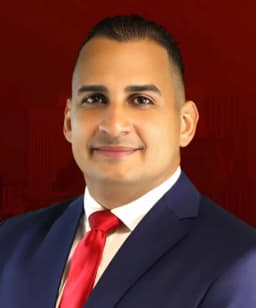
William Vasquez
Founder & CEO, Vasquez Law Firm, PLLC
William Vasquez is the founder and CEO of Vasquez Law Firm, PLLC, a results-driven firm specializing in immigration, criminal defense, personal injury, and workers' compensation. A U.S. Air Force veteran and recipient of the Joint Service Achievement Medal, William is dedicated to fiercely fighting for his clients' rights.
Related Legal Services
Need legal help? Learn more about immigration case consultation, or contact us for a free evaluation.
You can also visit statewide immigration legal services for more information.