How the US Maintains a Strong Economic Position Globally in 2026
The U.S. continues to hold a strong economic position globally, with the largest nominal GDP and key roles in global trade and finance. Contact us for help today.
Published on February 9, 2026· Updated February 11, 2026
Talk to an immigration attorney
Free call. A clear plan for your case.
Free & confidential · Se habla espanol · 24/7
Have questions? Talk to an attorney - free evaluation.
Call 1-844-967-3536Worried how the latest immigration news affects you?
Schedule a confidential case review with an immigration attorney - know exactly where you stand.
How the US Maintains a Strong Economic Position Globally in 2026
The U.S. continues to hold a strong economic position globally, maintaining the largest nominal GDP and playing vital roles in global trade and finance. In 2026, the strength of the U.S. economy remains a key factor for immigrants considering opportunities in North Carolina, Florida, and beyond. This guide explains the U.S. economy’s current status, growth factors, and implications for those navigating immigration to the United States.
Need help with your case? Our experienced attorneys are ready to fight for you. Se Habla Español.
Schedule Your Free Case Evaluation
Or call us now: 1-844-967-3536
Quick Answer
The U.S. continues to hold a strong economic position globally in 2026 by maintaining the world's largest nominal GDP around $26.8 trillion. It remains a global leader in trade, finance, and innovation, which fosters opportunities for immigrants looking to live and work in stable economic regions like North Carolina and Florida. The U.S. continues to hold a strong economic position globally, with the largest nominal GDP and significant roles in global trade and finance, creating a supportive environment for immigrants and investors alike.
- Largest economy by nominal GDP
- Key player in global trade and finance
- Diverse and innovative economic sectors
- Strong role in global immigration opportunities
- Stable economic growth impacts visa eligibility
Why the U.S. Position Matters Globally
Understanding the U.S. continues to hold a strong economic position globally is important because it reflects the country’s ongoing influence in international affairs, trade, and finance. The U.S. economy’s size and strength give it significant leverage in setting global economic policies and agreements. This economic stability attracts immigrants and investors worldwide, encouraging international collaboration and migration.
Given Smithfield’s location in North Carolina, a state with diverse industries and growing immigrant communities, the U.S. economy’s health directly influences local job markets and visa opportunities. Similarly, Florida's vibrant immigrant population benefits from the country’s sizable economy and trade links.
For Dreamers and immigrants, a strong economy means more potential openings for work permits, green cards, and other immigration benefits, which can involve complex processes that need expert guidance.
For example, international students considering studying in the U.S. can find increased opportunities due to the country’s robust market demand, which may lead to internships and eventual employment. Additionally, businesses expanding through foreign direct investment benefit from the strong consumer base and financial markets.
Moreover, the U.S.’s strong presence in global economic forums like the G20 and World Trade Organization underscores its role in shaping rules that facilitate cross-border commerce, impacting immigrants and investors alike.
The U.S. Economy in 2026: Key Facts and Figures
Current Nominal GDP
In 2026, the U.S. nominal GDP is estimated at $26.8 trillion, retaining its position as the world's largest economy. This measurement accounts for the total value of goods and services produced. It surpasses other major economies, such as China, by a significant margin when measured nominally.
This substantial economic size is supported by diverse sectors including technology, finance, healthcare, and manufacturing. For instance, the technology sector alone contributes trillions to GDP, driven by companies in Silicon Valley and emerging tech hubs.
Additionally, the U.S. maintains a dynamic startup ecosystem that fosters innovation and employment, further solidifying its global economic dominance.
Economic Growth Rate
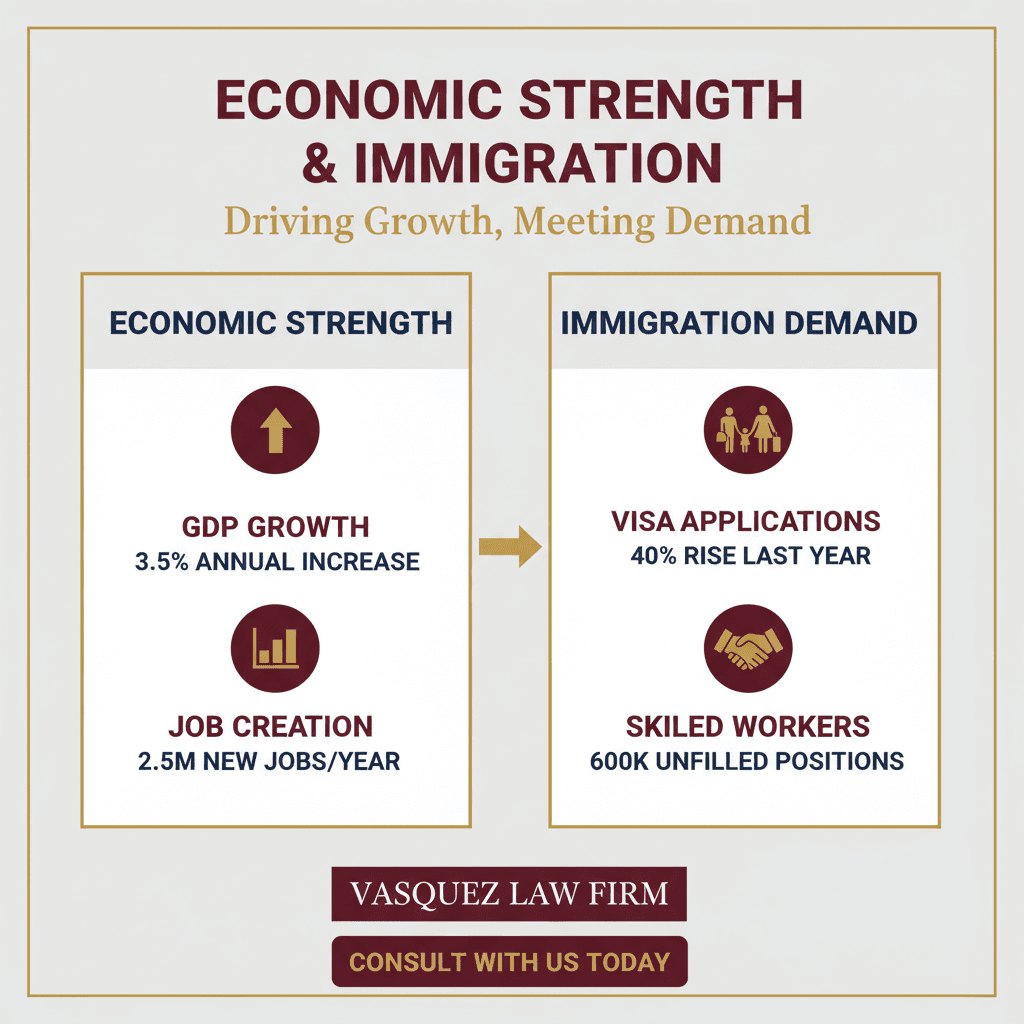
The U.S. continues to experience moderate GDP growth, averaging around 2%-3% annually. This steady expansion supports employment gains and increases in international trade volume.
Such growth rates indicate resilience amid global economic uncertainty, supported by consumer spending and strong service industries. For many immigrants, this translates to growing job opportunities, especially in fields like healthcare, education, and technology.
Moreover, government policies promoting infrastructure development and clean energy adoption are expected to contribute positively to growth in the upcoming years.
Global Trade Leadership
The United States plays a pivotal role in global trade networks, both as an importer and exporter. Key trading partners include Canada, China, Mexico, and the European Union. The economy’s open market policies and trade agreements facilitate these connections.
This strong trade network creates opportunities for immigrants involved in sectors like manufacturing, technology, and services to secure employment and economic stability.
For example, the U.S.-Mexico-Canada Agreement (USMCA) continues to support cross-border supply chains essential for automotive and agricultural industries, providing jobs and investment opportunities.
Additionally, U.S. ports and logistics hubs remain critical nodes for global commerce, further reinforcing the economic position.
How U.S. Economic Strength Impacts Immigration
Job Creation and Visa Opportunities
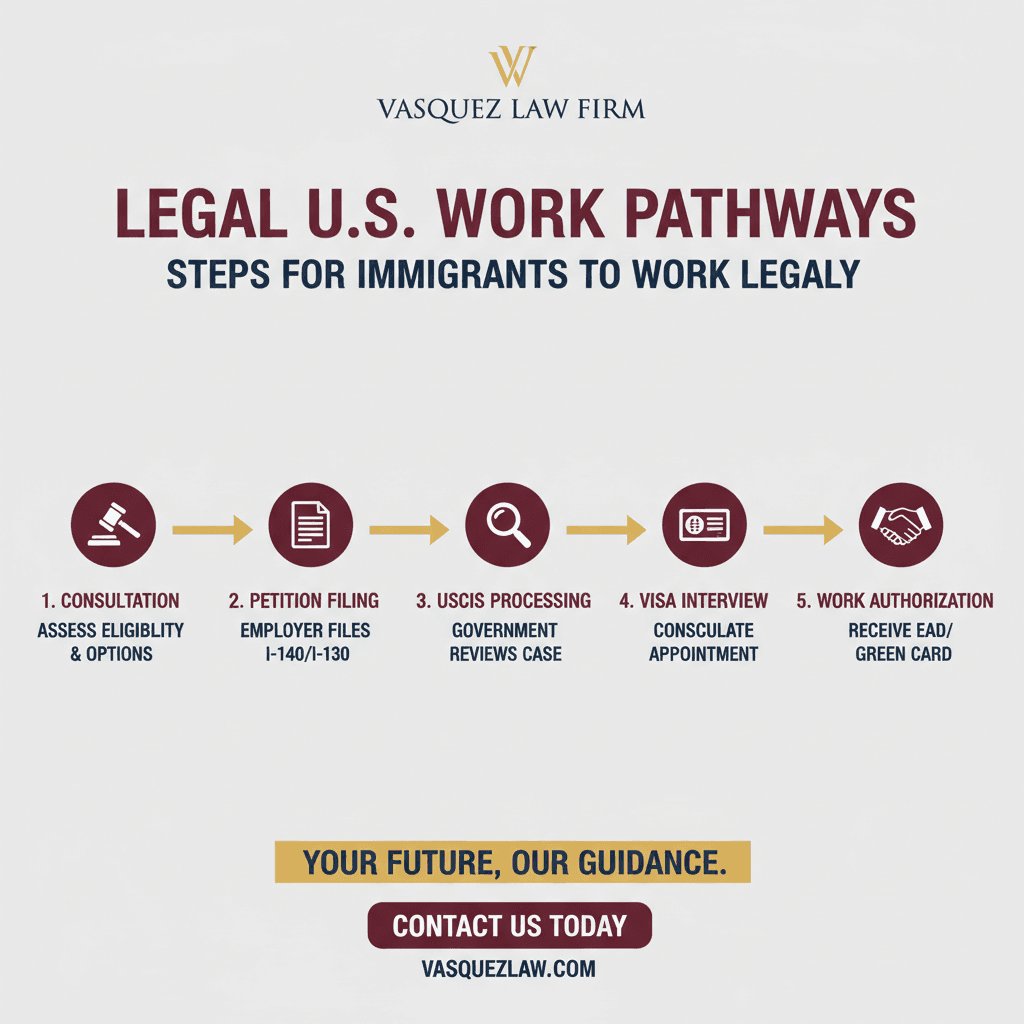
A strong economy generally results in a broader availability of jobs and employment-based visas. Visa categories like H-1B, L-1, and employment-based green cards depend on labor market demand aligned with economic trends.
For example, the technology and healthcare sectors often experience labor shortages, encouraging employers to sponsor qualified immigrants. This creates pathways for skilled workers from abroad to contribute to and benefit from the U.S. economy.
Additionally, regional growth in states like North Carolina and Florida introduces new labor demands in manufacturing, construction, and services, increasing visa opportunities.
Investment-Based Immigration
The economic vitality in 2026 also supports investor visa programs such as EB-5, which allow qualified immigrants to obtain green cards by investing in U.S. businesses. Thriving sectors attract such investments more frequently.
For instance, real estate developments and startup accelerators in major metropolitan areas offer promising returns, making them attractive to foreign investors seeking permanent residence.
Moreover, government incentives for renewable energy projects have opened novel avenues for EB-5 investments, linking economic strength with sustainable development.
Policy Influences
Economic conditions influence immigration policy decisions. For example, growth may encourage expanded quotas or streamlined visa processes intended to meet labor needs. In contrast, economic slowdowns can bring more restrictive measures.
Recent proposals focus on aligning immigration policies with economic demands, including reforms to H-1B visa selection methods and priority for sectors critical to the U.S. economy.
Experts emphasize that maintaining flexibility in immigration rules can help sustain growth and innovation, underscoring the link between economic strength and immigration.
Common Challenges and Opportunities for Immigrants
Challenges
- Complex immigration regulations that change with economic conditions.
- Competition for limited visas in high-demand categories.
- Lengthy processing times delaying employment and residency.
- Uncertainty over policy adjustments due to geopolitical events.
Immigrants must often navigate shifting policies that respond to economic highs and lows, requiring careful legal guidance to avoid pitfalls.
For example, changes in H-1B visa caps or processing criteria can affect the timing and success of applications.
Opportunities
- Access to a large and diverse labor market with ongoing demand.
- Ability to leverage strong regional economies like in Smithfield (NC) and Florida.
- Potential eligibility for investment and employment-based immigrant visas.
- Support and resources available through experienced attorneys and community organizations.
Immigrants often find robust communities and support networks in growing regional economies that complement the U.S. economic strength.
Furthermore, sectors such as technology and healthcare provide clear career pathways that align with the country’s economic needs.
Navigating Immigration Resource Timelines and Costs
Typical Processing Timelines
- Adjustment of status applications can take from 12 to 24 months depending on category and service center load.
- Visa petition approvals vary from 6 months to over a year.
- Employment authorization documents often issued within 90 days after applications.
Understanding these timelines is vital for planning employment and residency status in compliance with U.S. law and economy-driven visa availability.
For instance, early filing during periods of economic growth may reduce wait times due to higher resource allocation by immigration services.
Costs and Fees
- Application fees may range from a few hundred to several thousand dollars.
- Legal representation fees vary based on case complexity.
- Additional costs include medical exams, translation services, and travel expenses.
Budgeting for these expenses is essential, especially when investing in long-term immigration strategies linked to economic opportunities.
Choosing efficient legal support can minimize costly delays and improve approval odds.
Cost Factors to Consider
- Choosing the right visa category impacts long-term expenses.
- Early preparation and document organization can reduce delays and extra fees.
- Working with knowledgeable attorneys can improve application success rates.
For example, selecting a visa aligned with economic demand sectors reduces the likelihood of denials and appeals, saving both time and money.
When to Call an Immigration Lawyer
- Facing visa denials or complex immigration status adjustments.
- Experiencing processing delays beyond typical timelines.
- Needing help understanding visa types related to U.S. economic sectors.
- Seeking guidance on employment-based or investment immigration options.
- Dealing with enforcement actions or deportation risks.
- Planning to relocate to or invest in places like Smithfield, NC or Florida.
Legal expertise ensures compliance and strategic planning aligned with economic realities, facilitating smoother immigration experiences.
About Vasquez Law Firm
At Vasquez Law Firm, we combine compassion with aggressive representation. Our motto "Yo Peleo" (I Fight) reflects our commitment to standing up for your rights.
- Bilingual Support: Se Habla Español - our team is fully bilingual.
- Service Areas: North Carolina, Florida, and nationwide immigration services.
- Experience: Over 15 years helping clients navigate complex legal matters.
- Results: Thousands of successful cases across multiple practice areas.
Attorney Trust and Experience
Attorney Vasquez holds a Juris Doctor degree and is admitted to practice in both the North Carolina State Bar and Florida Bar. With over 15 years of dedicated legal experience, he has built a reputation for providing personalized attention and achieving favorable outcomes for his clients.
Don't wait to get the help you deserve. Call us now for immediate assistance.
Se Habla Español
Frequently Asked Questions
Is the U.S. still the strongest economy in the world?
Yes, as of 2026, the U.S. remains the strongest economy globally by nominal GDP. It holds the largest economic output compared to other countries, supported by diverse sectors like technology, finance, and manufacturing, continuing to influence international trade and finance significantly. The U.S. continues to hold a strong economic position globally, with the largest nominal GDP and significant roles in global trade and finance, reinforcing its status as the world's leading economy.
What is the nominal GDP of the U.S. economy in 2026?
In 2026, the U.S. nominal GDP is estimated at approximately $26.8 trillion. This value represents the total dollar value of all goods and services produced over the year, marking the largest national economy worldwide, which supports global financial markets and trade.
How much does the U.S. contribute to the global GDP?
The U.S. contributes roughly 24% of the global GDP in 2026, maintaining its position as a principal economic driver worldwide. This significant share emphasizes its role in international markets and makes it a key destination for immigrants seeking economic opportunities.
What factors contribute to the U.S.'s strong economic position?
Key factors include a diverse and innovative technology sector, robust financial markets, natural resources, and extensive global trade relationships. U.S. economic policies, strong institutions, and infrastructure also play important roles in supporting growth and stability.
How does the strong U.S. economy impact immigration opportunities?
A strong economy creates more job opportunities, investment, and business growth, which can result in more visas and immigration benefits. Immigrants benefit from stable employment prospects, which impacts visa eligibility and sponsorship possibilities positively.
What are some common economic challenges facing the U.S. in 2026?
Despite its strength, the U.S. faces challenges such as income inequality, inflation pressures, supply chain disruptions, and geopolitical tensions affecting trade. These challenges can influence economic policies that, in turn, affect immigration processes and labor market demands.
How does the U.S. role in global finance support its economy?
The U.S. dollar’s status as the world’s primary reserve currency facilitates international trade and investment. Major U.S. financial institutions influence global markets, attracting foreign capital and supporting economic growth and job creation domestically.
Where can immigrants in Smithfield learn more about ongoing economic trends?
Immigrants in Smithfield can access information on economic trends through local government resources, community centers, and legal representatives like the Vasquez Law Firm. Staying informed helps with better planning for immigration and employment decisions.
Sources and References
- U.S. Citizenship and Immigration Services (USCIS)
- U.S. Department of State Visa Information
- Executive Office for Immigration Review
Take the first step toward justice today. Our team is standing by to help. Se Habla Español.
Start Your Free Case Evaluation Now
Call us: 1-844-967-3536
Se Habla Español - Estamos aquí para ayudarle.


William Vasquez
Founder & CEO, Vasquez Law Firm, PLLC
William Vasquez is the founder and CEO of Vasquez Law Firm, PLLC, a results-driven firm specializing in immigration, criminal defense, personal injury, and workers' compensation. A U.S. Air Force veteran and recipient of the Joint Service Achievement Medal, William is dedicated to fiercely fighting for his clients' rights.
Related Legal Services
Need legal help? Learn more about immigration lawyers in North Carolina, or contact us for a free evaluation.
You can also visit immigration legal services throughout NC for more information.