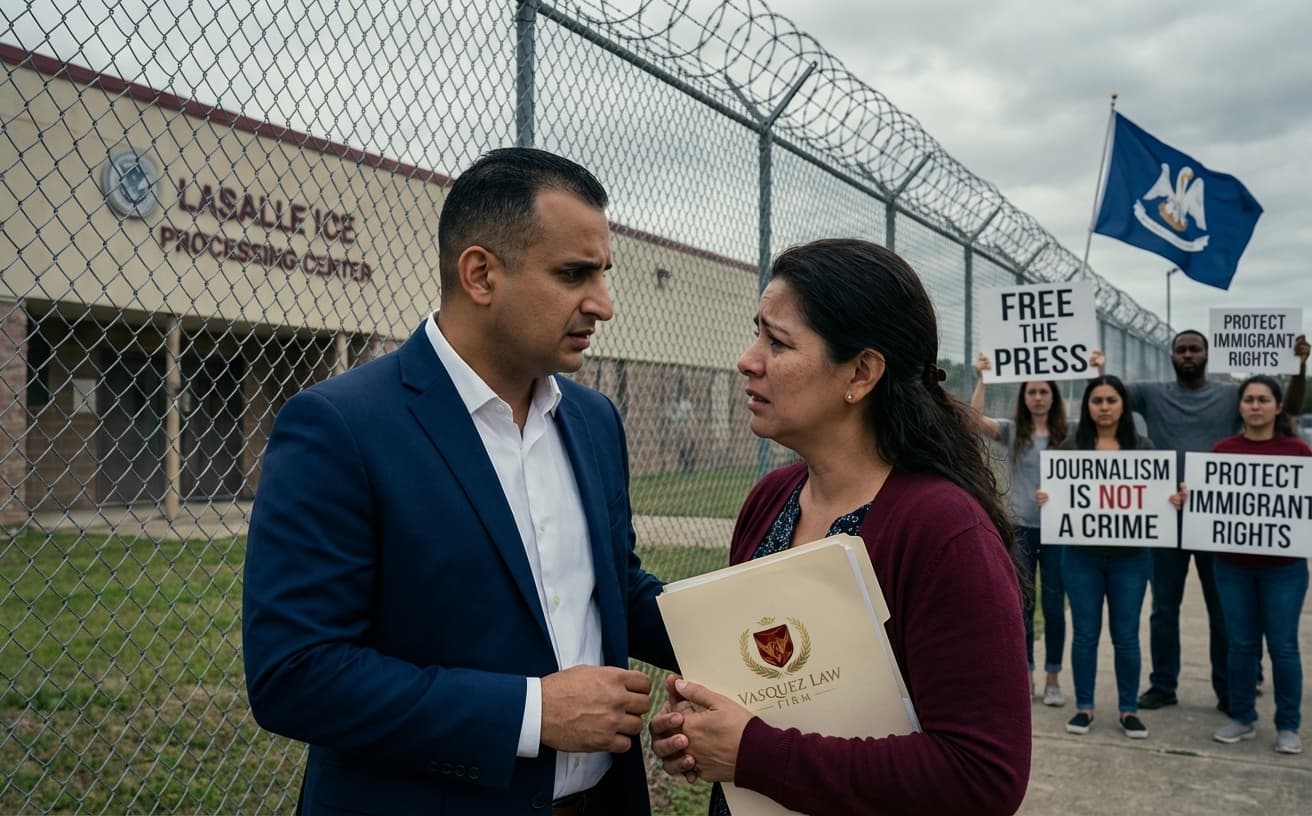
What Happens During ICE Detention Release in 2026?
Understand the process for ICE detention release in 2026, including bond hearings and what to expect. Contact Vasquez Law Firm for a free immigration consultation.
Published on March 9, 2026
Have questions? Talk to an attorney - free evaluation.
Call 1-844-967-3536Worried how the latest immigration news affects you?
Get a free, confidential case review with an immigration attorney - know exactly where you stand.
What Happens During ICE Detention Release in 2026?
The process of securing an ICE detention release can be a daunting experience for individuals and their families in North Carolina, Florida, and across the United States. Many people find themselves navigating a complex legal landscape, often without clear guidance. For instance, in 2025, a widely publicized case involved two teenage mariachi stars and their family released from an ICE detention center in South Texas, highlighting the critical role legal representation plays. Understanding the various pathways to release, such as obtaining an immigration bond or parole, is crucial for those held in U.S. Immigration and Customs Enforcement (ICE) custody. Knowing your rights and the steps involved in the release process can significantly impact the outcome, offering a beacon of hope during a challenging time. This guide, updated for 2026, will help you understand what to expect.
Need help with your case? Our experienced attorneys are ready to fight for you. Se Habla Español.
Schedule Your Free Consultation
Or call us now: 1-844-967-3536
Quick Answer: Navigating ICE Detention Release
ICE detention release typically involves securing an immigration bond, parole, or an order of release from an immigration judge. The specific pathway depends on factors like eligibility, criminal history, and the discretion of immigration officials. Most individuals seek release through a bond hearing, where a judge determines if they pose a flight risk or danger to the community, setting a bond amount if appropriate.
- Eligibility for bond varies based on immigration status and criminal record.
- Parole may be granted in specific humanitarian or public interest cases.
- An immigration judge can order release after a favorable bond hearing.
- Legal representation is crucial for navigating the complex release process.
- Release conditions often include reporting requirements to ICE.
Understanding ICE Detention and Release Options
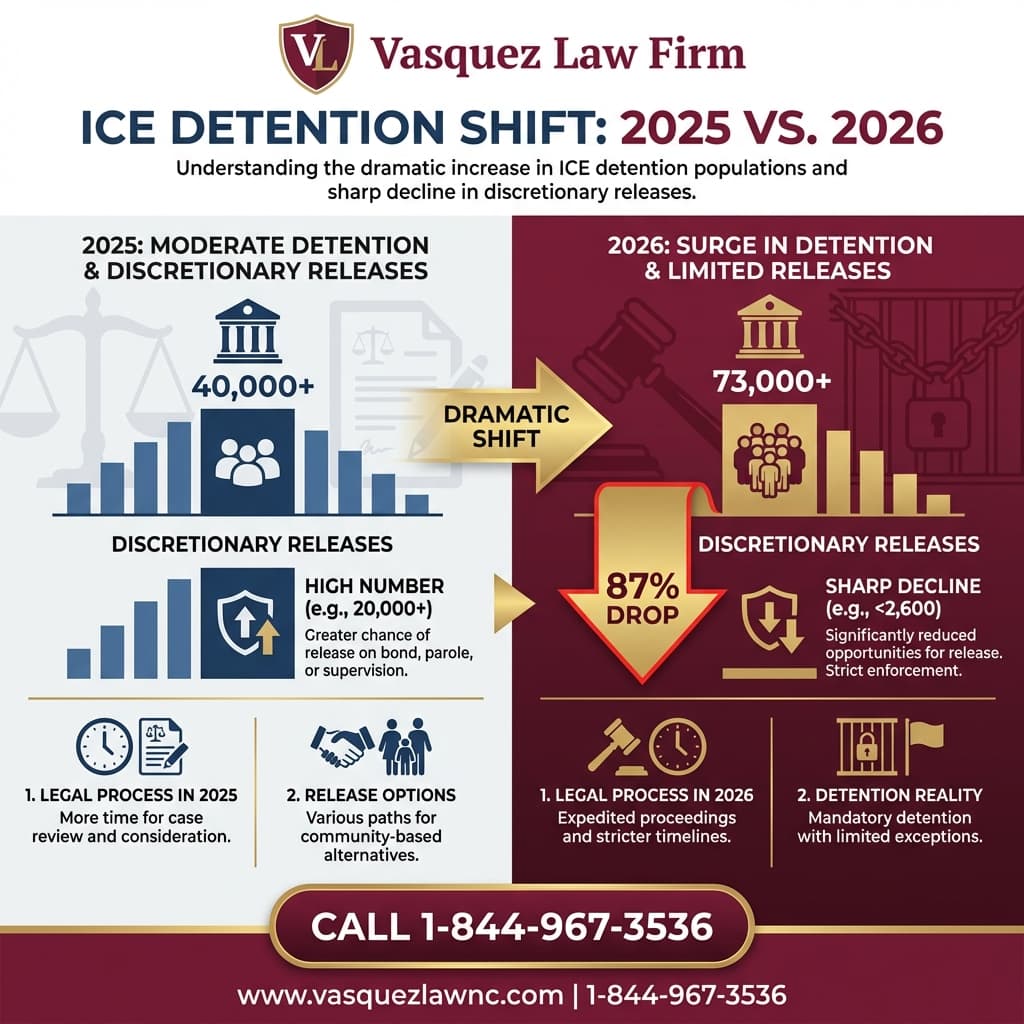
When an individual is taken into custody by U.S. Immigration and Customs Enforcement (ICE), they are typically held in an immigration detention center. As of 2026, there are numerous such facilities across the United States, including both government-run centers and privately contracted facilities. The primary goal of ICE detention is to ensure that individuals appear for their immigration court hearings and, if ordered, are deported, but the conditions and processes vary significantly.
The first step for many families is to determine the individual's ICE detention status and location. This often involves using the online Detainee Locator System or contacting local ICE field offices. Understanding where someone is detained is critical to initiating the release process, which can involve various legal avenues.
One common pathway for ICE detention release is through an immigration bond. A bond allows an individual to be released from custody after paying a set amount of money, with the promise to appear for all future court dates. Not everyone is eligible for a bond, especially those with certain criminal convictions or who are deemed a flight risk. An immigration judge typically determines bond eligibility and amount during a bond hearing, considering factors like community ties, criminal history, and flight risk.
Another option is parole, which is granted at the discretion of ICE or an immigration judge. Parole allows an individual to be released from custody without paying a bond, often under specific conditions. This is usually reserved for individuals who present a low flight risk and do not pose a danger to the community, or in cases involving urgent humanitarian concerns. For example, individuals with serious medical conditions that cannot be adequately treated in detention may be considered for humanitarian parole. Preparing a strong parole request requires compelling evidence and often the assistance of an attorney.
Finally, some individuals may be released directly by an immigration judge's order after a favorable ruling in their immigration case, or through other forms of relief. This could happen if their case is terminated, they are granted asylum, or they receive another form of legal status. Each of these release mechanisms has distinct requirements and involves different legal strategies, underscoring the importance of informed legal counsel in Raleigh, Florida, and beyond.
Pathways to ICE Detention Release: Bond, Parole, and Other Options
Navigating the various routes to an ICE detention release requires a clear understanding of each option and its specific criteria. For many, the initial goal is to secure a bond, which acts as a financial guarantee that the detainee will appear for all scheduled immigration court proceedings. The amount of an immigration bond can range significantly, from a few thousand dollars to tens of thousands, depending on the individual's circumstances and the judge's assessment of flight risk and danger to the community.
To obtain an immigration bond, a request for a bond hearing must be filed with the immigration court. During this hearing, an immigration judge will review the individual's immigration history, family ties in the U.S., employment history, criminal record, and community involvement. For instance, demonstrating strong family connections in Raleigh or a stable job history can significantly improve the chances of a favorable bond decision. The burden of proof typically lies with the detainee to show they are not a flight risk or a danger.
Parole is another critical avenue for ICE detention release, though it is often more difficult to obtain. Unlike bond, parole does not require a financial payment. Instead, it is a discretionary release granted by ICE or an immigration judge based on humanitarian reasons or significant public interest. Examples include individuals requiring urgent medical treatment unavailable in detention, pregnant women, or those who are primary caregivers for U.S. citizen children. The request for parole is usually submitted to the local ICE field office, requiring a detailed application and supporting documentation that clearly outlines the compelling reasons for release.
Beyond bond and parole, some individuals may qualify for release through alternative programs, such as the Intensive Supervision Appearance Program (ISAP), which monitors compliance through electronic ankle monitors or regular check-ins. Other forms of release can occur if an individual's immigration case is successfully resolved in their favor, leading to an order of release from the immigration judge. This could be due to a grant of asylum, cancellation of removal, or adjustment of status. Each of these pathways demands meticulous preparation and a deep understanding of immigration law, making legal guidance from firms like Vasquez Law Firm invaluable.
Step-by-Step Process for Securing an ICE Detention Release
The journey to an ICE detention release can feel overwhelming, but following a structured process can help. The first critical step is to locate the detained individual. This can be done through the ICE Online Detainee Locator System, which provides information on individuals held in ICE custody. Once located, gather as much information as possible about their arrest and immigration history. This initial data is vital for any subsequent legal action.
Next, determine eligibility for an immigration bond. Not everyone is eligible, especially those with certain criminal convictions or who are subject to mandatory detention. If eligible, the attorney will file a request for a bond hearing with the Executive Office for Immigration Review (EOIR). This hearing is where an immigration judge will assess whether the individual poses a flight risk or a danger to the community, and set a bond amount if appropriate. Preparing for this hearing involves compiling evidence of community ties, such as family in the U.S., employment, property ownership, and letters of support.
If a bond is granted, the next step is to pay the bond. Bonds can typically be paid at an ICE ERO field office or at some detention facilities. It's important to understand that the bond is a promise, and if the individual fails to appear for any court date, the bond money may be forfeited. For those not eligible for bond, or if the bond amount is too high, exploring parole options becomes essential. An attorney can help prepare a detailed parole request, highlighting humanitarian concerns or public interest factors, which is then submitted to the local ICE field office.
Throughout this entire process, consistent communication with the detained individual and their family is paramount. Legal representation ensures that all deadlines are met, necessary documents are filed correctly, and the individual's rights are protected. For example, in Raleigh, our firm frequently assists clients in coordinating with local ICE offices and immigration courts. The goal is always to achieve the quickest and most favorable ICE detention release possible, allowing individuals to return to their families and communities while their immigration case proceeds.
Common Mistakes to Avoid in ICE Detention Release Cases
Attempting to navigate an ICE detention release without proper legal guidance can lead to significant errors that prolong detention or even result in deportation. One of the most critical mistakes is failing to act quickly. Time is often of the essence in immigration cases, as delays can lead to missed deadlines or changes in circumstances that negatively impact eligibility for release. Families should seek legal counsel immediately upon learning of a loved one's detention.
Another common error is providing inconsistent or inaccurate information to immigration officials. Any discrepancies in personal details, immigration history, or criminal background can be used against the individual during bond hearings or parole requests. It is crucial to be truthful and ensure all documentation aligns with the facts. An attorney can help review all information before it is submitted, preventing unintended misrepresentations.
Many individuals also make the mistake of not gathering sufficient supporting documentation. For a bond hearing, evidence of strong community ties, such as letters from employers, family members, or community leaders, bank statements, property deeds, and proof of U.S. citizen dependents, is vital. Without this evidence, it becomes challenging to convince an immigration judge that the individual is not a flight risk. Similarly, for parole, extensive medical records or evidence of extreme hardship are necessary.
Ignoring court orders or failing to appear for scheduled hearings is perhaps the most detrimental mistake. Missing a court date almost certainly results in an order of removal (deportation) and forfeiture of any immigration bond paid. This also makes future immigration relief much more difficult to obtain. Always ensure clear communication regarding hearing dates and locations, and, if possible, attend with legal counsel. Finally, trying to represent oneself in immigration court without legal training is a common misstep. Immigration law is incredibly complex, and a skilled attorney can present a much stronger case for ICE detention release.
If you only remember one thing: Always seek immediate legal counsel from an experienced immigration attorney to avoid critical errors and protect your rights during an ICE detention release process.
NC, FL, and Nationwide Notes on ICE Detention Release
While immigration law is primarily federal, the practicalities of ICE detention release can vary depending on the specific location and the policies of local ICE field offices and immigration courts in North Carolina, Florida, and across the nation. Understanding these nuances is crucial for families seeking to secure a loved one's release in 2026.
North Carolina Notes
In North Carolina, ICE detention facilities include the Stewart Detention Center, Folkston Processing Center, and others. Individuals detained in Raleigh or elsewhere in the state typically have their bond hearings at the Charlotte Immigration Court. The court's docket and the judge's discretion can influence the timeline and outcome of these hearings. Local ICE field offices, such as the one in Charlotte, also play a significant role in discretionary releases like parole. An attorney familiar with the specific procedures and tendencies of the Charlotte Immigration Court and local ICE offices can provide invaluable assistance. Vasquez Law Firm has extensive experience helping families navigate ICE detention release cases throughout North Carolina.
Florida Notes
Florida has several major ICE detention facilities, including the Krome Service Processing Center in Miami and the Baker County Detention Center. Immigration courts in Florida, such as those in Miami and Orlando, handle bond hearings for detainees across the state. The sheer volume of cases in Florida's immigration courts often means longer wait times for hearings, making proactive legal action even more critical. The policies of the Miami and Tampa ICE field offices regarding parole and other discretionary releases can also significantly impact a detainee's chances. Our firm also serves clients throughout Florida, providing dedicated representation in these complex matters.
Nationwide Concepts (General Only, Rules Vary)
Nationwide, the general framework for ICE detention release is governed by federal law, primarily the Immigration and Nationality Act (INA). However, the application of these laws can differ based on regional ICE directives, judicial precedents in specific circuits, and the individual immigration judge assigned to a case. For example, while the legal grounds for bond eligibility are federal, the average bond amounts and the likelihood of parole grants can fluctuate across different states and judicial districts. Understanding these variations, and how they might affect an ICE detention release, requires a comprehensive and up-to-date knowledge of national immigration trends and legal developments in 2026. This is where a firm with a national reach in immigration law becomes essential.
When to Call a Lawyer Now for ICE Detention Release
The moment a loved one is detained by ICE, immediate legal action is critical. Every hour counts in immigration detention cases, and delaying can severely jeopardize the chances of a swift ICE detention release. If you or someone you know has been taken into ICE custody, it is imperative to contact an immigration attorney without delay.
- Immediate Detention: If a family member has just been arrested by ICE and you don't know their location or status.
- Bond Hearing Scheduled: If a bond hearing has been scheduled, an attorney can prepare a strong case for release.
- High Bond Amount: If a bond has been set too high, an attorney can argue for a reduction.
- Denied Bond or Parole: If release was denied, an attorney can appeal the decision or explore other options.
- Medical or Humanitarian Concerns: If the detainee has urgent medical needs or other compelling humanitarian reasons for release.
- Deportation Order Imminent: If there is a risk of an imminent deportation order.
- Unclear Immigration Status: If the detainee's immigration status is complex or uncertain.
- Criminal History: If the detainee has any criminal convictions that might affect their eligibility for release.
Do not attempt to navigate the complex immigration system alone. A seasoned immigration attorney can act quickly to locate your loved one, assess their eligibility for release, and fight tirelessly for their freedom. Vasquez Law Firm is ready to provide the aggressive and compassionate representation you need.
About Vasquez Law Firm
At Vasquez Law Firm, we combine compassion with aggressive representation. Our motto "Yo Peleo" (I Fight) reflects our commitment to standing up for your rights. We understand the profound anxiety and uncertainty that immigration detention brings to families in North Carolina, Florida, and nationwide. Our team is dedicated to providing personalized legal strategies tailored to each client's unique circumstances, ensuring that no one has to face these challenges alone.
- Bilingual Support: Se Habla Español - our team is fully bilingual, ensuring clear communication and understanding.
- Service Areas: We proudly serve clients throughout North Carolina, Florida, and offer comprehensive immigration services nationwide.
- Experience: With over 15 years of dedicated legal experience, Attorney Vasquez has a proven track record of success in complex immigration matters.
- Results: We have successfully handled thousands of cases across various practice areas, always striving for the best possible outcomes.
Attorney Trust and Experience
Attorney Vasquez holds a Juris Doctor degree and is admitted to practice in both the North Carolina State Bar and Florida Bar. With over 15 years of dedicated legal experience, he has built a reputation for providing personalized attention and achieving favorable outcomes for his clients. He understands the intricacies of federal immigration law and the local practices of ICE and immigration courts, making him a trusted advocate for those seeking an ICE detention release. His commitment to justice and client well-being drives every case we handle.
Don't face your legal challenges alone. Our team is here to help you every step of the way.
Call today: 1-844-967-3536 | Se Habla Español
Frequently Asked Questions About ICE Detention Release
How long can ICE hold you in detention?
There is no specific time limit for how long ICE can hold someone in detention, especially if their case is still pending before an immigration court. However, after an order of removal becomes final, ICE generally has 90 days to deport the individual. If deportation does not occur within this period, the individual may be eligible for release under supervision, though exceptions apply.
What factors determine the ICE bond amount?
An immigration judge considers several factors when setting an ICE bond amount. These include the individual's ties to the community (family, employment, property), their criminal history, whether they are a flight risk, and whether they pose a danger to the community. Strong community ties and a clean record can lead to a lower bond amount.
Can I get released from ICE detention without paying a bond?
Yes, it is possible to get released from ICE detention without paying a bond, primarily through parole. Parole is a discretionary release granted by ICE or an immigration judge for humanitarian reasons or significant public interest. It is often granted to individuals with severe medical conditions, pregnant women, or those who are primary caregivers, under strict conditions.
What is the difference between an immigration bond and parole?
An immigration bond requires a financial payment to secure release, serving as a guarantee that the individual will appear for future court hearings. Parole, on the other hand, does not require a payment and is a discretionary release based on humanitarian factors or public interest. Parole often comes with specific reporting conditions.
Can I visit someone in ICE detention?
Yes, most ICE detention facilities allow visitors, but rules vary significantly by facility. It's essential to check the specific visitation policies of the detention center where your loved one is held, which can usually be found on the ICE website or by calling the facility directly. Visitation often requires prior registration and adherence to strict schedules and rules.
How can I find out someone's ICE detention status?
You can find out someone's ICE detention status by using the ICE Online Detainee Locator System. You will need the individual's A-Number (Alien Registration Number) or their name, country of birth, and date of birth. This system provides information on where they are detained and their current status.
What happens after an ICE detention release?
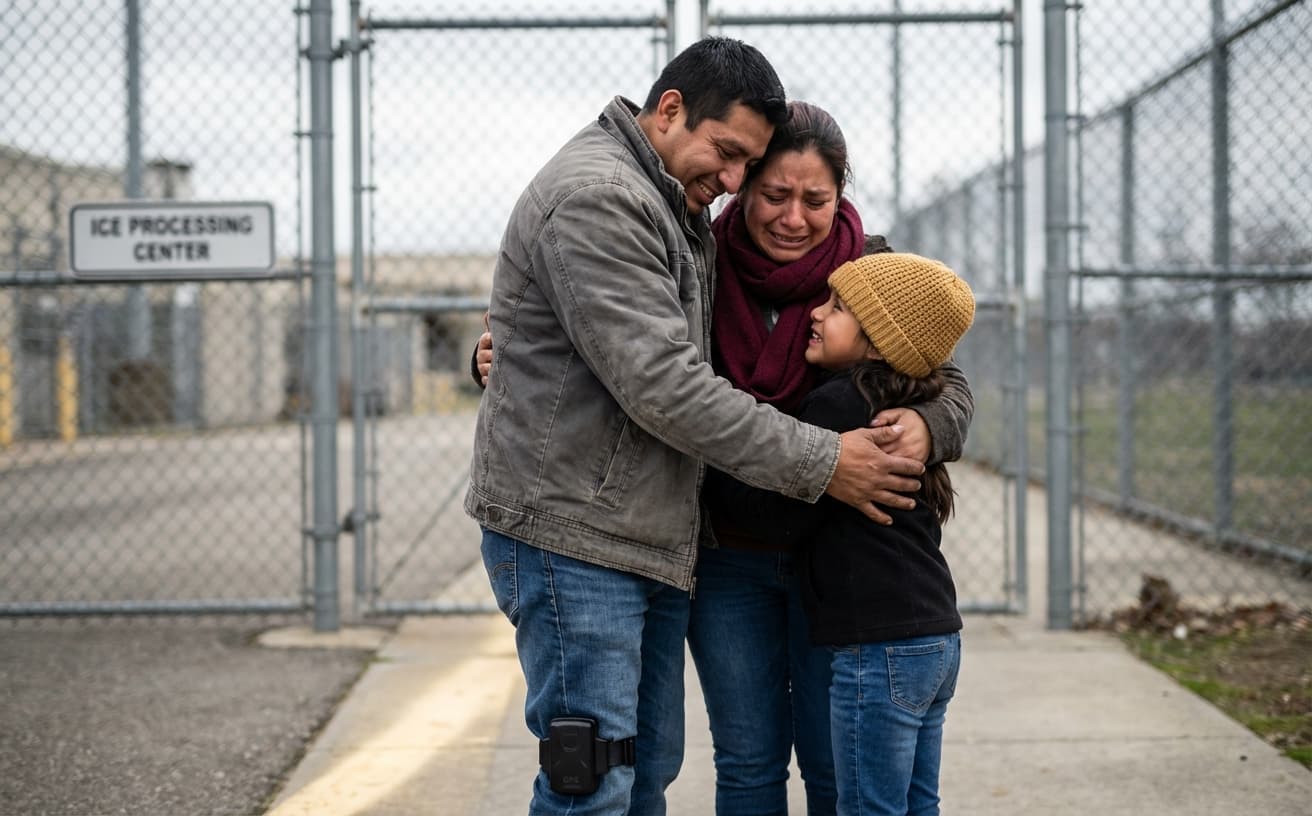
After an ICE detention release, the individual is free to return home but must comply with all conditions of their release. These conditions typically include appearing for all scheduled immigration court hearings, reporting regularly to an ICE officer, and potentially wearing an electronic monitoring device. Failure to comply can result in re-detention.
Do I need a lawyer for an ICE detention release?
While not legally required, having an experienced immigration lawyer for an ICE detention release significantly increases the chances of a favorable outcome. An attorney can navigate complex legal procedures, present a strong case for bond or parole, challenge allegations, and ensure your rights are protected throughout the process. Vasquez Law Firm is ready to assist.
Sources and References
- U.S. Citizenship and Immigration Services (USCIS)
- Executive Office for Immigration Review (EOIR)
- 8 U.S. Code § 1226 - Apprehension and detention of aliens
- 8 C.F.R. Part 236 - Apprehension, Custody, Detention, and Removal
Ready to take the next step? Contact Vasquez Law Firm today for a free, confidential consultation. We're committed to fighting for your rights and achieving the best possible outcome for your case.
Start Your Free Consultation Now
Call us: 1-844-967-3536
Se Habla Español - Estamos aquí para ayudarle.


William Vasquez
Founder & CEO, Vasquez Law Firm, PLLC
William Vasquez is the founder and CEO of Vasquez Law Firm, PLLC, a results-driven firm specializing in immigration, criminal defense, personal injury, and workers' compensation. A U.S. Air Force veteran and recipient of the Joint Service Achievement Medal, William is dedicated to fiercely fighting for his clients' rights.
Related Legal Services
Need legal help? Learn more about our immigration legal services, or contact us for a free evaluation.
You can also visit North Carolina immigration lawyers for more information.