How Asylum Claims Work: What You Should Know in 2026
Want to understand asylum claims in 2026? Learn who qualifies, the process, benefits, and next steps. Contact Vasquez Law for your free consultation.
Published on May 16, 2026
Talk to an immigration attorney
Free call. A clear plan for your case.
Free & confidential · Se habla espanol · 24/7
Have questions? Talk to an attorney - free evaluation.
Call 1-844-967-3536Worried how the latest immigration news affects you?
Schedule a confidential case review with an immigration attorney - know exactly where you stand.
USCIS Case Status
Check your USCIS case status
Enter your receipt number and get the official status. Free, no registration.
How Asylum Claims Work: What You Should Know in 2026
Asylum claims provide protection to individuals fearing persecution in their home countries. In 2026, understanding how asylum works is essential for residents in Orlando, FL and Raleigh, NC. This article explains what asylum is, who qualifies, the differences between affirmative and defensive asylum, benefits for asylum seekers, common mistakes to avoid, and the step-by-step process. Vasquez Law Firm offers bilingual immigration support to help you navigate complex federal laws and meet deadlines with confidence.
Need help with your case? Our experienced attorneys are ready to fight for you. Se Habla Español.
Or call us now: 1-844-967-3536
Quick Answer
An asylum claim is a formal request for protection when you fear persecution in your home country. In 2026, claims can be affirmative or defensive, each with specific procedures and deadlines. Benefits include work authorization and eventual legal status if approved. Legal guidance is crucial to avoid mistakes and meet complex requirements.
- Asylum protects against persecution on key grounds like race and religion
- Two main types: affirmative and defensive asylum
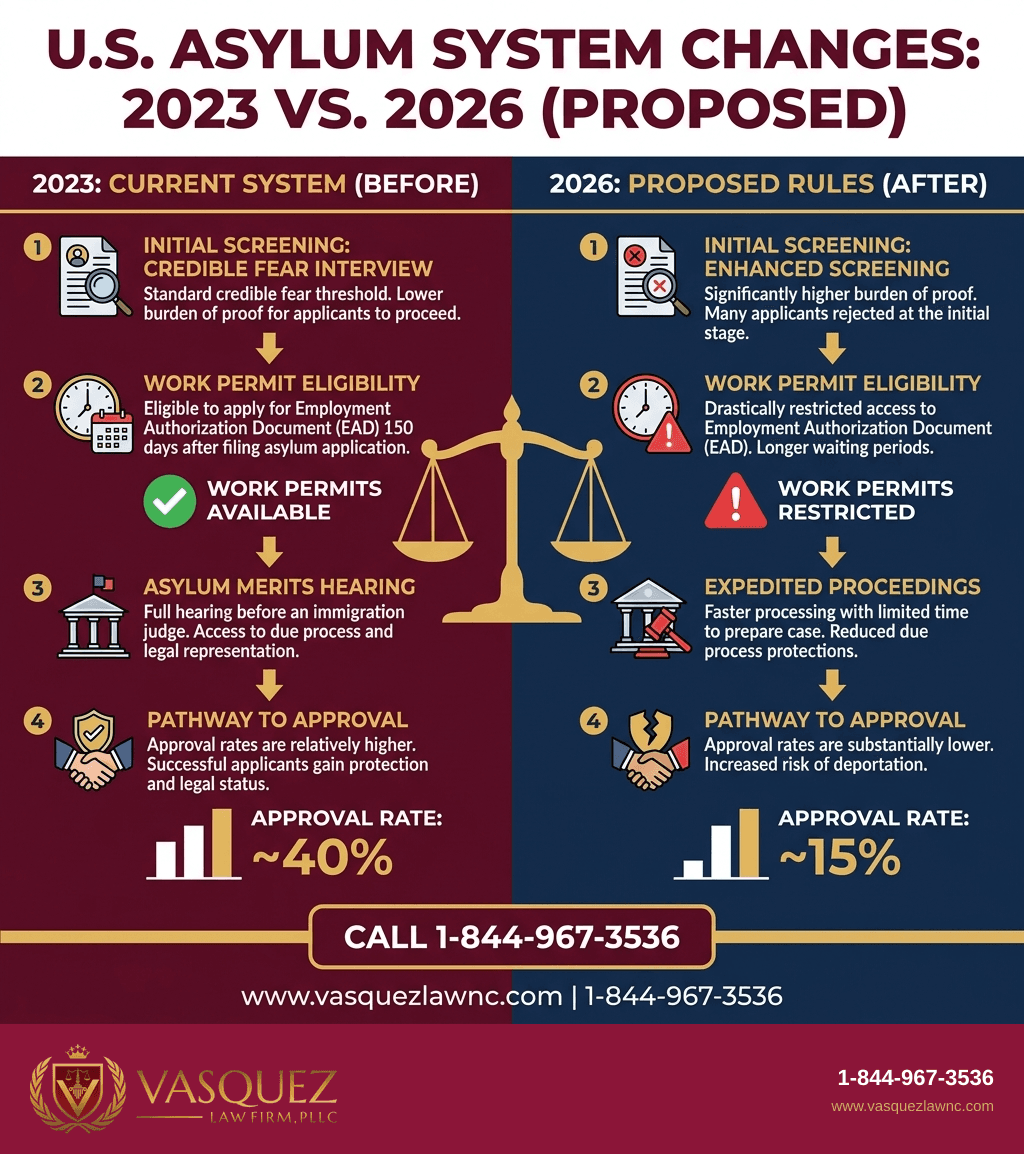
- Applicants may obtain work permits after 150 days
- Deadlines and evidence are critical to success
- Legal help improves chances and ensures compliance
What Is an Asylum Claim?
Imagine fleeing your country because of threats due to your religion or political beliefs. An asylum claim is your legal path to stay safe in the U.S. It is a request for protection from persecution based on race, religion, nationality, membership in a particular social group, or political opinion. Under federal immigration law, asylum is a key form of humanitarian relief.
The U.S. Immigration and Nationality Act (INA) at 8 U.S.C. § 1158 outlines who can apply for asylum and the process requirements. Asylum seekers must show a "well-founded fear" of persecution. This means a reasonable possibility of harm if returned to their home country.
While asylum law is governed federally, practical application impacts residents in Orlando, FL and Raleigh, NC differently. Local USCIS offices handle affirmative claims, while immigration courts in these states hear defensive asylum cases.
Types of Asylum: Affirmative vs Defensive
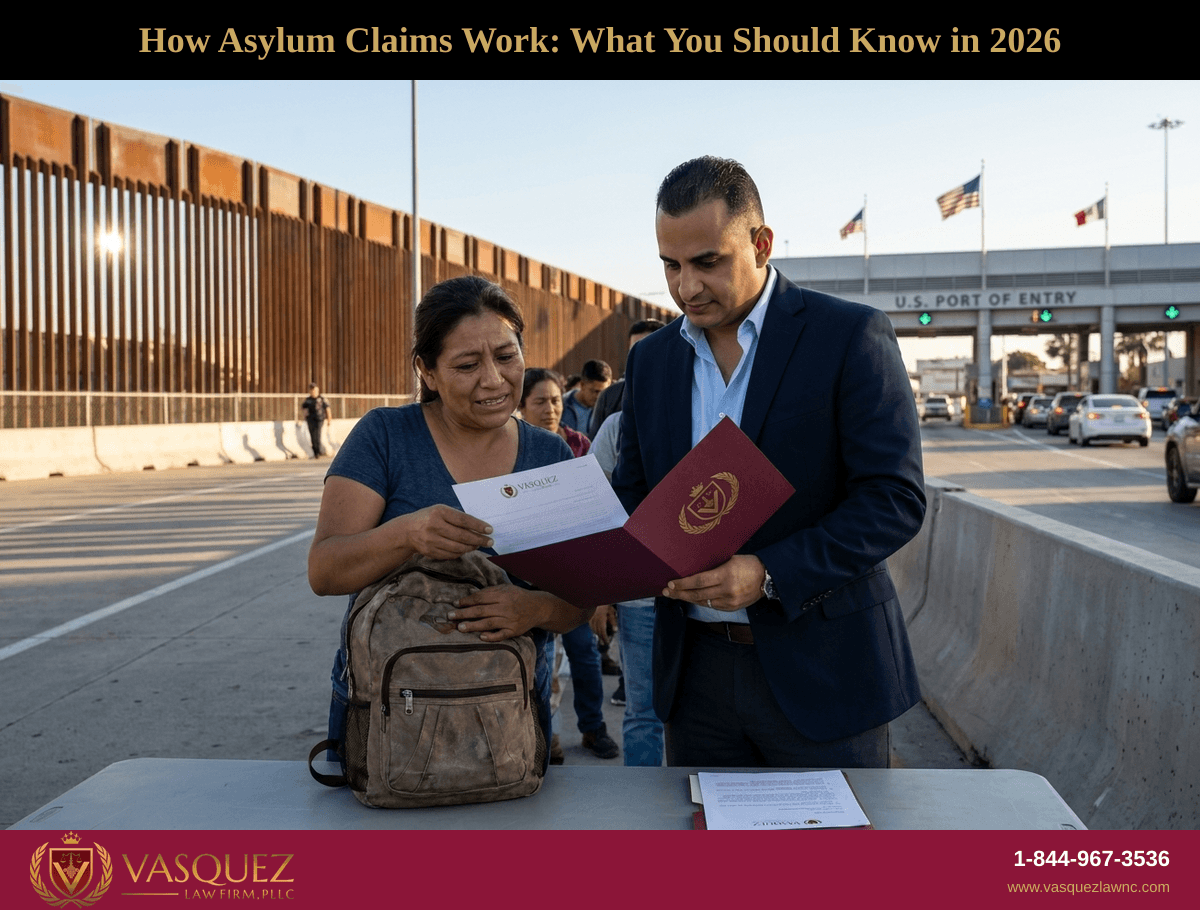
Asylum claims in the U.S. primarily come in two forms: affirmative and defensive. Affirmative asylum is for individuals who apply voluntarily when not in removal proceedings. They submit Form I-589 to USCIS and attend an interview. This process is administrative and can take one to three years on average, according to the USCIS processing times.
Defensive asylum occurs when a person is in removal proceedings. Here, asylum is a defense to deportation made before an immigration judge. The Executive Office for Immigration Review (EOIR) manages these cases. Defensive claims often involve court hearings and can take longer due to court backlogs.
Choosing the correct type of asylum claim based on your situation affects your legal rights and timeline. Working with immigration attorneys in Orlando or Raleigh ensures your claim is properly filed within deadlines.
Affirmative Asylum
Filed before any formal immigration action begins, it requires submitting Form I-589 within one year of arrival in the U.S. Applicants must prove persecution claims during a USCIS interview. Approval leads to asylum status. If denied, cases may transfer to court for defensive asylum.
Defensive Asylum
This form protects respondents in removal proceedings alleging persecution risk. The process involves hearings, testimony, and evidence presentations in immigration court. Approval results in avoidance of deportation and asylum status.
Which One Applies to You?
If you arrived recently and are not facing removal, affirmative asylum is usually your path. If detained or placed in deportation, defensive asylum becomes critical. Attorney guidance is vital to navigating these options in 2026.
How to File an Asylum Claim
Filing an asylum claim involves several important steps that ensure your case is properly heard. First, you must understand the eligibility criteria and prepare strong evidence. Next, submitting the correct forms timely is essential to avoid dismissal.
- Determine eligibility and type of claim (affirmative or defensive).
- Complete and file Form I-589 (Application for Asylum and for Withholding of Removal) within one year of arrival if filing affirmatively.
- Gather documentation showing persecution or credible threat based on protected grounds.
- Attend biometric services appointment for background checks.
- Participate in USCIS or immigration court interview or hearing.
- Await decision, filing appeals if needed.
Helpful tips include consulting an immigration lawyer early, keeping copies of all filings, and making timely follow-ups. Our immigration attorneys in Orlando can assist you throughout these steps to help avoid pitfalls and prepare a persuasive case.
Important Deadlines
Most applicants must file within one year of entering the U.S., per 8 U.S.C. § 1158(a)(2). Exceptions exist, but late filings are more difficult. You should never miss this deadline without legal counsel.
Evidence To Support Your Claim
- Personal statements describing past persecution or credible threats
- Country conditions reports from trusted sources
- Police, medical, or news reports corroborating your story
- Affidavits from witnesses or experts
Benefits for Asylum Seekers in USA
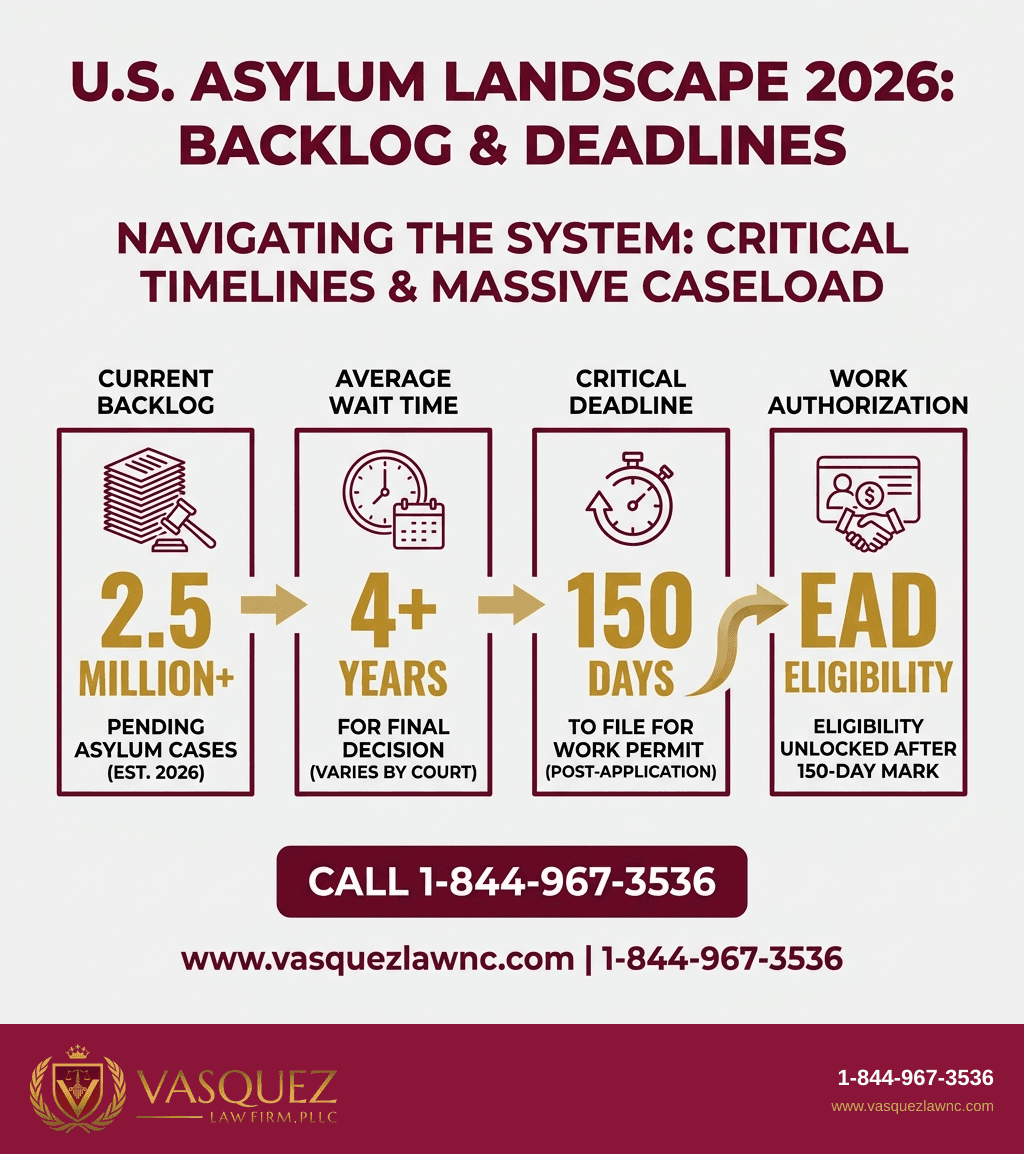
Once you file an asylum claim with USCIS, you may become eligible for several benefits while your claim is processed. After 150 days, you can apply for an Employment Authorization Document (EAD), allowing you to work legally in the U.S.
Individuals granted asylum receive permanent protection against deportation and may eventually apply for lawful permanent resident status (green card) one year after asylum approval. Asylees can also sponsor certain family members for immigration.
However, some public benefits vary by state. North Carolina and Florida differ in access to Medicaid, TANF, and food assistance for asylum seekers and asylees. Knowing your eligibility can ease your transition while you live and work in Orlando or Raleigh.
The benefits extend to education, social services, and travel documents such as Refugee Travel Permits.
Work Authorization
After 150 days of pending asylum application, you may file Form I-765 to obtain work authorization under 8 C.F.R. § 208.7. This permission is critical for income and stability during the waiting period.
Pathway to Green Card
Successful asylum grants lead to eligibility for applying for lawful permanent residence after one year (8 U.S.C. § 1159). This is a significant step toward long-term security.
Access to Social Services
While waiting, asylum seekers may access limited services; full benefits improve after asylum is granted. Consult local offices for updates specific to NC and FL state rules.
Common Mistakes in Asylum Claims
- Missing the One-Year Filing Deadline: File Form I-589 within the first year of arrival or risk disqualification. Consult an attorney immediately if late.
- Insufficient Evidence: Failing to submit credible proof undermines your claim. Collect detailed documentation and affidavits.
- Contradictory or Inconsistent Statements: Be truthful and consistent in all interviews. Contradictions weaken credibility.
- Not Attending Scheduled Hearings or Interviews: Missing or being late to USCIS or court dates can lead to denial or removal orders.
- Ignoring Changes in Personal Circumstances: Update USCIS or court about changes affecting your claim, such as new threats.
- Applying Without Legal Help: Navigating asylum law alone increases risks. Seek help especially in complex defensive cases.
- Not Reporting Address Changes: USCIS must always have your current address to avoid missed mail and deadlines.
If you only remember one thing: Timely filing with strong evidence and legal guidance significantly improves your chances of approval.
NC and FL Asylum Claim Notes
North Carolina Notes
Orlando and Raleigh residents seeking asylum should be aware that USCIS local offices handle initial affirmative claims. North Carolina falls within the jurisdiction of the Charlotte Immigration Court, which hears defensive asylum cases. Backlogs may cause delays, so preparation is vital.
Local resources include immigrant advocacy groups that can assist with document translation and legal referrals. North Carolina’s programs for asylum seekers focusing on healthcare and legal aid differ from Florida’s offerings.
Florida Notes
Orlando residents filing asylum claims face USCIS processing that follows nationwide standards but can differ in wait times. The Miami Immigration Court covers Florida defensive asylum cases. Local nonprofits provide legal clinics and support groups.
Florida allows some public benefits to asylum seekers and asylees, but eligibility varies. Consulting local immigration attorneys helps understand how FL rules apply.
Nationwide Concepts
Asylum applications are governed by federal law regardless of state. The INA at 8 U.S.C. § 1158 establishes eligibility, grounds, and process. USCIS and EOIR administer asylum procedures across the country with some regional variations in backlog and timing.
Applicants across the U.S. must provide evidence that meets federal legal standards. Keeping current with policy changes, such as new guidelines for asylum seekers in 2026, is essential.
When to Call an Immigration Lawyer
- If you missed the one-year filing deadline for asylum applications
- If you received a Notice to Appear (NTA) for removal proceedings
- If your asylum claim was denied or if you want to appeal a decision
- If you need help gathering evidence or preparing your USCIS interview
- If you fear retaliation or persecution based on your claim grounds
- If you want to apply for asylum for a family member
- If you are confused about work authorization or benefits available
- If you want a legal evaluation of your immigration options beyond asylum
- If you need help complying with court orders or deadlines in defensive asylum
- If you want expert advice on protecting your rights in North Carolina or Florida
About Vasquez Law Firm
At Vasquez Law Firm, we combine compassion with aggressive representation. Our motto "Yo Peleo®" (I Fight) reflects our commitment to standing up for your rights. Whether you are facing the complexities of asylum claims or other immigration matters, our bilingual attorneys are here for you in Raleigh, NC and Orlando, FL.
- Bilingual Support: Se Habla Español — Spanish-speaking attorneys and staff available
- Service Areas: North Carolina, Florida, and nationwide immigration services
- Experience: Over 30 years helping clients navigate complex legal matters
- Results: Thousands of successful cases across multiple practice areas
Attorney Trust and Experience
William J. Vásquez is admitted to the North Carolina State Bar (2011) and to the U.S. Courts of Appeals for the 4th, 5th, 6th, and 11th Circuits. The firm provides dedicated legal representation for asylum seekers with personalized attention for each case to maximize chances of success.
Don't wait to get the help you deserve. Call us now for immediate assistance. Se Habla Español.
Or schedule a free case evaluation today.
Frequently Asked Questions
What is an asylum claim?
An asylum claim is a legal request for protection due to fear of persecution based on factors like race or religion. It can be filed affirmatively with USCIS or defensively in immigration court depending on your situation.
Who qualifies for asylum in the United States?
You qualify if you have a well-founded fear of persecution on protected grounds. Evidence of harm or credible threats, along with credible testimony, support approval under federal law.
How do I apply for asylum from outside the United States?
Generally, asylum is for those inside the U.S. Refugee status is for people outside the U.S. wishing to relocate. The distinction is important and requires careful legal evaluation.
What is the difference between affirmative and defensive asylum?
Affirmative asylum is voluntary application to USCIS without removal proceedings. Defensive asylum defends against deportation in immigration court cases.
Do asylum seekers get benefits in the USA?
Yes, they may be eligible to work 150 days after applying and can access certain public benefits, with increased access after approval.
What countries are offering asylum to Americans?
It is uncommon for Americans to seek asylum abroad. Some countries have protections but cases for U.S. citizens are rare and evaluated case-by-case.
Who pays the $100 fee for asylum applications?
There is currently no filing fee for the Form I-589 asylum application. Some ancillary services may have fees, but the main application is free.
How long does the asylum process take in 2026?
Processing times vary. Affirmative cases typically take 1 to 3 years. Defensive cases often take longer due to court backlog. Check USCIS processing times for updates.
Sources and References
- U.S. Citizenship and Immigration Services
- Executive Office for Immigration Review
- Legal Information Institute
Take the first step toward justice today. Our team is standing by to help. Se Habla Español.
Start Your Free Evaluation Now
Call us: 1-844-967-3536
Se Habla Español - Estamos aquí para ayudarle.


William Vasquez
Founder & CEO, Vasquez Law Firm, PLLC
William Vasquez is the founder and CEO of Vasquez Law Firm, PLLC, a results-driven firm specializing in immigration, criminal defense, personal injury, and workers' compensation. A U.S. Air Force veteran and recipient of the Joint Service Achievement Medal, William is dedicated to fiercely fighting for his clients' rights.
Related Legal Services
Need legal help? Learn more about get immigration legal help today, or contact us for a free evaluation.
You can also visit immigration attorneys across North Carolina for more information.