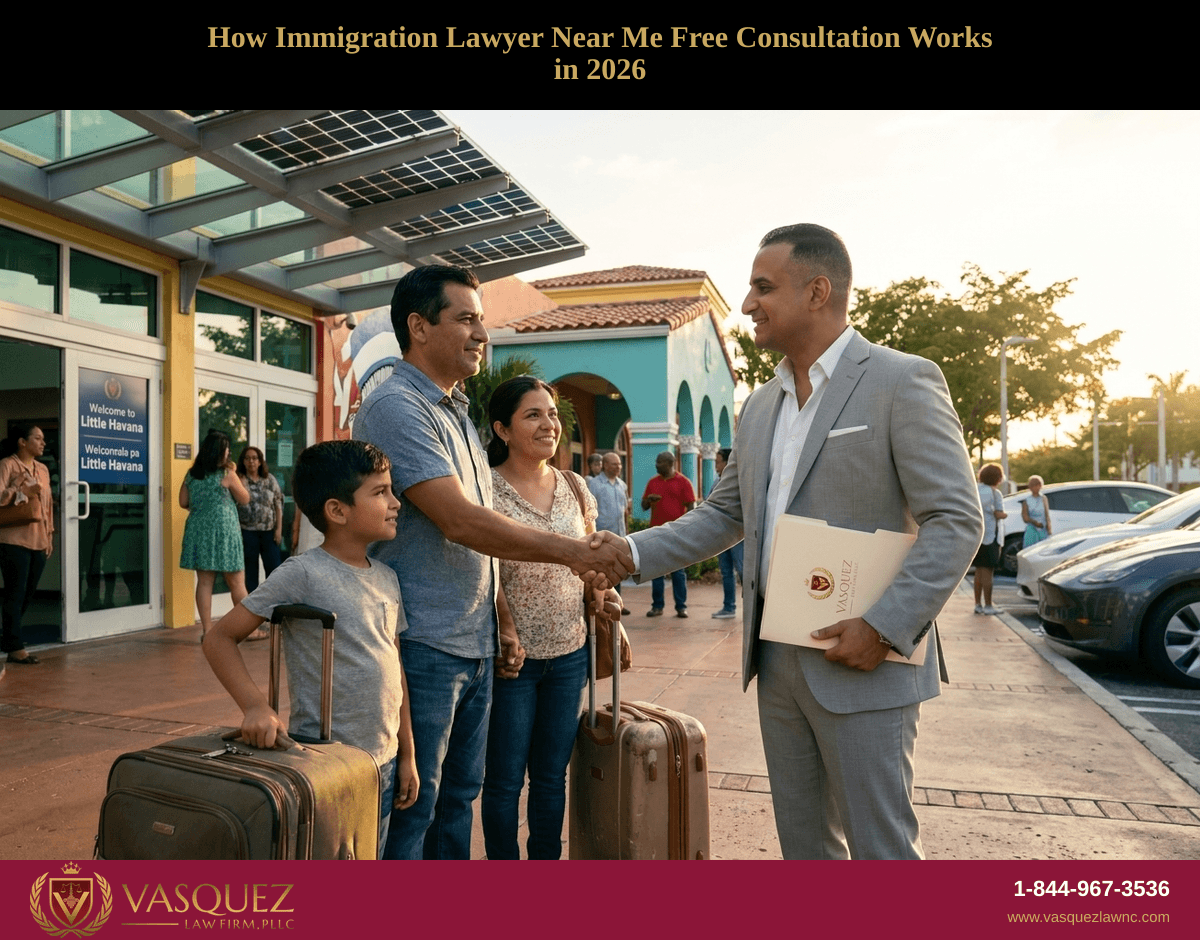
Texas SB 4: What Immigrants Should Know in 2026
Is Texas SB 4 in effect? Learn how this new Texas immigration law affects you and what rights you have. Contact Vasquez Law for a free consultation.
Published on May 15, 2026
Talk to an immigration attorney
Free call. A clear plan for your case.
Free & confidential · Se habla espanol · 24/7
Have questions? Talk to an attorney - free evaluation.
Call 1-844-967-3536Worried how the latest immigration news affects you?
Schedule a confidential case review with an immigration attorney - know exactly where you stand.
USCIS Case Status
Check your USCIS case status
Enter your receipt number and get the official status. Free, no registration.
Texas SB 4: What Immigrants Should Know in 2026
Texas SB 4, also known as Senate Bill 4, has drawn national attention since its enactment. In 2026, immigrants in North Carolina and Florida should understand the implications of this controversial law which concerns law enforcement's cooperation with immigration authorities. This article explains key points of Texas SB 4, its current status following recent federal court rulings, and how it might impact immigrants beyond Texas, especially in Raleigh, NC and Orlando, FL.
Need help understanding how Texas SB 4 affects your immigration status? Our immigration attorneys in Raleigh, NC and Orlando, FL are here for you. Se Habla Español.
Or call us now: 1-844-967-3536
Quick Answer
Texas SB 4 is a state law that mandates local law enforcement to cooperate with federal immigration authorities. As of 2026, several key provisions remain paused due to federal court rulings. This law affects questions police can ask about immigration status and penalties for non-compliance.
- SB 4 requires police to inquire about immigration status in some encounters
- Federal rulings have halted enforcement of some punitive provisions
- Individual rights to refuse showing ID may vary by state law
- SB 4’s direct enforcement is limited to Texas but has broader implications
- Legal advice is critical for immigrants dealing with local police
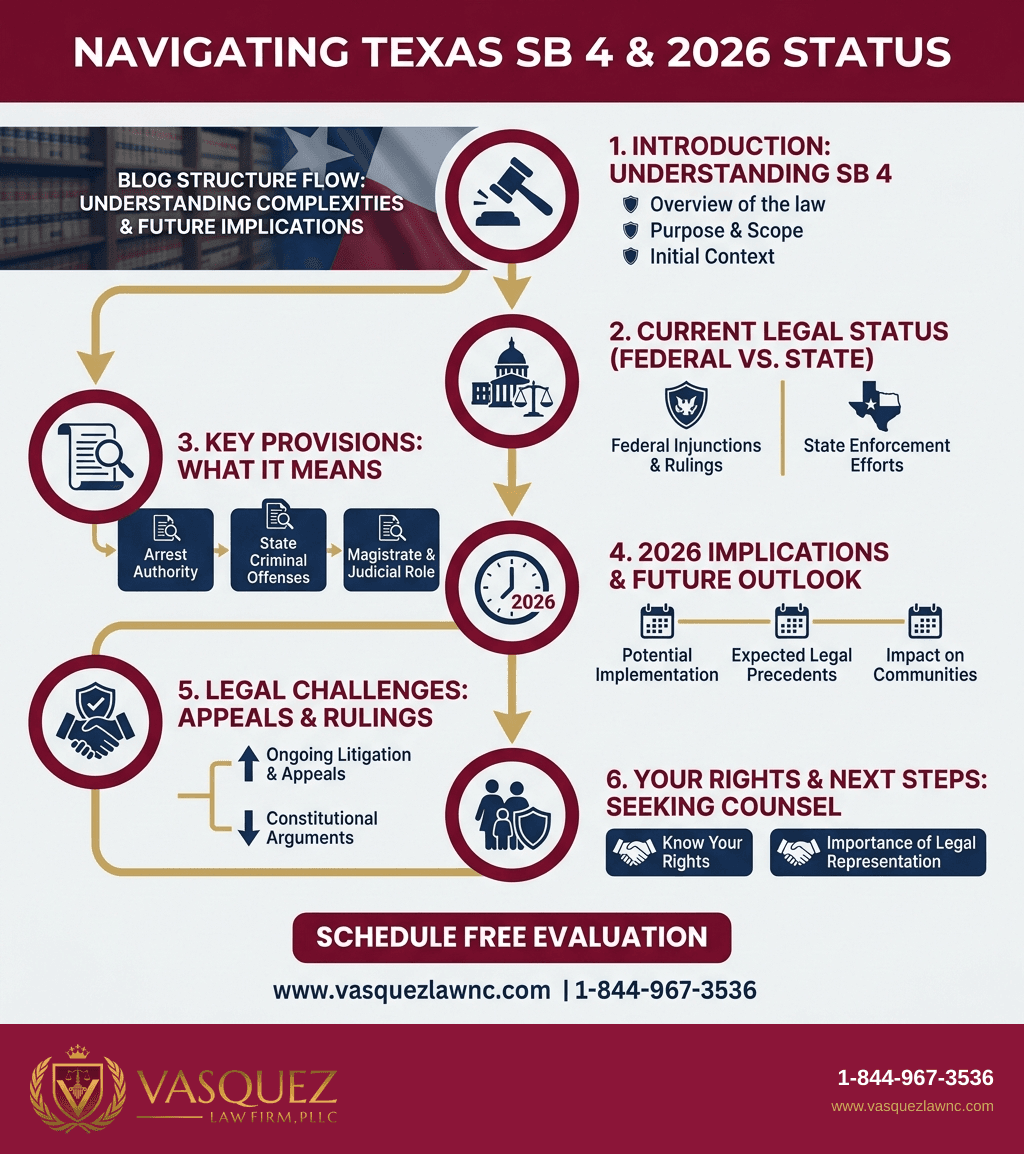
Understanding Texas SB 4 and Its Provisions
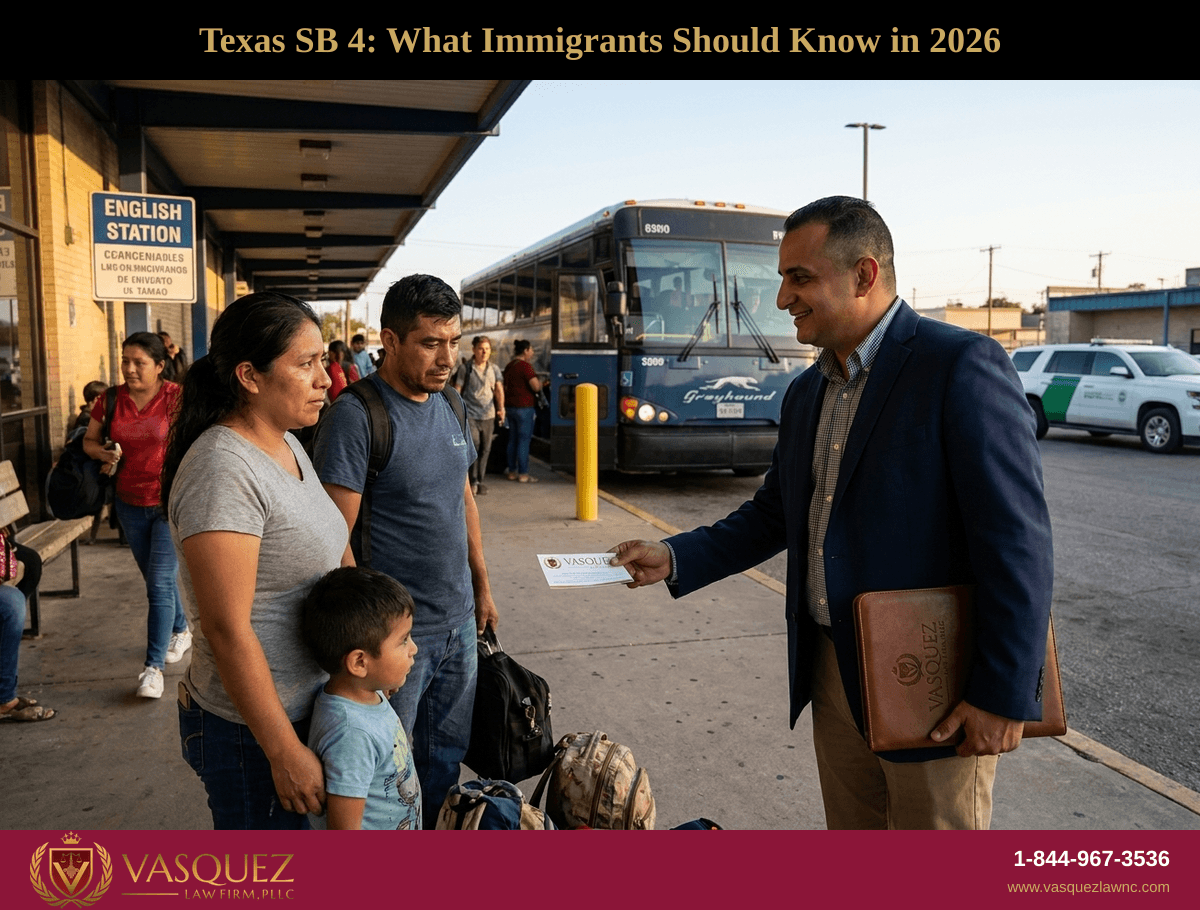
Since its enactment in 2017, Texas SB 4, or Senate Bill 4, has sought to enforce cooperation between local law enforcement agencies and federal immigration authorities. The law amends current policies relating to how police officers respond during stops, arrests, or detentions by requiring them to ask about immigration status under certain conditions. This is often referred to as the "show me your papers" law.
Key provisions of SB 4 include:
- Prohibiting sanctuary cities within Texas, requiring local officials to comply
- Allowing police officers to inquire about someone’s immigration status during lawful encounters
- Imposing penalties on local officials or agencies that impede cooperation with Immigration and Customs Enforcement (ICE)
- Requiring detention of individuals suspected of being removable, upon federal request
However, these measures have faced legal challenges asserting constitutional concerns regarding discrimination and Fourth Amendment rights against unlawful searches and seizures. As a result, the courts have limited the implementation and enforcement of some sections.
Senate Bill 4 2023 Amendments
In 2023, Texas introduced new amendments often referred to as House Bill 4 Texas, which sought to clarify or expand the original law’s scope. Some amendments focused on penalties for refusal to comply by officers and expanded on enforcement mechanisms. Despite this, these changes remain subject to legal contest and federal injunctions limiting application.
SB 4 Navy and Federal Cooperation
Sometimes, discussions about "SB 4 Navy" relate to cooperation between federal agencies and military personnel concerning immigration enforcement, although this is less directly addressed in SB 4 itself. Coordination with U.S. Navy or military branches under federal jurisdiction continues separate from state laws.
What Is the Current Status of SB 4 in 2026?
In 2026, Texas SB 4 remains partly in effect but with significant limitations. A 2018 federal court ruling halted the enforcement of penalties against local government officials. Most recently, a federal judge paused key aspects of enforcement that conflict with constitutional safeguards.
This means some requirements for police to inquire about immigration status remain, but punitive sanctions for officials who refuse to cooperate are suspended. The law is under ongoing review, reflecting continuing legal disputes that may impact how SB 4 functions going forward.
Is SB4 in Effect Today?
Yes, but only in part. The basic framework requiring police to cooperate with federal immigration authorities is still valid. However, enforcement of some sanctions and mandates is blocked by court orders. Thus, law enforcement agencies operate under a patchwork of rules carefully weighing constitutionality.
When Did SB4 Go into Effect?
Senate Bill 4 originally went into effect in September 2017. Since then, amendments and legal battles have shaped its implementation. Updated provisions from 2023 are still unfolding in the courts.
Federal Judge Halts Enforcement
The March 2026 ruling by a federal judge effectively suspends enforcement of some key provisions, especially those imposing penalties on local officials. The ruling echoes concerns about potential violations of civil rights and discrimination.
How SB 4 Impacts Police and Immigrant Rights
SB 4 affects what police officers are allowed to do regarding immigration enforcement. It mandates cooperation with ICE but must be balanced against constitutional protections, including Fourth Amendment rights against unreasonable searches or seizures.
For instance, police in Texas may inquire about immigration status during lawful stops now, but the extent to which individuals must comply or can refuse remains contested. In other states like North Carolina and Florida, the law enforcement roles and policies differ but are influenced by federal immigration regulations.
Can You Refuse to Show ID to Police in Texas?
In Texas, refusal to show identification to a police officer can lead to arrest under certain circumstances, particularly if the officer has reasonable suspicion of a crime. However, regarding immigration inquiries under SB 4, individuals may invoke certain rights. Legal advice is crucial due to the complexity of overlapping state and federal laws.
What Is Law Enforcement Allowed to Do Under SB 4?
Under SB 4, police can detain individuals suspected of being undocumented pending ICE verification. Officers must comply with ICE detainer requests, but only within legal limits and constitutional safeguards. The law limits sanctuary policies aimed at refusing cooperation with immigration enforcement.
Implications for Police Officers
SB 4 penalizes police officers and local officials who do not comply with the law’s mandates. However, federal court rulings have delayed or limited these penalties. Officers must balance obligations under SB 4 with respecting individual constitutional rights.
Implications for North Carolina and Florida Immigrants
While Texas SB 4 applies only in Texas, similar immigration enforcement policies and debates influence other states. Immigrants in Raleigh, NC, and Orlando, FL must understand their rights when interacting with local law enforcement and ICE agents.
In North Carolina, local law enforcement policies generally avoid mandatory cooperation with ICE detainers unless legally required. Meanwhile, Florida has its own regulations affecting how police handle immigration inquiries. Vasquez Law Firm’s immigration attorneys provide guidance to immigrants in these locations.
NC Notes on Immigration and Police Cooperation
North Carolina does not have a law exactly like Texas SB 4. However, local police may cooperate with federal agencies under federal law 8 U.S.C. § 1373, which encourages information sharing. Policies vary regionally, and immigrants’ rights during encounters may differ accordingly.
FL Notes on Immigration and Police Interaction
In Florida, immigration enforcement is governed by federal and state laws, with some local variations. Law enforcement officers may inquire about immigration status during investigations but must comply with constitutional protections. Understanding these nuances is important for Florida immigrants facing immigration questions.
Nationwide Concepts and Federal Law
Federal immigration law, including 8 U.S.C. § 1373, sets baseline requirements for cooperation among agencies. Still, the balance between federal immigration enforcement and state or local jurisdiction differs by region, creating a patchwork legal environment.
Common Mistakes to Avoid Under SB 4
- Not knowing your rights during police stops: Always remember you can ask if you are free to leave and consult an attorney before answering questions about immigration status.
- Refusing ID without understanding legal risks: In Texas, refusing to show ID can lead to arrest; consult a lawyer about your specific situation.
- Ignoring the complexities of local vs. federal law: Laws like SB 4 might not apply outside Texas, so do not assume policies are the same in NC or FL.
- Failing to seek legal advice promptly: Early consultation can help prevent consequences from misunderstandings in immigration law enforcement.
- Assuming all police officers know or follow immigration law perfectly: Mistakes by officers can happen; know your legal protections.
- Disregarding court rulings that pause parts of SB 4: Enforcement may be halted; staying updated helps you understand your risk.
- Discussing immigration status publicly or on social media: Such statements may impact your case or trigger enforcement actions.
- Delaying renewal of immigration documents due to fear: Proactive renewal is essential to maintain legal status; consult with attorneys at Vasquez Law Firm.
If you only remember one thing: Know your legal rights and seek guidance early to avoid negative outcomes under laws like Texas SB 4.
When to Contact an Immigration Lawyer
- If police in your area ask about your immigration status
- If you are detained or questioned under suspicion of immigration violations
- If you receive a notice from ICE or immigration court
- If you face penalties or threats of penalties related to cooperation with immigration enforcement
- If you want help understanding how new Texas immigration laws impact residents outside Texas
- If changes in federal policy affect your immigration status
- If you need assistance renewing or applying for immigration benefits
- If you experience discrimination during police or government encounters
- If you want to know your rights during traffic stops or police questioning
- If you require consultation on business or family immigration matters virtually from Raleigh or Orlando
About Vasquez Law Firm
At Vasquez Law Firm, we combine compassion with aggressive representation. Our motto "Yo Peleo®" (I Fight) reflects our commitment to standing up for your rights.
- Bilingual Support: Se Habla Español — Spanish-speaking attorneys and staff available
- Service Areas: North Carolina, Florida, and nationwide immigration services
- Experience: Over 30 years helping clients navigate complex legal matters
- Results: Thousands of successful cases across multiple practice areas
Attorney Trust and Experience
William J. Vásquez is admitted to the North Carolina State Bar (2011) and to the U.S. Courts of Appeals for the 4th, 5th, 6th, and 11th Circuits. Florida-jurisdiction matters at the firm are handled by Florida Bar attorney Alekssandra Lopez. The firm has provided dedicated legal representation since 2011, with personalized attention to each client's case.
Don't wait to get the help you deserve. Call us now for immediate assistance.
Se Habla Español
Frequently Asked Questions
What is the SB 4 law in Texas?
SB 4 is a law passed in Texas requiring local law enforcement to cooperate with federal immigration authorities, including inquiring about immigration status during stops. Its goal is to prevent sanctuary policies, but key enforcement sections are currently halted by courts due to constitutional concerns.
Did Bill 4 pass in Texas?
Yes, Senate Bill 4 was passed and took effect in 2017. Amendments including House Bill 4 Texas followed in 2023 to clarify and expand enforcement. However, parts have been blocked by federal rulings as of 2026.
Can I refuse to show my ID to a police officer in Texas under SB 4?
While you may have some rights, Texas law allows police to require ID during lawful stops, and refusing may lead to arrest. Regarding immigration inquiries under SB 4, consult an attorney as legal protections depend on the situation and state laws.
Can ICE ask for ID in Texas?
Yes, ICE agents can request identification, especially when carrying out enforcement actions or detaining someone. Local police under SB 4 are also required to cooperate with ICE to verify immigration status.
Is Texas SB 4 in effect in North Carolina or Florida?
No, SB 4 applies only in Texas. However, North Carolina and Florida have their own policies about local cooperation with immigration enforcement, shaped by federal law and state decisions.
What should I do if I’m stopped by police asking for immigration status?
Stay calm, do not provide false information, and ask if you are free to leave. You can politely decline to answer questions about immigration status but seek legal advice immediately to protect your rights.
How do federal courts affect the enforcement of SB 4?
Federal courts have struck down or paused enforcement of some SB 4 provisions, citing constitutional concerns like due process and protection against discrimination. These rulings limit how aggressively SB 4 is enforced in Texas.
Where can I get legal help if impacted by immigration enforcement?
Vasquez Law Firm offers experienced immigration legal assistance in Raleigh, NC and Orlando, FL. Contact us for a free case evaluation to discuss your case and options under current immigration laws.
Sources and References
- U.S. Citizenship and Immigration Services
- Executive Office for Immigration Review
- Legal Information Institute
Take the first step toward justice today. Our team is standing by to help. Se Habla Español.
Start Your Free Evaluation Now
Call us: 1-844-967-3536
If you need legal assistance, learn more about get immigration legal help today, or call us at 1-844-967-3536 for a free evaluation.


William Vasquez
Founder & CEO, Vasquez Law Firm, PLLC
William Vasquez is the founder and CEO of Vasquez Law Firm, PLLC, a results-driven firm specializing in immigration, criminal defense, personal injury, and workers' compensation. A U.S. Air Force veteran and recipient of the Joint Service Achievement Medal, William is dedicated to fiercely fighting for his clients' rights.
Related Legal Services
Need legal help? Learn more about get immigration legal help today, or contact us for a free evaluation.
You can also visit North Carolina immigration law firm for more information.