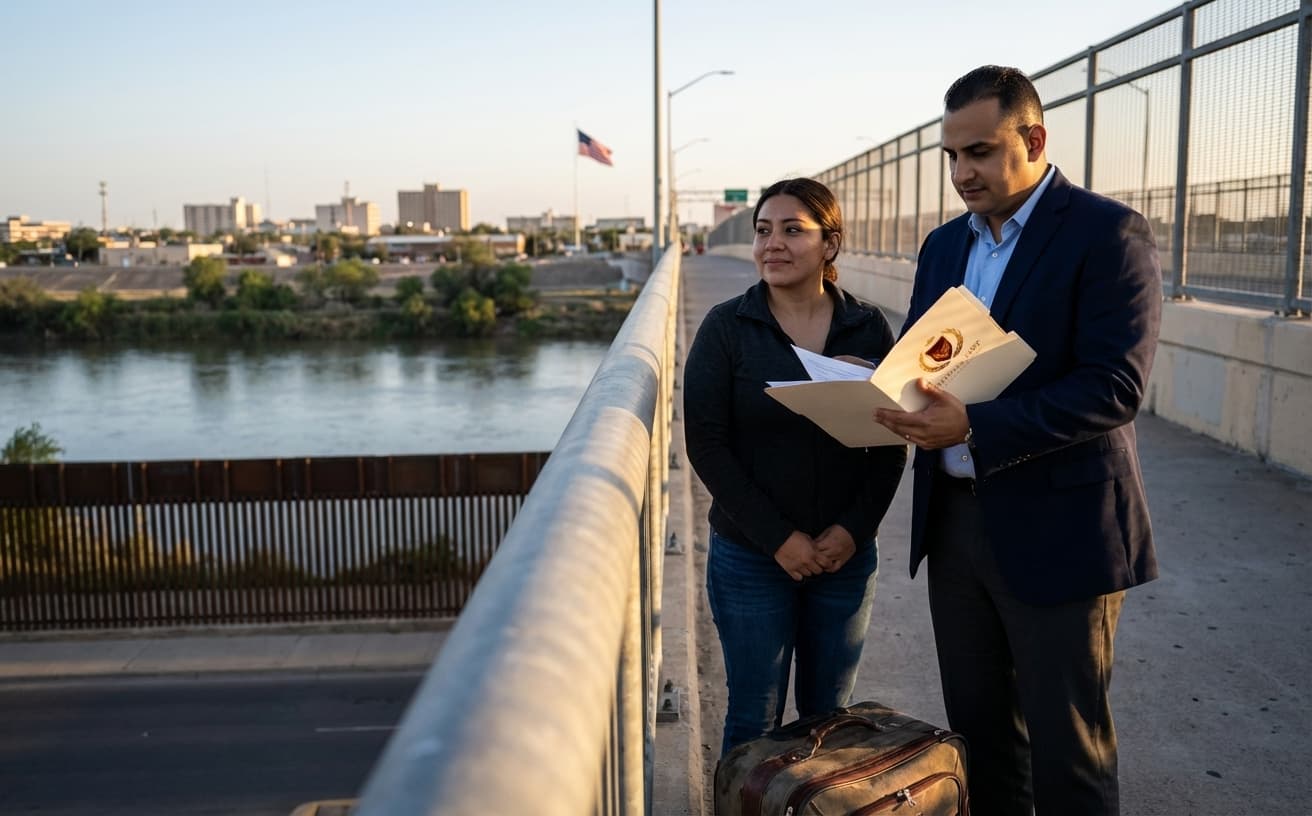
What Is Habeas Corpus and How It Protects You in 2026
Learn what habeas corpus means in 2026 and how it protects your rights. Contact Vasquez Law Firm for a free consultation today.
Published on March 11, 2026
Talk to an immigration attorney
Free call. A clear plan for your case.
Free & confidential · Se habla espanol · 24/7
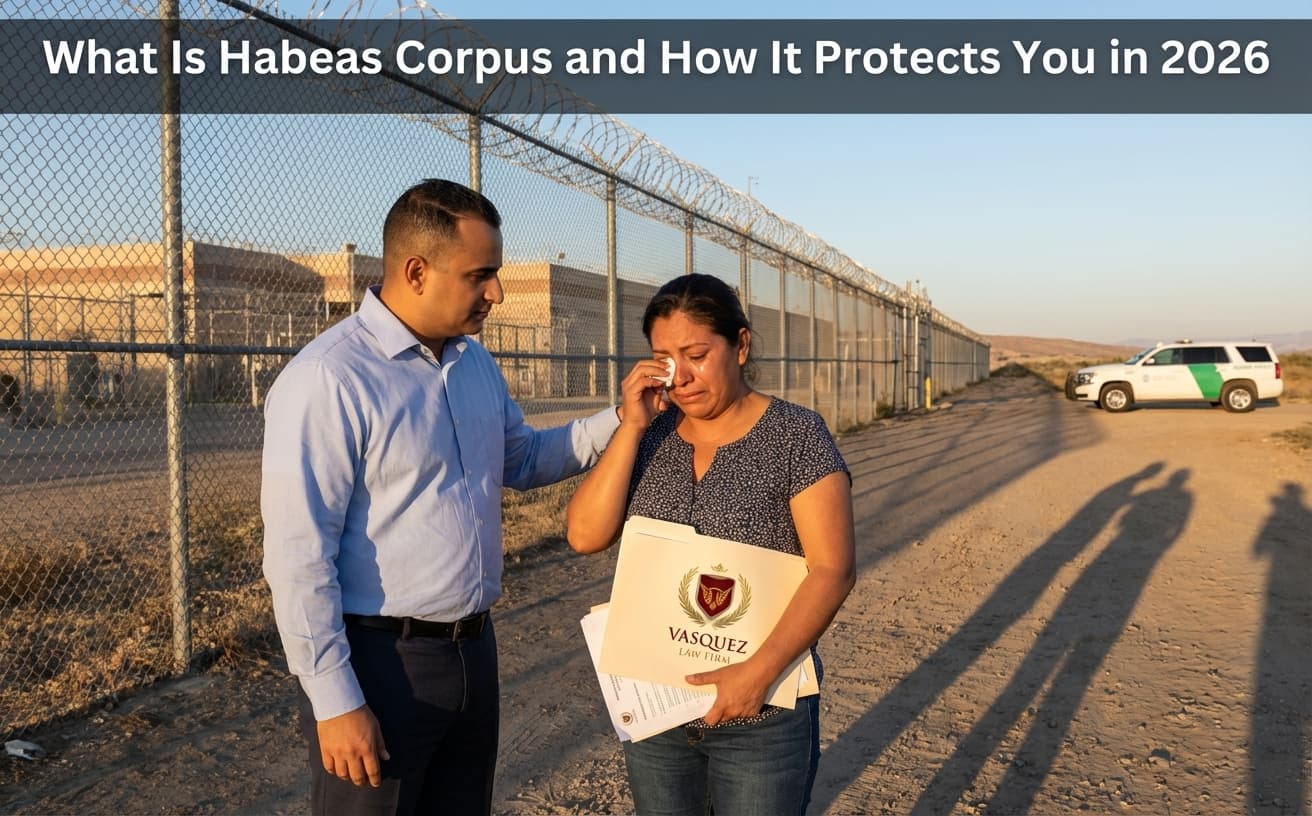
Have questions? Talk to an attorney - free evaluation.
Call 1-844-967-3536Worried how the latest immigration news affects you?
Schedule a confidential case review with an immigration attorney - know exactly where you stand.
USCIS Case Status
Check your USCIS case status
Enter your receipt number and get the official status. Free, no registration.
What Is Habeas Corpus and How It Protects You in 2026
Habeas corpus is a fundamental legal principle that protects individuals from unlawful detention. In 2026, it remains a critical tool for immigrants and all detained persons in Raleigh, North Carolina, to challenge their detention. This article explains what habeas corpus means, how it works in immigration cases, and important steps Dreamers and others should take to defend their rights. Understanding habeas corpus can help you safeguard your liberty when facing detention or deportation procedures.
Need help with your case? Our experienced attorneys are ready to fight for you. Se Habla Español.
Schedule Your Free Case Evaluation
Or call us now: 1-844-967-3536
Quick Answer
Habeas corpus is a legal petition that lets detained individuals challenge unlawful custody. It requires the government to show legal grounds to hold someone. If the detention lacks authority, courts can order release.
- Protects against illegal detention
- Used in immigration detention cases
- Ensures government accountability
- Can lead to release from custody
- Available nationwide, including NC and FL
Understanding Habeas Corpus
In 2026, habeas corpus remains a cornerstone of American legal protections. It means "you shall have the body" in Latin. This writ requires authorities to bring a detained person before a court to determine if their imprisonment is lawful.
Consider the case of a Dreamer detained by ICE in Raleigh, North Carolina. If the government does not have proper authority, the detainee or their attorney can file a habeas corpus petition. This challenges the legality of the detention and demands the person be released if held unlawfully.
The right to habeas corpus is rooted in the U.S. Constitution, specifically Article 1, Section 9, which prohibits unlawful suspension except in extreme situations like rebellion. It safeguards individual liberty and prevents indefinite detention without cause.
In immigration contexts, habeas corpus often protects people detained pending deportation hearings or removal, ensuring ICE and immigration courts follow proper legal procedures.
Why Habeas Corpus Matters for Immigrants
Immigrants, including those without lawful status, can face lengthy detention. Habeas corpus provides a way to challenge wrongful detention and seek release, especially for vulnerable groups like Dreamers. It is a vital check on government power to detain without trial.
Key Terms Related to Habeas Corpus
- Petitioner: The detained person filing the petition
- Respondent: The government authority holding the person
- Writ: A formal court order
Step-by-Step: Filing a Habeas Corpus Petition
Filing a habeas corpus petition involves several important steps. Here’s a summary:
- Consult an attorney: Find a lawyer experienced in immigration and habeas corpus cases in Raleigh or Florida.
- Prepare the petition: Draft a formal writ explaining why the detention is unlawful.
- Gather evidence: Collect documents like detention notices, court orders, and proof of legal status or errors.
- File with the appropriate court: Habeas petitions are usually filed in federal district courts.
- Attend the hearing: Present your case before a judge; the government must justify detention.
- Receive the decision: The judge may order release or uphold detention.
Important Filing Tips
Petitions must be timely and meet procedural rules. Missing deadlines or filing in the wrong court can hurt chances. Skilled lawyers help ensure proper filing and advocacy in court.
Example Scenario
Maria, a Dreamer detained at a Florida ICE facility, suspected errors in her detention papers. Her lawyer filed a habeas corpus petition. After a court review, the judge ordered Maria’s release pending her immigration case because ICE lacked legal grounds to detain her further.
Documents and Evidence Checklist
- Detention notice or custody order
- Any immigration court paperwork
- Proof of identity and immigration status (if available)
- Written explanation of illegal detention grounds
- Correspondence with ICE or immigration officials
- Prior court decisions related to the case
Why Evidence Matters
Documented proof clarifies if custody followed the law. Lack of evidence can weaken your petition. Attorneys review all paperwork to build the strongest case.
Timeline for Habeas Corpus Cases
Habeas corpus cases vary but typically follow this timeline:
- Week 1-2: File petition and serve government
- Week 3-6: Court schedules hearing
- Week 7-12: Evidentiary hearing and arguments
- Day 90+: Judge issues ruling
Delays may occur based on court schedules or case complexity. Early legal action can reduce detention length and increase chances of release.
Costs and Fees in Habeas Corpus Cases
Costs vary depending on the lawyer, complexity, and location. Some factors include:
- Attorney hourly rates or flat fees
- Filing fees for federal court (usually waived for indigent petitioners)
- Costs for obtaining documents or expert witnesses
- Possible appeals or follow-up motions
Many immigration attorneys offer free case evaluations. Some nonprofits can assist if cost is a barrier. Consulting early helps plan finances.
Common Mistakes to Avoid
- Filing too late: Missing statute of limitations ruins your chance
- Incorrect court: Habeas corpus petitions must go to proper federal court
- Poorly drafted petitions lacking legal detail
- Failing to provide evidence supporting claims of unlawful detention
- Ignoring deadlines for responses or hearings
- Self-representation without legal knowledge
- Failing to notify government authorities properly
- Confusing habeas corpus with other removal relief forms
If you only remember one thing: Habeas corpus petitions require precise legal work and timeliness. Get experienced legal help.
NC, FL, and Nationwide Habeas Corpus Notes
North Carolina Notes
In Raleigh and across North Carolina, habeas corpus petitions must be filed in the appropriate federal district court, often the Eastern District of North Carolina. Local immigration detention facilities may hold detainees but federal courts control habeas jurisdiction.
Many North Carolina detainees come through ICE detention centers and require swift petition filing to avoid prolonged custody.
Florida Notes
Florida hosts multiple ICE detention centers including facilities in Miami and Orlando. Habeas corpus petitions are filed in the Southern or Middle Districts of Florida depending on location.
Florida’s diverse immigrant population makes habeas corpus a widely used remedy to contest detention, especially for people from Latin America and the Caribbean. Vasquez Law Firm provides local expertise to navigate Florida courts.
Nationwide Concepts
Federal law governs habeas corpus petitions throughout the U.S. Courts require that petitions state clear grounds and follow federal procedures. The right is fundamental, but courts differ slightly on application based on district practices.
Remember, habeas does not grant relief from deportation itself but challenges unlawful detention. For detailed immigration relief options, consider other forms alongside habeas petitions.
When to Call a Lawyer Now
- You are detained by ICE and unsure of your rights
- You have received a detention notice without clear charges
- Incorrect or missing paperwork regarding your immigration status
- Deadlines for filing habeas petitions or removal defense approaching
- You want to file a habeas corpus petition but don’t know where to start
- Facing prolonged detention without a hearing
- Concerns about unlawful conditions or mistreatment in detention
- Need assistance with bond hearings or release options
- Facing deportation without legal representation
- Receiving conflicting information from immigration officials
About Vasquez Law Firm
At Vasquez Law Firm, we combine compassion with aggressive representation. Our motto "Yo Peleo" (I Fight) reflects our commitment to standing up for your rights.
- Bilingual Support: Se Habla Español - our team is fully bilingual
- Service Areas: North Carolina, Florida, and nationwide immigration services
- Experience: Over 15 years helping clients navigate complex legal matters
- Results: Thousands of successful cases across multiple practice areas
Attorney Trust and Experience
Attorney Vasquez holds a Juris Doctor degree and is admitted to practice in both the North Carolina State Bar and Florida Bar. With over 15 years of dedicated legal experience, he has built a reputation for providing personalized attention and achieving favorable outcomes for his clients.
Don't wait to get the help you deserve. Call us now for immediate assistance. Se Habla Español.
Frequently Asked Questions
What is habeas corpus in simple terms?
Habeas corpus is a legal petition that challenges unlawful detention. It protects your right to not be held without legal cause. It allows a court to review if your custody is lawful and order release if it is not.
How many times has the habeas corpus been suspended in the U.S.?
Suspension of habeas corpus in U.S. history occurred mainly during the Civil War. Since then, it has been extremely rare and is very limited by law. Any suspension must meet strict constitutional safeguards.
What does the U.S. Constitution say about habeas corpus?
The Constitution protects habeas corpus in Article 1, Section 9. The writ cannot be suspended except in cases of rebellion or invasion when public safety requires it. This prevents unlawful detentions.
Is habeas corpus included in the 14th Amendment?
The 14th Amendment does not mention habeas corpus directly but protects due process rights. Habeas corpus works alongside to ensure lawful detention and protect individual liberty.
What are the grounds for filing a habeas corpus petition?
You can file if detained unlawfully, your due process rights are violated, or detention procedures were improper. The petition asks a court to review and potentially order release.
Can habeas corpus be used to challenge ICE detention?
Yes, habeas corpus petitions specifically apply to ICE detention. You can challenge the legality of the custody and seek release if it lacks proper authority.
How does a habeas corpus hearing work?
The judge reviews evidence from both sides about the detention's legality. You or your lawyer argue why the detention is unlawful. The government defends its custody. The judge then decides on release or continuation of detention.
What happens if a habeas corpus petition is denied?
If denied, you remain detained but can pursue other legal remedies like appeals or immigration relief applications. Denial means no immediate release but does not end legal options.
Sources and References
- U.S. Citizenship and Immigration Services (USCIS)
- Executive Office for Immigration Review (EOIR)
- 28 U.S.C. § 2241 Habeas Corpus statute
Need immigration help? Our immigration attorneys can review your case.
Take the first step toward justice today. Our team is standing by to help. Se Habla Español.
Start Your Free Case Evaluation Now
Call us: 1-844-967-3536
Se Habla Español - Estamos aquí para ayudarle.



William Vasquez
Founder & CEO, Vasquez Law Firm, PLLC
William Vasquez is the founder and CEO of Vasquez Law Firm, PLLC, a results-driven firm specializing in immigration, criminal defense, personal injury, and workers' compensation. A U.S. Air Force veteran and recipient of the Joint Service Achievement Medal, William is dedicated to fiercely fighting for his clients' rights.
Related Legal Services
Need legal help? Learn more about immigration lawyers in North Carolina, or contact us for a free evaluation.
You can also visit statewide immigration legal services for more information.