What US Immigration Policy Means for Your Family in 2026
Understand current US immigration policy and how changes could affect your family in 2026. Get expert legal help from Vasquez Law Firm. Se Habla Español.
Published on March 9, 2026
Talk to an immigration attorney
Free call. A clear plan for your case.
Free & confidential · Se habla espanol · 24/7
Have questions? Talk to an attorney - free evaluation.
Call 1-844-967-3536Worried how the latest immigration news affects you?
Schedule a confidential case review with an immigration attorney - know exactly where you stand.
What US Immigration Policy Means for Your Family in 2026
Navigating the complex landscape of immigration policy in the United States can be daunting, especially with frequent changes and updates. As of 2026, understanding the nuances of federal regulations and enforcement priorities is crucial for individuals and families seeking to live, work, or remain in the U.S. From visa processing times to deportation defense, every aspect of immigration is shaped by these policies, directly impacting your future and stability. This guide provides an in-depth look at the current state of immigration law and what you need to know to protect your rights.
Need help with your immigration case? Our experienced attorneys are ready to fight for you. Se Habla Español.
Schedule Your Free Case Evaluation
Or call us now: 1-844-967-3536
Quick Answer
U.S. immigration policy in 2026 is characterized by a dynamic interplay of federal statutes, executive actions, and judicial rulings, impacting everything from border enforcement to family-based petitions. Understanding these policies is vital for anyone seeking to enter, remain, or adjust status in the U.S. It dictates eligibility, procedures, and potential outcomes for various immigration pathways.
- Policies influence visa availability and processing times.
- Changes can affect eligibility for asylum or green cards.
- Enforcement priorities directly impact deportation risks.
- Family reunification is often a core focus, but with strict rules.
- Legal counsel is essential to interpret and apply current policies.
Understanding Current Immigration Policy in the U.S.
The United States' immigration policy framework for 2026 is built upon the Immigration and Nationality Act (INA), a foundational federal statute that governs all aspects of immigration law. However, this framework is constantly shaped by executive orders, regulatory changes from agencies like USCIS, and court decisions. For instance, recent shifts have focused on streamlining certain visa categories while increasing scrutiny in others.
As of 2026, key areas of focus include border security measures, evolving criteria for asylum seekers, and adjustments to employment-based and family-based immigration. For example, the Department of Homeland Security (DHS) has implemented new guidelines for parole programs, directly affecting individuals awaiting visa processing abroad. These changes require constant monitoring and adaptation by legal professionals and immigrants alike.
The complexity of current immigration policy means that a seemingly minor procedural update can have significant consequences for an applicant's journey. For instance, a recent change in how certain waivers are processed could delay cases by several months if not properly addressed. Staying informed about these developments is not just recommended, it is essential for anyone dealing with U.S. immigration processes.
Many individuals in North Carolina and Florida find themselves directly impacted by these federal policy shifts. Whether you are in Charlotte applying for a family visa or in Miami seeking asylum, the overarching federal immigration policy dictates your path. Vasquez Law Firm closely monitors these developments to provide up-to-date advice and representation to our clients across the nation.
How Immigration Policy Affects Different Groups
Immigration policy does not impact all individuals equally; its effects are highly specific to different immigrant groups and their particular circumstances. For instance, a Dreamer, someone brought to the U.S. as a child, faces distinct policy considerations related to programs like DACA, which are frequently subject to legal challenges and political debate. Their future remains tied to legislative actions or court rulings that could alter their protected status.
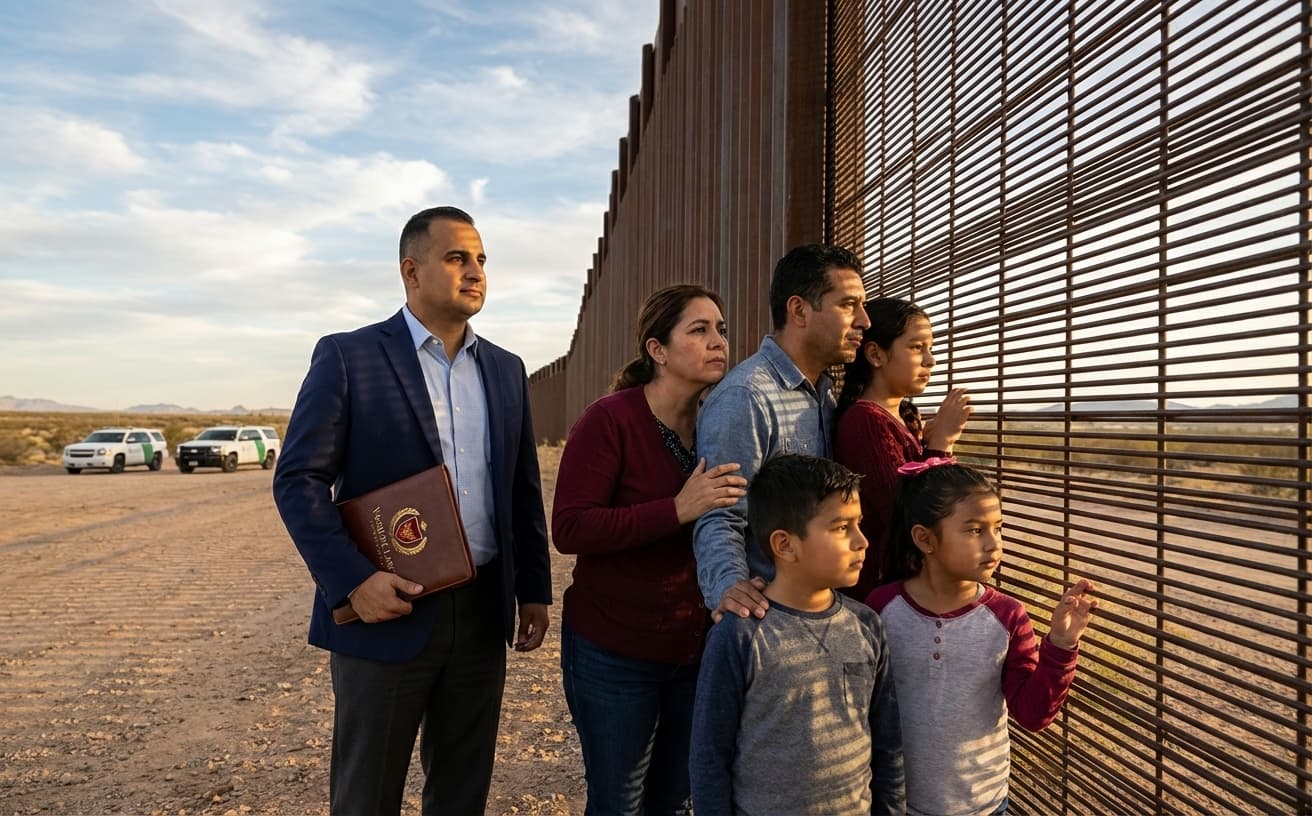
Families seeking reunification are also deeply affected by policy changes, particularly regarding visa quotas and processing backlogs. A recent policy adjustment might prioritize certain family relationships over others, leading to longer waiting times for some relatives. This can be devastating for families separated by international borders, highlighting the human impact of these legal frameworks. Understanding current policies is critical for navigating family-based immigration.
Workers on temporary visas, such as H-1B or H-2B, experience policy impacts through evolving requirements for employers, wage standards, and the annual cap on available visas. For example, recent reforms to the H-1B visa program in 2026 aim to reduce fraud and abuse, but they also introduce new compliance burdens for employers. These changes can directly influence job security and opportunities for skilled foreign workers in the U.S.
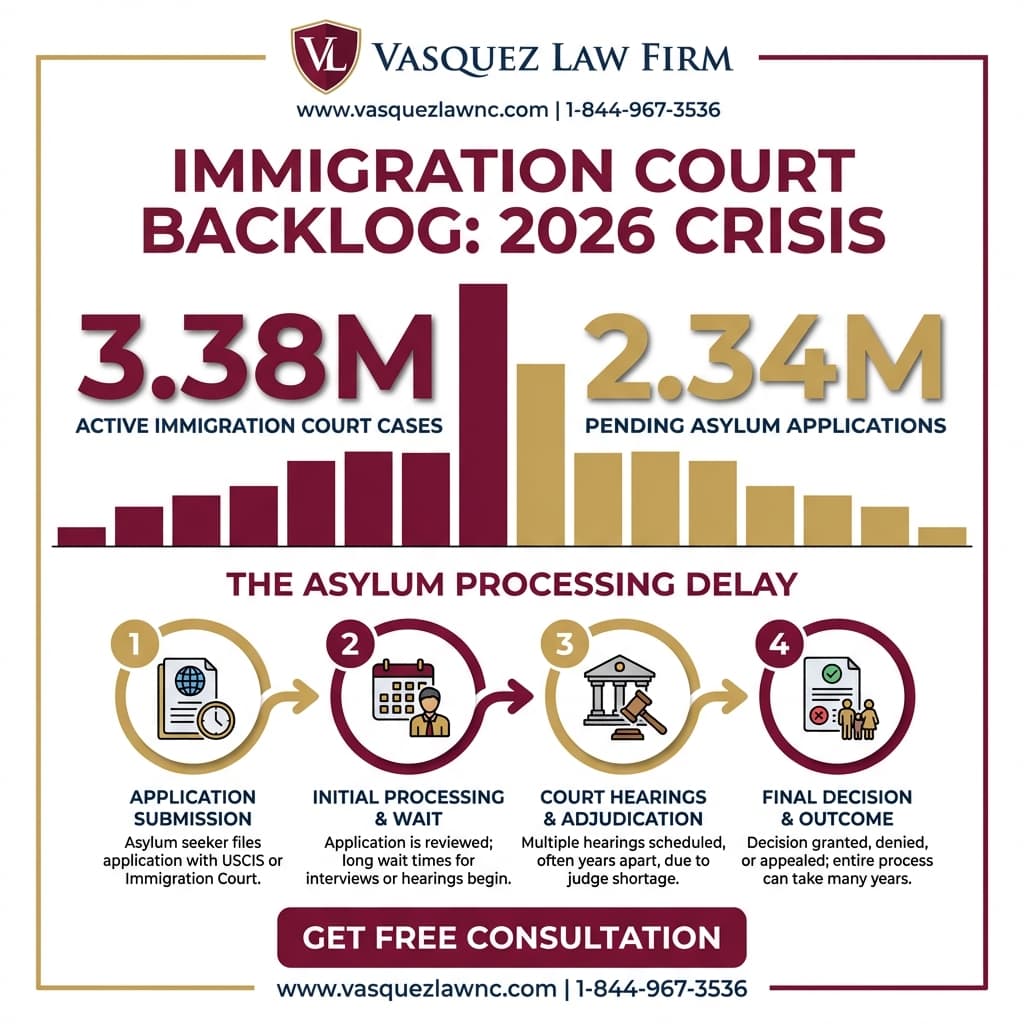
Asylum seekers and refugees face perhaps the most volatile policy environment, with frequent shifts in border enforcement strategies, eligibility criteria, and detention practices. Policies might dictate where and how asylum claims can be filed, often creating barriers for vulnerable individuals. Attorney Vasquez understands the urgency these policy changes create and provides robust immigration services to protect those seeking refuge.
Even U.S. citizens can feel the ripple effects of immigration policy through their families and communities. For example, a citizen with an undocumented spouse or parent must navigate complex pathways for adjustment of status, where policy strictures can significantly complicate the process. These policies underscore the interconnectedness of immigration issues with the lives of millions nationwide.
Key Components of U.S. Immigration Law
The foundation of U.S. immigration policy is the Immigration and Nationality Act (INA), codified in Title 8 of the U.S. Code. This comprehensive law establishes who can enter the U.S., under what conditions, and how they can obtain various immigration benefits. The INA categorizes immigrants into family-based, employment-based, and humanitarian categories, each with its own specific requirements and limitations. For instance, immediate relatives of U.S. citizens typically have a clearer path to a green card.
Beyond the INA, federal regulations promulgated by agencies like U.S. Citizenship and Immigration Services (USCIS) provide detailed guidance on implementing these laws. These regulations, found in the Code of Federal Regulations (CFR), specify application procedures, required documentation, and criteria for eligibility for different visas and statuses. For example, 8 C.F.R. § 245.1 details the eligibility requirements for adjustment of status to lawful permanent resident.
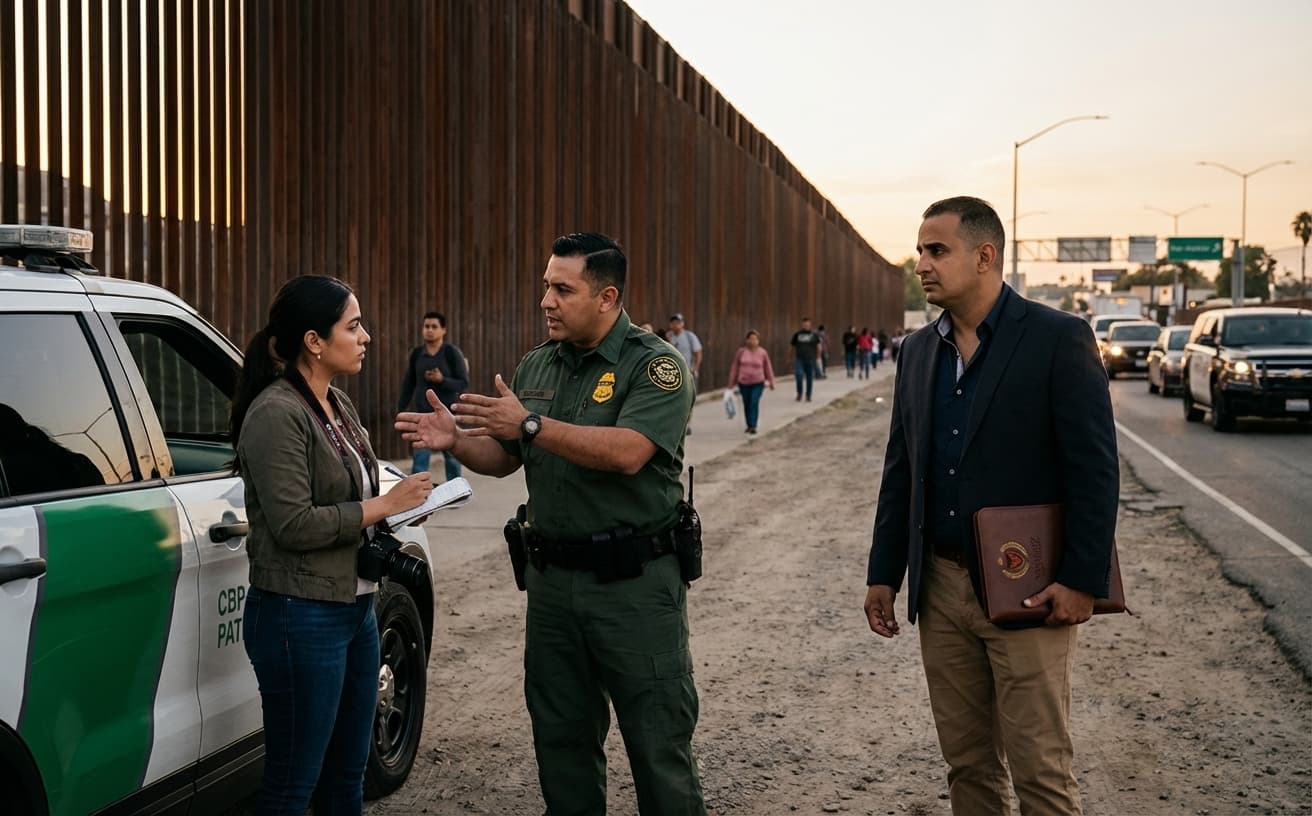
Executive orders from the President also play a significant role in shaping immigration policy, particularly in areas like border enforcement and humanitarian relief. While executive orders cannot override existing law, they can direct federal agencies on how to prioritize resources and implement enforcement actions. This often leads to shifts in focus, such as increased scrutiny at ports of entry or changes to deportation priorities.
Court decisions, from district courts up to the Supreme Court, further interpret and define the boundaries of immigration law. Landmark rulings can strike down or uphold policies, fundamentally altering how immigration laws are applied. For example, a recent Supreme Court decision clarified the scope of certain asylum protections, impacting thousands of ongoing cases. Understanding these legal layers is crucial for effective immigration advocacy.
For individuals in Charlotte and across North Carolina and Florida, grasping these components is essential when considering any immigration action. Vasquez Law Firm helps clients understand how these legal frameworks apply to their unique situations, offering clear guidance through complex processes. We empower our clients by demystifying the law and advocating for their rights under current policy.
Common Mistakes to Avoid with Immigration Policy Changes
One of the most frequent errors individuals make when dealing with immigration policy is relying on outdated information or rumors. Immigration laws and regulations are constantly evolving, and what was true last year may not be true in 2026. For example, a change in a specific form's edition date can lead to an application being rejected, causing significant delays. Always verify information with official government sources or an attorney.
Another critical mistake is failing to disclose all relevant information or providing inaccurate details on immigration forms. Any discrepancy, even an unintentional one, can lead to accusations of misrepresentation, denial of benefits, or even deportation proceedings. Honesty and thoroughness are paramount in all immigration applications. It is always better to consult with an attorney to ensure accuracy.
Many individuals also err by attempting to navigate complex immigration processes without legal counsel. The intricacies of U.S. immigration policy, including understanding eligibility criteria, deadlines, and potential pitfalls, are often too challenging for non-lawyers. A single missed deadline or incorrectly filed document can jeopardize an entire case. Seeking professional guidance from a firm like Vasquez Law can prevent costly errors.
Ignoring notices from USCIS or other immigration agencies is another serious mistake. These notices often contain crucial information, requests for additional evidence, or hearing dates. Failing to respond promptly or appropriately can result in the denial of an application or the issuance of a removal order. Always open and review all mail from immigration authorities immediately and seek legal advice if unsure.
Lastly, some individuals make the mistake of traveling internationally without understanding the potential impact on their immigration status. Certain types of travel can trigger a bar to re-entry or terminate an ongoing application, especially for those with pending adjustment of status or DACA. Always consult with an immigration attorney before making international travel plans to ensure your status is not jeopardized by current immigration policy rules.
If you only remember one thing: Always seek up-to-date, professional legal advice before taking any action related to your immigration status. The consequences of a mistake can be life-altering.
Timeline and What to Expect from Immigration Processes
The timeline for immigration processes in 2026 can vary dramatically depending on the type of application, the specific immigration policy in effect, and the applicant's country of origin. For instance, a family-based petition for an immediate relative of a U.S. citizen might take 10-18 months from filing to interview, while a preference category visa could take several years due to backlogs. These timelines are influenced by annual visa caps and processing capacity at USCIS and consular offices.
Once an application is filed, applicants can generally expect to receive a receipt notice within a few weeks. Following this, biometric appointments for fingerprinting and background checks are common, typically occurring 1-3 months later. The waiting period after biometrics is often the longest, as USCIS conducts security checks and processes the application. This phase is heavily influenced by current policy priorities and resource allocation.
Interviews are a critical stage for many immigration processes, including green card applications and naturalization. These interviews are usually scheduled months, or even years, after initial filing and biometric collection. The interview process is where an immigration officer reviews the application, asks questions, and determines eligibility based on prevailing immigration policy. Preparation with an attorney can significantly improve outcomes.
After an interview, a decision may be rendered on the spot, or the applicant might receive a Request for Evidence (RFE) or a notice of intent to deny. If approved, the applicant will receive their immigration benefit, such as a green card or naturalization certificate. If denied, understanding the reasons for denial and exploring appeal options with legal counsel is crucial. The entire process requires patience and meticulous record-keeping.
It's important to remember that these timelines are estimates and can be affected by unforeseen policy changes, administrative backlogs, or personal circumstances. For example, a new executive order could temporarily pause certain processing, while a change in a country's conditions could accelerate asylum claims. Vasquez Law Firm helps clients understand and manage expectations throughout their unique immigration journey, providing updates on relevant immigration policy shifts.
When to Call a Lawyer Now for Immigration Policy Guidance
If you have received a Notice to Appear (NTA) in immigration court, immediate legal action is essential. An NTA indicates that the government has initiated removal (deportation) proceedings against you, and navigating these without an attorney can lead to severe consequences. This is a direct result of enforcement aspects of immigration policy, and your rights need immediate protection.
When facing a denial of an immigration application or petition, contacting a lawyer promptly is crucial. Whether it's a visa denial, a rejected green card application, or a denied asylum claim, an attorney can help you understand the reasons for denial, evaluate options for appeal, or explore alternative pathways. Delays can often jeopardize your ability to appeal or refile successfully.
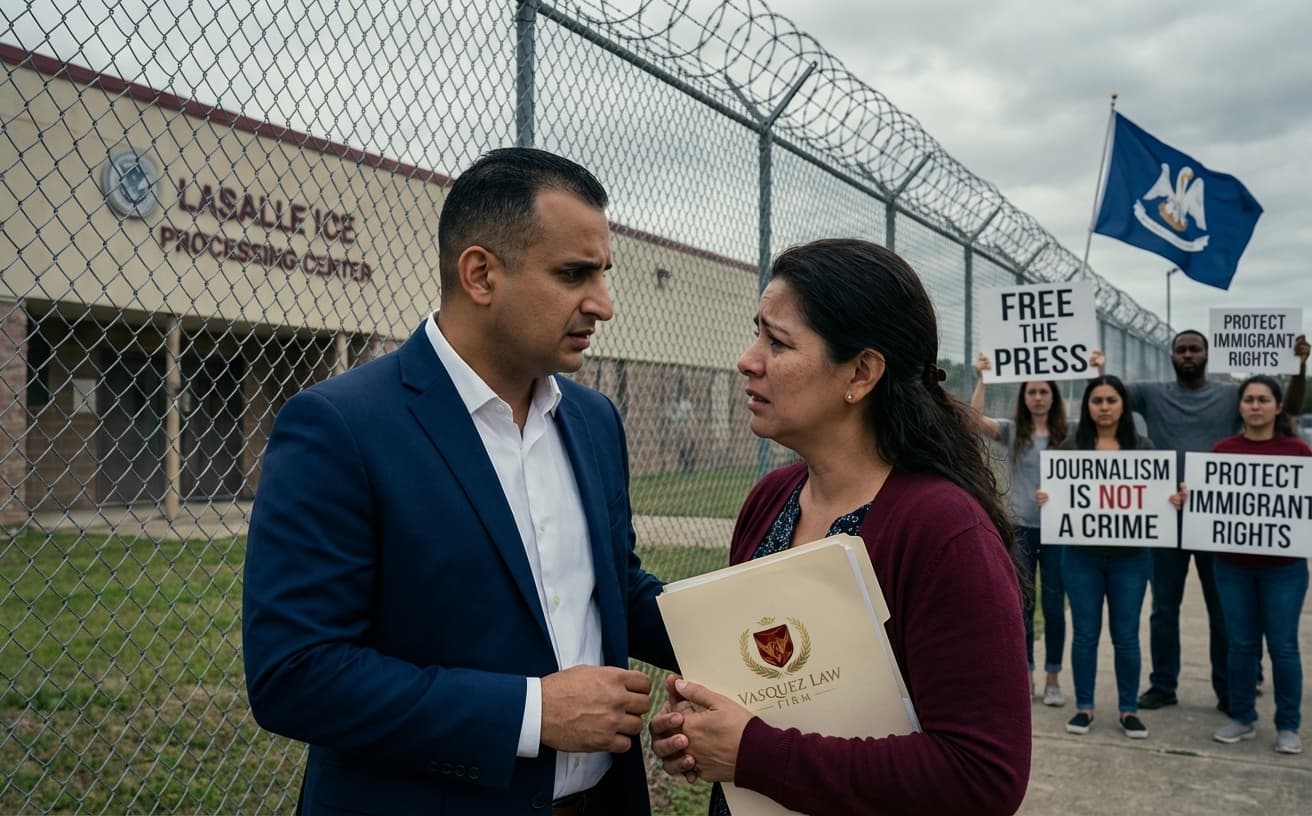
If you or a family member has been detained by ICE (Immigration and Customs Enforcement), securing legal representation immediately is paramount. Detained individuals have rights, but navigating the detention system and securing bond can be incredibly challenging without expert help. An attorney can work to secure release and begin building a defense against deportation under current immigration policy.
Any situation involving a criminal arrest or conviction, even for minor offenses, can have severe immigration consequences. Even a misdemeanor can make you deportable or inadmissible to the U.S. An immigration attorney can assess the impact of criminal charges on your status and advise on strategies to mitigate risks. This intersection of criminal and immigration law is particularly complex.
If you are considering applying for any immigration benefit, such as a green card, visa, or naturalization, a consultation with an experienced immigration attorney is highly recommended. An attorney can assess your eligibility, identify potential issues, and ensure your application is filed correctly and completely, maximizing your chances of success under the current immigration policy. Proactive legal advice saves time and prevents costly errors.
Finally, if you have questions about your immigration status, eligibility for a specific program, or how recent policy changes might affect you, do not hesitate to reach out. Uncertainty can lead to stress and poor decisions. Vasquez Law Firm offers comprehensive guidance on all immigration matters, serving clients in North Carolina, Florida, and nationwide, ensuring you understand your options in 2026.
About Vasquez Law Firm
At Vasquez Law Firm, we combine compassion with aggressive representation. Our motto "Yo Peleo" (I Fight) reflects our commitment to standing up for your rights, especially when facing complex immigration policy challenges. We understand the stakes are high, and we bring over 15 years of dedicated experience to every case.
- Bilingual Support: Se Habla Español - our team is fully bilingual, ensuring clear communication and understanding.
- Service Areas: We proudly serve clients across North Carolina and Florida, and provide nationwide immigration services.
- Experience: Attorney Vasquez has over 15 years helping clients navigate complex legal matters, achieving favorable outcomes.
- Results: Thousands of successful cases across multiple practice areas, built on a foundation of trust and relentless advocacy.
Attorney Trust and Experience
Attorney Vasquez holds a Juris Doctor degree and is admitted to practice in both the North Carolina State Bar and Florida Bar. With over 15 years of dedicated legal experience, he has built a reputation for providing personalized attention and achieving favorable outcomes for his clients. He is deeply committed to staying updated on all aspects of U.S. immigration policy to offer the most current and effective legal strategies.
Don't face your legal challenges alone. Our team is here to help you every step of the way.
Call today: 1-844-967-3536 | Se Habla Español
Frequently Asked Questions
What is the current immigration policy in the US in 2026?
As of 2026, U.S. immigration policy is governed by the Immigration and Nationality Act (INA), supplemented by executive orders and agency regulations. Key priorities include border security, processing efficiency, and balancing family reunification with economic needs. Policies are dynamic, with ongoing adjustments to visa categories, asylum procedures, and enforcement actions. Consult with an attorney for specific details on how current policies impact your unique situation.
What is the simple definition of immigration policy?
Immigration policy refers to the set of laws, regulations, and executive actions that a country uses to control who can enter, reside in, and become a citizen of that nation. It dictates criteria for visas, green cards, asylum, and dictates enforcement measures like deportation. Essentially, it's the government's framework for managing the movement and integration of foreign nationals within its borders.
How do changes in immigration policy affect visa applications?
Changes in immigration policy can significantly alter visa applications by modifying eligibility criteria, increasing or decreasing processing times, or changing the documentation required. For example, a new policy might prioritize certain types of visas, leading to faster approvals, or introduce stricter background checks, causing delays. It's crucial to stay updated on these changes, as they directly impact the success of your application.
Is the US suspending immigrant visas in 2026?
As of 2026, the U.S. is not broadly suspending immigrant visas, though specific categories or countries may experience temporary restrictions or increased scrutiny based on national security or public health concerns. Executive actions or global events can sometimes lead to temporary pauses or changes in visa processing. It is always best to check the U.S. Department of State website or consult an immigration attorney for the most current information regarding visa availability.
What is the Immigration and Nationality Act (INA)?
The Immigration and Nationality Act (INA) is the primary body of law governing immigration to the United States. Enacted in 1952, it has been amended numerous times but remains the foundation of U.S. immigration policy. The INA covers topics such as citizenship, lawful permanent residency, nonimmigrant visas, and the grounds for removal (deportation). It organizes immigration into categories like family-based, employment-based, and humanitarian.
How does immigration policy affect DACA recipients?
Immigration policy significantly impacts DACA (Deferred Action for Childhood Arrivals) recipients, as the program's future remains subject to ongoing legal challenges and potential legislative action. While DACA currently offers protection from deportation and work authorization, its long-term status is uncertain. Policy changes could affect renewal processes, eligibility, or even lead to the program's termination. DACA recipients should seek regular legal advice to understand their evolving rights.
Can recent immigration policy changes lead to more deportations?
Yes, recent immigration policy changes, particularly those related to enforcement priorities and border security, can increase the risk of deportations. Stricter enforcement guidelines, expanded detention facilities, and changes in prosecutorial discretion can all contribute to a rise in removal proceedings. It's vital for individuals who may be at risk to seek immediate legal counsel to understand their defense options and protect their rights under current policies.
Where can I find reliable information on U.S. immigration policy updates?
For reliable information on U.S. immigration policy updates, always refer to official government websites such as U.S. Citizenship and Immigration Services (USCIS), the U.S. Department of State, and the Executive Office for Immigration Review (EOIR). These sources provide direct access to current laws, regulations, and announcements. Additionally, consulting with an experienced immigration attorney ensures you receive accurate, personalized advice based on the latest policies.
Sources and References
- U.S. Citizenship and Immigration Services (USCIS)
- U.S. Department of State
- Executive Office for Immigration Review (EOIR)
- 8 U.S. Code § 1255 - Adjustment of Status
Ready to take the next step? Contact Vasquez Law Firm today for a free, confidential consultation. We're committed to fighting for your rights and achieving the best possible outcome for your case.
Start Your Free Case Evaluation Now
Call us: 1-844-967-3536
Se Habla Español - Estamos aquí para ayudarle.

William Vasquez
Founder & CEO, Vasquez Law Firm, PLLC
William Vasquez is the founder and CEO of Vasquez Law Firm, PLLC, a results-driven firm specializing in immigration, criminal defense, personal injury, and workers' compensation. A U.S. Air Force veteran and recipient of the Joint Service Achievement Medal, William is dedicated to fiercely fighting for his clients' rights.
Related Legal Services
Need legal help? Learn more about immigration lawyers in North Carolina, or contact us for a free evaluation.
You can also visit NC immigration legal help for more information.