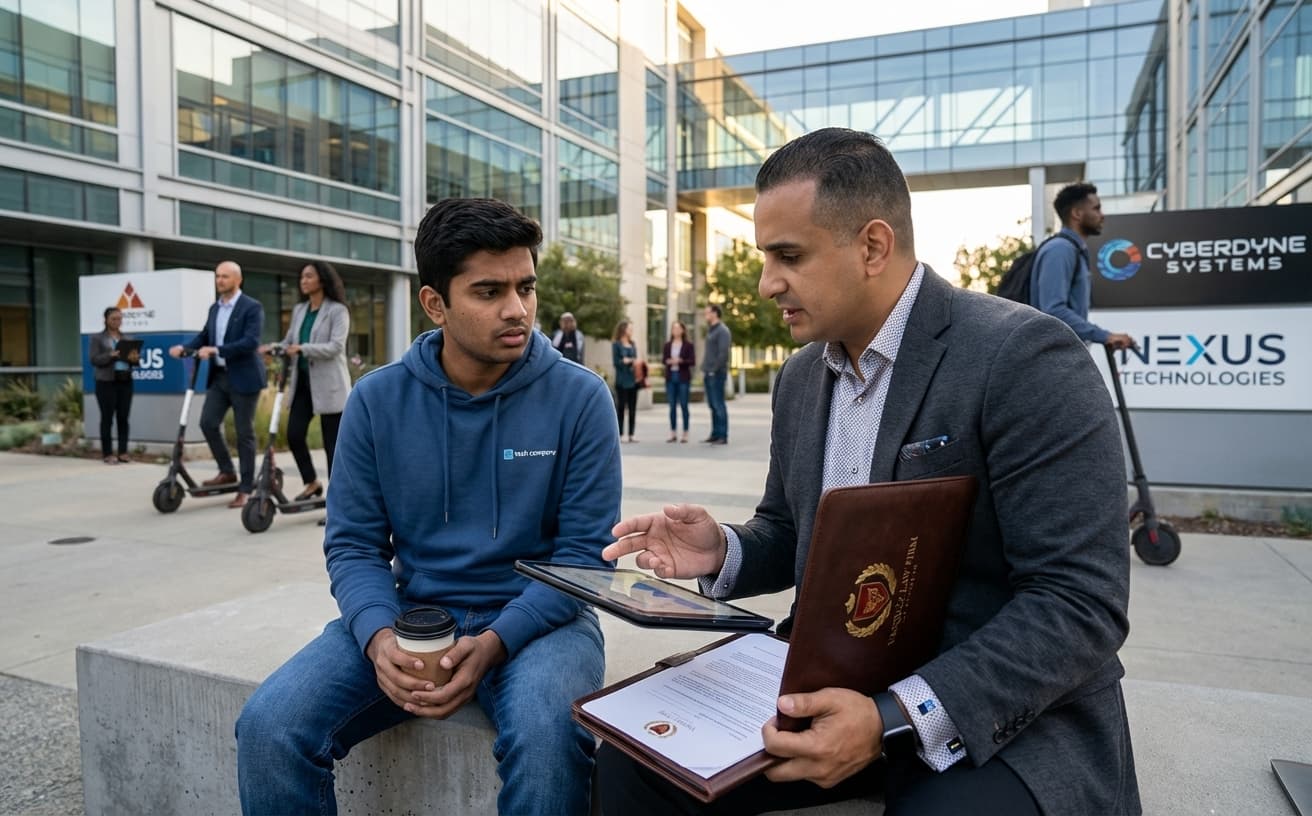
What Happens When an ICE Detention Reporter Is Arrested?
Learn your rights if an ICE detention reporter or anyone is arrested in 2026. Get critical legal insights. Contact Vasquez Law for a free consultation.
Published on March 8, 2026
Talk to an immigration attorney
Free call. A clear plan for your case.
Free & confidential · Se habla espanol · 24/7
Have questions? Talk to an attorney - free evaluation.
Call 1-844-967-3536Worried how the latest immigration news affects you?
Schedule a confidential case review with an immigration attorney - know exactly where you stand.
What Happens When an ICE Detention Reporter Is Arrested?
The detention of a journalist covering immigration enforcement, like the case of the ICE detention reporter in Nashville, raises serious questions about due process and constitutional rights. In 2026, understanding what happens when an individual, especially a reporter, is detained by Immigration and Customs Enforcement (ICE) is crucial for anyone involved in or observing immigration matters. This article explores the legal framework surrounding such detentions, the rights of those detained, and the role of legal counsel in navigating these complex situations, particularly in Charlotte, North Carolina, and Florida.
Need help with your case? Our experienced attorneys are ready to fight for you. Se Habla Español.
Schedule Your Free Case Evaluation
Or call us now: 1-844-967-3536
Quick Answer
When an ICE detention reporter or any individual is arrested by ICE, they typically face questioning, processing, and potential detention in an immigration facility. Their rights include remaining silent, requesting an attorney, and knowing the reason for their arrest. Journalists may also assert First Amendment protections.
- Demand to speak with an attorney immediately.
- Do not sign any documents without legal review.
- Exercise your right to remain silent.
- Note the names and badge numbers of arresting officers.
- Contact family or legal counsel as soon as possible.
Understanding ICE Detention and Arrests in 2026
In 2026, ICE operates under federal authority to enforce immigration laws across the United States, including in North Carolina and Florida. An ICE detention reporter, or any individual, can be arrested if ICE agents have probable cause to believe they have violated immigration law, such as overstaying a visa or entering without authorization. These arrests can occur in various settings, from homes and workplaces to public spaces.
For instance, the arrest of a journalist in Nashville, Mario Guevara, while covering immigration enforcement, highlighted the broad scope of ICE's powers. Such incidents underscore the importance of understanding the specific legal procedures ICE must follow and the rights individuals retain, even during an immigration arrest. Knowing these details is critical for protecting oneself and advocating for proper legal process.
ICE's enforcement actions are governed by federal statutes, including the Immigration and Nationality Act (INA), which outlines the grounds for arrest, detention, and removal. While ICE agents have significant authority, they are also bound by constitutional protections, such as the Fourth Amendment's prohibition against unreasonable searches and seizures, and the Fifth Amendment's due process clause. Understanding these legal boundaries is the first step in asserting your rights.
Types of ICE Arrests and Enforcement Actions
ICE arrests can generally be categorized into several types. These include administrative arrests based on civil immigration violations, such as being unlawfully present in the U.S., and arrests made in connection with criminal investigations that also involve immigration violations. Sometimes, ICE operations target specific individuals with warrants, while other times, arrests occur during broader enforcement sweeps or traffic stops where immigration status is questioned.
The circumstances of an arrest can significantly impact the legal options available to an individual. For example, an arrest based solely on an administrative warrant for an immigration violation typically leads to civil immigration proceedings. In contrast, an arrest involving criminal charges might lead to both criminal prosecution and immigration removal proceedings. Each scenario requires a tailored legal strategy, which is why immediate legal consultation is vital.
Your Rights During an ICE Detention or Interrogation
If you or someone you know faces an ICE detention, it is essential to remember that you have fundamental rights, regardless of your immigration status. One of the most critical rights is the right to remain silent. You are not required to answer questions about your immigration status, country of origin, or how you entered the U.S. Invoking this right can prevent self-incrimination and protect your legal position.
Furthermore, you have the right to speak with an attorney. You should clearly state that you wish to consult with a lawyer before answering any questions or signing any documents. ICE agents must provide you with a list of free legal services providers, although they are not required to provide an attorney immediately. However, persisting in your request for legal counsel is paramount.
You also have the right to not sign any documents without understanding their contents and consulting with an attorney. Signing certain documents, such as a Voluntary Departure form, could waive important rights and lead to immediate deportation without a hearing. Always read everything carefully and seek legal advice. If you are in Charlotte or anywhere in North Carolina or Florida, an immigration lawyer can clarify these rights.
First Amendment Protections for Journalists
For an ICE detention reporter, additional protections under the First Amendment may apply. Journalists have the right to gather and report news, and their detention while performing these duties can raise serious constitutional concerns. While these protections do not grant immunity from arrest for criminal or civil violations, they may provide grounds to challenge the legality or intent behind an arrest related to their reporting activities.
The First Amendment ensures freedom of the press, which is vital for a functioning democracy. When a reporter covering immigration enforcement is detained, it can have a chilling effect on the public's right to know. Legal challenges in such cases often focus on whether the detention was an attempt to impede journalistic activities or retaliate against protected speech. This is a complex area of law, requiring experienced legal guidance.
Steps to Take if Detained by ICE in NC or FL
Facing an ICE detention can be a frightening experience, but having a clear plan can help protect your rights and improve your outcome. First, remain calm and do not resist arrest. Physical resistance can lead to additional criminal charges. Politely state that you wish to remain silent and want to speak with an attorney.
- Remain Silent: Do not answer questions about your immigration status, birthplace, or how you entered the U.S. Simply state, "I wish to remain silent and I want to speak with my lawyer."
- Do Not Sign Documents: Refuse to sign anything without first consulting with an attorney. You could unknowingly waive critical rights.
- Request an Attorney: Clearly and repeatedly state your desire to speak with a lawyer. ICE cannot force you to answer questions once you request legal counsel.
- Memorize or Secure Information: Try to remember the names, badge numbers, and agencies of the officers. Note the date, time, and location of the arrest.
- Contact Family/Counsel: As soon as you are allowed, contact a trusted family member or an immigration attorney. Provide them with details of your arrest.
- Understand Your Charges: Ask why you are being detained. While you don't have to answer questions, you have the right to know the basis of your arrest.
These steps are crucial whether you are in Charlotte, another part of North Carolina, or Florida. Immigration law is federal, but local enforcement practices can vary. An attorney familiar with both federal immigration law and local procedures can provide invaluable assistance.
Navigating the Immigration Detention System
Once detained, individuals are typically taken to an ICE processing center or a contract detention facility. The process usually involves fingerprinting, interviews, and background checks. This is often when ICE determines if the individual is eligible for release on bond or if they will remain in detention throughout their immigration proceedings.
The immigration detention system is distinct from the criminal justice system. Detainees are not always entitled to court-appointed attorneys, making private legal representation even more critical. Proceedings occur before an immigration judge within the Executive Office for Immigration Review (EOIR), where the individual can present their case against removal. Understanding the nuances of this system is essential for a favorable outcome.
For many, the goal is to secure release from detention, either through an immigration bond or parole. Eligibility for bond depends on various factors, including flight risk, danger to the community, and the specific immigration violation. An experienced immigration attorney can argue for bond eligibility and negotiate with ICE to secure release, allowing the individual to pursue their case from outside detention. Vasquez Law Firm has extensive experience in this area.
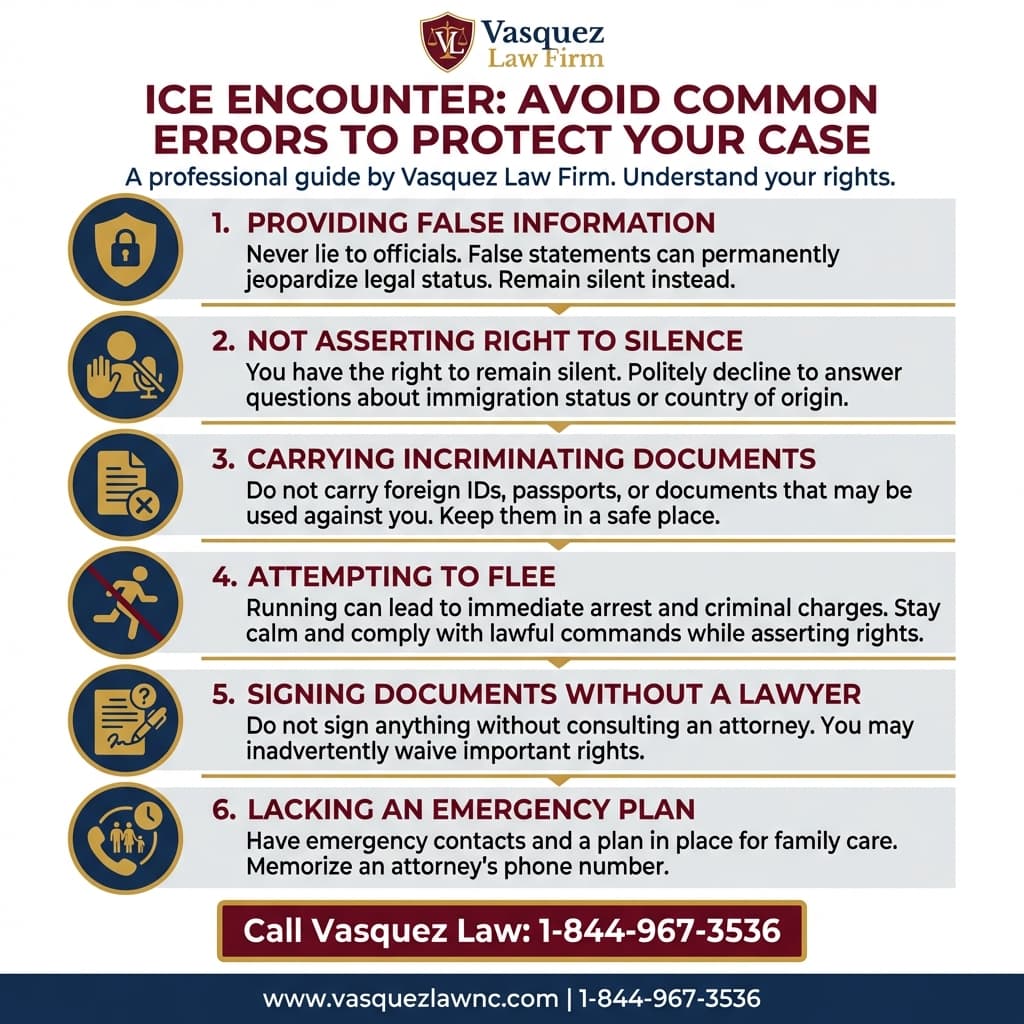
Common Mistakes and How to Avoid Them During ICE Encounters
The pressure of an ICE encounter can lead to mistakes that significantly harm an individual's immigration case. Avoiding these pitfalls is crucial for protecting your rights and improving your chances of a positive outcome. Many individuals, including an ICE detention reporter, may not be fully aware of how their actions can impact their legal standing.
- Mistake 1: Answering Questions Without a Lawyer: Providing information to ICE without legal counsel can unintentionally incriminate you or reveal details that weaken your case.
- Fix: Clearly state, "I do not wish to answer any questions without my attorney present."
- Mistake 2: Signing Documents Without Understanding: Signing waivers, voluntary departure forms, or other legal documents without full comprehension can lead to immediate deportation or loss of rights.
- Fix: Refuse to sign anything until an attorney has reviewed it and explained its implications.
- Mistake 3: Resisting Arrest: While frustrating, resisting arrest can result in criminal charges, making your immigration case much more complicated.
- Fix: Cooperate physically but assert your right to remain silent and request an attorney.
- Mistake 4: Lying to ICE Agents: Providing false information to federal agents is a serious offense that can lead to criminal charges and negatively impact future immigration relief.
- Fix: Remain silent if you are unsure how to answer truthfully without self-incrimination.
- Mistake 5: Not Knowing Your Rights: A lack of awareness about your constitutional and immigration rights leaves you vulnerable during an encounter.
- Fix: Educate yourself on basic rights or keep a "Know Your Rights" card handy.
- Mistake 6: Delaying Legal Consultation: Waiting to contact an attorney can mean missed deadlines, lost opportunities for bond, or difficulty in challenging detention.
- Fix: Contact an immigration lawyer immediately after an arrest or detention.
- Mistake 7: Failing to Document the Encounter: Not recording details like officer names, badge numbers, or the time and location of the arrest can make it harder to challenge improper procedures.
- Fix: If safe and possible, try to remember or write down key details, or ask a trusted person to do so.
If you only remember one thing: Always assert your right to remain silent and request an attorney immediately. This is your strongest protection against potential self-incrimination and ensures your legal interests are represented.
The Role of an Immigration Attorney in Detention Cases
The complexities of immigration law and the fast-paced nature of detention proceedings make legal representation indispensable. An experienced immigration attorney can be your strongest advocate, ensuring your rights are protected and guiding you through every step of the process. This is especially true for an ICE detention reporter or anyone facing potential deportation.
From the moment of arrest, an attorney can intervene, communicate with ICE on your behalf, and work towards securing your release. They can assess the legality of your detention, identify potential defenses against removal, and represent you in bond hearings before an immigration judge. Without legal counsel, individuals often navigate a system that is confusing and intimidating, potentially leading to unfavorable outcomes.
For example, an attorney can argue for the exercise of prosecutorial discretion, seek various forms of relief from removal, or appeal adverse decisions. They can also help gather necessary evidence, prepare you for court appearances, and ensure all legal deadlines are met. Vasquez Law Firm understands the urgency and sensitivity of these cases, providing dedicated representation in North Carolina, Florida, and nationwide immigration matters. Learn more about our immigration services.
NC, FL, and Nationwide Immigration Notes
Immigration law in the United States is primarily federal, meaning the same statutes and regulations apply nationwide. However, the practical application and local enforcement priorities of ICE can vary by region. This means that while the core legal principles are consistent, the experience of an ICE detention reporter or any detainee in Charlotte, North Carolina, might differ slightly from someone in Miami, Florida.
North Carolina Immigration Enforcement
North Carolina has several ICE field offices and detention facilities, including those in Charlotte. ICE enforcement in North Carolina often involves collaboration with local law enforcement agencies through programs like 287(g) agreements, which deputize local officers to enforce federal immigration laws. This can lead to immigration arrests stemming from routine traffic stops or other minor infractions. It is crucial for individuals in North Carolina to understand how these local collaborations impact their risk of ICE encounters.
Florida Immigration Enforcement
Florida, with its large immigrant population and extensive coastline, is a significant area for ICE operations. Enforcement efforts often focus on border security and interior enforcement, with numerous detention centers across the state. Recent state-level legislation in Florida has also influenced the landscape of immigration enforcement, sometimes creating a more challenging environment for immigrants. Staying informed about both federal and state-specific policies is vital for those in Florida.
Nationwide Immigration Concepts (General only, rules vary)
Across the nation, immigration enforcement priorities can shift based on federal policies and administrations. Generally, ICE prioritizes the arrest and removal of individuals deemed threats to national security, public safety, or border security. However, anyone who is undocumented or has certain criminal convictions can be a target for ICE. The nationwide discussion surrounding immigration reform and enforcement strategies continually shapes the landscape for immigrants and those who report on their experiences, like an ICE detention reporter.
Don't face your legal challenges alone. Our team is here to help you every step of the way.
Call today: 1-844-967-3536 | Se Habla Español
When to Call an Immigration Lawyer Immediately
Certain situations demand immediate action and the expertise of an immigration attorney. Delaying legal counsel can have severe consequences, potentially jeopardizing your case or leading to prolonged detention. If any of these apply to you or a loved one, contact Vasquez Law Firm without delay:
- You or a family member has been arrested or detained by ICE.
- You have received a Notice to Appear (NTA) in immigration court.
- ICE agents have visited your home or workplace.
- You are asked to sign any immigration-related documents.
- You are facing deportation or removal proceedings.
- You fear returning to your home country.
- You believe your rights were violated during an ICE encounter.
- You are seeking release from immigration detention on bond.
- You need to understand the implications of a criminal charge on your immigration status.
About Vasquez Law Firm
At Vasquez Law Firm, we combine compassion with aggressive representation. Our motto "Yo Peleo" (I Fight) reflects our commitment to standing up for your rights. We understand the profound impact immigration issues have on individuals and families, and we are dedicated to providing personalized and effective legal solutions. Whether you are in Charlotte, another part of North Carolina, Florida, or anywhere in the U.S. needing federal immigration assistance, our team is ready to help.
- Bilingual Support: Se Habla Español - our team is fully bilingual, ensuring clear communication and understanding.
- Service Areas: We provide comprehensive immigration services across North Carolina, Florida, and nationwide.
- Experience: With over 15 years of dedicated experience, Attorney Vasquez has successfully handled thousands of complex legal matters.
- Results: We are committed to achieving favorable outcomes and protecting the rights of our clients in all practice areas, including personal injury, workers' compensation, criminal defense, family law, and traffic.
Attorney Trust and Experience
Attorney Vasquez holds a Juris Doctor degree and is admitted to practice in both the North Carolina State Bar and Florida Bar. With over 15 years of dedicated legal experience, he has built a reputation for providing personalized attention and achieving favorable outcomes for his clients. His deep understanding of immigration law, coupled with a compassionate approach, makes Vasquez Law Firm a trusted advocate for those facing challenging legal situations. Learn more about Attorney Vasquez and our team.
Frequently Asked Questions
Can an ICE detention reporter be arrested for doing their job?
While journalists have First Amendment protections, they are not immune from arrest if ICE agents believe they have committed a civil immigration violation or a crime. However, an arrest solely for reporting on immigration enforcement raises serious legal questions about freedom of the press and can be challenged in court with an attorney's help.
What should I do if ICE agents come to my home?
Do not open your door unless agents show you a warrant signed by a judge. Ask them to slide the warrant under the door. If they don't have one, you can refuse entry. Assert your right to remain silent and state you wish to speak with an attorney immediately.
Can I be deported without a court hearing?
Generally, no. Most individuals have the right to a hearing before an immigration judge before deportation. However, certain exceptions exist, such as expedited removal for those apprehended shortly after crossing the border or if you sign a Voluntary Departure order. Always consult an attorney before signing anything.
What is an immigration bond, and how does it work?
An immigration bond is money paid to ICE to secure a detainee's release from custody while their immigration case proceeds. The bond amount is set by an immigration judge or ICE. If the detainee appears for all hearings, the bond money is returned. An attorney can argue for a lower bond or eligibility for release.
How long can someone be held in ICE detention?
The length of ICE detention varies greatly. Some individuals are held for a few days, while others may be detained for months or even years, especially if their case is complex or appeals are pending. There are legal limits on prolonged detention for certain categories of immigrants, which an attorney can challenge.
Do I have the right to a lawyer if detained by ICE?
Yes, you have the right to an attorney, but the government is not required to provide one for you in civil immigration proceedings. You must arrange for and pay for your own legal representation. It is crucial to request an attorney immediately and persist in that request.
What is the difference between an immigration warrant and a criminal warrant?
An immigration warrant (Form I-200 or I-205) is an administrative warrant for a civil immigration violation, signed by an ICE officer. A criminal warrant is signed by a judge and authorizes arrest for criminal charges. Only a criminal warrant allows law enforcement to enter your home without permission.
How can an immigration attorney help me if I am detained?
An immigration attorney can help by intervening with ICE, reviewing your case for bond eligibility, representing you in court, identifying defenses against deportation, and appealing adverse decisions. They ensure your rights are protected and advocate for the best possible outcome in your immigration proceedings.
Are ICE policies different in North Carolina versus Florida?
While federal immigration laws apply nationwide, local ICE field offices in North Carolina and Florida may have different enforcement priorities and operational procedures. State-level laws in Florida can also influence the enforcement landscape. An attorney familiar with both federal and local nuances is beneficial.
What if I am a DACA recipient and detained by ICE?
If you are a DACA recipient and detained, immediately inform ICE of your DACA status and request to speak with an attorney. DACA provides temporary protection from deportation, but it can be revoked under certain circumstances. An attorney can help assert your DACA protections and navigate the detention process.
Sources and References
- U.S. Citizenship and Immigration Services (USCIS)
- Executive Office for Immigration Review (EOIR)
- 8 U.S. Code § 1252 - Judicial review of orders of removal
Ready to take the next step? Contact Vasquez Law Firm today for a free, confidential consultation. We're committed to fighting for your rights and achieving the best possible outcome for your case.
Start Your Free Case Evaluation Now
Call us: 1-844-967-3536
Se Habla Español - Estamos aquí para ayudarle.


William Vasquez
Founder & CEO, Vasquez Law Firm, PLLC
William Vasquez is the founder and CEO of Vasquez Law Firm, PLLC, a results-driven firm specializing in immigration, criminal defense, personal injury, and workers' compensation. A U.S. Air Force veteran and recipient of the Joint Service Achievement Medal, William is dedicated to fiercely fighting for his clients' rights.
Related Legal Services
Need legal help? Learn more about immigration case consultation, or contact us for a free evaluation.
You can also visit statewide immigration legal services for more information.