What the February 2026 Visa Bulletin Means for EB Applicants
Understand the February 2026 Visa Bulletin and USCIS's use of Dates for Filing for EB adjustment of status. Get expert insights for your Green Card application. Contact Vasquez Law Firm for a free consultation today.
Published on February 16, 2026
Have questions? Talk to an attorney - free evaluation.
Call 1-844-967-3536Free Tool
Check Your USCIS Case Status Now
Enter your receipt number - get the official USCIS status in English or Spanish. No registration.
What the February 2026 Visa Bulletin Means for EB Applicants
The State Department has released the February 2026 Visa Bulletin, bringing crucial updates for thousands of individuals seeking permanent residency through employment-based (EB) adjustment of status applications. Understanding these updates, especially USCIS's decision to use the Dates for Filing chart, is essential for anyone on their immigration journey. This guide from Vasquez Law Firm will break down the complexities, explain what these changes mean for your application, and provide actionable steps to navigate the process effectively in 2026. Whether you are in Raleigh, elsewhere in North Carolina, Florida, or across the nation, staying informed is your first step towards success.
Need help with your employment-based Green Card application? Our experienced immigration attorneys are ready to fight for you. Se Habla Español.
Schedule Your Free Consultation
Or call us now: 1-844-967-3536
Quick Answer: February 2026 Visa Bulletin Updates
The State Department has released the February 2026 Visa Bulletin, confirming that USCIS is currently using the Dates for Filing chart for employment-based (EB) adjustment of status applications. This allows many applicants to submit their Form I-485 sooner than if the Final Action Dates chart were in effect. Understanding your priority date and visa category is critical to determine your eligibility to file.
- USCIS is using Dates for Filing: This is favorable for many employment-based applicants.
- Priority Dates: Verify your specific priority date against the updated charts.
- Visa Categories: EB-1, EB-2, EB-3, EB-4, and EB-5 categories each have distinct dates.
- Adjustment of Status: File or prepare your I-485 application if your date is current.
- Consult an Attorney: Seek legal guidance to confirm eligibility and navigate complexities.
Understanding the February 2026 Visa Bulletin and USCIS Charts
The U.S. Department of State issues the Visa Bulletin monthly to inform prospective immigrants about visa availability. It lists the "priority dates" that are current for various visa categories and countries of chargeability. For February 2026, the State Department has released the February 2026 Visa Bulletin, a critical resource for anyone pursuing lawful permanent residency.
A key aspect of the Visa Bulletin is its two charts: Dates for Filing and Final Action Dates. The Dates for Filing chart generally indicates when applicants can submit their adjustment of status applications, even if a visa is not immediately available. The Final Action Dates chart, on the other hand, shows when a visa number is actually available for issuance. USCIS, in coordination with the Department of State, determines which chart to use for employment-based (EB) adjustment of status applications each month.
For February 2026, USCIS has announced it is using the Dates for Filing chart for employment-based (EB) adjustment of status applications. This decision is significant because it often allows individuals to file their Form I-485, Application to Register Permanent Residence or Adjust Status, earlier than they would if the Final Action Dates chart were in effect. Filing earlier can provide benefits such as obtaining employment authorization and advance parole while the application is pending. This makes understanding the February 2026 Visa Bulletin predictions and how your priority date aligns with the charts absolutely vital.
For many, this means a window of opportunity to advance their immigration process. However, the specific dates vary significantly by visa category (EB-1, EB-2, EB-3, EB-4, EB-5) and by country of origin, particularly for countries with high demand like China and India. It is crucial to review the detailed charts provided by the State Department to determine your specific eligibility. The complexity of these charts often necessitates the guidance of an experienced immigration attorney to ensure accurate interpretation and timely filing. For official information, always refer to the U.S. Department of State's Visa Bulletin.
Navigating Employment-Based (EB) Adjustment of Status in 2026
Employment-based adjustment of status is the process by which eligible foreign nationals already present in the United States can apply for lawful permanent resident status (a Green Card) based on an approved employment-based immigrant petition. In 2026, this pathway remains a primary route for many skilled workers, professionals, and investors seeking to make the U.S. their permanent home. The process involves several key stages, beginning with an employer filing an immigrant petition on behalf of the applicant.
Eligibility for EB adjustment typically requires a valid nonimmigrant status, an approved Form I-140, Immigrant Petition for Alien Worker (or I-360 for certain special immigrants), and an available visa number according to the current Visa Bulletin. Your "priority date" is established when your immigrant petition (usually Form I-140) is properly filed. This date determines your place in the visa queue. When your priority date becomes "current" on the Visa Bulletin's applicable chart (in this case, the Dates for Filing chart for February 2026), you can then move forward with filing your Form I-485.
The employment-based adjustment of status process can be intricate, with specific requirements for each EB category. For instance, EB-1 is for priority workers, EB-2 for professionals with advanced degrees or exceptional ability, and EB-3 for skilled workers, professionals, and other workers. Each category has different backlogs and priority date movements. Understanding which category applies to you and how your priority date impacts your timeline is crucial. Our firm helps clients in Raleigh, across North Carolina, Florida, and nationwide navigate these complex requirements, ensuring they meet all criteria for their immigration services.
USCIS processing times for employment-based adjustment of status can vary significantly. Factors such as the service center handling your application, the completeness of your submitted documents, and current caseloads all play a role. It is not uncommon for the process to take several months or even longer, underscoring the importance of meticulous preparation and timely responses to any requests for evidence. Staying informed about your current priority date for Green Card applications and general Visa Bulletin 2026 predictions will help manage expectations.
Key Steps for Your EB Adjustment of Status Application
- Approved Immigrant Petition: Ensure your employer has filed and USCIS has approved your Form I-140 (or equivalent).
- Monitor the Visa Bulletin: Regularly check the State Department's Visa Bulletin, specifically the February 2026 Visa Bulletin, to see if your priority date is current under the Dates for Filing chart for your EB category and country.
- Prepare Form I-485: Gather all necessary documents, including birth certificates, marriage certificates, medical examination results, and any required affidavits.
- File Concurrent Applications: Consider filing Form I-765 (Application for Employment Authorization) and Form I-131 (Application for Travel Document, also known as Advance Parole) concurrently with your I-485.
- Attend Biometrics Appointment: You will receive a notice for a biometrics appointment to provide fingerprints and photos.
- Interview (if required): Not all adjustment of status applicants are required to attend an interview, but be prepared if one is scheduled.
- Decision: USCIS will issue a decision on your I-485 application.
Analyzing the Dates for Filing Chart: What It Means for You
The State Department's February 2026 Visa Bulletin specifies that USCIS is using the "Dates for Filing" chart for employment-based categories. This is a critical distinction. The Dates for Filing chart generally moves more quickly than the Final Action Dates chart, offering an earlier window for applicants to submit their Form I-485. This means that even if a Green Card is not immediately available, you might still be able to file your adjustment of status application, initiate the processing, and potentially obtain work authorization and travel parole.
For example, if the Final Action Date for your EB-3 category for India is December 1, 2012, but the Dates for Filing chart shows January 1, 2015, and USCIS announces it is accepting filings based on the Dates for Filing chart, you could potentially file your I-485 application three years earlier. This significantly impacts an applicant's ability to work and travel while awaiting their Green Card. It's important to remember that while you can file, your Green Card will not be issued until your priority date becomes current under the Final Action Dates chart.
Applicants must meticulously check their specific EB category and country of chargeability against the February 2026 Visa Bulletin's Dates for Filing chart. Any misinterpretation could lead to a rejected application or a missed opportunity. For instance, the Visa Bulletin January 2026 predictions might have shown different movements, highlighting the month-to-month variability. Categories like EB-2 and EB-3 for certain countries often experience significant backlogs and fluctuations, making careful monitoring essential. Staying informed about the Visa Bulletin March 2026 predictions can also help you anticipate future movements.
If your priority date is current under the Dates for Filing chart for February 2026, it is advisable to act swiftly. Prepare all necessary documentation and file your Form I-485 as soon as possible. Delays can mean missing a window of opportunity, especially if the dates retrogress in subsequent months. The impact of government shutdowns on immigration processing further emphasizes the importance of timely filing when a window opens. Consulting with an attorney is highly recommended to ensure all forms are completed accurately and all supporting evidence is included, minimizing the risk of delays or denials.
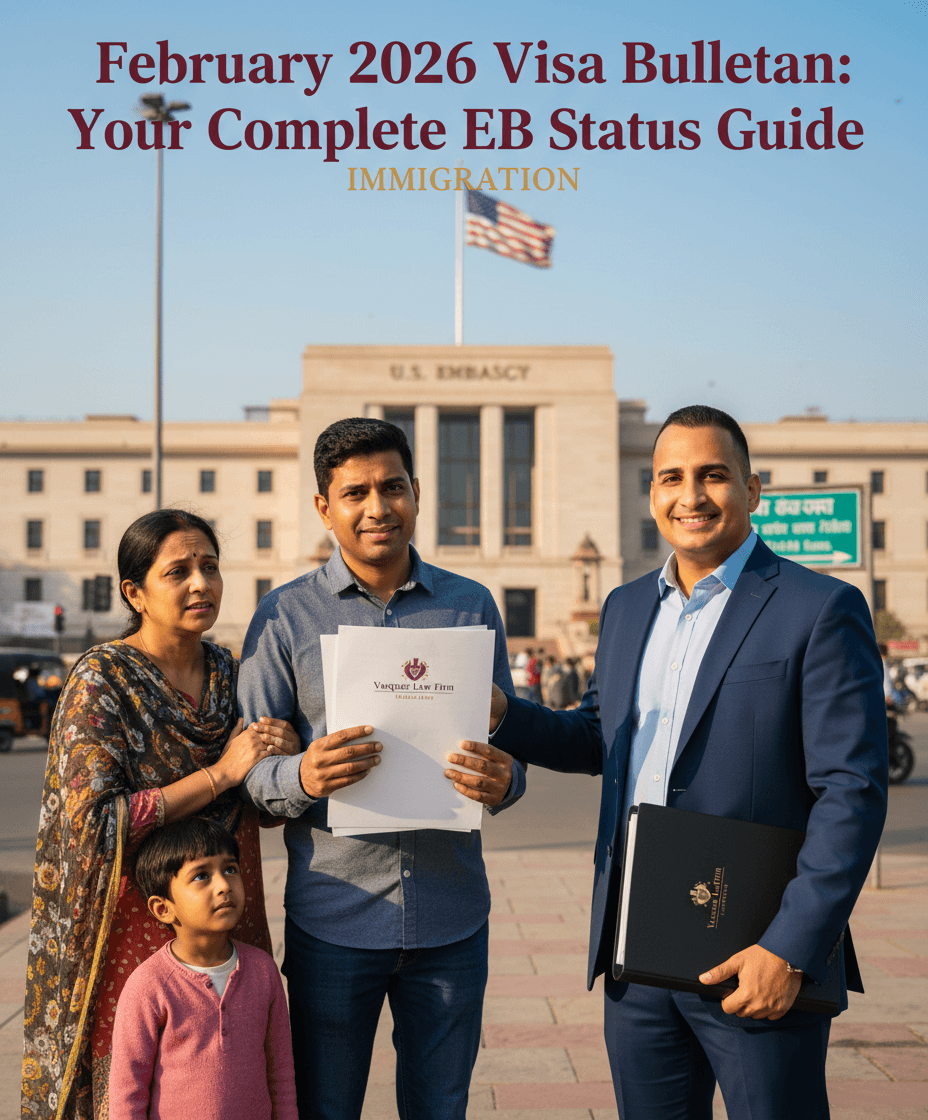
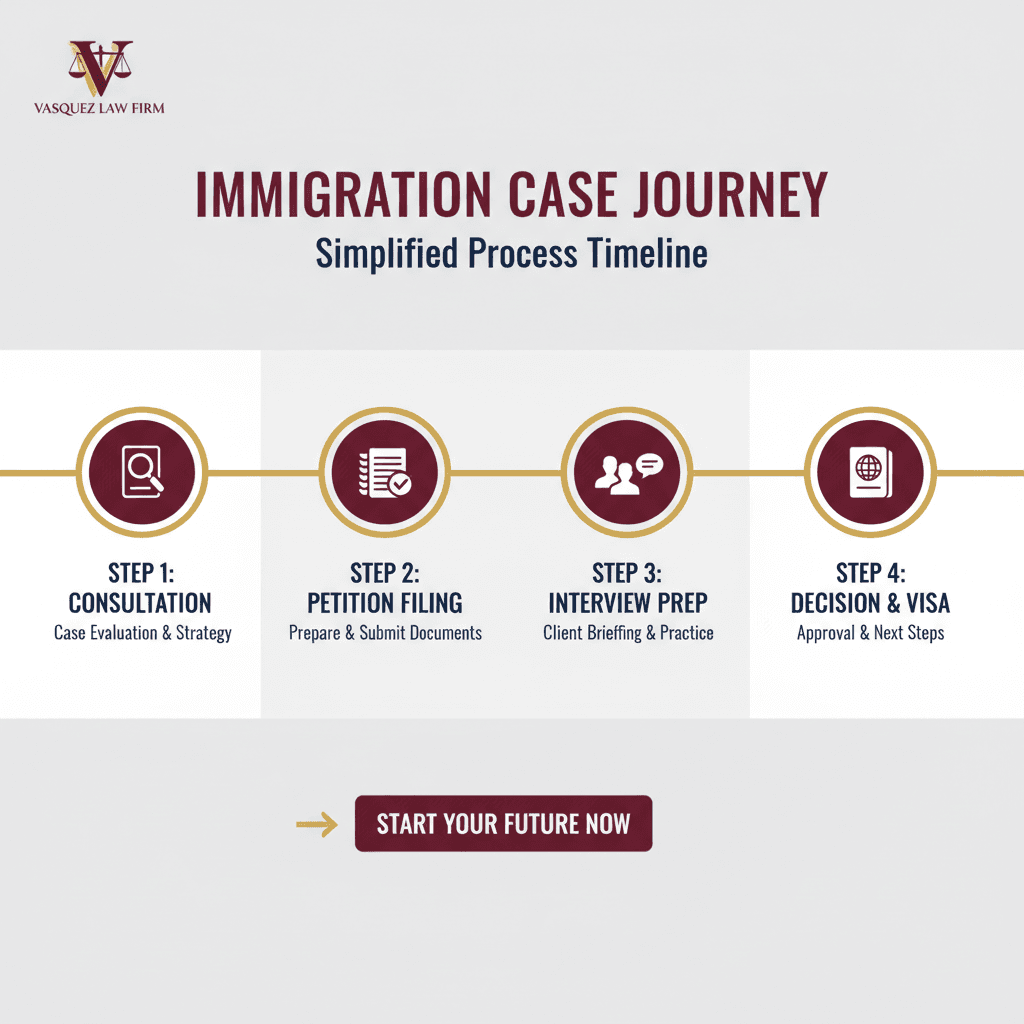
What to Expect: Adjustment of Status Timeline
- Petition Filing (I-140): Employer files immigrant petition; priority date established.
- Visa Bulletin Monitoring: Regularly check for priority date to become current on Dates for Filing chart (e.g., February 2026).
- I-485 Filing: Submit Form I-485, I-765 (EAD), I-131 (AP) concurrently.
- Receipt Notice & Biometrics: Receive notices, attend appointment within 1-2 months.
- Employment Authorization/Advance Parole: EAD/AP typically issued within 5-12 months.
- Interview (if scheduled): May occur 8-24 months after filing.
- Final Decision: Green Card approval can take 12-36 months or longer, depending on backlogs and individual case complexities.
Common Pitfalls and How to Avoid Them with the Visa Bulletin
Navigating the immigration system, especially with the complexities of the Visa Bulletin and adjustment of status, is fraught with potential missteps. One of the most common mistakes is misinterpreting the Visa Bulletin itself. Applicants often confuse the Dates for Filing chart with the Final Action Dates chart, leading to either premature filing (and rejection) or delayed filing (and missed opportunities). Always confirm which chart USCIS is using for adjustment of status applications for the current month, as they have for the February 2026 Visa Bulletin.
Another significant pitfall involves priority dates. Many applicants fail to accurately track their priority date or understand its implications. Your priority date is fixed when your initial immigrant petition is filed, and it dictates your place in line. Not knowing your current priority date for Green Card processing can lead to unnecessary anxiety or missed filing windows. Regularly checking official USCIS and State Department resources is vital, or better yet, rely on a legal professional to keep track for you.
Errors in documentation and incomplete submissions are also frequent causes of delays or denials. Adjustment of status applications require a vast array of supporting documents, from birth certificates and medical examination results to financial records and affidavits. Missing a single form or failing to provide proper translations can result in a Request for Evidence (RFE) or outright denial. Such delays can be particularly detrimental when visa availability is limited or subject to retrogression, as seen in some Visa Bulletin 2026 predictions.
Furthermore, applicants sometimes fail to understand the nuances of their specific employment-based category or country of chargeability. What applies to an EB-1 applicant from Europe may be entirely different for an EB-3 applicant from India. These distinctions affect visa availability and priority date movements. Consulting with an experienced immigration attorney, like Attorney Vasquez, can help you avoid these costly mistakes and ensure your application is robust and compliant. We are dedicated to providing clear guidance and aggressive representation.
If you only remember one thing: Always verify which chart USCIS is using for adjustment of status in the current month and consult an immigration attorney before filing to ensure accuracy and avoid critical errors.
Essential Documents Checklist for EB Adjustment
- Form I-485, Application to Register Permanent Residence or Adjust Status
- Form I-765, Application for Employment Authorization (optional, but highly recommended)
- Form I-131, Application for Travel Document (optional, but highly recommended)
- Form I-864, Affidavit of Support (if applicable)
- Form I-693, Report of Medical Examination and Vaccination Record
- Copy of your birth certificate
- Copy of your passport and visa (if applicable)
- Copies of all previous I-94 Arrival/Departure Records
- Two passport-style photos
- Copies of marriage certificate (if applicable)
- Approved Form I-140 or I-360 petition
- Proof of maintaining lawful status since last entry
- Any other supporting documents requested by USCIS
When to Seek Expert Legal Guidance for Your Immigration Journey
The intricacies of immigration law, particularly regarding the February 2026 Visa Bulletin and employment-based adjustment of status, make professional legal guidance invaluable. While some individuals attempt to navigate the process independently, the potential for errors, delays, or even denials is significant. You should consider contacting an immigration attorney if your case presents any complexities, or if you simply want peace of mind knowing your application is handled correctly.
Triggers for seeking immediate legal help include receiving a Request for Evidence (RFE) from USCIS, especially if you are unsure how to respond adequately. If your priority date has retrogressed or you are facing an unusually long processing time, an attorney can help investigate the cause and explore potential solutions. Any prior immigration violations, criminal history, or issues with maintaining lawful status absolutely necessitate legal counsel, as these factors can severely jeopardize your application.
Furthermore, if you are confused by the distinction between the Dates for Filing and Final Action Dates charts, or if you are unsure which employment-based category applies to you, a lawyer can provide clarity. An attorney can also help you prepare for an interview, ensure all your documents are meticulously organized, and represent you throughout the process. For those in Raleigh, North Carolina, Florida, or anywhere across the U.S., our firm stands ready to assist.
Vasquez Law Firm offers comprehensive support for employment-based immigration cases. Our "Yo Peleo" philosophy means we aggressively advocate for our clients' rights, ensuring every detail is addressed. We understand the emotional and financial investment involved in seeking a Green Card and are committed to guiding you through each step. Don't face the complexities of the immigration system alone. Your future deserves expert representation. This process is governed by federal law, specifically the Immigration and Nationality Act (INA), which includes provisions for adjustment of status under 8 U.S.C. § 1255.
About Vasquez Law Firm
At Vasquez Law Firm, we combine compassion with aggressive representation. Our motto "Yo Peleo" (I Fight) reflects our commitment to standing up for your rights and fighting tirelessly for the best possible outcome in your immigration journey and other legal matters. We understand the unique challenges faced by immigrants and their families, and we are dedicated to providing accessible, high-quality legal services.
- Bilingual Support: Se Habla Español - our team is fully bilingual, ensuring clear communication and understanding.
- Service Areas: We proudly serve clients in North Carolina, Florida, and provide nationwide immigration services.
- Experience: With over 15 years of dedicated legal experience, we have a proven track record of helping clients navigate complex legal matters.
- Results: Thousands of successful cases across multiple practice areas, including immigration, personal injury, and workers' compensation.
Attorney Trust and Experience
Attorney Vasquez holds a Juris Doctor degree and is admitted to practice in both the North Carolina State Bar and Florida Bar. With over 15 years of dedicated legal experience, he has built a reputation for providing personalized attention and achieving favorable outcomes for his clients. He leads a team that is deeply committed to the success and well-being of every individual we represent, especially those navigating the complexities of the February 2026 Visa Bulletin and their path to permanent residency.
Don't face your legal challenges alone. Our team is here to help you every step of the way, especially with the latest February 2026 Visa Bulletin updates. Se Habla Español.
Call today: 1-844-967-3536
Frequently Asked Questions About the February 2026 Visa Bulletin
What is the February 2026 Visa Bulletin?
The February 2026 Visa Bulletin is a monthly publication by the U.S. Department of State that provides updated priority dates for family-sponsored and employment-based immigrant visa categories. It tells applicants when they can file their adjustment of status applications or when their Green Card can be issued, based on visa availability and demand, for the current month.
Is USCIS using the Dates for Filing or Final Action Dates chart for February 2026?
For February 2026, USCIS has confirmed that it is using the Dates for Filing chart for employment-based (EB) adjustment of status applications. This allows many individuals to submit their Form I-485 earlier, potentially providing benefits like work authorization and travel documents while their Green Card application is pending.
How do I know if my priority date is current on the February 2026 Visa Bulletin?
To check if your priority date is current, you need to locate your specific employment-based visa category (e.g., EB-1, EB-2, EB-3) and your country of chargeability on the Dates for Filing chart in the February 2026 Visa Bulletin. If your priority date is earlier than the date listed for your category and country, you are eligible to file your I-485.
What is an employment-based (EB) adjustment of status application?
An employment-based adjustment of status application (Form I-485) allows eligible foreign nationals already in the U.S. to obtain lawful permanent resident status based on an approved employment-based immigrant petition. This process requires a visa number to be available according to the Visa Bulletin, which for February 2026 means your priority date must be current on the Dates for Filing chart.
Will USCIS processing times improve in 2026?
While USCIS aims to improve processing times, various factors influence efficiency, including application volume, staffing levels, and policy changes. Some categories may see improvements in 2026, while others might still experience backlogs. The February 2026 Visa Bulletin's use of Dates for Filing is a positive step for many employment-based applicants, but overall processing times remain dynamic.
What should I do if my priority date becomes current?
If your priority date becomes current on the Dates for Filing chart for February 2026, you should immediately begin preparing and filing your Form I-485, along with any concurrent applications for employment authorization (I-765) and advance parole (I-131). Prompt action is crucial to take advantage of the current visa availability and avoid potential future retrogressions.
Can I travel internationally if I file for adjustment of status?
Generally, if you file Form I-485, you should not travel internationally without an approved Advance Parole document (Form I-131). Leaving the U.S. without Advance Parole can be considered abandonment of your adjustment of status application. It's crucial to consult with an immigration attorney before making any travel plans after filing.
What if my employment-based immigrant petition (I-140) is still pending?
If your Form I-140 is still pending, you cannot file your adjustment of status application, even if your priority date would otherwise be current on the February 2026 Visa Bulletin. The I-140 must be approved or filed concurrently with the I-485 in certain circumstances. Consult with an attorney to confirm your specific eligibility and filing options.
What are the new immigration changes for 2026 that affect EB applications?
As of February 2026, there haven't been major legislative overhauls specifically impacting EB applications beyond the regular fluctuations of the Visa Bulletin. However, administrative changes in processing policies or fee adjustments can occur. Staying updated through official USCIS announcements and consulting legal experts is the best way to monitor any new immigration changes for 2026.
Why is "Dates for Filing" chart being used in February 2026?
USCIS, in coordination with the Department of State, determines monthly which chart to use based on visa demand and availability projections. The use of the Dates for Filing chart in February 2026 indicates that there is sufficient "pipeline capacity" for USCIS to accept more adjustment of status applications, even if final visa numbers are not immediately available for all applicants.
Sources and References
- U.S. Citizenship and Immigration Services (USCIS)
- U.S. Department of State: Visa Bulletin
- Legal Information Institute, Cornell Law School: 8 U.S. Code § 1255 - Adjustment of status
- Electronic Code of Federal Regulations: 8 C.F.R. § 245.1 - Eligibility
Ready to take the next step in your immigration journey? Contact Vasquez Law Firm today for a free, confidential consultation. We're committed to fighting for your rights and achieving the best possible outcome for your employment-based adjustment of status case.
Start Your Free Consultation Now
Call us: 1-844-967-3536
Se Habla Español - Estamos aquí para ayudarle.


William Vasquez
Founder & CEO, Vasquez Law Firm, PLLC
William Vasquez is the founder and CEO of Vasquez Law Firm, PLLC, a results-driven firm specializing in immigration, criminal defense, personal injury, and workers' compensation. A U.S. Air Force veteran and recipient of the Joint Service Achievement Medal, William is dedicated to fiercely fighting for his clients' rights.
Related Legal Services
Need legal help? Learn more about immigration lawyers in North Carolina, or contact us for a free evaluation.
You can also visit statewide immigration attorneys for more information.