How to Qualify for a J-1 Visa Waiver in 2026
Navigating the J-1 visa waiver process can be complex. Learn eligibility, requirements, and steps in 2026. Contact Vasquez Law Firm for a free consultation.
Published on February 15, 2026
Talk to an immigration attorney
Free call. A clear plan for your case.
Free & confidential · Se habla espanol · 24/7

Have questions? Talk to an attorney - free evaluation.
Call 1-844-967-3536Worried how the latest immigration news affects you?
Schedule a confidential case review with an immigration attorney - know exactly where you stand.
How to Qualify for a J-1 Visa Waiver in 2026
Understanding the J-1 visa waiver process is crucial for many exchange visitors seeking to remain in the U.S. beyond their program. The J-1 visa waiver allows certain foreign nationals, who are subject to the two-year home-country physical presence requirement, to waive this obligation. This requirement, often referred to as the 212(e) rule, can significantly impact your future immigration plans, including applying for a Green Card or other non-immigrant visas. As of 2026, navigating this complex legal landscape requires precise documentation and a clear understanding of the various waiver categories. Vasquez Law Firm is here to provide clarity and dedicated legal support throughout your J-1 visa waiver application journey.
Need help with your J-1 visa waiver case? Our experienced immigration attorneys are ready to fight for you. Se Habla Español.
Schedule Your Free Case Evaluation
Or call us now: 1-844-967-3536
Quick Answer: J-1 Visa Waiver
A J-1 visa waiver exempts certain exchange visitors from the two-year home-country physical presence requirement (212(e)), allowing them to apply for other U.S. visas or Green Cards without returning home. Eligibility depends on several factors, including the basis for the waiver and specific program details.
- It's for J-1 visa holders subject to the 212(e) rule.
- Multiple waiver categories exist, such as 'No Objection Statement' or 'Persecution'.
- The process involves both the U.S. Department of State and USCIS.
- Processing times can vary significantly based on the waiver type.
- Consulting an attorney is highly recommended to assess eligibility and navigate the application.
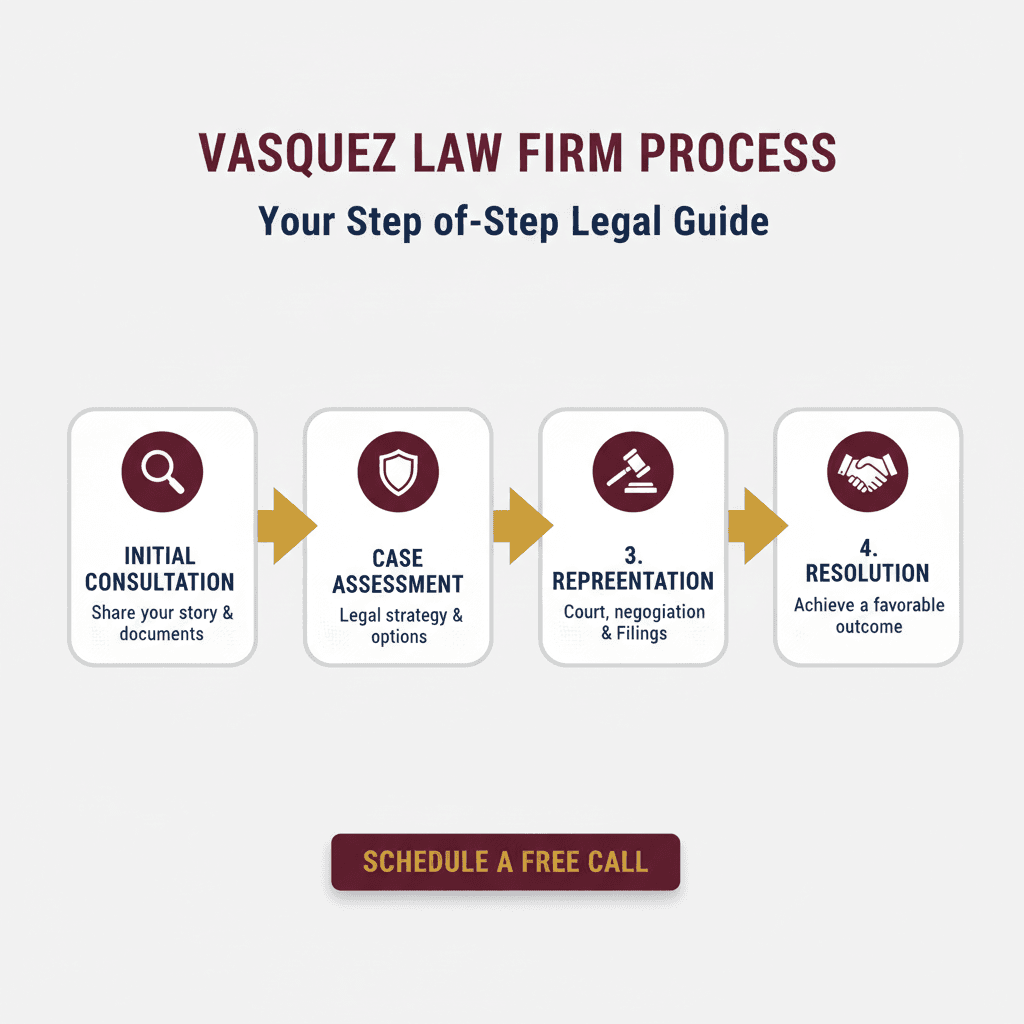
Infographic: J-1 Visa Waiver Process Flow - Understanding the key stages for a successful application.
Call Vasquez Law Firm today for assistance with your J-1 visa waiver application.
Understanding the J-1 Visa Waiver and the 212(e) Rule
The J-1 exchange visitor visa program is designed to promote cultural exchange and mutual understanding. However, many J-1 visa holders are subject to a critical rule: the two-year home-country physical presence requirement, often called the 212(e) rule (Immigration and Nationality Act, Section 212(e)). This rule mandates that certain J-1 participants must return to their home country for at least two years after their program ends before they can become eligible for certain other U.S. visas, such as an H, L, or K visa, or for lawful permanent residency (Green Card).
Not all J-1 visa holders are subject to this rule. It typically applies if your program was government-funded, involved specialized knowledge or skills deemed necessary by your home country, or if you received graduate medical education or training. Determining if you are subject to the 212(e) rule is the first vital step in considering a J-1 visa waiver. This determination is made by the U.S. Department of State and is usually indicated on your DS-2019 form. If you are subject, a waiver is often necessary to pursue further immigration options in the U.S. without fulfilling the two-year stay abroad.
The J-1 visa waiver process is a complex journey, involving multiple government agencies and requiring meticulous attention to detail. Vasquez Law Firm understands the nuances of this process and can help you assess your eligibility for a waiver. We assist clients across North Carolina, Florida, and nationwide with their immigration matters, ensuring they understand every step.
Who is Eligible for a J-1 Waiver? Exploring the Categories
Eligibility for a J-1 visa waiver is not universal and depends on specific circumstances and the waiver category you apply under. As of 2026, there are five main statutory bases for requesting a waiver of the two-year home-country physical presence requirement. Understanding which category applies to you is paramount for a successful application. Each category has distinct requirements and documentation.
No Objection Statement (NOS)
This is one of the most common waiver types. An eligible J-1 visa holder can obtain a No Objection Statement from their home country's government, stating they have no objection to the exchange visitor not returning home. This waiver is generally not available to foreign medical graduates who received graduate medical education or training. The Department of State then reviews this statement, and if favorable, recommends the waiver to USCIS.
Request by an Interested U.S. Government Agency (IGA)
If a U.S. federal government agency determines that your continued stay in the U.S. is in the public interest and that your departure would be detrimental to one of its programs or activities, it can request a waiver on your behalf. This is common for researchers, scientists, or other professionals whose skills are vital to a U.S. government project. The requesting agency must provide a detailed letter justifying the waiver.
Persecution
If you believe you would be subject to persecution in your home country based on race, religion, or political opinion upon returning, you may be eligible for a waiver. This requires filing Form I-612, Application for Waiver of the Foreign Residence Requirement, with USCIS, along with substantial evidence to support your claim. This is a sensitive and often challenging category, requiring strong legal arguments and documentation.
Exceptional Hardship to a U.S. Citizen or LPR Spouse or Child
If your departure to your home country would impose exceptional hardship on your U.S. citizen or lawful permanent resident (LPR) spouse or child, you might qualify for this waiver. Mere separation or financial hardship is usually insufficient; you must demonstrate hardship beyond what is typically expected when a family is separated. This also involves filing Form I-612 and providing extensive supporting evidence.
Conrad 30 Program (for Medical Doctors)
This specific program allows J-1 foreign medical graduates to apply for a waiver if they agree to work for three years in a medically underserved area in the U.S. Each state typically has a limited number of waivers available annually. This is a critical pathway for many physicians seeking to remain and practice in the U.S. after their J-1 medical training. Vasquez Law Firm has experience assisting medical professionals in Raleigh, Florida, and across the nation with their J-1 visa waiver applications.
Step-by-Step: The J-1 Visa Waiver Application Process
Applying for a J-1 visa waiver involves several distinct steps, requiring careful attention to detail and adherence to specific instructions from both the U.S. Department of State (DOS) and U.S. Citizenship and Immigration Services (USCIS). Missing a step or providing incomplete information can significantly delay or even jeopardize your application. Here’s a general overview of the process:
- Determine if you are subject to the 212(e) rule: Check your DS-2019 form or request an Advisory Opinion from the Department of State.
- Choose your waiver basis: Identify which of the five categories best applies to your situation. This decision is critical and impacts the entire process.
- Submit a J Visa Waiver Online Application: Begin the process by completing the online application form and paying the processing fee through the Department of State's J Visa Waiver Online system. You will receive a case number.
- Gather required documentation: This varies significantly by waiver category. For a No Objection Statement, you'll need to contact your home country's embassy. For hardship or persecution waivers, you'll need extensive personal and supporting documents.
- Mail supporting documents to DOS: Send all required documents, clearly marked with your DOS case number, to the Department of State. Ensure you follow their specific mailing instructions.
- DOS Review and Recommendation: The Department of State will review your application and documents. If they find you eligible, they will send a favorable recommendation to USCIS. You can check your J-1 Visa Waiver Status online.
- USCIS Decision: USCIS makes the final decision on your waiver application. For some categories (like hardship or persecution), you will file Form I-612 directly with USCIS after receiving a favorable recommendation from DOS.
- Receive Notification: You will receive a final decision from USCIS. If approved, you can then proceed with your next immigration steps, such as applying for an H-1B visa or adjustment of status.
Throughout this entire process, an experienced immigration attorney can be invaluable. Vasquez Law Firm helps clients in Raleigh, North Carolina, and beyond meticulously prepare and submit their applications, ensuring all requirements are met.
Essential Documents for Your J-1 Visa Waiver Application
The documents required for a J-1 visa waiver vary depending on the specific waiver category you are applying under. However, some core documents are generally needed for all applications, while others are specific to your chosen path. Preparing these documents accurately and thoroughly is crucial for preventing delays.
- DS-2019 Forms: Copies of all DS-2019 or IAP-66 forms issued to you. These are your Certificate of Eligibility for Exchange Visitor Status.
- Passport and Visa Copies: Copies of your passport's biographic page and your J-1 visa stamp.
- Statement of Reason: A personal statement explaining why you are requesting the waiver and detailing your specific circumstances.
- Fee Payment: Proof of payment for the Department of State processing fee.
- No Objection Statement (if applicable): An official letter from your home country's government.
- Interested Government Agency Letter (if applicable): A detailed letter from the U.S. government agency sponsoring your waiver.
- Evidence for Hardship/Persecution (if applicable): Extensive documentation, such as medical records, psychological evaluations, country conditions reports, and affidavits, to prove exceptional hardship or fear of persecution.
- Marriage Certificates/Birth Certificates: If applying based on a U.S. citizen or LPR spouse/child.
- Medical License and Job Offer (for Conrad 30): Specific documents related to medical practice in underserved areas.
- Proof of U.S. Residency: Utility bills, lease agreements, or other documents demonstrating your physical presence in the U.S.
Organizing these documents can be overwhelming, but our team at Vasquez Law Firm can provide a personalized checklist and guidance to ensure you submit a complete and compelling application. We serve clients throughout North Carolina and Florida, offering comprehensive immigration services.
J-1 Waiver Processing Time: What to Expect in 2026
The processing time for a J-1 visa waiver can vary significantly based on the waiver category, the volume of applications, and the efficiency of the involved government agencies. As of 2026, applicants should prepare for a process that can take several months, and in some cases, over a year. It is crucial to manage expectations and plan accordingly, especially if your current visa status has an expiration date.
- No Objection Statement (NOS): Generally, this is one of the quicker waiver types, often taking 4-8 months from the time the Department of State receives all documents until a recommendation is sent to USCIS. However, this depends heavily on how quickly your home country issues the No Objection Statement.
- Interested U.S. Government Agency (IGA) Waiver: Processing times can be similar to NOS, but the initial phase of securing the IGA's support can add significant time. Once the recommendation is sent to USCIS, the final decision usually takes a few months.
- Hardship or Persecution Waivers: These applications are often the most time-consuming due to the complex nature of the evidence required and the detailed review by both the Department of State and USCIS. It is not uncommon for these cases to take 12-18 months or even longer.
- Conrad 30 Program: While the state-level application process for a Conrad 30 waiver can be quick once accepted, the overall timeline depends on securing a position in a medically underserved area and then waiting for the state to submit its recommendation.
It's important to monitor your J-1 Visa Waiver Status online through the Department of State's website. Once the DOS makes a favorable recommendation, the case is transferred to USCIS for final adjudication. USCIS processing times can also be found on their website. Delays can occur if documents are missing, if there are discrepancies in your application, or if additional information is requested. Attorney Vasquez and his team emphasize proactive preparation to minimize potential delays.
Don't face your legal challenges alone. Our team is here to help you every step of the way.
Call today: 1-844-967-3536 | Se Habla Español
Common Mistakes to Avoid in Your J-1 Visa Waiver Application
The J-1 visa waiver process is fraught with potential pitfalls that can lead to significant delays or even outright denial. Avoiding these common mistakes is critical for a smooth and successful application. Vasquez Law Firm advises clients in Raleigh, North Carolina, and throughout Florida on how to navigate these complexities.
- Incorrectly Determining Subjectivity: Many applicants fail to accurately determine if they are truly subject to the 212(e) rule. Always get an Advisory Opinion from the Department of State if you are unsure.
- Choosing the Wrong Waiver Category: Applying under a category for which you do not meet the strict eligibility criteria is a common error. Thoroughly research and consult with an attorney to select the correct basis.
- Incomplete Documentation: Submitting an application with missing forms, insufficient evidence, or uncertified translations will inevitably lead to Requests for Evidence (RFEs) and delays.
- Failure to Follow Instructions: Both the Department of State and USCIS have very specific instructions for submitting documents. Failure to follow these, such as not including the case number on all mailed items, can result in documents being misplaced or returned.
- Late Application: Waiting until your J-1 status is about to expire can create immense pressure and limit your options. Start the J-1 visa waiver process well in advance.
- Insufficient Evidence for Hardship/Persecution: For I-612 applications, simply claiming hardship or fear is not enough. You need compelling, objective evidence that goes beyond normal inconvenience or generalized fear.
- Lack of Communication with Home Country: For a No Objection Statement, delays often stem from a lack of proactive communication with your home country's embassy or consulate.
- Not Consulting Legal Counsel: Navigating immigration law without professional guidance can be incredibly challenging. An experienced immigration attorney can identify potential issues, ensure proper documentation, and advocate on your behalf.
If you only remember one thing: Always double-check all forms and supporting documents for accuracy and completeness before submission. Errors can be incredibly costly in terms of time and money.
J-1 Visa Waiver: Nationwide Considerations for NC and FL Residents
The J-1 visa waiver process is a federal immigration matter, meaning the rules and regulations are set by federal agencies like the U.S. Department of State (DOS) and U.S. Citizenship and Immigration Services (USCIS). Therefore, the core eligibility requirements and application procedures for a J-1 visa waiver are consistent nationwide, whether you reside in North Carolina, Florida, or any other U.S. state.
North Carolina Residents
For J-1 visa holders living in North Carolina, the federal process remains the same. However, local support and understanding of your specific situation are invaluable. Whether you are a researcher at a university in Raleigh, a medical professional in Charlotte, or an exchange student elsewhere in the state, Vasquez Law Firm offers dedicated immigration services. We can help you navigate the complexities, ensuring your application meets all federal requirements and addressing any unique aspects of your case.
Florida Residents
Similarly, J-1 visa holders in Florida, from Miami to Orlando, will follow the same federal J-1 visa waiver application procedures. Our firm extends its compassionate and aggressive representation to Florida residents, understanding the diverse needs of the immigrant community there. We provide comprehensive guidance, from initial eligibility assessment to the final submission of your J-1 waiver application, helping you overcome potential hurdles.
Nationwide Concepts
While the application process is federal, the practical implications and strategies can vary based on individual circumstances and the availability of resources or programs in different states, especially for categories like the Conrad 30 waiver. For example, the number of Conrad 30 slots and the specific requirements for placement in medically underserved areas are state-dependent. Regardless of your location, the legal principles of the J-1 visa waiver, as outlined in the Immigration and Nationality Act (INA), remain the same across the U.S. Vasquez Law Firm is equipped to handle J-1 visa waiver cases for clients residing anywhere in the country, providing expert legal counsel and representation.
When to Call an Immigration Lawyer for Your J-1 Visa Waiver
The J-1 visa waiver process can be intricate and fraught with potential complications. Knowing when to seek professional legal assistance can make a significant difference in the outcome of your application. Don't hesitate to contact an experienced immigration attorney, like those at Vasquez Law Firm, if any of these situations apply to you:
- You are unsure if you are subject to the two-year home-country physical presence requirement.
- You need help determining which waiver category is most appropriate for your situation.
- You are a foreign medical graduate considering the Conrad 30 program or other waiver options.
- Your home country is unwilling or slow to issue a No Objection Statement.
- You believe you qualify for a hardship or persecution waiver and need to gather extensive evidence.
- You have received a Request for Evidence (RFE) from the Department of State or USCIS.
- Your J-1 visa waiver application has been denied, and you need to explore options for appeal or reconsideration.
- You have a complex immigration history or have overstayed a previous visa.
- You are approaching the end of your J-1 program and need to plan your next steps quickly.
- You need to understand the potential impact of a J-1 waiver on future visa applications or adjustment of status.
Our firm, with offices serving Raleigh, North Carolina, and Florida, stands ready to provide the aggressive and compassionate representation you deserve. We fight for our clients, ensuring their voices are heard and their rights are protected.
About Vasquez Law Firm
At Vasquez Law Firm, we combine compassion with aggressive representation. Our motto "Yo Peleo" (I Fight) reflects our commitment to standing up for your rights. We understand that navigating the U.S. immigration system can be daunting, and our goal is to provide clear guidance and unwavering support to every client.
- Bilingual Support: Se Habla Español - our team is fully bilingual, ensuring effective communication and understanding.
- Service Areas: We proudly serve clients in North Carolina, Florida, and provide comprehensive immigration services nationwide.
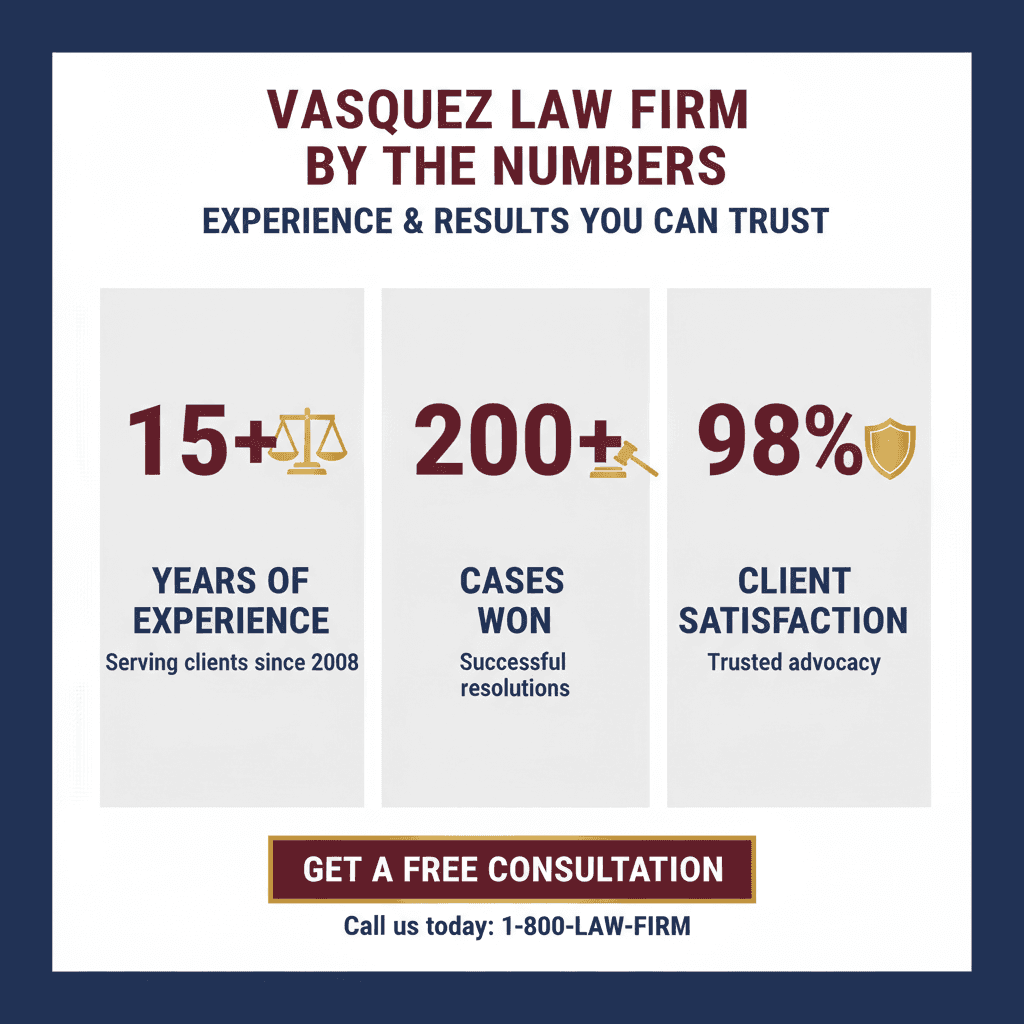
- Experience: With over 15 years of dedicated legal experience, we have a proven track record of helping clients navigate complex legal matters.
- Results: We have successfully handled thousands of cases across multiple practice areas, including immigration, personal injury, workers' compensation, criminal defense, family law, and traffic violations.
Attorney Trust and Experience
Attorney Vasquez holds a Juris Doctor degree and is admitted to practice in both the North Carolina State Bar and Florida Bar. With over 15 years of dedicated legal experience, he has built a reputation for providing personalized attention and achieving favorable outcomes for his clients. His deep understanding of immigration law, coupled with a genuine commitment to client success, makes Vasquez Law Firm a trusted advocate for your legal needs.
Don't face your legal challenges alone. Our team is here to help you every step of the way.
Call today: 1-844-967-3536 | Se Habla Español
Frequently Asked Questions About the J-1 Visa Waiver
Who is eligible for a J-1 waiver?
Eligibility for a J-1 visa waiver depends on whether you are subject to the two-year home-country physical presence rule (212(e)) and if you meet the criteria for one of the five waiver categories: No Objection Statement, Interested Government Agency request, persecution, exceptional hardship to a U.S. citizen/LPR spouse or child, or the Conrad 30 Program for medical doctors. Not all J-1 visa holders are subject to 212(e), and an advisory opinion from the Department of State can confirm your status.
What is the J-1 waiver processing time in 2026?
As of 2026, J-1 visa waiver processing times vary significantly by category. No Objection Statement waivers might take 4-8 months, while hardship or persecution waivers can extend to 12-18 months or more. These timelines begin once the U.S. Department of State receives all necessary documents and can be further impacted by USCIS processing. It's crucial to monitor your J-1 Visa Waiver Status online and plan proactively.
Can I apply for a Green Card after a J-1 visa waiver?
Yes, obtaining a J-1 visa waiver removes the two-year home-country physical presence requirement, making you eligible to apply for certain other U.S. visas or adjustment of status to lawful permanent resident (Green Card). Without the waiver, you generally cannot adjust status, change to an H, L, or K visa, or obtain an immigrant visa while in the U.S. The waiver opens up these crucial immigration pathways.
What is a No Objection Statement for a J-1 waiver?
A No Objection Statement (NOS) is a formal letter from your home country's government, sent to the U.S. Department of State, indicating they have no objection to you not fulfilling the two-year home-country physical presence requirement. This is a common waiver basis, particularly for non-government-funded programs. It is not available to foreign medical graduates who received graduate medical education or training.
Why are J-1 waivers being denied?
J-1 visa waivers can be denied for several reasons, including incomplete or inaccurate documentation, failure to meet the specific eligibility criteria for the chosen waiver category, insufficient evidence (especially for hardship or persecution claims), or if the Department of State or USCIS determines that granting the waiver is not in the public interest. Consulting an attorney can help identify and mitigate these risks.
Is a J-1 visa eligible for an interview waiver?
The J-1 visa itself is generally not eligible for an interview waiver when applying for the initial visa stamp abroad. However, after obtaining a J-1 visa waiver, when you apply for subsequent visas (like an H-1B) or adjustment of status, you might be eligible for an interview waiver depending on specific circumstances and current USCIS/consular policies. The J-1 waiver removes a restriction, it doesn't automatically waive future interviews.
What is the new rule for J-1 visa waivers in 2026?
As of 2026, there are no sweeping "new rules" for the J-1 visa waiver program that fundamentally change its structure. However, policies and processing priorities can evolve. It's essential to stay updated with the latest guidance from the U.S. Department of State and USCIS. Legal professionals like Vasquez Law Firm continuously monitor these updates to provide the most current advice.
Can I travel internationally while my J-1 waiver is pending?
Traveling internationally while your J-1 visa waiver application is pending is generally not recommended and can be risky. If you leave the U.S. while your application is under review, it could be considered abandoned, or you may face issues re-entering, especially if your J-1 visa is nearing expiration or your waiver is not yet approved. Always consult with an immigration attorney before making international travel plans during this critical period.
What happens if my J-1 waiver is cancelled?
If your J-1 visa waiver application is cancelled, it typically means the process has been terminated, often due to a request from you, missing documents, or a failure to respond to an RFE. A cancelled waiver means the two-year home-country physical presence requirement remains in effect. You would then need to either fulfill the requirement by returning home or re-apply for a waiver if eligible and permitted.
What is the J Visa Waiver Online system?
The J Visa Waiver Online system is the U.S. Department of State's online portal where J-1 visa holders initiate their waiver application. Through this system, you can submit the initial application, pay fees, and track your J-1 Visa Waiver Status. It generates a case number essential for all correspondence and document submissions. This online platform is the mandatory starting point for most waiver requests.
Sources and References
- U.S. Citizenship and Immigration Services (USCIS)
- U.S. Department of State
- Executive Office for Immigration Review (EOIR)
- 8 U.S.C. § 1182 - Admission of aliens; classes of excludable aliens (Section 212 of INA)
Need immigration help? Our immigration attorneys can review your case.
Ready to take the next step? Contact Vasquez Law Firm today for a free, confidential consultation. We're committed to fighting for your rights and achieving the best possible outcome for your case.
Start Your Free Case Evaluation Now
Call us: 1-844-967-3536
Se Habla Español - Estamos aquí para ayudarle.
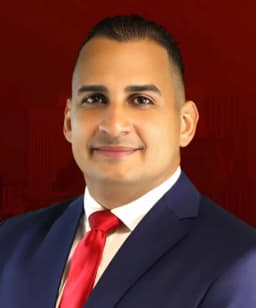
William Vasquez
Founder & CEO, Vasquez Law Firm, PLLC
William Vasquez is the founder and CEO of Vasquez Law Firm, PLLC, a results-driven firm specializing in immigration, criminal defense, personal injury, and workers' compensation. A U.S. Air Force veteran and recipient of the Joint Service Achievement Medal, William is dedicated to fiercely fighting for his clients' rights.
Related Legal Services
Need legal help? Learn more about learn about our immigration practice, or contact us for a free evaluation.
You can also visit NC immigration legal help for more information.