What to Do After a Police Car Accident in 2026
Involved in a police car accident in NC or FL? Understand your rights and what to do next. Contact Vasquez Law Firm for a free consultation today.
Published on February 16, 2026
Have questions? Talk to an attorney - free evaluation.
Call 1-844-967-3536Get What Your Injury Is Worth
Schedule your consultation - no fee unless we win.
What to Do After a Police Car Accident in 2026
Being involved in a police car accident can be a complex and stressful experience. Whether you were hit by a police cruiser or were involved in an incident where law enforcement was present, understanding your rights and the unique legal considerations is crucial. This guide, updated for 2026, provides essential information for individuals in North Carolina and Florida, outlining the steps to take, common challenges, and how an experienced personal injury attorney can advocate for your best interests. Navigating the aftermath of a police car accident requires careful attention to detail and a clear understanding of liability, government immunity, and insurance claims processes.
Need help with your case? Our experienced attorneys are ready to fight for you. Se Habla Español.
Schedule Your Free Consultation
Or call us now: 1-844-967-3536
Quick Answer
If you are involved in a police car accident, prioritize safety, seek medical attention, and document everything. Liability can be complex due to governmental immunity, but you generally have the right to pursue a claim for damages if the officer was at fault. It is critical to consult with a personal injury attorney as soon as possible to protect your rights and navigate the specific laws in North Carolina or Florida.
- Immediately assess injuries and call 911.
- Do not admit fault or make definitive statements.
- Gather evidence: photos, witness contacts, officer details.
- Seek prompt medical evaluation, even for minor symptoms.
- Contact a personal injury attorney experienced in police car accident claims.
- Be aware of special rules for government entities.
Understanding Police Car Accidents and Liability
A police car accident differs significantly from a typical car crash due to the involvement of a government entity. Police officers, while on duty, often operate under different legal standards, especially when responding to emergencies. This can impact how liability is determined and the process for filing a claim for personal injury.
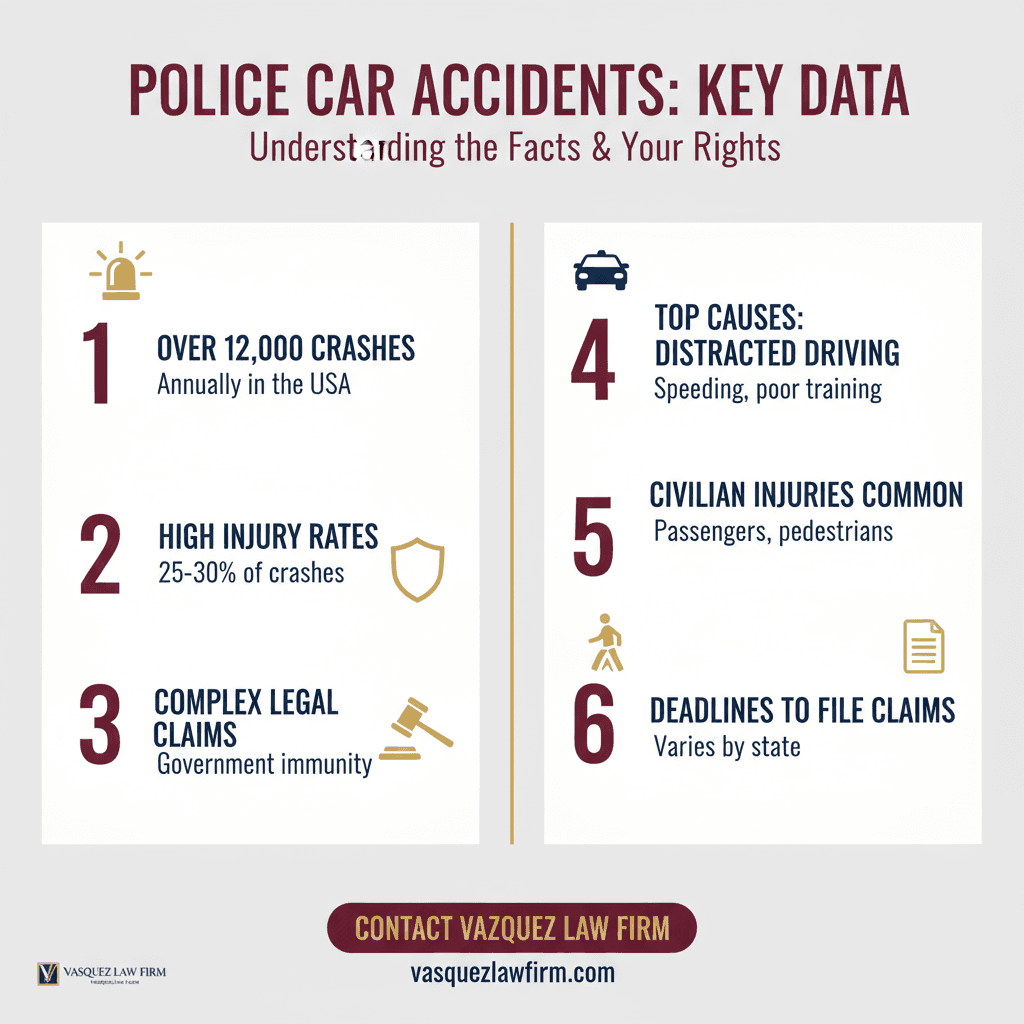
In North Carolina and Florida, governmental immunity often protects law enforcement agencies from certain lawsuits. However, this immunity is not absolute. If an officer's negligence or reckless behavior caused the accident, you might still have grounds to pursue compensation for your injuries and damages. Understanding these nuances is the first step in protecting your rights after a police car accident.
Governmental Immunity Explained
Governmental immunity, also known as sovereign immunity, generally shields government agencies and their employees from civil lawsuits unless specific exceptions apply. Both North Carolina and Florida have statutes that waive this immunity under certain conditions, particularly when a government employee acts negligently within the scope of their employment.
For instance, if a police officer acts with gross negligence or willful and wanton disregard for public safety, governmental immunity might not apply. Proving such a high standard of fault requires a thorough investigation and strong legal arguments. This is why having an attorney who understands these specific legal doctrines is invaluable.
Types of Police Vehicle Incidents
Police car accidents can occur in various scenarios, each presenting unique legal challenges. These include:
- Emergency Responses: Accidents involving police vehicles actively engaged in pursuits or emergency calls, often involving sirens and flashing lights.
- Routine Patrol: Collisions during standard patrol duties, such as traffic stops or driving between locations.
- Stationary Incidents: Accidents where a civilian vehicle strikes a parked police car, or vice versa, perhaps during a roadside stop.
- Off-Duty Accidents: While less common, an officer involved in an accident while off-duty might be treated similarly to any other civilian driver, but complexities can still arise.
Each type of incident will have different expectations regarding an officer's duty of care and potential liability. For example, an officer in an emergency may have certain statutory protections that do not apply during routine patrol.
Step-by-Step: What to Do After a Police Car Accident
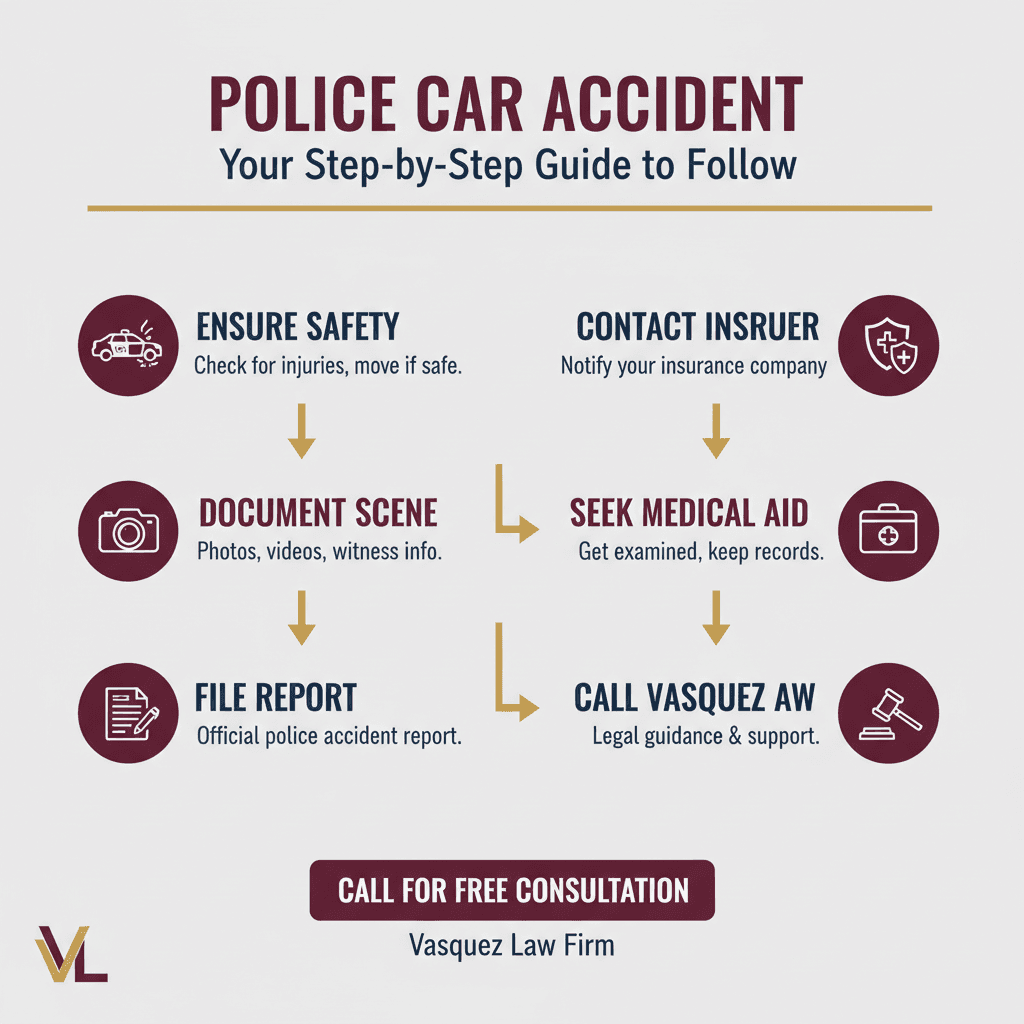
The immediate aftermath of a police car accident can be chaotic. Knowing what steps to take can protect your health, your legal rights, and your potential claim. Follow these crucial steps meticulously to ensure you gather necessary information and safeguard your future.
- Prioritize Safety and Seek Medical Attention: Your health is paramount. If you are injured, call 911 immediately. Even if you feel fine, adrenaline can mask pain. Seek a medical evaluation as soon as possible, as some injuries may not manifest until hours or days later. Medical records are also vital evidence for any personal injury claim.
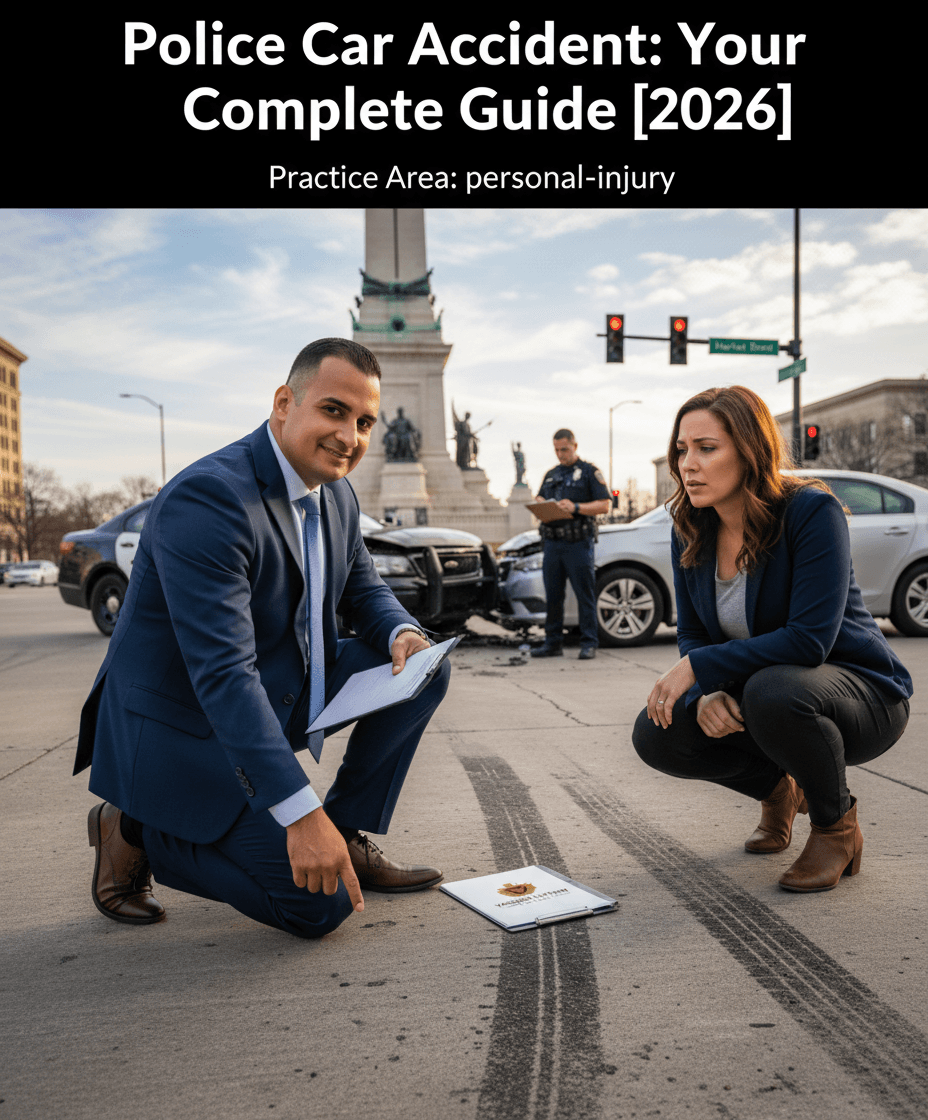
- Document the Scene: If it is safe to do so, take photos and videos of the accident scene from multiple angles. Capture vehicle damage, road conditions, traffic signs, skid marks, and any visible injuries. Note the time, date, and exact location of the police car accident.
- Gather Information: Obtain the police officer's name, badge number, department, and insurance information for the police vehicle. If possible, get contact information from any witnesses. Do not rely solely on the police report, as it may not fully capture all details relevant to your personal injury claim.
- Do Not Admit Fault: Avoid making any statements that could be interpreted as admitting fault, apologizing, or speculating about the cause of the accident. Stick to the facts. What you say at the scene can be used against you later.
- Notify Your Insurance Company: Report the accident to your own insurance company as soon as possible, but be cautious about providing too many details without first speaking to an attorney.
- Obtain the Accident Report: Request a copy of the official police accident report. This document will contain important details about the crash investigation. Be aware that it might take several days or weeks for the report to be finalized.
- Consult an Attorney: This is perhaps the most critical step. A personal injury attorney experienced in police car accident cases can advise you on your rights, investigate the accident, gather evidence, and handle all communications with the police department and insurance companies.
Documents and Evidence Checklist
Building a strong case after a police car accident relies heavily on comprehensive documentation. The more evidence you collect, the better equipped your attorney will be to advocate for you. Keep an organized file of all relevant documents and information related to your personal injury claim.
- Official Police Accident Report (NCDOT Form HPR 349 in NC, Florida Crash Portal in FL).
- Photos and videos of the accident scene, vehicle damage, and injuries.
- Contact information for all involved parties (officer, witnesses, passengers).
- Medical records and bills related to your injuries.
- Proof of lost wages from your employer.
- Receipts for any out-of-pocket expenses (e.g., transportation, prescription medications).
- Correspondence with insurance companies.
- Personal journal detailing pain, suffering, and impact on daily life.
- Vehicle repair estimates or total loss documentation.
Timeline: What to Expect in a Police Car Accident Claim
The process of pursuing a claim after a police car accident can be lengthy and varies greatly depending on the specifics of your case. Here is a general timeline of what you can expect:
- Immediately After the Accident: Seek medical attention, gather initial evidence, and contact an attorney.
- First Few Weeks: Your attorney will investigate, gather the police report, medical records, and witness statements. They will also notify the government entity of your intent to file a claim, often a prerequisite in governmental immunity cases.
- Several Weeks to Months: Medical treatment continues. Your attorney will be negotiating with the at-fault party's insurance or the government's risk management department. This phase can involve extensive communication and sharing of information.
- Months to Over a Year: If a fair settlement cannot be reached, your attorney may recommend filing a lawsuit. Litigation involves discovery (exchanging information and depositions), mediation, and potentially a trial.
- Settlement or Verdict: The case concludes either through a negotiated settlement or a court verdict.
Patience and consistent communication with your legal team are key throughout this process.
Costs and Fees: What Impacts the Price
The cost of pursuing a personal injury claim after a police car accident is often a significant concern for victims. Vasquez Law Firm operates on a contingency fee basis for personal injury cases, meaning you do not pay any upfront legal fees. Our fees are contingent upon us securing a favorable outcome for your case, whether through a settlement or a court verdict.
Factors that can influence the total cost and the amount of your potential settlement include:
- Severity of Injuries: More severe injuries require extensive medical treatment, leading to higher medical bills and potentially greater pain and suffering damages.
- Complexity of the Case: Cases involving governmental immunity, multiple parties, or disputes over fault can be more complex and require more legal work.
- Expert Witnesses: In some cases, expert witnesses (e.g., accident reconstructionists, medical experts) may be needed to strengthen your claim, adding to litigation costs.
- Court Fees and Administrative Costs: These include filing fees, deposition costs, and other administrative expenses, which are typically advanced by your attorney and reimbursed from the settlement.
Common Mistakes and How to Avoid Them After a Police Car Accident
After a police car accident, it is easy to make mistakes that could jeopardize your personal injury claim. Being aware of these pitfalls can help you protect your rights and maximize your chances of a successful outcome.
- Admitting Fault: Never apologize or say anything that could be interpreted as accepting blame, even if you are just being polite. Stick to the facts.
- Delaying Medical Treatment: Waiting to see a doctor can hurt your health and your claim. Insurance companies may argue your injuries are not accident-related if treatment is delayed.
- Not Documenting Everything: Failing to take photos, get witness contacts, or keep detailed records of medical treatment and expenses can weaken your case.
- Speaking to Insurance Adjusters Without Legal Counsel: Insurance companies, including those representing government entities, are not on your side. Their goal is to minimize payouts. Let your attorney handle all communications.
- Accepting a Quick Settlement: Early offers are almost always lowball offers. Do not settle before understanding the full extent of your injuries and damages.
- Missing Deadlines: There are strict statutes of limitations for personal injury claims, especially against government entities. Missing these deadlines can permanently bar your claim.
- Failing to Hire an Experienced Attorney: Police car accidents are legally complex. An attorney experienced in governmental immunity and personal injury law is essential.
If you only remember one thing: Always consult with a qualified personal injury attorney as soon as possible after a police car accident to understand your rights and navigate the complexities of your claim effectively. This proactive step can make a significant difference in the outcome.
North Carolina Notes
While the general principles of negligence apply nationwide, specific rules regarding government immunity and personal injury claims vary significantly between North Carolina and Florida. Understanding these jurisdictional differences is crucial for anyone involved in a police car accident in either state.
North Carolina Notes
In North Carolina, the doctrine of contributory negligence is strictly applied. This means if you are found even 1% at fault for the accident, you may be barred from recovering any damages. This makes it particularly challenging to pursue claims where fault is disputed.
Furthermore, claims against state and local government entities in North Carolina are typically governed by the North Carolina Tort Claims Act. This act waives sovereign immunity for negligence by state employees, but only for up to $1,000,000 per claim. There are strict notice requirements and short statutes of limitations for filing these claims, often requiring written notice within a specific timeframe after the incident. Your attorney will be familiar with these specific requirements. North Carolina Courts provide more information on legal processes.
When to Call a Lawyer Now After a Police Car Accident
Certain situations immediately signal the need for legal representation after a police car accident. The sooner you involve an attorney, the better protected your rights will be. Consider contacting Vasquez Law Firm if any of these apply to your situation:
- You or a loved one sustained serious injuries requiring extensive medical treatment.
- The police department or their insurance company is trying to deny your claim.
- There is a dispute over who was at fault for the accident.
- You are being pressured to make a statement or sign documents.
- The accident involved a police chase or emergency response.
- You believe the police officer was negligent or reckless.
- You are unsure about the value of your personal injury claim.
- You are facing significant medical bills and lost wages.
- The other parties' insurance adjusters are contacting you directly.
- You need help navigating the specific governmental immunity laws in North Carolina or Florida.
About Vasquez Law Firm
At Vasquez Law Firm, we combine compassion with aggressive representation. Our motto "Yo Peleo" (I Fight) reflects our commitment to standing up for your rights and ensuring you receive the justice you deserve. We understand the unique challenges that arise when dealing with a police car accident, especially the complexities of governmental immunity and the potential for bureaucratic delays.
- Bilingual Support: Se Habla Español - our team is fully bilingual, ensuring clear communication and understanding throughout your legal journey.
- Service Areas: Personal injury in North Carolina; immigration nationwide, including Florida
- Experience: With over 15 years of dedicated legal experience, Attorney Vasquez has a proven track record of successfully handling complex personal injury cases.
- Results: We are committed to achieving favorable outcomes for our clients, having secured thousands of successful settlements and verdicts across various practice areas.
Attorney Trust and Experience
Attorney Vasquez holds a Juris Doctor degree and is admitted to practice in both the North Carolina State Bar and Florida Bar. With over 15 years of dedicated legal experience, he has built a reputation for providing personalized attention and achieving favorable outcomes for his clients. His deep understanding of personal injury law, including cases involving governmental entities, makes him a formidable advocate for those impacted by a police car accident.
Don't face your legal challenges alone. Our team is here to help you every step of the way.
Call today: 1-844-967-3536 | Se Habla Español
Frequently Asked Questions
What if the police officer was on duty but not in an emergency?
If a police officer was on duty but not engaged in an emergency, their actions are generally held to the same standard of care as any other driver. This means they must follow traffic laws, and if their negligence caused the police car accident, the government entity might be held liable for your personal injury claim. However, governmental immunity still presents unique challenges.
Can I sue a police department for a car accident?
Yes, you can potentially sue a police department for a car accident, but it is more complicated than suing a private citizen. You must navigate specific governmental immunity laws and strict notice requirements in North Carolina or Florida. An attorney can help determine if an exception to immunity applies and guide you through the process of filing a claim.
What evidence is most important after a police car accident?
Crucial evidence includes photos and videos of the scene, witness contact information, the official police report, and all medical records detailing your injuries and treatment. Dashcam or bodycam footage, if available, can also be invaluable. Your attorney will help you gather and preserve all necessary evidence for your personal injury claim.
How long do I have to file a claim after a police car accident?
The deadline to file a claim, known as the statute of limitations, is often much shorter for government entities than for private individuals. In North Carolina and Florida, there are specific notice requirements, sometimes as short as 12 months, that must be met before filing a lawsuit. Missing these deadlines can result in the loss of your right to compensation.
What if the police report states I was at fault?
A police report is an important piece of evidence, but it is not the final word on fault. An attorney can investigate the accident independently, gather additional evidence, and challenge inaccuracies in the report. They can present a compelling argument that the officer was at fault, even if the initial report suggests otherwise, especially in North Carolina where contributory negligence applies.
Will my insurance rates go up if I file a claim against the police?
If you were not at fault for the police car accident, filing a claim against the police department or their insurance should not typically cause your own insurance rates to increase. Your insurance company might process your claim initially, but they would then seek reimbursement from the at-fault party, meaning the police department or its insurer.
What kind of compensation can I receive?
You may be eligible to recover compensation for various damages, including medical expenses, lost wages, pain and suffering, property damage, and other out-of-pocket costs resulting from the police car accident. The specific amount depends on the severity of your injuries, the impact on your life, and the applicable laws and caps on damages in North Carolina or Florida.
Why is a lawyer essential for a police car accident claim?
A lawyer is essential because police car accident claims involve complex legal doctrines like governmental immunity and strict procedural requirements. An experienced attorney understands these nuances, can investigate thoroughly, negotiate with government agencies, and represent your interests in court, ensuring you have the best chance at fair compensation for your personal injury.
What should I do if a police officer asks for my statement at the scene?
You should cooperate by providing your identification and basic information, but you are not obligated to give a detailed statement about the accident's cause or admit fault. It is often best to politely state that you would prefer to speak with an attorney before providing any extensive statements, especially if you suspect you might be injured or if liability is unclear. This protects your rights after a police car accident.
Does the severity of the accident affect the legal process?
Yes, the severity of the police car accident significantly impacts the legal process. More severe accidents, particularly those involving serious injuries or fatalities, typically lead to more extensive investigations, higher damage claims, and potentially more complex legal battles. The involvement of expert witnesses, such as accident reconstructionists, also becomes more likely in severe cases, requiring specialized legal experience.
Sources and References
- North Carolina Courts
- North Carolina Department of Transportation (NCDOT)
- Florida Highway Safety and Motor Vehicles
Ready to take the next step? Contact Vasquez Law Firm today for a free, confidential consultation. We're committed to fighting for your rights and achieving the best possible outcome for your case.
Start Your Free Consultation Now
Call us: 1-844-967-3536
Se Habla Español - Estamos aquí para ayudarle.


William Vasquez
Founder & CEO, Vasquez Law Firm, PLLC
William Vasquez is the founder and CEO of Vasquez Law Firm, PLLC, a results-driven firm specializing in immigration, criminal defense, personal injury, and workers' compensation. A U.S. Air Force veteran and recipient of the Joint Service Achievement Medal, William is dedicated to fiercely fighting for his clients' rights.
Related Legal Services
Need legal help? Learn more about get personal injury legal help today, or contact us for a free evaluation.
You can also visit North Carolina personal injury lawyers for more information.