How Immigration Data Shapes Your Case in Charlotte in 2026
Understand immigration data trends in 2026. Learn how it affects your case with expert insights. Contact Vasquez Law Firm for a free consultation.
Published on March 15, 2026
Talk to an immigration attorney
Free call. A clear plan for your case.
Free & confidential · Se habla espanol · 24/7
Have questions? Talk to an attorney - free evaluation.
Call 1-844-967-3536Worried how the latest immigration news affects you?
Schedule a confidential case review with an immigration attorney - know exactly where you stand.
USCIS Case Status
Check your USCIS case status
Enter your receipt number and get the official status. Free, no registration.
How Immigration Data Shapes Your Case in Charlotte in 2026
Immigration data offers crucial insight into how U.S. immigration patterns and policies impact individuals in Charlotte and beyond. In 2026, understanding this data can guide Dreamers and immigrants through complex legal landscapes. This article dives into recent immigration statistics, explains their relevance, and outlines what aspiring immigrants and their families need to know to protect their rights. At Vasquez Law Firm, we stay informed on the latest data to support your immigration journey effectively.
Need help with your case? Our experienced attorneys are ready to fight for you. Se Habla Español.
Schedule Your Free Case Evaluation
Or call us now: 1-844-967-3536
Quick Answer
Immigration data tracks trends in visas, green cards, and deportations, providing essential information for legal cases in Charlotte. Understanding these statistics helps Dreamers and immigrants plan better and anticipate legal challenges.
- Tracks visa approvals and denials
- Shows green card issuance by country
- Reveals deportation trends and asylum cases
- Supports legal strategy and case preparation
What Immigration Data Reveals in 2026
In 2026, immigration data reveals that approximately 1.2 million legal immigrants entered the United States, showing a 3% increase from the previous year. These figures include green card recipients, temporary visa holders, and asylum grants. For Charlotte residents, this means local trends mirror federal data with growing immigrant communities seeking lawful status. Data from USCIS indicates most green cards go to family-sponsored immigrants, while employment-based visas remain steady.
Tracking this data helps attorneys spot policy shifts. For example, recent changes under the Biden administration aimed to reduce backlogs, affecting processing speed in North Carolina and Florida. Additionally, migration from countries like Mexico, India, and China dominate the statistics, impacting the demographic profile of immigrants in Charlotte. Awareness of these numbers aids Dreamers in understanding their place in the immigration landscape.
Understanding Visa Types and Approval Rates
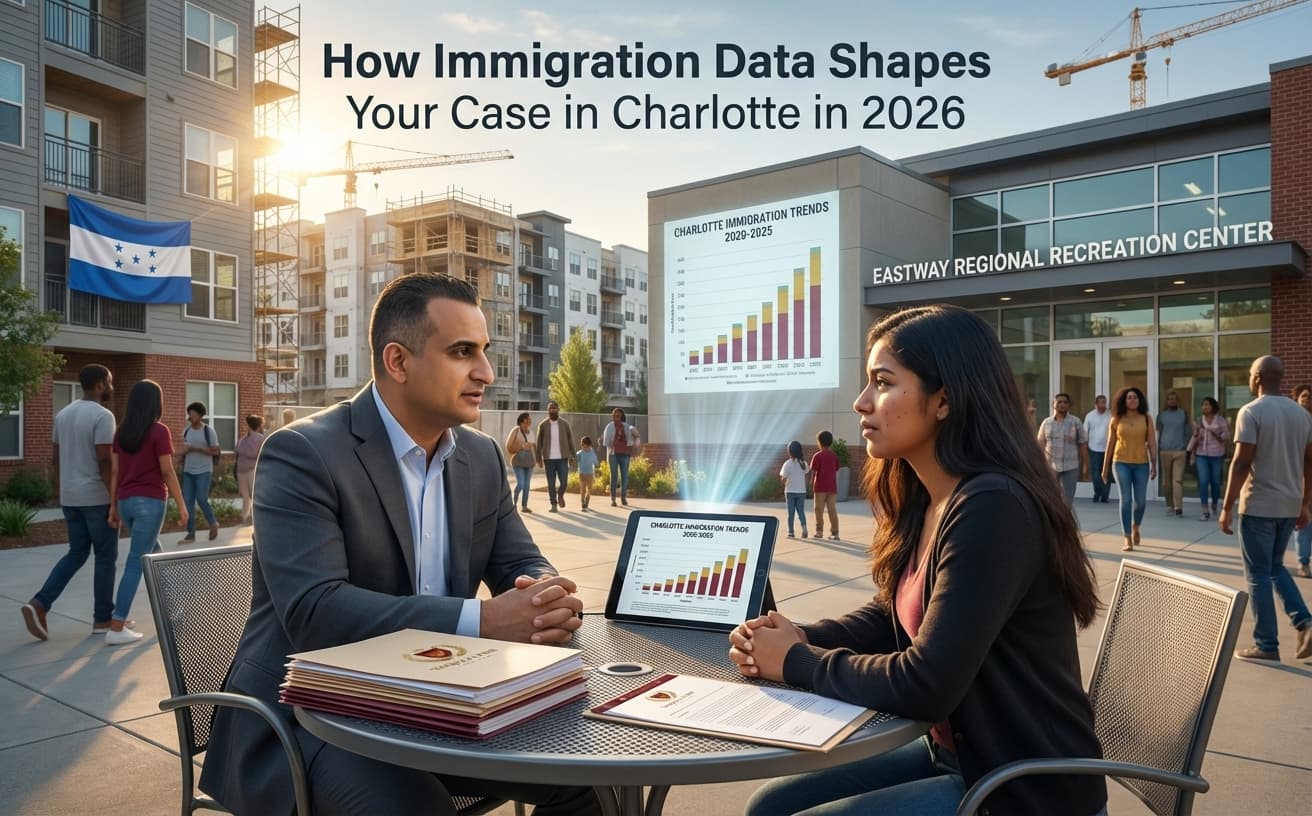
Data shows family-sponsored visas make up nearly 65% of total green card issuances in 2026, with an approval rate of 85%. Employment-based visas constitute about 25%, with a slightly lower approval rate of 80%. Temporary visas for students and workers have increased, reflecting economic needs. Dreamers should pay attention to these statistics to gauge likely outcomes and timeframes.
Deportations and Asylum Data
Deportations decreased by 10% in 2026 compared to 2025, as policies shifted focus to humanitarian cases. Asylum grants saw a marginal increase of 2%, indicating ongoing opportunities amid stricter scrutiny. Charlotte legal professionals use this data to prioritize cases for clients facing removal proceedings.
Visualizing Trends with Infographics
Infographics showing year-to-year immigration flows and green card distributions by country help applicants comprehend broad patterns. This visual data supports decision-making for immigrants planning their legal options, especially Dreamers aiming for status regularization.
Step-by-step: Using Immigration Data for Your Case
- Gather Information: Collect personal immigration history, application records, and official notices.
- Analyze Immigration Trends: Review relevant data on visas, approvals, and deportations to understand likelihoods and challenges.
- Prepare Strong Evidence: Use data insights to support claims, such as showing approval rates for similar cases.
- Seek Legal Advice: Consult with an experienced Charlotte immigration lawyer who uses updated data to guide your case strategy.
- Stay Informed: Monitor USCIS announcements and data updates throughout your process.
Why Data Matters in Case Presentation
Presenting immigration data alongside personal evidence helps demonstrate the reasonableness of your application. For example, showing high approval rates for visas in your category can make a difference during legal hearings or interviews.
Working with Vasquez Law Firm
Attorney Vasquez and the team emphasize data-driven strategies. We apply 2026 immigration statistics to craft informed, timely approaches tailored for clients in Charlotte and Florida.
Essential Documents Checklist
- Valid passport and identification
- Previous immigration application receipts
- Evidence of residency or employment in Charlotte
- Proof of family relationships (for family-based visas)
- Asylum or humanitarian documentation, if applicable
- Any USCIS or EOIR correspondence
- Updated records reflecting changes in immigration law
Having a complete and organized set of documents is vital. Immigration data often reveals processing times depending on document types submitted, so timely and accurate paperwork avoids delays.
Timeline: Processing Immigration Cases in 2026
- Month 1-3: Case filing and initial receipt by USCIS or courts
- Month 4-6: Background checks, data verification, and possible requests for evidence
- Month 7-9: Interviews or hearings where data trends influence adjudications
- Month 10-12: Final decisions based on evidence and immigration data context
Processing times vary widely based on visa categories, country of origin, and backlogs, but 2026 sees a trend toward faster adjudications due to data-informed resource allocation.
Common Mistakes to Avoid with Immigration Data
- Ignoring updated immigration statistics that affect your category. Fix: Stay informed through official sources and legal counsel.
- Submitting incomplete or outdated documents. Fix: Review paperwork carefully and update all records.
- Assuming all data applies equally across states. Fix: Consult a local attorney about Charlotte, NC and Florida variations.
- Delaying consultation despite data showing shrinking deadlines. Fix: Act promptly with legal help.
- Lack of preparation for interviews despite awareness of current trends. Fix: Practice with your attorney using recent case outcomes.
- Failing to address specific county-based immigration trends. Fix: Use local immigration offices’ data for guidance.
- Overlooking the impact of deportation numbers on relief chances. Fix: Discuss deportation data during case planning.
If you only remember one thing: Using current immigration data improves your chance of success by aligning your case with trends and policies.
Jurisdiction Notes for NC, FL, and Nationwide Cases
NC notes
North Carolina applies federal immigration laws but has unique local offices and resources. Charlotte’s offices often leverage updated data from USCIS regional reports. Vasquez Law Firm supports clients with data-backed strategies adapted to North Carolina’s processing differences and local court calendars.
FL notes
Florida’s immigration landscape is shaped by a larger immigrant population and different processing centers. Data on visa issuance and deportations often reflect a higher volume, making familiarity with local trends crucial. Vasquez Law Firm’s Florida team integrates this data to guide timely case preparation.
Nationwide concepts (general only, rules vary)
While immigration law is predominantly federal, regional factors affect how data impacts cases. Nationwide data from USCIS and DOJ informs broad policy and practice, but local offices like Charlotte’s may experience backlogs or changes differently. Always consult a local attorney to understand these nuances.
When to Call a Lawyer for Immigration Help
- Receiving a Notice to Appear (NTA) for removal proceedings
- Facing delays exceeding published processing times
- Notice of Request for Evidence from USCIS or EOIR
- Complex changes in immigration law or policy
- Issues concerning asylum claims or humanitarian relief
- Concerns about eligibility based on country-specific data
- Questions about Green Card applications amid policy changes
- Denied or delayed visa petitions
- Upcoming immigration interviews or court hearings needing preparation
- Urgent need to interpret updated immigration statistics for your case
About Vasquez Law Firm
At Vasquez Law Firm, we combine compassion with aggressive representation. Our motto "Yo Peleo" (I Fight) reflects our commitment to standing up for your rights. We understand the vital role immigration data plays in shaping legal strategies and offer personalized guidance tailored to your situation.
- Bilingual Support: Se Habla Español - our team is fully bilingual
- Service Areas: North Carolina, Florida, and nationwide immigration services
- Experience: Over 15 years helping clients navigate complex legal matters
- Results: Thousands of successful cases across multiple practice areas
Attorney Trust and Experience
Attorney Vasquez holds a Juris Doctor degree and is admitted to practice in both the North Carolina State Bar and Florida Bar. With over 15 years of dedicated legal experience, he has built a reputation for providing personalized attention and achieving favorable outcomes for his clients.
Don't wait to get the help you deserve. Call us now for immediate assistance.
Se Habla Español
Frequently Asked Questions
What are the immigration statistics today?
As of 2026, U.S. immigration statistics show steady numbers in legal immigrants, with new trends reflecting policy updates. For example, USCIS reports a slight increase in green card approvals concentrated in certain countries. Understanding these statistics can influence applicants in Charlotte and Florida while they plan their immigration cases.
What country has the highest immigration rate to the US?
Mexico continues to be the country with the highest immigration rate to the United States as of 2026, followed closely by India and China. However, immigration patterns shift with changing policies. Dreamers in Charlotte should consider these trends when evaluating their options.
What is the data on immigration?
Immigration data includes statistics on visa issuance, green card distribution, deportations, and asylum cases. Agencies like USCIS and the Department of State publish detailed yearbook reports that provide insights into who is immigrating and how policies affect flows. Accurate data is key for legal strategies in 2026.
What percent of the US is an immigrant?
As of 2026, about 14% of the U.S. population consists of immigrants. This number fluctuates based on new arrivals, naturalizations, and deportations. Local areas like Charlotte reflect these national trends with growing immigrant communities seeking legal support.
How does immigration data affect my case?
Understanding immigration data impacts your case by revealing approval trends, processing times, and risk factors. For example, knowing the success rate for certain visa categories can help set expectations. Attorneys at Vasquez Law Firm use this data to tailor strategies for clients across North Carolina and Florida.
Where can I find updated immigration data?
Updated immigration data is available from official sources such as USCIS, the U.S. Department of State, and the Executive Office for Immigration Review. These agencies regularly publish reports and statistics online. Vasquez Law Firm stays current with these updates to better assist clients.
Can immigration data affect Dreamer applications?
Yes, immigration data showing approval rates and policy shifts directly impact Dreamer applications. Knowing current trends helps applicants in Charlotte anticipate challenges and prepare stronger cases. Vasquez Law Firm’s expertise integrates data analysis to enhance Dreamer support.
How often is immigration data updated?
Immigration data is updated annually and quarterly depending on the agency. For example, USCIS releases yearly Yearbook of Immigration Statistics while monthly visa reports come from the Department of State. Staying informed on these updates helps attorneys plan legal strategies in 2026.
Sources and References
- U.S. Citizenship and Immigration Services (USCIS)
- U.S. Department of State Visa Statistics
- Executive Office for Immigration Review (EOIR)
Facing immigration issues in Charlotte? Our Charlotte immigration lawyers can review your case.
Take the first step toward justice today. Our team is standing by to help.
Start Your Free Case Evaluation Now
Call us: 1-844-967-3536
Se Habla Español - Estamos aquí para ayudarle.

William Vasquez
Founder & CEO, Vasquez Law Firm, PLLC
William Vasquez is the founder and CEO of Vasquez Law Firm, PLLC, a results-driven firm specializing in immigration, criminal defense, personal injury, and workers' compensation. A U.S. Air Force veteran and recipient of the Joint Service Achievement Medal, William is dedicated to fiercely fighting for his clients' rights.
Related Legal Services
Need legal help? Learn more about speak with an immigration lawyer, or contact us for a free evaluation.
You can also visit our North Carolina immigration practice for more information.